
REVIEW · ORANGUTAN JUNGLE TREKS
3ns Private Orangutan and Bornean Primates Kelotok Tour
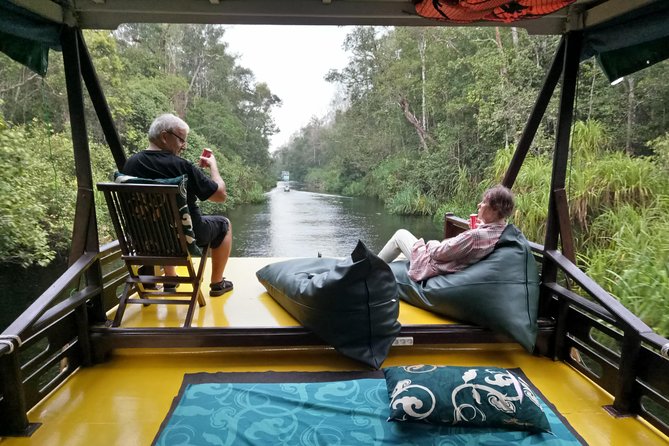
Four days on a klotok brings Borneo close, fast. This private houseboat cruise through Tanjung Puting National Park is built around quiet, respectful wildlife viewing, with stops at well-known orangutan sites along the river.
I especially like the way this trip blends real conservation rules with hands-on time on the water, so you get to watch orangutans and other primates without chaos. You also get an on-board setup that keeps the days simple, with an on-boat chef handling meals while you focus on spotting animals.
One consideration: the centers enforce a no touching, no talking approach, so this is more about patient observation than close interaction. If you need constant chatter and big human interaction, this one might feel a little too rules-first.
In This Review
- Key highlights worth your attention
- Why a 4-day private klotok works better than “just a day trip”
- Price and value: what $591 covers on this private wildlife cruise
- Getting to Kumai and boarding the boat without losing the day
- Day 1 on the river: riverfront life, then the quiet rhythm of cruising
- Tanjung Puting National Park: what “public viewing rules” feel like
- Camp Leakey: orangutan rehab, tea-colored creeks, and a real research legacy
- Pondok Tanggui and the 9am feeding moment
- Day 3 cruising and optional jungle time: balancing walking and wildlife spotting
- Day 4: slow downstream cruising, then Kumai to Pangkalan Bun
- What “private” feels like on board: small group, chef meals, and crew attention
- Animal etiquette that you should treat as part of the experience
- Optional night trek: a chance for nocturnal creatures
- Guides and crew: why names keep coming up
- Who this tour suits best (and who might want a different option)
- Should you book this 4-day Orangutan and Bornean primates klotok tour?
- FAQ
- What is included in the tour price?
- Is this tour private?
- Do I need to bring my own meals or drinks?
- Are there rules at the orangutan centers?
- What about drones for filming?
- Is an overnight jungle trek included?
Key highlights worth your attention
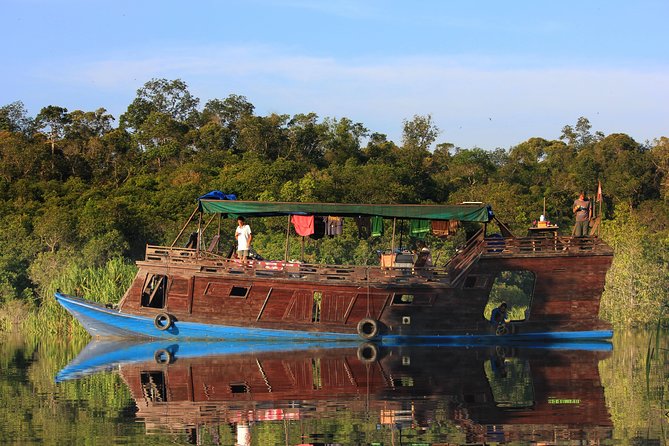
- Private klotok cruising with only your group aboard, up to 12 people per booking
- No touching and no talking at animal centers, designed to protect the animals
- Camp Leakey and other orangutan feeding spots timed for actual viewing opportunities
- Plant a tree in your name, tied to a forest meant to enrich the orangutans’ diet
- Chef-prepared meals with breakfast, lunch, dinner, plus snacks and coffee
- Optional night trek to look for nocturnal creatures
Why a 4-day private klotok works better than “just a day trip”
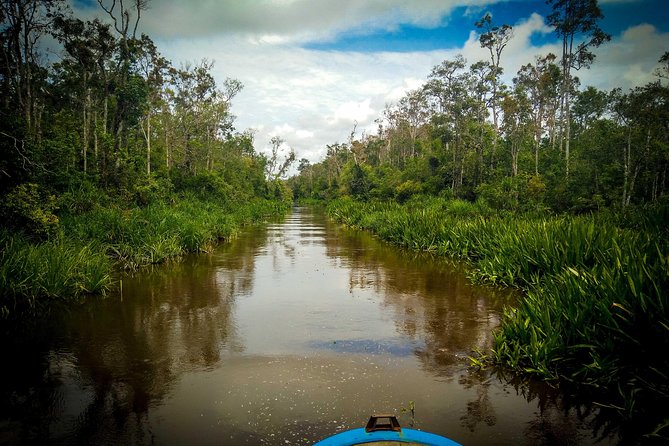
In Borneo, the fastest way to ruin the experience is to rush it. This 4-day houseboat format gives the river time to do what it does best, slow down your day and keep wildlife spotting realistic. You are not sprinting between checkpoints. You are living on the water, which matters when animals decide when they show up.
I also like that the tour is truly private. That means you can keep your group together and move at the guide’s pace instead of playing follow-the-leader with strangers. You’ll still be part of a bigger conservation setting at the centers, but your day-to-day rhythm stays under your control.
The “no touching, no talking” rule is part of why the 4 days works. It cuts the hype, and it protects the orangutans. Yes, it limits certain kinds of photo moments, but it also keeps the day grounded in what you came for: watching behavior, not forcing interaction.
Orangutan Jungle treks readers book most in Indonesia:
- 3-Day Ethical Orangutan Jungle Trek | Bukit Lawang, Sumatra
★ 5.0 · 401 reviews - TOUR PACKAGE (jungle trekking, taxi, Room) 4 DAYS 3 NIGHTS in BUKIT LAWANG
★ 5.0 · 118 reviews - Wonderful 2Days 1Night Bukit Lawang Jungle Trekking Free Rafting
★ 5.0 · 53 reviews
Price and value: what $591 covers on this private wildlife cruise
At $591 per person, you’re paying for more than a ticket to see animals. You’re paying for private transportation by river over multiple days, entrance permits, and full board meals on the boat. That combination is where the value shows up.
Here’s what’s included in the core package:
- Return airport or accommodation transfers in Pangkalan Bun or Kumai
- Entrance permit/tickets (including traveler and camera, plus boat-related tickets)
- Meals on board: 3 breakfasts, 3 lunches, 3 dinners, plus snacks, coffee, and pops
- Private experience setup for your group
What’s not included matters too. Alcoholic drinks can be purchased, but they are not part of the package. Insurance is listed as not included. If you want to film with a drone, the SIMAKSI permit for flying drones is not included.
If you’re comparing to cobbled-together options, the math gets easier when meals and transfers are already handled. Also, a clean, comfortable boat plus on-boat service is not a tiny detail here. It’s the comfort layer that lets you stay patient during wildlife viewing.
Getting to Kumai and boarding the boat without losing the day
Most good river days start with smooth timing. You’ll be met in Pangkalan Bun and transferred to Kumai for boarding, then you set off by boat downriver. On the first morning, you’ll cruise leaving Kumai River, with chances to see everyday riverfront life as you head deeper into the route.
The tour prefers that you arrive before 1pm on your first day. It is flexible, but it gives you a better start. On the final day, you’ll be transferred back to Pangkalan Bun for hotel or airport, and the transfer is scheduled to be before 12pm, also flexible.
This timing detail is worth respecting. If you land late, you may feel rushed while trying to get from airport to harbor. That pressure is not great on a wildlife trip, because your best animal moments often come when you slow down.
Day 1 on the river: riverfront life, then the quiet rhythm of cruising
Day one is about setting the tone. After the airport or hotel transfer to Kumai, you board the kelotok and start cruising. You’ll have an opportunity to see riverfront life, which is more than scenery. It’s the context for why this region feels lived-in, not just staged for visitors.
As you move from Kumai River onward, your day shifts into that slow, watch-and-wait rhythm that makes orangutan viewing possible. The crew can spot movement in the trees and respond with stops when it’s worth it. In the accounts I reviewed, the boat crew’s habit is to look ahead and be ready to slow down so you can actually see what’s there.
Practical takeaway for you: on the first day, keep your expectations steady. Wildlife viewing here is timing-based, not ticket-based. Your job is to stay alert and let the river show you what it wants to show you.
A few more Indonesia trips to compare
- All-Inclusive Ubud Private Tour
★ 5.0 · 14,344 reviews - ️Nusa Penida by Private Boat – Snorkeling 4 spots, Swim with Mantas + Land Tour
★ 5.0 · 6,424 reviews - Ubud: Waterfalls, Water Temple & Rice Terraces Private Tour
★ 5.0 · 5,484 reviews - Ubud: Waterfall, Rice Terraces & Monkey Forest Private Tour
★ 4.9 · 4,894 reviews
Tanjung Puting National Park: what “public viewing rules” feel like
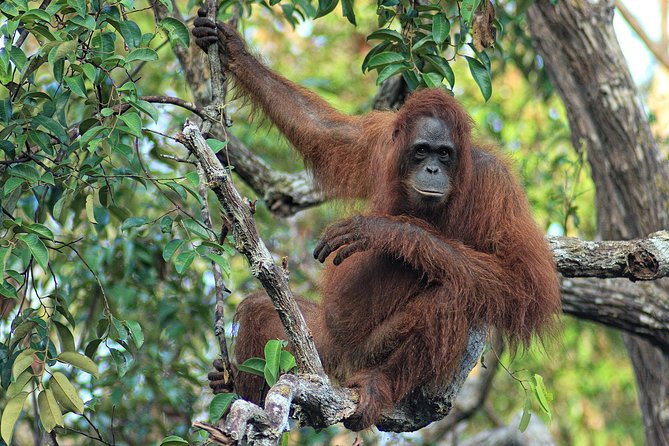
One of the most important things about this tour is how it handles the animal centers. To protect the animals, no touching and no talking is allowed at the centers. That rule changes the feel of the day in a good way, even if it sounds strict on paper.
You’ll spend time in areas where people come to see wildlife, but the goal is controlled observation. The practical effect is less noise, less distraction, and more focus on behavior. You’ll be watching orangutans and other wildlife in a setting designed to reduce stress.
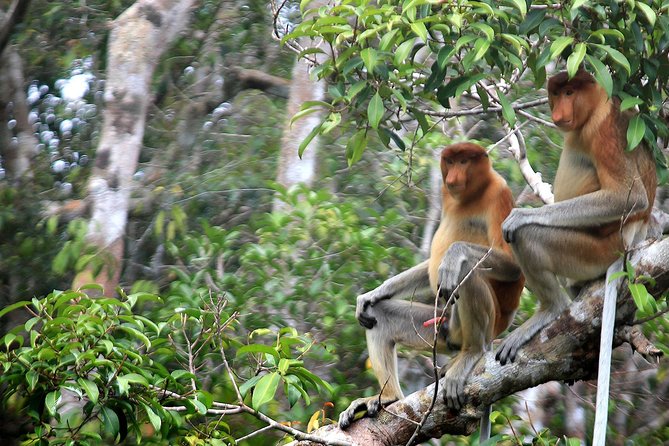
Also, even when you’re not at the main platform feeding moments, the trip keeps you on the water. That means you’re not only waiting on land. You can spot birds, monkeys, and crocodilians during river cruising and side trips, depending on what shows up.
Camp Leakey: orangutan rehab, tea-colored creeks, and a real research legacy
Camp Leakey is one of the big stops, and it has serious credibility in orangutan conservation history. You’ll travel there by boat, and the approach is part of the experience: you’ll side-boat through tea-colored water into small creeks.
What makes Camp Leakey special is the research legacy connected to Prof. Birute M. Galdikas, whose study began there in the early 1970s. That context gives the viewing a different tone. You are not just watching animals. You’re seeing a site with decades of work behind it.
In practical terms, you can expect a strong chance to spot orangutans during the time you spend there, while the center’s rules keep the animals comfortable. If you’re sensitive to loud crowds, this kind of enforcement helps you feel more at ease.
Pondok Tanggui and the 9am feeding moment
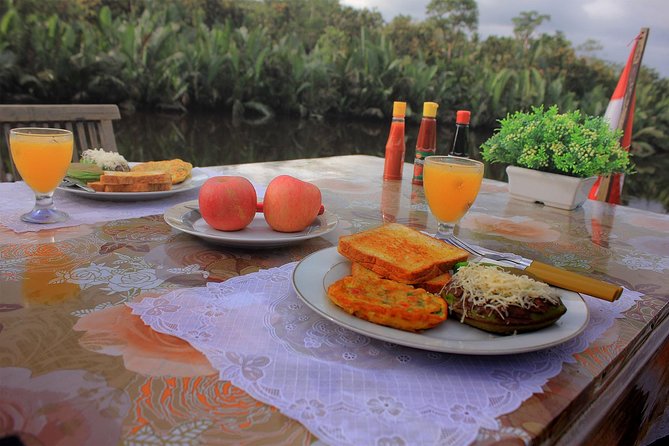
If you want a clear, schedule-driven highlight, this is it. After breakfast, you head to Pondok Tanggui, where orangutan feeding is set for 9am.
9am matters because feeding times concentrate activity. You’re not just guessing. The guide and crew can set you up around the right window so you can watch what happens as orangutans move in and out of view.
There’s also an optional jungle walk linked to the same day, listed as offering around 2 hours. That can be a nice add-on if you want a bit more forest immersion on top of the river time. If you prefer easier pacing, you can stick with the boat-focused parts and focus on spotting from the water.
Either way, keep your mindset simple: watch for movement, not perfection. You’ll often get better views when you let the guide pause the boat or slow down to let you see what they noticed first.
Day 3 cruising and optional jungle time: balancing walking and wildlife spotting
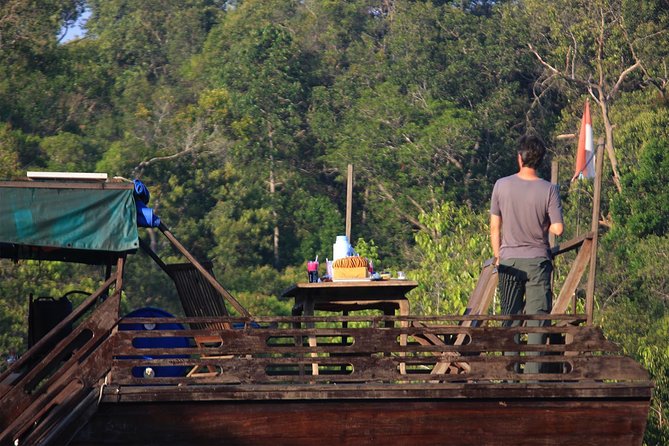
Day three keeps the structure tight. You start with breakfast, then you go to the main feeding opportunity, and the rest of your time stays flexible around wildlife spotting.
The tour design is clearly built around the reality that primates move on their own schedule. So instead of forcing long walks back-to-back, the day balances land opportunities and river cruising. That balance matters because heat, humidity, and fatigue can quietly ruin your ability to spot animals.
I also like the optionality built into the plan. The 2-hour jungle walk is there if you want it, and you’re not penalized if you don’t. That’s a good model for a private group, because different ages and energy levels can still enjoy the day.
If your goal is photography, remember the “no touching, no talking” approach means you should keep your camera low, steady, and ready. You’ll likely get your best shots by being patient and not crowding the viewing area.
Day 4: slow downstream cruising, then Kumai to Pangkalan Bun
Day four is your wrap-up day. You’ll have time for wildlife spotting, listed as about 2 hours, while the boat slowly cruises downstream toward Kumai.
Then you depart Kumai in the morning and transfer back to Pangkalan Bun for hotel or airport. This is also why arrival timing on day one matters. The whole schedule is built to get you back before midday on the last day.
The best way to enjoy day four is to treat it like a final long viewing session. You are not going to cram in big new tasks. You’ll watch what comes up and then the trip closes. The slow downstream cruising style fits that. It keeps you alert and gives you the chance to spot birds, monkeys, and crocodilians during calmer segments of the route.
What “private” feels like on board: small group, chef meals, and crew attention
Private sounds nice, but it becomes real when the boat routine stays smooth. This tour caps groups at a maximum of 12 people per booking, and it’s a private activity meaning only your group participates.
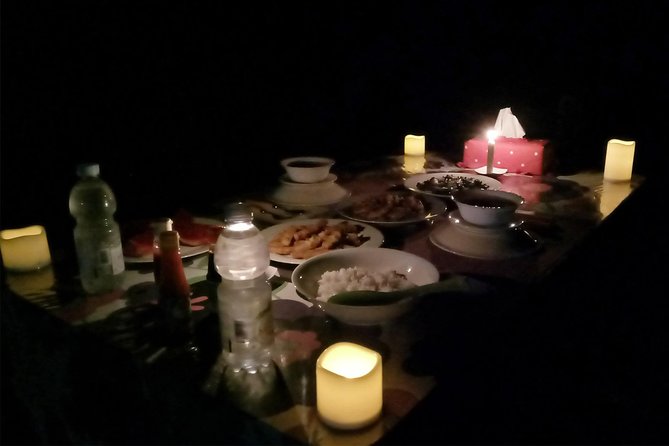
Food is a standout part of why this works. Meals are included on board across the full trip: 3 breakfasts, 3 lunches, 3 dinners, plus snacks, coffee, and pops. There’s also a vegetarian meal option available.
In the notes I saw, guests liked that the crew felt attentive and that the meals kept coming without you thinking about logistics. One account even mentioned outlets on board for charging camera batteries, which is the kind of practical detail that saves your trip when your gear runs low.
Sleeping setup seems comfortable for many people too, including mention of mosquito netting. Still, you should plan like a jungle traveler. Bring what helps you sleep well in warm conditions and keep your comfort kit basic and light.
Animal etiquette that you should treat as part of the experience
The tour’s rules are not just “for show.” They directly shape how your sightings happen.
You should expect no touching and no talking at the centers. That means:
- Keep voices low or off while you’re near feeding and observation areas
- Avoid gestures that could distract animals
- Give space and let the guide choose where you stand
This is the kind of etiquette that makes orangutan viewing more successful for everyone. Animals respond to stress. Less noise equals fewer interruptions and steadier behavior.
It also makes the sightings feel more honest. You’re not trying to force a moment. You’re watching the real rhythm of a rehabilitation and feeding ecosystem.
Optional night trek: a chance for nocturnal creatures
There’s an optional night trek into the jungle included as a possible activity. The purpose is to see nocturnal creatures.
Whether it’s worth it depends on your group and your comfort with night conditions. If you like the idea of wildlife that’s active when most people are done for the day, this is the kind of add-on that can make the overall trip feel fuller.
If you prefer to rest, you can skip it and still get a lot from the day cruising and the main feeding moments.
Guides and crew: why names keep coming up
One of the best clues that a tour is run well is how consistent the human side feels. In the information you provided, multiple guide names came up for positive experiences, including Ana, Maya, Alan (also called Alanconda), Vera, and Nikita. People also praised crew members for service and for actively spotting animals during cruising.
That aligns with what you want on a river trip. Wildlife viewing is half patience, half detection. A guide and crew that scans constantly, then coordinates stops at the right times, can turn a mediocre day into a memorable one.
If you’re booking for a family, that matters even more. You want someone who can explain what you’re seeing in a clear way while keeping the day moving at a reasonable pace.
Who this tour suits best (and who might want a different option)
This is a great fit if you want:
- A private wildlife experience with a small group
- Orangutan and primate time focused around feeding and rehabilitation settings
- A comfortable, food-covered multi-day format with on-board service
It’s also a good pick for adults who enjoy nature without needing constant entertainment. The structure is built for observation.
You might rethink if:
- You get uncomfortable with strict quiet rules at centers
- You need a lot of nightlife or city-style breaks during the trip
- You plan to bring drones, because the SIMAKSI permit is not included and would require extra planning
Also consider age. Minimum age is 3, but children must be accompanied by an adult. So bring a kid if your group can manage the long wildlife day pacing.
Should you book this 4-day Orangutan and Bornean primates klotok tour?
If your goal is a serious, respectful wildlife trip, I think this one is worth strong consideration. The biggest reasons are practical: the private klotok, the included meals and transfers, and the schedule built around Camp Leakey and 9am feeding opportunities. You’re also getting a conservation touch through the tree-planting in your name.
Before you book, decide how you feel about the trade-off. You’re choosing observation over interaction. The animals come first, and that’s the whole point.
If you want, I can also help you compare this 4-day option to a shorter itinerary style using your priorities, like photography, family ages, and your tolerance for early starts.
FAQ
What is included in the tour price?
Meals are included (3 breakfasts, 3 lunches, 3 dinners, plus snacks, coffee, and pops). The price also includes return airport or accommodation transfers in Pangkalan Bun or Kumai, entrance permit/tickets (including traveler and camera, plus boat-related tickets).
Is this tour private?
Yes. It’s described as a private tour/activity, with only your group participating. It also lists a maximum of 12 people per booking.
Do I need to bring my own meals or drinks?
No. Meals are included, and vegetarian meal options are available. Alcoholic drinks are not included, but they are available to purchase.
Are there rules at the orangutan centers?
Yes. To protect the animals, you must follow no touching and no talking rules at the centers.
What about drones for filming?
Drone filming requires a SIMAKSI permit, and that permit is not included in the tour.
Is an overnight jungle trek included?
An optional night trek into the jungle is offered. The data provided lists it as optional rather than guaranteed for every booking.
Just added around Indonesia
- Bali: 3-Day Private Gili Islands Snorkel Tour with Hotel★ 4.2 · 44 reviews
- Tanah Lot-Nung Nung Waterfall-Jatiluwih and Bedugul★ 4.7 · 16 reviews
- SURAKARTA (SOLO CITY) : CUSTOMIZED TOURS WITH CAR DRIVER★ 4.8 · 6 reviews
- Surf Lessons in Uluwatu for All Levels★ 4.9 · 15 reviews
- Surf Canggu: Lessons for Beginners & Pros in Bali★ 5.0 · 5 reviews
- SURFA BALI curated surf lesson + trip to spots (Beg. & Int.)★ 4.3 · 6 reviews
- From Malang/Surabaya: Mount Bromo Sunrise Ultimate (Shared)★ 4.3 · 51 reviews
- Surabaya: Tumpak Sewu Waterfall, Bromo and Ijen Shared Tour★ 4.4 · 14 reviews
Orangutan Jungle Treks, compared.

3-Day Ethical Orangutan Jungle Trek | Bukit Lawang, Sumatra
Read our review →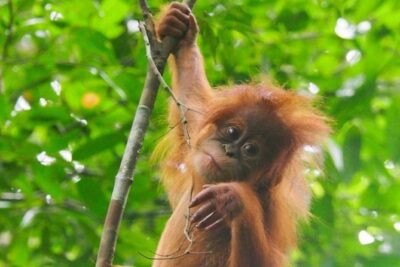
TOUR PACKAGE (jungle trekking, taxi, Room) 4 DAYS 3 NIGHTS in BUKIT LAWANG
Read our review →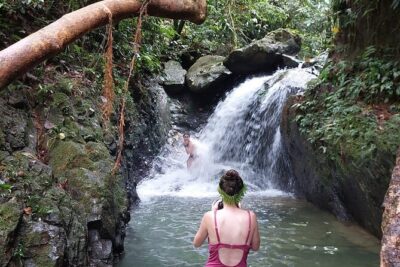
Wonderful 2Days 1Night Bukit Lawang Jungle Trekking Free Rafting
Read our review →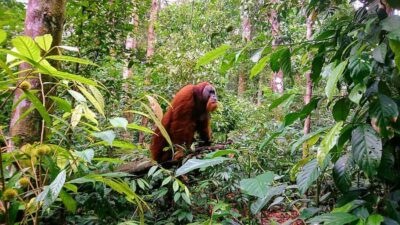
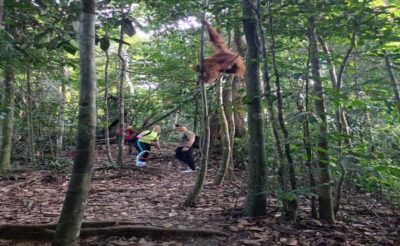
Bukit Lawang: Orangutan Tour & Wonderful Jungle View
Read our review →
Bukit Lawang: A Unique Wildlife Tour & Overnight into Jungle
Read our review →
Bukit Lawang: Jungle Trekking and Rafting Day Trip
Read our review →Browse the lists this tour appears in