
REVIEW · SCUBA DIVING TRIPS
Bali: 3-Days PADI Open Water Diving Course
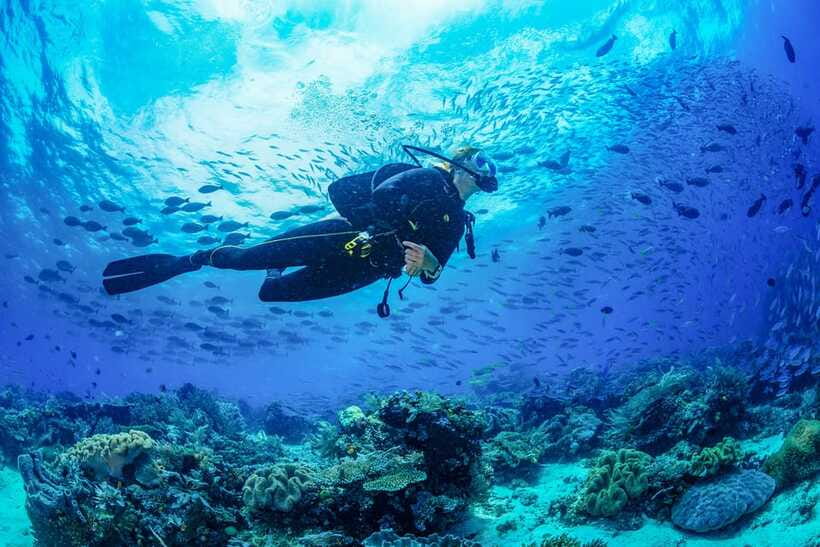
Three days to a new certification. This Bali course gets you from classroom theory to open-water water sessions with a small group and seriously scenic stops tied to the Coral Triangle.
I like the clear progression, pool skills on day one and real confidence-building in the water on days two and three. I also love the teaching style, with instructors such as Eka, Ari, Tunas, and Ketut described as patient, safety-first, and great at keeping things fun.
The main consideration is scheduling and rules around flying: you must have at least 18 hours rest before an upcoming flight, or you may not be allowed to participate. If your plans are tight, factor that in early.
In This Review
- Key highlights I’d plan my trip around
- Why 3 Days Works: PADI Open Water pacing in Bali
- Day 1 at the pool: the skills that make you feel in control
- Padang Bai Blue Lagoon: your first open-water training in the water
- Tulamben and the USAT Liberty wreck: the finish line with real wow factor
- Transport, timing, and the value of not hauling your own gear
- Price and what you actually get for $409
- Safety style and why instructors like Eka and Tunas matter
- The 18-hour rest rule before flying, and why it is not negotiable
- Where to stay during the course: Sanur tends to be easiest
- Who this Bali course is best for
- Should you book this 3-day PADI Open Water course in Bali?
- FAQ
- How long is the Bali PADI Open Water course?
- Where will I do the open-water training?
- What does the $409 price include?
- What pickup times are offered?
- Do remote areas cost extra for pickup?
- What should I bring?
- Are there any important health or timing rules?
Key highlights I’d plan my trip around
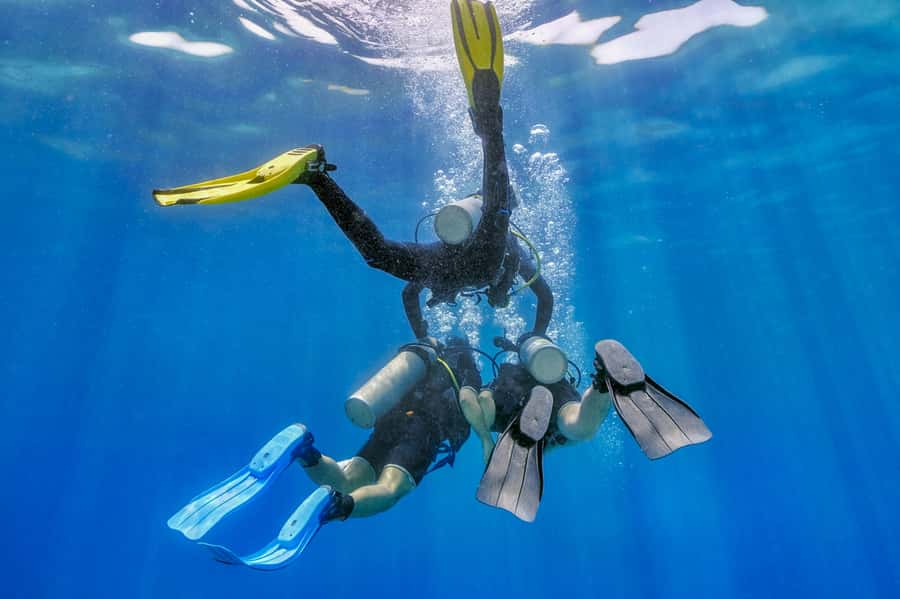
- Small group, max 4 participants, so you get more personal attention during skills practice
- Pool to ocean progression with quizzes, exam review, and equipment practice before you go out
- Padang Bai Blue Lagoon for early open-water training in calmer, friendlier conditions
- Tulamben and the USAT Liberty wreck, a standout final site for course completion
- Instructor support that feels structured but relaxed, including on-the-spot confidence building
- Transfers, marine park and boat fees, and rental gear included, so you are not juggling logistics
Why 3 Days Works: PADI Open Water pacing in Bali
If you want the practical outcome fast, a 3-day PADI Open Water course makes sense. You are not just watching videos, you are doing skills, logging equipment, and getting the signed-off steps that lead to certification.
What I like about this schedule is that it’s designed to build comfort in layers. Day one is about getting your body and gear working as a system. Day two and three are where the underwater environment does the talking, especially around Padang Bai and Tulamben.
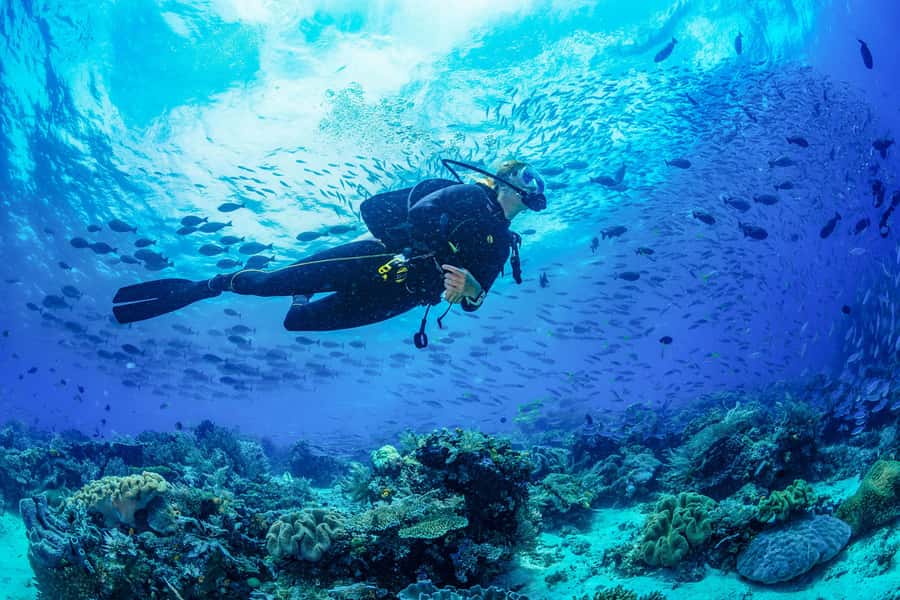
You are also diving into Bali’s marine reputation for a reason. This route links to the Coral Triangle ecosystem, which is famous for color, variety, and healthy reefs. Even if your goal is certification, the sites help the learning stick.
Compare these Scuba Diving trips in Bali:
- 2 Days Discover Scuba Diving in Nusa Lembongan – Scuba Initiation
★ 5.0 · 506 reviews - Bali Diving for Beginners: Tulamben Liberty Wreck
★ 5.0 · 367 reviews - Discover Scuba Diving in Tulamben – Diving Initiation in Bali best diving sites
★ 5.0 · 353 reviews
Day 1 at the pool: the skills that make you feel in control
Day one starts with registration and paperwork at the scuba operator’s base. Then you move into instructional videos and knowledge review, using quizzes and exams to confirm you understand how things work.
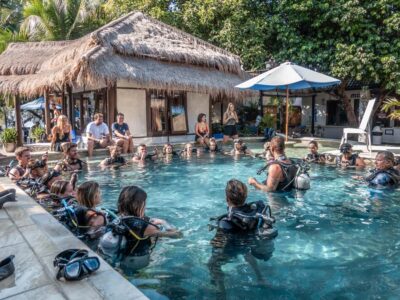
After lunch and light refreshments, you shift into the practical stuff. Pool skills are where you learn the basics of using scuba equipment, from the physical motions to the mental checklist of what to do when conditions change. It’s also where instructors can slow things down without rushing you.
The equipment process matters here. You practice with the gear you will later use outdoors, then you go through equipment logging and sign-off paperwork at the end of the day. That reduces guesswork later, because your course team already knows what you can handle and what needs extra attention.
One small detail I appreciate: the vibe is often described as patient and fatherly, especially with instructors like Ari and Ketut. That kind of teaching style matters on day one, because you want calm guidance when you are learning breathing control and buoyancy basics.
Padang Bai Blue Lagoon: your first open-water training in the water
On day two you head to Padang Bai. Transportation is included, and the day starts with preparing and loading vehicles, then heading to the harbor for a boat ride.
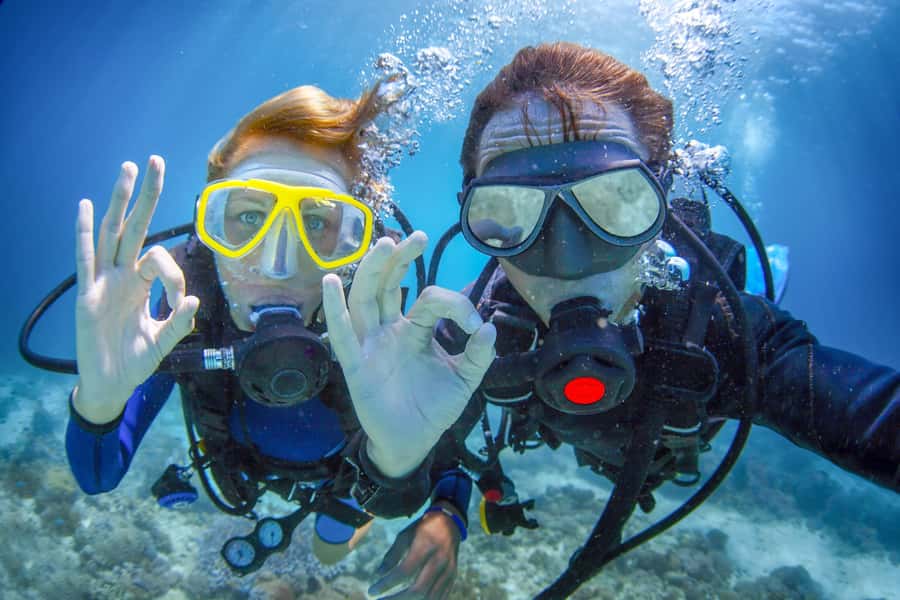
The first open-water training session is done at the Blue Lagoon. I like that this is not the most intimidating option on the calendar, because early ocean time is about learning your pace. You get a break on the boat deck, with downtime to relax or even take a quick swim if your schedule allows.
Then it’s back in the water for the second open-water training session at the same area. Doing two sessions in one region helps you settle in faster. Your instructor can adjust based on how you handle basic skills, so you are not starting over from scratch.
Lunch is part of the rhythm too. You head back and stop at Billabong Restaurant before returning to the scuba operator for the next stage. That kind of planning is not glamorous, but it keeps the day from turning into a long, hungry sprint.
Tulamben and the USAT Liberty wreck: the finish line with real wow factor
Day three means Tulamben, and the underwater focus becomes the wreck of the USAT Liberty. This is the moment many people remember most, because wreck diving is a different feel than reef training.
Between sessions, you have lunch, then you pack up after the final water session and return to base for certification and sign-off. The course structure is designed so that the final steps happen right after you complete the last required training components, not days later.
A practical note: the road time can be long. One person noted it as around a 2.5 hour drive to reach the wreck. That’s not a dealbreaker, but it is worth planning for if you get travel motion sickness or you want to stay close to home.
On the plus side, the final site experience is often described as stunning and worth the commute. If you are hoping your certification time also feels like a real Bali highlight, this is where the course earns it.
A few more Bali trips to compare
- Scuba Diving in Nusa Penida – Manta Point
★ 5.0 · 198 reviews - Manta Dive Gili Trawangan: Discover Scuba Diving
★ 4.8 · 41 reviews - Try Diving in Manta Point – Nusa Penida
★ 5.0 · 41 reviews - Gili Trawangan : Discovery Scuba Diving
★ 4.8 · 38 reviews
Transport, timing, and the value of not hauling your own gear
Logistics can make or break a short course, and this one is built to remove the stress. Hotel transfer is included, and pickups cover major south Bali areas such as Nusa Dua, Jimbaran Beach, Kuta, Legian, and Seminyak. Timing is specific too, around 07:00 to 07:15 in those zones, and 07:30 to 07:45 from Sanur.
You also have a small-group setup, limited to 4 participants. That matters more than you might think. In a class, a smaller group means your instructor spends less time repeating basics and more time watching your technique.
If you are staying far from the main pickup zones, there is an extra charge. The remote areas listed include Uluwatu/Pecatu, Canggu, and Ubud, and the additional cost is noted as US$27 per group per day in one place and IDR 350,000 in another. Either way, it’s a signal to choose your base wisely.
I’d also plan your stay for less rushing. One practical tip that keeps showing up is to stay in Sanur during the course. It can cut down the frantic back-and-forth to a more distant hotel.
Price and what you actually get for $409
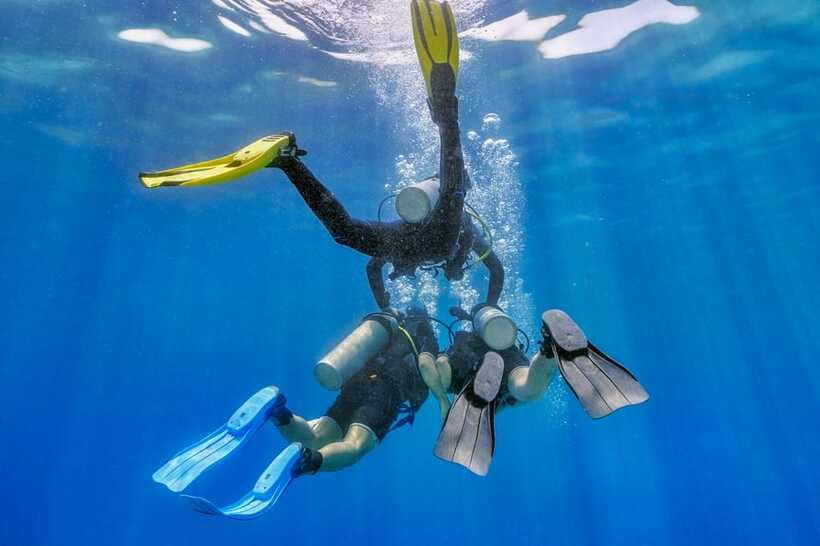
The price is $409 per person for a 3-day PADI Open Water course. For many people, the real value is what’s included, not just the certification itself.
Included items cover the essentials that often cost extra elsewhere:
- Rental of all scuba equipment, including tanks and weight belts
- PADI E-Learning materials and certification components
- Boat and porters fees for the day trips
- Marine park entry fees
- Lunch and light refreshments, plus free water, tea, and coffee at the scuba base
- Hotel transfer and support for getting to and from the sites
- Equipment you used, washed and stored for you
Insurance is also included: coverage by DAN Insurance. That’s a meaningful inclusion for a short course, because it removes a common headache when you are trying to travel light.
Not included is more straightforward: a GoPro camera rental if you want one, swimwear, and sunscreen. I suggest you budget for sunscreen anyway, since saltwater and sun are a fast combo.
One more practical angle on value: the course is designed to get you certified quickly. If you are traveling for a limited window, saving time can be worth a lot, as long as you can meet the rules around rest before flying.
Safety style and why instructors like Eka and Tunas matter
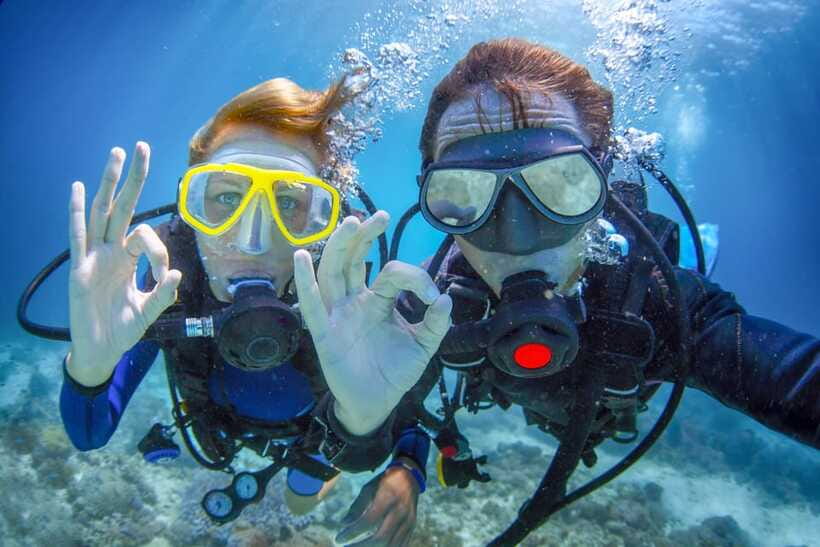
A certification course lives or dies on safety habits. You can feel that in how instructors are described, with a consistent theme of professionalism and comfort-building.
People highlight instructors such as Eka for professional, serious teaching while still keeping things fun. Others mention Tunas, nicknamed Mr. Handsome, as an easy-to-understand teacher who helps you feel safe and clear in the water. Ari and Ketut show up again and again for patience, humor, and careful pacing.
That matters because open-water sessions test more than courage. You need good breathing habits, calm buoyancy, and clear responses when you are asked to do skills. More than one person specifically notes reminders like not holding your breath underwater, which is core to safe, controlled scuba.
Small-group attention also helps. In a class of four, instructors can spot issues early, whether it’s equipment fit, comfort, or how quickly you reset after a skill.
The 18-hour rest rule before flying, and why it is not negotiable
Here’s the rule you should take seriously: you must have at least 18 hours of rest to reduce nitrogen in your body before an upcoming flight. If you do not have that, you will not be allowed to participate.
Even if you think you can squeeze in your flight plan, don’t gamble. Certification is not the time to test timing. Plan an extra day if your schedule is tight, then let the course be the main event.
This is also where the itinerary rhythm helps. The course ends with certification and sign-off back at the base on day three, so you can plan your next travel step with the rest window in mind.
Where to stay during the course: Sanur tends to be easiest
Your lodging can change how the course feels. If you stay in Sanur, you are more likely to match the pickup schedule neatly, with a pickup window listed around 07:30 to 07:45.
If you stay in the central south Bali areas covered by the main pickup zones, you are also in the right band. The key is reducing long transfers, because day one already includes a full day of theory and pool skills, then days two and three add boat and site travel.
In short, choose a base that lowers the daily travel friction. It makes the course feel smoother and keeps you from starting the day tired.
Who this Bali course is best for
This course is designed for people ready to learn a structured skill set and follow instructions carefully. The group is small, the instruction is in English and Indonesian, and the course includes the equipment so you are not carrying scuba gear around Bali.
It fits well if you want:
- A quick path to PADI Open Water certification in 3 days
- Real open-water practice at recognized sites, including the USAT Liberty wreck
- A calm, safety-first learning environment with hands-on teaching
If you have flexibility, you can also benefit from being able to start based on availability, since starting times vary by schedule.
It is not suitable for everyone. It is not recommended for pregnant women, people with heart problems, wheelchair users, or people with respiratory issues. And there is a minimum age requirement: participants must be at least 10 years old.
Should you book this 3-day PADI Open Water course in Bali?
I think this is a strong choice if you want certification fast, with a well-paced structure and real ocean experience at Padang Bai and Tulamben. The combination of small groups, included equipment, boat and marine park fees, and DAN Insurance makes it feel like a complete package rather than a bare-bones course.
Book it if you can plan around the 18-hour rest rule and you are comfortable committing to a full day schedule each morning. Also, choose your hotel location with pickup time in mind, since travel time can add up.
Skip or ask more questions first if you fall into the listed medical or mobility restrictions. And if you are sensitive to long road travel, the Tulamben day may take more patience.
If you want a short, high-output Bali experience that teaches real scuba skills and ends at a famous wreck site, this 3-day course is the kind of plan that can genuinely upgrade your trip.
FAQ
How long is the Bali PADI Open Water course?
It runs for 3 days. Starting times depend on availability.
Where will I do the open-water training?
You’ll have open-water training in the Blue Lagoon at Padang Bai on day two. On day three, the course takes you to Tulamben for the USAT Liberty wreck site.
What does the $409 price include?
The course includes hotel transfer, marine park entry fees, boat and porter fees, lunch and light refreshments, free water, tea and coffee at the scuba base, a professional instructor, rental equipment (including tanks and weight belts), PADI E-Learning materials and certifications, towel upon request, and DAN Insurance coverage.
What pickup times are offered?
Pickup is included from major south Bali tourist areas such as Nusa Dua, Jimbaran Beach, Kuta, Legian, and Seminyak between 07:00 and 07:15. Sanur pickups are between 07:30 and 07:45. Your exact pickup time is confirmed via WhatsApp one day before the trip.
Do remote areas cost extra for pickup?
Yes. Remote areas such as Uluwatu/Pecatu, Canggu, and Ubud have an extra pickup and drop-off cost. The data lists both US$27 per group per day and IDR 350,000 for pickup and drop-off per group per day.
What should I bring?
Bring swimwear, a change of clothes, and sunscreen. You can also request a towel from the team.
Are there any important health or timing rules?
You must be able to get at least 18 hours of rest before an upcoming flight, or you will not be allowed to participate. The course is not suitable for pregnant women, people with heart problems, wheelchair users, or people with respiratory issues. The minimum age is 10 years old.
Just added around Bali
- Bali: 3-Day Private Gili Islands Snorkel Tour with Hotel★ 4.2 · 44 reviews
- Bali: 2-Day Sunset and Sunrise Camping at Mt. Batur★ 4.6 · 124 reviews
- Private Full-Day Tour to the Real Bali Swing and Ubud★ 4.5 · 9 reviews
- Ubud: Rice Terrace, Holy Water Temple & Waterfalls Trek Tour★ 4.9 · 115 reviews
- Sanur Village E-bike Tour: Family-Friendly Adventure★ 4.6 · 85 reviews
- Sanur: Horse Riding at the Bali Beach 30 minute ride★ 4.6 · 8 reviews
- Private Sekumpul Waterfall Hiking Tour★ 4.9 · 116 reviews
- Nusa Penida and Nusa Lembongan Island Tour★ 4.7 · 24 reviews
Scuba Diving Trips, compared.
2 Days Discover Scuba Diving in Nusa Lembongan – Scuba Initiation
Read our review →
Bali Diving for Beginners: Tulamben Liberty Wreck
Read our review →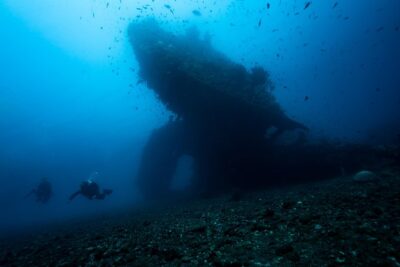
Discover Scuba Diving in Tulamben – Diving Initiation in Bali best diving sites
Read our review →
Snorkeling and Freediving Trip around Nusa Penida
Read our review →
Manta Dive Gili Trawangan: Discover Scuba Diving
Read our review →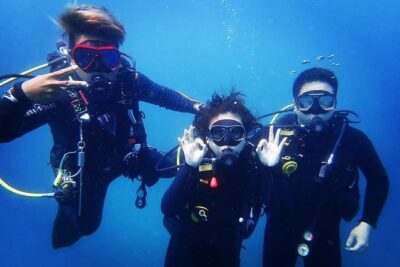
Browse the lists this tour appears in