
REVIEW · MOUNT BATUR SUNRISE TREKS
Bali/Batur: Mystical & Burial Rituals Tour with Kehen Temple
Bali gets spiritual fast on this day trip. I love the chance to meet the Bali Aga and hear how Balinese belief works for daily life, then I love ending at Kehen Temple, with its famous steps. One heads-up, the Trunyan stop involves real burial sites, so it can feel heavy for some people.
You ride in a comfortable air-conditioned car, you learn about Balinese concepts of the seen and unseen (Sekala and Niskala), and the whole day feels more like cultural conversation than sightseeing. At about $35, the value is strong because hotel pickup and drop-off, a guide, and key entry elements are bundled, with extras you can add if you want them.
Also plan for practical stuff: you need modest clothing, the paths are uneven, and you do a boat crossing to reach Trunyan. If you are pregnant, have mobility limits, or you are uncomfortable around death rituals, this is not the day for you.
In This Review
- Quick Hits Before You Go
- Your Day in Bali Batur: The Spiritual Theme That Ties It Together
- Meeting Bali Aga and Learning the Intangible Parts of Tradition
- Trunyan Village Cemetery: The Bamboo Cages Under Taru Menyan
- Getting There by Boat, and Why Shoes Matter
- Bayung Gede: Hanging Newborn Placentas and Why This Village Still Matters
- A Quick Reality Check: Respecting Sacred Spaces
- Kehen Temple: Steps of Heaven and a Wooden Bell on an Old Banyan
- Choosing Add-Ons: Coffee, Lunch, Photos, and Adventure
- Guides Who Make the Day Work: Yogibearwithnohair, Raka, Kar, and More
- Price and Value for $35: What You Get, What You Might Pay Extra
- What Timing Feels Like: A Full Day With Uneven Pacing
- Who This Tour Suits Best (and Who Should Skip It)
- A Simple Packing and Behavior Checklist
- Should You Book This Tour?
- FAQ
- Is hotel pickup and drop-off included?
- How long is the tour?
- Is lunch included?
- What is included for Trunyan by boat?
- What is the cost for a boat charter to Trunyan?
- What should I wear and how should I behave?
Quick Hits Before You Go
- Trunyan Cemetery rules: no cremation, bodies are placed in bamboo cages under Taru Menyan tree
- Bayung Gede placenta tradition: hanging newborn placentas are part of an ancient village identity
- Kehen Temple steps of heaven: built on a hillside setting, with a wooden bell on an old banyan tree
- Learn Sekala and Niskala: your guide explains why rituals link daily life with the unseen
- Boat crossing realities: expect uneven steps and weather-based timing changes
- Optional upgrades: lunch, polaroid keepsake, Luwak coffee tasting, massages, and more
Your Day in Bali Batur: The Spiritual Theme That Ties It Together
This tour is basically one long guided answer to a big question: how do people live when death is treated as part of life’s continuing story? The route is designed so each stop adds a layer, starting with two ancient village traditions, then closing at Kehen Temple, where the religious architecture makes the beliefs feel physical.
The practical side matters too. You get picked up from your accommodation and travel by car with time to see the volcanic region road scenery. Along the drive, your guide connects local customs to what you will later see at the sites, including Balinese ideas about Sekala (the seen) and Niskala (the unseen). That framing helps a lot, because you are not just watching rituals, you are trying to understand the meaning behind them.
More Temple Tours in Bali
- Bali: Besakih Temple & Lempuyang Temple Gates of Heaven Tour
★ 4.8 · 3,243 reviews - Bali Sunset: Uluwatu Temple, Kecak Dance and Jimbaran Bay
★ 4.7 · 2,397 reviews - Bali: Tanah Lot UNESCO World Heritage Sites Full-Day Tour
★ 4.7 · 1,947 reviews
Meeting Bali Aga and Learning the Intangible Parts of Tradition
One of my favorite parts of this kind of tour is that it does not only show monuments. It points you toward the intangible stuff: how communities practice belief, how elders transmit rules, and why certain actions are taken with care and restraint.
This trip includes time with the Bali Aga people and their traditions. You are not just collecting facts. You are learning how sacred customs shape daily behavior and how tradition stays alive even as modern Bali develops around it.
You will also get a sense of how to behave when you enter sacred spaces. A good guide will tell you what is respectful before you walk in, so you are not guessing. That matters at these stops, because the right attitude often does more than the right outfit.
Trunyan Village Cemetery: The Bamboo Cages Under Taru Menyan
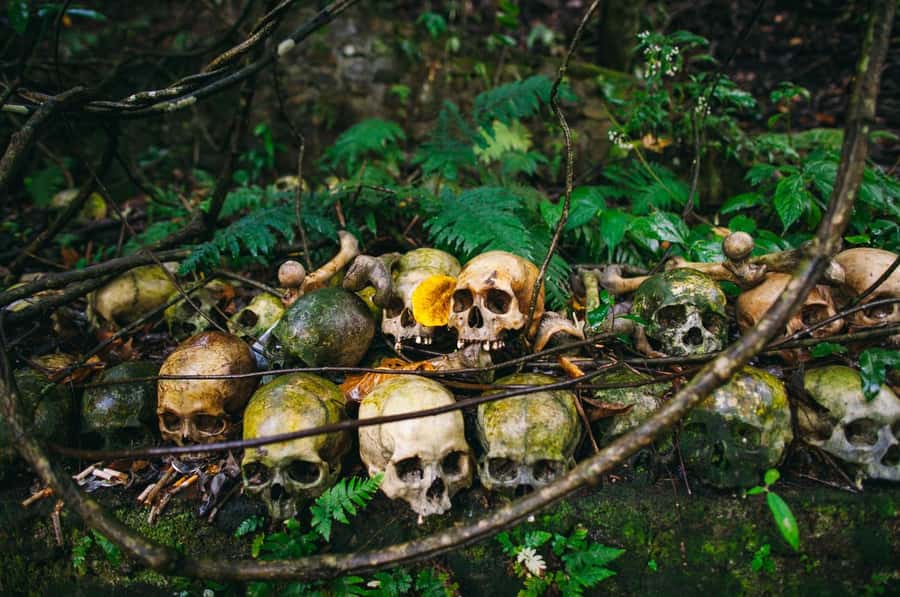
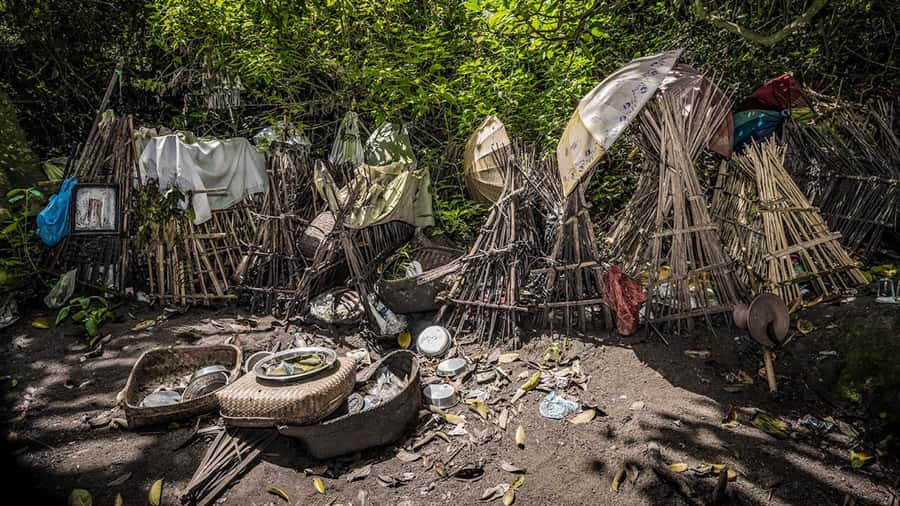
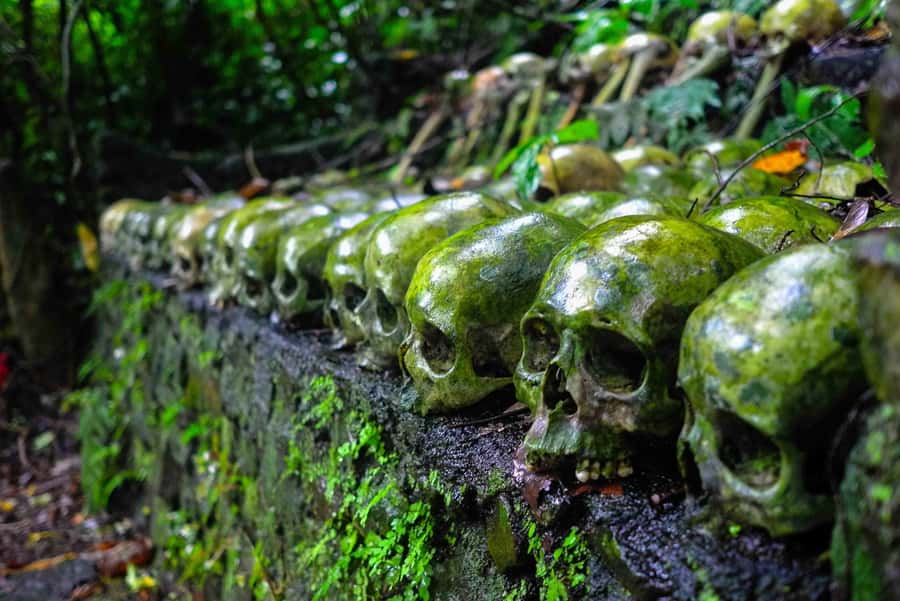
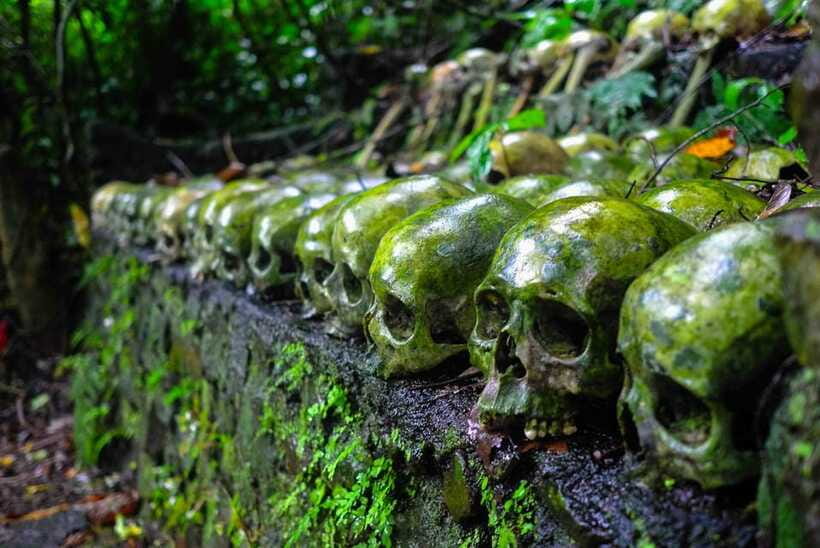
Trunyan is the emotional center of the day. The village is known for a cemetery tradition that does not follow cremation. Instead, after a cleansing ritual, the dead body is placed in a bamboo cage called an ancak saji, then positioned under the Taru Menyan tree.
Here is the detail that makes it feel strangely specific. Taru Menyan means nice-smelling tree, and the tree is said to emit a scent that helps neutralize the smell of rotting bodies. The name Trunyan is believed to come from that tree connection.
Another rule sets Trunyan apart even more. It is only the bodies of married people that are placed in bamboo cages. That means the cemetery is not only a site you pass through, it is tied to family structure and social life.
A practical note you should take seriously: the Trunyan stop includes exposure to real burial sites, which can be emotionally sensitive. I recommend going with a calm pace, letting your guide set expectations, and stepping back if you need a breather. If you hate ritual death practices or you tend to get overwhelmed easily, skip this one.
Getting There by Boat, and Why Shoes Matter
To reach Trunyan, you board a boat and cross to the cemetery area. Weather conditions can affect the ride, and safety adjustments may happen. Uneven paths are part of the experience, so comfortable shoes are not optional.
There is also a cost detail to keep in mind. The cost for a boat charter to Trunyan is IDR 600,000 per boat (it can take up to five people). Depending on the option you choose, you might have a boat ticket included, or you might pay separately. You should bring cash, because local villages generally do not accept cards.
Another side of Indonesia:
- Bali: Sunrise Mount Batur Guided Hike with Breakfast
★ 4.8 · 9,660 reviews - Bali: Mount Batur Sunrise Guided Hike and Natural Hot Spring
★ 4.8 · 9,284 reviews - Bali: Full-Day Instagram Highlights Tour
★ 4.8 · 7,817 reviews - Bali/Nusa Penida: East & West Highlights Full-Day Tour
★ 4.7 · 6,263 reviews
Bayung Gede: Hanging Newborn Placentas and Why This Village Still Matters
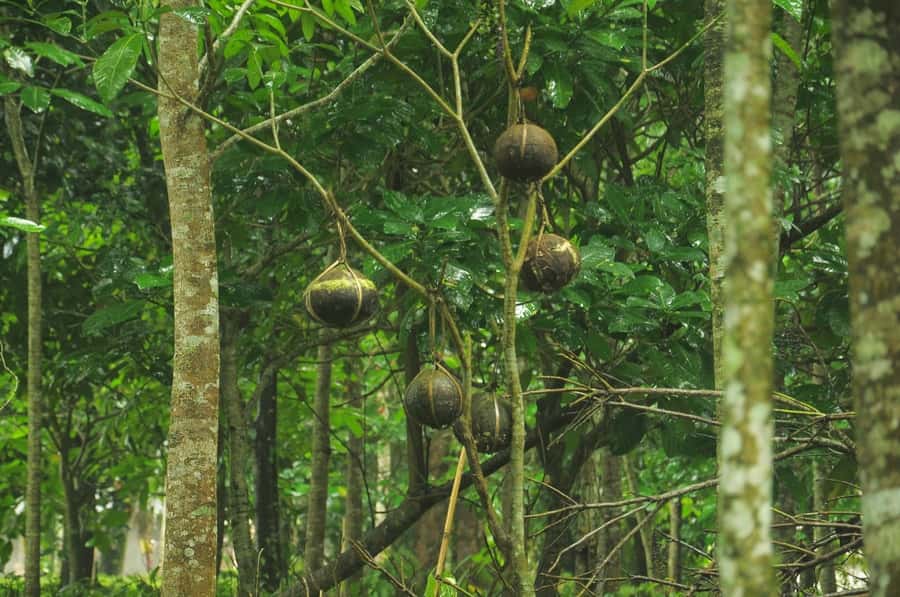
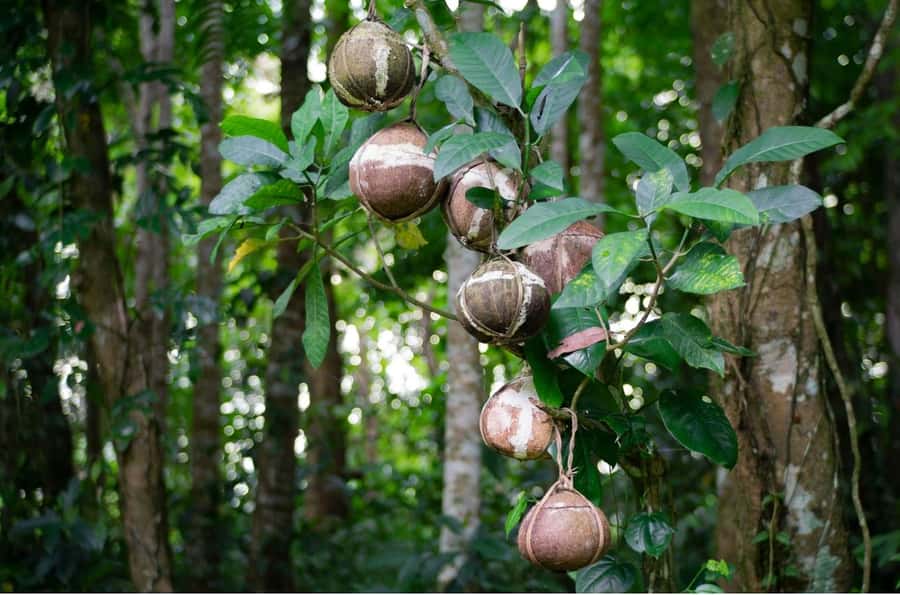
After Trunyan, the day shifts tone. Bayung Gede is still ancient and sacred, but the feature is different. This is a village believed to be the parent of all of Bali’s ancient villages. And yes, it is famous for hanging newborn placentas.
In Bayung Gede, placentas are treated as something that stays connected to the community and the natural world. The placentas are displayed hanging, and the idea of leaving them unburied is what makes the site so unusual. In the tour framing, it is the placenta that is unburied here, creating a parallel with Trunyan, where bodies are laid in a different form and context.
This stop is also valuable because it shows how beliefs are practical. Rather than death and birth being separate topics, the community handles them within the same spiritual logic. Your guide’s explanations connect this to Niskala and Sekala thinking, so you can see the rules, not just the visuals.
A Quick Reality Check: Respecting Sacred Spaces
In villages and temples, you are expected to follow local rules. Dress modestly, with shoulders and knees covered. Photography can be restricted in certain sacred areas, so ask your guide before you start taking photos.
If you remember only one behavioral tip, make it this: avoid touching ceremonial items or entering restricted areas. It is not about being nervous. It is about not turning someone else’s sacred life into your souvenir hunt.
Kehen Temple: Steps of Heaven and a Wooden Bell on an Old Banyan

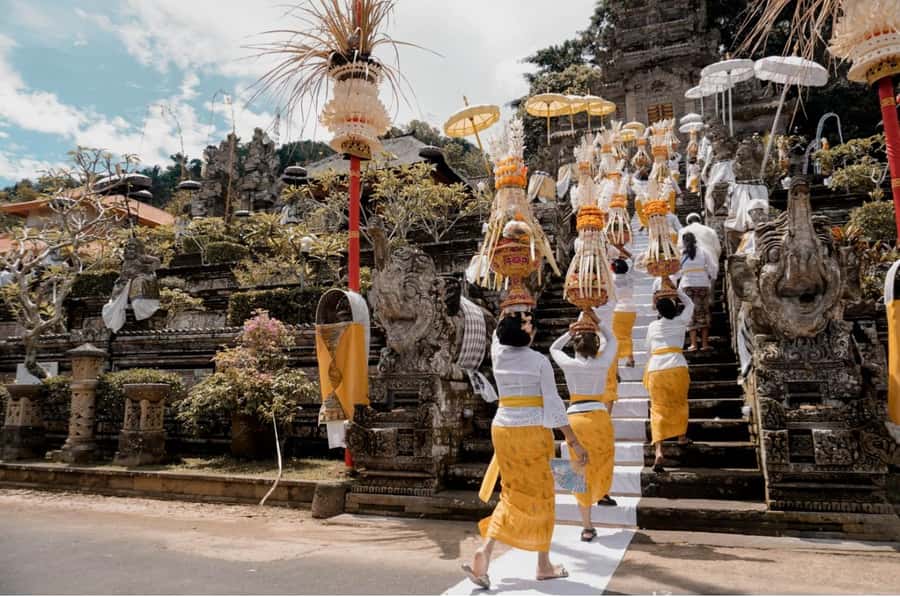
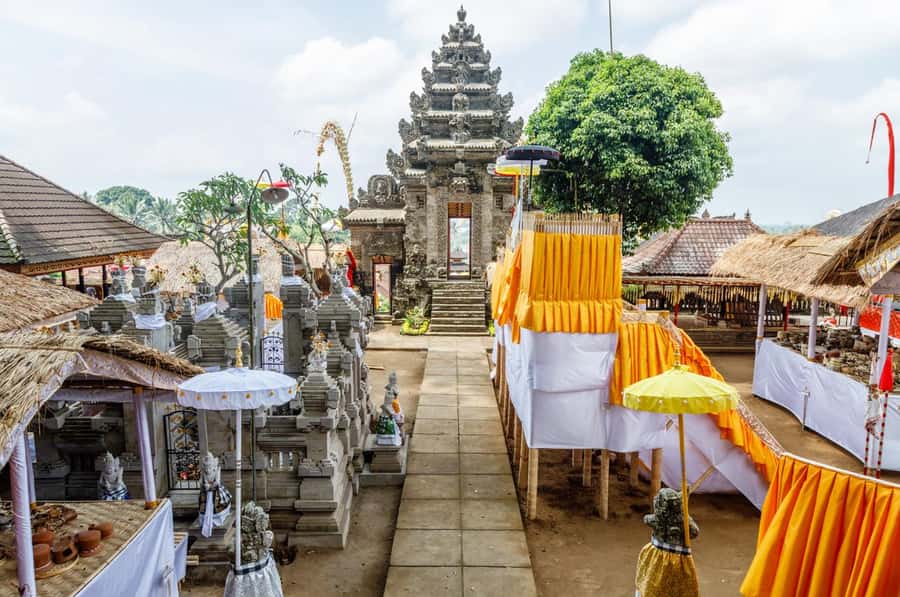
Kehen Temple is your payoff stop, and not in a cheesy way. It is built on the slope of Bukit Bangli, and it is believed to be the mother temple of Bangli. The setting helps. You arrive with a deeper understanding of why ritual spaces matter, and then you see how that belief shapes stone, steps, and sacred objects.
The temple is famous for its steps of heaven. You will also notice a unique wooden bell hanging on a very old banyan tree. Those two features together make Kehen feel both symbolic and earthy, like the religion is rooted in something you can point to.
This is the moment where the day often clicks. Earlier stops showed you ritual rules around life transitions. Kehen gives you the architectural version, a designed way to move through sacred space.
Choosing Add-Ons: Coffee, Lunch, Photos, and Adventure
You can customize the day with optional add-ons. Some options pair well with the day’s spiritual tone, others are more about breaking up the pace.
Here are add-ons listed for this experience:
- buffet lunch
- polaroid camera photographs
- traditional massages
- Luwak coffee tasting and other coffee tasting options
- jungle swings
- rafting
- ATVing
- hot springs visit
- a German-speaking guide (depending on availability)
A practical tip: if you choose the coffee tasting or Luwak tasting, pay attention to timing. The ride schedule and the boat crossing can shape when you get your food and stops. Also, if you want to take home keepsakes, the polaroid option can be worth it, especially because the day includes mood-heavy visuals where a quick photo souvenir actually feels meaningful.
Guides Who Make the Day Work: Yogibearwithnohair, Raka, Kar, and More
On a tour like this, the guide is not just logistics. They are interpretation. The strongest guides turn each site into a story you can hold onto, and they do it with sensitivity around burial rituals.
You may end up with guides such as Yogibearwithnohair, Raka, Kar, Karba John, Sandy, Suker, Dwipa, Sana, or Agus, depending on the day and language. Several of these guides are known for clear explanations, calm pacing, and careful handling of the cemetery context.
One reason this matters: at Trunyan, emotions can hit fast. A careful guide helps you understand what you are seeing without forcing you to sit through anything that feels too intense. That kind of guidance is the difference between a strange day and a day that stays with you in a good way.
Price and Value for $35: What You Get, What You Might Pay Extra
At around $35 per person for an 8-hour day, the value can be strong if you match your expectations to what is included. Hotel pickup and drop-off, a tour guide, and mineral water are included. Entrance fees are included only if you select an option that includes them.
Also, the boat ticket to Trunyan Cemetery is included if you choose an option with the entry ticket selected. If you select an option excluding entry tickets, the boat to Trunyan Village may not be included. In that case, plan for the boat charter cost of IDR 600,000 per boat (up to five people).
So here is the practical way to think about value: you are paying for transportation, a guide who can explain sacred places, and access to two ancient village sites plus Kehen Temple. If you go in expecting only a quick photo stop, it will feel expensive. If you go in wanting context and meaning, it is a bargain for an all-day route.
What Timing Feels Like: A Full Day With Uneven Pacing
This is an 8-hour experience, and it runs as a true day trip. You spend time driving, you have village walking time on uneven paths, and you have the boat crossing to reach Trunyan. Because weather can affect the boat ride, the day might shift slightly for safety.
That matters for your energy. Bring water, dress for heat and walking, and avoid planning other hard activities right before or right after. Many people treat this as their only temple and village day, because it has a strong emotional and mental load.
Who This Tour Suits Best (and Who Should Skip It)
This experience fits travelers who want authentic Bali culture, not just the usual highlights. It is especially good if you enjoy religious and cultural explanations and you are curious about how Balinese belief shapes real human practices.
You are likely to love it if:
- you want to understand Balinese Hindu concepts like Sekala and Niskala
- you like off-the-beaten-track villages and older sacred traditions
- you are comfortable with walking, boat travel, and modest dress rules
- you want Kehen Temple as a meaningful end point, not a quick stop
You should skip it if:
- you are pregnant
- you have mobility impairments or you use a wheelchair
- you are uncomfortable with ritual death practices
- you are likely to be overwhelmed by emotionally sensitive burial sites
A Simple Packing and Behavior Checklist
Keep it practical. This is what I would plan around given the site types:
- modest outfit with shoulders and knees covered
- comfortable shoes for uneven paths
- cash for any boat cost or village needs, since cards are often not accepted
- a small mindset shift toward respect and quiet focus, especially at Trunyan
For photography, follow your guide’s direction. If photography is restricted in sacred areas, you will get clearer and calmer results by asking first.
Should You Book This Tour?
I think this is a strong booking choice if your Bali trip has room for cultural gravity. The Trunyan cemetery tradition is unlike anything else in Indonesia. Bayung Gede’s hanging newborn placentas add another side of the same spiritual logic. Then Kehen Temple gives you a beautiful, structured ending with steps of heaven and that wooden bell on the banyan.
Book it if you want more than scenery and you can handle emotional weight. Skip it if you need a light and cheerful day, or if you are not comfortable around real burial rituals and sacred death practices.
If you do book, choose your add-ons based on your energy. A coffee tasting or massage can be a nice balance. And if you care about photos, consider the polaroid option so you are not scrambling for moments while your day is moving.
FAQ
Is hotel pickup and drop-off included?
Yes. You get hotel pickup and drop-off as part of the experience.
How long is the tour?
It lasts about 8 hours.
Is lunch included?
Lunch is not included by default. A buffet lunch can be added as an optional add-on.
What is included for Trunyan by boat?
If you select an option with entry ticket, a boat ticket to Trunyan Cemetery is included. If you select an option that excludes entry tickets, the boat to Trunyan Village may not be included.
What is the cost for a boat charter to Trunyan?
The boat charter cost is IDR 600,000 per boat, and it can take up to 5 people.
What should I wear and how should I behave?
Dress modestly with shoulders and knees covered for villages and temples. Follow your guide’s instructions, avoid touching ceremonial items, and ask before taking photos if areas are sacred or restricted.
Popular Mount Batur Sunrise Treks in Bali
- Bali/Mount Batur: Private Sunrise Jeep Tour & Hot Spring
★ 4.8 · 3,528 reviews - Mount Batur: Private Volkswagen Volcano Safari
★ 4.6 · 1,120 reviews - Bali: Mount Batur Sunrise Hike and Hidden Waterfall
★ 4.8 · 591 reviews - Bali: Mount Batur Sunset Trek with Picnic
★ 4.7 · 345 reviews
Just added around Bali
- Bali: 3-Day Private Gili Islands Snorkel Tour with Hotel★ 4.2 · 44 reviews
- Bali: 2-Day Sunset and Sunrise Camping at Mt. Batur★ 4.6 · 124 reviews
- Private Full-Day Tour to the Real Bali Swing and Ubud★ 4.5 · 9 reviews
- Ubud: Rice Terrace, Holy Water Temple & Waterfalls Trek Tour★ 4.9 · 115 reviews
- Sanur Village E-bike Tour: Family-Friendly Adventure★ 4.6 · 85 reviews
- Sanur: Horse Riding at the Bali Beach 30 minute ride★ 4.6 · 8 reviews
- Private Sekumpul Waterfall Hiking Tour★ 4.9 · 116 reviews
- Nusa Penida and Nusa Lembongan Island Tour★ 4.7 · 24 reviews
Mount Batur Sunrise Treks, compared.

Sunrise Mount Batur Guided Hike with Breakfast
Read our review →
Bali/Mount Batur: Private Sunrise Jeep Tour & Hot Spring
Read our review →
Mount Batur Sunrise Trek With Guide and Breakfast
Read our review →
Mount Batur Sunrise Hike and Natural Hot Spring Option
Read our review →

Mount Batur Shared Jeep Sunrise & Hot Spring Tour
Read our review →

Mount Batur Sunrise Jeep Tour with Optional Activities
Read our review →Browse the lists this tour appears in