
REVIEW · BALI TEMPLE TOURS
Bali: Gunung Kawi Temple & Pakerisan UNESCO Guided Tour
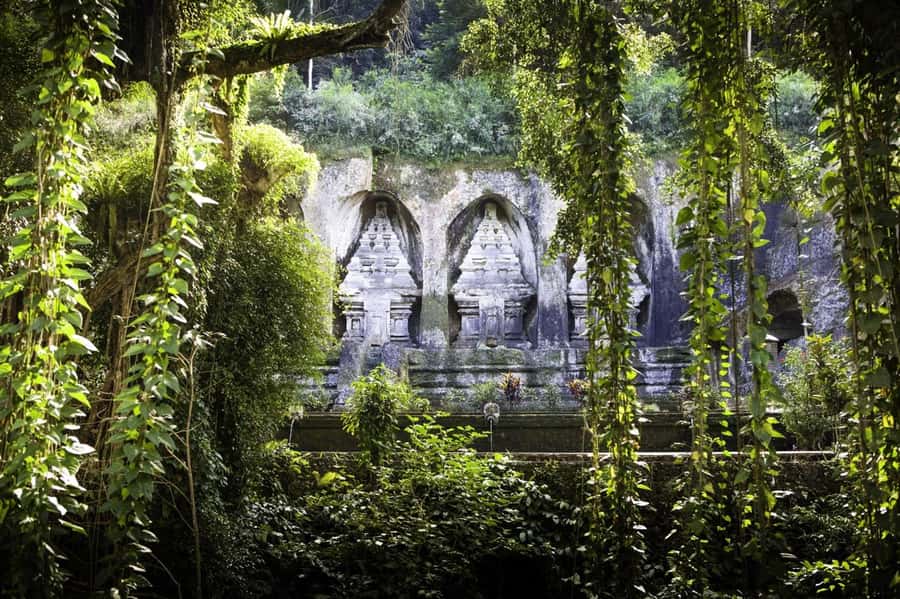
Gunung Kawi hits you fast: down 300 steps into calm. You’ll see the cliff-carved candi at Gunung Kawi and then keep walking through the Pakerisan River Valley, a UNESCO World Heritage Site. It’s a short Bali escape with a real sense of place, not a checklist sprint.
I especially like how the guide turns ruins into everyday meaning, with clear talk about Balinese heritage and what you’re looking at. I also like that the pacing leaves space to slow down by the water and notice the little temple details like incense and flower offerings.
One thing to consider is the physical side. You’ll be descending and climbing 300 stone steps, so this isn’t the right fit if you have mobility limits, low fitness, respiratory issues, or epilepsy.
In This Review
- Key highlights you’ll feel immediately
- Gunung Kawi’s 300 steps, cliff shrines, and that first deep breath
- Timing and meeting points: how to keep the day calm (not hot)
- Down at Gunung Kawi: stone steps, sarong respect, and quiet rules
- The cliff candi: what you’re seeing and why the guide’s story matters
- Pakerisan River Valley walk: UNESCO calm, mossy paths, and spring-fed pools
- What the experience feels like with different guides (and how to use them well)
- Price and value: $18 for a short, guided UNESCO-focused half day
- Who should book, and who should sit this one out
- Should you book the Gunung Kawi and Pakerisan UNESCO guided tour?
- FAQ
- How long is the Gunung Kawi Temple and Pakerisan tour?
- Where can I meet the tour?
- Do I need to wear a sarong for this tour?
- What should I bring, and what clothing is not allowed?
- Is hotel transfer included?
- What’s included in the price?
- What languages will the guide speak?
Key highlights you’ll feel immediately
- 300 stone steps to reach cliff shrines, then back up with views
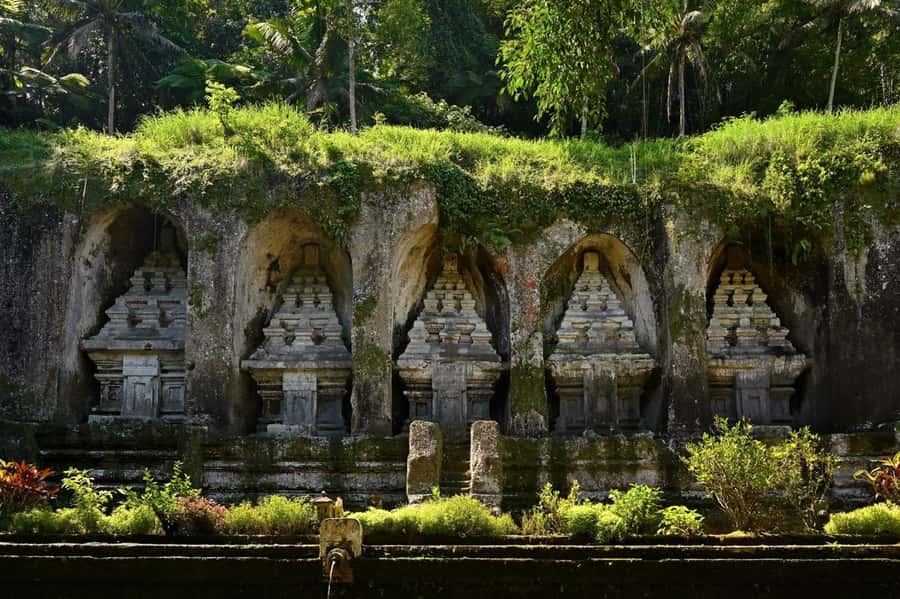
- Ten massive candi carved into the cliff, tied to Balinese royal memorials
- Pakerisan River Valley UNESCO setting, with quiet courtyards and sacred spring-fed bathing pools
- Temple etiquette support, including sarong and sash guidance (and rental at the entrance)
- English or Indonesian live guide, often praised by name for thoughtful explanations
Gunung Kawi’s 300 steps, cliff shrines, and that first deep breath
This tour is built around one powerful idea: you don’t just look at a temple, you work your body toward a calmer frame of mind. The route starts with a descent shaded by palms and fragrant frangipani trees, so you feel the temperature and sound soften as you go down.
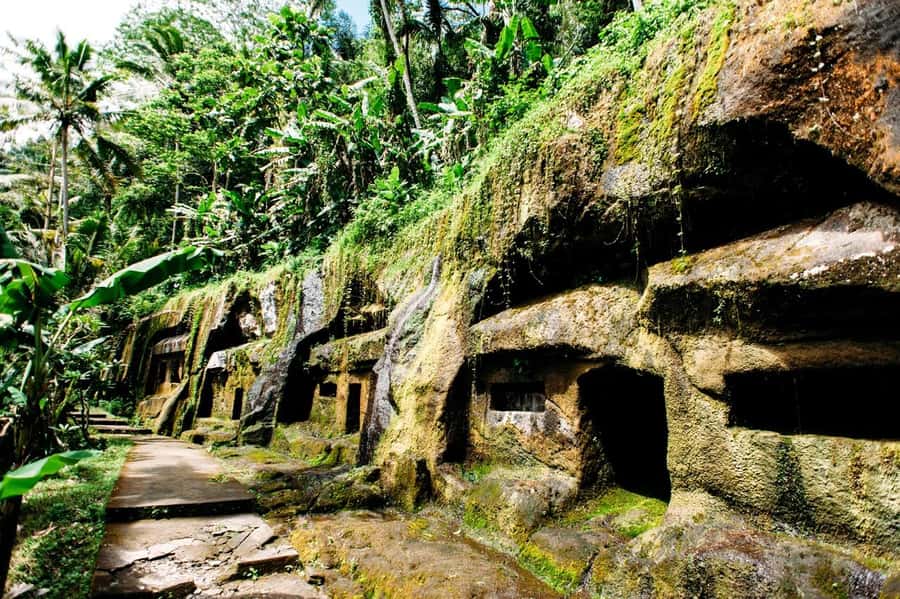
At the bottom, the main moment lands. Gunung Kawi is known for ten massive shrines carved directly into the cliff face, called candi, and believed to date back to the 11th century. These aren’t random photo backdrops. They’re memorial-style temple structures tied to Balinese royalty, which makes the site feel both sacred and grounded in human stories.
Two things help the whole visit click. First, the walking rhythm. Descend, pause, explore, then climb back up. Second, the way a good guide connects the visuals to Balinese religious life, from temple space to the meaning of offerings. In the feedback, guides named Raka and Agus are repeatedly praised for turning history into something you can actually picture.
More Temple Tours in Ubud
- Ubud: Monkey Forest, Jungle Swing, Rice Terrace, and Water Temple
★ 5.0 · 7,160 reviews - Ubud: Waterfalls, Water Temple & Rice Terraces Private Tour
★ 5.0 · 5,484 reviews - Tanah Lot and North Bali Tour: Scenic Journey
★ 5.0 · 3,620 reviews
Timing and meeting points: how to keep the day calm (not hot)
The tour runs about 2 to 4 hours, which is exactly long enough to feel satisfied without burning your whole day around Ubud. If you want the quiet factor, you’ll have the best shot with an early morning or late afternoon start, because heat and crowds hit hard on stairs.
You’ve got flexible meeting options. You can start at Gunung Kawi Temple, meet at Ubud Palace, or choose hotel pickup from the Ubud Central area. If you meet at Ubud Palace (or get pickup), you’ll head by car to the temple area, which saves time and energy before the steps.
Here’s the practical side you’ll be glad you planned for. You need to arrive 15 minutes before the scheduled start if you meet at the temple or Ubud Palace, and you should be ready in the lobby for pickup. The driver confirms through WhatsApp, so make sure your phone number is connected to WhatsApp in advance. Late arrivals can disrupt the schedule, and with stairs, you want the timing to stay relaxed rather than rushed.
If you’re trying to fit this around other Ubud plans, treat it like an outdoor appointment: start when the light is kinder, bring water, and don’t schedule it too tightly right after a long day of sightseeing.
Down at Gunung Kawi: stone steps, sarong respect, and quiet rules
The descent is the start of the experience, not just the way to get there. You’ll walk down 300 stone steps, and the shade plus the sound of nature helps your mind adjust quickly. You’ll likely notice how the site feels more sheltered than many popular spots, which makes it easier to pay attention.
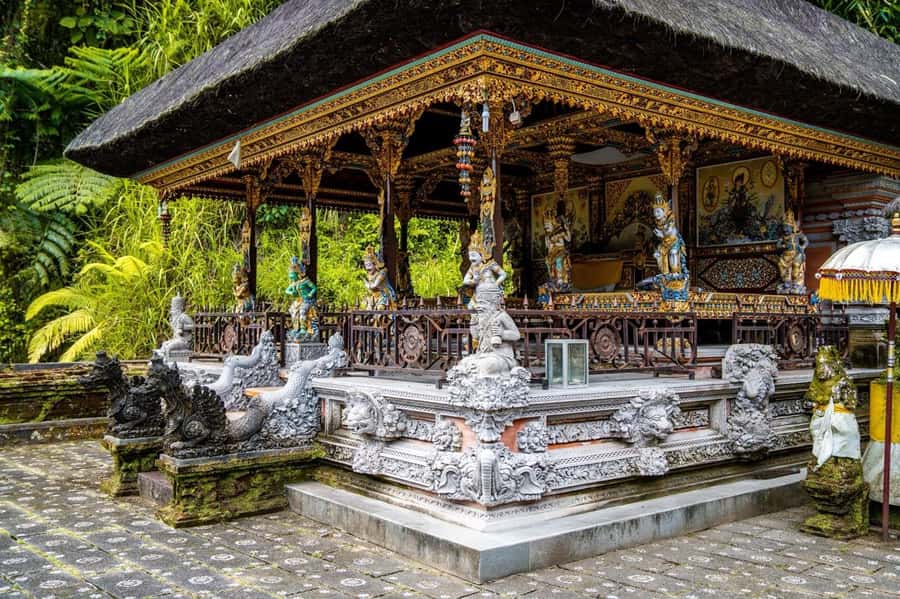
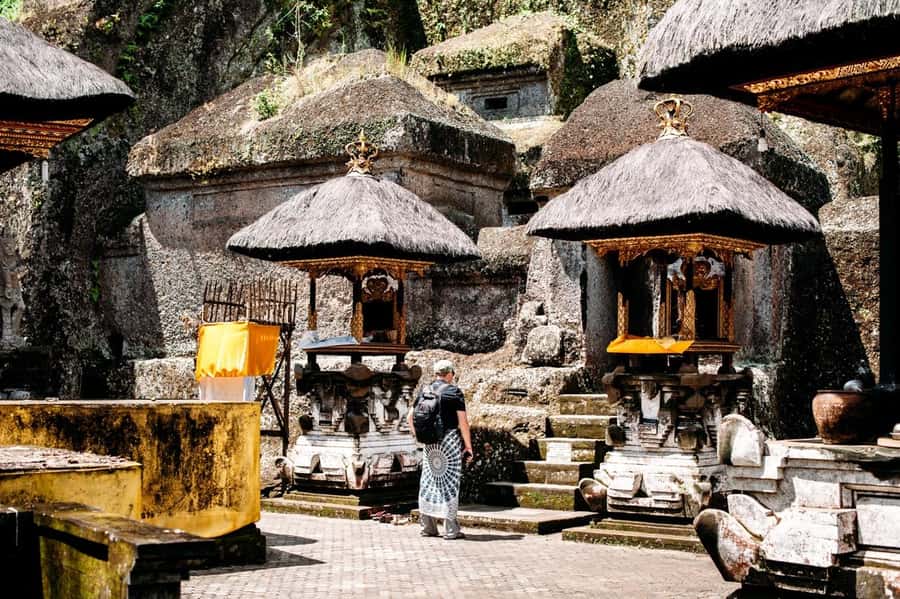
Temple clothing matters here. You’ll be asked to wear a sarong and sash as a sign of respect. The tour notes that sarong and sash rules apply, and that rentals may be available at the entrance if you need them. Also important: shorts are not allowed, so plan your clothing accordingly.
A couple of small choices make the visit smoother. Wear comfortable walking shoes, because the steps are part of the “real” experience. Bring water too, even though mineral water is included, because it’s hot and you’re going up again at the end.
What I’d do if I were managing your day: treat the stairs like a warm-up, not a challenge. Take slow pauses, especially if you’re sensitive to heat. A lot of the tranquility here comes from not trying to conquer it.
The cliff candi: what you’re seeing and why the guide’s story matters
Once you reach the lower level, the big visual statement is the cliff-carved candi. You’ll see ten massive shrines built into the rock face. They’re dramatic in shape, but the real meaning comes from understanding what they were for.
The tour framing emphasizes that these shrines are dedicated to Balinese royalty and are believed to date back to the 11th century. Whether you focus on the exact century or just take in the age and scale, the effect is the same: you’re looking at a site that has guided spiritual life for generations.
In my view, this is where the guided part pays off. You can stand in front of stone and guess, but you’ll get more out of the place if you understand temple structure and how offerings fit into daily worship. In the guides named in the feedback, Andrian is praised for Hindu, Balinese, and Indonesian history explanations, while Kar is praised for tying religion to community life in the countryside.
On-site, you’ll also notice temple details you might otherwise miss. The tour experience includes observing offerings of flowers and incense left by local devotees. There’s even room for you to make a small offering yourself, or simply say a silent prayer of gratitude.
That moment of choice matters. It helps the visit shift from sightseeing to respectful participation, even if you keep it simple.
Another side of Indonesia:
- All-Inclusive Ubud Private Tour
★ 5.0 · 14,344 reviews - Best of Ubud Full-Day Tour with Jungle Swing
★ 5.0 · 8,571 reviews - Ubud: All-Inclusive Tour with Optional Lunch
★ 4.9 · 5,438 reviews - Ubud: Guided ATV Quad Bike Jungle Adventure with Lunch
★ 4.8 · 4,881 reviews
Pakerisan River Valley walk: UNESCO calm, mossy paths, and spring-fed pools
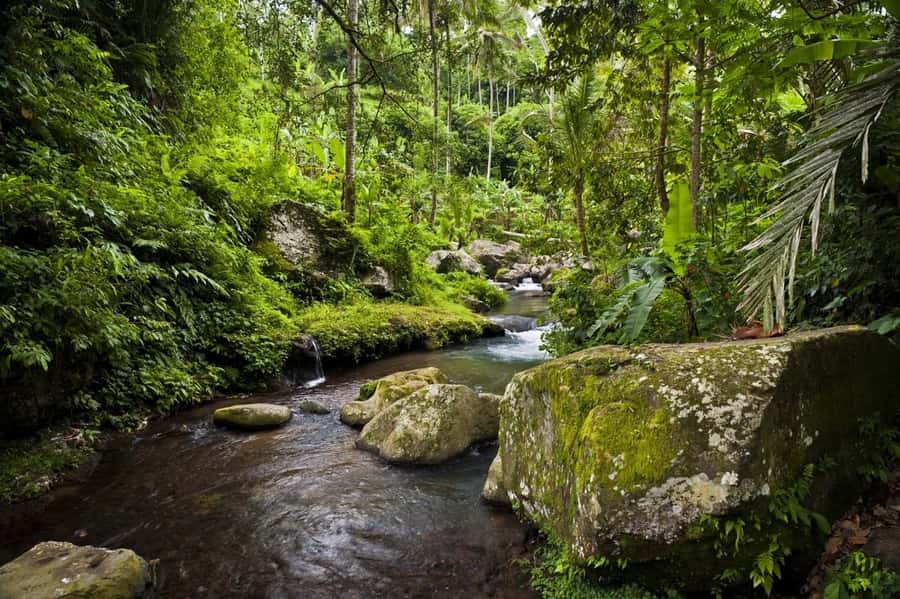
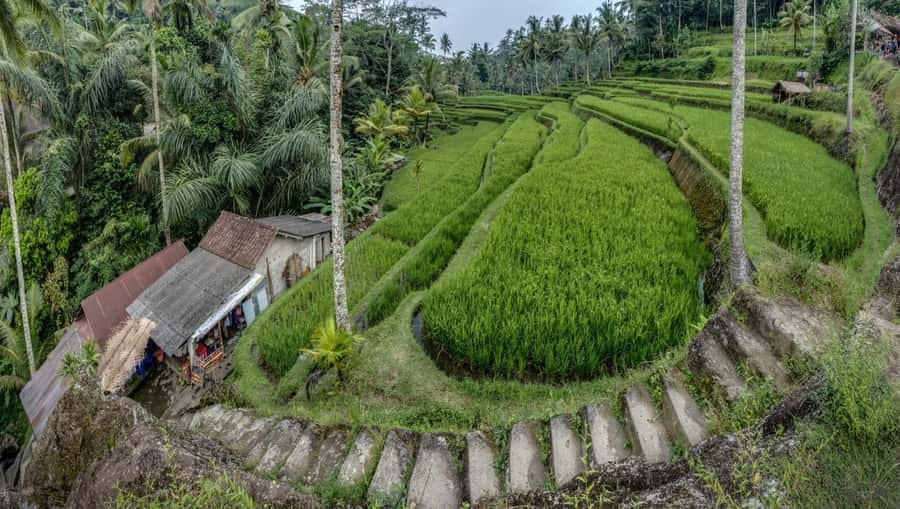
After Gunung Kawi, the experience flows into the Pakerisan River Valley, a UNESCO World Heritage Site. This part feels like the reward for the stairs. The pathways run through tranquil pockets with mossy surfaces, courtyards, and bathing areas.
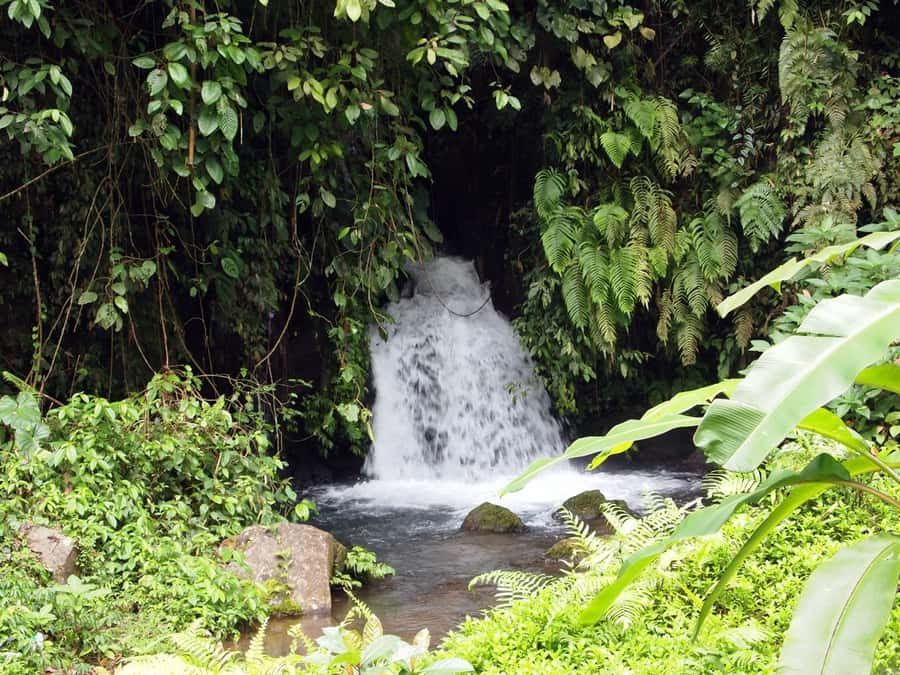
One of the tour’s best descriptions is how the water sounds. You’ll hear a gentle trickle from areas fed by sacred springs from the Pakerisan River. The atmosphere becomes almost meditative, with birds adding background rhythm. It’s the kind of place where sitting for a minute is not wasted time, it’s the point.
You’ll also see ancient bathing pools as part of the temple complex environment. The tour experience emphasizes that these pools are tied to sacred springs, which adds meaning to what might otherwise look like old stone basins. This is also where the UNESCO label feels real, because the site is not isolated monuments on a hill. It’s a working landscape of water, worship, and everyday sacred space.
And yes, you’ll walk more, not just stand. But the pace tends to feel gentle compared with the steps section. If you’re the type who likes quiet photos, you’ll probably keep your phone away longer than you expect.
What the experience feels like with different guides (and how to use them well)
The tour includes a live guide who speaks English and Indonesian. The feedback is consistently positive about guides who share stories clearly and answer questions. I’m not going to pretend names guarantee your guide, but seeing repeated names helps you understand what style the program attracts.
For example, guides named Raka and Agus are praised for giving insight into Bali’s culture and history, and for making the spiritual and historical context feel concrete. Kar is praised for answering questions and offering recommendations for Bali alongside the temple focus. Ketut is praised in a way that signals a more conversational experience, including a good dialogue even for a solo traveler. Sana is praised for sharing spiritual context and wisdom.
So how do you use your guide to get the most value? Ask for the “why” behind what you see. For instance:
- Why these shrines are carved into the cliff
- How offerings relate to daily worship
- What to notice in courtyards and bathing pools
Your guide can likely guide you through what matters, and it makes the same stone structures feel different on your way up the steps.
Price and value: $18 for a short, guided UNESCO-focused half day
At $18 per person, the value here comes from what’s bundled. You’re getting a guided tour of Gunung Kawi and time in the Pakerisan Valley, plus mineral water, insurance, and tax. You can also include transfer options, either from Ubud Central or from Ubud Palace, depending on what you pick.
The transfers matter. You’re going from Ubud area into a more rural temple setting, and having a car plan means you don’t have to think about parking, route juggling, or sorting rides right when your legs are fresh for the stairs.
What isn’t included is straightforward: food and drinks. So you’ll want to plan a snack or meal around your start time. If you’re doing this early, have breakfast lined up before you go, because the tour duration is short and you won’t want to spend it hunting for a place to eat after climbing.
Also remember: the main “cost” isn’t money. It’s effort. You pay in steps and time, but you’re also buying a quieter, more meaningful visit than the typical rapid temple stop.
Who should book, and who should sit this one out
This tour is beautiful for people who can handle stairs and want a calm temple and nature walk. It’s a strong match if you:
- Enjoy guided cultural context
- Like quiet countryside settings near Ubud
- Can comfortably descend and then climb 300 stone steps
It’s not suitable for several groups. The activity is listed as not suitable for pregnant women, people with mobility impairments, people with respiratory issues, people with epilepsy, people with low level of fitness, and babies under 1 year. There are also age limits noted: people over 95 years and people over 70 years should avoid this tour.
Even if you’re generally active, stairs can still be tricky in Bali heat. The tour notes early morning or late afternoon is best for tranquility, so use that to your advantage.
If you’re unsure, think about your worst day, not your average day. If 300 steps twice sounds like a maybe, it’s probably a no.
Should you book the Gunung Kawi and Pakerisan UNESCO guided tour?
I’d book this if you want a short Bali outing that feels spiritual and countryside-real, with a guide who helps you understand what you’re seeing. The best part is how the Gunung Kawi cliff shrines and the Pakerisan River Valley work together, stone and water, view and worship, all within a few hours.
Skip it if stairs are a problem for you, or if you need a fully flat walking plan. The “quiet” you came for depends on taking your time on the path, and the route’s physical reality is the tradeoff.
If you’re ready for that tradeoff, you’ll likely walk away with the kind of memory that lasts. Not just a photo of a temple, but a sense of calm that follows you back toward Ubud’s busier streets.
FAQ
How long is the Gunung Kawi Temple and Pakerisan tour?
The duration is listed as 2 to 4 hours.
Where can I meet the tour?
Meeting points can vary by option. You may meet at Gunung Kawi Temple, at Ubud Palace, or choose hotel pickup.
Do I need to wear a sarong for this tour?
Yes. You should wear a sarong and sash as a sign of respect when visiting the temple. Sarongs may be available for rent at the entrance if needed.
What should I bring, and what clothing is not allowed?
Bring comfortable shoes and water, and plan to wear a sarong. Shorts are not allowed.
Is hotel transfer included?
Hotel transfer from Ubud Central is included if that option is selected, and transfer from Ubud Palace is included if that option is selected.
What’s included in the price?
Included items are a guided tour of Gunung Kawi Temple, mineral water, insurance, tax, and the relevant transfer option if you choose it.
What languages will the guide speak?
The live guide speaks English and Indonesian.
Just added around Ubud
- Sunrise Café and Morning Yoga Class★ 5.0 · 5 reviews
- Quad Bike Bali With Tunnel & Waterfall Tour★ 4.2 · 8 reviews
- Puppy Yoga in Bali, Ubud & Uluwatu★ 4.7 · 93 reviews
- Private Ubud Tour With Professional Photographer with Edit★ 5.0 · 53 reviews
- Ubud : PRIVATE Bike Tour inside Rice Field with meal & pool★ 5.0 · 5 reviews
- Ubud: Organic Farm Harvest, Bali Cooking Class by Pemulan★ 4.8 · 12 reviews
- Outskirts of Ubud, Gianyar: Pottery Class★ 5.0 · 9 reviews
- packages cooking class and romantic dinner in a local home★ 5.0 · 4 reviews
Bali Temple Tours, compared.
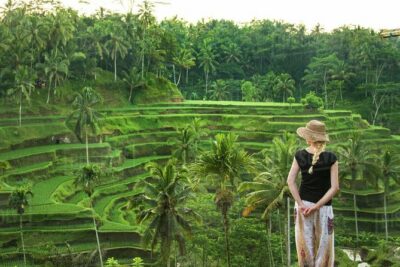
Monkey Forest, Jungle Swing, Rice Terrace, and Water Temple
Read our review →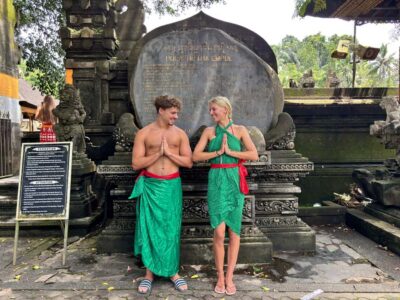
Waterfalls, Water Temple & Rice Terraces Private Tour
Read our review →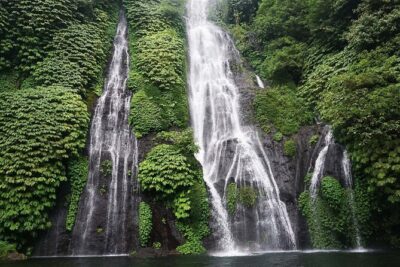
Tanah Lot and North Bali Tour: Scenic Journey
Read our review →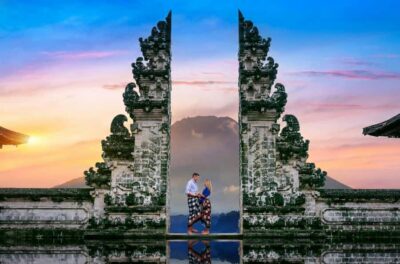
Besakih Temple & Lempuyang Temple Gates of Heaven Tour
Read our review →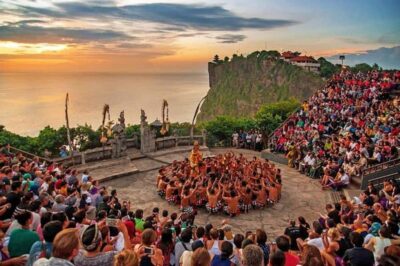
Kecak Fire Dance Show & Uluwatu Temple Entry Ticket
Read our review →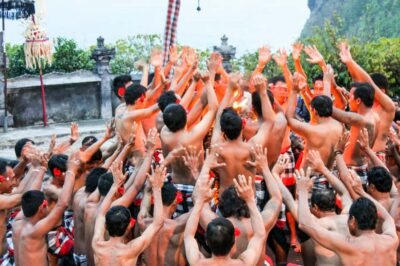
Bali Sunset: Uluwatu Temple, Kecak Dance and Jimbaran Bay
Read our review →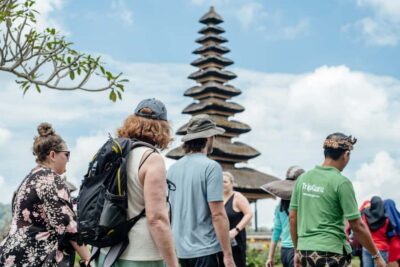
Tanah Lot UNESCO World Heritage Sites Full-Day Tour
Read our review →
East Bali Tour: Gate of Heaven, Water Palace, Sleeping Gajah
Read our review →Browse the lists this tour appears in