
REVIEW · WATERFALL TOURS
Bali: Kintamani Downhill Bike Tour, Jungle and Waterfalls
Downhill bikes, volcano views, real village Bali. I love the way the Mount Batur stop frames the day with black lava country and crater-lake views, and I also love how the ride finishes with a local family compound visit that explains daily Balinese life beyond temples. It is a true change of pace from Ubud traffic, with a gentle but fun country-road bike route through bamboo, rice, and villages.
One thing to think about: this is not a sit-and-watch activity. You need to be comfortable riding a bicycle, and some riders may want extra hand protection since one review suggested bike gloves because the seat and handlebar can feel rough after a while.
The good news is the guides seem to get the balance right. I see names like Komang Oyik, Tonic, and Made showing up in the feedback, and the common thread is friendly coaching plus real cultural context, not just check-the-box stops.
In This Review
- Key points before you pedal
- Kintamani to Taro: the downhill bike ride you will actually enjoy
- Mount Batur at the start: why the views matter more than photos
- Coffee plantation and tasting: a stop that is more than a souvenir
- Bamboo forests and jungle trails: when the ride turns quiet
- Holy white cows: a stop that explains ritual context
- A local family compound: where architecture meets daily life
- Village life and artisan work: small moments that add up
- Lunch in Taro: coconut water and Balinese food in rice-field views
- Optional fireflies at twilight: what to know
- Price and value: $33 that feels fair if you like culture
- Logistics that matter: pickup, gear, and rider comfort
- Who this tour fits best, and who should skip it
- Should you book this Kintamani downhill bike tour?
- FAQ
- Is the Kintamani downhill bike tour suitable for beginners?
- Do I need to know how to ride a bike?
- Is pickup included if I stay in Ubud?
- What is included in the $33 price?
- What stops will I see during the ride?
- Where does the tour end?
- What should I bring, and what should I avoid?
- Which languages are available with the guide?
- Is there an optional add-on during the afternoon?
- Can I reserve and pay later, and how does cancellation work?
Key points before you pedal
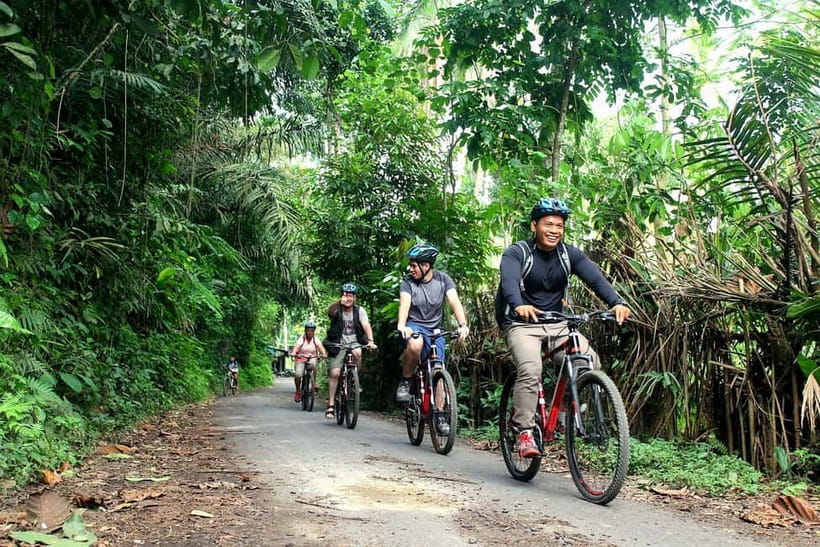
- Kintamani to Taro downhill style: mostly downhill riding with a mix of quiet roads and green trails
- Mount Batur viewpoints built into the start: black lava fields and the crater lake panorama come early
- Coffee and jungle stops that feel local: tasting options plus bamboo forest and jungle trails
- Cultural visits, not just photos: holy white cow conservation area and a traditional family compound
- Lunch in nature at the end: Balinese lunch plus fresh coconut water with rice-field and jungle views
- Optional fireflies add-on: available on afternoon tours at twilight
Kintamani to Taro: the downhill bike ride you will actually enjoy
This tour is built around a simple idea: start high in the Kintamani highlands, then ride downhill through Bali’s countryside toward the village area of Taro. You are not stuck in a car the whole time, and you are not only standing at viewpoints either. The best part is that biking lets you move through real neighborhoods and farmland at human speed.
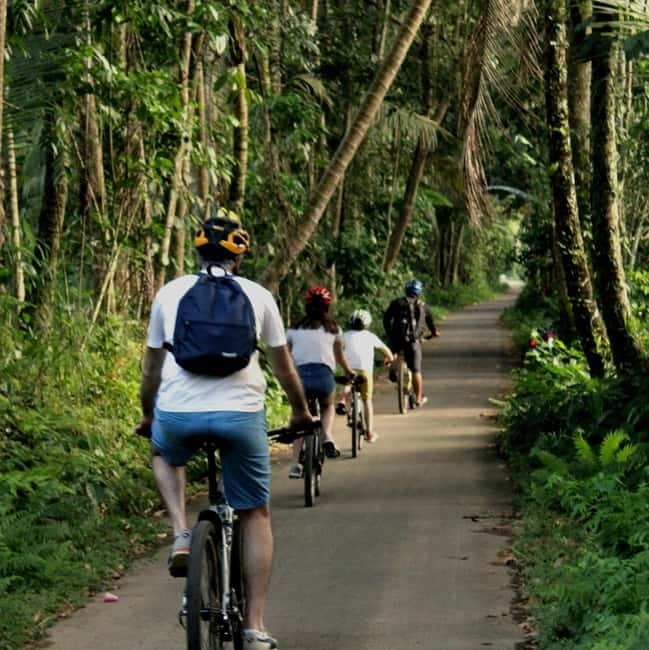
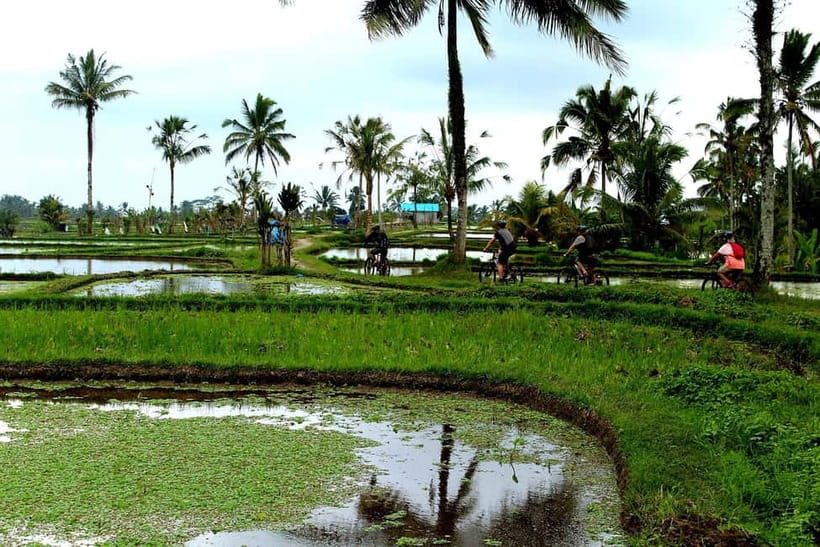
The route style is also a huge deal. You will be guided along quiet rural roads and through sections like bamboo forests and jungle trails. That combination matters because it keeps the ride interesting, even if you are not a hard-core cyclist.
Fitness level is described as suitable for most people. Still, read that as practical advice: you should be ready for continuous riding, even if the downhill nature helps. If you cannot ride a bicycle comfortably, this is a no-go.
More Waterfall tours in Indonesia:
- Ubud: Waterfalls, Water Temple & Rice Terraces Private Tour
★ 5.0 · 5,484 reviews - Ubud: Waterfall, Rice Terraces & Monkey Forest Private Tour
★ 4.9 · 4,894 reviews - Best of Bali Waterfalls: Tibumana, Tukad Cepung and Tegenungan
★ 5.0 · 3,047 reviews
Mount Batur at the start: why the views matter more than photos
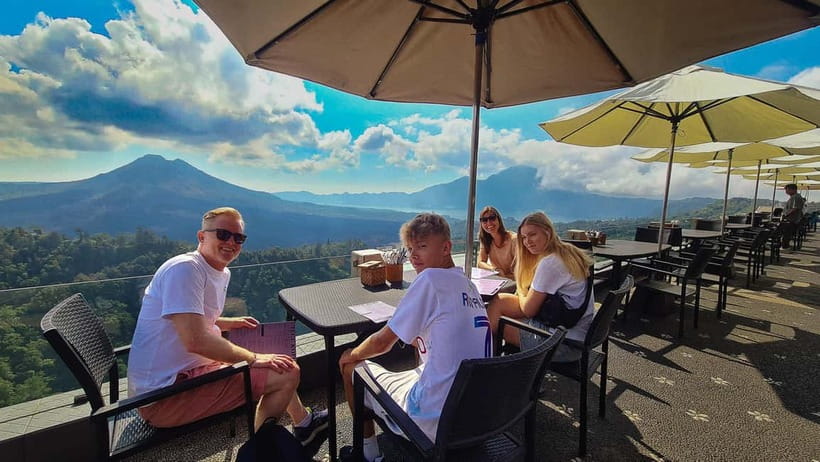
Your morning begins with a drive up to Kintamani, and the tour intentionally starts with the big visual payoff: views of Mount Batur, the surrounding black lava fields, and the crater lake. There is even an optional stop at a local restaurant near the volcano where you can pause, take photos, and enjoy the panorama.
Why do this early? Because it sets expectations for the whole day. You start with a clear sense of what “volcanic Bali” looks like, then your bike route turns into something softer and greener: coffee areas, bamboo, rice terraces, and small village life. It is an easy mental transition from dramatic geology to everyday culture.
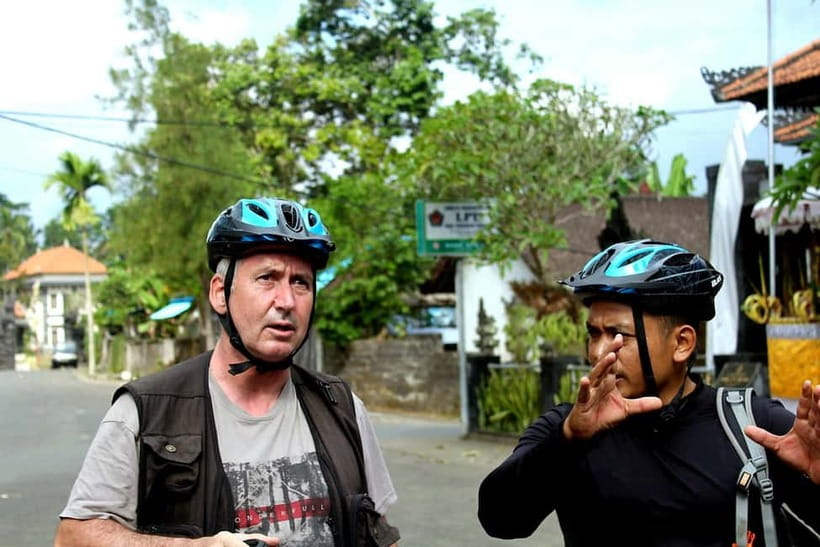
Also, that early pause gives you time to get comfortable before you switch from car mode to bike mode. A short safety briefing comes right before you start cycling, and that matters if you are a first-time rider or not used to balancing on a mountain bike.
Coffee plantation and tasting: a stop that is more than a souvenir
The coffee stop is one of the practical highlights. You get to taste a variety of local coffees and herbal teas, and you learn how traditional Balinese coffee is made. If coffee is your thing, this is where you will feel the most “I learned something” moment rather than just buying a bag at the end.
And it is not only about flavor. Coffee cultivation also becomes a cultural doorway. In rural Bali, agriculture is tied to daily work rhythms and land management, and your guide’s storytelling helps you connect the tasting to what you see as you ride.
If you are not a coffee person, you still have options through herbal teas. And since the ride moves into cooler jungle pockets later, having something warm or flavored early can feel like the right setup.
Bamboo forests and jungle trails: when the ride turns quiet
After the initial areas, you will move into greener sections like bamboo forests and jungle trails. The tour description emphasizes peaceful corridors and the sounds of nature, and that is exactly the kind of break people often want in Bali.
Bali can be intense, especially around popular centers. Getting away onto a route where the guiding focus shifts from sights to sensations is a big part of the appeal. You are riding through places that feel less staged, and you get a chance to notice details you would miss from the roadside.
Practical tip: this part of the day can mean humidity and bugs. Bring insect repellent, and wear sunscreen because the ride still uses daylight exposure even if parts feel shaded.
A few more Indonesia trips to compare
- Ubud: Guided ATV Quad Bike Jungle Adventure with Lunch
★ 4.8 · 4,881 reviews - ATV Quad Bike Through Tunnel and Waterfall in Bali
★ 5.0 · 2,098 reviews - ATV Quad Bike Bali with Waterfall Gorilla Cave and Lunch
★ 5.0 · 1,925 reviews - Electric Cycling Tour of Ubud with Free Hotel Transfer and Lunch
★ 5.0 · 1,397 reviews
Holy white cows: a stop that explains ritual context
One of the standout listed stops is the Holy White Cow Conservation Area. This is tied to Hindu beliefs and Balinese rituals, and your guide shares the cultural meaning behind seeing these sacred cows.
This kind of stop is worth it because it turns an animal you might otherwise see as a photo prop into something with real context. The cows are not just there for scenery. They connect to the lived religious framework in the villages you cycle through.
If you are visiting Bali for culture, not only beaches or temples, this fits your interests. It also slows the day down in a good way, giving you a moment to step off the bike and listen.
A local family compound: where architecture meets daily life
The tour includes a visit to a local family compound, and this is where you get a closer look at traditional Balinese architecture and the daily rituals of village life. This is not presented as a dramatic performance. It is more like a guided introduction to how a real household works.
From what I see in the feedback, this is one of the strongest reasons people rate the tour so highly. It makes the day feel personal and educational instead of just scenic. One review highlighted an excellent cultural experience led by Made, with an emphasis on keeping traditional Balinese ways alive and teaching visitors how culture stays rooted in the community.
You should also think of this as a “translation” stop. You will pass temples and village areas during the ride, and then at the compound you learn the why behind what you saw. That connection makes the whole itinerary click.
Etiquette matters here. Dress comfortably and respectfully. You are visiting a home and a place of ongoing cultural practice, so keep your behavior calm and follow your guide’s cues.
Village life and artisan work: small moments that add up
As you continue toward Taro, there are stops related to village life and artisan work. You may interact with local artisans, try seasonal fruits, and see farmers tending rice fields.
I like stops like this because they are usually the difference between a good bike tour and a memorable one. Views are great, but village interaction is what gives you a story to take home. And seasonal fruit is the kind of detail that feels simple and real, not planned to impress.
Keep your expectations realistic. These are small, everyday moments. That is the point. You are watching life happen, not chasing a big-ticket attraction.
Lunch in Taro: coconut water and Balinese food in rice-field views
At the end, the tour finishes in Taro village, described as one of the oldest settlements on the island. You get a well-deserved Balinese lunch in a natural setting surrounded by rice fields and jungle views.
You also get fresh coconut water as part of what is included. That is a smart detail for a bike day in Bali, because it helps you refuel without turning lunch into a sugar bomb.
The lunch stop is more than food. It is a chance to recover and share the day’s highlights with your guide while everything is still fresh. If you are someone who hates rushing from stop to stop, this ending is a relief.
Also, if you are a photographer, this is a great place to settle in. Rice fields and surrounding greenery create calmer compositions than volcano lookouts, and you will be shooting while your body is no longer in motion.
Optional fireflies at twilight: what to know
If you join an afternoon version, there is an optional add-on to extend the experience by witnessing fireflies at twilight. It is described as a magical natural show and a serene end to the day.
You do not need to be a nature expert to enjoy this. The main value is timing. Twilight is when the countryside feels most alive and quiet. It also gives you a different Bali mood than the daytime temple-and-market circuit.
Price and value: $33 that feels fair if you like culture
The price listed is $33 per person, and for what you get, it is easy to see why people feel it is good value. You are not just paying for a bike. You are also paying for:
- a well-maintained mountain bike and a helmet
- an entrance ticket to Kintamani
- a local guide for cultural insights
- fresh coconut water
- a Balinese lunch
- visits like the local family compound and the white cow conservation area
That combination is the key. A downhill bike tour can be just recreation, but this one folds in cultural explanations and household-level access. If you care about learning, not only photos, that is where the money makes sense.
Where the value can feel less strong is if you mainly want a pure riding experience and you skip the cultural stops. But even then, the bamboo-and-village route is usually the payoff.
Logistics that matter: pickup, gear, and rider comfort
Pickup is included for the Ubud area. If you are staying outside Ubud, pickup and drop-off can be arranged for an additional cost, and you choose the area where you are staying.
Your driver takes you to the Kintamani area to start, and the biking begins after the safety briefing. You do not need to organize a transfer yourself, which makes a big difference in Bali when traffic can steal your whole morning.
Gear is also practical: you get a mountain bike and a helmet. Bring the rest. The tour asks for camera, sunscreen, comfortable clothes, and insect repellent.
One small comfort note comes from a real review: bike gloves can help because some bikes can hurt hands after a while. That is a low-effort upgrade that can make the ride feel smoother.
Who this tour fits best, and who should skip it
This tour is a great fit if you want:
- a bike day away from Ubud crowds
- countryside scenery plus cultural stops
- a guided explanation of Hindu beliefs and village life
- a satisfying end with lunch in nature
It is also described as suitable for all fitness levels, but remember the real requirement: you must be comfortable riding a bicycle. If biking is the main stress point for you, choose a walking tour instead.
It is not suitable if you are expecting something like an all-action extreme mountain ride. This is downhill and designed to be accessible, not technical.
Should you book this Kintamani downhill bike tour?
Book it if you want a Bali day that feels personal and local, with a balance of volcano views at the start and village-level culture at the end. The $33 price works best when you care about guided insights, the family compound visit, and the lunch stop with rice-field surroundings.
Skip it if you cannot ride a bike comfortably, or if you strongly prefer staying entirely in one type of environment. This day moves from volcanic highlands to green rural lanes and then into village life, so you should be open to that rhythm.
If you decide to go, pack smart. Sunscreen and insect repellent are non-negotiable, and consider bike gloves for comfort. Then let the guide do what guides here are good at: turning the countryside into a story you can understand.
FAQ
Is the Kintamani downhill bike tour suitable for beginners?
The tour is described as downhill and suitable for most fitness levels. You should still be comfortable riding a bicycle, and a safety briefing happens before you start cycling.
Do I need to know how to ride a bike?
Yes. The tour is not suitable for people who cannot ride a bike, so you should feel confident balancing and controlling a bicycle.
Is pickup included if I stay in Ubud?
Pickup and drop-off in the Ubud area are included in the price. If you are staying outside Ubud, pickup and drop-off can be arranged for an additional cost.
What is included in the $33 price?
The included items are a mountain bike and helmet, a local guide with cultural insights, fresh coconut water, a Balinese lunch, an entrance ticket to Kintamani, and visits such as a local family compound.
What stops will I see during the ride?
You can expect stops like a coffee plantation with tasting, bamboo forest and jungle trails, a holy white cow conservation area, a local family compound, and village life and artisan work. The tour ends in Taro with lunch.
Where does the tour end?
It concludes in Taro village, where you enjoy the Balinese lunch in a natural setting with rice-field and jungle views.
What should I bring, and what should I avoid?
Bring a camera, sunscreen, comfortable clothes, and insect repellent. Weapons or sharp objects are not allowed, and alcohol and drugs are not allowed.
Which languages are available with the guide?
The tour is offered in English and Indonesian.
Is there an optional add-on during the afternoon?
Yes. For afternoon tours, there is an optional add-on to witness fireflies at twilight as an extended end to the experience.
Can I reserve and pay later, and how does cancellation work?
The tour offers a reserve and pay later option. Cancellation is allowed up to 24 hours in advance for a full refund.
More Downhill in Indonesia
- From Ubud: Downhill Bike Tour with Rice Terraces and Meal
★ 4.9 · 664 reviews - Ubud: Downhill Cycling with Volcano, Rice Terraces and Meal
★ 5.0 · 536 reviews - Ubud: Downhill Bike Tour with Rice Fields, Volcano and Meal
★ 5.0 · 267 reviews - Bali Downhill Cultural Cycling Tour
★ 5.0 · 224 reviews
Just added around Indonesia
- Private Tour: Bali UNESCO World Heritage Sites★ 5.0 · 62 reviews
- Bali ATV Ride with Waterfall Dragon Cave and Lunch by Penidago★ 4.5 · 7 reviews
- Foodie Tour Bali★ 5.0 · 7 reviews
- Mount Batur Jeep Sunrise by 4WD with Breakfast★ 5.0 · 18 reviews
- The Three Temples of Bali Half Day Private Tour★ 4.0 · 5 reviews
- Mount Agung Sunrise Trekking Private Tours★ 5.0 · 11 reviews
- Private Departure Transfer: Hotel to Bali Airport★ 3.5 · 14 reviews
- Pure Bali Village Experience, Cooking & Jamu Class+VIP Transfer★ 5.0 · 16 reviews
Waterfall Tours, compared.
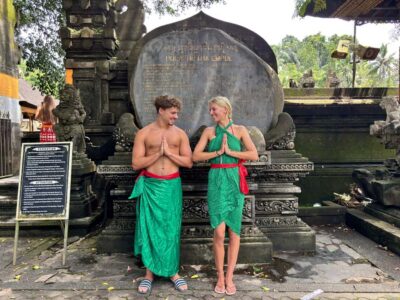
Waterfalls, Water Temple & Rice Terraces Private Tour
Read our review →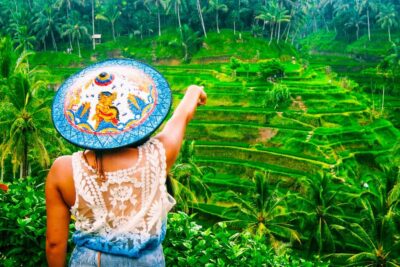
Waterfall, Rice Terraces & Monkey Forest Private Tour
Read our review →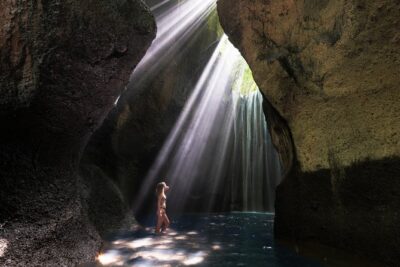
Best of Bali Waterfalls: Tibumana, Tukad Cepung and Tegenungan
Read our review →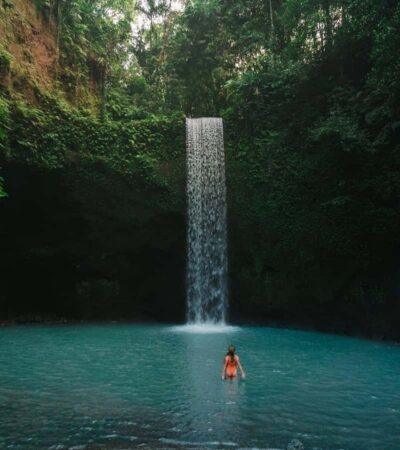
Full-Day Rice Terrace, Monkey Forest & Waterfall
Read our review →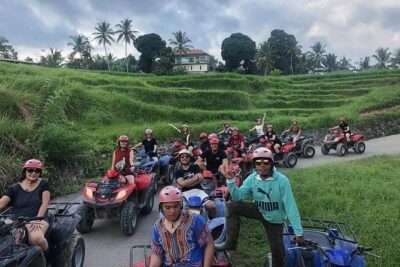
ATV Quad Bike Through Tunnel and Waterfall in Bali
Read our review →
ATV Quad Bike Bali with Waterfall Gorilla Cave and Lunch
Read our review →
Lempuyang Quick Access, Waterfall, Water Palace & More
Read our review →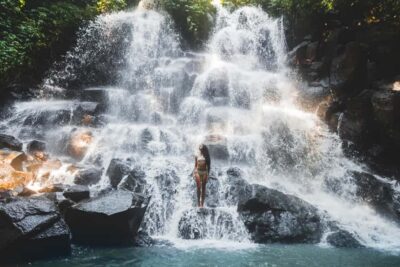
Browse the lists this tour appears in