
REVIEW · AMED & EAST BALI DIVING
Bali: Tulamben Bay and the USAT Liberty Wreck Dive
That black sand hides a famous wreck. This 9-hour Tulamben day is built around a close-to-the-beach USAT Liberty underwater visit and the easy-feeling beach-entry start. I especially like how the site is accessible and real, not just a photo spot, and how the instructors focus on finding marine life, with one guide named Ari earning standout praise for spotting cool critters. The one big consideration is also the main qualifier, this tour is only for people with scuba certification.
The vibe here is practical and calm. You get hotel pickup, equipment rental with tanks and weight belts, park fees, and a proper lunch between two underwater sessions, plus free water, tea, and coffee at the meeting point. With a group limited to just 3 people, you should feel like more than a number. One caution, beach entry can mean you need to pay attention to waves and footing right at the shore.
In This Review
- Key things you’ll notice
- Tulamben Bay starts with black sand and smooth rocks
- Why the USAT Liberty wreck draws serious attention
- The reality of wreck structure: what your underwater sessions will feel like
- Beach-entry mechanics: small waves and steady footing
- The day plan: pickup, shore time, lunch, then another pass at the wreck
- Small group attention, and why Ari’s spotting style matters
- Equipment, instructors, and safety choices that affect your comfort
- Price and value for a 9-hour Bali wreck day
- Who this USAT Liberty outing is best for
- Should you book this USAT Liberty wreck scuba visit?
- FAQ
- Do I need scuba certification for this tour?
- How long is the USAT Liberty outing?
- What’s included in the price?
- Where will you pick me up?
- How deep is the USAT Liberty wreck?
- Is there anything I need to do before flying?
- Who shouldn’t take this tour?
Key things you’ll notice
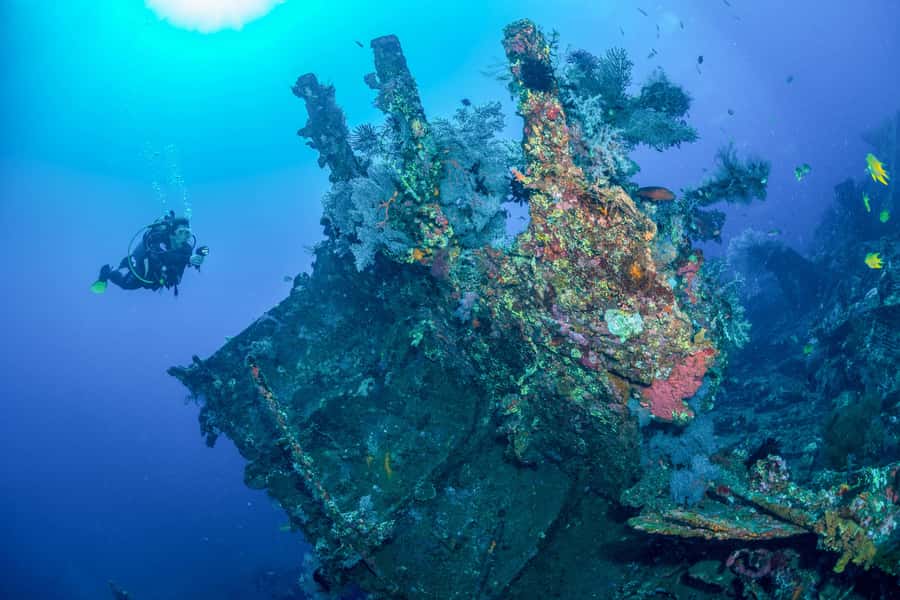
- USAT Liberty sits very close to the beach at about 30 meters, with the top around 3 meters below the surface
- The wreck is huge and varied, roughly 120 meters long on a steep sandy slope
- Max depth reaches about 29 meters, so you want to be comfortable with your certification limits
- Small group format keeps the instructor attention high, even when there’s only one person booked
- Warm water and decent visibility are typical in the area, often around 28 to 29°C and 15 to 20 meters
- Ari gets praised for marine-life spotting and a relaxed pace
Tulamben Bay starts with black sand and smooth rocks
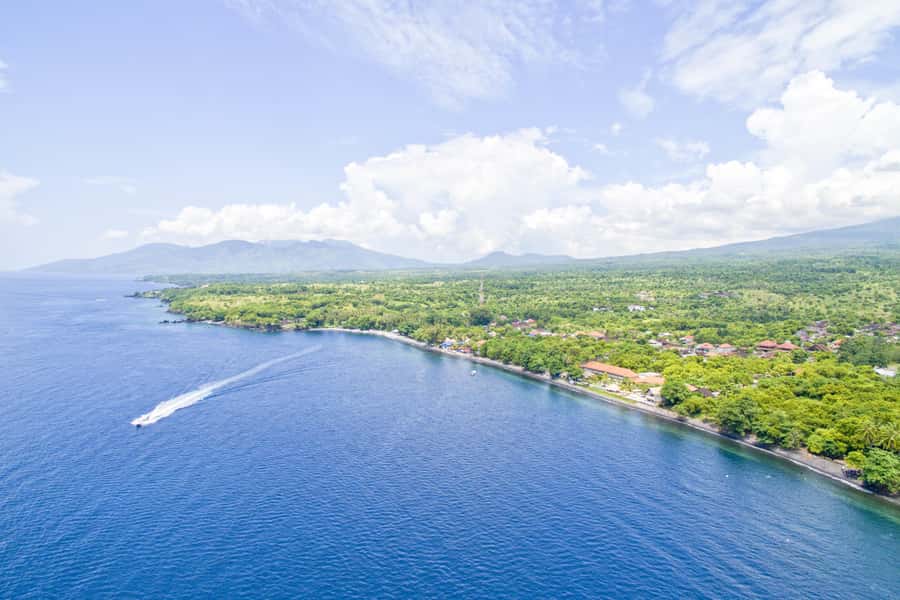
Tulamben is on Bali’s north-east coast, and the first thing you notice is the beach. It’s black sand, scattered with smooth fist-size rocks, which is exactly why this area works so well for beach-entry scuba sessions. You’re not loading up for a long boat ride just to get your first moments in the water. Instead, you’re stepping into a coastal entry that feels more local and more immediate.
This matters because beach entry changes your whole day. Boat excursions can be great, but they also add time, extra gear handling, and that moment where everyone is trying to balance on a rolling deck. Here, your flow is different. You arrive, check in, get sorted, and then your first underwater time is tied to shore, not logistics.
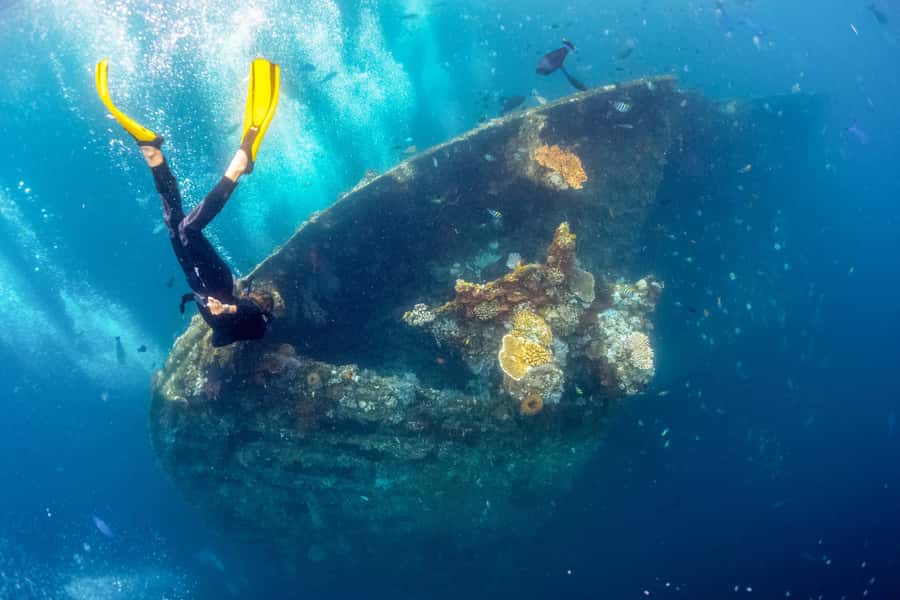
The best part is that this setting matches the main attraction: the USAT Liberty wreck is extremely close offshore. The top of the wreck lies around 3 meters down, which means you can often enjoy impressive wreck structure without waiting for the water column to do all the work. The rocks on the beach are part of the experience too, they slow you down in a good way, forcing careful footing so you enter smoothly.
A few more Amed and East Bali Diving around Bali:
- Bali: Tulamben Bay Beginner’s Dive Experience
★ 5.0 · 66 reviews - Amed: Private Sunrise Fishing & Catch-and-Cook Experience
★ 4.9 · 57 reviews - Tulamben: USAT Liberty Shipwreck Full-Day Snorkeling Trip
★ 4.8 · 22 reviews
Why the USAT Liberty wreck draws serious attention
The USAT Liberty is a World War II cargo ship with a real story, and the underwater shape tells it. The ship was sunk on January 11, 1942, after torpedoes struck it while it was carrying rubber and railroad parts across the Lombok Strait. The damage was critical, and two destroyers tried to hitch the ship and tow her toward Singaraja. She was taking too much water, so the crew made the decision to run the ship up on the beach at Tulamben.
Then comes the part that made her into today’s reef. In 1963, Gunung Agung’s volcanic eruption rolled her off the beach to her current resting place and broke her into pieces along the way. Now those sections are covered in coral and fish life, and the wreck has become an ecosystem rather than just a memorial.
Here are the details that help you picture what you’ll actually see underwater:
- About 30 meters from the beach, so you’re not searching endlessly for the structure
- Roughly 120 meters long, on a steeply sloping sandy bottom
- Top around 3 meters below the surface, so the upper sections feel reachable
- Maximum depth around 29 meters, so you should plan within your training limits
This is also why it’s so highly regarded. The wreck has that best-of-both-worlds feeling: you get wreck structure and you get a living reef vibe. For marine life, that combo is where “boring” stops being an option.
The reality of wreck structure: what your underwater sessions will feel like
This specific outing is set up for two underwater sessions at the USAT Liberty, with lunch between them. That’s a nice format because it lets you build familiarity. After the first session, you’re calmer. You know where to orient yourself, how the currents (if any) feel, and how to manage your buoyancy around the wreck’s coral-covered surfaces.
The wreck’s depth range matters too. With maximum depth around 29 meters, you’ll want to be sure your certification and experience match the planned profile. The top around 3 meters down can make some sections feel like a “high impact, low stress” introduction, especially if you’re comfortable keeping control near the structure.
Also, don’t expect the wreck to look like a clean museum object. After decades underwater, it’s broken into sections and thick with coral growth. That makes it a photo-friendly and wildlife-friendly site, but it also means finning discipline is important. You’ll likely move slowly along the structure to avoid kicking up sand and to keep yourself from getting too close to coral.
If you haven’t been in the water for a while, you’ll appreciate the kind of refresher that good instructors do. One diver reported that their team ran through underwater hand signals as a refresher, which is exactly what you want when you’re about to take your brain back into mask-and-buoyancy mode.
Beach-entry mechanics: small waves and steady footing
A beach-entry start sounds easy until you’re holding gear and stepping over black sand and rocks. One important consideration from the experience feedback is that you should be careful of waves. That doesn’t mean it’s dangerous, it means you should treat the first minute like part of the dive plan.
In practice, this is what you can do to make the entry smooth:
- Keep your entry pace slow and steady
- Stay aware of shore breaks
- Follow your instructor’s instructions on where to step
- Be ready to adjust your footing on the rocky, sandy surface
The location being close to the beach is a plus, but it shifts responsibility to you and the team at the entry phase. If conditions are choppy, the guide’s timing and route matter. The good news is that the group size is tiny, which usually helps everyone communicate quickly and reduces crowding in the water at the start.
A few more Bali trips to compare
- Bali: Sunrise Mount Batur Guided Hike with Breakfast
★ 4.8 · 9,660 reviews - Bali: Mount Batur Sunrise Guided Hike and Natural Hot Spring
★ 4.8 · 9,284 reviews - Bali: Full-Day Instagram Highlights Tour
★ 4.8 · 7,817 reviews - Bali/Nusa Penida: East & West Highlights Full-Day Tour
★ 4.7 · 6,263 reviews
The day plan: pickup, shore time, lunch, then another pass at the wreck
This tour runs 9 hours. The day rhythm is straightforward:
- Pickup from your hotel
- Transfer to Tulamben
- Two underwater sessions at the USAT Liberty, with lunch between
- Return transfer back to your pickup area
Exact pickup time is confirmed by email one day before your trip. That’s a small detail, but it helps you avoid waiting around all morning. It also means you can plan your breakfast and pack your towel and sunscreen without guessing.
Lunch between the two sessions is a real quality-of-life upgrade. Underwater days can feel rushed when food is an afterthought. Here, the structure is built so you can refuel and reset before your second underwater session. In the experience feedback, lunch gets called plentiful and delicious, which tells me this is not a sad meal you eat standing up.
You’ll also get free water, tea, and coffee at the operator’s shop before the day’s underwater time. It’s the kind of thing you appreciate after a morning pickup and gear handling.
Small group attention, and why Ari’s spotting style matters
This outing is limited to 3 participants, and that one detail can change everything. With a small group, the instructor can keep eyes on each person, not just on the biggest group problem. That’s likely part of why divers described feeling supported and safe, with clear guidance and a relaxed pace.
A guide named Ari is repeatedly praised for marine-life spotting. That may sound like a small skill, but it’s huge underwater. Reef and wreck ecosystems can look busy, yet specific animals hide until someone’s trained attention locks on. When your guide is good at scanning, your underwater time feels full even if the wreck structure is the same.
One diver even described a more private experience when only one person booked, meaning they effectively had instructor attention to themselves. You might not get a one-on-one setup, but the small group size gives you a similar benefit, you’re not competing for attention.
Also, the relaxed pace shows up in the feedback. One person said the team let them dive at their own pace, including a slow, careful style to take in what they were seeing. If you enjoy lingering, this format should suit you better than a fast, check-the-box style outing.
Equipment, instructors, and safety choices that affect your comfort
Included equipment covers scuba gear rental, including tanks and weight belts, plus an experienced instructor and all marine park entry fees. Boat and porter fees are also covered. That means your day has fewer surprises and fewer off-script payments once you arrive.
Good gear and clear safety habits matter most on wreck days, because wrecks attract people who want to rush. The experience feedback points to safety measures in place and equipment that’s good. That’s what you want to hear when you’re getting set up near a structured, coral-covered wreck where finning control matters.
If you’re anxious, you can still feel in control here. The setup is designed for certified participants, and the small group helps the instructor coach you quickly if anything feels off. If you’re returning to scuba after a break, ask for a moment to confirm signals before you enter the water. A quick check beats guessing.
Price and value for a 9-hour Bali wreck day
At $109 per person for a 9-hour day, this is priced like a practical, all-in coastal scuba outing. The big value piece is what’s included:
- Hotel pickup and drop-off
- Marine park entry fees
- Boat and porter fees
- Lunch and light refreshments
- Free water, tea, and coffee
- Instructor support
- Full scuba equipment rental, including tanks and weight belts
When you add those up, the cost stops feeling like “just a ticket.” It’s more like you’re paying for the whole operational package, which matters in Bali where costs can be scattered across multiple steps.
Also, since the group is capped at 3 people, you’re not paying only for access to the wreck, you’re paying for a tighter attention ratio. That’s the difference between getting through a checklist and actually enjoying what’s around you.
One more thing: remote pickup areas like Uluwatu/Pecatu, Canggu, and Ubud may require an extra $27 per group for pickup and drop-off. If you’re not near the standard pickup zones, build that in so you’re not surprised at checkout.
Who this USAT Liberty outing is best for
This is a certified scuba experience, and the wreck reaches a maximum depth around 29 meters. So it’s best for people who are comfortable with that depth range and with controlled buoyancy around coral and structure.
It’s not suitable for:
- Pregnant women
- People with heart problems
- People with respiratory issues
Also, note the flight rule. If you have a flight coming up, you need at least 18 hours to rest and reduce nitrogen in your body before that flight. That’s not a marketing detail, it’s a real planning requirement. Put it on your calendar early, especially if you’re doing a tight Bali itinerary.
Age-wise, participants have to be at least 10 years old, and instruction is available in English and Indonesian.
If you enjoy history without turning it into a lecture, this works. The wreck story is there, but you’re spending your time on the physical reef and the animals it supports.
Should you book this USAT Liberty wreck scuba visit?
I’d book it if you want a well-run, close-to-shore Bali wreck day with a small group and a guide who actually helps you spot marine life. The USAT Liberty details are exactly what make it special: close to the beach, top near the surface, and a maximum depth that’s reachable for many certified participants. Add in the included equipment, lunch, and the two-session structure, and you’re getting a full day rather than a quick in-and-out.
Skip it if you are not currently scuba certified, if you have health conditions listed as not suitable, or if your schedule does not allow the required 18 hours before a flight. Also, if you know you struggle with shore entries when waves are up, factor that into your expectations and listen closely to your instructor’s entry guidance.
If those boxes work for you, this is one of the most straightforward ways to experience a famous World War II wreck that has grown into a living underwater habitat.
FAQ
Do I need scuba certification for this tour?
Yes. This activity is only available to certified scuba participants.
How long is the USAT Liberty outing?
The total duration is 9 hours.
What’s included in the price?
The price includes hotel pickup and drop-off, marine park entry fees, boat and porter fees, lunch and light refreshments, free water, tea, and coffee at the meeting point, an experienced instructor, and all scuba equipment rental including tanks and weight belts.
Where will you pick me up?
Pickup coverage includes central Nusa Dua, Jimbaran Beach, central Kuta, Legian, and Seminyak. Uluwatu/Pecatu, Canggu, and Ubud may require an extra $27 per group for pickup and drop-off.
How deep is the USAT Liberty wreck?
The wreck’s top is about 3 meters below the surface, and it reaches a maximum depth of around 29 meters.
Is there anything I need to do before flying?
Yes. You must have at least 18 hours to rest and reduce nitrogen in your body before an upcoming flight.
Who shouldn’t take this tour?
It is not suitable for pregnant women, people with heart problems, or people with respiratory issues.
Just added around Bali
- Private Tour: Bali UNESCO World Heritage Sites★ 5.0 · 62 reviews
- Bali ATV Ride with Waterfall Dragon Cave and Lunch by Penidago★ 4.5 · 7 reviews
- Foodie Tour Bali★ 5.0 · 7 reviews
- Mount Batur Jeep Sunrise by 4WD with Breakfast★ 5.0 · 18 reviews
- The Three Temples of Bali Half Day Private Tour★ 4.0 · 5 reviews
- Mount Agung Sunrise Trekking Private Tours★ 5.0 · 11 reviews
- Private Departure Transfer: Hotel to Bali Airport★ 3.5 · 14 reviews
- Bali Private Car Charter with Driver – Private Tour Driver Bali★ 5.0 · 5 reviews
Amed & East Bali Diving, compared.
Open Water Course in Tulamben – Get Certified in Bali
Read our review →
Bali Diving for Beginners: Tulamben Liberty Wreck
Read our review →
Discover Scuba Diving in Tulamben – Diving Initiation in Bali best diving sites
Read our review →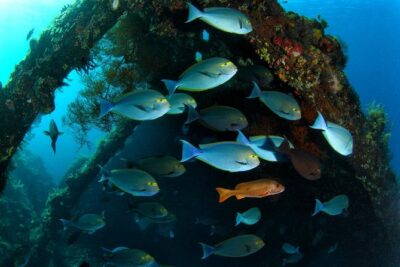
Day Trip certified divers – 3 Dives in Tulamben (pick-up & drop-off included)
Read our review →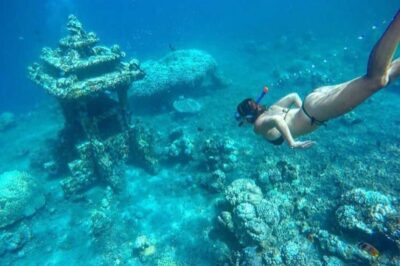
Bali/Amed: Underwater Temple Snorkeling Experience
Read our review →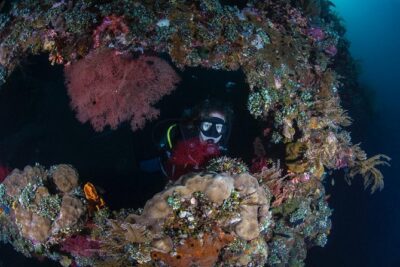
Advanced Open Water Course – Advanced Certification in Tulamben
Read our review →
Amed: Tirta Gangga, Jemeluk Bay, & Virgin Beach Day Trip
Read our review →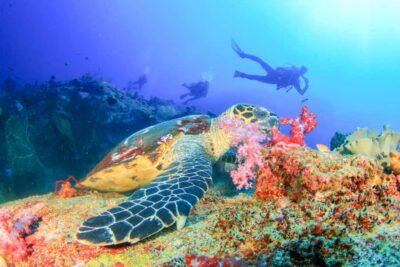
Browse the lists this tour appears in