
REVIEW · BROMO & IJEN VOLCANO TOURS
Banyuwangi/Bali: Ijen crater Bluefire & Sunrise Experience
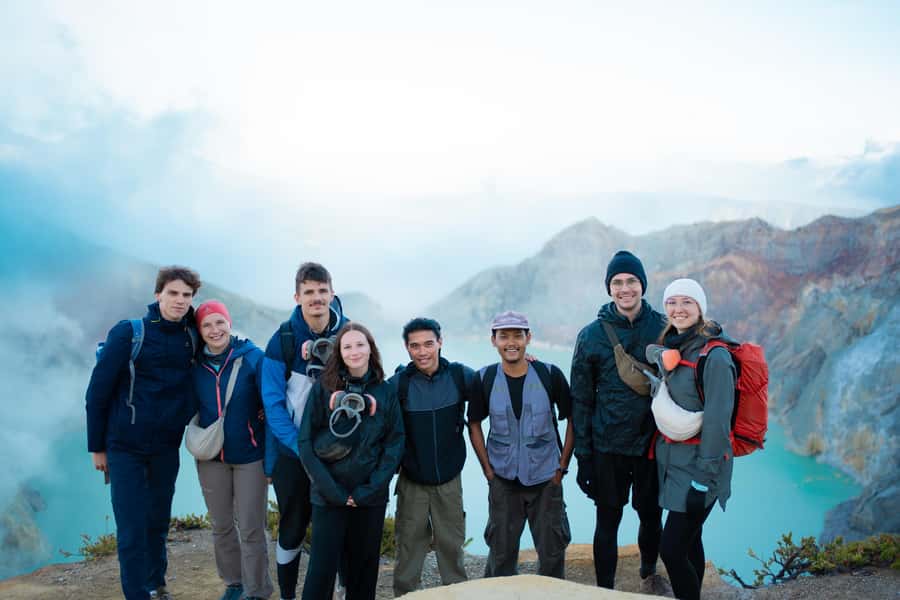
A night hike to Kawah Ijen turns an early-morning grind into a front-row seat for the Blue Flame and the sulfur crater world that locals work around every day. I like how this is built as a true all-in package, with an English briefing, the gear you need, and an experienced guide leading you step by step. One real consideration is the trek is steep, and the terrain gets serious fast, so you need solid footing and a calm head around cliffs.
The timing is what makes it special. You start before sunrise, reach the summit around 03:00, and watch mining activity pick up as daylight arrives around 05:00 at the crater lake. Guides like Sopi, including the one nicknamed Pokémon Sopi, and also Ikbal, are praised for pushing pace safely, explaining the route, and helping you stay in control.
In This Review
- Quick highlights
- Night Starts, Real Volcanic Drama, and Why This Trip Works
- Pickup, the Briefing, and Getting Ready for Paltuding
- Safety Gear on Ijen: Gas Mask, Headlamp, Oxygen, and Common Sense
- The 02:00 Hike to 03:00 Blue Flame: Expect Inclines and Focus
- Sunrise at 05:00: Blue Crater Lake Views and Sulfur Mining
- Descent by 07:00, Back to Paltuding by 08:30
- What’s Actually Included, and Why It Matters for Value
- Packing Checklist That Won’t Let You Regret It
- The Medical Certificate Rule You Cannot Ignore
- Guides and Group Pace: What You Should Expect From the Hike
- Price and Logistics: Getting Real Value for About $19
- Should You Book This Ijen Blue Flame Sunrise Trip
- FAQ
- What time does the tour depart and when do you return?
- What safety equipment is included for the Ijen crater?
- Is Ijen closed on some days?
- Do I need a medical certificate to hike Ijen?
- What should I bring for the hike?
- Who is this tour not suitable for?
Quick highlights
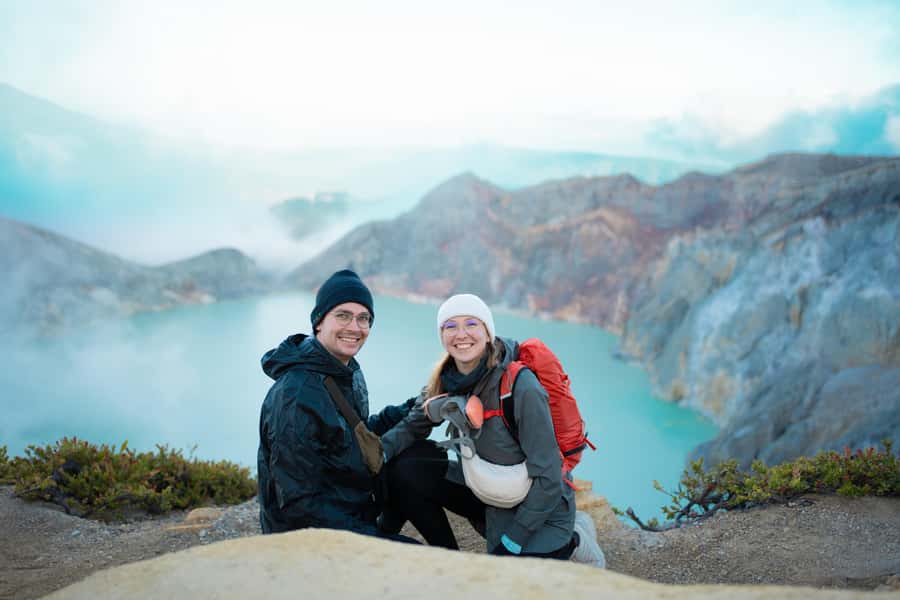
- Blue Flame timing: The phenomenon is visible at night, then you shift to sunrise at the crater lake.
- Safety kit included: Gas mask, headlamp, first aid, and a portable oxygen tank.
- Guides who actually manage the hike: Names like Sopi and Ikbal show up for good reason.
- Warm clothes matter at 5 to 10°C: Bring gloves, a jacket, and a hat, not just a light layer.
- You’re observing real sulfur mining: Early hours mean you can see how miners work as the world wakes up.
Night Starts, Real Volcanic Drama, and Why This Trip Works
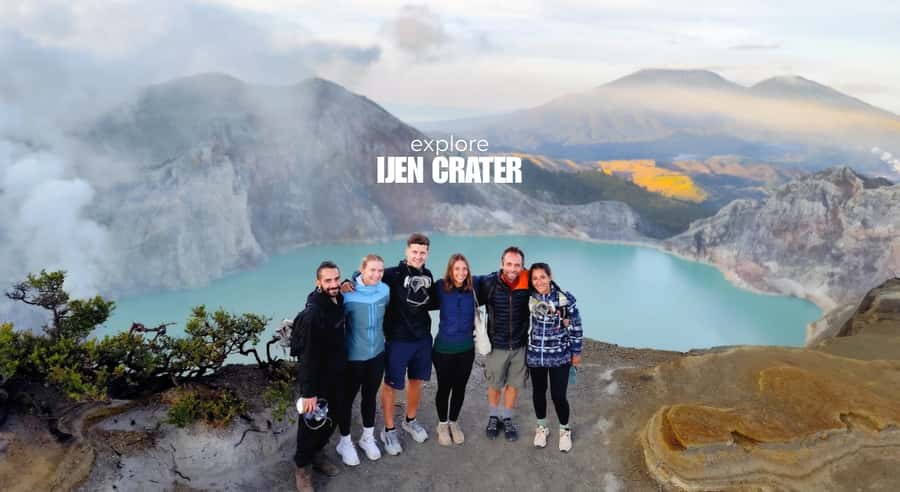
Ijen is not a casual nature day. This trip asks you to leave while most of Java is still asleep, but that’s exactly why it delivers. The Blue Flame shows up at night, and you’re in the right place at the right time to see it before the crater light changes everything.
What I like most is that the experience is structured around the biggest payoff moments, not just around getting from A to B. You hike up in the dark, you’re at the viewpoint early, and you plan your return before the day gets too hot and crowded.
The hike is also where you should set expectations. You’ll spend time on a steep route with loose rocks near dramatic drops, so this is the kind of outing where the right shoes and careful steps matter more than your camera gear.
Other Bromo and Ijen Volcano tours worth a look in Banyuwangi:
- Banyuwangi/Bali: Ijen Volcano Midnight Blue Fire Guided Tour
★ 4.9 · 854 reviews - Banyuwangi: Mt. Ijen Sunrise Hike with Pickup & Health Check
★ 4.9 · 109 reviews - Banyuwangi : Mt Ijen Hike, Blue Fire & Panoramic Lake Guided
★ 4.9 · 98 reviews
Pickup, the Briefing, and Getting Ready for Paltuding
Your day starts with pickup from your hotel or homestay area in Banyuwangi (and the wider starting point noted as Banyuwangi/Bali). You depart around 00:00 to 00:30, then you drive to Paltuding, the starting point of the Ijen hike.
By 01:30, you arrive and get a briefing from the English-speaking guide. This matters because you’re not just hiking for views, you’re entering a sulfur environment. The guide prepares you for the route, explains what you’ll see near the crater, and helps you understand how to use the safety equipment properly.
Around 02:00, the group starts the hike with the guide leading crater exploration. If you’re the type who hates feeling rushed, do not panic. The guide’s job is to keep you moving safely, and the pacing is usually set by trail conditions and group fitness.
Safety Gear on Ijen: Gas Mask, Headlamp, Oxygen, and Common Sense
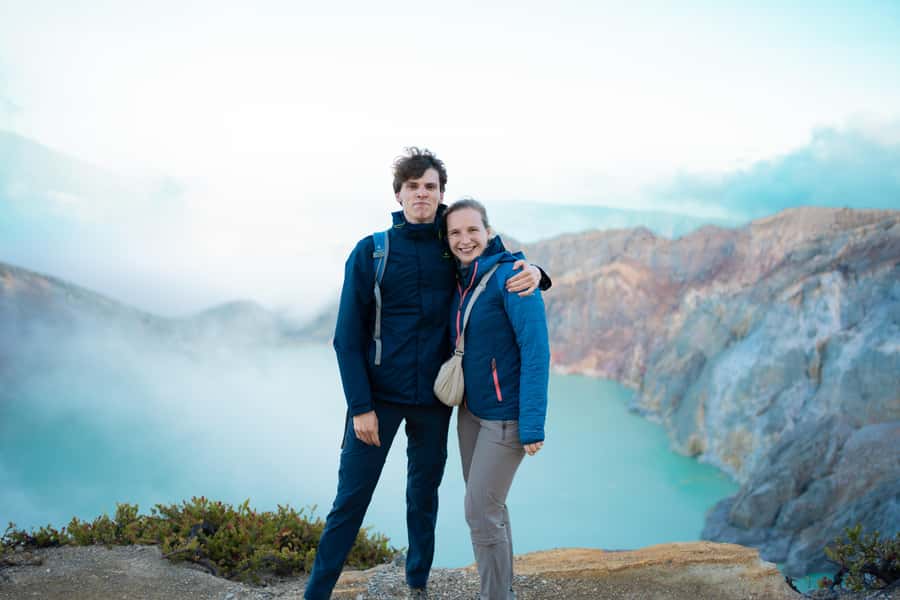
This is one of the most practical parts of the package. You get gas mask and headlamp for the trek, plus first aid and a portable oxygen tank. There’s also an included entry ticket to Kawah Ijen and Kawah Ijen insurance.
What that means for you: you can focus on the hard parts without spending your whole budget and mental energy sourcing gear. It also means your guide can manage the safety flow at the crater, rather than improvising with what people brought.
Still, safety is not magic. You need common sense too:
- Wear proper footwear, because rocky footing near cliffs is where problems happen.
- Keep your headlamp on a reliable battery plan, since you’re hiking at night.
- If you have breathing issues, think hard before going, because this is a sulfur area and the trip is not suitable for epilepsy, altitude sickness, or high blood pressure per the tour notes.
The 02:00 Hike to 03:00 Blue Flame: Expect Inclines and Focus
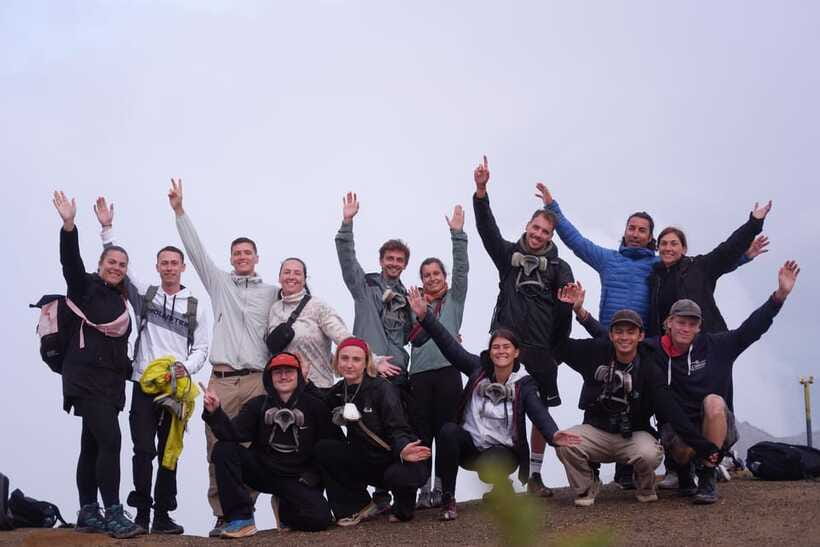
The core hike begins at 02:00, and you reach the summit area around 03:00. This is the stretch that most people remember, because it’s physically demanding and mentally active. Darkness plus steep paths means you don’t get to zone out.
Ijen’s famous Blue Flame is visible only at night, so this timing is not random. The guide’s job is to get you into position before the light changes, while keeping the group safe.
Some practical tips based on what you’ll face on the trail:
- Use trekking shoes with good grip. People who wear the wrong type of shoes tend to slide on steep, rocky sections.
- Move slowly on uneven ground, and don’t try to outrun your own fatigue.
- If you’re nervous about heights, take the lead from your guide. This route can feel exposed near the bottom and along certain edges.
If you go with the mindset that the hike is the price of the show, you’ll enjoy it more.
A few more Banyuwangi trips to compare
- The Authentic Sunset Of Baluran National Park Banyuwangi
★ 4.9 · 70 reviews - Banyuwangi: Ijen Crater Bluefire and Sunrise Guided Trek
★ 4.9 · 65 reviews - From Bali/Banyuwangi: Ijen Blue Fire Midnight Group Tour
★ 4.5 · 59 reviews - Ijen Crater Blue Fire Night Hike
★ 5.0 · 49 reviews
Sunrise at 05:00: Blue Crater Lake Views and Sulfur Mining
After the summit and the Blue Flame viewing, you shift toward the sunrise viewing around 05:00. This is when the crater lake comes to life, and it’s also when you see sulfur mining activity in action.
That mining part is one of the trip’s most interesting realities. You’re not just watching a scenery photo. You’re observing people working in a harsh, working volcano environment. Sunrise adds contrast, and the atmosphere changes fast as daylight spreads across the crater.
This is also where the guide helps you keep your head in the moment. You’ll likely spend time looking across the crater lake, and then you’ll return downward later. The whole point is to see mining activity and the crater views without rushing through either.
Descent by 07:00, Back to Paltuding by 08:30
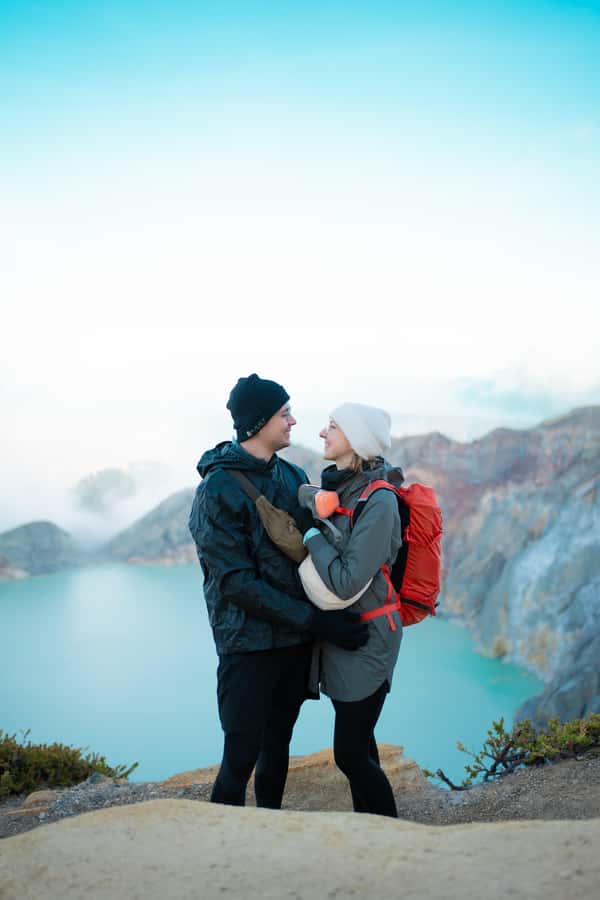
The descent starts around 07:00, and you plan to return to Paltuding by about 08:30. This is a good time to remember that going down can feel harder than going up, especially on rocky slopes. Your legs get tired, and your attention has to stay on foot placement.
Then you transfer back to your hotel or homestay area around Banyuwangi. The day ends early enough that you can still enjoy the rest of your time in East Java, instead of losing your whole schedule to the hike.
What’s Actually Included, and Why It Matters for Value
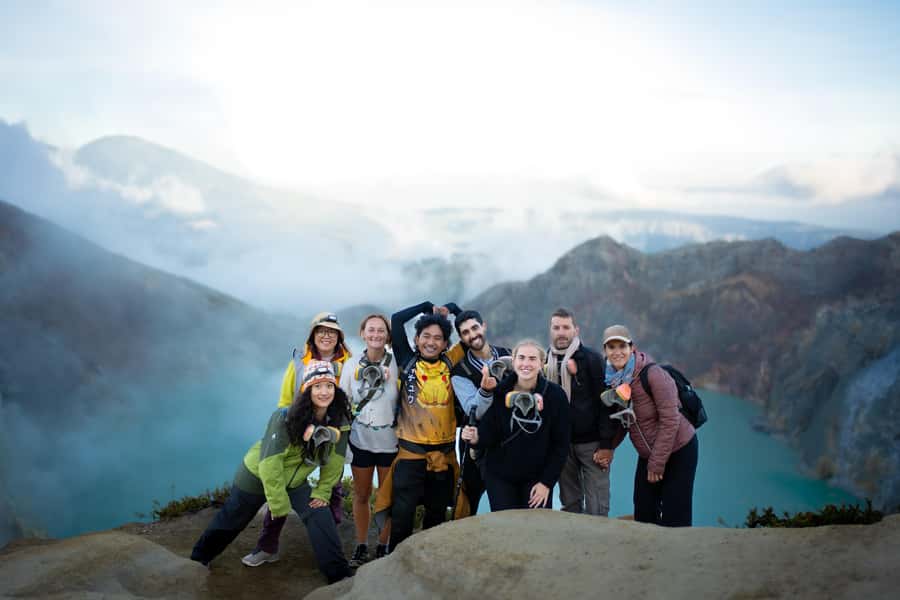
At about $19 per person, this tour price is only a bargain if it truly covers the essentials. In this package, the essentials are taken care of.
Included highlights:
- Transportation from the Banyuwangi/Bali starting area to Paltuding and back
- English-speaking guide for briefing and hike prep (useful if you’re not confident with Bahasa)
- Guide for the hike and crater exploration
- Entrance ticket to Kawah Ijen
- Kawah Ijen insurance
- Gas mask and headlamp
- First aid and portable oxygen tank
- Mineral water
- Local snack, warm fried banana
When you compare that to the cost of doing the trek on your own, this starts to look logical. Gear like masks, headlamps, and oxygen support is not the kind of thing you want to skip, and guides are the difference between seeing the right spots and getting stuck in the wrong places at the wrong time.
Not included:
- Personal expenses
- Optional tipping for the guide or driver
That tip part is common sense. If you like the job someone does, it’s a normal way to show appreciation, but it’s not required.
Packing Checklist That Won’t Let You Regret It
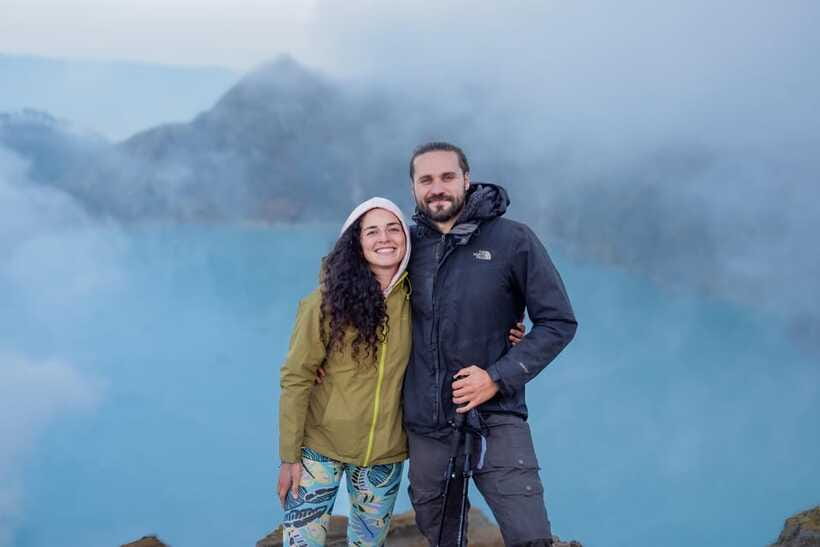
This is a “small mistakes feel big” kind of trip. The air can drop to 5 to 10°C, and you’ll be on the move in early morning chill. Bring layers you can actually work in.
Bring:
- Comfortable shoes, and ideally proper hiking shoes
- Jacket
- Hiking pants
- Warm trekking gear if you have it
- Camera
- Trekking gear you personally rely on
Also, plan for a cold morning. The tour notes specifically mention jacket, gloves, and hat, so don’t ignore that.
Not allowed:
- Baby strollers
- Alcohol and drugs
And check your health reality before you pack. This is not suitable for epilepsy, altitude sickness, or high blood pressure per the tour details. If you’re older, the notes say not for people over 95.
The Medical Certificate Rule You Cannot Ignore
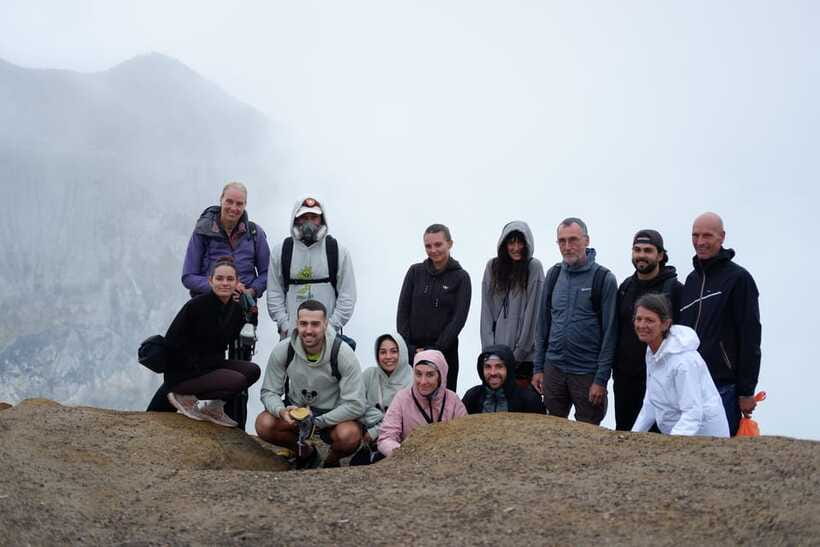
Here’s a key admin detail that can trip people up: the new rules for hiking Ijen require you to submit a copy of your passport and a medical certificate. The certificate should be valid, with a max age of 3 days from when the letter was made.
Your guide or organizer can’t replace that requirement with wishful thinking. If you don’t have the medical certificate in advance, the notes say you can get it from a clinic, around IDR 35,000 per person, and certificates obtained outside the tour package cost extra.
So if you’re thinking, I’ll handle it when I arrive, consider that a risk. Plan to sort it before you set off, so you don’t waste your energy on paperwork during a high-effort trip.
Guides and Group Pace: What You Should Expect From the Hike
This tour is guided the whole way, and that’s a big part of why it consistently performs well. Guides like Sopi, including the one nicknamed Pokémon Sopi, are praised for explanations and safety management on a tough route. Ikbal also stands out for keeping people safe and even helping with photos.
Pace is worth your attention. Some groups move briskly, and the steep terrain punishes hesitation. One review note you can take as advice: if you join a fast group, you need to be in good shape and comfortable walking uphill for extended stretches.
If you want the best experience:
- Don’t overpack your energy drink plans.
- Keep a steady rhythm.
- Let the guide set the tempo.
- Stop and breathe when you need to, instead of rushing and getting sloppy on the trail.
Price and Logistics: Getting Real Value for About $19
Let’s talk value. At roughly $19, you are paying for far more than a driver.
You’re paying for:
- Entry ticket
- Insurance
- Safety kit and oxygen support
- English-speaking guide briefing and trail leadership
- Transportation from the starting area
- Water and a warm fried banana snack
The only obvious extra costs are personal expenses and optional tipping.
One logistic caution: pickup times can be time sensitive. You’ll typically get start timing around midnight departure, and you should be ready and waiting. If communication is unclear, it can create stress right when you need calm. So double-check your pickup info early and confirm your exact pickup point the day before.
Also, the drive to the mountain roads can be winding. One person described driving that felt intense on the way up. You can’t control road style, but you can control two things: pick a seat you feel comfortable in, and remind yourself that you’re going to feel better once you’re out of the car and moving.
Should You Book This Ijen Blue Flame Sunrise Trip
Book it if:
- You want the Blue Flame at night and a sunrise crater view at 05:00
- You like guided experiences where safety gear is included
- You’re comfortable with a steep hike and using good traction on rocky slopes
- You want to observe real sulfur mining activity from a safer, more structured route
Skip it if:
- You have epilepsy, altitude sickness, or high blood pressure concerns
- Heights make you panic, because sections near cliffs can feel scary even when you move carefully
- You expect an easy walk. This is a real hike, and the right shoes are non negotiable
- You don’t want to handle the medical certificate requirement, because the rules require passport copy and a valid letter
If you do book, go prepared and calm. Wear the right footwear, bring warm layers, and trust the guide for the timing. Then you’ll earn the views the hard way, and that’s the point of Ijen.
FAQ
What time does the tour depart and when do you return?
You depart from the hotel or Banyuwangi area around 00:00 to 00:30, arrive at Paltuding around 01:30, start hiking at 02:00, and return to Paltuding around 08:30. After that, you transfer back to your hotel or homestay in the Banyuwangi area.
What safety equipment is included for the Ijen crater?
The package includes a gas mask and headlamp for safety, plus first aid and a portable oxygen tank. It also includes Kawah Ijen insurance.
Is Ijen closed on some days?
Yes. The notes say Ijen is closed every Friday in the first week. If you are planning a night hike between Thursday and Friday, you may not be able to go.
Do I need a medical certificate to hike Ijen?
Yes. The notes say you must provide a copy of your passport and a medical certificate. The certificate should be valid, with a maximum of 3 days from when the letter was made.
What should I bring for the hike?
Bring comfortable shoes or hiking shoes, a camera, a jacket, hiking pants, and trekking gear. The notes also advise warm clothes such as a jacket, gloves, and a hat, because temperatures can drop to around 5 to 10°C.
Who is this tour not suitable for?
The notes say it is not suitable for people with epilepsy, altitude sickness, or high blood pressure. It is also not suitable for babies under 1 year and people over 95 years.
Just added around Banyuwangi
- Start: Malang! Bromo Sunrise and Ijen 2D/1N Share Tour★ 4.6 · 5 reviews
- Start Probolinggo: Mount Bromo Sunrise Shared Guided Tour★ 4.5 · 5 reviews
- Shared Tour Mount Ijen 1D start from Banyuwangi★ 4.5 · 4 reviews
- Mount Ijen Blue Fire Tour Start From Banyuwangi or Ubud Bali★ 4.8 · 4 reviews
- Ijen Volcano Midnight Hike with Blue Fire & Guide (SHARING)★ 4.8 · 5 reviews
- Ijen Crater Blue Fire Night Hike★ 5.0 · 49 reviews
- From Yogyakarta : 3Days Bromo-Ijen Vulcano drop Bali Hotel★ 4.9 · 22 reviews
- From Surabaya/Malang/Bali: Kawah Ijen Blue Fire Guided Tour★ 4.8 · 7 reviews
Bromo & Ijen Volcano Tours, compared.
Mount Bromo Sunrise Tour from Surabaya or Malang – 1 Day
Read our review →
1 Day Amazing Bromo Sunrise tour from Malang Surabaya 7 spots
Read our review →
Banyuwangi/Bali: Ijen Volcano Midnight Blue Fire Guided Tour
Read our review →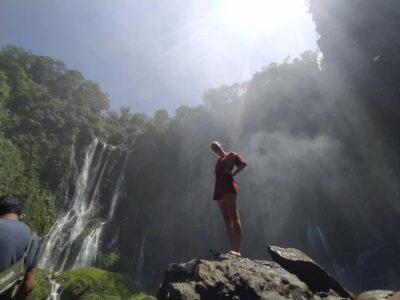
Surabaya or Malang: Tumpak Sewu Bromo & Ijen 3-Day Trip
Read our review →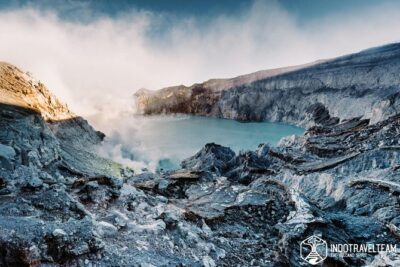
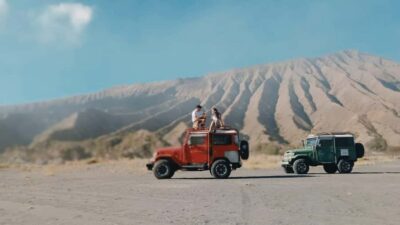
Surabaya or Malang: Mount Bromo Sunrise Share Guided Tour
Read our review →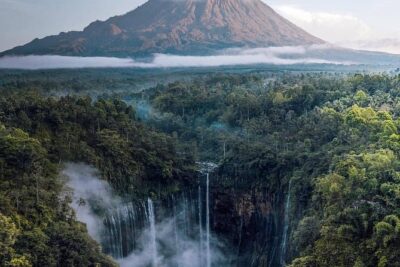
3Days – Tumpaksewu Bromo Ijen Adventure via Malang or Surabaya
Read our review →
From Surabaya / Malang : Mt Bromo Sunrise – Ijen Blue Fire 3D2N
Read our review →Browse the lists this tour appears in