
REVIEW · LABUAN BAJO TOURS
Explore Traditional Village of WAE REBO 2D/1N Shared Tour
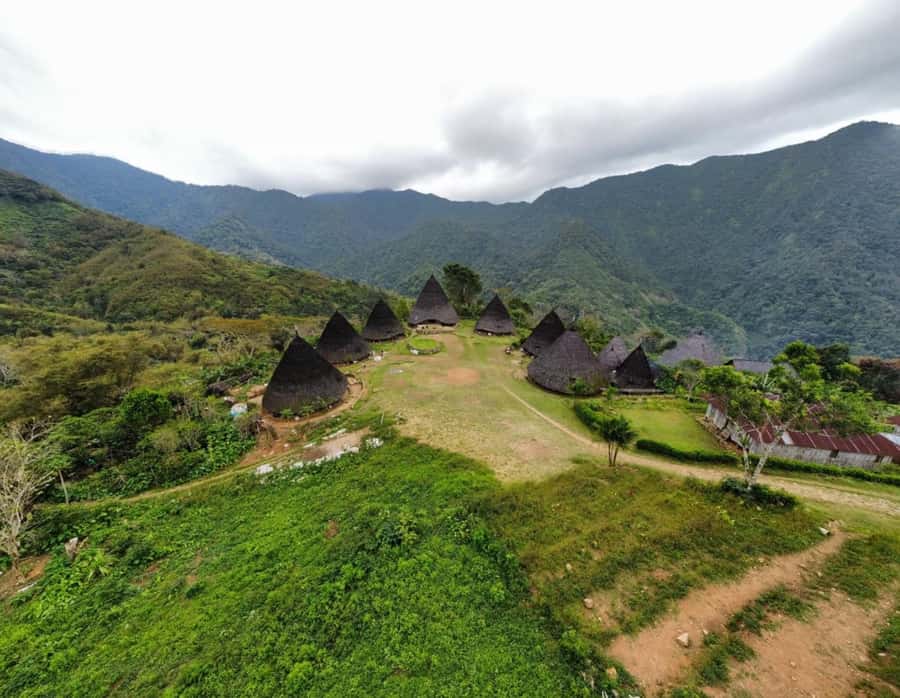
A remote village rewires your senses. Wae Rebo sits on Flores Island, reached after hours of trekking through the Todo forest, and it is one of those trips where traditional village life becomes the whole point of the journey.
I especially like how the tour mixes nature and culture, with the forest set at about 1,100 meters above sea level, so the air feels cooler and the surroundings feel truly set apart.
You should know the tradeoff, though: it is remote, with no mobile coverage and electricity only available from 6 to 10 pm, plus a 2-3 hour hike that expects you to be comfortable on your feet.
I also love the pacing and size. This is a shared tour capped at about 15 people, run with an English and Indonesian guide, and the feedback I have read highlights how a guide named Vicky is often praised for being flexible and ready for what the day brings.
That matters, because Wae Rebo is small and weather can affect timing, so you want someone who keeps things moving without rushing the experience.
In This Review
- Key points at a glance
- Why Wae Rebo feels different from other Flores stops
- Getting from Labuan Bajo to Denge Village: the long ride that sets the tone
- Trekking the Todo forest: what the 2-3 hours demands
- Arriving at Wae Rebo: Mbaru Niang and the welcome ceremony
- Day 1 evening: dinner, village time, and limited electricity
- Day 2 morning: breakfast with locals and gentle activities
- Price and logistics: is $180 good value for 2 days?
- What to pack for cold air, trekking, and no phone signal
- Who this shared tour suits best
- Should you book the Wae Rebo 2D/1N shared tour?
- FAQ
- What time does pickup happen in Labuan Bajo?
- How long is the trek from Denge Village to Wae Rebo?
- Where do you stay overnight, and is it included?
- Will I have mobile phone coverage in Wae Rebo?
- What meals are included during the tour?
- What is included in the price besides transport?
- Do solo travelers always join the group?
Key points at a glance
- Small-group feel (up to 15 people) keeps the ceremonies and village time from feeling like a crowd show
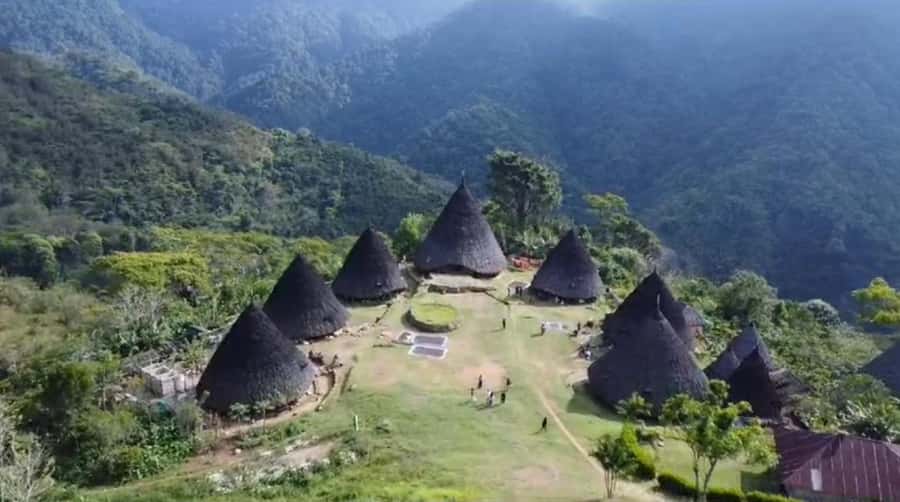
- Mbaru Niang overnight gives you the real village rhythm, not just a quick photo stop
- Todo forest trek (2-3 hours) is the main event, with orchids, ferns, and lots of birdlife
- Welcome and small ceremonies help you understand community cooperation, not just watch from the edge
- Cold mountain air and limited power mean you should pack for comfort and evenings without phones
Why Wae Rebo feels different from other Flores stops
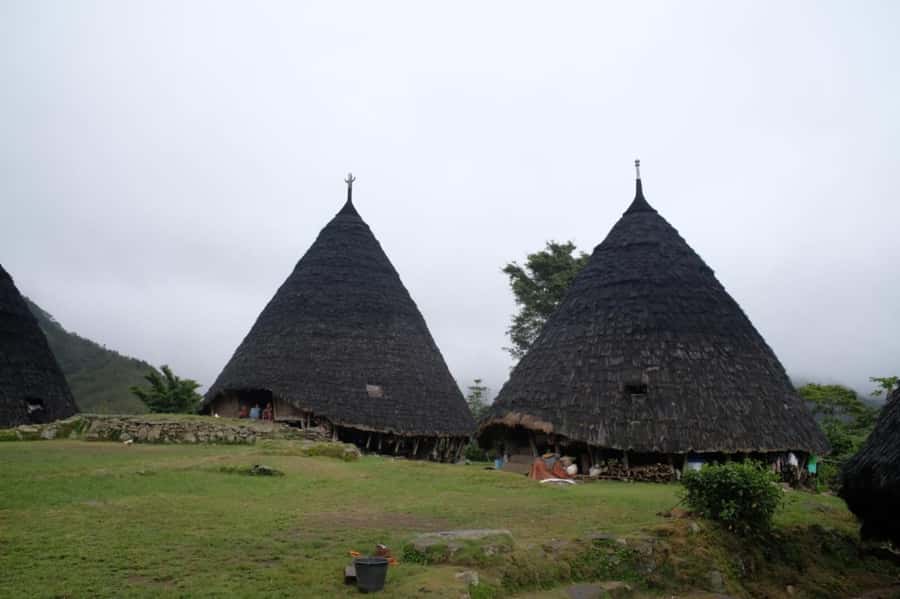
Wae Rebo is not a big sightseeing factory. It is a traditional village, very small and isolated, where community cooperation is central to how people maintain sustainable traditions while also supporting village prosperity.
What makes this feel special is the setting. The village sits roughly 1,100 meters above sea level, surrounded by mountains and the dense Todo forest. That altitude shift changes how you experience the air, and the forest clues you in that this is not an easy day trip.
You also get the kind of access that changes your understanding. You are welcomed for ceremonies, you eat with locals, and you stay overnight in Mbaru Niang. That overnight part is crucial. It turns Wae Rebo into a place you have to adapt to, not a place you rush through.
A few more Labuan Bajo trips to compare
- From Labuan Bajo: Komodo Island Day Tour with Snorkeling
★ 4.8 · 1,276 reviews - Labuan Bajo: One Day Tour to Explore Komodo National Park
★ 4.8 · 529 reviews - Komodo Island: Komodo Dragons & Islands Day Tour
★ 4.7 · 472 reviews
Getting from Labuan Bajo to Denge Village: the long ride that sets the tone
Most people start their Wae Rebo trip from Labuan Bajo. The pickup is at 7:00 am, and then you drive about 4-5 hours to Denge Village.
This drive is not wasted time. It is part of the transition. You go from the busyness and infrastructure of a coastal base into the quieter, more rural rhythm of eastern Flores. And because the tour includes breakfast and lunch while you are on the way, you arrive at the trekking start better fueled and less stressed.
Two practical notes here:
- You will want to treat the morning ride as travel time, not sightseeing time.
- Since the itinerary is flexible depending on weather, leaving early gives you more options if conditions shift.
The tour also includes entry ticket access and a local guide, which helps you stay focused on the experience instead of managing logistics on your own.
Trekking the Todo forest: what the 2-3 hours demands
The trek from Denge Village to Wae Rebo takes about 2-3 hours. For many people, this is the moment when the trip clicks, because you are moving through the Todo forest rather than just arriving at a viewpoint.
Here is what I would mentally prepare for:
- The forest is described as tropical and dense, with vegetation like orchids and different types of ferns.
- You will likely hear lots of songbirds, which helps the trek feel alive.
- The village sits high, so the air can be relatively cold, especially in the dry season.
Your best move is to dress for cool air and uneven ground. Comfortable shoes matter more than style here, and long pants help with comfort underfoot.
Also, remember the tour includes a local motorbike (Ojek). The exact way it fits into your day can vary, but it is there to reduce how much of the route relies purely on walking. Still, the main leg to Wae Rebo is the trek, so plan for it.
Arriving at Wae Rebo: Mbaru Niang and the welcome ceremony
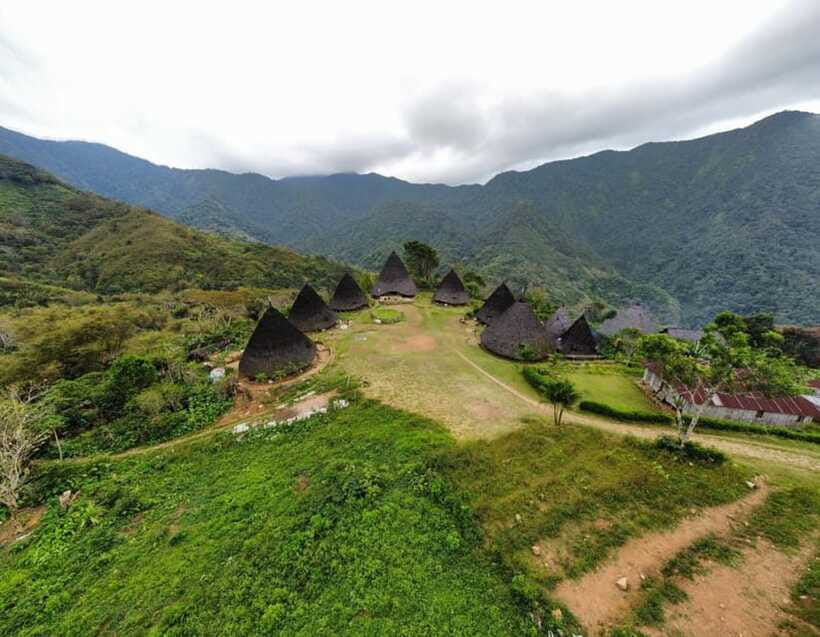
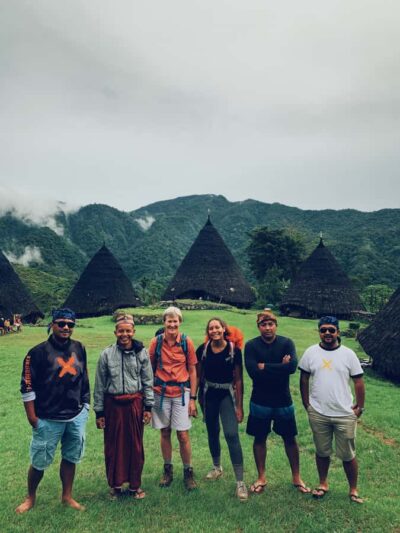
When you reach Wae Rebo, the village itself is the reward. It is surrounded by mountains, and the view from the approach is part of what makes people slow down. Since the village is small and isolated, your arrival feels like you are entering someone’s home world.
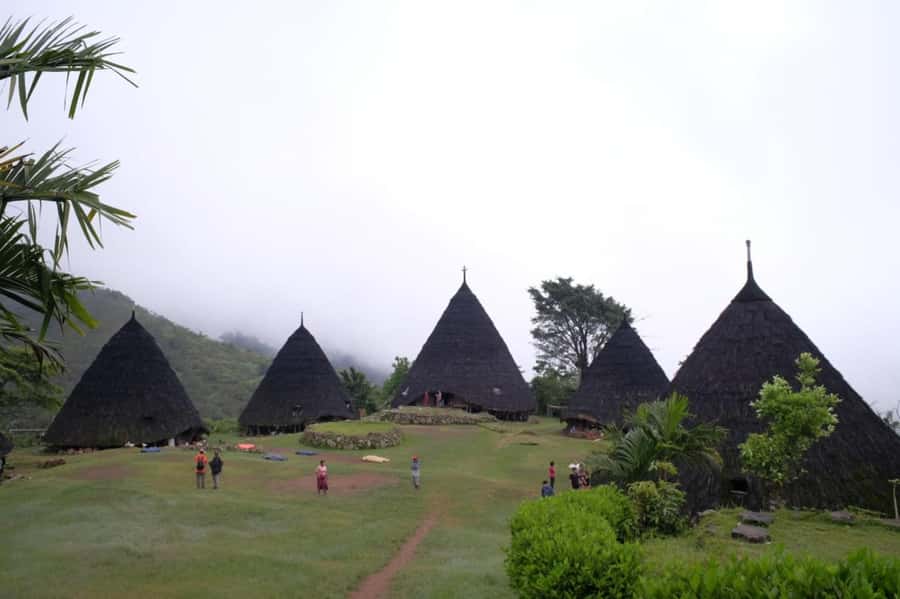
Right after you arrive, the locals welcome you with a traditional ceremony. This is where the tour’s values show. Wae Rebo is recognized for traditional houses shaped by the spirit of community cooperation toward sustainable tradition. In plain terms, the village is not an empty set. It is a community practice, and ceremonies are part of how people maintain relationships and roles.
Then comes staying at Mbaru Niang, which is the overnight experience built into the itinerary. This is not a hostel night where you come and go. You are inside the village rhythm, including how the community handles daily life after visitors arrive.
One more thing I appreciated in the way the tour is described: it is not framed as a performance. The ceremony and welcome are there, but your job is to participate respectfully and follow the guide’s cues.
Another side of Indonesia:
- Labuan Bajo: Rangko Cave and Beach Snorkeling Half-Day Tour
★ 4.3 · 309 reviews - Labuan Bajo: 2D1N Komodo & Pink Beach Shared Boat Tour
★ 4.2 · 294 reviews - Labuan Bajo: Komodo National Park Full-Day Speedboat Tour
★ 4.8 · 207 reviews - Labuan Bajo: 3-Day Komodo Island and Pink Beach Tour
★ 3.8 · 125 reviews
Day 1 evening: dinner, village time, and limited electricity
Day 1 runs from morning pickup through trekking and then ends with dinner and your first overnight in the village at Mbaru Niang. Dinner is included, and it is part of the social side of the visit.
This is also the time when the remoteness becomes real. There is no mobile coverage in Wae Rebo, and electricity is only available from 6 to 10 pm. That changes how you experience the evening:
- Your attention shifts to people and surroundings.
- You do not get constant access to maps, messages, or late-night scrolling.
- Comfort planning matters more, since cold air can show up quickly after daylight.
In feedback I have read, one strong theme is how the experience can be emotionally different depending on village circumstances. For example, one group described the village being in mourning due to the loss of a community member, which meant fewer upbeat activities with residents. Even then, the visit still centered on shared food and participation in rites of blessing. That is a useful expectation-setting point for you. This is not a staged holiday mood. You come to witness and to show respect.
Day 2 morning: breakfast with locals and gentle activities
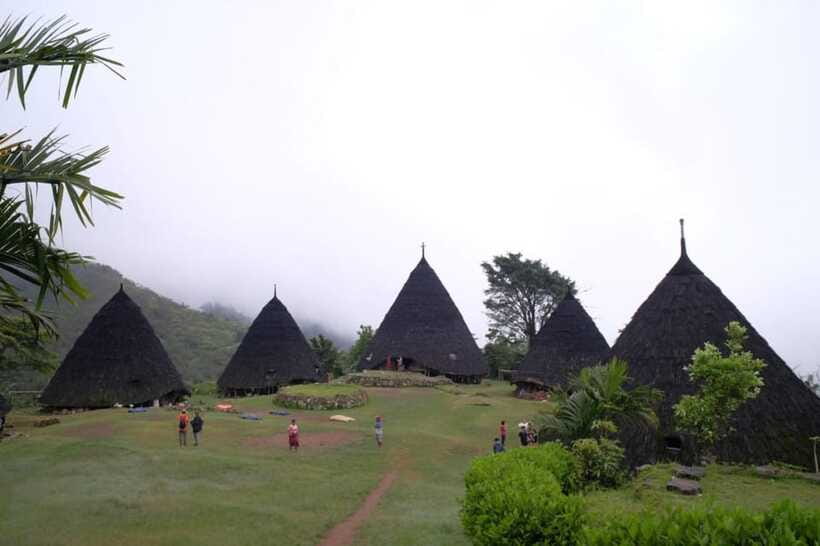
Day 2 begins with breakfast with the local people. That might sound simple, but breakfast here is another cultural touchpoint, not just a meal you eat and forget. It is part of the continuity of village life, and it helps you understand the day is organized around community routines.
You will also join a little ceremony and do some activities with the locals. The exact activities are not detailed in the tour outline, but the structure is clear: your time is not just one walk and a goodbye. There is a chance to slow down and connect.
After that, you leave Wae Rebo and head back to Denge Village. Then you have lunch and return to Labuan Bajo. In other words, you still get that full remote-to-coastal arc, but you do it with an overnight pause, which is what makes Wae Rebo feel personal instead of rushed.
Price and logistics: is $180 good value for 2 days?
At $180 per person for 2 days, this tour is not a budget impulse buy. But it can represent good value because the cost is doing real work for you.
What you are paying for is not just a ticket to see a village. The inclusions cover major hurdles:
- Round-trip car transport from Labuan Bajo to Denge Village
- Entry ticket
- 1 night stay at Mbaru Niang
- 4 meals total, including breakfast and lunch on the drive, dinner in the village, and lunch on the return
- Local guide (English and Indonesian)
- Local motorbike (Ojek) support during the route
- Donation, plus coffee and tea
- Free documentation for your memories
When you add those together, the price starts to make sense for a remote, high-altitude destination where independent travel is harder. Also, the group size is small (up to 15), which often means less waiting and less crowd pressure than bigger tours.
One value-related caution: the tour’s schedule can have minimum participant rules depending on the day. The info says there is no minimum quota for Monday, Tuesday, Friday, and Saturday departures, so a solo traveler can go. On Sunday, Wednesday, and Thursday, there is a minimum of 2 people, and if only 1 person books, the price can effectively double. If you are traveling alone, pick your day carefully.
What to pack for cold air, trekking, and no phone signal
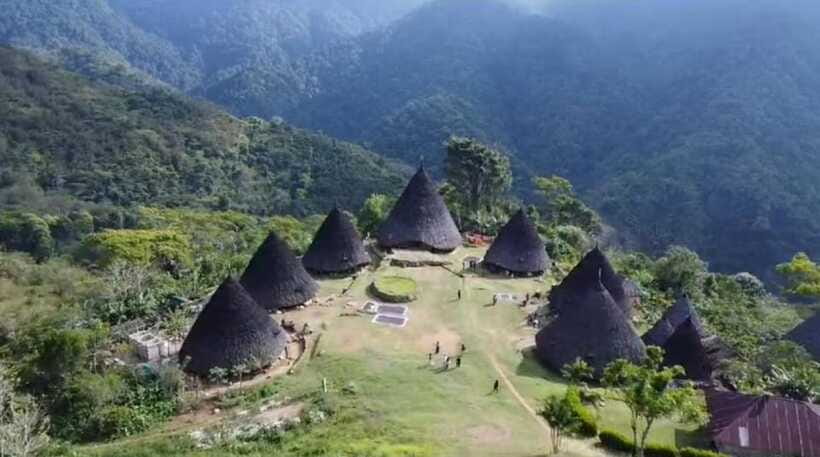
This is where you protect your trip quality. Wae Rebo is cold compared to the coast, and the village can be chilly especially in the dry season. The tour advice is clear: bring a jacket.
Use the tour-provided checklist as your baseline:
- Comfortable shoes for a 2-3 hour trek
- Long pants
- Trekking gear (you know your needs here, but plan for basic comfort and support)
- A first aid kit, since it is not included in the tour list of items
Then add a few practical reality checks for the village environment:
- No mobile coverage means screenshots and offline maps will not help much.
- Electricity is only from 6 to 10 pm, so plan to charge only during that window if you need it at all.
- Light layers can work better than one bulky item, because cold can change from day to night.
If you pack with those constraints in mind, you will enjoy the village more and worry less.
Who this shared tour suits best
This tour fits best if you like experiences that feel human-scale. If you prefer a place where you can actually slow down, share meals, and participate in ceremonies rather than just walk past things, Wae Rebo can be a perfect match.
It also suits you if you enjoy trekking. The route is not described as extreme, but it does demand solid walking comfort for the 2-3 hour forest leg, plus time in a cold village at altitude.
Here is who should be extra thoughtful:
- If you dislike cold air or poorly lit evenings, the limited power and jacket need can be a deal-breaker.
- If you need constant phone access for work or family, the no-coverage setting is a clear limitation.
The tour uses English and Indonesian, and it is guided, which helps a lot if your comfort with Indonesian is limited.
Should you book the Wae Rebo 2D/1N shared tour?
Book it if you want a Flores experience that is not just scenic, but also grounded in community life. The combination of overnight in Mbaru Niang, the traditional welcome ceremony, and the Todo forest trek is the right mix of culture and walking.
I would say go for it if you also like small-group travel, because up to 15 people makes it easier to have a respectful, less rushed experience. The best feedback points consistently toward a guide who is flexible and prepared, and the inclusion of shared meals and blessing rites, even when circumstances are solemn, speaks to a respectful approach.
Skip or think twice if you are not comfortable with cold weather, trekking time, and a true digital disconnect. This is a village trip with limited electricity and no mobile coverage, so your comfort planning matters.
If your ideal day includes shared food, ceremonies, and the quiet satisfaction of reaching an isolated village by foot, Wae Rebo is exactly the kind of trip worth making time for.
FAQ
What time does pickup happen in Labuan Bajo?
Pickup is at 7:00 am from your hotel in Labuan Bajo.
How long is the trek from Denge Village to Wae Rebo?
The trek takes about 2-3 hours.
Where do you stay overnight, and is it included?
You stay for 1 night at Mbaru Niang in the village, and that overnight stay is included.
Will I have mobile phone coverage in Wae Rebo?
No. There is no mobile coverage in the village.
What meals are included during the tour?
You get 4 meals during the trip, including breakfast and lunch while traveling, dinner in the village, and lunch again on the return.
What is included in the price besides transport?
Besides car transportation, the tour includes an entry ticket, a local guide, a local motorbike (Ojek), donation, coffee and tea, free documentation, and the meals.
Do solo travelers always join the group?
Not always. On Monday, Tuesday, Friday, and Saturday, there is no minimum quota, so 1 person can join. On Sunday, Wednesday, and Thursday, there is a minimum of 2 people, and if only 1 person books, the price can be doubled.
Just added around Labuan Bajo
- One-Day Rangko Cave, Batu Cermin, Sylvia Hill & G’Spot★ 3.4 · 10 reviews
- Labuan Bajo: Swim and Snorkel Komodo Island Trip with Lunch★ 4.2 · 9 reviews
- Labuan bajo: One Day Komodo Private & Shared Speedboat Trip★ 5.0 · 8 reviews
- Labuan Bajo: Exploring Wae Rebo Village 2-Day Tour★ 5.0 · 5 reviews
- Labuan Bajo: 3-Day Komodo Island and Pink Beach Tour★ 3.8 · 125 reviews
- Labuan Bajo: 2 Nights Komodo Liveaboard on Phinisi Boat★ 4.5 · 8 reviews
- Komodo Full Day Speedboat Tour from Labuan Bajo★ 4.3 · 23 reviews
- Komodo Conservation Tour with unique experience★ 5.0 · 4 reviews
Labuan Bajo Tours, compared.



Komodo Island: Komodo Dragons & Islands Day Tour
Read our review →


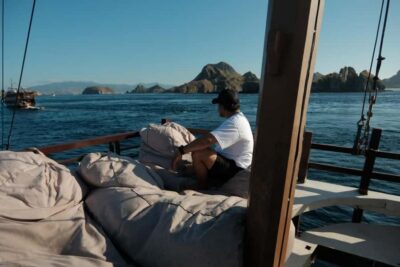
2D1N Exotic Waerebo Village Tour from Labuan Bajo
Read our review →Browse the lists this tour appears in