
REVIEW · BROMO & IJEN VOLCANO TOURS
Ijen Crater Blue Fire Night Hike
Blue fire starts after midnight. This Ijen Crater night hike turns a cold, dark walk into a front row seat for blue flames and the acidic crater lake at sunrise. The payoff is huge, but the trail can be tough and slippery, and it is not a good fit if you have heart or breathing problems.
I like how straightforward the plan is: pickup, a short safety briefing at Lapangan Paltuding, then a guided trek to Ijen so you reach the rim before dawn. If you want the best chance of seeing the flames, you also need to be ready for real low-light conditions with a headlamp and proper warm gear.
In This Review
- Quick hits
- Why Ijen Blue Fire Starts Before Dawn
- Pickup, Lapangan Paltuding, and the 15 Minute Safety Briefing
- The Ijen Trek Itself: Moderate Effort, Early Hours, Real Footing
- Blue Fire in the Dark: What You Can Actually Do to See It
- Sunrise at the World’s Largest Acidic Crater Lake
- Sulfur Miners and the Gask Mask Reality Check
- Guides, Small Group Energy, and Your Pace on Steep Ground
- Price and Value: What $35 Covers, and What You Still Need to Pay
- What to Pack for Cold Nights and Fast Changes in Weather
- Who Should Book This Ijen Night Hike, and Who Should Skip It
- Should You Book the Ijen Crater Blue Fire Night Hike?
- FAQ
- How long is the Ijen Crater Blue Fire night hike?
- Where are the pickup locations?
- Where will I be dropped off?
- Is the tour guide available in English?
- Is the group size small?
- What is included in the price?
- Are meals included?
- What should I bring for the hike?
- Is Mount Ijen always open?
- Do I need to send a copy of my passport?
- Is there an extra fee for some pickup areas?
Quick hits
- Start before midnight to reach Ijen Crater before dawn when the flames show best.
- Gas mask and headlamp included so you can focus on the crater, not scrambling for gear.
- Small group capped at 8 keeps the pace more manageable on a moderately challenging hike.
- Sunrise at the crater rim gives you that long, gradual transformation from dark to glowing lake.
- You see sulfur miners up close and learn why this is serious, hard labor.
Why Ijen Blue Fire Starts Before Dawn
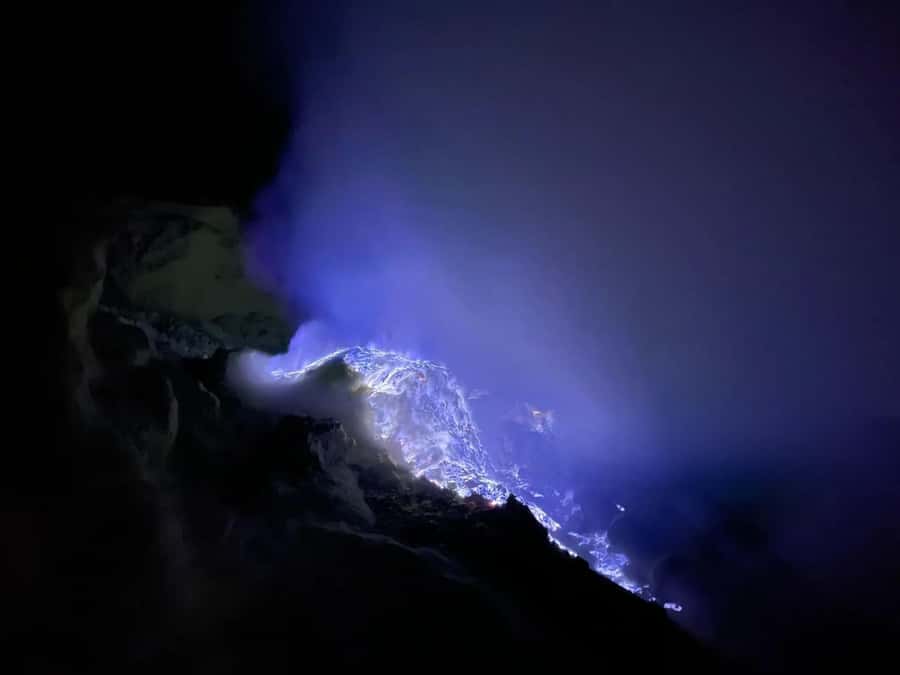
The Ijen Blue Fire experience is all about timing. You set off very late, before midnight, and you hike under a canopy of stars to reach the crater rim before dawn. In daylight, the flames you came for are harder to notice. At night, they can look almost unreal, like something from a sci-fi film, but the reason is simple: darkness gives your eyes a chance to pick them up.
What I love is that this tour is designed around that exact window. You are not just showing up for a quick look and leaving. You get enough time at the crater area to do the walk, see the blue flames in the dark, then shift into the sunrise viewing period.
The other reason it feels special is that it is not only scenery. You also witness the intense work of local sulfur miners in the volcanic highlands. The blue flames might be the star attraction, but the human element is what makes the whole experience stick with you.
One consideration: because you are working in cold, dark conditions and on steep, rocky ground, visibility and footing can affect what you personally feel comfortable doing. If the trail gets slick, some people choose to adjust their plan on the way down.
Other Bromo and Ijen Volcano tours worth a look in Banyuwangi:
- Banyuwangi/Bali: Ijen Volcano Midnight Blue Fire Guided Tour
★ 4.9 · 854 reviews - Banyuwangi: Mt. Ijen Sunrise Hike with Pickup & Health Check
★ 4.9 · 109 reviews - Banyuwangi : Mt Ijen Hike, Blue Fire & Panoramic Lake Guided
★ 4.9 · 98 reviews
Pickup, Lapangan Paltuding, and the 15 Minute Safety Briefing
Before the hike even begins, you are collecting the essentials for a safe, on-time night. The tour includes pickup and drop off, with six pickup options in the East Java and Bali area: Licin, Bali, Denpasar City, Kalipuro, Ubud, and Banyuwangi. You also have multiple drop off locations back after the experience: Ubud, Banyuwangi, Licin, Bali, Kalipuro, and Denpasar City.
The timing matters because the crater visit is early. You will be asked to wait in the hotel lobby about 10 minutes before your scheduled pickup time. I treat this like a rule, not a suggestion. When the whole schedule is built around darkness, being late can change your place in line and your time at the rim.
Once you reach the staging area at Lapangan Paltuding, you get a 15 minute safety briefing. You will also be fitted with what you need for the environment, including a gas mask and a headlamp. In practice, that means less stress for you. You do not have to guess what to bring for visibility or sulfur exposure.
The Ijen Trek Itself: Moderate Effort, Early Hours, Real Footing
This hike is described as moderately challenging, and you should take that seriously. It is not a stroll. You are walking with a headlamp, and you will be on uneven volcanic terrain. Even when the trail is clear, the combination of cold night air, steep sections, and slick rocks can make it feel harder than you expect.
The good part is that you go with a guided trek and a small group (limited to 8 participants). That small size helps because your guide can manage pace and safety, instead of herding a bigger crowd. Many people also like the fact that they reached the crater area early, which can mean less congestion at the viewing spots.
You also get a sense of the route through the day’s progression. On the way in and around the crater, there are photo stops, scenic walking sections, and time built into the schedule for a guided tour and free time. Translation: you are not stuck rushing from one checkpoint to the next with no chance to breathe, reposition, or take photos safely.
The drawback to plan for: if the ground is slippery, you may need to slow down more than you want. Bring trekking gear if you have it, and expect your pace to be a bit more cautious than usual.
Blue Fire in the Dark: What You Can Actually Do to See It
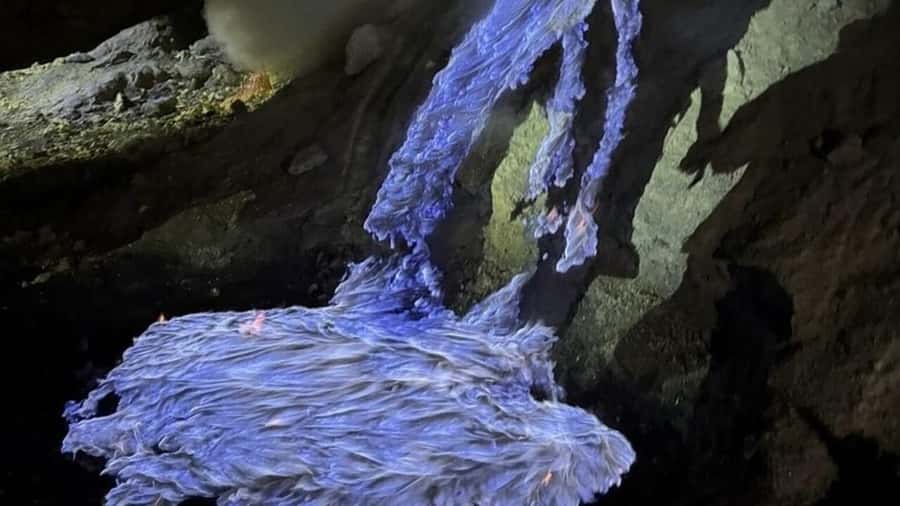
The blue flames are the headline, but your job is simple: be in the right place at the right time, then keep your eyes on what matters. This tour is structured so you reach the crater rim before dawn. That matters because the blue color is subtle when the sky brightens.
A practical tip I give you: do not rush trying to get the perfect angle. When you first arrive, take a moment to steady yourself and scan calmly. Your headlamp helps you move, but when you are looking for the flames, give your eyes a few seconds to adjust.
Another practical point, based on real-world conditions: footing can change quickly. In one case from recent experience, someone did not see the blue light because the path down to the crater rim was very slippery, so they chose to skip that portion and still enjoyed the rest. That is a good reminder that safety and comfort come first. If you feel unstable, you can still have a complete experience without forcing a risky descent.
Also, you are not just standing still. You are walking and repositioning as part of the experience, with a guide pointing out what to watch. It helps when your guide can explain what you are seeing, and you may hear names like Qim Qim, Sule, Wahyu, Kiki, Ron Ron, and Bagus leading groups in different combinations. The recurring theme in feedback is that the guides keep things both informative and fun, while staying serious about safety.
A few more Banyuwangi trips to compare
- Banyuwangi: Ijen Crater Bluefire and Sunrise Guided Trek
★ 4.9 · 65 reviews - Bali or Banyuwangi: Mount Ijen Blue Fire Hiking
★ 4.6 · 7 reviews - Ijen Volcano Midnight Hike with Blue Fire & Guide (SHARING)
★ 4.8 · 5 reviews - From Bali : Mt Ijen Hike, Blue Fire & Panoramic Lake Guided
★ 5.0 · 5 reviews
Sunrise at the World’s Largest Acidic Crater Lake
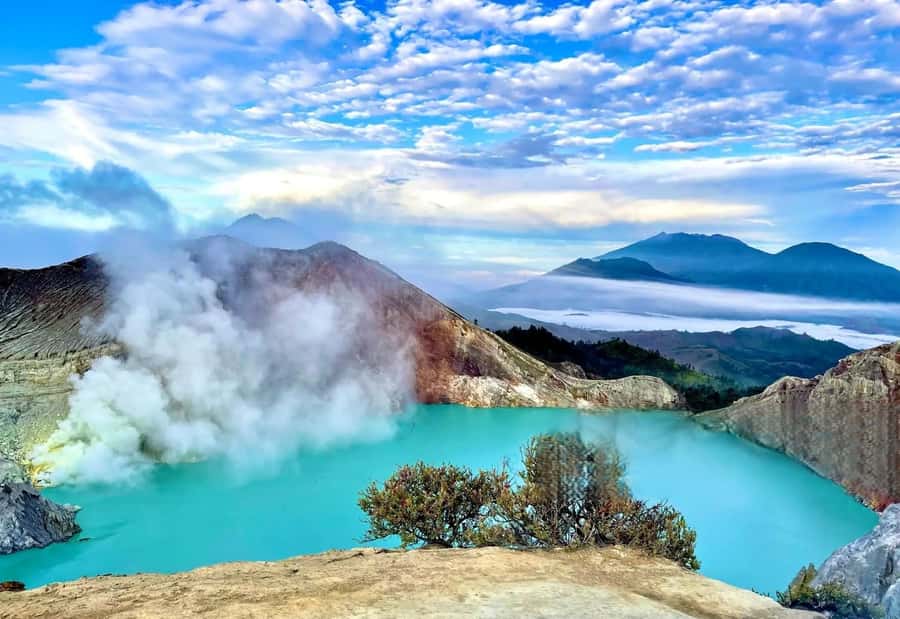
After the blue flames window, the mood changes. Daylight arrives, and the crater lake comes into view. The schedule sets you up for sunrise viewing, including a long sunrise period of about six hours. That means you get time for the slow shift from dark and mysterious to bright and panoramic.
The crater lake is described as the world’s largest acidic crater lake, and you should expect it to look dramatic, with glowing tones like turquoise and green. The rim views around sunrise can feel wide and exposed. If you are cold from the night hike, this is often the moment you start to warm up mentally, because the view turns from hard to interpret darkness into something you can take in with your whole body.
This is also when the tour’s storytelling makes sense. You see more than just natural effects. You understand why this environment attracts sulfur mining and why it is so dangerous. The visuals, paired with what your guide explains, give context.
If you are hoping for the cleanest photos, plan to be patient with light and wind. Sunrise is beautiful, but it also changes fast. Your best photos might come in bursts, after you stop moving and let the scene settle.
Sulfur Miners and the Gask Mask Reality Check
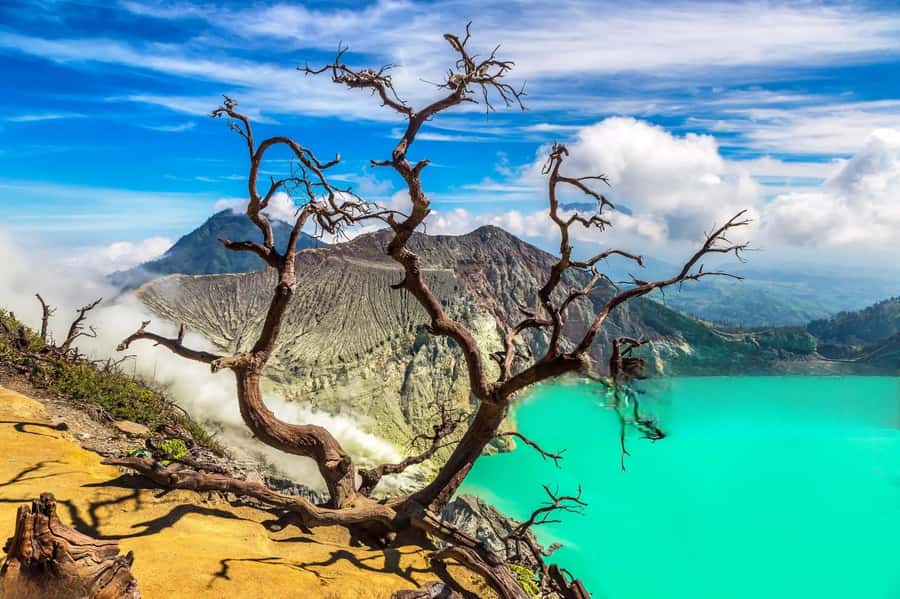
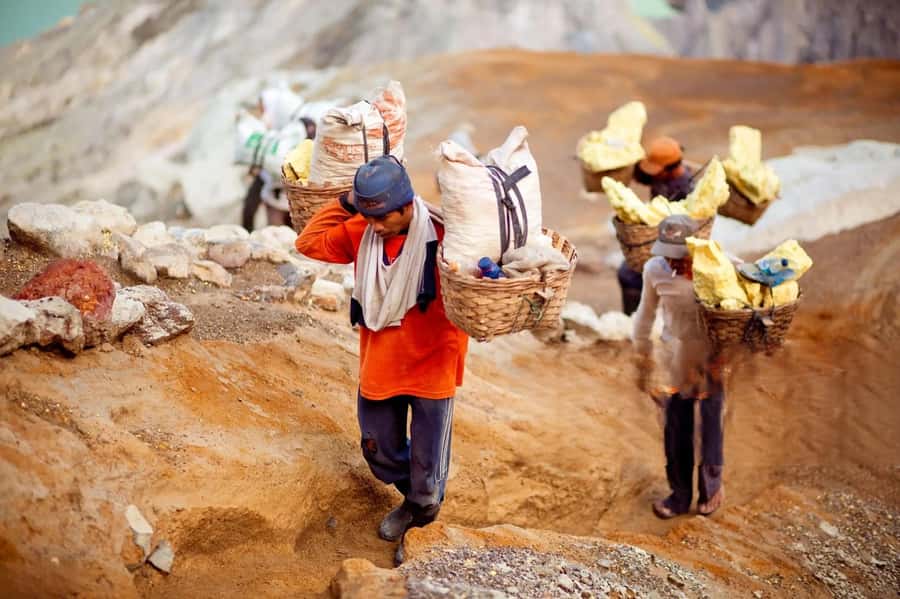
One reason this tour feels different from a typical volcano outing is the human side. You learn about the intense labor of local sulfur miners who extract bright yellow sulfur from the crater area. This is not a scenic job. It is hard, repeated, and exposed to an extreme environment.
You also get the gask mask as part of the included gear. Whether you are an experienced hiker or brand new, the mask is a strong signal that this place is not just pretty. It is working volcanic terrain.
Here is how I’d frame it for you: treat the mask and safety briefing as part of the lesson. You are not visiting a protected postcard. You are observing a working landscape where people earn their living in conditions that can be dangerous even with training.
One more practical note: even if you feel fine, follow your guide’s instructions about movement and spacing. Safety guidance during low visibility and volcanic ground matters. In the recent feedback, the most praised guides are the ones who keep people laughing but also keep them secure on the trail.
Guides, Small Group Energy, and Your Pace on Steep Ground
This is a small group hike. Eight participants or fewer changes the whole feel of the experience. You get more attention. Your questions actually get answered. When the trail gets steep or slippery, your guide can offer micro adjustments, like where to step, when to pause, and how to regroup.
In recent experiences, names like Qim Qim, Sule, Ron Ron, Bagus, Wahyu, and Kiki appear often in the guiding lineup. The praise pattern is consistent: guides are friendly, funny, and firm about safety. People also talk about the guides helping at the pace of individuals, like offering encouragement on tough steps and managing the group so you spend time at the best spots rather than stuck in a shuffle.
Another subtle value: when you do not have to fight your way through a huge crowd, your photos improve and your stress drops. The plan to reach the rim early before the busiest hours is a big part of that.
Price and Value: What $35 Covers, and What You Still Need to Pay
At $35 per person, this night hike is relatively good value because it bundles the expensive parts of the experience. Included costs cover things like:
- Mount Ijen National Park entry ticket
- Guided hiking to the crater
- Blue fire viewing
- Gas mask and headlamp
- Pickup and drop off
- Parking fee
- Health certificate
- Safety and the guided trek support you need for the environment
The two most obvious things not included are meals and personal expenses. That means you should budget for breakfast or snacks on either side of the hike. Since you are eating early or late depending on pickup and timing, having a meal plan helps your energy and mood.
Also, pay attention to the total time. The tour duration is listed as 9 to 20 hours, depending on starting times. That wide range matters because you are planning a full day or even a full stretch, especially if you are being picked up from Bali.
One more cost consideration: if your lodging is in the Ijen Resort or Licin region, there is an extra 150,000 IDR for group pick up. If you live nearby, you might still want to confirm how the pickup points work for your exact address.
What to Pack for Cold Nights and Fast Changes in Weather
You are doing an all-night outing with a sunrise finish, and East Java weather can shift. The tour gives clear guidance on what to bring, and it is worth following.
Bring:
- Comfortable hiking shoes (not just sneakers)
- Warm clothing and a jacket
- Rain gear
- Water
- Trekking gear if you have it
- A sturdy pair of shoes you trust on rocky ground
Also, even though the tour includes a headlamp, you should still pack like you might have to pause. Cold hands make it hard to adjust gear and keep your footing. Rain gear matters because slick volcanic surfaces get even more slippery.
If you tend to run cold, add layers. Sunrise looks gorgeous, but you are still standing outside in the transition from night to day.
Who Should Book This Ijen Night Hike, and Who Should Skip It
This tour is not for everyone. It is listed as not suitable for:
- pregnant women
- people with mobility impairments
- people with heart problems
- people with respiratory issues
- people with low level of fitness
If any of those apply, I would skip this specific hike. The environment, exertion level, and timing all raise the risk.
Who it fits well:
- you have decent hiking fitness and can handle early hours
- you want a structured guided experience rather than going solo
- you care about seeing the blue flames at the right time, not just checking the crater on a map
Also, if you like learning while you see the real world, this tour does that. You get explanations from the guide and you witness how sulfur mining works, not just the geological show.
Should You Book the Ijen Crater Blue Fire Night Hike?
Book it if you want a true night-to-sunrise experience in East Java with real context. The strongest reasons are built into the schedule: you start before midnight, you reach the crater rim before dawn, and you get both the blue flames and sunrise views over the acidic lake. Add a small group size and guided support, and you get a hike that is hard, but manageable.
Skip or reconsider if you are worried about steep, uneven footing or you do not meet the fitness and health guidance. Also, think about whether you can handle an outing that can run up to 20 hours depending on the start time.
If you do book, be serious about your preparation. Wear proper shoes, layer up, and show up on time for pickup. With the right mindset, this is the kind of trip that turns a simple hike into a rare set of sights, plus a sobering look at the work happening in the crater’s shadow.
FAQ
How long is the Ijen Crater Blue Fire night hike?
The total duration is listed as 9 to 20 hours, depending on starting times.
Where are the pickup locations?
Pickup is available from Licin, Bali, Denpasar City, Kalipuro, Ubud, and Banyuwangi, Indonesia.
Where will I be dropped off?
Drop off is available in Ubud, Banyuwangi, Licin, Bali, Kalipuro, and Denpasar City.
Is the tour guide available in English?
Yes. Live tour guides are listed as English, Indonesian, and Malay.
Is the group size small?
Yes. The group is limited to 8 participants.
What is included in the price?
Included items are pickup and drop off, entry tickets for Mount Ijen National Park, hiking to Ijen Crater, viewing blue flames, guided trek, gas mask, headlamp, health certificate, and parking fee.
Are meals included?
No. Meals are not included.
What should I bring for the hike?
Bring comfortable shoes or hiking shoes, warm clothing, water, a jacket, rain gear, and trekking gear.
Is Mount Ijen always open?
No. Mount Ijen is closed every first Friday of the month.
Do I need to send a copy of my passport?
Yes. You need to send a copy of passport to get the Ijen ticket for all participants.
Is there an extra fee for some pickup areas?
Yes. There is an extra 150,000 IDR for group pick up if your lodging is in the Ijen Resort or Licin region.
More Evening Experiences in Banyuwangi
- The Authentic Sunset Of Baluran National Park Banyuwangi
★ 4.9 · 70 reviews - Uluwatu Sunset, Kecak Dance, and Dinner Jimbaran Beach
★ 5.0 · 3,681 reviews - Bali Sunset: Uluwatu Temple, Kecak Dance and Jimbaran Bay
★ 4.7 · 2,397 reviews - Bali Hai Sunset Dinner Cruise
★ 5.0 · 1,173 reviews
Just added around Banyuwangi
- Start: Malang! Bromo Sunrise and Ijen 2D/1N Share Tour★ 4.6 · 5 reviews
- Start Probolinggo: Mount Bromo Sunrise Shared Guided Tour★ 4.5 · 5 reviews
- Shared Tour Mount Ijen 1D start from Banyuwangi★ 4.5 · 4 reviews
- Mount Ijen Blue Fire Tour Start From Banyuwangi or Ubud Bali★ 4.8 · 4 reviews
- Ijen Volcano Midnight Hike with Blue Fire & Guide (SHARING)★ 4.8 · 5 reviews
- From Yogyakarta : 3Days Bromo-Ijen Vulcano drop Bali Hotel★ 4.9 · 22 reviews
- From Surabaya/Malang/Bali: Kawah Ijen Blue Fire Guided Tour★ 4.8 · 7 reviews
- From Malang/Surabaya: Mount Bromo and Ijen Crater 2-Day Tour★ 4.9 · 12 reviews
Bromo & Ijen Volcano Tours, compared.
Mount Bromo Sunrise Tour from Surabaya or Malang – 1 Day
Read our review →
1 Day Amazing Bromo Sunrise tour from Malang Surabaya 7 spots
Read our review →
Banyuwangi/Bali: Ijen Volcano Midnight Blue Fire Guided Tour
Read our review →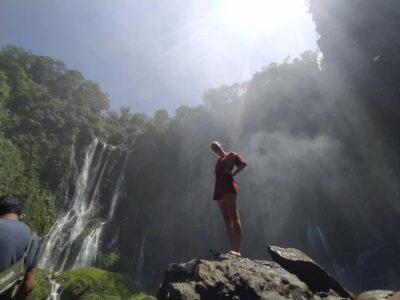
Surabaya or Malang: Tumpak Sewu Bromo & Ijen 3-Day Trip
Read our review →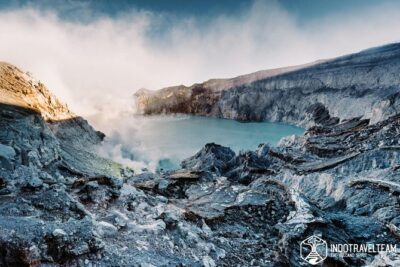
Surabaya or Malang: Mount Bromo Sunrise Share Guided Tour
Read our review →
3Days – Tumpaksewu Bromo Ijen Adventure via Malang or Surabaya
Read our review →
From Surabaya / Malang : Mt Bromo Sunrise – Ijen Blue Fire 3D2N
Read our review →Browse the lists this tour appears in