

REVIEW · FOOD & DRINK
Kota Tua Food Tour
Four hours, Batavia flavors, and a Chinatown stroll. This Jakarta Kota Tua food tour walks you through the old Dutch-colonial district (formerly Batavia) while you eat your way across Glodok and nearby streets. You also get historical stops, including an old Chinese temple, tied directly to the kinds of dishes Jakarta became famous for.
I like the small-group size (maximum 8 per guide). I also like that the tour is built around real meals, not just snacks, with traditional Indonesian breakfast and a Batavia-style lunch included.
The main thing to plan for is comfort. Some parts of the route involve hot, open-air seating, so bring water habits and wear breathable clothes, since the tour runs from 8:30 am to about 12:30 pm.
In This Review
- Key things I think you’ll like
- Kota Tua and Batavia, translated into food
- Meeting at Jakarta Kota Station, then straight into Glodok
- The Chinatown breakfast stop, coffee, and first tastings
- Old Chinese temple stop, and why it matters to the menu
- Curry, fried chicken, snacks, and how portions stay doable
- Traditional transport moments and walking through the story
- Batavia-style lunch, and what “old Jakarta atmosphere” means
- Price and value: is $63.59 fair?
- Guides matter: Okty, Icha, Bimo, and what good guiding looks like here
- Comfort, timing, and what to bring for a hot morning
- Who should book this Kota Tua Food Tour?
- Should you book the Kota Tua Food Tour?
- FAQ
- What time does the Kota Tua Food Tour start, and how long is it?
- Where is the meeting point?
- How many people are in the group?
- Is the tour guide English-speaking?
- What meals and foods are included?
- Are vegan or vegetarian options available?
- Are entrance fees included?
- Is hotel pick-up or drop-off included?
- Can children join the tour?
- What is the cancellation policy?
Key things I think you’ll like
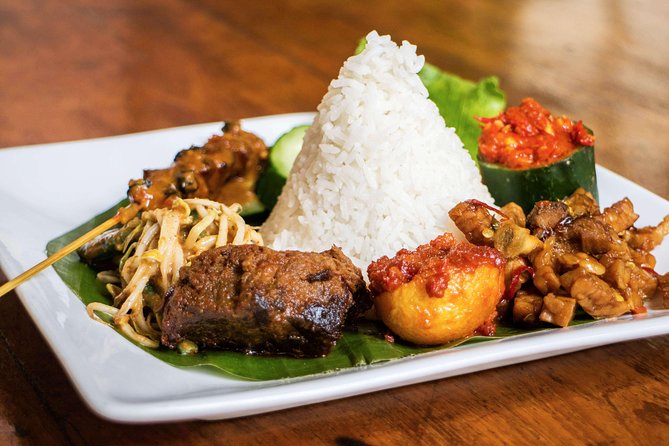
- Small-group max of 8 keeps the pace friendly and the food stops easier to manage
- Breakfast plus lunch means you leave full, not just nibbling
- Glodok and Kota Tua focus ties eating to the actual streets and buildings of old Batavia
- Old Chinese temple stop adds context to the food you’re tasting
- English-speaking local Foodie Buddy makes explanations land fast
- Food variety in 4 hours with 5 to 6 types of dishes in small to medium portions
Kota Tua and Batavia, translated into food
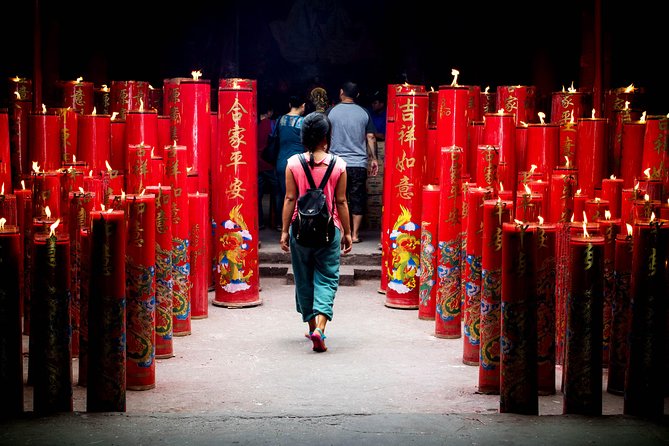
Kota Tua is the part of Jakarta where the city starts acting like a time capsule. The district was once the Dutch colonial stronghold, known then as Batavia. On this tour, you’re not just seeing old buildings, you’re using them as a backdrop for what people ate and sold.
Food is the fast way to understand how cultures mixed here. You’ll taste Indonesian staples that reflect trade and neighborhood cooking styles, plus coffee and snack foods that feel very street-level. Even the way the tour is structured, with multiple stops across Glodok and Kota Tua, helps you connect dish names to the places they come from.
If you care about value, this is a big one: the schedule is short, but the included meals are meaningful. You’re scheduled for an Indonesian breakfast, several tasting portions, and then a Batavia-style lunch before you head back.
A few more Jakarta trips to compare
- Jakarta: Volcano, Tea/Rice Fields, Hot Spring, Local Food
★ 4.9 · 515 reviews - Jakarta: Private Guided Sightseeing & Street Food Night Tour
★ 4.8 · 99 reviews - Experience Jakarta Street Food Scene with MRT Transportation
★ 5.0 · 17 reviews
Meeting at Jakarta Kota Station, then straight into Glodok
The tour starts at Jakarta Kota Station at Jl. Lada, Pinangsia, Kec. Taman Sari, Kota Jakarta Barat. Expect to roll right into the Glodok area, the Chinatown quarter where you’ll see Chinese influences in storefronts, food culture, and street life.
This first segment matters because it sets the tone for how you’ll experience the rest of the tour. You’re not wandering randomly. You’re being guided through the neighborhood with a plan, so you understand why the tour is sampling certain flavors first. One review noted they kicked things off in an old Chinatown coffee shop, which is exactly the kind of starting point that makes the rest of the itinerary feel less random.
You might also notice the group stays compact, and that helps when streets get narrow or when you’re moving between places to sit down and eat. The tour is set for 8:30 am to about 12:30 pm, so you’re doing this during the earlier part of the day.
The Chinatown breakfast stop, coffee, and first tastings
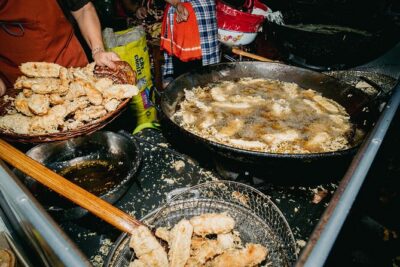
The breakfast portion is built around multiple dishes in small to medium portions. In at least one account, the early meal included items like fried bread plus Malaysian chicken and potato curry, along with chili fried fish. Another person described a breakfast of four dishes, including chicken laska, gado gado, and fried chicken, paired with other fried bites.
Here’s why I think this setup works: you don’t have to pick one breakfast item and hope it’s the one you’ll want. You get contrast. You can compare flavors right away, curry versus fried versus sauced or mixed dishes, and you learn which flavors you like before the tour moves into coffee and later lunch.
Coffee is a highlight in the inclusions list, labeled as Old Jakarta coffee. Even if you’re not a “coffee person,” you can use this stop as a reset. You’ll be tasting in a place where people likely order the same way every day, so it’s less about a fancy menu and more about how locals actually drink and snack.
One practical note: seating can be open and not very forgiving when the weather is hot. If you’re sensitive to heat, wear something light and accept that comfort might not be the main design feature in the first food stop.
Old Chinese temple stop, and why it matters to the menu
This tour includes exploring the oldest Chinese temple in Jakarta, plus other historical buildings in Kota Tua and the surrounding neighborhoods.
Even without a minute-by-minute sermon, a temple stop changes the whole taste experience. You start to understand the neighborhood’s identity. Food on this route isn’t just about flavor, it’s also about community ties, how different groups cooked, and what ingredients and techniques got carried and repeated.
You’ll also see heritage-style buildings that fit the Kota Tua atmosphere: older architecture, older streets, and that Batavia feeling where the city looks like it used to be the center of something bigger. One of the reviews praised the guide for sharing an incredible side of Jakarta while moving through the back streets of China town, and that matches how a temple stop functions here. It’s a reference point.
If you’re the type who likes historical context but gets bored with long lectures, this is a good compromise. The historical stop is tied to what you’re eating and where you are, so you remember both.
Another side of Indonesia:
- Active Volcano, Rice Field, Hot Spring, Fruit market, Tea Plantation with Lunch
★ 5.0 · 513 reviews - Private Full-Day Guided Tour: Explore Jakarta’s Top Highlights
★ 5.0 · 338 reviews - Jakarta Half-Day Guided Tour with a Private Fun Local Host
★ 5.0 · 292 reviews - Jakarta: Full-Day Highlights Tour
★ 4.8 · 277 reviews
Curry, fried chicken, snacks, and how portions stay doable
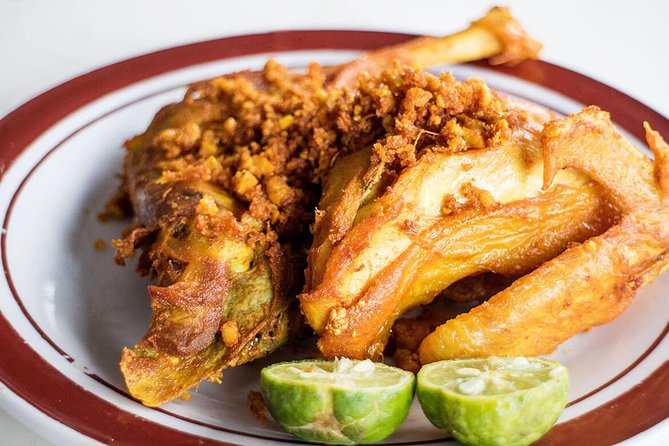
The inclusions list is pretty specific about what you’ll be tasting: legendary Indonesian curry, traditional Indonesian fried chicken, traditional Indonesian snacks, and more.
The tour doesn’t promise huge servings. It promises multiple types of foods in 4 hours using small to medium portions. That matters because you’re walking and stopping several times. If each dish were a full plate, you’d be stuck in a food coma halfway through.
In real terms, this tasting approach lets you do two useful things:
- You can try more variety without turning the tour into a heavy meal
- You can notice what you actually want to eat again later on your own
One review explicitly called out fried fish and chili fried fish plus fried bread, which fits the “crispy, spicy, quick” street-food profile. Another review mentioned a mix of budget authentic stalls and more formal European-style restaurants, which suggests the guide doesn’t stick to one price lane.
That variety is a win for most people. You get the street-level flavor and you also get a more seated style meal within the morning.
Traditional transport moments and walking through the story
The overview says you’ll have a chance to take a seat on traditional transportations as part of the experience. The exact vehicle details are not spelled out in the information you provided, so you should expect a short transport moment rather than a long ride.
Why include this at all? In Kota Tua and Glodok, the streets can feel like living corridors. A transport moment breaks up walking, helps you see areas you might not notice on foot, and gives the tour a practical “city movement” element rather than just stop, eat, stop, eat.
It also helps you pace yourself with the heat. Even if the ride is short, it’s a small comfort upgrade.
Batavia-style lunch, and what “old Jakarta atmosphere” means

The tour finishes with fine Batavia lunch. The idea is that you sit down and eat in an older restaurant setting, so the flavors land with the mood of old Jakarta.
One review described lunch that came after the neighborhood exploration and praised the mix of different food settings, from budget stalls to more formal restaurants. Another mentioned their school group felt the guide shared an incredible side of Jakarta, which points to the lunch being treated as a proper part of the story, not an afterthought.
If you’re thinking about timing, this is why the morning schedule works. You’re starting at 8:30 am, eating along the way, and then landing in a sit-down lunch before noon. That means you can still have energy for the afternoon without worrying you blew your day on one long meal.
Also, lunch being included is a value lever. Paying for breakfast and lunch separately in a foreign city usually costs more than you think, especially when the included portions are designed to keep you full.
Price and value: is $63.59 fair?
At $63.59 per person, this tour isn’t the cheapest way to eat in Jakarta, but it also isn’t priced like a luxury tasting event. For most people, it lands in the “good value if you want guided tasting” zone.
Here’s what you’re paying for, based on the inclusions:
- A small group with a local English-speaking Foodie Buddy
- 5 to 6 types of foods in about 4 hours, plus traditional breakfast
- Coffee plus snacks
- A Batavia-style lunch
- Stops that include exploring the oldest Chinese temple in Jakarta and other historical buildings
What’s not included is also important for value math. Entrance fees and extra drinks or shopping costs can add up if you do more than just the planned tastings. Hotel pickup and drop-off are not included, so plan your own way to the meeting point near Jakarta Kota Station.
If you’re the type who wants to eat your way through Chinatown and Kota Tua but also wants someone to handle the “where to go next” puzzle, the price makes more sense. If you just want to sample a couple street foods without a guide, you could spend less on your own. But you’ll likely miss the food logic and the historical framing that makes this tour feel like more than a snack run.
Guides matter: Okty, Icha, Bimo, and what good guiding looks like here
The strongest praise in the reviews is about the guides. Names that came up include Okty, Icha, and Bimo.
What people liked is practical, not abstract:
- The guides were described as lovely and personable
- The guides were professional and easy to talk with
- The guide explanations made the stops feel connected and purposeful
- The food locations matched different budgets and styles, without turning into a one-note experience
If you get a guide with that mix of people skills and planning, you’ll likely feel less like you’re following strangers and more like you’re being introduced to the city by someone who knows how to make the morning flow.
Comfort, timing, and what to bring for a hot morning
This is a half-day tour running 8:30 am to 12:30 pm. That’s great for fitting into a short itinerary. The tradeoff is heat. One review described an open sitting area that was stifling hot.
So here’s your simple preparation checklist:
- Wear comfortable, breathable clothing
- Bring water habits, and consider carrying a small bottle
- Expect some outdoor walking and open-air seating at food stops
- Don’t pack everything in one bag, you’ll want easy access for snacks and water
- If you have dietary restrictions, tell the operator in advance so they can handle the vegan and vegetarian option
Also note: the tour says it has near public transportation and is most travelers can participate, which helps if you’re not planning private rides.
Who should book this Kota Tua Food Tour?
This is a good fit if you want:
- A guided food tour in Jakarta that includes breakfast and lunch
- A route focused on Kota Tua and Glodok, not just random street corners
- The experience of eating in both casual street stalls and more seated settings
- A compact group, since maximum 8 travelers tends to keep things calm and conversational
It’s also a good choice if you like stories tied to real places. The tour includes a temple and heritage buildings, so it works for people who want context but still care about flavor.
Where it might be less ideal is if you hate heat, or if you’re only interested in full restaurant meals. This is structured around tastings and walking, and some stops may not be comfortable in peak sun.
Should you book the Kota Tua Food Tour?
I’d book it if you’re visiting Jakarta for the first time and want one morning that covers both food and place. The combination of breakfast plus lunch, a small group, and structured stops around Batavia-era Kota Tua gives you a lot for the time slot.
I’d think twice if you’re heat-sensitive or you expect every food stop to be in comfortable, air-conditioned seating. Also double-check dietary needs early, because the tour says vegan and vegetarian options are available, but you should still inform them about restrictions.
One more smart move: keep your expectations practical. This isn’t a single gourmet meal. It’s a guided tasting walk with historical stops. If that’s your style, you’ll likely enjoy how the city tastes and looks in the same few hours.
FAQ
What time does the Kota Tua Food Tour start, and how long is it?
The tour starts at 8:30 am and runs for about 4 hours, ending back at the meeting point around 12:30 pm.
Where is the meeting point?
You meet at Jakarta Kota, Jl. Lada, Pinangsia, Kec. Taman Sari, Kota Jakarta Barat, Daerah Khusus Ibukota Jakarta 11110, Indonesia.
How many people are in the group?
It is a small-group tour with a maximum of 8 travelers per guide.
Is the tour guide English-speaking?
Yes. The tour includes a Local Foodie Buddy who is described as English speaking.
What meals and foods are included?
You’ll get a traditional Indonesian breakfast, 5 to 6 types of foods during the tour (small to medium portions), legendary Indonesian curry, traditional Indonesian fried chicken, traditional Indonesian snacks, legendary old Jakarta coffee, and a Batavia-style lunch.
Are vegan or vegetarian options available?
Yes. Vegan and vegetarian options are available, and you should inform the provider about any food restriction.
Are entrance fees included?
No. The information says other entrance fees and expenses such as other meals, drinks, and shopping are not included unless otherwise stated.
Is hotel pick-up or drop-off included?
No. Hotel accommodation, hotel pick up, and drop-off are not included.
Can children join the tour?
Children must be accompanied by an adult.
What is the cancellation policy?
Free cancellation is available. You can cancel up to 24 hours in advance for a full refund. If you cancel less than 24 hours before the experience’s start time, the amount you paid will not be refunded.
Just added around Jakarta
- The Secret Society of Batavia – Walking Tour★ 5.0 · 4 reviews
- Soekarno Hatta International Airport by Plaza Premium Lounge★ 4.0 · 46 reviews
- Volcano and Domas Crater of Hot Stony Bubble from Jakarta Lunch★ 5.0 · 23 reviews
- Situ Gunung Waterfall & Suspension Bridge Sukabumi start Jakarta★ 4.5 · 13 reviews
- Batik Heritage Introduction Class with Lunch & Souvenir★ 5.0 · 8 reviews
- Jakarta Indonesian Culture in half Day★ 5.0 · 50 reviews
- DAY TRIP TO BANDUNG CITY From Jakarta★ 5.0 · 9 reviews
- Private Full Day Tour of Jakarta with Hotel Pickup★ 4.0 · 13 reviews
Food & Drink, compared.

Volcano, Tea/Rice Fields, Hot Spring, Local Food
Read our review →
Learn to cook Indonesian food at Gili Cooking Classes Trawangan
Read our review →
Small-Group Walking and Food Tour by Night in Yogyakarta
Read our review →
Bali Private Food Walking Tour With Locals: The 10 Tastings
Read our review →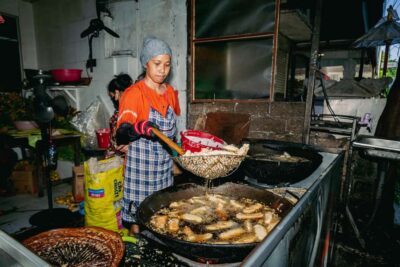
Browse the lists this tour appears in