
REVIEW · HIKING & TREKKING
Mount Agung Sunrise Trekking Private Tours
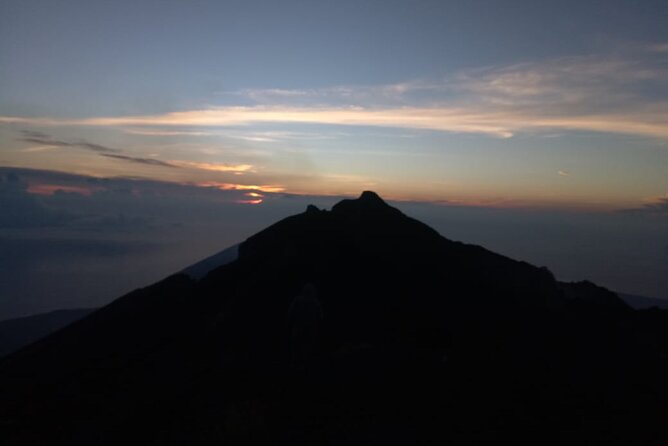
Cold night, steep climb, bright sunrise reward. I like two things most about Mt. Agung Sunrise Trekking Private Tours, the private guide who keeps you moving safely in the dark, and the crater-rim sunrise that lets you see Bali and Lombok from a seriously high point. The big catch is that the climb gets cold and windy, and the tour does not include warm layers, so you have to bring your own jacket and proper shoes.
This is not a casual walk. You hike through the night with provided gear like flashlights, trekking poles, and a raincoat, then you’re fed with a simple but hearty breakfast at an altitude break. If your route goes via Besakih, you also pass by the mother temple area and Bali Besakih Temple, the largest Hindu temple on the island, with wide views from the top.
The one thing to think about before you book is pacing. Some guides are very quiet and a bit light on English, and if you move quickly you can end up waiting for sunrise in the cold. If you want lots of talk and constant hype, ask about your guide up front, or pick a guide known for calm guidance like Gede Darta.
In This Review
- Key things to know before you go
- Mt. Agung sunrise, the one Bali volcano climb everyone remembers
- Private guide value: safety and pacing on a technical night trail
- Where the drive fits in: pickup areas and your long day in the car
- The gear you get, and the gear you must bring
- Stop at Besakih Temple: the sacred detour before the crater
- The night hike: what the climb feels like from darkness to fire stop
- Sunrise waiting: how to stay warm and still enjoy the view
- What you see at the crater rim in real life
- The descent: where people earn bruises and where good shoes save you
- How hard is this trek, really
- Price and value: why $55 can feel like a bargain, if you’re prepared
- A practical booking checklist before you commit
- Should you book Mt. Agung Sunrise Trekking Private Tours?
- FAQ
- How long does the Mount Agung sunrise trek take?
- What time of day do you start hiking?
- What is included with the hike?
- What should I bring since it is not included?
- Where does pickup and drop-off happen?
- Is this a private tour?
Key things to know before you go
- Start in the dark: You climb at midnight hours with flashlights, and the trail can feel more technical than daylight would suggest.
- Crater rim sunrise is the point: Expect big views over Bali and across to Lombok, including sightlines tied to Mt. Rinjani.
- You get the basics, not warm clothes: Flashlight, flashlight spares, trekking poles, and raincoat are included, but not warm jacket or proper shoes.
- A sacred detour if your route includes Besakih: You may pass the mother of temples area and Bali Besakih Temple on the way.
- The downclimb matters: Multiple accounts describe slippery, loose footing, so grippy footwear and slow steps are essential.
- Ask for a specific guide if possible: People specifically call out calm, attentive guides such as Gede Darta.
Mt. Agung sunrise, the one Bali volcano climb everyone remembers
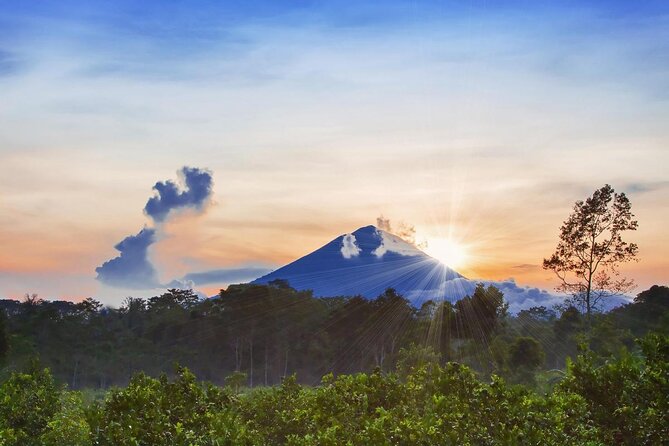
Mt. Agung is Bali’s highest and most sacred peak, and this trek is built around one payoff: watching sunrise from the crater rim. You start in darkness, grind uphill through rocky sections, and then land at a viewpoint where the island turns into a map. The view isn’t just pretty. It’s the kind of morning scene that makes you stop thinking about the aching legs and start thinking about how far you climbed for a single sunrise.
What makes this trek special is the scale of what you’re trying to see. From Mt. Agung’s height, you’re positioned for wide-sky views across Bali and toward Lombok. The info for this tour even calls out a sightline toward Lombok’s Mt. Rinjani area, which is part of why people chase this particular volcano instead of a more local option.
This is also a good example of a tour that earns its reputation by matching expectations to reality. It’s described as challenging, with night hiking, cold conditions higher up, and a route that can feel steep and uneven. If you’re comfortable hiking in the dark and you can handle a serious climb, this is the kind of experience that sticks with you.
More Hiking Trips in Ubud
- Mount Batur Sunrise Hike and Natural Hot Spring Option
★ 5.0 · 1,927 reviews - Mount Batur Sunrise Hike with Breakfast
★ 5.0 · 1,757 reviews - Mount Batur Sunrise Trekking Private All Inclusive
★ 5.0 · 906 reviews
Private guide value: safety and pacing on a technical night trail
You’re not doing this alone. The tour includes a private guide and a private driver, so your hiking time is guided around you, not around a big bus schedule. On Mt. Agung, the practical value of a guide is huge. Flashlights help, but visibility still drops quickly. Stones shift underfoot. Fog and clouds can roll in. And when you’re exhausted, it helps to have someone focused on route and safety.
In the accounts tied to this trek, guides like Gede Darta show up for a reason. The pattern is consistent: calm pace, clear safety attention, and a willingness to make smart choices if someone is scared or need a break. One person described Darta as steady and level-headed, even carrying a lighter load for a nervous hiker. Another highlights how some guides are caring during the hike and during the descent, which is where mistakes happen when people rush.
That said, not every guide experience is the same. A small number of accounts mention limited engagement or fewer explanations. Some mention quiet guides with limited English. If you want a guide who talks a lot, you might want to send a message in advance asking for English support or asking what your guide style tends to be.
Where the drive fits in: pickup areas and your long day in the car
This trek can run 12 to 16 hours, and that includes transfers. You should plan for a long day, even before the hike begins. Pickup is offered in south Bali, Ubud, Amed, Lovina, and Candidasa, then you return to the meeting point at the end.
What I like about having this transfer coverage is that it cuts out the most annoying part of sunrise climbing in Bali: figuring out who drives you back while you’re cold and tired. You also get continuity. You’re handed off to the guide where you start, then you’re collected at the end.
What to consider is time. The mountain is in Karangasem Regency, and many pickup zones are far away. In at least a couple of experiences, the drive stretches long, so you’ll want to treat the day like a full outing, not a quick side trip.
The gear you get, and the gear you must bring
The tour includes hiking poles, a flashlight, and a raincoat. It also includes breakfast food and water during the hike, with items like bread, hardboiled egg, seasonal fruits, biscuits, and tea or coffee.
Here’s the honest tradeoff: you get a lot of essential kit, but you do not get warm layers or shoes. The climb starts humid and warm in the lower parts, then shifts colder as you gain altitude. Wind can bite at the top. If you only bring light clothes, you’ll feel it fast, especially if you arrive early and have to wait for the sunrise.
So, plan to bring:
- Warm layers you can layer and keep dry
- Gloves if you run cold
- Proper hiking shoes with grip, not smooth runners and not sandals
- Extra water if you can carry it comfortably
One very practical tip from the experience accounts is to bring at least 3 liters of water per person. Even with water included, you can burn through more on a steep night climb and a slow, slippery descent.
Also note the footwear logic. People describing the descent mention slippery loose rock and mud. With poor grip, the downhill can become the hardest part, not the uphill.
A few more Ubud trips to compare
- Private Mount Batur Sunrise Trekking Tour
★ 5.0 · 634 reviews - Mount Batur Sunrise Trekking (Private Tour and Breakfast at Restaurant)
★ 5.0 · 598 reviews - Private Tour : Mount Batur Sunrise Trekking With Private Guide
★ 5.0 · 422 reviews - Mount Batur Sunrise Hike, Breakfast & Hot Spring
★ 5.0 · 316 reviews
Stop at Besakih Temple: the sacred detour before the crater
One itinerary variant includes passing by the mother temple in Bali if the trek follows a path via Besakih Temple. If your route includes it, you go through the Bali Besakih Temple area, described as the biggest Hindu temple in Bali and known locally as Pura Besakih.
Why does this matter? It changes how you experience the mountain. Instead of only thinking about climbing, you get a sense of why the volcano is sacred and why locals treat it with respect. You also get panoramic views from the temple area, including wide nature views out toward the ocean.
Two practical notes though. First, temple areas can mean additional time and stops depending on the exact route and timing. Second, if you’re pushing hard for sunrise timing, you’ll want to keep your energy steady so you don’t get stuck cold and underdressed later.
If you care about the temple moment, ask your operator if your night route includes Besakih, or whether it’s a more direct mountain approach. The info for this tour explicitly points to Besakih as a possible pass-through.
The night hike: what the climb feels like from darkness to fire stop
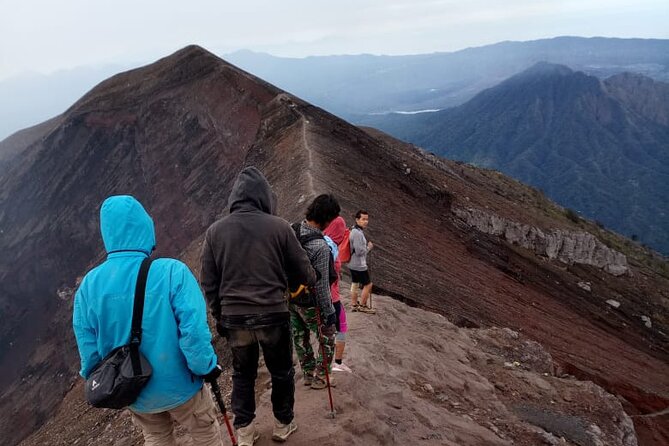
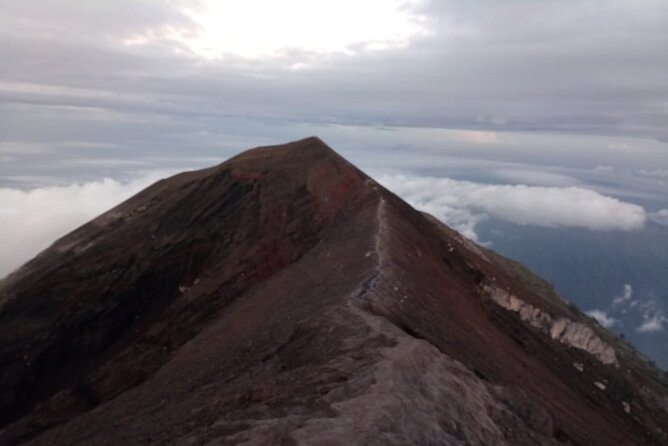
The trek begins in the dark, with flashlights provided to light the path. The first part is described as easier, then the climb gets steeper. You hike through a forested section and then into more rocky, uneven terrain. It’s not just steep. It’s often described as a rocky stream bed type of footing, with angled surfaces that can wear you out and require careful steps.
Expect your body to split into zones:
- Early hours: effort ramps up but you can still control your breathing
- Mid climb: cold creeps in as the night deepens
- Higher up: the wind and uneven ground slow your pace
A recurring detail in the experiences is that the guide looks for a warm break point, often building a small fire stop after you reach a certain segment near the summit area. This becomes more than a break. It’s a morale reset. People describe warming up around the fire while eating breakfast, with coffee or tea.
Timing can vary. Some people reach earlier than expected and spend longer near the top area before sunrise. That can be wonderful for flexibility, but it can also mean more waiting in cold air. If you’re prone to feeling chilly, treat warm clothing as non-negotiable, even if you feel okay at the start.
Sunrise waiting: how to stay warm and still enjoy the view
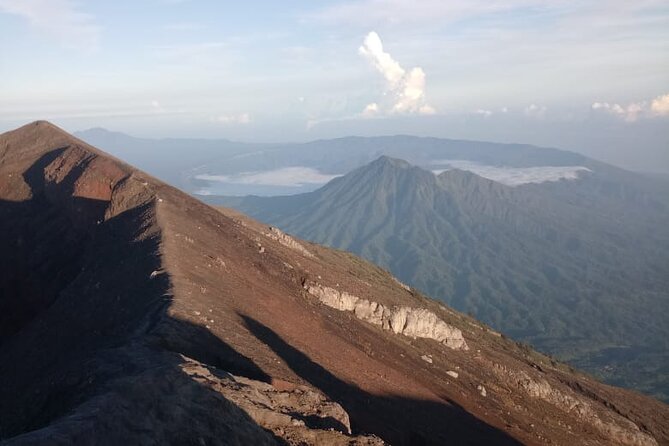
Sunrise is the whole reason you do this, so you want to be comfortable enough to enjoy it when it arrives. The tour is set up so you reach the summit area for sunrise, but you may not be standing exactly at the moment you imagined.
That’s where a calm guide helps. Guides like Gede Darta are praised for keeping people safe and steady, including offering options if someone is nervous. One account describes a hiker feeling scared near the top and being offered a chance to sit and watch sunrise from a safer spot, with coffee and breakfast served there. That kind of decision-making is valuable because it lets you still get the sunrise without forcing a risky push.
How do you prepare for the waiting part?
- Layer up before the cold hits hard
- Keep gloves handy so you can move them on and off without freezing
- Don’t assume you’ll stay busy walking. If you get early, you might sit.
If you want sunrise only with minimal climbing stress, Mt. Batur is sometimes suggested as a comparison. But for people who want the harder, more remote-feeling climb, Mt. Agung is the ticket.
What you see at the crater rim in real life
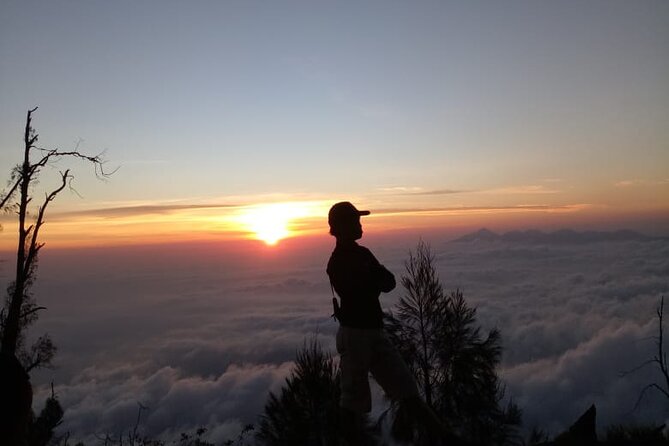
From the crater rim, sunrise is dramatic because your viewpoint is high enough to look across multiple islands and mountain silhouettes. The tour info emphasizes watching the sun rise over Bali and Lombok, with the volcano setting the stage for a sweeping morning.
In practice, you’re likely to see a mix of cloud and visibility conditions. Some accounts describe fog and clouds during the climb, then shifting skies at sunrise. When the weather cooperates, the view is described as breathtaking and mind-blowing.
Here’s the reality check that helps: clouds can soften the horizon. That doesn’t ruin the experience. It changes it. Cloud layers can make the light feel more cinematic and can still give you those sweeping layers across the region.
If you’re the type who wants a crisp, postcard-clear horizon no matter what, you should know that high-altitude sunrise involves weather variability. The upside is that even when the sky is not perfect, you’re still experiencing the sacred mountain at dawn, with the crater rim atmosphere and the dramatic shift from dark to bright.
The descent: where people earn bruises and where good shoes save you
Coming down is often described as more dangerous than the hike up. The reasons are simple: loose rock, narrow trail sections, and slippery surfaces, especially after rain. Even if your climb day is not raining, the forest trail can still be muddy because of regular wet conditions.
The descent is where people slip, even when they’re fit. One detailed account describes having to go slowly down due to slippery footing and rain conditions in the forest. Another highlights that runners can be a mistake and that you need good tread for the downhill.
I strongly suggest you take downhill seriously:
- Use trekking poles if you have them and you know how to place them
- Slow down, especially on narrow sections
- Watch your footing every step, not every few steps
- Don’t race daylight just because the worst part feels over
This is also where guides matter. Even calm guides who don’t chat much often provide active safety attention on the descent, helping you maintain balance and route.
How hard is this trek, really
The short answer: it is tough. The tour calls for moderate physical fitness, but the hike is widely described as challenging, steep, and rocky. Some accounts describe it as constant uphill, with difficulty stacking as altitude and fatigue build.
What makes it hard is not just the grade. It’s the combination of:
- Night hiking in the dark
- Uneven, rocky terrain
- Cold conditions as you gain elevation
- Slippery downhill that asks for balance and patience
If you’re an experienced hiker, you’ll still feel it. One person compared it favorably and said it was much harder than other big climbs they’ve done. That matches what the structure of the trek implies.
Who should go?
- People who hike regularly
- People comfortable with steep trails and careful footing
- People who can handle cold mornings and night starts
Who should reconsider?
- People who hate heights in tight spaces
- People who want a gentle sunrise walk
- People who aren’t ready to commit to good footwear and warm layers
Price and value: why $55 can feel like a bargain, if you’re prepared
At $55 per person, the headline number looks like solid value for a private guide plus trekking gear and a long-day transfer plan in multiple pickup zones. You’re not just paying for a viewpoint. You’re paying for route guidance in darkness, plus gear such as trekking poles, a flashlight, and a raincoat.
You’re also getting breakfast and drinks during the hike, not an empty summit moment. Food described includes bread, hardboiled eggs, fruits, biscuits, and tea or coffee. You also get water during the hike.
What the price does not cover is the gear you’ll need to stay warm and safe. Warm jackets, shoes, and personal expenses are not included. So the value math depends on you showing up ready. If you already own good hiking shoes and layers, $55 can be a great deal. If you need to buy everything at the last minute, the true cost rises quickly.
The other value angle is timing. If the guide and driver timing works well, you arrive at the right point for sunrise without chaos. When that works, the whole day feels smooth even though the hike is intense.
A practical booking checklist before you commit
If you want this trek to feel like an achievement instead of a miserable ordeal, do this prep:
- Bring warm layers and plan for wind up top
- Wear grippy hiking shoes with good tread
- Pack enough water for a long uphill and a long descent
- Bring gloves if you chill easily
- Expect a steep, rocky night climb and treat the downhill with respect
- If possible, ask about your guide. Some names come up for calm, attentive safety, such as Gede Darta
Also, set your mindset. Sunrise is only 20 to 40 minutes in the grand scheme of the day. The rest is effort, cold waiting, and careful stepping. If you embrace that, you’ll enjoy the whole arc.
Should you book Mt. Agung Sunrise Trekking Private Tours?
Book it if you want a real volcano challenge, not just a sunrise photo. This is the right choice when you can handle night hiking, you have good footwear, and you’re willing to dress for cold. The combination of a private guide, included trekking gear, and a structured climb for sunrise makes it a strong Bali volcano experience for active travelers.
Skip it, or at least compare options, if you hate steep rocky terrain, you can’t bring warm layers, or you expect a lot of guide talk and constant motivation. The descent in particular can be tough, and the tour does not include warm clothing. You need to bring the basics to make the included gear work for you.
If you’re ready to challenge yourself and you want that crater rim sunrise over Bali and toward Lombok, this is one of the most memorable ways to spend a long day in Bali.
FAQ
How long does the Mount Agung sunrise trek take?
The tour runs about 12 to 16 hours.
What time of day do you start hiking?
You start hiking in the night, beginning in darkness around midnight hours, with the goal of reaching the summit area in time for sunrise.
What is included with the hike?
Breakfast items are included, along with water during the hike, and tea or coffee. Trekking poles, a flashlight, and a raincoat are also included.
What should I bring since it is not included?
Warm layers are not included, and warm jacket and shoes are not included. You’ll also want to plan for other personal needs.
Where does pickup and drop-off happen?
Pickup and drop-off are offered in south Bali, Ubud, Amed, Lovina, and Candidasa. The activity ends back at the meeting point.
Is this a private tour?
Yes. It is private, and only your group participates.
Just added around Ubud
- Sunrise Café and Morning Yoga Class★ 5.0 · 5 reviews
- Quad Bike Bali With Tunnel & Waterfall Tour★ 4.2 · 8 reviews
- Puppy Yoga in Bali, Ubud & Uluwatu★ 4.7 · 93 reviews
- Private Ubud Tour With Professional Photographer with Edit★ 5.0 · 53 reviews
- Ubud : PRIVATE Bike Tour inside Rice Field with meal & pool★ 5.0 · 5 reviews
- Ubud: Organic Farm Harvest, Bali Cooking Class by Pemulan★ 4.8 · 12 reviews
- Outskirts of Ubud, Gianyar: Pottery Class★ 5.0 · 9 reviews
- packages cooking class and romantic dinner in a local home★ 5.0 · 4 reviews
Hiking & Trekking, compared.
Sunrise Mount Batur Guided Hike with Breakfast
Read our review →
Mount Batur Sunrise Trek With Guide and Breakfast
Read our review →
Mount Batur Sunrise Hike and Natural Hot Spring Option
Read our review →
Mount Batur Sunrise Trekking Private All Inclusive
Read our review →
Mount Batur Sunrise Trekking Private Tour with Breakfast and Hotel Transfer
Read our review →Browse the lists this tour appears in