
REVIEW · BROMO & IJEN VOLCANO TOURS
Mount Ijen Crater Trekking Tour from Bali
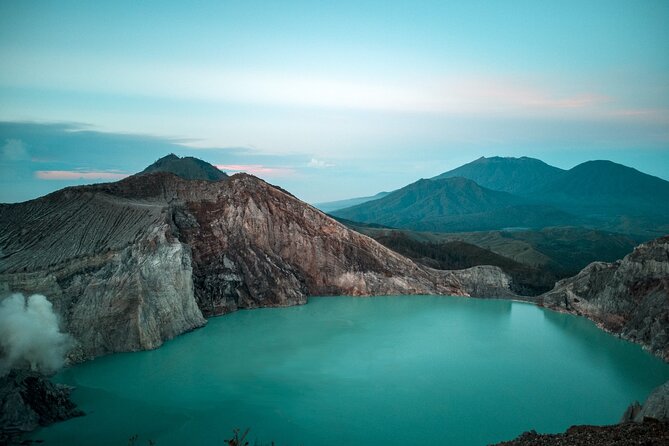
Mt Ijen’s blue fire is one of those sights you only get by going at night, and this tour is built around that predawn timing. I like how the itinerary runs like a plan, with a ferry hop from Bali to East Java, then an early hike to the crater before sunrise. The small group setup also matters, because the experience is intense and you want a guide who can keep an eye on you.
In This Review
- You get miners, safety gear, and tough stairs
- Key things to know before you go
- Why the Ijen blue fire is worth the long night
- Price and logistics from South Bali to East Java
- Your 5:00 pm pickup, ferry crossing, and late-night handoff
- Midnight briefing, flashlight and gas mask, and what the hike really feels like
- Sulphur miners on the route: the work you’ll see up close
- Predawn summit timing and how blue fire varies
- Ijen crater rules you need to know before you stand near the edge
- Breakfast, crater viewpoint photos, and the hardest part of the day
- Banyuwangi ferry back to Bali, lunch, and finishing strong
- What to pack so Ijen feels survivable
- Who this tour is for, and who should skip it
- Should you book this Mt Ijen tour from Bali?
You get miners, safety gear, and tough stairs
I also like that you’re not just dropped at a viewpoint. You’ll spend time on the mountain route, including meeting sulphur miners and learning how the work is done up close. One drawback to consider: this is an overnight push with a steep, demanding climb and descent, plus a long transfer day from South Bali, so it’s not the right fit if you want comfort and easy walking.
Key things to know before you go
- Small group limit (max 10) for a more controlled, less chaotic trek.
- Safety setup at the trailhead, including a flashlight and gas mask.
- Sulphur miner interaction on the way up, with an up-close look at how heavy their work is.
- Blue fire depends on conditions, so manage expectations if weather limits visibility.
- Crater rules are strict, including a 500-meter maximum from the crater.
- Bring your own medicine and gear, and pack for cold, early hours.
More Hiking Trips in Kuta
- Mount Batur Sunrise Trekking Private Tour with Breakfast and Hotel Transfer
★ 5.0 · 885 reviews - Private Tour Mount Batur Sunrise Trekking and Natural Hot Spring
★ 5.0 · 431 reviews - Mount Batur Sunrise Trekking Open Trip All-Inclusive
★ 4.5 · 63 reviews
Why the Ijen blue fire is worth the long night
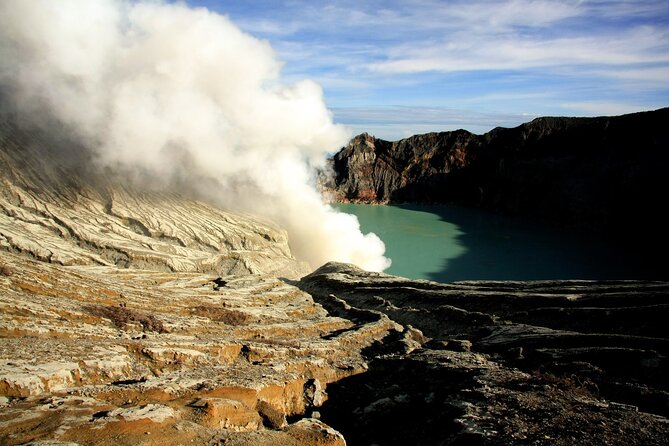
This tour is all about timing. Mt Ijen’s famous blue flames show up in the dark, which means you leave Bali late afternoon, cross to Java at night, and start hiking before dawn. If you only want a quick sunrise moment, this is too much effort. If you want the real experience, including the darkness, the steam, and the crater drama, it makes sense.
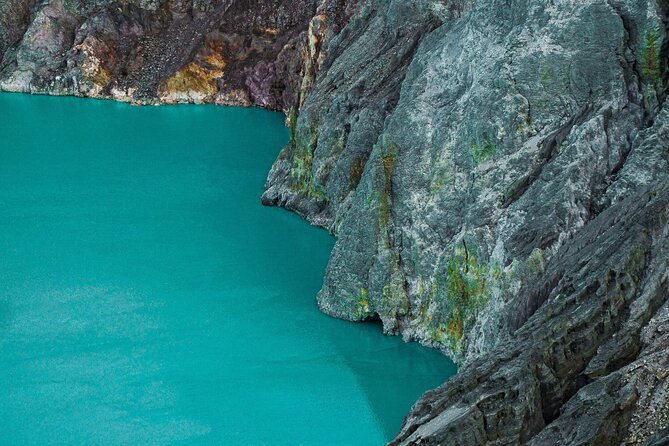
What makes this special is not only the glow itself. You’re also seeing one of Java’s most talked-about natural features, the crater with its large acid lake. The closer you get in low light, the more the whole place makes sense, including why guides and local workers treat the area with so much caution.
And yes, you should bring your camera. The tour is timed for photo opportunities both near the summit area and again during the descent for better crater viewing from a viewpoint.
Price and logistics from South Bali to East Java
The price is $153.85 per person, and it’s often booked about 5 days in advance. Is that a deal? For Ijen, it’s fairly typical once you factor in the full overnight transfers: hotel pickup, ferry crossing, road transfers on Java, a local guide, and guided crater time. What you’re paying for is the coordination, not luxury.
The tour runs about 23 hours. That long window is mostly travel and waiting your turn for safe timing. You start with pickup in the late afternoon from areas like Kuta, Legian, Seminyak, Jimbaran, or Nusa Dua. Then you transfer to Gilimanuk Harbor in West Bali, take the ferry across, and arrive in East Java around midnight.
There’s also a practical planning tip here: you’ll likely spend a chunk of time on buses and boats, so build in patience. One review note that stuck with me is the idea of an unexpected wait at a stop before everyone departs as a group. That’s not unusual on multi-stop pickup routes, but it can catch you off guard if you’re already tired.
If weather becomes a problem, the tour notes that it requires good conditions. In that case, you should expect a change of date or a full refund.
Your 5:00 pm pickup, ferry crossing, and late-night handoff
Start time is 5:00 pm. Your evening begins with pickup from selected hotels in South Bali. From there, the transfer to Gilimanuk is straight-forward. The ferry ride is the key piece because it sets up the midnight arrival in East Java, which is what keeps the rest of the timing realistic for a predawn summit push.
After the ferry, you arrive around midnight and then drive to the trekking starting area. This matters because it reduces the chance you’ll miss the start window for the climb. For a trek like this, starting late can mean you scramble up in poor light, and that’s exactly when mistakes happen.
Dinner is not included. That’s your cue to eat earlier in the day before pickup if you want something satisfying, because the tour includes a light breakfast later on the mountain and a Balinese-style lunch at the end.
Other Bromo and Ijen Volcano tours worth a look in Kuta:
- Mount Ijen Blue Flame Tour from Bali
★ 5.0 · 79 reviews - Ijen Crater Tour From Bali 1 Day
★ 4.5 · 11 reviews - Ijen Crater Tour From Bali 1 Day
★ 4.5 · 7 reviews - Mount Bromo Sunrise Tour from Surabaya or Malang – 1 Day
★ 5.0 · 1,759 reviews
Midnight briefing, flashlight and gas mask, and what the hike really feels like
Once you’re at the trailhead, you’ll receive a safety briefing and be given equipment including a flashlight and gas mask. That’s not just formality. At Ijen, conditions can be harsh and visibility can change fast, especially as you climb toward the crater area.
The trek to the summit is described as about 3 km (roughly 1 to 2 hours), with uphill and flat sections. The distance is short on paper, which is why first-timers can underestimate it. The real challenge is the pace and the terrain, plus the fact that you’re doing it overnight when your body is already tired.
This is where your fitness matters. The tour is not recommended for people with heart complaints or asthma, and it also warns against serious medical conditions. Minimum age is 16. If you’re younger, older, or you’re coming into the trek with any health concerns, don’t treat this as a casual hike.
Also: do your prep the day before. The tour suggests exercise or physical activity one day before trekking. Even a simple leg day and a decent walk can help you feel more in control once the steps start adding up.
Sulphur miners on the route: the work you’ll see up close
One of the most compelling parts of this tour is not the crater at all, it’s the people. On the way up, you’ll meet sulphur miners who carry blocks of sulphur that weigh roughly 60 to 80 kg, transported via bamboo pole baskets across their shoulders.
The description is clear that miners often move with traditional methods, using iron rods and without safety equipment. That can be confronting at first, especially if you’re used to modern workplace standards. But it also gives the whole scene context. You understand why Ijen is not just a scenic spot, it’s a working mountain.
If you want a respectful approach, treat this like you’re passing through someone’s job site. Keep your pace, keep your distance, and don’t push for photos at the expense of their safety or work flow. Your guide can usually point out where you can stand for photos and where you should move on.
Predawn summit timing and how blue fire varies
You arrive at the summit before dawn for the chance to see the blue fire. The tour is honest that this depends on weather conditions, which is exactly what you should expect. If it’s hazy or visibility is poor, the flames may be harder to see, even if everything else goes well.
Once you’re at the summit area, you’ll have a light breakfast. Then you’ll be guided back down. Even though the climb is the headline, the descent is where you often get better crater viewing and photo angles.
Two practical points here:
- Bring your eyes back from your camera. The crater can look different minute to minute.
- If your guide says to follow a certain route or stay behind, listen fast. This is an extreme environment.
Ijen crater rules you need to know before you stand near the edge
This is a place with specific rules for safety and preservation, so read them like instructions, not suggestions. Key rules include:
- Maximum 500 meters from the crater
- Sport wear, hiking shoes, mask, jacket, and gloves
- No throwing out rubbish or seeds
- Forbidden cigarette or fireplace activity
The tour also says you should have own medicine. You’re not expected to be a doctor, but you should plan for basic needs since dinner is not included and you could feel run down from the night trek.
One more item that’s easy to skip when you’re rushing: the tour requests a health certificate from a doctor, valid for up to 3 days. If you don’t have one, the tour notes you may be taken to a nearest doctor. That’s not something you want to sort out at midnight, so handle it before you leave home.
Breakfast, crater viewpoint photos, and the hardest part of the day
After sunrise timing and the breakfast stop, the plan is a guided return down the mountain. Descents are often more difficult than ascents because your legs work harder under stress, and footing can be slick.
That matters because you’re dealing with fatigue from both the overnight start and the climbing itself. The tour is framed as a demanding trek, and the minimum age and health restrictions are there for a reason.
On the descent, you’ll get photo ops and a closer look at the crater from a viewpoint. For most people, this is when the crater finally looks like a crater in a way that makes photos make sense. If you can, take a few minutes to pause and watch before you shoot.
Banyuwangi ferry back to Bali, lunch, and finishing strong
After you descend, you’ll be transferred to Banyuwangi Harbor for the late morning ferry back to Bali. This is the “we’re almost there” stage. You’ll have a lunch at a local restaurant before dropping you back at your hotel in the afternoon.
This part is where you’ll feel the most relief. It’s also where you should refuel properly. Since the tour only includes breakfast and lunch and does not include dinner, treat lunch as your main meal. You’ll likely want a warm shower and an easy evening plan right after.
If you’re doing this on a tight Bali schedule, don’t book anything that requires a lot of walking or early mornings the next day. Even with the itinerary designed to finish in the afternoon, your body will remember this trek.
What to pack so Ijen feels survivable
The tour provides guidance on clothing and gear, and it’s practical:
- Long pants
- Sports shoes or hiking shoes
- A sweater (sweatshirt or jumper)
- Gloves and hat
- Mask (and you’ll be provided with one as part of the trek equipment)
- Jacket
I strongly suggest you pack with layers in mind. You’re leaving late afternoon and reaching the summit before dawn, so temperatures can feel cool. Even if it’s warm earlier in Bali, the mountain night can surprise you.
Also, bring your own essentials:
- Own medicine as noted by the tour rules
- Anything personal you use for headaches or motion discomfort, if that’s part of your routine
And if you’re the type who relies on phone battery for navigation or photos, bring a power bank. The trek and pre-dawn darkness can drain devices faster than you expect.
Who this tour is for, and who should skip it
This is for you if:
- You have a strong physical fitness level
- You’re comfortable with an overnight trek and a demanding climb and descent
- You want more than scenery, you want the human story of miners and the chance to see blue flames at the right time
- You like being guided closely, with local guidance and safety gear
This is probably not for you if:
- You have heart complaints or asthma, or serious medical issues
- You don’t handle overnight schedules well
- You’re traveling with limited mobility or you want a relaxed day
One review theme that lines up with the tour’s own warnings is simple: the volcano is fantastic, but it’s not for everyone. The trek is challenging, and the journey from Bali takes time. If you’re sensitive to long travel days, plan for it.
Should you book this Mt Ijen tour from Bali?
Book it if blue fire is on your bucket list and you’re physically ready for a tough overnight trek. The value is in the full setup: hotel pickup, ferry transfers, guided hike, local guide support, safety gear like a flashlight and gas mask, and the chance to see the crater from key points.
Skip it if you want an easy hike, you’re worried about night travel, or you have any medical conditions that match the tour restrictions. Also, if you’re traveling with a very tight itinerary in Bali, remember the tour is about 23 hours and you’ll likely need time to recover afterward.
If you do book, two final tips: get your doctor’s health certificate taken care of early, and pack layers plus gloves. Ijen rewards good preparation, and it punishes shortcuts.
More Hiking & Trekking in Kuta
- Mount Batur Volcano – Sunrise Trekking with White Water Rafting
★ 5.0 · 52 reviews - Bali : Mount Batur Sunrise Trek With All Inclusive
★ 5.0 · 29 reviews - Mount Batur Sunrise Trekking with Private Guide and Breakfast
★ 5.0 · 25 reviews - Mount Batur Sunrise Trekking and Breakfast at Restaurant (Private Tours)
★ 5.0 · 20 reviews
Just added around Kuta
- West Nusa Penida Day Trip★ 5.0 · 8 reviews
- Ubud Highlights Rice Terraces, Temple, Waterfall & Monkeys forest★ 5.0 · 23 reviews
- Waterbom Bali Tickets with Private Transfers★ 4.5 · 39 reviews
- Waterbom Bali Tickets – Single Day Pass★ 5.0 · 5 reviews
- Premium White Water Rafting and Jungle Buggies in Bali★ 4.0 · 15 reviews
- Bali Spa Tour, Beaches, Uluwatu Temple Sunset & Jimbaran Bay Dinner★ 5.0 · 13 reviews
- Bali Breathtaking Waterfall Tour★ 5.0 · 5 reviews
- 2 Hours Private Scooter Lesson in Bali★ 5.0 · 32 reviews
Bromo & Ijen Volcano Tours, compared.
Mount Bromo Sunrise Tour from Surabaya or Malang – 1 Day
Read our review →
1 Day Amazing Bromo Sunrise tour from Malang Surabaya 7 spots
Read our review →
Banyuwangi/Bali: Ijen Volcano Midnight Blue Fire Guided Tour
Read our review →
Surabaya or Malang: Tumpak Sewu Bromo & Ijen 3-Day Trip
Read our review →
Surabaya or Malang: Mount Bromo Sunrise Share Guided Tour
Read our review →
3Days – Tumpaksewu Bromo Ijen Adventure via Malang or Surabaya
Read our review →
From Surabaya / Malang : Mt Bromo Sunrise – Ijen Blue Fire 3D2N
Read our review →Browse the lists this tour appears in