REVIEW · KUTA TOURS
PADI Open Water Course
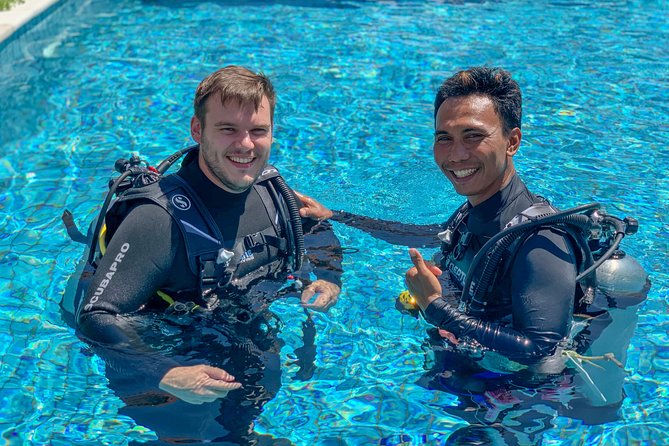
If you want scuba certification that feels structured, this is it. The PADI Open Water Course in Kuta, Bali (run by Neptune) turns you from complete beginner to confident, safety-minded underwater swimmer over 3 days. I like the steady pace, and I really like the fact that you get hotel pickup and a small group experience.
Two standout bonuses are the day-to-day logistics and the teaching. You are not stuck figuring things out, and instructors like Muli and Julian are known for being patient, especially with students who are nervous or not strong in the water.
One thing to consider: you must be medically cleared. You’ll complete a health questionnaire, and some conditions can prevent you from taking part, so it’s worth checking with a doctor before you go.
In This Review
- Key highlights you’ll care about
- PADI Open Water Course in Bali: what this 3-day plan actually means
- Neptune pickup, small group size, and the smooth logistics angle
- Day 1: Knowledge Development, the stuff that keeps you safe later
- Day 2: Pool Training where skills become automatic
- Day 3: Four open-water sessions around Padang Bai and Tulamben
- What you pay for: value beyond the sticker price
- Equipment, timing, and health rules you must plan around
- Who this course is for, and who should think twice
- Photos, memories, and what to expect after you finish
- Should you book this PADI Open Water Course in Bali?
- FAQ
- Where does the course start?
- How long is the PADI Open Water Course?
- What’s included in the price?
- What is not included?
- Do you offer hotel pickup and drop-off?
- How many people are in the group?
- What is the minimum age?
- Is a health questionnaire required?
- Can I do this course right after flying?
- What depth are you certified for?
- What if I need to cancel?
Key highlights you’ll care about
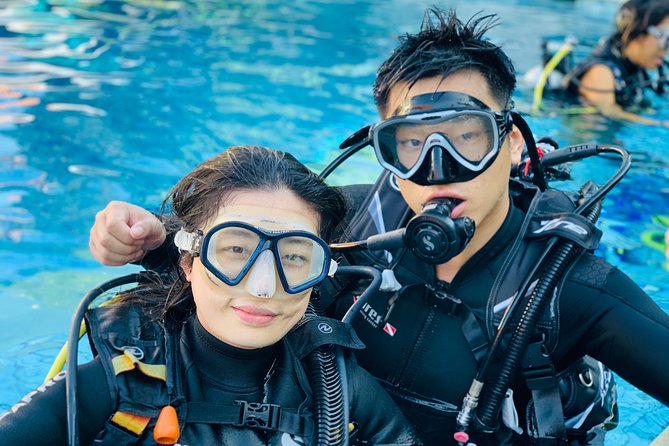
- 3 days, 3 phases: Knowledge Development, Pool Training, then open-water sessions
- Small group size: maximum 3 travelers, which helps you get attention
- Real-world sites: sessions are set around Padang Bai and Tulamben
- All-in basics included: lunch, coffee/tea, snacks, bottled water, and transfers
- Certified for up to 18m: the whole course is built toward safe skills at that depth
- Health screening required: questionnaire first, and flying too close to the course is discouraged
PADI Open Water Course in Bali: what this 3-day plan actually means
The PADI Open Water Course is the entry point for scuba certification, and it’s built to take you step by step. In practical terms, you learn the rules, practice the controls, and then apply those skills in the water over multiple sessions. The goal is not just to pass. The goal is to leave with enough confidence to keep learning safely once you are on your own.
This version is scheduled for about 3 days with three main phases: Knowledge Development, Pool Training, and four open-water sessions. Those open-water sessions are split between Padang Bai and Tulamben, two Bali areas that make it easier to do training while still seeing different kinds of coastline and water conditions.
A big reason this course is so popular is that it connects the dots. If you jump straight to open water without the theory and controlled practice, everything feels harder. Here, the order is the point. You learn why a skill matters, then you drill it where conditions are manageable, then you bring it out where it counts.
A few more Kuta trips to compare
- Nusa Penida day trip: boat, 4 snorkeling, Manta rays & Land tour
★ 5.0 · 2,033 reviews - Bali Nusa Penida West Private All-Inclusive Tour
★ 5.0 · 1,277 reviews - Mount Batur Sunrise Trekking Private Tour with Breakfast and Hotel Transfer
★ 5.0 · 885 reviews
Neptune pickup, small group size, and the smooth logistics angle
Course days can feel like a moving target in Bali, so I pay attention to logistics first. This course includes hotel pickup and drop-off plus transport in an air-conditioned minivan. That matters because your energy is limited over those 3 days. When you are learning new equipment and new buoyancy habits, you do not want to burn half your morning trying to get to the right place.
The meeting point starts at the Neptune scuba training location in Sanur Kauh (Jl. Suka Merta, Denpasar area). Even if your hotel is in or near Kuta, you still get that pickup support. Then the day ends back at the meeting point.
Another underrated advantage: the tour lists a maximum of 3 travelers. That small group size can change the whole experience. You’re not watching from the sidelines, and you’re more likely to get feedback when something feels off, like buoyancy control or equipment setup.
Day 1: Knowledge Development, the stuff that keeps you safe later
“Knowledge Development” is the theory block. You learn the fundamentals you need to understand equipment, breathing, depth, and safe procedures. I like this phase because it turns scuba from magic tricks into physics you can actually manage. If you understand the why, you spend less time panicking and more time problem-solving.
In the reviews, I saw a practical theme: some students do their PADI theory online before arriving. That approach can be helpful because it gives you time to absorb the basics without rushing during vacation. If you’re the type who likes to get organized early, it can make your first day feel lighter.
What you should expect from this phase:
- explanation of the basics and safety rules
- practice-oriented learning so the later pool and open-water skills make sense
- a health questionnaire step prior to diving, which is part of how they manage safety
If you are nervous about the course, this is where you’ll start building trust in your own understanding.
Day 2: Pool Training where skills become automatic
Pool Training is where the course earns its reputation. A good skills day reduces fear later because you’re repeating the same motions until your body understands them. You’re not improvising. You’re learning the procedures so they feel repeatable.
This is also usually where you notice how much teaching style matters. The reviews include several examples of instructors being patient and focused on real improvement, not just checking a box. Names that came up include Gede Ariawan, Muli, and Julian. In plain terms, that usually means you get corrections that help, like how to refine buoyancy control or how to handle equipment calmly.
If you’re not a strong swimmer, don’t treat that as a deal-breaker. Pool Training is designed for building comfort. Your job is to show up and practice the way they guide you.
Another side of Indonesia:
- Individual Bali Day Trip with Private Driver and Free WiFi
★ 5.0 · 755 reviews - Waterbom Bali Tickets – Single Day Pass
★ 4.5 · 620 reviews - Private Tour Mount Batur Sunrise Trekking and Natural Hot Spring
★ 5.0 · 431 reviews - Private Tour Bali Beaches and Uluwatu Temple with Dinner
★ 5.0 · 363 reviews
Day 3: Four open-water sessions around Padang Bai and Tulamben
Now for the part most people came for: the open-water sessions. In this course, you do 4 of them across Padang Bai and Tulamben. These sessions are the bridge between “I can do this in a pool” and “I can do this in open water.”
Here’s how you should think about these sessions:
- You are applying skills with real conditions around you
- You are still learning, not trying to show off
- Your instructor and guide are there to correct technique and help you stay calm
I also like that the course design spreads training across locations. Even without getting technical about it, changing water environments gives you a more complete foundation. It can prevent the “I only worked in one kind of setup” feeling.
A practical note from the course details: respiratory and circulatory health must be in good shape, and body air spaces must be normal and healthy. If you’ve had asthma, ongoing congestion, or other medical issues, plan ahead and check with your doctor. The questionnaire requirement is not casual, and you should treat it seriously.
What you pay for: value beyond the sticker price
The price is $530 per person for the 3-day certification course. That’s not the cheapest thing in Bali, but it also isn’t a “nickel-and-dime” operation.
Included in the cost:
- all taxes, fees, and handling charges
- bottled water
- lunch, coffee and/or tea, and snacks
- driver/guide and a professional guide
- hotel pickup and drop-off
- transport by air-conditioned minivan
Not included:
- souvenir photos (available to purchase)
That inclusion list matters. A course that supplies meals and transfers reduces hidden vacation costs. It also keeps you from spending your limited time running around between locations.
One more value point: the course is capped at 3 travelers. Small group attention is harder to price, but it can make a real difference to how quickly you improve and how comfortable you feel.
If you are deciding between “cheaper” and “better structured,” this is the kind of course where structure often wins.
Equipment, timing, and health rules you must plan around
Scuba training has safety requirements, and this one makes them explicit. Here are the key points from the course info:
- You must complete a health questionnaire prior to diving participation
- Diving within 18 hours of flying is not recommended
- Minimum age is 10 years
- Some pre-existing conditions (for example asthma or heart conditions) may prevent you from diving, so you should consult your doctor
I’m glad this is clearly stated. It means the operator is trying to prevent problems instead of sweeping them aside.
If you’re scheduling your Bali trip, build in a buffer. If you’re arriving from far away, try not to book the course for the same day you land. That small planning move can help you show up feeling fresh.
Who this course is for, and who should think twice
This course is best for you if:
- you want the classic entry certification and structured progression
- you like the idea of small-group support (max 3 travelers)
- you want pickup, meals, and transport handled
It can also be a good fit for nervous beginners. Multiple reviews highlight patient instruction and support, including for students who weren’t confident in the water at the start.
You might want to think twice if:
- you have a condition that could affect breathing or circulatory health
- you are currently dealing with a cold or congestion
- you’re planning to fly right before the course (since diving within 18 hours of flying is not recommended)
Photos, memories, and what to expect after you finish
Souvenir photos are not included, though they are available for purchase. That’s a common approach, and it’s easy enough to plan for: if photos are part of your scuba story, budget a little extra.
After the course, you’ll be certified with training designed for a maximum depth of 18m. More importantly, you’ll leave with the basic skills and procedures the course teaches. Certification is a starting point, not the end of learning, but getting the basics right sets the tone for everything that follows.
Should you book this PADI Open Water Course in Bali?
I’d book it if you want a structured certification, minimal day-to-day friction, and close instructor attention. The combo of hotel pickup, meals and snacks, air-conditioned transport, and a maximum of 3 travelers is a strong value package for people who want to spend their time learning, not coordinating.
I would hesitate only if you know you may fail the health screening. If you’ve had issues like asthma or other medical conditions, get medical guidance before you commit. Also, respect the “no diving within 18 hours of flying” note. Your body needs time to settle.
If you’re ready for a real foundation and you want Bali to be your training ground, this course is a solid choice.
FAQ
Where does the course start?
The activity starts at Neptune scuba training in Sanur Kauh, Denpasar (Jl. Suka Merta, Sanur Kauh, Denpasar Selatan, Bali 80228). The trip ends back at the meeting point.
How long is the PADI Open Water Course?
It runs for about 3 days.
What’s included in the price?
The price includes all taxes and fees, bottled water, lunch, coffee and/or tea, snacks, a driver/guide and a professional guide, hotel pickup and drop-off, and transport by air-conditioned minivan.
What is not included?
Souvenir photos are not included, though they are available to purchase.
Do you offer hotel pickup and drop-off?
Yes. Hotel pickup and drop-off are included.
How many people are in the group?
The maximum group size is 3 travelers.
What is the minimum age?
The minimum age is 10 years.
Is a health questionnaire required?
Yes. All participants must complete a health questionnaire prior to diving participation.
Can I do this course right after flying?
Diving within 18 hours of flying is not recommended.
What depth are you certified for?
Once certified, training is designed for safe diving to a maximum depth of 18m.
What if I need to cancel?
You can cancel for free if you cancel up to 24 hours in advance for a full refund. If you cancel less than 24 hours before the experience start time, it is not refundable.
Just added around Kuta
- West Nusa Penida Day Trip★ 5.0 · 8 reviews
- Ubud Highlights Rice Terraces, Temple, Waterfall & Monkeys forest★ 5.0 · 23 reviews
- Premium White Water Rafting and Jungle Buggies in Bali★ 4.0 · 15 reviews
- Waterbom Bali Tickets with Private Transfers★ 4.5 · 39 reviews
- Waterbom Bali Tickets – Single Day Pass★ 5.0 · 5 reviews
- Bali Breathtaking Waterfall Tour★ 5.0 · 5 reviews
- Bali Spa Tour, Beaches, Uluwatu Temple Sunset & Jimbaran Bay Dinner★ 5.0 · 13 reviews
- 2 Hours Private Scooter Lesson in Bali★ 5.0 · 32 reviews
Kuta Tours, compared.
Nusa Penida day trip: boat, 4 snorkeling, Manta rays & Land tour
Read our review →
Bali Nusa Penida West Private All-Inclusive Tour
Read our review →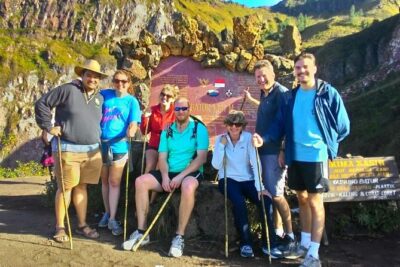
Mount Batur Sunrise Trekking Private Tour with Breakfast and Hotel Transfer
Read our review →
Individual Bali Day Trip with Private Driver and Free WiFi
Read our review →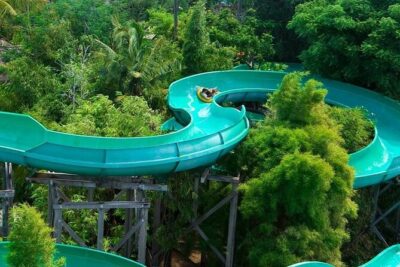
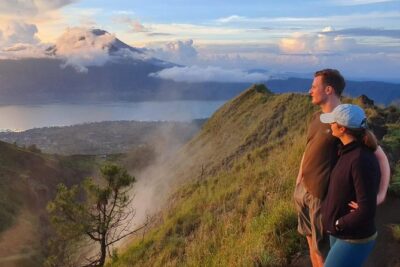
Private Tour Mount Batur Sunrise Trekking and Natural Hot Spring
Read our review →
Private Tour Bali Beaches and Uluwatu Temple with Dinner
Read our review →