REVIEW · UBUD TOURS
The Essence Of Bali
Sacred water and ancient beliefs, made human. I love how this route ties animist roots to Hindu and Buddhist ideas, and I love the small, personal stop where you see Bali’s Lontar script and Topeng masks up close. One drawback to plan for: this is more spiritual than showy, so it rewards calm curiosity, not constant “where’s the next selfie spot” energy.
You’ll be out for about 5 hours, starting around 9:00 am from the Ubud area, with private transportation and pickup offered. The big payoff is context, not just scenery: the Pakerisan River Valley is a UNESCO-listed cultural heritage area, and you’ll learn why Balinese life is built around balance, water, and community.
In This Review
- Key highlights worth your morning
- Why the Pakerisan River Valley matters more than the photos
- Manukaya family time: Lontar script and Topeng masks
- Ancient ancestral temple, then Tampaksiring holy-spring bathing
- The largest Buddhist stupa on Bali, and why the iconography blends
- Subak irrigation and Tri Hita Karana: what you’ll carry home
- Lunch with hosts, plus the value of private transport
- Is The Essence of Bali worth booking?
- FAQ
- How long is the Essence of Bali tour?
- Where does the tour take place?
- What is the price per person?
- Is pickup offered?
- Is this a private tour?
- What is included in the price?
- What are the main stops?
- Are sarong and towels provided for bathing?
- What is the cancellation policy?
- Are alcoholic drinks and snacks included?
Key highlights worth your morning
- UNESCO context in the Pakerisan River Valley, with real explanations for how beliefs connected over centuries
- Manukaya family compound time, including Lontar script and Topeng mask viewing
- Sacred spring bathing at Tampaksiring, with sarong and towels provided
- A Buddhist stupa with mixed Hindu and Buddhist iconography, showing shared cosmology
- Lunch with your hosts, plus coffee or tea included in the price
- Private tour feel, so your guide can answer questions in a quieter setting
Why the Pakerisan River Valley matters more than the photos
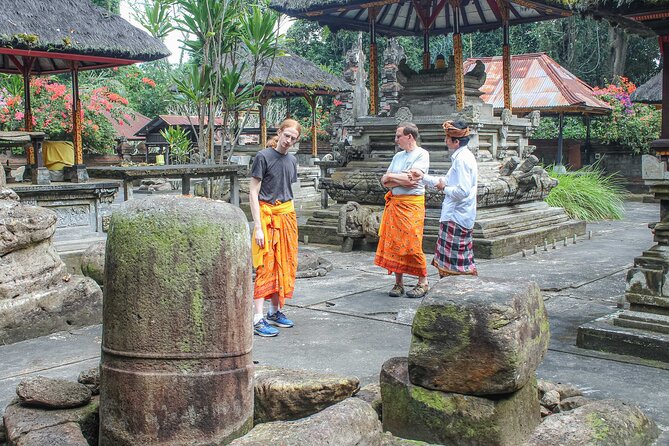
The Pakerisan River Valley to the northeast of Ubud is UNESCO-listed as a Cultural Heritage Area since 2012. It’s the kind of place where the landscape looks gentle, but the meaning behind it is deep. You’ll hear how ancestral sites in the valley date back roughly from the 8th to the 12th centuries, and how older animist beliefs later unified with Hindu and Buddhist influences that came to Bali through Javanese kingdoms.
What I like, and what you’ll probably notice fast, is that this isn’t treated like a museum stop. The guide connects the dots between spirituality and everyday life. You also get a taste of how Balinese culture thinks about the world through Tri Hita Karana, a philosophy about balancing the natural, physical, and spiritual worlds.
And even if you’re not a religion person, the ideas land because you’re not just hearing them. You’re walking to places tied to water, ritual, and community rhythm. That makes it feel practical, not abstract.
A few more Ubud trips to compare
- All-Inclusive Ubud Private Tour
★ 5.0 · 14,344 reviews - Best of Ubud Full-Day Tour with Jungle Swing
★ 5.0 · 8,571 reviews - Ubud: Monkey Forest, Jungle Swing, Rice Terrace, and Water Temple
★ 5.0 · 7,160 reviews
Manukaya family time: Lontar script and Topeng masks
You start the morning with a drive through backroads toward Penempahan village in the Manukaya area. This is where the tour slows down, which is a good thing. Instead of racing through a checklist of sights, you arrive at a Balinese family compound and get a welcome drink.
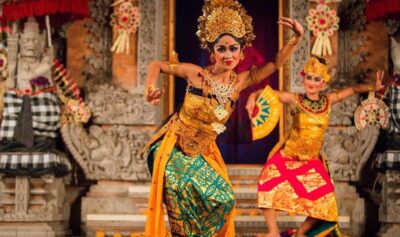
Then comes the part that tends to stick with people: you’ll be shown Bali’s writing tradition, Lontar (Balinese script), and you’ll see Topeng (mask) style connected to local performance and symbolism. This is short, but it’s the kind of stop that turns “I saw a temple” into “I understand a piece of how people express beliefs.”
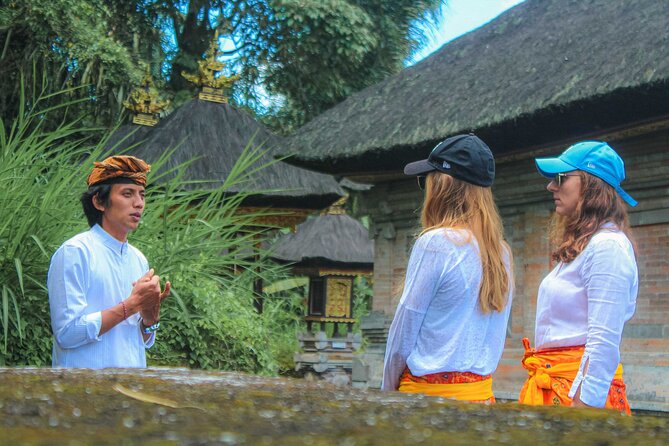
In the reviews, the warmth of the hosts and guides comes up again and again, and it’s clear why. Guides like Gede, Eka, Nyoman, and Ari are described as genuinely kind and passionate about culture and preservation, not just working a route. You’re not being rushed, which matters a lot for small cultural moments like this.
Practical note: because this is a community-based stop, it’s smart to keep your manners and curiosity turned up. Ask questions when invited, and keep your camera use respectful. Even if photography is allowed, the human interaction is the point.
Ancient ancestral temple, then Tampaksiring holy-spring bathing
After the family compound, the focus shifts to temples tied to different belief layers and time periods. You’ll visit an ancestral temple with roots dating back to the 8th century. This is the kind of place where the atmosphere does some of the work for you. The guide’s job is to explain what you’re seeing in plain language, and to help you understand why multiple traditions can share a space in Bali without feeling like chaos.
Next is Tampaksiring, and specifically a sacred water temple dating back to the 11th century. Here’s the signature moment: devotees come for spiritual cleansing by bathing in the holy springs, and you’re welcome to take part. Sarong and towels are provided, which takes away one of the common headaches with temple bathing experiences.
This stop is meaningful, but it can also be surprisingly moving. Water rituals aren’t done as a performance. They’re done because they matter to people’s sense of balance and connection. If you’re expecting only sightseeing, you might feel the pace is slower than you planned. If you come in ready to participate or observe with respect, it’s the highlight.
A practical tip for your own comfort: plan for the fact that you may get wet, and the spring bathing setting can feel cooler than the road outside. Comfortable footwear helps for getting around. If you’re uncomfortable with cold water, talk with your guide about what participation looks like for you.
The largest Buddhist stupa on Bali, and why the iconography blends
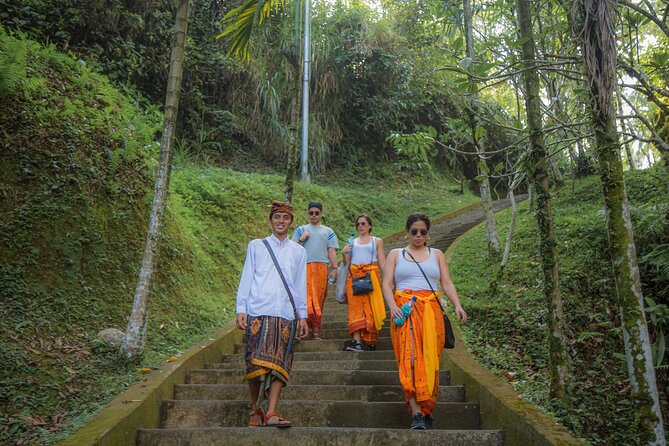
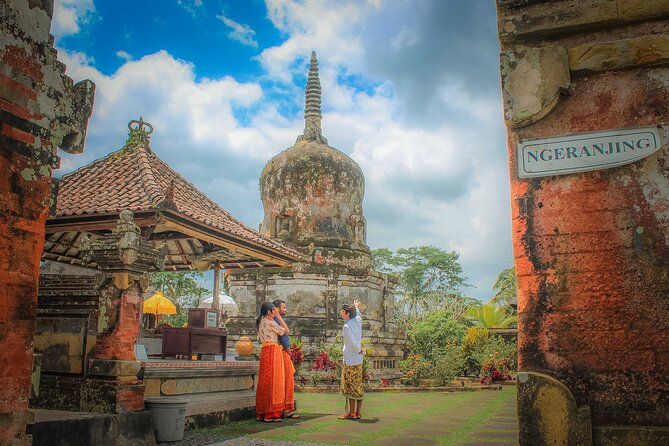
After the water temple, you’ll end your temple explorations at a major Buddhist stupa on Bali known for combining Hindu and Buddhist iconography. This is described as the largest Buddhist stupa on Bali, and it’s dedicated to Hindu and Buddhist cosmology.
What I love about this part is the visual conversation it creates. Bali doesn’t always present religion as separate boxes. Here, you see how symbols and stories can overlap. The guide helps you read what you’re looking at, so you’re not left trying to guess. Even if you’re not familiar with either tradition, you’ll come away with a clearer sense of how belief works socially in Bali, not just spiritually.
This is also where the tour can feel most “wow” for visitors who usually stick to the most famous landmarks. Some temple spaces are well known, others are not. This one lands in the category of places people often pass on, which helps it feel more grounded and less like a conveyor belt.
Another side of Indonesia:
- Ubud: Waterfalls, Water Temple & Rice Terraces Private Tour
★ 5.0 · 5,484 reviews - Ubud: All-Inclusive Tour with Optional Lunch
★ 4.9 · 5,438 reviews - Ubud: Guided ATV Quad Bike Jungle Adventure with Lunch
★ 4.8 · 4,881 reviews - Best of Ubud 1-Day Private Tour
★ 5.0 · 4,451 reviews
Subak irrigation and Tri Hita Karana: what you’ll carry home
Temples are only one piece of the story. A big theme you’ll hear is subak, the irrigation system Balinese people recognize as central to agriculture and community cooperation. The point isn’t just that Bali has a smart farming method. It’s that water management is spiritual and social. People organize around shared timing, shared rules, and shared responsibilities.
That leads right into Tri Hita Karana, the philosophy about balance among the natural, physical, and spiritual worlds. In other words, it’s not only about worship. It’s about how you live with neighbors, how you manage resources, and how you stay connected.
If you want a souvenir that isn’t a trinket, this is it. You’ll leave with a framework for understanding what you’ve seen in Ubud and beyond. You’ll also notice it in daily life, like how communities talk about harmony and how the island treats water as something you steward, not something you exploit.
Lunch with hosts, plus the value of private transport
This tour is priced at $98 per person for about 5 hours. For Bali, that’s not bargain-basement cheap, but it also isn’t “high-end” pricing. The value comes from a few specific things that matter:
- Private transportation so you’re not squeezed into the wrong times or stops
- Coffee and/or tea included, plus lunch with your hosts
- Temple admissions included for the longer temple portion
- A schedule that includes cultural context, not just drive-by photos
You’ll also have the option to buy alcoholic beverages and snacks if you want them. I like knowing what’s included versus what’s optional, because it helps you plan your day and not get hit with surprise costs later.
One more detail worth thinking about: the tour is private, meaning only your group participates. That changes the tone. You’re more likely to get real answers to questions, and the guide can pace the experience to your comfort level.
If you’re traveling with family or friends who have different interest levels, the mix here helps. The temples satisfy culture lovers. The bathing moment connects with people who like hands-on experiences. And the lunch part keeps it human.
Is The Essence of Bali worth booking?
I think it’s worth booking if you want Bali with meaning, not just highlights. This experience is built around the Pakerisan River Valley UNESCO context, plus a sequence of temples where belief shows up through water, architecture, and shared symbolism. It also sounds like guides like Gede, Eka, Nyoman, Ari, and drivers such as Wayan keep the tone personal and respectful, which is rare in temple tours that can feel mechanical.
Book it if:
- You like spiritual and cultural explanations you can actually understand
- You want a private, calmer pace from Ubud
- You’re curious about how Tri Hita Karana and subak shape everyday life
Skip it or adjust your expectations if:
- You want a nonstop checklist of famous “must see” spots
- You’re not interested in sacred bathing or quiet ritual moments
- You prefer very touristy, loud, entertainment-heavy tours
If you fit the first group, you’ll likely feel like you got more than a sightseeing day. You’ll get a way to read Bali.
FAQ
How long is the Essence of Bali tour?
The tour runs for about 5 hours.
Where does the tour take place?
It’s based in the Ubud area, with stops around the Pakerisan River Valley and Tampaksiring.
What is the price per person?
The price is $98.00 per person.
Is pickup offered?
Pickup is offered.
Is this a private tour?
Yes. It is private, so only your group participates.
What is included in the price?
Coffee and/or tea, lunch, and private transportation are included. Admission tickets are included for the temple portion.
What are the main stops?
You’ll visit a family compound area in Manukaya, an ancestral temple, the sacred water temple at Tampaksiring for holy spring cleansing, and a major Buddhist stupa with blended Hindu and Buddhist iconography.
Are sarong and towels provided for bathing?
Yes. Sarong and towels are provided for the sacred spring bathing experience.
What is the cancellation policy?
You can cancel for a full refund if you cancel up to 24 hours in advance. If you cancel less than 24 hours before the start time, the amount paid is not refunded.
Are alcoholic drinks and snacks included?
No. Alcoholic beverages and snacks are available to purchase.
Just added around Ubud
- Bali Tunnel ATV Adventure★ 5.0 · 5 reviews
- Bali Private Day Tour★ 4.5 · 7 reviews
- Ubud ATV ride Adventure and water rafting★ 4.5 · 8 reviews
- Bali Tour Driver★ 5.0 · 9 reviews
- Bali Tour Guide And Driver★ 5.0 · 9 reviews
- Mount Batur Trekking Sunrise Private Tour★ 5.0 · 47 reviews
- Bali Ayung River White Water Rafting with Transport★ 5.0 · 4 reviews
- Spiritual Cleansing Ritual and Shamanic Healing in Bali★ 5.0 · 7 reviews
Ubud Tours, compared.

Monkey Forest, Jungle Swing, Rice Terrace, and Water Temple
Read our review →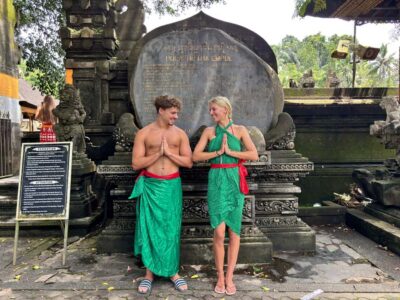
Waterfalls, Water Temple & Rice Terraces Private Tour
Read our review →

Guided ATV Quad Bike Jungle Adventure with Lunch
Read our review →