
REVIEW · YOGA & WELLNESS RETREATS
Ubud: Soul Retreat & Holistic Mantra Healing Experiences
Balinese spirituality is easier to understand when you make it with your hands. This Ubud 6-hour retreat-style visit focuses on Canang Sari offerings and holistic mantra healing, then wraps it up with a temple purification ritual that many people find genuinely moving. I especially like that you are taught step-by-step, from choosing flowers to speaking simple intentions, and that you also get a sacred takeaway like the Tridatu bracelet.
One thing to plan for: the purification at the holy spring involves getting wet, and temple rules are strict. You’ll need modest clothing (shoulders and knees covered), you must skip the ritual if you are actively menstruating, and you should avoid this if you are pregnant or have mobility limits due to stairs and uneven ground.
In This Review
- Key highlights at a glance
- Why this Ubud spiritual day feels hands-on, not performative
- Canang Sari making: the flowers tell you how to see Bali
- Pura Mangening offering ritual: incense, gratitude, and a Tridatu blessing
- Soul purification at the holy spring: what to expect when you get wet
- The host makes the day personal, so ask for your route tweaks
- Lunch in Ubud: art, lounge culture, and a calmer landing
- Price and value: is $48 for 6 hours fair?
- What to bring and wear so you can actually participate
- Who this experience is best for in Bali
- Should you book this Ubud soul retreat and Holistic Mantra Healing?
- FAQ
- How long is the Ubud Soul Retreat and Holistic Mantra Healing experience?
- Where in Bali does the ritual and cleansing happen?
- Is lunch included in the price?
- Does the tour include hotel pickup and drop-off?
- What is the main activity during the experience?
- What should I bring for the purification ritual?
- Are there dress code rules for temple visits?
- Who should not join this experience?
- What optional add-ons are listed for this tour?
Key highlights at a glance
- Make Canang Sari offerings in a Balinese compound or temple yard, learning flower meanings and how the offering is assembled
- Visit Pura Mangening to place your offering, say thanks for balance and peace, and follow the prayer timing with incense smoke
- Receive a blessed Tridatu bracelet during the ritual at a sacred temple in Bali
- Try soul purification at the holy spring with a guided, mantra-based healing approach (you will get wet)
- Finish with lunch in Ubud at an art-focused lounge that blends food with local creative culture
Why this Ubud spiritual day feels hands-on, not performative
If you are in Bali and want more than photos of temples, this experience gives you a role. You do not just watch a ceremony. You make an offering, you place it, and you practice the kind of simple mantra and gratitude mindset that drives daily temple life on the island.
I like the structure because it keeps you grounded. First comes the practical skill of building a Canang Sari, then the spiritual step of offering it with intention, then the purification ritual where you repeat mantras and reset your state. When it works for you, it can feel like your brain finally catches up to what Bali has been showing you the whole trip.
The trip also has a nice Ubud rhythm. It starts earlier in the day, includes hotel pickup, and ends with lunch at an art lounge in town. If you want a spiritual day that does not swallow your whole schedule, six hours is a workable length.
And yes, you will likely come out with more than calm feelings. Many guests describe feeling like they left a walking meditation, which makes sense when you spend real time repeating prayers while doing a physical ritual.
More Yoga Retreats in Ubud
- Taman Beji Griya Waterfall: Holy Bathing/Soul Retreat Ritual
★ 4.8 · 634 reviews - Bali: Ubud Sound Yoga & Energy Healing Experience
★ 4.8 · 112 reviews - Bali: Ubud Yoga and Healing Meditation
★ 4.9 · 111 reviews
Canang Sari making: the flowers tell you how to see Bali
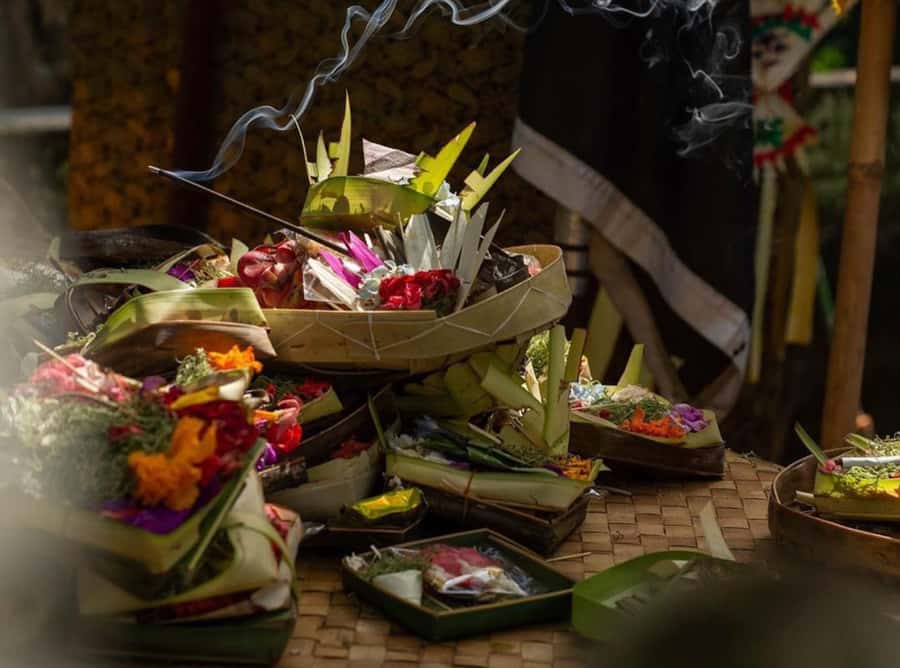
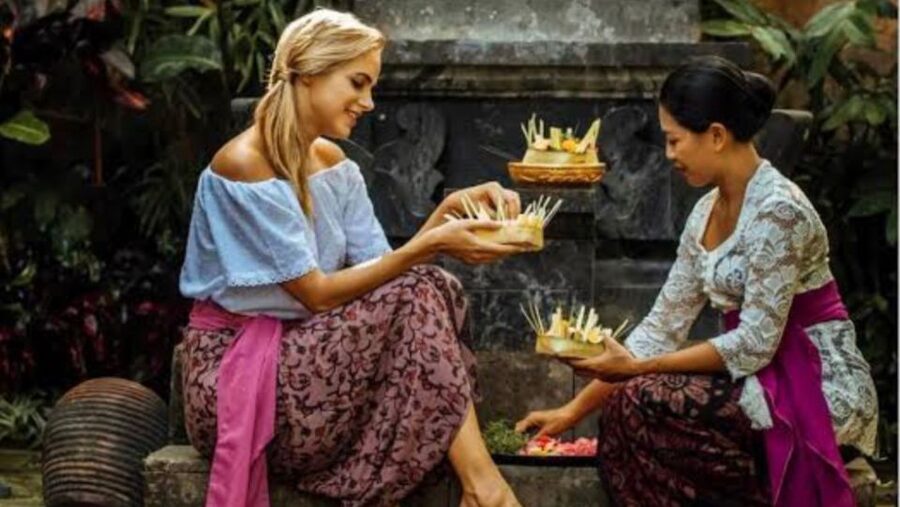
The heart of the experience is learning to make Canang Sari, the small Balinese floral offerings you see everywhere. These offerings are placed at temples, on street corners, at entrances, and in other spots locals consider sacred. You’ll learn what parts matter and why the flowers are arranged the way they are.
You’ll be guided to make your Canang Sari at a Balinese compound or a temple yard. In real life, your exact starting point can vary a bit based on the day, and some hosts may begin with a market flower source. Either way, the learning stays consistent: you are taught to assemble the offering correctly and with respect, not just to copy a shape.
This part matters because it changes what you notice on your future drives around Bali. After you learn the basics, you start spotting offerings with purpose, not just as decoration. You also pick up the idea of balance and gratitude as an everyday practice, not a one-time event.
Practical tip: bring a camera and stay patient with details. Canang Sari is small, but the instructions usually go step-by-step, and rushing makes it harder to finish neatly.
Pura Mangening offering ritual: incense, gratitude, and a Tridatu blessing
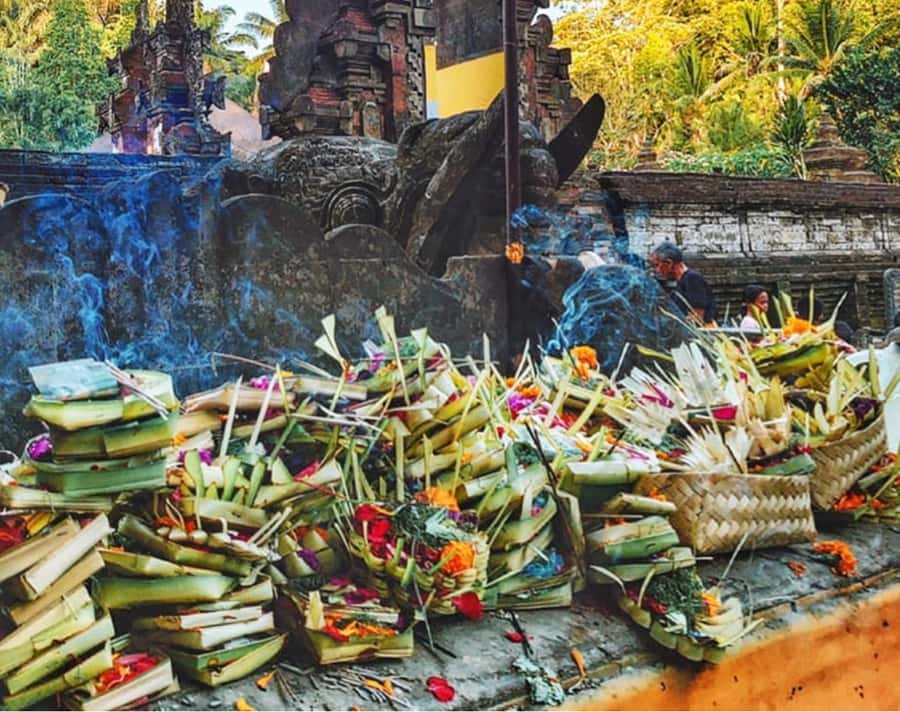
After making your offering, you’ll head to Pura Mangening, where you offer it to the gods. This is the moment where the day turns from craft time into ritual time.
Expect to place your Canang Sari and participate in a short prayer. Smoke from burning incense rises as the offering essence is carried to the gods. That sensory cue, the smell and the timing, helps many people feel the ceremony is real, not staged.
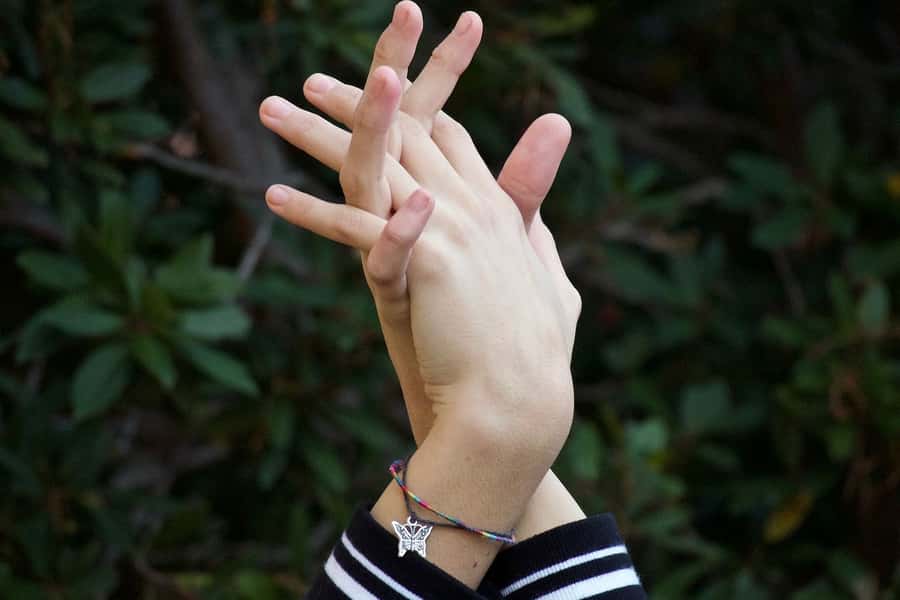
Then you receive a blessed Tridatu bracelet. The Tridatu symbol is tied to Balinese spirituality and is treated as a meaningful protective blessing. Even if you are not sure what you believe yet, having something physical tied to the ritual can make the experience stick in your mind.
One practical note: keep your attention on your host’s cues. Temples are structured, and the prayer sequence is not the kind of thing you want to freestyle.
Soul purification at the holy spring: what to expect when you get wet
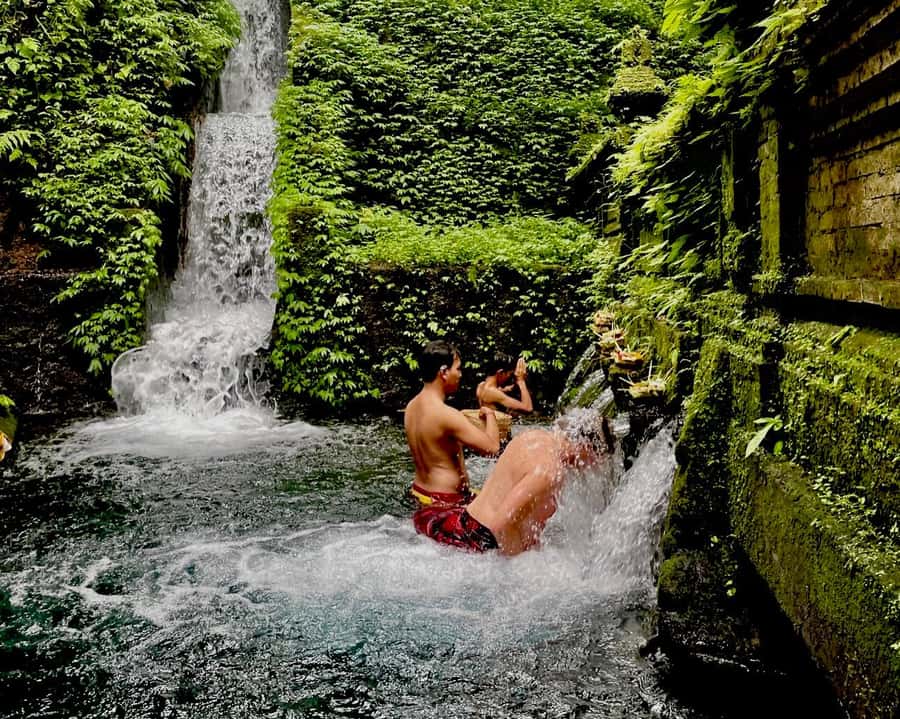
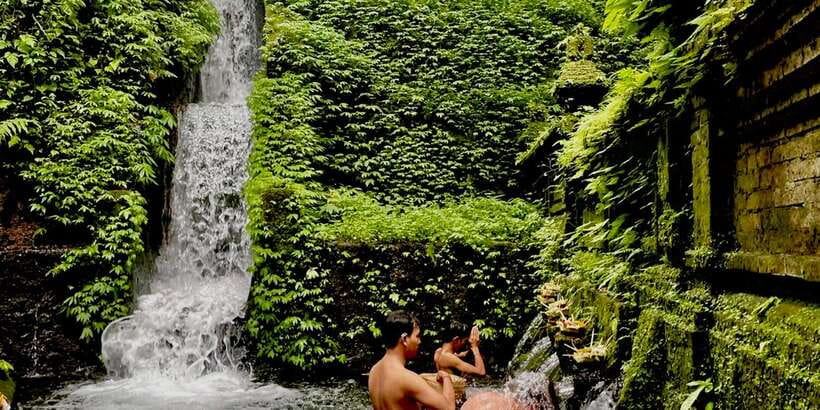
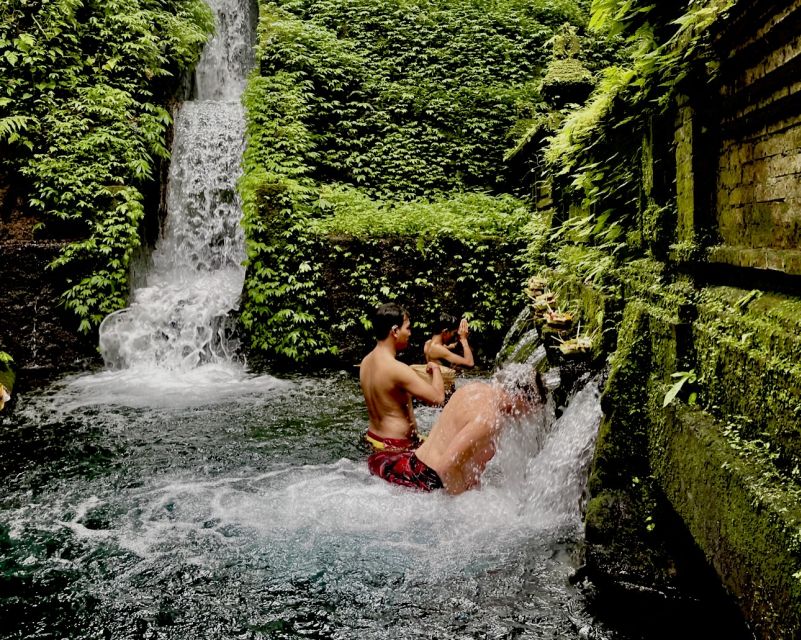
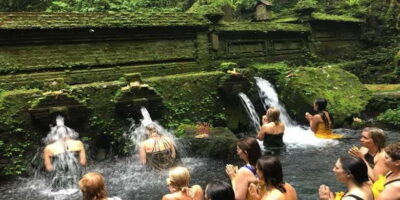
The cleansing portion happens at a holy spring temple, led by your expert host. This is the “meat” of the retreat-style feeling: you do a soul purification ritual while practicing a simple, guided mantra approach for self awakening.
In many Bali ceremonies, the cleansing bath is often referred to as melukat, and you’ll recognize why once you are in the water and repeating the mantras. The experience has a reset effect because it mixes three things at once: physical sensation (water), mental repetition (mantra), and the comfort of knowing exactly what you should do next.
You will get wet. You should plan for that as part of the deal, not as a surprise. The host instructions will include ritual guidance, and you’re expected to follow temple rules closely, such as no loud behavior and respecting shrines.
What to bring so you can actually enjoy it:
- a change of clothes
- a towel
- a waterproof bag for personal items
If you show up prepared, the ritual feels like a moment you can fully be present for. If you show up unprepared, you can spend part of the experience worrying about your phone, your bag, or staying cold.
Another side of Indonesia:
- All-Inclusive Ubud Private Tour
★ 5.0 · 14,344 reviews - Best of Ubud Full-Day Tour with Jungle Swing
★ 5.0 · 8,571 reviews - Ubud: Monkey Forest, Jungle Swing, Rice Terrace, and Water Temple
★ 5.0 · 7,160 reviews - Ubud: Waterfalls, Water Temple & Rice Terraces Private Tour
★ 5.0 · 5,484 reviews
The host makes the day personal, so ask for your route tweaks
One detail I like about this tour is flexibility. The experience is set up as a spiritual route focused on self awakening, but the host can adjust parts of the itinerary based on what you want that day.
If your main goal is deeper ritual time, tell them early. If your goal is more cultural sightseeing, ask for a practical swap that still keeps the day respectful and on schedule. In the Bali context, good hosts know where you can add time without breaking temple flow.
You may also hear extra storytelling along the way, including religion and cultural background. Many guests highlight that guides explain what is happening before it happens, which makes the ceremony feel less confusing and more meaningful.
If you want a specific type of guide vibe, you can look at the names commonly associated with this experience: Gus, Ketut, Dharma, Ade, and Eddy Strawberry show up in the guide mix from recent trips. It’s not something you can guarantee, but it’s a useful signal that English-speaking hosts are doing more than just driving you around.
Lunch in Ubud: art, lounge culture, and a calmer landing
You end with lunch at an artistic art and lounge spot in Ubud. Lunch is not included in the base price, so you’ll likely pay for your meal separately.
Why this stop works: it’s not just a place to eat quickly. The lounge concept blends Balinese-inspired meals with a space that supports art, design, and lifestyle. Even if you do not care about art theory, it gives your nervous system a place to land after the temple intensity.
This is also a good time to ask your host questions you saved for later. People often think of spirituality as one big moment, but the most useful conversations happen after the ritual, when you ask what the practices mean for daily life.
Price and value: is $48 for 6 hours fair?
$48 per person for a six-hour experience in Ubud is not a bargain in the way a street-side massage deal is a bargain. But it is often fair value because you are paying for more than sightseeing.
You are getting:
- hotel pickup and drop-off (private or shared options)
- mineral water
- all entry fees
- guided participation in multiple ritual segments
- photo support via Polaroid and photos (depending on the option you select)
If you add options, the value shifts in your favor only if you genuinely want them. Massage add-ons are offered in different lengths, and coffee tasting, and jungle swing options are listed as add-ons. If those are on your wishlist anyway, you can stack the trip into a more complete Ubud day.
My rule for deciding: if you want the cultural and spiritual instruction more than you want a checklist of sights, this price makes sense. If you mainly want a quick temple stop, you can probably find cheaper tours. But you’d miss the hands-on Canang Sari learning and the structured purification guidance.
What to bring and wear so you can actually participate
This is where your comfort affects your experience quality. Temple rules are not optional, and they directly shape how smoothly your day goes.
Wear and etiquette basics:
- Dress modestly, with shoulders and knees covered
- Follow your host’s instructions during rituals
- Keep things quiet and respectful at temples
Big safety and eligibility notes:
- If you are actively menstruating, you are not permitted in the temple
- This experience is not suitable for pregnant travelers
- It is not suitable for people with mobility difficulties, wheelchair users, or those over 70
Also, plan for uneven surfaces and stairs at the temple sites. Even if you are a regular walker, temples are rarely “tour-friendly sidewalks.”
Bring:
- comfortable shoes
- a camera
- cash for personal spending and optional donations at the temple
Do not bring:
- pets
- alcohol and drugs
Who this experience is best for in Bali
This is a strong fit if you want a genuine spiritual and cultural day without turning your trip into a lecture tour. You’ll likely enjoy it if you like:
- learning by doing
- simple mantra practice with guided steps
- temple etiquette and local religious traditions
- a mix of spiritual intensity and Ubud-style downtime at lunch
It may not be the right fit if you are looking for a high-energy adventure day. The point here is ritual pacing. The most successful participants stay calm, follow the sequence, and treat the experience like something you practice with your whole body, not something you rush through.
If you are traveling solo, this is also a good way to feel grounded. You get a host who guides your attention and keeps the ceremony comprehensible.
Should you book this Ubud soul retreat and Holistic Mantra Healing?
Book it if your goal is to understand Bali beyond surface-level temple photos. The combination of Canang Sari making, the Pura Mangening offering ritual, and the holy spring purification creates a full loop of participation, not just observation. For $48, the value makes sense because you are paying for guided access, entry fees, and structured spiritual instruction.
Skip it if any of these apply: you cannot handle getting wet, you need a fully accessible route, you are pregnant, or temple entry rules block your participation. Also, if you are not comfortable with modest dress and strict temple behavior, this day might feel stressful instead of healing.
If you do book, come prepared with a towel, a change of clothes, and a flexible mindset. And when the host explains what comes next, listen. That’s when the day starts to work.
FAQ
How long is the Ubud Soul Retreat and Holistic Mantra Healing experience?
It lasts about 6 hours.
Where in Bali does the ritual and cleansing happen?
The tour includes a stop at Pura Mangening and a soul purification ritual at a holy spring temple.
Is lunch included in the price?
Lunch is not included. The day ends with lunch at an art and lounge in Ubud.
Does the tour include hotel pickup and drop-off?
Yes. Pickup is optional and you return to your hotel after the tour from a specified pickup area.
What is the main activity during the experience?
You learn to make Balinese Canang Sari offerings, then place your offering during a temple ritual.
What should I bring for the purification ritual?
Bring comfortable shoes and clothes, plus a change of clothes, a towel, and a waterproof bag since you will get wet during the purification at the holy spring.
Are there dress code rules for temple visits?
Yes. Dress modestly with shoulders and knees covered.
Who should not join this experience?
It is not suitable for children under 9, pregnant women, people with mobility impairments, wheelchair users, or people over 70.
What optional add-ons are listed for this tour?
Optional add-ons can include traditional massage, luwak coffee tasting, jungle swing and coffee, and other items depending on the selection (like Polaroid photos).
Just added around Ubud
- Sunrise Café and Morning Yoga Class★ 5.0 · 5 reviews
- Quad Bike Bali With Tunnel & Waterfall Tour★ 4.2 · 8 reviews
- Puppy Yoga in Bali, Ubud & Uluwatu★ 4.7 · 93 reviews
- Private Ubud Tour With Professional Photographer with Edit★ 5.0 · 53 reviews
- Ubud : PRIVATE Bike Tour inside Rice Field with meal & pool★ 5.0 · 5 reviews
- Ubud: Organic Farm Harvest, Bali Cooking Class by Pemulan★ 4.8 · 12 reviews
- Outskirts of Ubud, Gianyar: Pottery Class★ 5.0 · 9 reviews
- packages cooking class and romantic dinner in a local home★ 5.0 · 4 reviews
Yoga & Wellness Retreats, compared.

Canggu & Uluwatu Puppy Yoga Class & Refreshing Drinks
Read our review →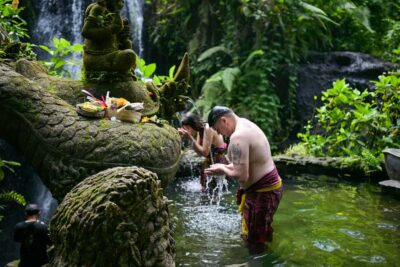
Taman Beji Griya Waterfall: Holy Bathing/Soul Retreat Ritual
Read our review →
Full-Day Eat Pray Love Tour with Rice Terraces & Yoga
Read our review →
Healing and Aura Cleansing Tour with Yoga & Meditation
Read our review →

Wellness Retreat with Massage, Yoga Class, and Lunch
Read our review →Browse the lists this tour appears in