
REVIEW · YOGA & WELLNESS RETREATS
Bali: Healing Immersion Ubud Balinese Wellness + Lunch
Holy water and sacred sound, early. This Ubud half-day blends Melukat purification with a Balinese sound healing session that’s meant to help you reset mentally and emotionally.
One thing I really like is that you’re not just watching, you’re actively guided through the ritual steps, prayers, offerings, and the symbolic use of holy water. Another is the mix of body practice plus sound work, where mantra-style healing is used to promote calm, emotional release, and overall vitality.
The main consideration is timing and physical requirements. It starts at 7 AM, and it’s not suitable for pregnant people, people with serious health conditions, those with back problems, or wheelchair users.
In This Review
- Key things to know before you go
- Melukat and sound healing in Ubud: why this combo works
- 7 AM start: the Ubud morning photo stop and guided walk
- The holy spring or temple: what Melukat purification feels like
- Balinese sound healing with sacred mantra sound: calm that isn’t just silence
- Lunch after ritual: vegetarian, vegan, and non-veg options that keep you fueled
- Who this trip suits best (and who should skip it)
- Price and value: is $55 really fair for 6 hours in Ubud?
- Practical tips that make the day easier (and more respectful)
- Should you book? My decision guide for Pranasanti By Luh Manis
- FAQ
- What time does the experience start in Ubud?
- Where do we meet for the tour?
- How long is the experience?
- Is pickup available?
- What happens during the Melukat purification?
- What is Balinese sound healing in this program?
- What food and drinks are included?
- Are there any temple restrictions for women?
- What should I bring, and what should I avoid?
Key things to know before you go
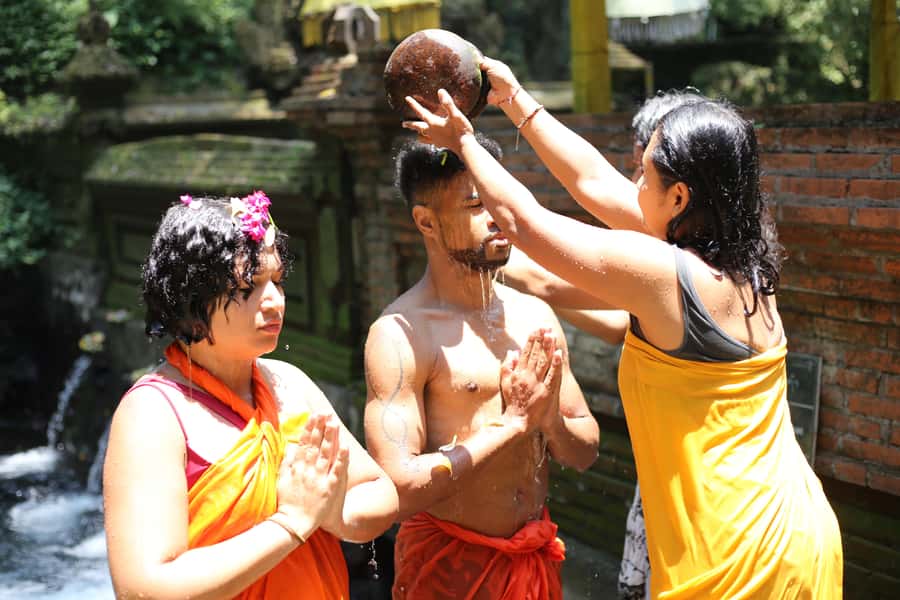
- Melukat purification at a local holy spring or temple, guided with prayers and offerings
- Balinese sound healing using sacred mantra sound for stress and emotional release
- Small group capped at 10 participants, so your English-speaking teacher can actually help
- Temple dress rules are practical, sarongs are provided for temple activities
- Food is included with vegetarian, vegan, and non-veg options plus drinks like water, coffee, and tea
Melukat and sound healing in Ubud: why this combo works
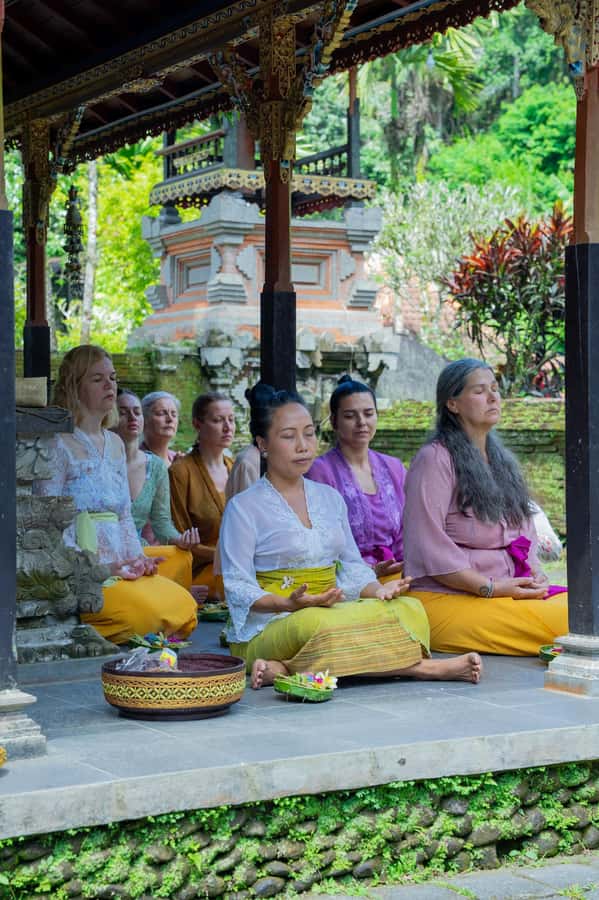
Ubud is full of wellness activities, but this one has a clear logic. It pairs Melukat (a Balinese purification ritual using holy water) with Balinese sound healing (mantra-style sacred sound meant to support emotional release and stress reduction).
In plain terms, Melukat focuses on spiritual cleansing. It’s believed to clear away negative influences and restore balance, using guided steps that typically include prayers and offerings, then the symbolic use of sacred water. After that kind of ritual attention, the sound session gives you a different pathway. Instead of water and prayers, you’re working with vibration and rhythm, which can be a powerful way to slow your mind down and let emotions settle.
And you do not need to be “religious” to get value here. What matters is respect and willingness to follow the guidance. This is a structured morning ritual, not a DIY spa class.
More Yoga Retreats in Bali
- Bali: Canggu & Uluwatu Puppy Yoga Class & Refreshing Drinks
★ 4.8 · 891 reviews - Bali: Full-Day Eat Pray Love Tour with Rice Terraces & Yoga
★ 4.9 · 349 reviews - Bali: Healing and Aura Cleansing Tour with Yoga & Meditation
★ 4.9 · 158 reviews
7 AM start: the Ubud morning photo stop and guided walk
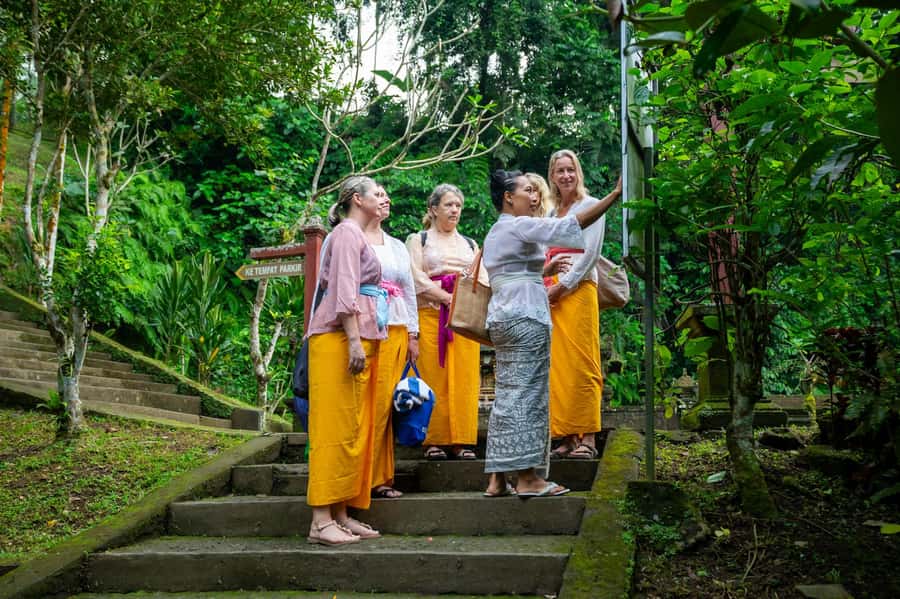
Your day runs as a true morning experience. The activity begins at 7 AM, with arrival instructions to be on time at the meeting point at Pranasanti Yoga, Ubud.
Before the main ritual, you’ll typically do a mix of:
- photo stop(s)
- a guided tour and sightseeing
- a walk with a safety briefing
- scenic viewpoints along the way
That early timing matters. It’s cooler, and it sets a calmer tone for the rest of the program, especially before temple time. It also means you get your steps in without turning the whole day into a sightseeing marathon.
One practical note: wear comfortable shoes. You’ll be walking, and you’ll also want stable footwear for any uneven ground near ritual locations. If you’re the type who hates morning starts, treat it like an advantage. You’re trading sleep for a quieter mental reset.
The holy spring or temple: what Melukat purification feels like
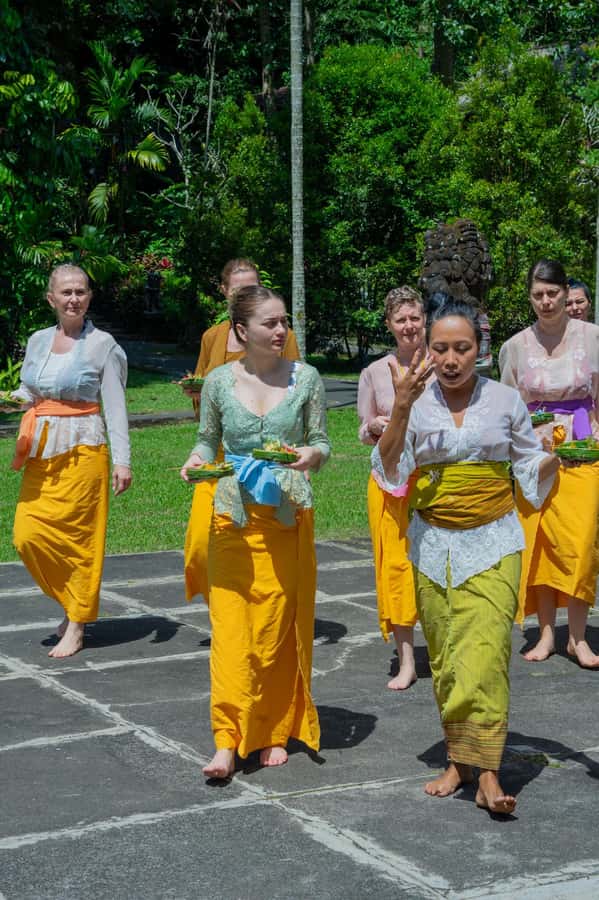
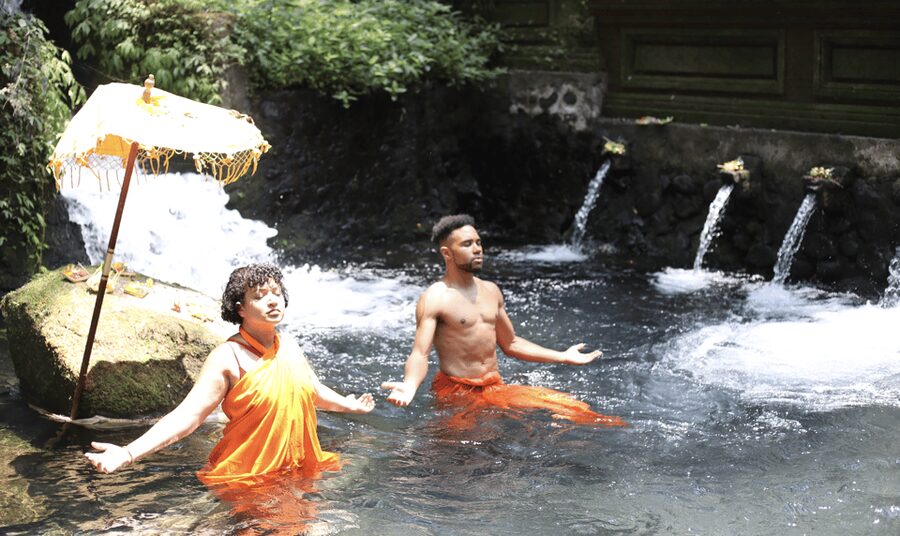
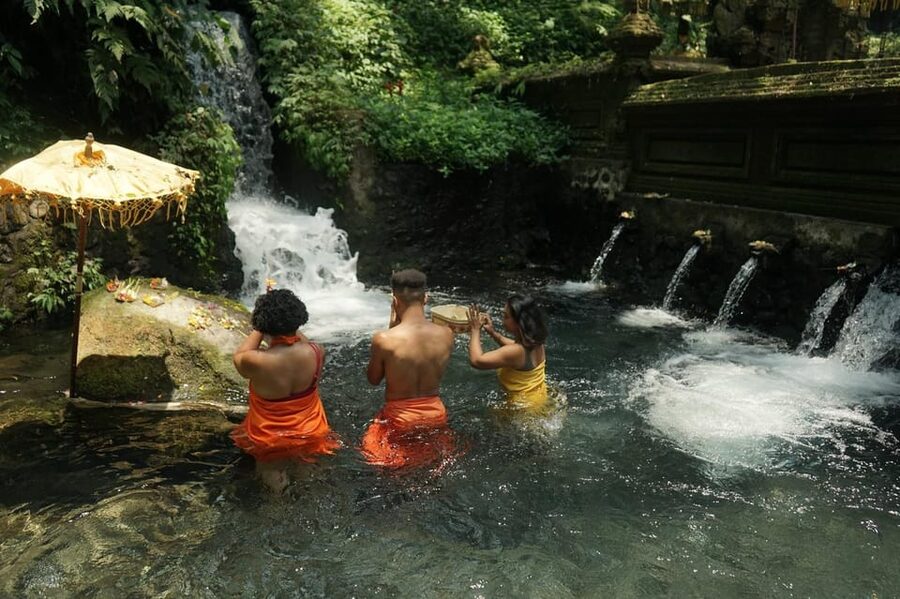
This part is the heart of the experience. You’ll take part in a guided Melukat ceremony at a local holy spring or temple. The program is explicit about what you’ll learn and do: ritual steps, prayers, offerings, and the symbolic use of sacred water.
What to expect from a participant mindset:
- You’ll be guided through the flow so you know what’s happening.
- You’ll handle small ritual moments like prayers and offerings rather than just standing nearby.
- You’ll use the sacred water in the symbolic, purification-focused way the ceremony teaches.
Dress and temple etiquette are handled carefully. Sarongs are provided for temple activities, and you’re asked to wear clothing that’s comfortable for walking and temple visits.
If you’re concerned about cultural sensitivity, this is a good sign: the program specifically calls out a major temple rule. Temple activity is not allowed for women during menstruation, and you’re expected to respect local customs and traditions.
Also, yes, this is spiritual work, but it’s still practical. You’ll want a change of clothes because you may get wet during the ritual. Bring something you’re comfortable wearing right after the ceremony.
Balinese sound healing with sacred mantra sound: calm that isn’t just silence
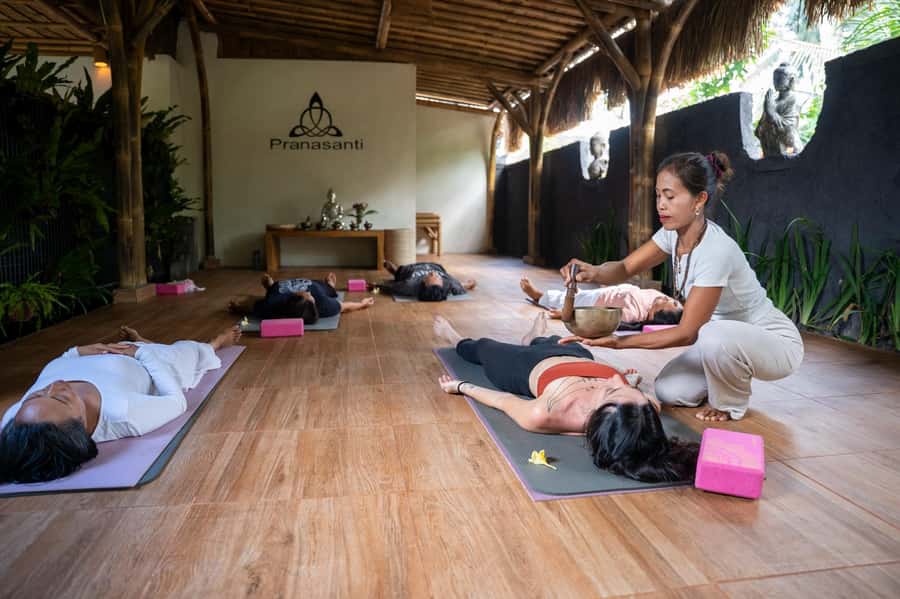
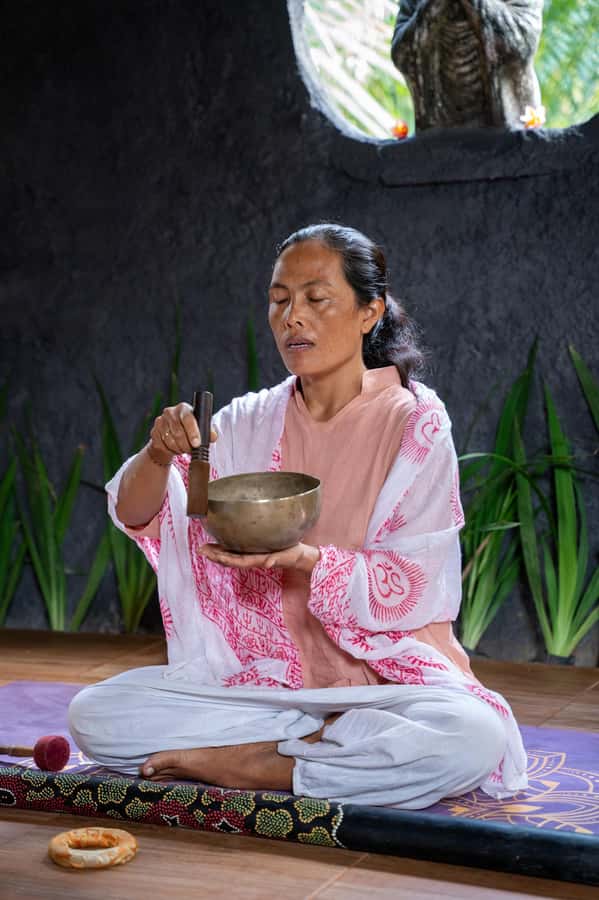
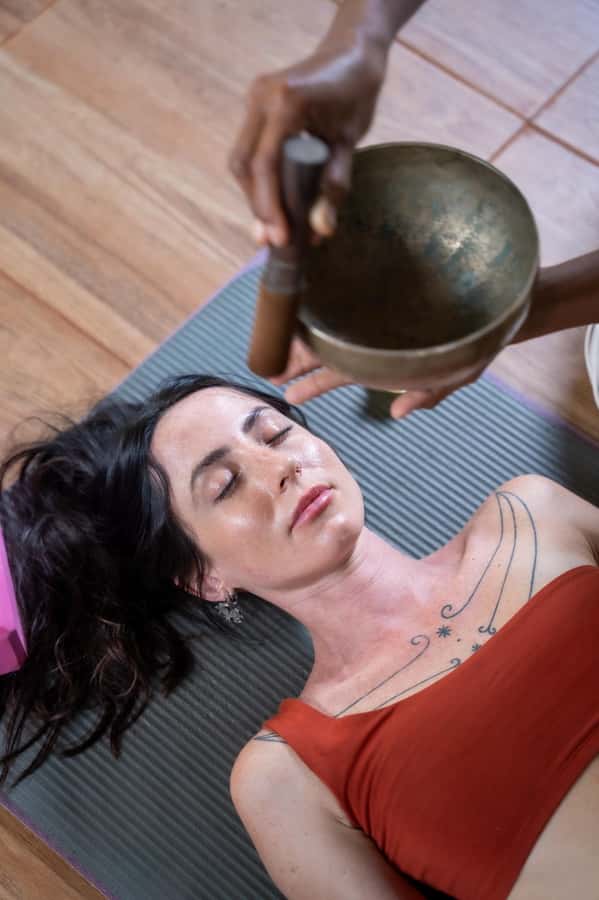
After Melukat, you shift from water ritual into sound healing. The program describes how Balinese Sound Healing uses sacred mantra sound and frequencies to help with stress reduction, emotional release, and a sense of vitality.
Here’s why this part can be more effective than you might think:
- Sound healing often works by changing your pacing. Even if your brain is busy, your body starts syncing with the rhythm.
- Mantra-style sound can give your mind a “handle,” something to focus on besides your thoughts.
- It’s a guided session, so you’re not left guessing what to do.
Even if you’re skeptical, I’d treat it as a focused listening break with structure. You’re already doing a ritual, so the sound session becomes the emotional follow-through. It’s the “now let it land” phase.
For a lot of people, the biggest value is feeling more centered afterward. The ritual flow makes that easier, because your attention stays on the same theme: cleansing, then harmonizing.
Another side of Indonesia:
- Bali: Sunrise Mount Batur Guided Hike with Breakfast
★ 4.8 · 9,660 reviews - Bali: Mount Batur Sunrise Guided Hike and Natural Hot Spring
★ 4.8 · 9,284 reviews - Bali: Full-Day Instagram Highlights Tour
★ 4.8 · 7,817 reviews - Bali/Nusa Penida: East & West Highlights Full-Day Tour
★ 4.7 · 6,263 reviews
Lunch after ritual: vegetarian, vegan, and non-veg options that keep you fueled
A major value point here is that you do not leave the experience hungry. Lunch is included, and the program supports multiple dietary choices:
- vegetarian
- vegan
- non-veg
You can usually choose Western or Indonesian style. Drinks like water, coffee, and tea are also included.
Why this matters for your day: after a morning of ritual participation, your body is doing more than you might realize. Even if you’re not exerting yourself heavily, you’re processing emotions, paying attention, and staying in a new routine from 7 AM onward.
I like that the meal coverage is built in. It reduces stress and keeps the experience smooth, instead of turning lunch into a scavenger hunt through Ubud.
Who this trip suits best (and who should skip it)
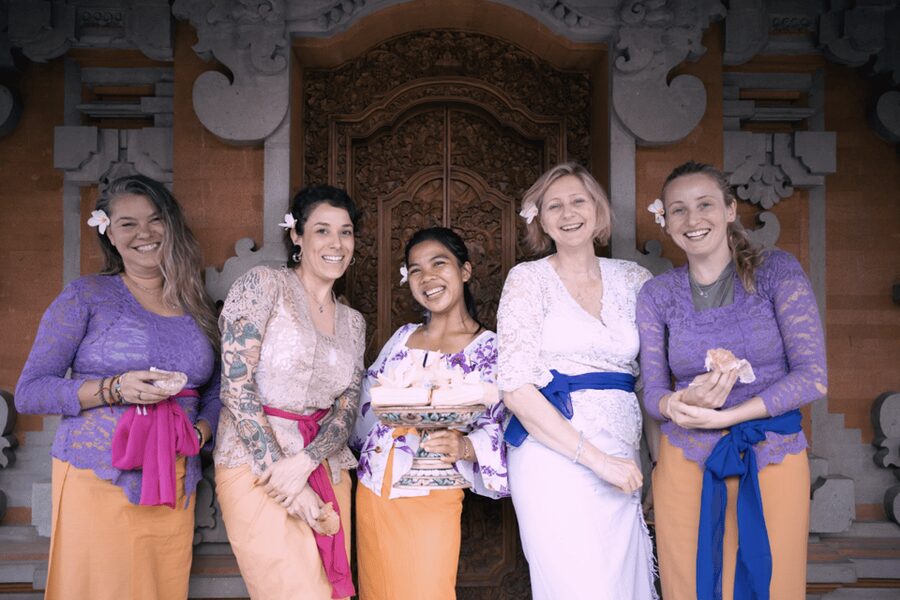
This is a wellness and culture experience, built around temple participation and guided ritual. So it’s ideal for you if you:
- want a real Balinese ritual, not just a generic “spa day”
- like guided structure, especially when temples are involved
- enjoy sound-based practices and calm reflection
- want a small group setting, limited to 10 participants
It’s not a great fit if you:
- are pregnant or have serious health conditions
- have back problems (because the routine involves walking and ceremony participation)
- need wheelchair access
- struggle with altitude sickness (the program notes it is not suitable)
- are over 95 years
And the temple rule about menstruation is important. If you’re traveling as a woman and this timing might come up, plan ahead. The program states temple activity is not allowed during menstruation, so you may need to consider whether the experience aligns with your needs that day.
Price and value: is $55 really fair for 6 hours in Ubud?
At $55 per person for about 6 hours, the price feels reasonable because you’re getting multiple things that normally add up separately.
Here’s what’s included:
- guided local teachers in English
- an English-speaking guide component plus Indonesian support
- temple entrance ticket
- drinks (water, coffee, tea)
- lunch with multiple diet options (vegetarian, vegan, non-veg)
- optional pickup within the Ubud area
- sarong support for temple activities
When you price those components individually, the math makes more sense. The guide time and the temple access are the big anchors, and the meal plus drinks keep the day comfortable and efficient.
Also, the small group limit of 10 helps value. You’re less likely to get rushed or ignored, which matters when the ritual includes steps and etiquette.
Practical tips that make the day easier (and more respectful)
Bring the basics listed for the activity, because they map to what the day actually demands.
What to pack
- comfortable shoes for the walk
- comfortable clothes suitable for walking and temple visits
- a change of clothes (wet ritual possibility)
- a rain layer, since the activity proceeds rain or shine
Temple and etiquette
- sarongs are provided, but you should dress respectfully
- alcohol and drugs are not allowed
- you should avoid littering, basic but important
Your energy planning
You start at 7 AM and you’re moving through sightseeing, then ceremony, then sound work, then lunch. I’d plan to keep your evening light after. If you go hard right after the ritual, it’s harder to notice any of the benefits the program is trying to create.
Should you book? My decision guide for Pranasanti By Luh Manis
If you want a morning in Ubud that feels purposeful, this is the type of experience that usually delivers. The combination of Melukat and Balinese sound healing is a strong match for people who want both spiritual ritual and a guided way to calm the mind.
Book it if:
- you care about cultural accuracy and respectful temple participation
- you want a small group (limited to 10)
- you appreciate that lunch and drinks are included
- you’re open to ritual guidance rather than treating it like a photo opportunity
Skip it if:
- you need wheelchair-friendly or stroller-friendly access
- your body can’t handle walking or ceremony participation
- temple participation would be an issue due to menstruation timing
- you’re not comfortable with an early 7 AM start and rain-or-shine conditions
Overall, for $55 and a 6-hour structured morning, this is good value when you want more than sightseeing. You’re trading novelty for meaning, and the day is designed to leave you feeling calmer and more centered than you started.
FAQ
What time does the experience start in Ubud?
The activity begins at 7 AM, and you should arrive on time at the meeting point.
Where do we meet for the tour?
The meeting point is Pranasanti Yoga, Ubud.
How long is the experience?
The duration is listed as 6 hours.
Is pickup available?
Pickup is optional within the Ubud area. You should be ready in your hotel lobby for pickup if you choose that option.
What happens during the Melukat purification?
You get a guided Melukat ceremony at a holy spring or temple. The program includes ritual steps such as prayers, offerings, and the symbolic use of sacred water.
What is Balinese sound healing in this program?
After Melukat, you’ll take part in a therapeutic sound healing session using sacred mantra sound, intended to support emotional release, reduce stress, and enhance vitality.
What food and drinks are included?
The price includes drinks like water, coffee, and tea, plus lunch with options for vegetarian, vegan, or non-veg. You can choose Western or Indonesian style.
Are there any temple restrictions for women?
Temple activity is not allowed for women during menstruation, and you’re asked to respect local customs during temple visits and rituals.
What should I bring, and what should I avoid?
Bring comfortable shoes, comfortable clothes, and a change of clothes. The activity proceeds rain or shine, so consider rain gear. Alcohol and drugs are not allowed, and littering is prohibited.
More Massage & Relaxation in Bali
- Bali: Traditional Balinese Massage at Your Residence
★ 4.8 · 395 reviews - Bali: Luxury Spa Balinese Massage scrub Flower bath 2 Hour
★ 4.9 · 77 reviews - Body Massage Experience in Ubud Traditional Spa
★ 5.0 · 3,506 reviews - Ubud: Riverside Spa Treatment near Bali Zoo
★ 4.9 · 315 reviews
Just added around Bali
- Private Tour: Bali UNESCO World Heritage Sites★ 5.0 · 62 reviews
- Bali ATV Ride with Waterfall Dragon Cave and Lunch by Penidago★ 4.5 · 7 reviews
- Foodie Tour Bali★ 5.0 · 7 reviews
- Mount Batur Jeep Sunrise by 4WD with Breakfast★ 5.0 · 18 reviews
- The Three Temples of Bali Half Day Private Tour★ 4.0 · 5 reviews
- Mount Agung Sunrise Trekking Private Tours★ 5.0 · 11 reviews
- Private Departure Transfer: Hotel to Bali Airport★ 3.5 · 14 reviews
- Pure Bali Village Experience, Cooking & Jamu Class+VIP Transfer★ 5.0 · 16 reviews
Yoga & Wellness Retreats, compared.

Canggu & Uluwatu Puppy Yoga Class & Refreshing Drinks
Read our review →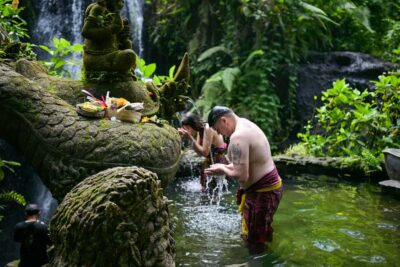
Taman Beji Griya Waterfall: Holy Bathing/Soul Retreat Ritual
Read our review →
Full-Day Eat Pray Love Tour with Rice Terraces & Yoga
Read our review →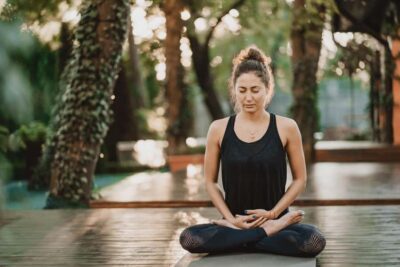
Healing and Aura Cleansing Tour with Yoga & Meditation
Read our review →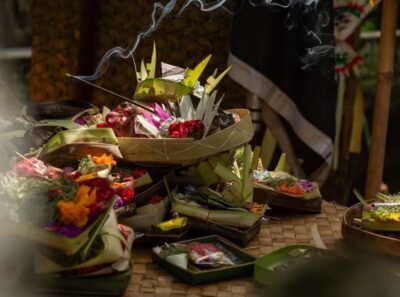
Soul Retreat & Holistic Mantra Healing Experiences
Read our review →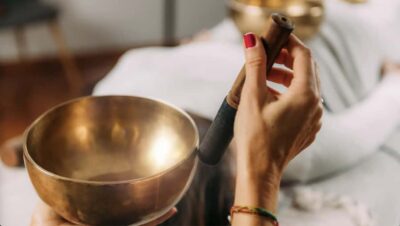
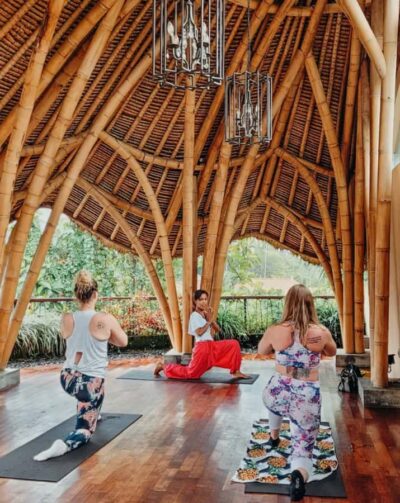

Browse the lists this tour appears in