
REVIEW · NUSA PENIDA TOURS
Bali/Nusa Penida: 3 Fun Dives to Manta Point, Mola & Reef
Mantas and mola share your swim day. This full-day Nusa Penida outing from Bali pairs Manta Point with two other top underwater stops, all guided by PADI-certified instructors, with boat rides and a lunch box handled for you. I like that it feels focused and practical: you check in, get geared up, and spend the day doing what you came for.
One thing to weigh first is conditions. Even when guides run a tight schedule, currents and visibility can vary, and the speedboat ride from Sanur can be bumpy, especially on the way out.
In This Review
- Key highlights I’d plan around
- Why Nusa Penida from Bali is a smart, efficient choice
- Meeting in Sanur, or getting picked up in Kuta, Seminyak, and Jimbaran
- The harbor start: safety briefing and a speedboat transfer
- Manta Point: where your day can turn into a highlight reel
- Crystal Bay: the reef stop that keeps things lively
- A lunch break at the secret stop, then SD Point for the third session
- Gear and what’s included, plus the one extra you might need to budget
- Your guides matter: what Ketut and Katuh’s attention looks like in practice
- Best months for mola-mola, and how to handle less-than-ideal conditions
- Who this trip is best for, and who should skip it
- Price and value: what $197 gets you, and what to check before you go
- Should you book this Bali to Nusa Penida scuba day?
- FAQ
- Is this trip only for certified scuba participants?
- What underwater sites are included?
- How long does the outing take?
- Are manta rays and mola-mola guaranteed?
- Is hotel pickup included?
- Where do I meet if I do not want pickup?
- What’s included in the price?
- What is not included?
- How much does equipment rental cost?
- What should I bring?
Key highlights I’d plan around
- Manta Point: a strong chance at seeing manta rays, year-round.
- Mola-mola season: best odds July to October.
- Three guided underwater sessions: Manta Point, Crystal Bay, and SD Point.
- All the core gear: tanks, weights, and belt included.
- Comfort basics covered: bottled water, snacks, and a lunch box are included.
- Meet in Sanur or get picked up: hotel pickup from select areas, or meet at the operator’s office.
Why Nusa Penida from Bali is a smart, efficient choice
Nusa Penida has a reputation for big animals and strong underwater scenery, but it’s also a logistics game. This kind of day trip helps you win that game without spending your vacation figuring out boats, schedules, and site order.
I like how this trip is built for certified scuba participants only. That means you’re not waiting around for a first-timer course, and the group can move smoothly through the day. You also get a clear rhythm: harbor check-in, boat transfer, then three focused underwater sessions with guidance throughout.
You are, however, spending most of the day on the water and in transit. If you get motion sick easily or you really hate long boat rides, plan around that upfront, because the trip runs about 8 to 9 hours from start to finish.
A few more Batoemadeg trips to compare
- Nusa Penida: Snorkeling 3 Spots with GoPro & West Land Tour
★ 4.7 · 3,857 reviews - From Bali: Snorkeling 3 Spots with GoPro & West Penida Tour
★ 4.5 · 1,996 reviews - From Lembongan: Manta Point Snorkeling & West Penida Tour
★ 4.6 · 225 reviews
Meeting in Sanur, or getting picked up in Kuta, Seminyak, and Jimbaran
You have two straightforward options. You can meet at the operator’s Sanur office reception desk, or choose hotel pickup from Sanur, Kuta, Seminyak, or Jimbaran.
If you go the pickup route, the driver contacts you the day before or up to two hours before pickup. The operator specifically asks you to keep your WhatsApp number active, because that’s how timing gets confirmed.
This part matters more than it sounds. Sanur is where the boats and schedule are set, so arriving on time helps everything else run on track. Also, when you arrive, you’ll need to show your scuba certification card for registration, and the staff will help handle your transfer arrangements from there.
The harbor start: safety briefing and a speedboat transfer
Once you’re checked in, you’ll do a safety briefing and head to the Sanur harbor. Then you’re on a speedboat transfer, roughly 45 minutes at the start, before you reach the first site.
A speedboat is part of the deal, and one diver noted the ride can be bumpy. That’s not a reason to avoid the trip, but it is a reason to pack smart. Sunglasses, sun protection, and a change of clothes in your day bag help a lot because you will be out in the elements for portions of the trip.
Right after arrival, you get to your first underwater session. The structure is simple and practical: guidance before water, gear sorted, then you’re underwater doing the main event.
Manta Point: where your day can turn into a highlight reel
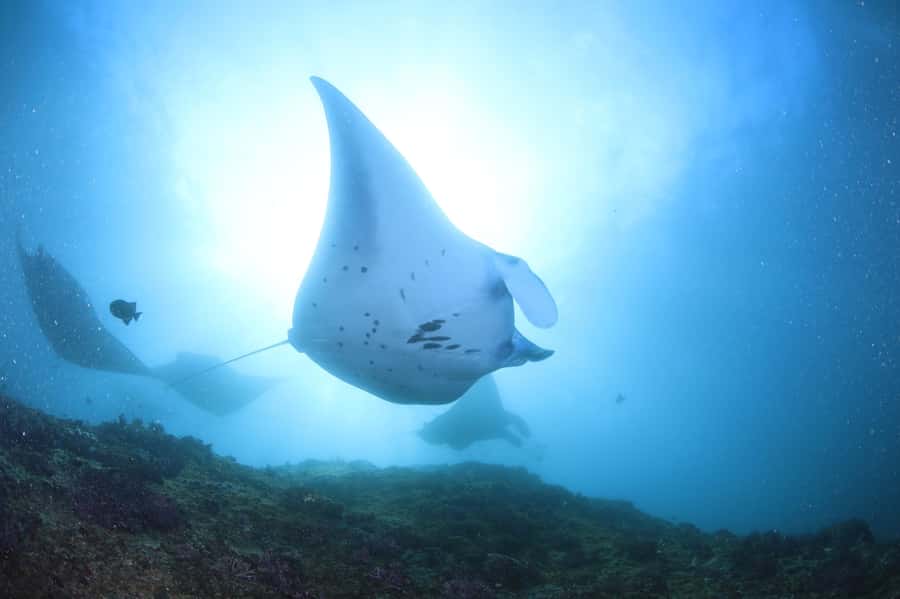
Manta Point is the star name, and for good reason. This is one of the best-known spots for manta rays around Nusa Penida, and the operator states manta sightings are common year-round.
What I like about aiming for manta rays here is that the site is built for drift-style animal encounters. You’re not stuck searching alone. You’re also not doing a random scavenger hunt. The day is designed around this first big target, then building your route from there.
Because conditions can change, your actual experience may vary by day. Still, if manta rays are on your wish list, this is exactly the kind of structured day trip you want: you’re traveling with certified support, not winging it.
Practical tip: when you’re suiting up and before you splash in, double-check your weight setup and your comfort level. One diver reported having to get weight belts on a later session rather than right away, so if you have specific preferences, ask early at check-in.
Another side of Indonesia:
- From Bali: Nusa Penida Private Snorkeling and Land Tour
★ 4.6 · 103 reviews - From Bali : Snorkeling & Nusa Penida Island Tour with Lunch
★ 4.6 · 93 reviews - Nusa Penida: Snorkel 3 Spots w/ GoPro & Mangrove Paddle Tour
★ 4.6 · 34 reviews - Explore Penida in one day trip-All inclusive
★ 4.6 · 29 reviews
Crystal Bay: the reef stop that keeps things lively
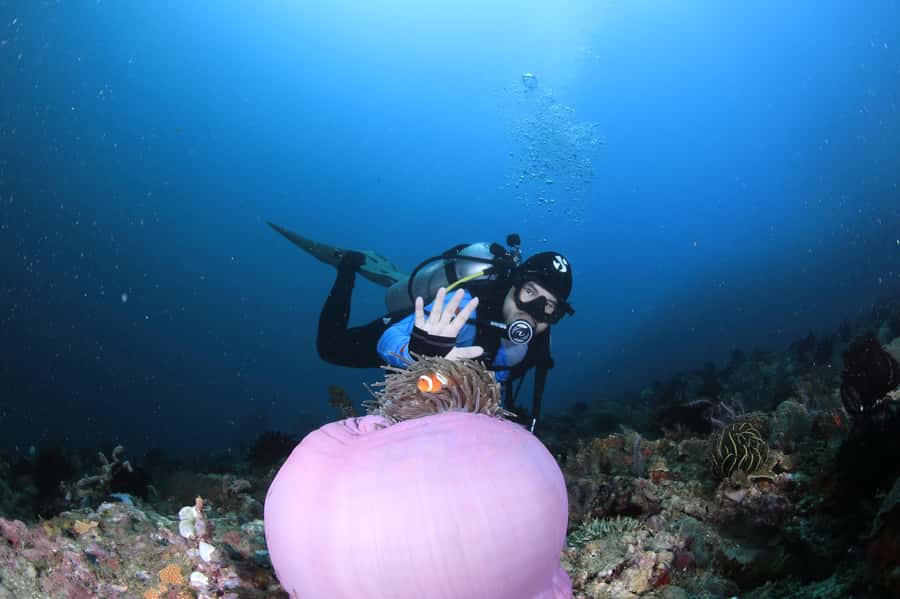
After Manta Point, the route continues to Crystal Bay for your second underwater session. This is where the day often shifts from big-animal anticipation to reef-and-fish variety.
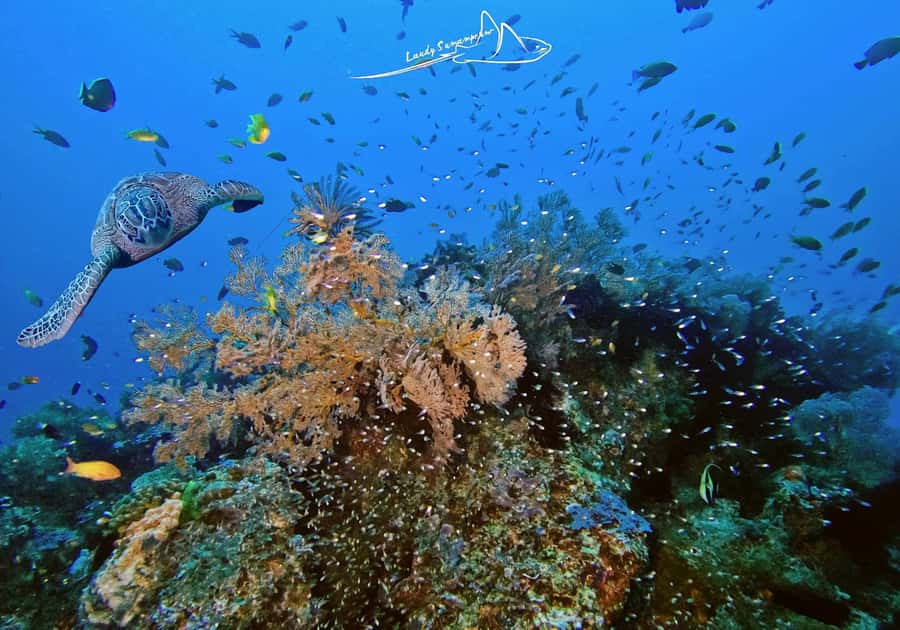
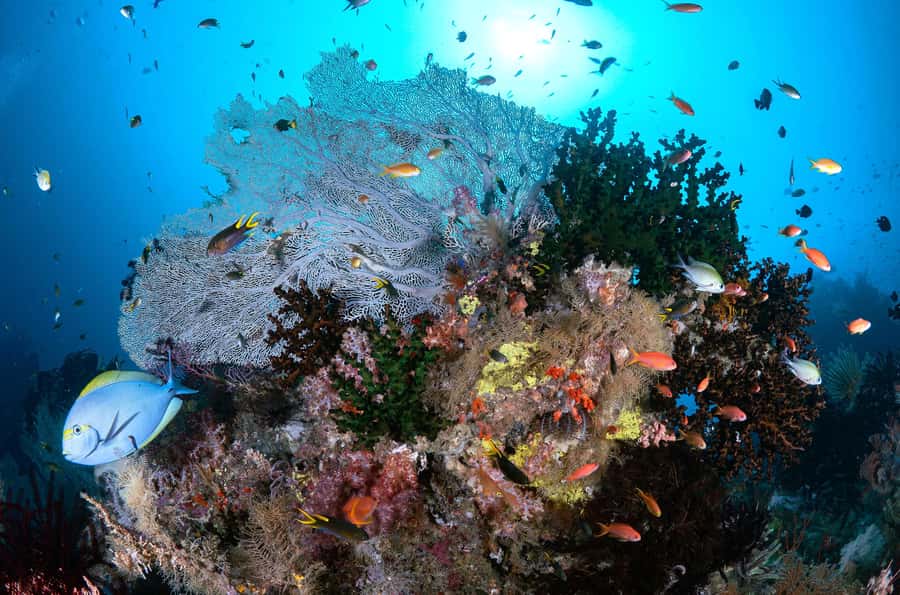
Even on days when visibility isn’t perfect, reef sites tend to keep you busy. You’ll still have a lot to watch: schools of fish, coral structures, and the kind of underwater textures that make a scuba day feel complete rather than single-focused.
One review credited a guide with strong attention to the experience, including taking lots of videos and photos. You should not expect that your guide will do the same for everyone, but it’s a good sign that some guides put real effort into capturing the moment for their group.
If you care about maintaining buoyancy comfort, keep your breathing calm and your body relaxed. A steady trim helps you glide through the water and look longer, rather than rushing your scan.
A lunch break at the secret stop, then SD Point for the third session
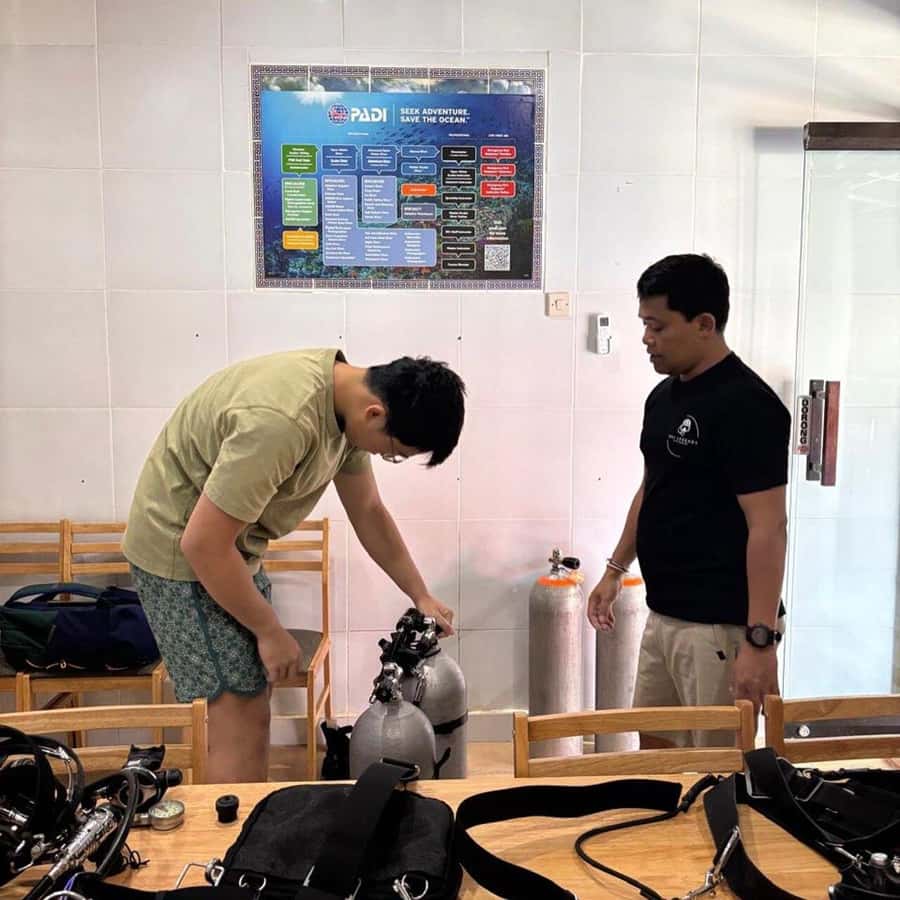
Between the second and third underwater sessions, there’s a lunch stop described as a secret stop. Don’t overthink the name. It’s basically the point in the day where you eat, catch your breath, and reset before SD Point.
The trip includes light refreshments and a lunch box. It’s not described as a full meal, so if you’re hungry-hungry, you might still want snacks you bring yourself. But for many people, the provided lunch box plus onboard snacks hits the right middle ground for an 8 to 9 hour day.
Then you head to SD Point for the third underwater session. This final stop is where the day can feel like it pays off twice: you get another chance at major marine life, and you finish with more of the island’s underwater flavor.
One small timing detail: after the third session, you’re back on the speedboat for about 1 hour return to the harbor. That puts the whole schedule into a full-day rhythm, so plan your energy accordingly.
Gear and what’s included, plus the one extra you might need to budget
Here’s the value breakdown that matters: tanks, weights, and belt are included. You also get PADI or equivalent certified guidance, plus marine park and site entry fees.
So what can still cost extra? Two big items are mentioned clearly:
- Dive insurance is recommended but not included.
- Equipment rental costs IDR 400,000 per person for a full set (BCD, regulator, wetsuit, fins and boots, mask and snorkel).
If you already travel with your own gear, this trip can be a clean value. If you don’t, factor in the rental cost so you can compare this option to other Penida trips without getting surprised later.
Also, this trip is for certified scuba participants only (Open Water or above). One diver mentioned a problem with certification validation when their training agency was SSI and the shop couldn’t validate the dives at the time. You can avoid stress by contacting the operator ahead of time if you are not PADI, or if your certification documentation is not straightforward.
Your guides matter: what Ketut and Katuh’s attention looks like in practice
The best part of a day like this is often not the route, it’s the people running it. Multiple comments point to excellent organization and friendly, prepared guidance.
Names that came up include Ketut and Katuh. One diver said the instructor was professional and patient, and that Ketut went above and beyond to make sure the experience felt smooth. Another noted Katuh did a great job guiding them and also helped by taking a lot of videos and photos.
That kind of support is especially important on Penida days because conditions can shift. A good guide helps you:
- stay on schedule without rushing,
- keep your buoyancy comfortable,
- and see more during the time you have underwater.
One more practical note based on a reported issue: if you want a scuba computer, or you have a very specific weight preference or placement, communicate it during check-in. Don’t assume it will be handled automatically.
Best months for mola-mola, and how to handle less-than-ideal conditions
If mola-mola are your main target, plan around season. The operator states mola-mola are best from July to October. Manta rays are described as common year-round, which is useful if you’re traveling outside peak months.
Even with the right timing, you can’t control the ocean. The operator also notes that underwater sites may change due to weather or sea conditions. That’s normal for Penida, but it means you should treat the schedule as flexible rather than rigid.
When conditions are not ideal, the best approach is mindset plus habits:
- Stay calm and let your guide lead the navigation.
- Focus on smaller things too, fish behavior and coral texture, not only animals.
- Take your time during the safety stop and ascent, because rushing tends to add stress.
One diver mentioned the conditions weren’t the best on their day, but that the shop and guide were not the problem. That lines up with how these trips work in real life: weather affects visibility, but good guidance still makes the experience safer and more rewarding.
Who this trip is best for, and who should skip it
This is a certified scuba-only day. It’s not for non-swimmers or people who want a first-time trial. It’s also not for everyone on the body or mobility front.
It’s specifically listed as not suitable for:
- pregnant women
- wheelchair users
- people with altitude sickness
- babies under 1 year
- people over 95 years
- people over 70 years
So who should consider it? This fits best for:
- certified Open Water to advanced scuba participants,
- animal-focused divers who want structured access to Manta Point,
- and anyone who prefers guided support over planning their own boat and site order.
Also, bring the basics that make the day more comfortable: swimwear, sunscreen, a sun hat, sunglasses, a towel, and a change of clothes. You’ll get wet, you’ll get sun, and you’ll want to dry off during transitions.
Price and value: what $197 gets you, and what to check before you go
At $197 per person for an 8 to 9 hour outing, the value comes from what’s bundled: three guided underwater sessions, tanks and weight gear, onboard water and snacks, a lunch box, and site entry fees.
Where the price can shift for you is in the extras:
- equipment rental if you need it (IDR 400,000 full set),
- scuba insurance, which is recommended but not included,
- and hotel pickup outside select areas, which is described as having an additional charge.
Compared to piecing together a boat and paying for entry fees separately, the bundled structure is often the difference between a smooth day and a complicated one. The schedule is built around boat transfers and three sessions, so you’re paying for organization and access.
My practical advice is simple: confirm whether your certification card will be accepted for their registration process, and ask about scuba computer availability if you rely on one. A small pre-trip question can prevent the kind of last-minute problem one diver described.
Should you book this Bali to Nusa Penida scuba day?
I’d book it if you want manta rays as a clear target and you’re happy with a full-day boat-and-water schedule. The combination of Manta Point plus Crystal Bay and a third site like SD Point, all with certified guidance and the core gear included, makes it a strong value for a single day.
I would hesitate if you are sensitive to motion on speedboats, or if you need very specific dive logistics like guaranteed dive computers and exact weight setup. In that case, message the operator before you pay, and be explicit about your equipment preferences and certification details.
If you’re a confident certified scuba participant traveling with the right expectations, this kind of trip is one of the most efficient ways to turn Bali into a Penida animal day.
FAQ
Is this trip only for certified scuba participants?
Yes. It is only available for certified divers, with Open Water or above required. You’ll also need to show your scuba certification card when you check in.
What underwater sites are included?
The trip includes three guided underwater sessions at Manta Point, Crystal Bay, and SD Point. There is also a lunch stop during the day.
How long does the outing take?
The duration is listed as 8 to 9 hours.
Are manta rays and mola-mola guaranteed?
No. The operator notes manta sightings are common year-round, while mola-mola are best from July to October. Sightings are seasonal and depend on conditions.
Is hotel pickup included?
Hotel pickup is available from Sanur, Kuta, Seminyak, and Jimbaran. Additional charge may apply outside these areas. You can also meet at the operator’s Sanur office.
Where do I meet if I do not want pickup?
Meet at the operator’s office in Sanur at the reception desk and present your booking confirmation. You’ll also present your scuba certification card.
What’s included in the price?
Included are 3 guided sessions, a certified dive guide, tanks, weights, and belt, marine park and site entry fees, bottled water and light snacks onboard, snack on the boat, and an included lunch box.
What is not included?
Dive insurance is not included, and it is recommended to arrange it separately. Equipment rental is not included, and there is also no certification course included for non-certified participants.
How much does equipment rental cost?
Equipment rental is listed as IDR 400,000 per person for a full set: BCD, regulator, wetsuit, fins and boots, and mask and snorkel.
What should I bring?
Bring sunglasses, a sun hat, change of clothes, a towel, and sunscreen, plus beachwear and your scuba certification card.
Just added around Batoemadeg
- Nusa Penida: Snorkel 3 Spots w/ GoPro & Mangrove Paddle Tour★ 4.6 · 34 reviews
- Nusa Penida: Tembeling Beach, Goa Giri Putri & Diamond Beach★ 3.7 · 5 reviews
- Nusa Penida: Ecotourism, Seaweed Farming & East Tour★ 5.0 · 4 reviews
- Nusa Penida: Private One Day Trip Adventure Package★ 4.8 · 24 reviews
- Nusa Penida: Private One Day Tours Package★ 4.4 · 5 reviews
- Nusa Penida: Private Car Rental★ 4.3 · 21 reviews
- From Sanur : Snorkeling and Land Excursion at Nusa Penida★ 3.9 · 5 reviews
- From Bali : Snorkeling & Nusa Penida Island Tour with Lunch★ 4.6 · 93 reviews
Nusa Penida Tours, compared.
️Nusa Penida by Private Boat – Snorkeling 4 spots, Swim with Mantas + Land Tour
Read our review →
Bali/Nusa Penida: East & West Highlights Full-Day Tour
Read our review →
Snorkeling 3 Spots with GoPro & West Land Tour
Read our review →
Swim with Manta Rays in Penida, Optional Lunch & Kayak
Read our review →
Nusa Penida Private Snorkeling Tour with Lunch
Read our review →
Nusa Penida day trip: boat, 4 snorkeling, Manta rays & Land tour
Read our review →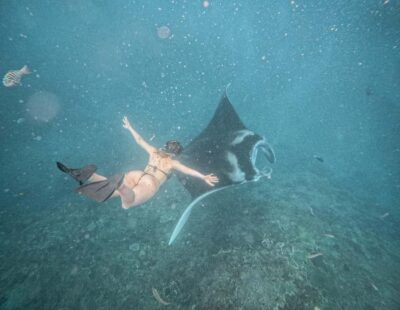
Snorkeling 3 Spots with GoPro & West Penida Tour
Read our review →Browse the lists this tour appears in