
REVIEW · FARMS
Nusa Penida: Ecotourism, Seaweed Farming & East Tour
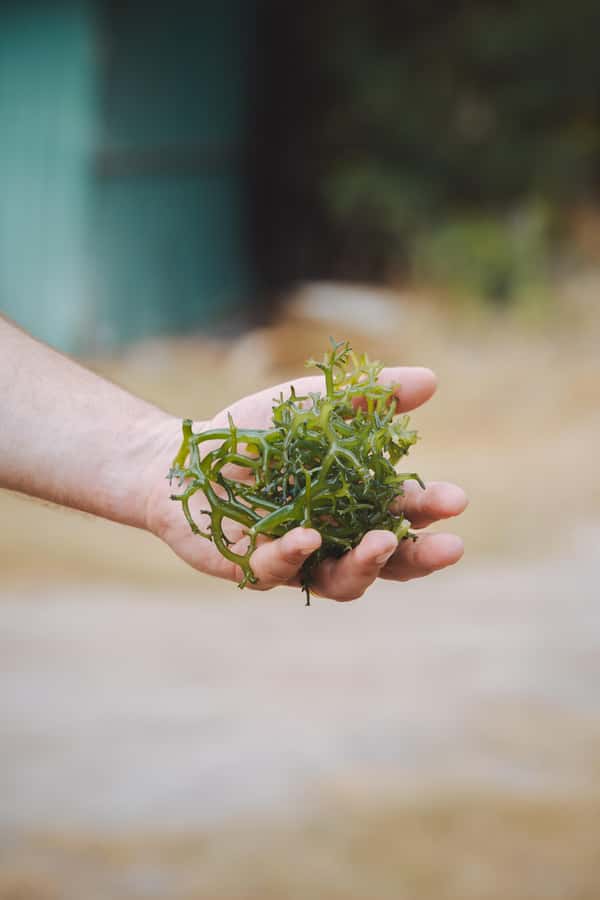
A quiet island day with real work. This East Nusa Penida tour brings you close to the coastal community, showing how conservation and seaweed farming work together for a living ocean.
I especially like the local angle. You’re not just pulled from viewpoint to viewpoint, you get time with the people who grow, harvest, and care for the marine environment.
One possible drawback: this is a hands-on day, so you should be ready for sun, salt, and getting a bit involved, not just taking photos the whole time.
The best part for me is the practical learning. You can help with tasks like tying and planting seaweed, plus see the conservation work behind it. In one of the standout guide moments, Festi makes room for lots of questions and turns the day into a real culture Q and A.
You’ll also see the conservation side that goes beyond seaweed. Coral recovery work and algae preparation are part of the day’s conservation theme, and you get a chance to participate.
If you prefer a very laid-back, no-effort beach day, the mix of farm time plus coastal stops may feel packed in only 6 hours. Still, that tight timing is also why the day feels efficient and good value.
In This Review
- Key highlights you’ll care about
- East Nusa Penida by the people who live there
- Seaweed farming hands-on, not a slideshow
- Conservation work: coral recovery and algae prep
- Atuh Beach: dramatic views with an eco-minded pace
- Diamond Beach: classic East Penida scenery
- The Treehouse stop: a quick, photogenic cultural waypoint
- Transportation and timing that keep the day focused
- Guide Festi and the value of real Q and A
- What’s included, and why that price makes sense
- Who should book this East Penida eco tour
- Should you book it
- FAQ
- How long is the Nusa Penida Ecotourism, Seaweed Farming & East Tour?
- What is the price per person?
- How big is the group?
- What languages are the tour guide available in?
- What is included in the tour?
- Which places are included in the tour?
- Can I cancel or book later?
Key highlights you’ll care about
- Small group, max 8 people, so you’re not lost in a crowd.
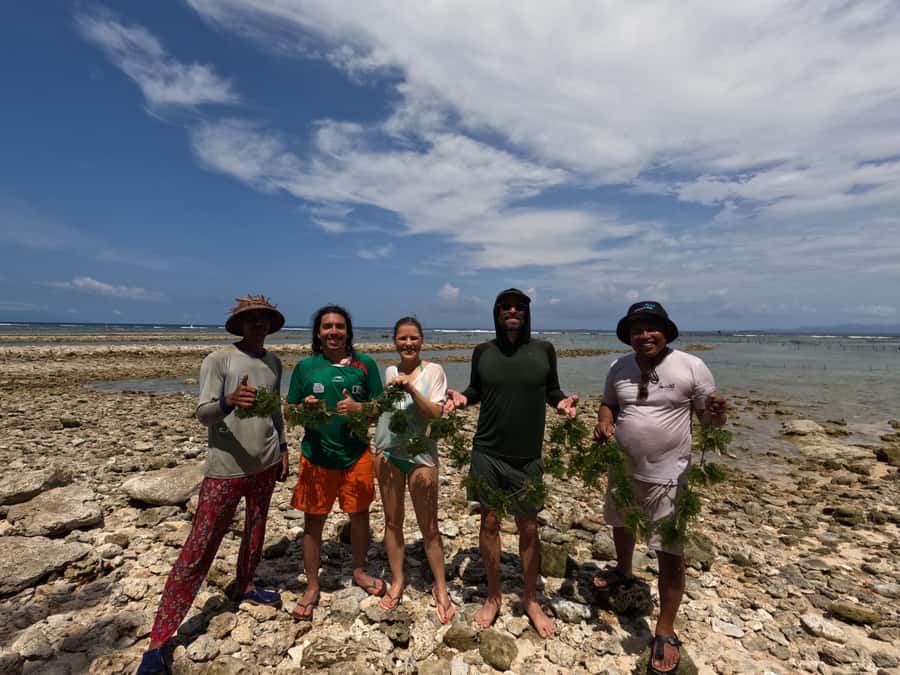
- Hands-on seaweed farming, including tying and planting with local farmers.
- Conservation focus, including coral recovery and algae preparation.
- Iconic East Penida stops, Atuh Beach, Diamond Beach, and the Treehouse.
- Guide with real communication skills, with English, Indonesian, and German support.
East Nusa Penida by the people who live there
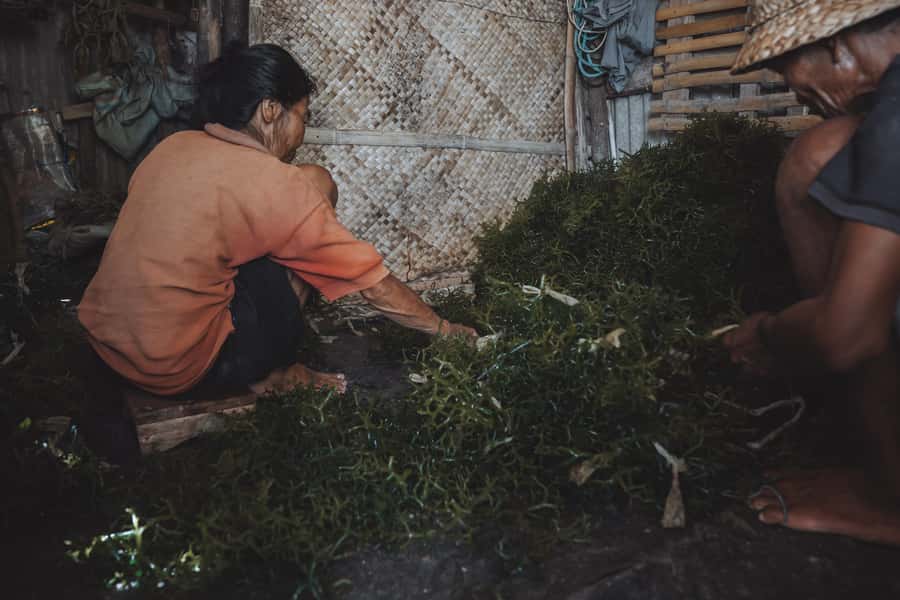
East Nusa Penida has a reputation for dramatic coastlines, but what makes this tour feel different is the human layer. Instead of treating the island like a backdrop, the day is built around the local community and their working relationship with the sea.
You start with that mindset, then you keep it through the day. Seaweed farming is not presented as a random hobby, it’s framed as a practical way to support livelihoods while protecting the ocean. That’s the tone you’ll feel throughout.
Also, the group size matters here. With a small group limited to 8 participants, you get time for questions, and the guide can actually help you connect the dots between what you’re seeing and how people live.
A few more Batoemadeg trips to compare
- Ubud: Balinese Cooking Class at an Organic Farm
★ 5.0 · 1,786 reviews - Balinese Farm Cooking Class by Pemulan Bali
★ 5.0 · 410 reviews - Bali: Traditional Villages, Salt Farm & Tirta Gangga Tour
★ 4.9 · 31 reviews
Seaweed farming hands-on, not a slideshow
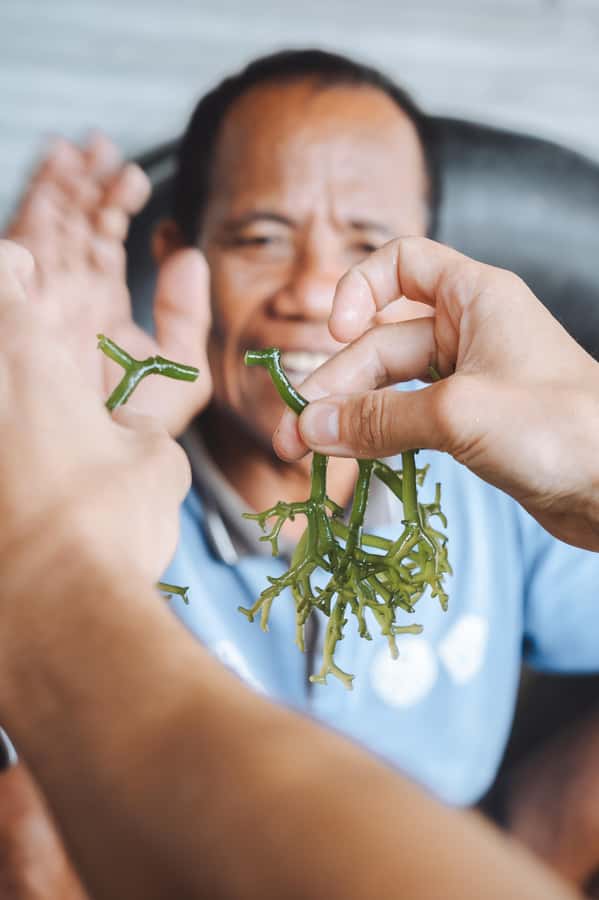
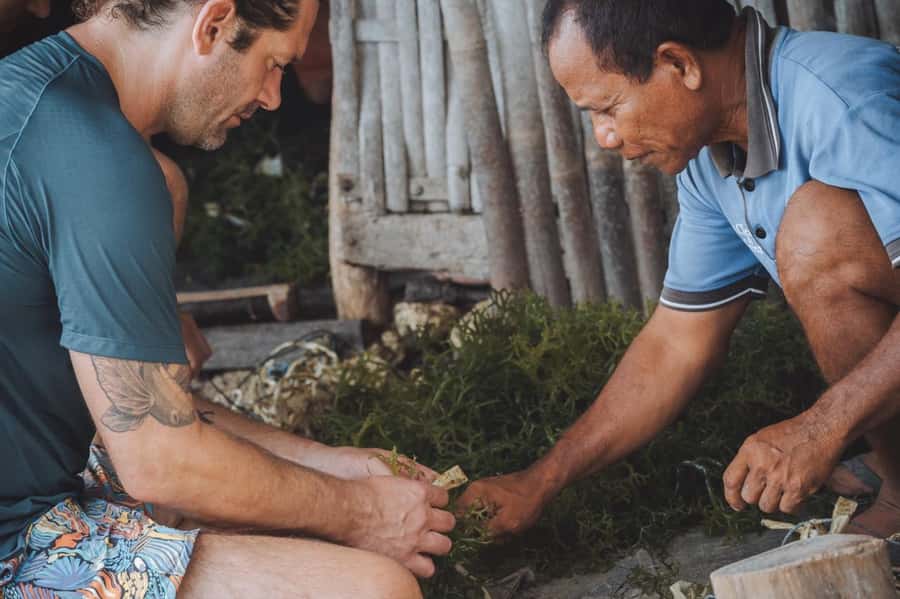
The heart of the experience is the seaweed farm segment. You learn how local seaweed farmers grow and harvest this ocean resource, and you don’t just watch from the edge.
From the experience details you’ll be able to do simple, real-life tasks, like tying and planting the seaweed. That kind of participation is worth it because it changes how you see the place. A beach becomes more than a view when you’ve touched the work that happens in the background.
You’ll also learn about uses. The tour isn’t vague about it. It’s aimed at showing why seaweed matters in practical terms, and how the farming process supports daily life.
One nice touch is the social feel. In at least some cases, the farmer community can include lunch in a personal setting. I like that because it turns your meal from a generic add-on into a cultural moment.
Conservation work: coral recovery and algae prep
This isn’t only a farm tour. The day also leans into conservation and the science-adjacent side of taking care of coastal ecosystems.
You may see the coral recovery work firsthand. That’s a powerful contrast to the usual island tourism pattern. Coral recovery tends to be slow and unglamorous, but seeing it in real working conditions helps you understand why sustainability takes consistent effort.
You can also get involved with algae preparation. This is one of those details that makes the day feel grounded, because you’re not learning about conservation only in theory. You’re watching practical steps, then performing parts of them.
If you care about responsible tourism, this is where the tour earns its ecotour label. You get a sense of how the community thinks about environmental recovery as a long-term practice, not a one-time project.
Atuh Beach: dramatic views with an eco-minded pace
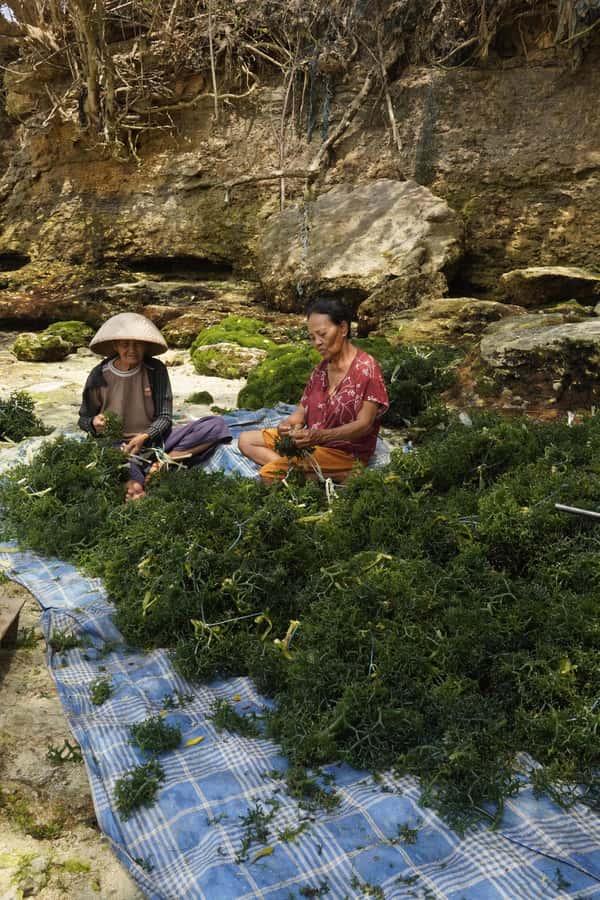
Atuh Beach is one of the East Penida stops built for real scenery. Expect coastal drama, great photo angles, and that feeling of being on the edge of the island.
What matters for your day is how the stop fits the overall rhythm. You’re not starting the day with the beach and forgetting everything else. You’re coming from conservation and seaweed farming, so Atuh Beach lands differently. You notice the coast as an ecosystem, not just a viewpoint.
A practical consideration: beaches can be windy and bright. Bring sun protection and expect salt air to follow you. If you’re sensitive to sand or water on your clothes, plan to wear something you don’t mind getting a little rough around the edges.
Another side of Indonesia:
- Nusa Penida: Snorkeling 3 Spots with GoPro & West Land Tour
★ 4.7 · 3,857 reviews - From Bali: Snorkeling 3 Spots with GoPro & West Penida Tour
★ 4.5 · 1,996 reviews - From Lembongan: Manta Point Snorkeling & West Penida Tour
★ 4.6 · 225 reviews - From Bali: Nusa Penida Private Snorkeling and Land Tour
★ 4.6 · 103 reviews
Diamond Beach: classic East Penida scenery
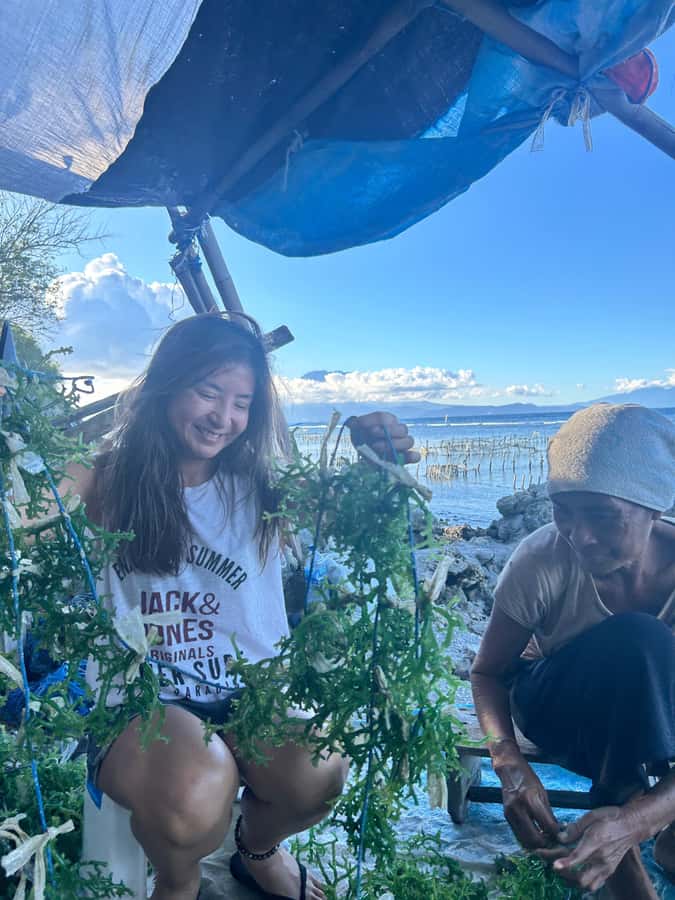
Diamond Beach is the other major coastline stop. This one is famous for its striking look, and it tends to be the kind of place that makes people pause and just take it in.
Again, the value here is pacing. You’ll have farm and conservation context behind you, so the scenery feels connected rather than random. That’s what makes East Penida memorable in a more meaningful way.
If you want maximum scenery time, pay attention to how the guide manages the group. In a small group of eight, you can generally move at a more comfortable pace, and you’re more likely to get guidance on where to stand for views without feeling rushed.
The Treehouse stop: a quick, photogenic cultural waypoint
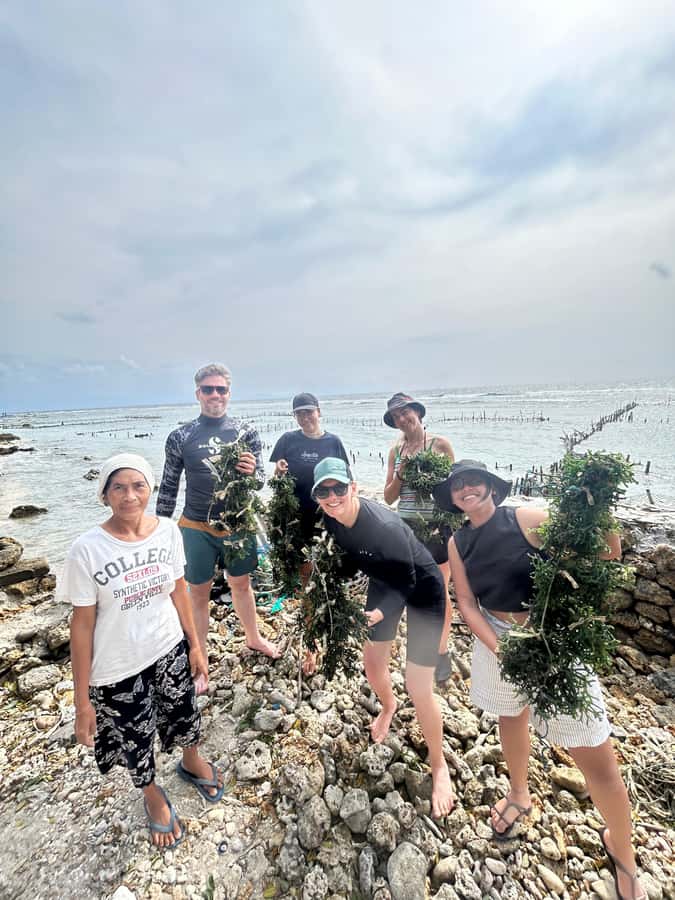
The tour also includes the Treehouse, described as famous. This is one of those places that is more about the mood and the setting than about a single long activity.
In my view, it’s a good timing choice within a half-day itinerary. You’re already getting sea, conservation, and beach time. A Treehouse stop offers a different angle and a visual reset, which helps keep the day from feeling one-dimensional.
Because the details on how long you’ll stay aren’t spelled out, I’d treat it as a flexible waypoint. You can use it to rest your legs, grab a few photos, and keep your energy up for the rest of the route.
Transportation and timing that keep the day focused
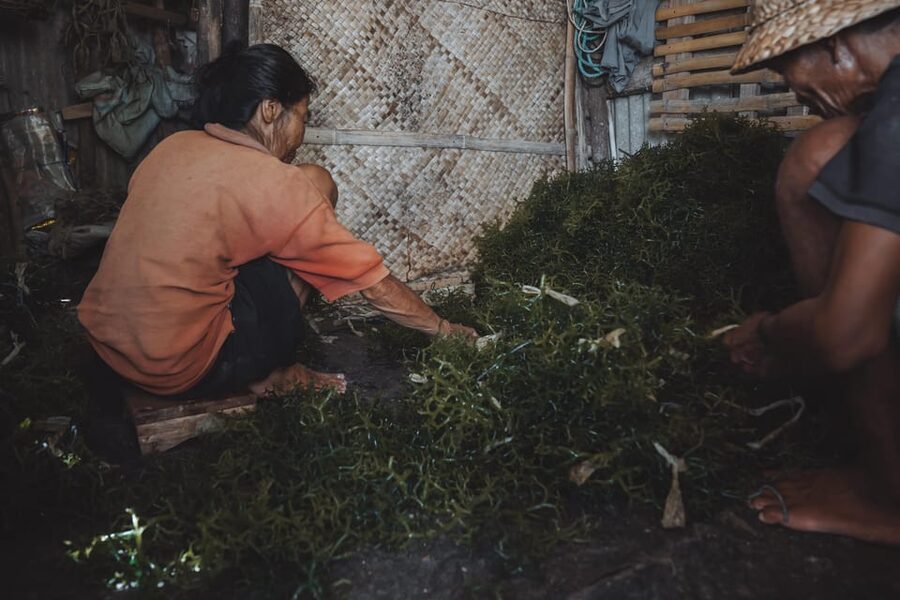
The tour lasts 6 hours, and transportation is included to the farms and the sights. That matters on Nusa Penida because getting from one side of the island to another takes planning.
With a fixed half-day window, you’ll want to show up ready. Wear comfortable shoes that can handle mixed surfaces, and keep an eye on sun and hydration. You’re active during the day, and it’s easy to lose track of time when the scenery is great and the learning is interesting.
Also, a small-group format helps timing feel less chaotic. You’re less likely to spend your day waiting around, and you’re more likely to get a smooth flow between the seaweed learning and the coastline stops.
Guide Festi and the value of real Q and A
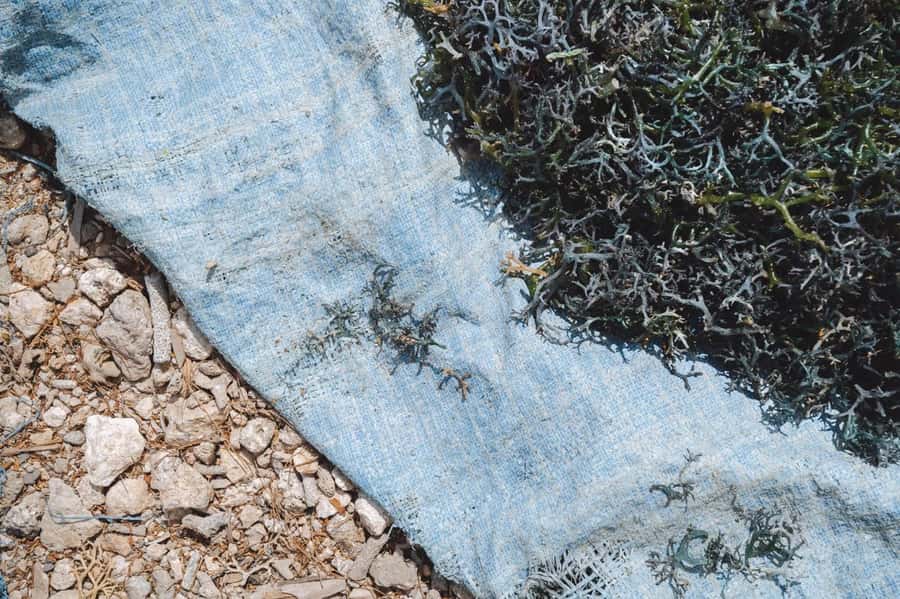
A standout theme in the experience is the guide quality. Festi is mentioned in multiple accounts as helpful and willing to answer lots of questions.
That’s more than nice service. It changes what you get from the tour. When you can ask about Indonesian culture, the farming routines, and conservation efforts, the day becomes a conversation. You leave with context instead of just a collection of photos.
Language support is also a strong plus. The live guide is available in English, Indonesian, and German. If you’re more comfortable in one of those languages, you’ll get more out of the explanation parts, especially during the conservation segment and the seaweed farming process.
What’s included, and why that price makes sense
This tour is priced at $73 per person for 6 hours, and it includes transportation, lunch, snacks, coffee and tea, plus all taxes and fees.
For value, I’d look at the total package, not just the headline price. You’re paying for:
- A local guide with multiple language options
- Small-group access, capped at 8 people
- Transport between working farms and multiple East Penida sights
- Meals and drinks during the day
- Hands-on instruction tied to conservation and seaweed farming
If you tried to recreate that on your own, the costs would likely spread out fast. Even if you could line up transport and a driver, you’d still be missing the conservation context and the hands-on farming component that makes this tour feel purposeful.
In other words, the price is reasonable because the tour is doing the coordinating for you and providing structured learning.
Who should book this East Penida eco tour
I’d point this tour at you if you want:
- A more authentic side of Nusa Penida that connects coastal beauty to real livelihoods
- Hands-on learning, especially if you like simple practical tasks
- A conservation-minded day, not only sightseeing
It’s also a good fit for people who enjoy asking questions and learning from locals in a small-group setting.
If you’re traveling with someone who only wants beaches and zero participation, you might want to manage expectations. This tour includes farming tasks and conservation learning, so it’s not a pure lay-on-a-towel plan.
Should you book it
If you care about sustainable tourism, I think this is an easy yes. The strongest draw is the combination of seaweed farming participation and conservation work like coral recovery and algae preparation, then ending with classic East Penida scenery at Atuh Beach, Diamond Beach, and the Treehouse.
Book it if you want a day that feels connected, efficient, and guided well, especially with a small group and guides like Festi who actually talk through the meaning behind what you’re seeing.
Skip it only if you want a fully passive half-day with minimal activity. This one asks a bit of effort, but that effort is the point.
FAQ
How long is the Nusa Penida Ecotourism, Seaweed Farming & East Tour?
It runs for 6 hours.
What is the price per person?
The price is $73 per person.
How big is the group?
It is a small group limited to 8 participants.
What languages are the tour guide available in?
The live tour guide speaks English, Indonesian, and German.
What is included in the tour?
Transportation to the seaweed farms and sights is included, along with lunch, snacks, coffee, and tea. All taxes and fees are also included.
Which places are included in the tour?
The tour includes East Penida highlights such as Atuh Beach, Diamond Beach, and the famous Treehouse.
Can I cancel or book later?
You can cancel up to 24 hours in advance for a full refund. You can also reserve now and pay later.
Just added around Batoemadeg
- Nusa Penida: Snorkel 3 Spots w/ GoPro & Mangrove Paddle Tour★ 4.6 · 34 reviews
- Nusa Penida: Tembeling Beach, Goa Giri Putri & Diamond Beach★ 3.7 · 5 reviews
- Nusa Penida: Private One Day Trip Adventure Package★ 4.8 · 24 reviews
- Nusa Penida: Private One Day Tours Package★ 4.4 · 5 reviews
- Nusa Penida: Private Car Rental★ 4.3 · 21 reviews
- From Sanur : Snorkeling and Land Excursion at Nusa Penida★ 3.9 · 5 reviews
- From Bali : Snorkeling & Nusa Penida Island Tour with Lunch★ 4.6 · 93 reviews
- From Bali: Nusa Penida Private Snorkeling and Land Tour★ 4.6 · 103 reviews
Farms, compared.
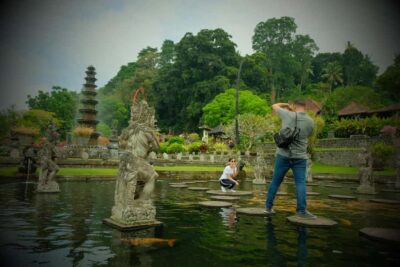
Traditional Villages, Salt Farm & Tirta Gangga Tour
Read our review →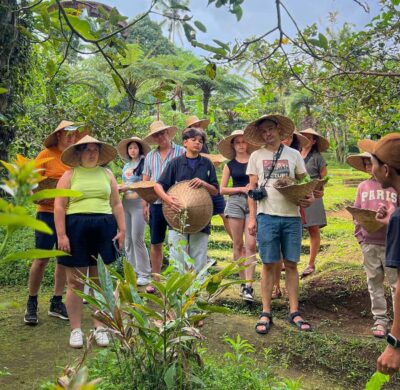
Organic Farm Harvest, Bali Cooking Class by Pemulan
Read our review →
Browse the lists this tour appears in