
REVIEW · YOGA & WELLNESS RETREATS
Bali: Open Chakra Healing and Mantra Soul Retreat Cleansing
Mantra by a temple makes the day feel real. I like the priest-led chakra healing paired with Bali’s ritual language, and I really like how your English guide explains what you are doing and why. One heads-up: you do temple work that involves water, so you will want to plan for getting wet, plus food is not included.
This is the kind of Bali experience where the small-group size matters. When guides like Komong, Gede, and Kadek Kembar Bagus keep moving you step by step, you spend less time guessing and more time taking it all in. If you want a spiritual day that still feels practical, this one hits the sweet spot.
In This Review
- Key things to know before you go
- What this 8-hour chakra cleansing includes (and what it means)
- What you will do, in plain language
- A practical note on expectations
- Pickup, transport, and the small-group advantage
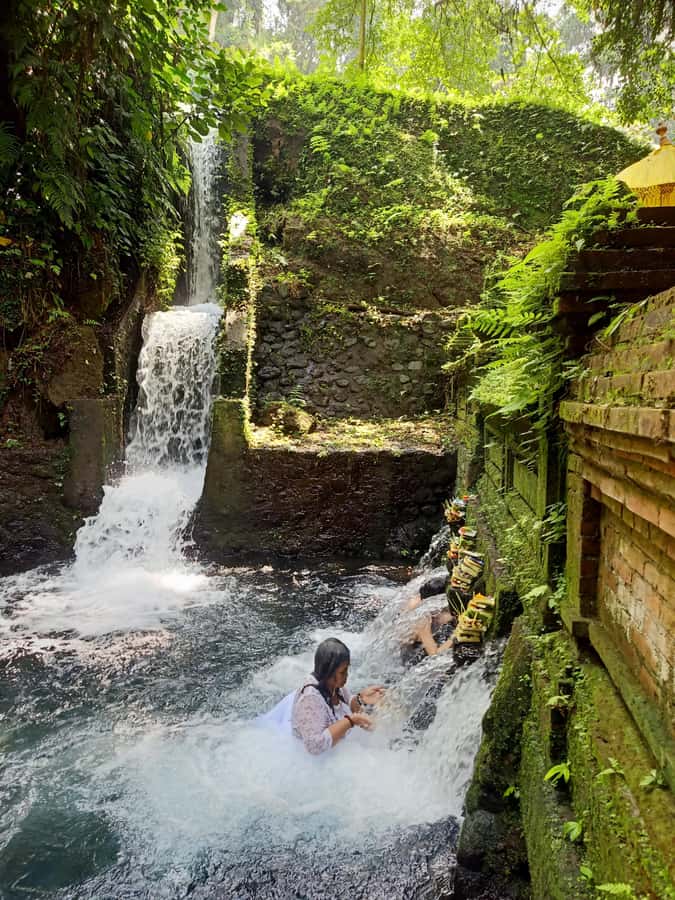
- Pura Mengening purification: spring water, offerings, and mantra
- What to wear and bring for the water moment
- Offerings are included, and that helps you participate correctly
- The mantra moment: less performance, more participation
- Meditation in front of the temple: fire, water, and air
- Why this matters for most travelers
- Timing and setting
- The priest session in Gianyar: chakra healing, opening, and cultural context
- What chakra healing feels like in practice
- Guided culture stop, then spiritual work
- Value and pricing: is $70 for 8 hours worth it?
- What you still control
- Who this is best for (and who might not love it)
- Should you book this Bali chakra healing retreat?
- FAQ
- How long is the Bali chakra healing and mantra retreat?
- How much does it cost?
- Where does pickup happen?
- What is the main temple involved?
- Is food included?
- What is included in the tour price?
- What group size should I expect?
- What is the cancellation policy?
Key things to know before you go
- Pura Mengening purification with mantra, offerings, and pure spring water
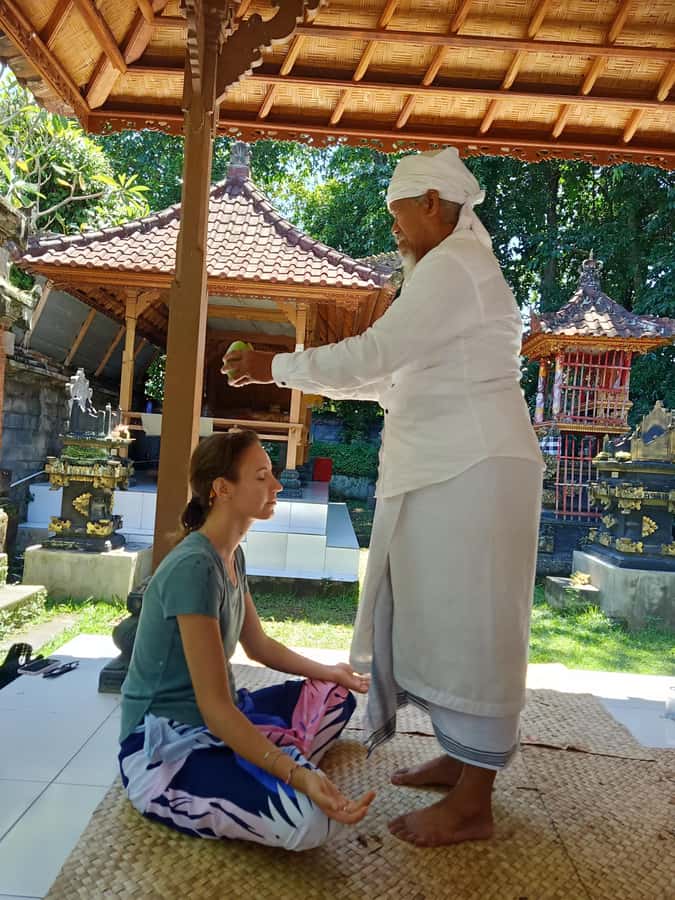
- Chakra opening with a priest, using a Balinese offering as part of the ritual
- Meditation in front of the temple tied to fire element, water element, and air element
- Small group (max 15) with an English live guide who talks you through each moment
- Sarong provided for temple wear, plus canang offerings and a priest donation are included
What this 8-hour chakra cleansing includes (and what it means)
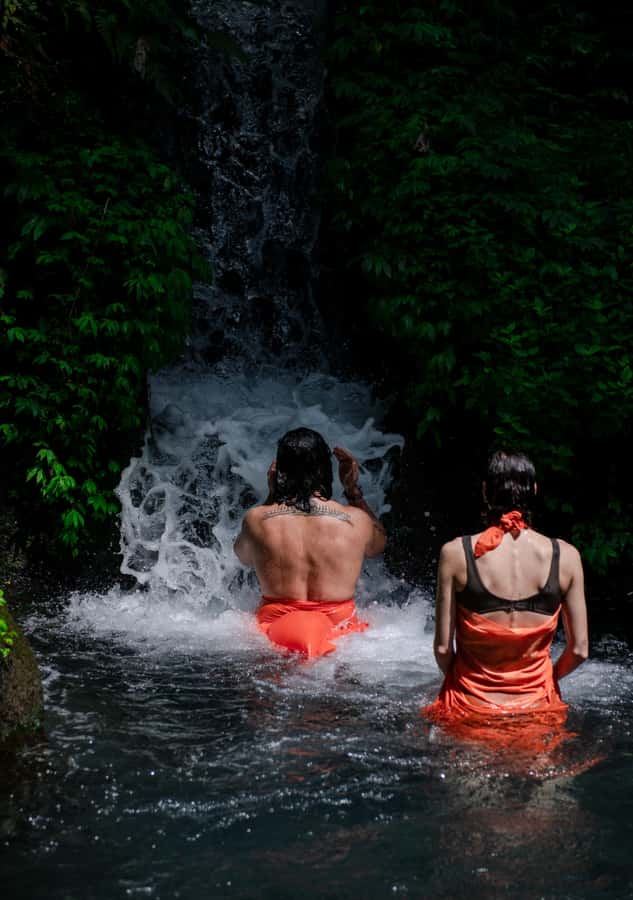
This retreat is built around one main theme: connecting your inner state to Bali’s temple rituals. You start with temple purification at Mengening Temple (Pura Mengening), then you shift into meditation on the elements, and you end with a chakra healing session guided by a priest.
The value here is not only the spiritual content. It is the structure. Instead of vague chanting, you are guided through actions, timing, and meaning. That matters because temple rituals in Bali follow a “do it correctly” logic. When your guide helps you understand where to stand, how to participate, and what the offerings symbolize, you feel respectful without needing to be an expert in advance.
More Yoga retreats in Indonesia:
- Bali: Canggu & Uluwatu Puppy Yoga Class & Refreshing Drinks
★ 4.8 · 891 reviews - Taman Beji Griya Waterfall: Holy Bathing/Soul Retreat Ritual
★ 4.8 · 634 reviews - Bali: Full-Day Eat Pray Love Tour with Rice Terraces & Yoga
★ 4.9 · 349 reviews
What you will do, in plain language
- Temple visit with a guided tour and ritual participation
- Mantra as a holy song while you are in the cleansing space
- Meditation tied to fire, water, and air elements
- A meeting with a priest for chakra reading and chakra opening
- Cultural explanations from your guide as you move through the day
A practical note on expectations
You are not signing up for a museum-style lesson. This is a ceremony day. If you are the type who prefers facts only and no spiritual practice, you may find the hands-on parts a little confronting. If you are open-minded, you will probably love how focused the day feels.
Pickup, transport, and the small-group advantage
You get three pickup options: Sideman, Ubud, or Kuta, and you return to Ubud, Kuta, or Sideman afterward. That flexibility is useful in Bali, where starting from the right base can save you time and reduce stress.
The other big advantage is group size. This is limited to 15 participants, which keeps the experience from turning into a moving crowd. In small groups, your guide can answer questions on the spot and keep the timing tight, especially when you need to coordinate temple rules and ritual moments.
And you are not on your own for the logistics. You get an AC vehicle, plus parking is handled. You also get bottled water, which is small but important during a long, active 8-hour day.
Another side of Indonesia:
- All-Inclusive Ubud Private Tour
★ 5.0 · 14,344 reviews - Bali: Sunrise Mount Batur Guided Hike with Breakfast
★ 4.8 · 9,660 reviews - Bali: Mount Batur Sunrise Guided Hike and Natural Hot Spring
★ 4.8 · 9,284 reviews - Best of Ubud Full-Day Tour with Jungle Swing
★ 5.0 · 8,571 reviews
Pura Mengening purification: spring water, offerings, and mantra
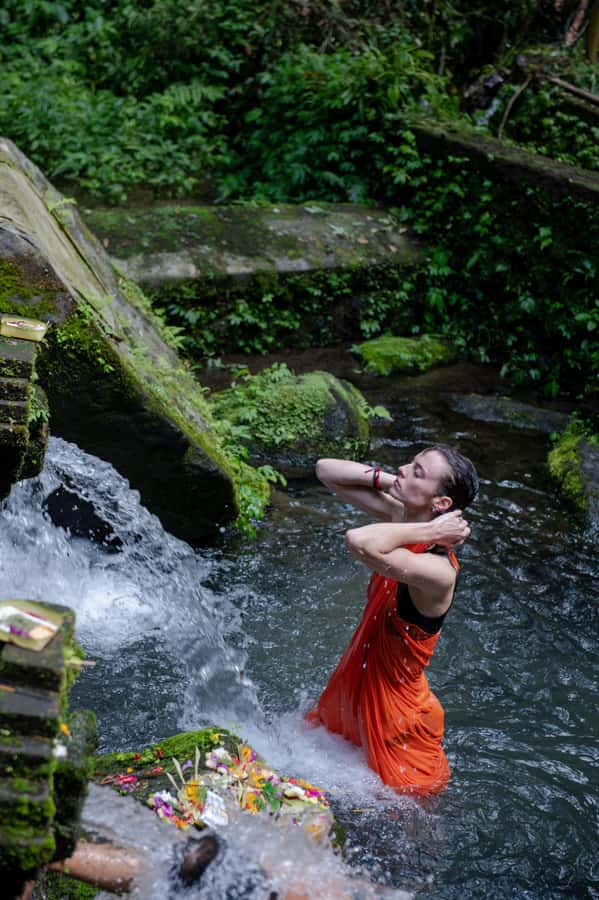
The heart of the day is at Pura Mengening. This is where the ritual sequence starts: temple purification with mantra, offerings, and pure spring water in the ceremonial setting.
What I like most about this part is that it is not treated like a photo stop. The guide role is strong here. Instead of just telling you where the temple is, the guide helps you understand what you are participating in. That changes everything. If you show up knowing nothing, the ceremony can feel like a blur. With guidance, it becomes clear and personal.
What to wear and bring for the water moment
Even if you think you can power through in regular clothes, plan for water. One helpful tip from participants: bring flip-flops and a swimsuit. With temple purification involving spring water, you will be happier if you can move comfortably and dry off afterward.
You also receive a sarong for temple wear, so you do not need to source one on your own. Still, wear something that is easy to adapt for temple rules and that you will not mind getting damp.
Offerings are included, and that helps you participate correctly
You do not have to buy offerings. Your experience includes offering/canang, and there is also a donation for the priest built into the experience.
That is a big value point. In Bali, offerings are part of the language of respect. When they are included, you can focus on participating rather than trying to figure out what to bring or how much to prepare.
The mantra moment: less performance, more participation
The schedule includes doing mantra as a holy song to connect with your elements. Think of this as a shift into a slower rhythm. You are not just listening to a guide. You are part of the ritual environment.
If you are sensitive to atmosphere, this is one of the best moments to stay quiet, breathe, and let the ceremony set the pace. If you are looking for an intro to Balinese spiritual practice, mantra is a gentler entry point than some more intense ceremonies.
Meditation in front of the temple: fire, water, and air
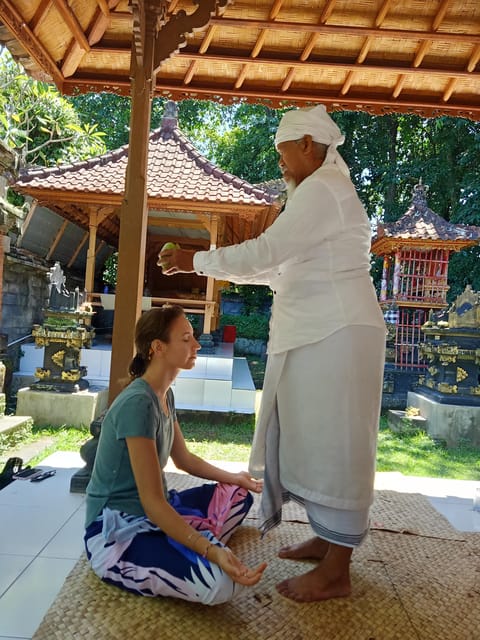
After purification begins, the day moves into meditation right in front of the temple. This is where the retreat becomes more than just water cleansing.
You practice meditation tied to three elements:
- Fire element
- Water element
- Air element
Even without any technical chakra knowledge, you can get a lot from this structure because it gives you a “switchboard” for attention. You are not trying to meditate in a vague way. You are asked to focus on specific qualities, and that can make it easier to settle your mind.
Why this matters for most travelers
Many people come to Bali thinking they want to see. This section reminds you that Bali is also about feeling. Meditation linked to the elements is a way to translate the ceremony into your own body and state of mind.
Also, the guide helps. Participants have shared that guides walked them through what to do, including where to hold their hands and what to say during key moments. That kind of coaching reduces awkwardness, and it helps you follow along instead of guessing.
Timing and setting
Because this is an 8-hour day, the meditation part is designed to be focused and doable. You are not sitting for hours on end. It is a ceremonial rhythm, not a retreat marathon.
The priest session in Gianyar: chakra healing, opening, and cultural context
The next phase of the day takes you to Gianyar for a guided visit. This is the cultural bridge. It gives you time to understand more about what you just experienced and how it connects to daily Balinese spiritual life.
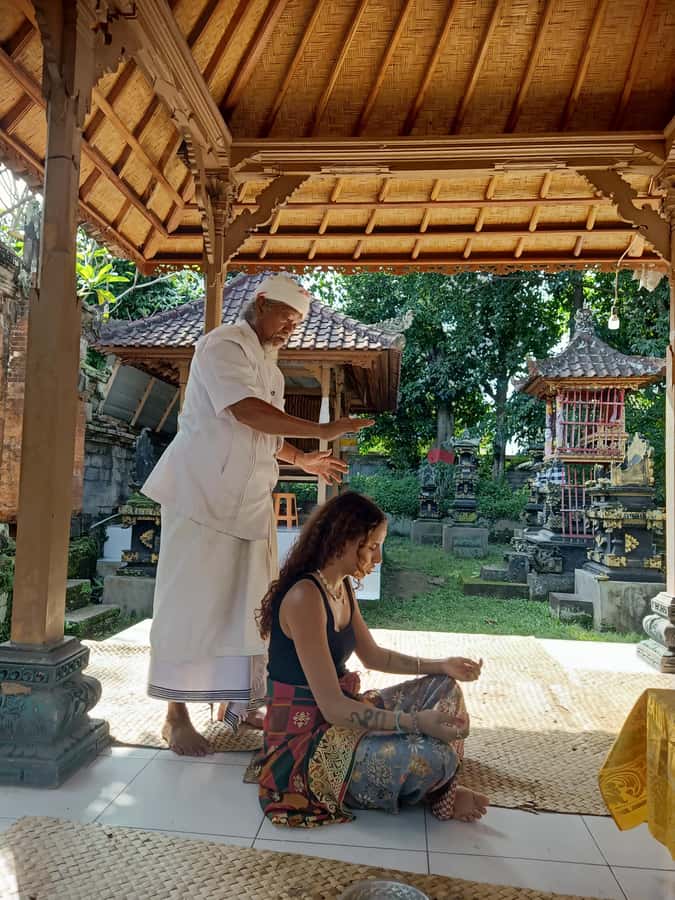
Then you meet a priest for chakra work. The process includes chakra healing and opening your chakra, with a Balinese offering acting as a ritual symbol.
What chakra healing feels like in practice
Because your participation is priest-led, this does not feel like a self-help workshop. It feels like a ceremony. That is why the guide matters again: they help you understand what is going on and how to respond respectfully.
One thing I think you will appreciate is how hands-on the priest interaction can be. People have noted step-by-step guidance through actions like where to hold their hands and which fountains to use. Even if your own experience is different in tone or pace, the underlying idea stays the same: you are doing the ritual, not watching it.
Guided culture stop, then spiritual work
It is easy to leave Bali feeling like you saw temples but did not connect them to meaning. The Gianyar portion helps tie this day together, because you get time for explanation before and after the main purification and chakra session.
Value and pricing: is $70 for 8 hours worth it?
At $70 per person for an 8-hour day, you are paying for a lot more than a simple ride. Your ticket covers:
- Live tour guide (English)
- AC vehicle and parking
- Bottle water
- Sarong for temple
- Donation for the priest
- Offering/canang
Food is not included, so you will need to budget for a meal on your own. Still, from a value standpoint, this is where many similar spiritual tours can get messy. When offerings, sarongs, and priest donations are included, you do not have to bargain or scramble at the last second.
What you still control
Even with everything included, you control how you show up. Bring the right swim gear, keep some cash ready for food, and come with a mindset that you are there to participate.
You also benefit from the small group format. Paying for a smaller group often means more attention per person, and that is exactly what you want during ritual steps.
Who this is best for (and who might not love it)
I think this retreat is ideal if you want:
- A structured spiritual day that includes temple purification and chakra healing
- An English guide who talks you through cultural context and ritual steps
- A smaller group experience where you can ask questions and follow instructions comfortably
It may not be the best match if you prefer:
- A strictly secular itinerary with no mantra or ritual participation
- Plenty of free time for wandering and rest breaks
- A day where lunch is included in the price
Also, if you hate getting wet or you dislike ceremonies that involve offerings and guided hand positions, you might feel less comfortable. The good news is that the practical support is there. You are given sarong, offerings, and priest donation support, which makes it easier to participate correctly.
Should you book this Bali chakra healing retreat?
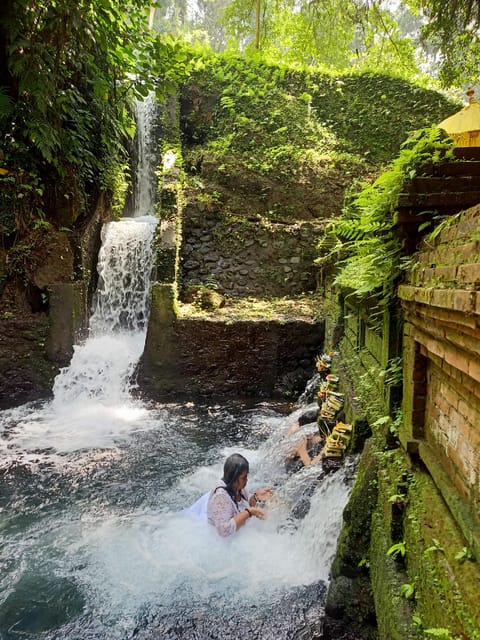
If you want an 8-hour Bali experience that pairs temple purification at Pura Mengening with priest-led chakra opening, and you want a guide who explains what you are doing in English, I say it is worth booking.
Book it if your goal is to leave Bali feeling more connected than you arrived, with a day that actually guides you through the steps. Skip it only if you are not interested in ritual participation, or if you do not want the water-and-meditation side of the experience.
If you do book, go in prepared: bring flip-flops and a swimsuit, wear something easy for temple rules, and plan for food on your own.
FAQ
How long is the Bali chakra healing and mantra retreat?
It lasts 8 hours from pickup to drop-off.
How much does it cost?
The price is $70 per person.
Where does pickup happen?
Pickup options are Sideman, Ubud, and Kuta.
What is the main temple involved?
The purification takes place at Mengening Temple (Pura Mengening).
Is food included?
No. Food is not included, so you will want to plan a meal on your own.
What is included in the tour price?
You get a live English tour guide, bottled water, parking fee, AC vehicle, sarong for temple, donation for the priest, and offering/canang.
What group size should I expect?
This is a small group limited to 15 participants.
What is the cancellation policy?
You can cancel up to 24 hours in advance for a full refund.
Just added around Indonesia
- Bali: 3-Day Private Gili Islands Snorkel Tour with Hotel★ 4.2 · 44 reviews
- Tanah Lot-Nung Nung Waterfall-Jatiluwih and Bedugul★ 4.7 · 16 reviews
- SURAKARTA (SOLO CITY) : CUSTOMIZED TOURS WITH CAR DRIVER★ 4.8 · 6 reviews
- Surf Lessons in Uluwatu for All Levels★ 4.9 · 15 reviews
- Surf Canggu: Lessons for Beginners & Pros in Bali★ 5.0 · 5 reviews
- SURFA BALI curated surf lesson + trip to spots (Beg. & Int.)★ 4.3 · 6 reviews
- From Malang/Surabaya: Mount Bromo Sunrise Ultimate (Shared)★ 4.3 · 51 reviews
- Surabaya: Tumpak Sewu Waterfall, Bromo and Ijen Shared Tour★ 4.4 · 14 reviews
Yoga & Wellness Retreats, compared.

Canggu & Uluwatu Puppy Yoga Class & Refreshing Drinks
Read our review →
Taman Beji Griya Waterfall: Holy Bathing/Soul Retreat Ritual
Read our review →
Full-Day Eat Pray Love Tour with Rice Terraces & Yoga
Read our review →
Healing and Aura Cleansing Tour with Yoga & Meditation
Read our review →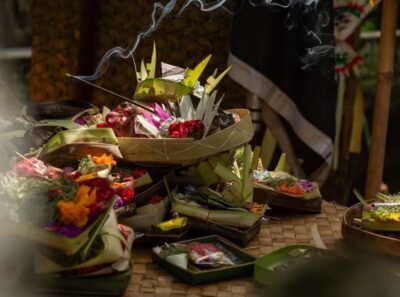
Soul Retreat & Holistic Mantra Healing Experiences
Read our review →

Browse the lists this tour appears in