

REVIEW · MONKEY FOREST TOURS
BALI :Sanctuary Monkey forest, rice terrace Water temple
Monkey Forest chaos, temple calm, and coffee culture. That mix is why this Bali day trip feels so satisfying. I love the chance to walk through Sanctuary Monkey Forest (with 186 species of plants and trees in 12.5 hectares) while still having clear rules for safe, respectful encounters. I also like that the day ends with a coffee plantation tasting that covers the full process, including civet coffee.
One drawback to plan for: you are on your feet a lot on uneven paths, and this experience is not suitable for mobility impairments. If you have animal allergies, the monkey portion is a major consideration too, since feeding animals is not allowed but you will still be close to wildlife.
In This Review
- Key moments you will remember
- How this 9-hour Ubud loop saves you from travel stress
- Sanctuary Monkey Forest Ubud: rules first, photos second
- Tegalalang rice terraces: classic Ubud views, plus the real reason they matter
- Petanu Waterfall: a 15-meter break inside village life
- Gunung Kawi Sebatu Water Temple: calm gardens and spring-fed pools
- Coffee plantation tour: process, choices, and civet coffee
- Visit to Ubud Village: why a simple stop helps the day feel real
- Price and logistics: what $19 really means for your wallet
- Guides, pacing, and photo help that makes a difference
- Who should book this Bali Ubud combo tour
- Should you book this tour? A practical verdict
- FAQ
- How long is the tour?
- Is hotel pickup included?
- Are entrance tickets included in the price?
- Is lunch included?
- Can I cancel for a refund?
- What should I bring, and what is not allowed?
Key moments you will remember
- Sanctuary Monkey Forest Ubud: 12.5 hectares with 186 plant and tree species, plus clear wildlife etiquette
- Tegalalang Rice Terrace: a classic Ubud view where the rice fields feel like an entire system, not just a photo spot
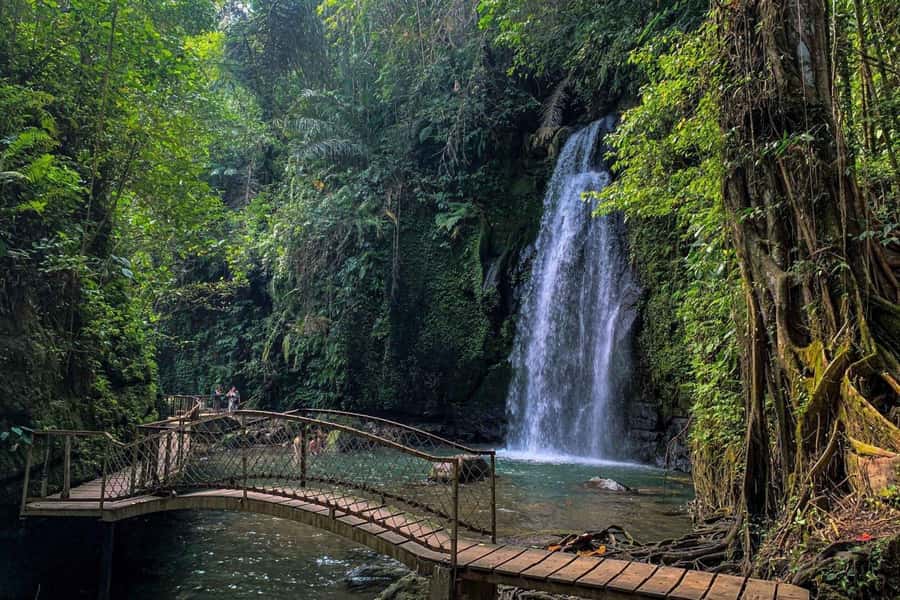
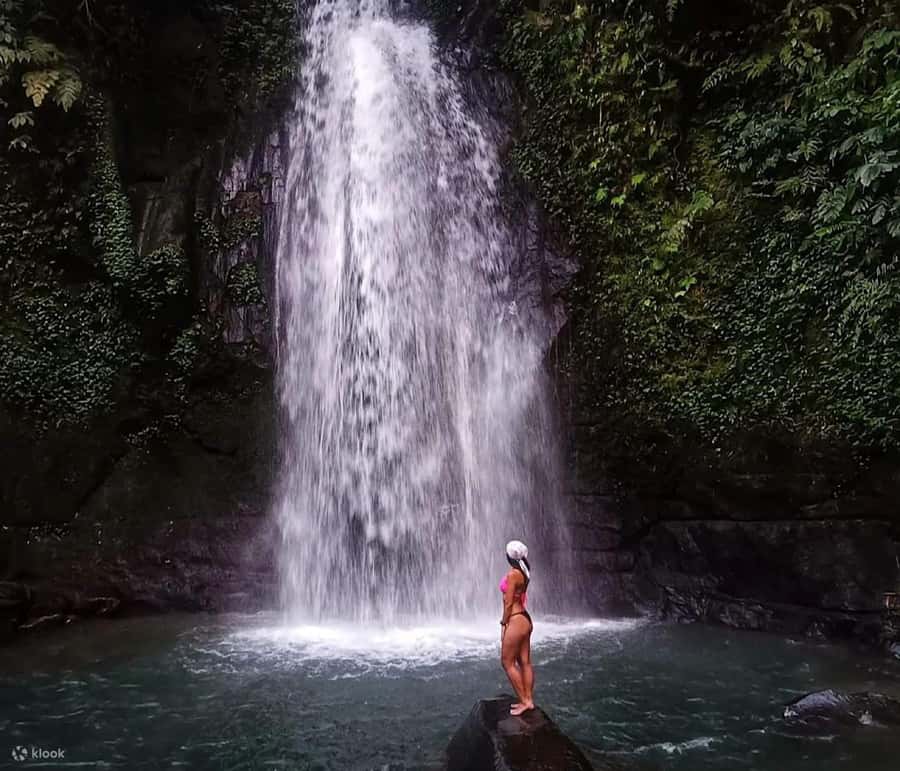
- Petanu Waterfall: about a 15-meter drop, clear water, and a waterfall that sits in the middle of village life
- Gunung Kawi Sebatu (Water Temple): spring-fed pools with lotus and carp, plus quiet gardens and ancient shrines
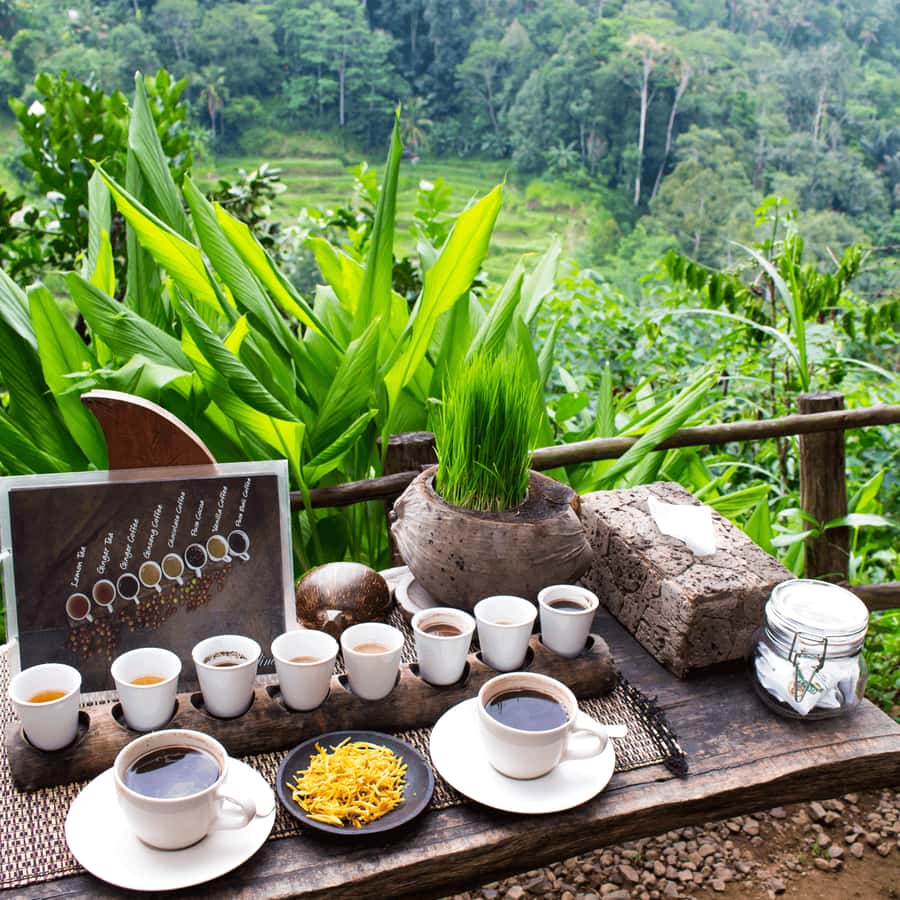
- Coffee tasting with civet coffee: a guided look at how coffee moves from bean picking to your cup, with about 15 types of coffee and tea
How this 9-hour Ubud loop saves you from travel stress

This tour is built as a tight circuit of Ubud highlights, so you get a lot without spending your whole day on routing, tickets, and figuring out connections. The total duration is about 9 hours, and the plan is paced so you can enjoy each stop without rushing through everything at light speed.
Pickup is included, and you meet at your hotel lobby. They ask you to wait in the lobby from about 10 minutes before pickup time, which is helpful if you like to avoid last-minute scrambling. This tour also offers a small group, which usually means more manageable photo stops and a better flow through busy areas.
One reason I think this kind of itinerary is good value in Bali is that it bundles multiple categories of sights: wildlife, agriculture, water, temples, and food culture. You are not just chasing one kind of attraction.
A detail that matters: the tour includes skip the ticket line. Since ticket entrances are not included in the price, skipping the line at least reduces one layer of hassle once you arrive.
More Rice Terrace Tours in Ubud
- Ubud: Monkey Forest, Jungle Swing, Rice Terrace, and Water Temple
★ 5.0 · 7,160 reviews - Ubud: Waterfalls, Water Temple & Rice Terraces Private Tour
★ 5.0 · 5,484 reviews - Ubud: Full-Day Rice Terrace, Monkey Forest & Waterfall
★ 5.0 · 2,634 reviews
Sanctuary Monkey Forest Ubud: rules first, photos second
The Sacred Monkey Forest Sanctuary in Ubud is the kind of place that can go two ways: a fun nature walk, or a chaotic experience if you forget the basics. The best approach is simple. Stay calm, keep your hands close, and follow the rules about wildlife.
Here, you are walking through a large, managed sanctuary with 12.5 hectares of forest area and 186 species of plants and trees. That plant variety is a big part of why it feels more like a real ecosystem than a theme park.
A few practical tips that make the visit smoother:
- Wear comfortable shoes. Walkways can be slick or uneven.
- Keep your hat and sunscreen on hand. Shade is helpful, but you still get sun.
- Bring your camera, but be mindful of spacing. You want the shot without crowding the monkeys.
About animal behavior: feeding animals is not allowed, and that rule is there for a reason. If you keep snacks out of sight, you reduce conflict and keep things respectful. Also, avoid anything that looks like it might be food. Think of it as wildlife etiquette, not just a safety rule.
If you are worried about close contact, consider that this is a sanctuary experience, and animal proximity is part of the deal. The tour is also not suitable for people with animal allergies, so be honest about your comfort level here.
Tegalalang rice terraces: classic Ubud views, plus the real reason they matter
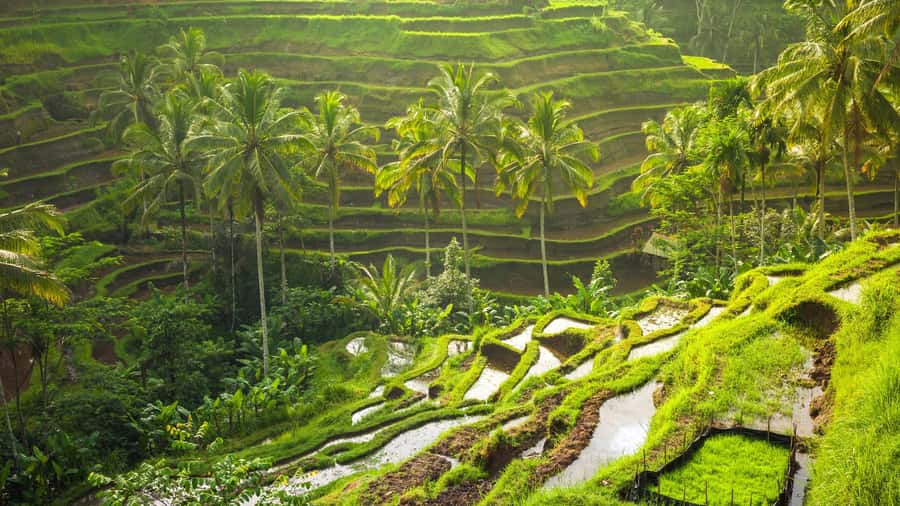
The Tegalalang Rice Terrace stop is one of those iconic Ubud places that earns its fame for a reason. The terraced rice fields aren’t just a pretty backdrop. They show how people shape land over time, turning hillsides into working farmland with layered irrigation and careful planting.
This stop is popular because the rice terraces look dramatic from certain angles. You will likely find viewpoints and paths that let you see multiple levels at once. The key value for you is that the scenery is not random. It is a system you can understand just by looking: terraces, water flow, and vegetation all work together.
A smart way to enjoy this area is to slow down and look at the structure, not just the skyline. Take photos, yes, but also watch how the terraces change shape as you move. That is where the uniqueness lives.
Practical note: you will be walking. Bring shoes you can trust on uneven ground. Also, this is not the place for fragile sandals.
Petanu Waterfall: a 15-meter break inside village life

Next up is Petanu Waterfall (often referenced with the Ulu Petanu name). This is described as the only waterfall in the middle of the village, with a height of about 15 meters and clear water.
That detail matters. Waterfalls that are far away from everyday life can feel staged. Here, the waterfall is part of local routines and the surrounding neighborhood setting. The result is that the stop feels more grounded and less like a standalone spectacle.
What I like about this kind of break is that it shifts the mood. After walking in forest and rice fields, the sound of water changes your pace. You get that cool-air effect you can feel right away, which is a relief in Bali sun.
What to bring:
- Water and sunscreen, because the area around waterfalls can still be bright.
- Comfortable shoes, because surfaces can be wet.
One extra idea if you want to maximize the day: the description does not guarantee any swim time, but you may find the water inviting and refreshing. If that is your style, you might pack a small change of clothes and a towel. It is a practical “just in case,” not a promise.
More Temple Tours in Ubud
- Tanah Lot and North Bali Tour: Scenic Journey
★ 5.0 · 3,620 reviews - East Bali Tour: Gate of Heaven, Water Palace, Sleeping Gajah
★ 5.0 · 1,726 reviews - Tirta Empul: Temple Tour with Optional Spiritual Cleansing
★ 4.9 · 1,257 reviews - Bali Instagram: Gate of Heaven Temple Tour
★ 5.0 · 737 reviews
Gunung Kawi Sebatu Water Temple: calm gardens and spring-fed pools
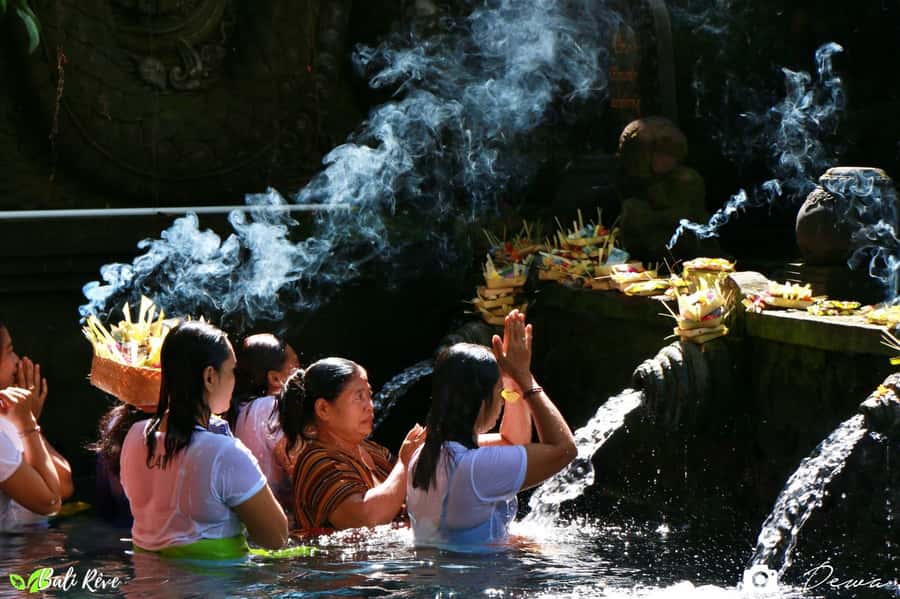
This is where the day often becomes peaceful. Gunung Kawi Sebatu (also known as Pura Tirta Dawa Gunung Kawi Sebatu) is described as one of Bali’s least visited temples, but also one of the most tranquil and beautiful.
Why it feels special is the setting. The temple complex features ancient shrines and gardens surrounded by natural spring-fed crystal clear pools and ponds. You may see lotus and carp in the water, which makes the place feel alive without being crowded.
This stop is also a great example of how temples work best when you treat them as sacred spaces, not just photo stops. You are walking through areas where people practice devotion, and you should keep your behavior respectful. That includes being careful with your movement near water and not blocking pathways.
There is a practical bonus too. The description says there is a side area where you can relax with coffee or tea. After wildlife, waterfalls, and terraces, it is nice to have a quiet moment to reset.
If you are traveling with someone who likes nature and someone who likes culture, this is a satisfying middle ground. It gives you both.
Coffee plantation tour: process, choices, and civet coffee
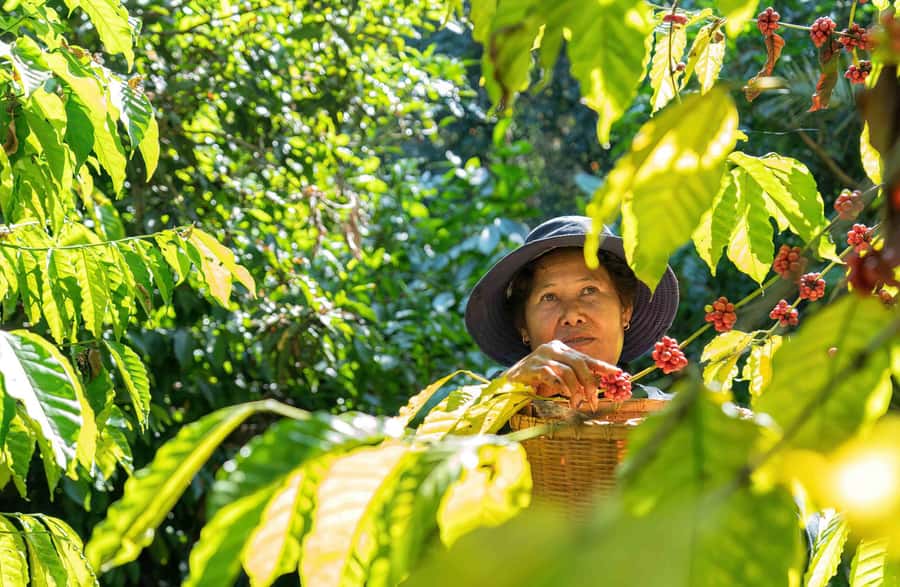
The coffee plantation stop is one of the most rewarding parts of this tour because it explains what you are tasting. Instead of just buying a cup, you get the story of how coffee gets from bean to beverage.
You can expect around 15 types of coffee and tea to sample. More importantly, the tour shows the process from picking coffee beans through the steps that lead to drinking coffee.
One standout item is civet coffee, mentioned as Bali’s most famous coffee in the world. Even if you do not end up loving every variety, I like this part because it helps you understand why coffees can taste so different. It is not only about flavor, it is also about process and how each product is handled.
Practical tip: pace yourself. Coffee tastings can sneak up on you. If you are sensitive to caffeine, tell your guide so you can choose lighter options.
Also, this is a good place to cool down from outdoor walking. Even if the tasting area is still warm, sitting down for tea and coffee after temple and waterfall legs can feel like a mini vacation inside your vacation.
Visit to Ubud Village: why a simple stop helps the day feel real

The itinerary includes a visit to Ubud Village, which helps connect the landmarks. Big-ticket sights can feel like separate islands. A short village stop gives you a sense of daily life around the attractions you came to see.
Even if you mostly use this time to observe streets, local activity, or simply orient yourself with the area, it makes the rest of the day feel less disconnected. You are not only consuming views, you are seeing how Ubud lives.
If you like authentic atmosphere, this stop is a plus. If you prefer strictly structured time at each attraction, you can still use it quickly, but it tends to add texture to the itinerary.
Price and logistics: what $19 really means for your wallet
At $19 per person, this tour is priced aggressively for a full Ubud day. Here is the honest breakdown of value.
What you get in the included portion:
- Visits across multiple categories: Monkey Forest, Rice Terrace, Petanu Waterfall, Coffee Plantation, and Gunung Kawi Sebatu
- Pickup from your hotel area (with an additional cost for Nusa Dua and Uluwatu areas)
- Skip the ticket line
- A small group experience
What is not included:
- Entrance tickets
- Lunch
- Swing
So, your final total may be higher once you add entrance tickets and whatever you choose for lunch. Still, paying $19 for pickup plus guided movement plus access management can make sense if you were going to pay for a similar set of stops anyway.
My take on value: you are buying convenience and direction more than you are buying “everything all-in.” If you already know Bali well and you like independent travel, you might spend less by doing it solo. But if you want an organized day with minimal hassle and you do not want to negotiate transport between five different locations, this price can feel fair.
Also, the “skip ticket line” detail is small but real. You lose less time, and that helps you get more out of an already packed route.
Guides, pacing, and photo help that makes a difference
A big part of why this itinerary works is the human side: guide pacing and how well they manage your movement between stops. Several guides connected with this tour show up in feedback with the same themes: being respectful, patient, attentive, and good at keeping the day comfortable.
You might end up with guides such as Kadek, Nano, Ari, or Wayan. Across those examples, the consistent strengths are punctuality, clear explanations, and an ability to adapt the day to what you want to spend extra time on.
Even if you are not a big talker, a good guide helps you:
- know what to prioritize at each stop
- avoid time-wasting confusion
- get better photos by helping you position and time shots
That is the kind of “invisible value” that makes a day trip feel smoother, not just busy.
Who should book this Bali Ubud combo tour
This tour is a strong fit if you want a classic Ubud sampler in one 9-hour day, with a blend of nature and culture.
You will probably enjoy it most if you:
- like seeing multiple Ubud highlights without spending hours planning
- enjoy wildlife encounters but you are respectful and follow the rules
- want coffee culture explained, not just served
You should think twice if you:
- have mobility impairments, because walking and uneven surfaces can be part of most stops
- have animal allergies, since monkey encounters are a core feature
Also note what is not allowed: smoking, littering, and feeding animals. If you hate rules or dislike any interaction with animals, you might feel uncomfortable here. The tour is designed to keep encounters safe and respectful, so cooperation matters.
Should you book this tour? A practical verdict
Book it if you want one efficient Bali day that checks the boxes: Monkey Forest, Tegalalang Rice Terrace, Petanu Waterfall, Gunung Kawi Sebatu, and a guided coffee tasting with civet coffee. The small group format and pickup convenience make it easier to enjoy the day instead of wrestling with logistics.
Skip it or adjust plans if you know you want less walking, you need full accessibility support, or animal proximity is a dealbreaker for your health. And remember the price is low partly because entrance tickets and lunch are not included, so budget a bit extra once you arrive.
If you like well-paced sightseeing and you want your Ubud day to feel complete, this is a solid option.
FAQ
How long is the tour?
The duration is 9 hours. Starting times depend on availability.
Is hotel pickup included?
Yes. Pickup is included from your hotel. For Nusa Dua and Uluwatu area, an additional cost applies.
Are entrance tickets included in the price?
No. Entrance tickets are not included.
Is lunch included?
No. Lunch is not included.
Can I cancel for a refund?
Yes. You get free cancellation up to 24 hours in advance for a full refund.
What should I bring, and what is not allowed?
Bring comfortable shoes, a hat, camera, sunscreen, and water. Smoking, littering, and feeding animals are not allowed.
Monkey Forest Tours Worth Comparing in Ubud
- Hands-On Silver Jewelry Making Near Ubud’s Monkey Forest
★ 4.9 · 1,789 reviews - Ubud: Monkey Forest, Ceking Rice Terraces and More– Full Day
★ 4.7 · 917 reviews - Ubud: Sacred Monkey Forest Sanctuary Ticket and Guided Tour
★ 4.8 · 675 reviews - Ubud: Monkey Forest Sanctuary & Jungle Swing Tour
★ 4.8 · 360 reviews
Just added around Ubud
- Sunrise Café and Morning Yoga Class★ 5.0 · 5 reviews
- Quad Bike Bali With Tunnel & Waterfall Tour★ 4.2 · 8 reviews
- Puppy Yoga in Bali, Ubud & Uluwatu★ 4.7 · 93 reviews
- Private Ubud Tour With Professional Photographer with Edit★ 5.0 · 53 reviews
- Ubud : PRIVATE Bike Tour inside Rice Field with meal & pool★ 5.0 · 5 reviews
- Ubud: Organic Farm Harvest, Bali Cooking Class by Pemulan★ 4.8 · 12 reviews
- Outskirts of Ubud, Gianyar: Pottery Class★ 5.0 · 9 reviews
- packages cooking class and romantic dinner in a local home★ 5.0 · 4 reviews
Monkey Forest Tours, compared.
Monkey Forest, Jungle Swing, Rice Terrace, and Water Temple
Read our review →
Waterfall, Rice Terraces & Monkey Forest Private Tour
Read our review →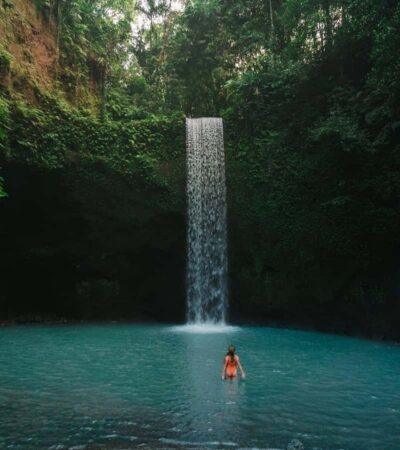
Full-Day Rice Terrace, Monkey Forest & Waterfall
Read our review →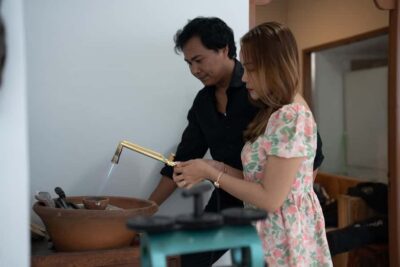
Hands-On Silver Jewelry Making Near Ubud’s Monkey Forest
Read our review →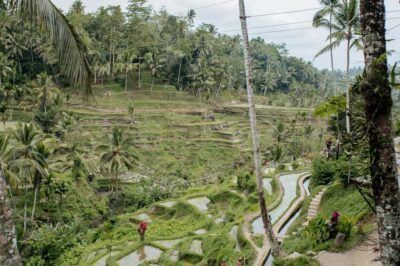
Monkey Forest, Ceking Rice Terraces and More– Full Day
Read our review →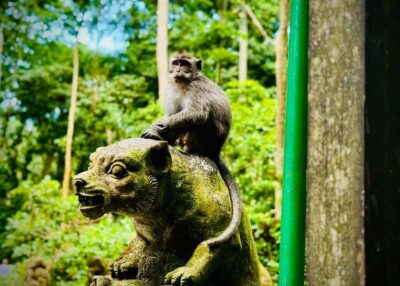
Sacred Monkey Forest Sanctuary Ticket and Guided Tour
Read our review →
Monkey Forest, Water Temple, Rice Terrace, Waterfall
Read our review →Browse the lists this tour appears in