
REVIEW · COOKING CLASSES
Exclusive Authentic Balinese Cooking Class at Family home
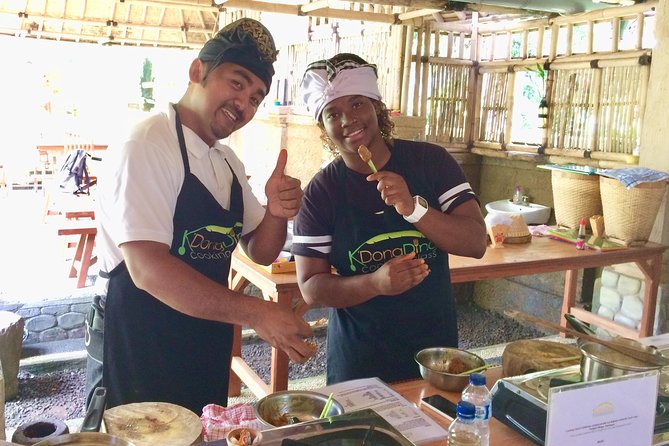
Cooking in Bali feels like real life, not a show. This private class near Ubud pairs a stop at Payangan Market with a hands-on session in a local family compound kitchen.
Two things I love most are the spice preparation by hand and the fact it is truly private for your group (up to 12 people). You are doing the work, chopping and pounding, not just watching someone plate food.
One thing to keep in mind: the experience requires good weather, and it runs about 6 hours, so plan a calm day around it.
In This Review
- Key highlights you should care about
- Why a family-run Balinese cooking class near Ubud hits differently
- Payangan Market stop: what you gain before you cook
- Inside the Balinese compound open kitchen
- The hands-on spice work: chopping, pounding, and paste-making
- What you actually cook: vegetarian versions of classic Balinese dishes
- The rhythm of the day: welcome drink, snacks, and your lunch or dinner
- Price and logistics: why $75 can be a smart deal
- Who this cooking class is best for
- Should you book Nipala cooking class by Kedongding?
- FAQ
- Is this cooking class private?
- Do I get hotel pickup in Ubud?
- Are vegetarian meals available?
- What dishes will I learn to cook?
- How long is the experience?
- Do I eat lunch or dinner?
- What do I receive besides the cooking?
Key highlights you should care about
- Payangan Market firsthand: see and smell what local cooks actually start with, before you cook.
- Family-home compound setting: the kitchen setup is in a Balinese compound, not a generic cooking school space.
- True hands-on spice work: you grind in a stone mortar and prep on wooden blocks, then turn those pastes into sauces.
- Vegetarian-friendly menu options: you can cook several traditional dishes as vegetarian versions if you request it ahead.
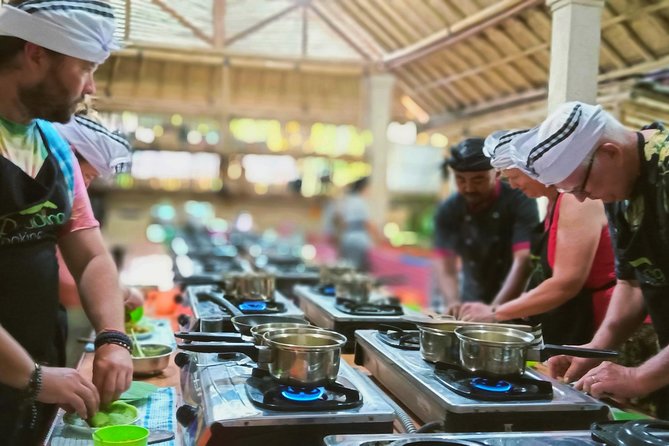
- Your own station and tools: you get ingredients, cooking tools, and a kitchen station sized for active participation.
- Recipes book and certificate: you leave with a take-home guide and a Culinary Workshop Certificate.
Why a family-run Balinese cooking class near Ubud hits differently
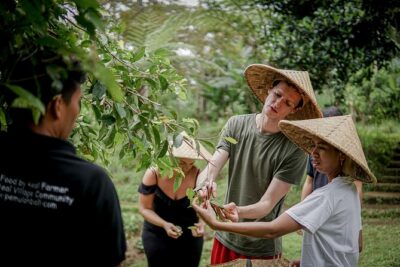
Ubud is packed with cooking classes. What makes this one appealing is the setting and pace. You start outdoors at Payangan Market, then shift into a Balinese family home compound with an open kitchen style layout where you get your hands into the ingredients.
You are not rushing through steps just to meet a schedule. The session is built around how Balinese food is actually made: spices get tested, paste gets prepared carefully, then everything gets cooked into dishes with specific textures and flavors. That method matters. It is the difference between eating “something spicy” and understanding why Balinese cuisine tastes the way it does.
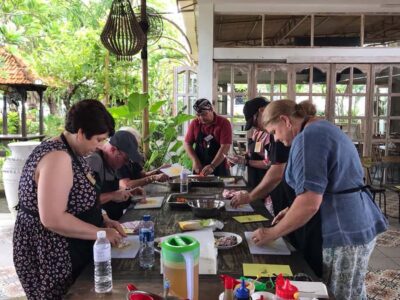
Also, this is a group format that stays small. It caps at 12 people, and you have the space to cook at your own station. That is a big deal if you want to learn, ask questions, and actually finish each dish confidently.
More Cooking Classes in Ubud
- Ubud Cooking Class Bali with Balinese Chef
★ 5.0 · 1,609 reviews - Ubud: Cooking Class with Transfers and Optional Market Visit
★ 4.9 · 824 reviews - PRIVATE Authentic Balinese Cooking Class in Ubud at Putu’s Home
★ 5.0 · 644 reviews
Payangan Market stop: what you gain before you cook
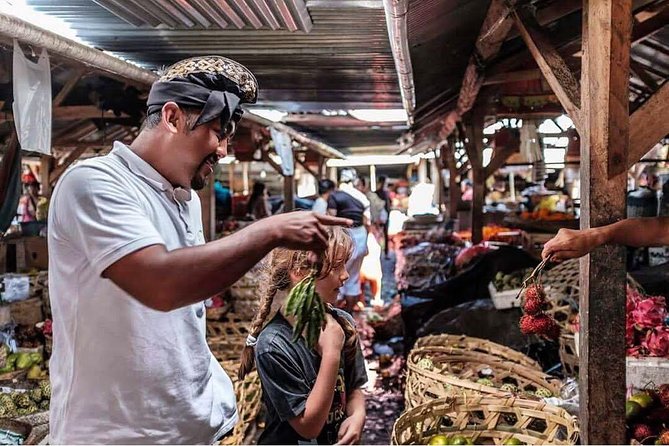
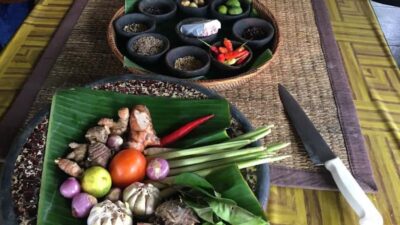
The first stop is Payangan Market, located in Payangan. Expect a local market rhythm rather than a tourist market vibe. You walk through the kind of produce, herbs, and ingredients that end up in daily Balinese cooking.
Practically, this market stop helps you in two ways:
- You get context. You see what you are about to turn into paste, soup, and side dishes.
- You start forming flavor memory. When you later smell and taste the spices during the class, you know what you are looking for.
The class includes spice testing, so this is not just a photo walk. You will get a closer look at ingredients and how they fit into dishes. If you are the type of person who likes to understand what is in your food, this market piece is where it starts to click.
Inside the Balinese compound open kitchen
After the market, you move to the family compound house and open-kitchen cooking area. The vibe people rave about is the hospitality and the feeling of being welcomed into a real home setup.
You also get a welcome drink of Bali coffee or tea, plus Balinese cake before cooking begins. It is a small touch, but it sets the tone: you are starting with local flavors, not immediately in work mode.
In the compound, you get a tour element before the serious cooking starts. From what I have seen described by past participants, the family environment can include personal details that make it feel lived in, such as their own bee honey and stories about their property. Even if you focus only on the food, it helps you understand the culture behind it, not just the recipe.
The kitchen itself is the key. It is hands-on and set up so each participant cooks. You get cooking tools, a kitchen set, ingredients, and your own station.
The hands-on spice work: chopping, pounding, and paste-making
If you come to this class expecting a simple cook-along, you will get something better. The center of gravity is traditional spice processing.
Here is what that means on your hands:
- Chopping on a wooden block style
- Grinding in a stone mortar style
- Mixing and preparing spice paste and sauces before cooking
Paste and sauce preparation is described as one of the most important parts of Balinese cooking, and that tracks with what you will notice as you work. Balinese flavors often come from how the spices are prepared and how they combine with aromatics and seasonings.
You will also do testing of spice ingredients during the class. That matters because it teaches you to pay attention. You learn how ingredients shift when ground, and how they change once cooked.
One more plus: you are not doing this alone. A local chef instructor guides you step by step while still letting you do the chopping and processing. In other words, you get direction when needed, but you still feel the satisfaction of making it yourself.
Another side of Indonesia:
- All-Inclusive Ubud Private Tour
★ 5.0 · 14,344 reviews - Best of Ubud Full-Day Tour with Jungle Swing
★ 5.0 · 8,571 reviews - Ubud: Monkey Forest, Jungle Swing, Rice Terrace, and Water Temple
★ 5.0 · 7,160 reviews - Ubud: Waterfalls, Water Temple & Rice Terraces Private Tour
★ 5.0 · 5,484 reviews
What you actually cook: vegetarian versions of classic Balinese dishes
This class is built around a multi-dish menu. You cook the dishes by hand, and then you eat what you made.
The vegetarian list includes options such as:
- Jukut Urab (V)
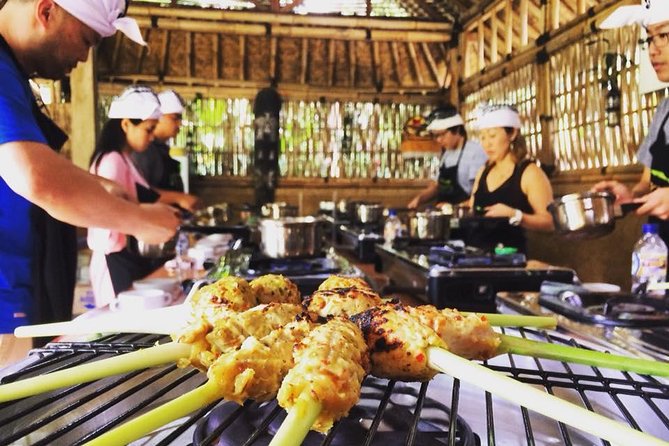
- Sate Lilit Ayam (V/Tofu)
- Calon Be Siap with Chayote Soup (V/Tofu)
- Tahu Mesanten (V)
- Dadar Gulung (V) ala kdongding
A few notes that help you plan mentally:
- Some dishes are vegetarian by design, while others are adapted using tofu for the protein component.
- Chayote is part of the soup for the Calon Be Siap dish. The materials provided for the class mention potential nutrition angles like fiber and low calories, and that it is used in ways that can support digestion and weight goals. Even if you do not care about nutrition claims, it gives you an idea of why this soup style is built to be balanced.
You are also taught how these dishes connect to Balinese cooking logic, especially around spice pastes and how different dishes use that base in different ways.
One practical tip: tell your instructor about dietary needs early. The class says vegetarian is applicable if you let them know in advance, and special requests like allergies should be shared before the day.
The rhythm of the day: welcome drink, snacks, and your lunch or dinner
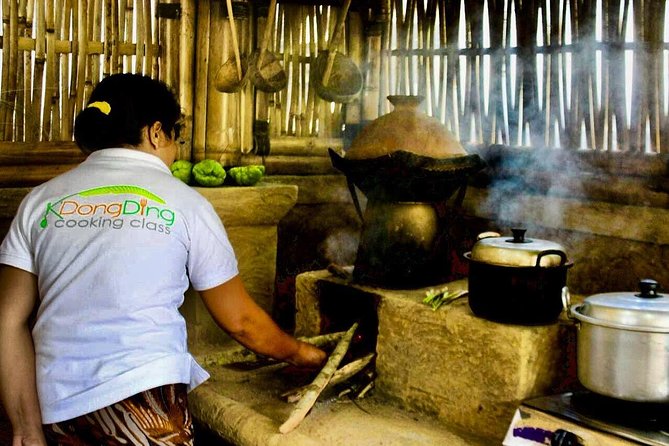
This experience runs about 6 hours. You will start with the market visit, then move into the compound and kitchen prep. The middle part is where most of your time goes, because you are actually processing and cooking each dish.
You also get:
- Welcome drink, Bali coffee or tea, plus Balinese cake
- Snacks during the session
- Free refill access to water at the class (they also ask you to bring your own bottle to cut down on single-use plastic)
Most importantly, you eat the meal you cook:
- Morning class includes lunch
- Afternoon class includes dinner
So you are not paying for food you half taste. You are making it, finishing it, and then sitting down to enjoy the results. For many people, that is the moment everything becomes worth it.
Price and logistics: why $75 can be a smart deal
At $75 for a roughly 6-hour, small-group class with market time, transport, and hands-on instruction, the value comes from what is included, not just the headline rate.
You are getting:
- Round-trip transport from Ubud hotels (free within the Ubud and Payangan area)
- Air-conditioned vehicle
- A guided market stop
- Private cooking class format (minimum 1 person, maximum 12)
- Your own station plus tools and ingredients
- Recipes book and Culinary Workshop Certificate
If you have ever taken a cooking class where you pay for a short demo and end up eating something you barely recognize, you will appreciate this setup more. Here, you cook multiple dishes and take home written recipes.
Transport is also a factor. If you stay in Ubud, pickup and drop-off in the Ubud area is included, which removes one of the annoying parts of planning in Bali. If you are outside Ubud and Payangan, there can be an extra transfer fee depending on where you are staying, so check that before you assume it is included.
Also note the practical minimum age is 12, and children must be accompanied by an adult. If you have teens who are curious about food, this is usually a great way for them to learn something tangible.
Who this cooking class is best for
This class is ideal if you want a close encounter with Balinese daily life, plus real cooking skills you can repeat later at home. If you enjoy markets, spices, and learning food techniques, you will get a lot out of Payangan Market and the paste-making steps.
It is also a strong fit for:
- Food lovers who want vegetarian Balinese dishes with structure
- People who like small-group teaching and active participation
- Anyone visiting Ubud who wants a cultural activity that is not just another temple stop
You might consider a different option if you hate kitchen work, or if you are time-crunched and need something shorter. The session is 6 hours, and because it needs good weather, it is not the best choice if your itinerary is extremely tight and inflexible.
Should you book Nipala cooking class by Kedongding?
Yes, if your goal is to learn Balinese cooking in a real family-home environment and you like doing the prep, not just watching it. The mix of Payangan Market plus a hands-on open kitchen, the stone mortar style spice work, and the fact you cook and eat a full multi-dish meal makes this one feel complete.
Book it especially if:
- You want vegetarian options and are comfortable requesting them ahead
- You value recipes and a certificate as a take-home souvenir
- You would rather spend time cooking than shopping for a generic “Bali experience”
Skip it if:
- You are only looking for a quick snack-style class
- You need a perfectly flexible plan regardless of weather
- You want something outside a family compound cooking setup
If you are in Ubud and you want a food day that actually teaches you something you can use, this is a very solid pick.
FAQ
Is this cooking class private?
Yes. This is a private tour/activity, and only your group participates. The group size is minimum 1 person and maximum 12 people.
Do I get hotel pickup in Ubud?
Free pickup and drop-off is provided in the Ubud area and Payangan area. If you stay outside Ubud and Payangan, there can be an extra transfer charge depending on your location.
Are vegetarian meals available?
Vegetarian options are available. You should let them know in advance so they can prepare the vegetarian menu for your cooking session.
What dishes will I learn to cook?
The class menu includes Balinese dishes such as JUKUT URAB (V), SATE LILIT AYAM (V/TOFU), CALON BE SIAP WITH CHAYOTE SOUP (V/TOFU), TAHU MESANTEN (V), and DADAR GULUNG (V) ala kdongding.
How long is the experience?
The class runs about 6 hours.
Do I eat lunch or dinner?
You eat what you cook. The morning class includes lunch, and the afternoon class includes dinner.
What do I receive besides the cooking?
You get a recipes book and a Culinary Workshop Certificate. You also receive cooking tools, ingredients, and a kitchen set so you can cook at your own station.
Just added around Ubud
- Discover Balinese fortune telling with convenient on-call service★ 5.0 · 5 reviews
- Bali Best Private of Nusa Penida Tour★ 5.0 · 54 reviews
- Balinese Vegan Cooking Class with Fresh Harvesting & Garden Tour★ 5.0 · 86 reviews
- Bali Airport Transfer with an English-speaking driver service★ 5.0 · 5 reviews
- VIllage Firefly Night Tour – Ubud Bali★ 5.0 · 14 reviews
- Private Balinese Purification in Holy Water at Temple with Local★ 5.0 · 7 reviews
- Balinese Traditional Food Cooking Class with Ubud Monkey Forest and SPA★ 5.0 · 6 reviews
- From Ubud: Authentic Cooking Class Visit Traditional Market★ 5.0 · 8 reviews
Cooking Classes, compared.
Cooking Class with Transfers and Optional Market Visit
Read our review →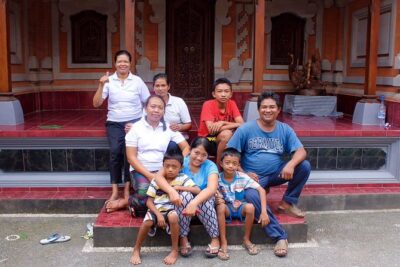
PRIVATE Authentic Balinese Cooking Class in Ubud at Putu’s Home
Read our review →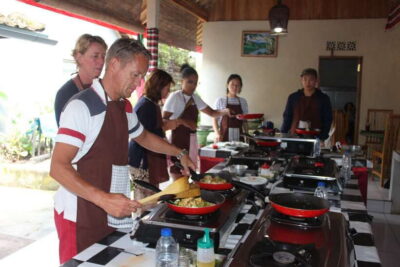
Browse the lists this tour appears in