
REVIEW · SILVER JEWELRY MAKING CLASSES
Bali: Sidemen Jewelry Silver Class with 7 Gram of Silver
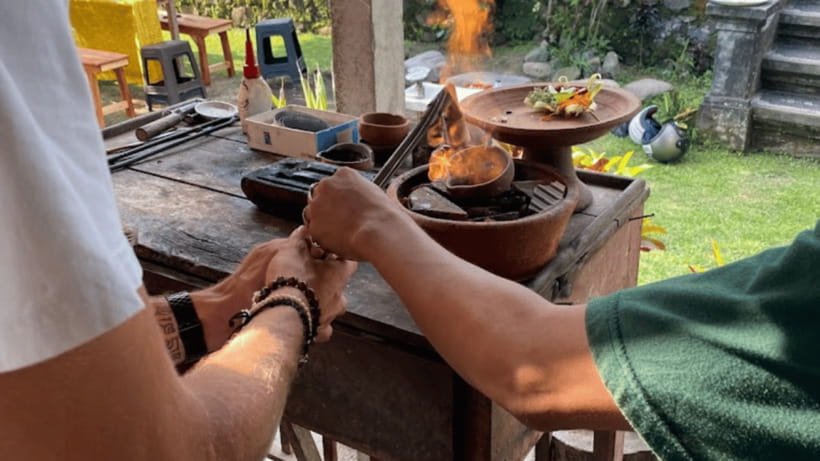
Silver work in Sidemen is a hands-on win. In this small-group class, you craft a piece using 7 grams of premium silver, guided in English from start to finish, and it is the kind of activity where you feel your progress at every step. I love the step-by-step instruction that keeps you making actual decisions, like shape and details, and I also like the warm, family-run vibe that makes the workshop feel friendly instead of intimidating. One consideration: it can get quite hot with the fire and tools, so if you are heat-sensitive, consider an evening slot when possible.
You begin with design inspiration, then move into the practical metalwork of melting, shaping, detailing, and finishing. I especially liked hearing how guides like Putuk and Guida help you turn your idea into a ring you are genuinely proud to wear. You will leave with a finished piece, plus a certificate and a little toast to mark the moment.
In This Review
- Key points to know before you go
- What you make with 7 grams of silver in Sidemen
- The 2.5 hour flow: design to polishing, in a steady sequence
- Choosing designs: Balinese motifs or your own idea on paper
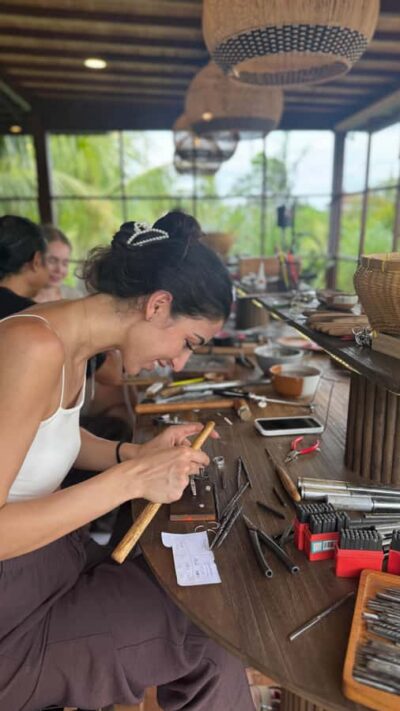
- The hands-on metalwork: soldering, shaping, and detailing
- Heat, tools, and comfort: plan for a warm workshop
- What is included in the $27 price, and why it feels fair
- Extra costs that can change your total: more silver and gemstones
- English instruction and audio help: how you avoid confusion
- The Sidemen feel: warm, family-run, and not too formal
- Who this class suits best (and who might want a different Bali activity)
- Simple planning tips before you book
- Should you book the Sidemen Jewelry Silver Class?
- FAQ
- How much does the Sidemen Jewelry Silver Class cost?
- How long is the class?
- How much silver is included?
- Are there extra charges besides the base price?
- What is included during the class?
- Is the class taught in English?
Key points to know before you go
- 7 grams of silver included: You get the silver that you work on, with clear extra costs if you want more.
- Small group, limited to 10: You get real attention when you hit tricky steps.
- English-led guidance: The instructor works in English, with an English audio guide as well.
- Hands-on workshop process: You go through the full chain, from design to polishing.
- Coffee break with Balinese snacks: Expect tea and treats like banana fritters during the class flow.
- Heat is real: Fire and tools make it warm, so plan your timing accordingly.
What you make with 7 grams of silver in Sidemen
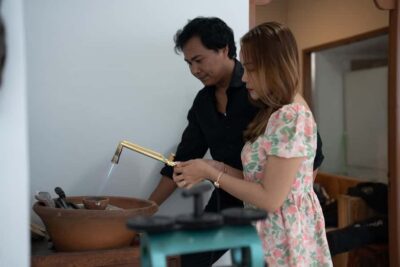
This is one of those Bali activities that is not just watching. You are actively making jewelry with 7 grams of silver, and the value is easy to understand once you realize the metal is part of the price, not an add-on. For $27, you are basically buying tuition plus materials plus a finished souvenir that feels personal because your hands did the work.
The class is built around a ring format in practice, since most people end up making a ring (including couples and even a ring made for a son). Still, the real point is the same: you learn the techniques and finish your piece so it looks complete, not rough or half-done.
Sidemen is a good setting for this kind of workshop too. Even without fancy scenery promises, you get that slower, local rhythm, and the workshop feels connected to the people who make the jewelry in the first place. Multiple parts of the experience also feel personal, like the design time where you can follow traditional motifs or go your own way on paper.
Silver Jewelry Making classes readers book most in Bali:
- Ubud: Handcrafted Silver Jewelry Workshop
★ 4.3 · 1,214 reviews - Bali: Seminyak Jewelry Making Class with Gold Plating Option
★ 4.8 · 436 reviews - Bali: Silver Class in Kuta With Optional Tour And Activities
★ 4.9 · 123 reviews
The 2.5 hour flow: design to polishing, in a steady sequence
The class runs about 2.5 hours (listed as 2 to 3 hours), and it is structured so you are not stuck waiting around. Your timeline usually moves through these phases.
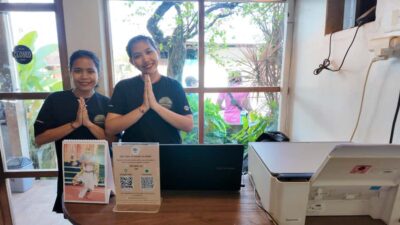
First, you check in at the meeting point by going inside and saying your booking name. Then you get a welcome and an introduction to silver jewelry making. After that comes the design stage: you either choose from options or start shaping your own idea on paper, often inspired by traditional Balinese motifs.
Next is the hands-on part, where you work directly with the silver. You will learn techniques like soldering and detailing, then you add finishing touches like filing and polishing. The polishing step matters more than it sounds, because that is where the piece goes from workshop-made to gift-worthy.
Finally, the class wraps up with a toast, you receive a certificate of completion, and you finish back at the meeting point. You are not sent off to wander. You end where you started, with your jewelry in hand and a clearer sense of what silverwork involves.
A small-group setting helps here. When you are limited to 10 participants, instructors can adjust on the fly, instead of following one rigid plan for everyone.
Choosing designs: Balinese motifs or your own idea on paper
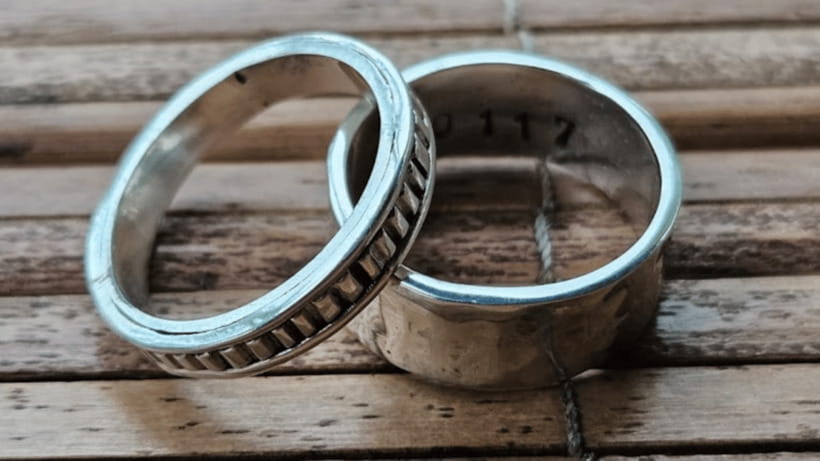
This class starts with inspiration. You can pick from design options, or you can create something more personal by sketching your idea. The instructions encourage you to bring either traditional Balinese motifs into the design or to place your own concept on paper, then work toward it using the tools and techniques you learn during the session.
I like this approach because it avoids the worst version of a workshop, where you only get one pre-selected design and never feel like you made a choice. Here, your ring starts with decisions you make early, and those choices carry through into the final look.
If you have something specific in mind, the design session is the moment to get it clarified. Guides such as Putuk have helped participants realize their ideas, and Guida is mentioned as giving clear guidance that made the process understandable. Translation: you do not need to arrive with art training. You just need to show up with curiosity and a willingness to adjust your idea once you see how the metal behaves.
The hands-on metalwork: soldering, shaping, and detailing
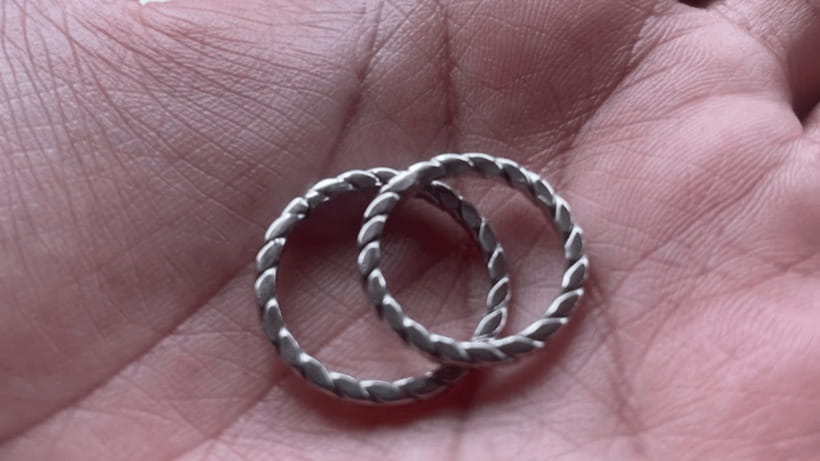
The heart of this class is practical instruction. You are not learning jewelry history for three hours. You are learning how silver is handled in real time.
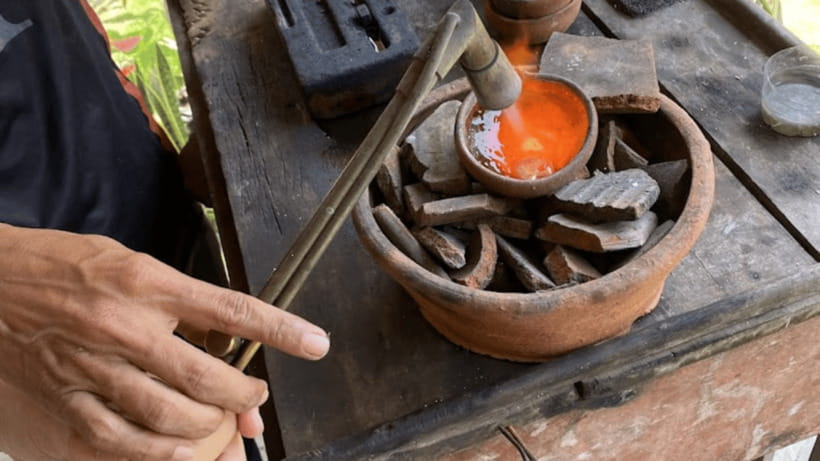
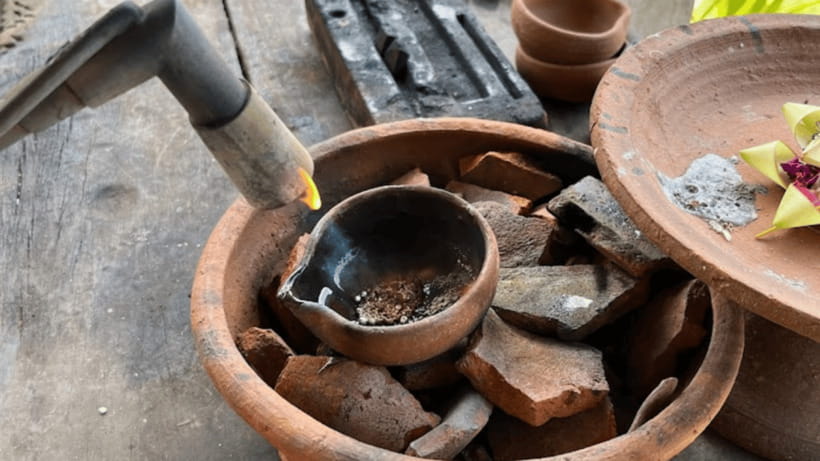
You start by working the silver through steps like melting (described in the experience), then shaping and refining it. From there you move into detailing. The class includes instruction on soldering, plus techniques using tools and files so your ring comes together neatly instead of looking like a rough craft project.
What stands out from the experience is that you get both structure and flexibility. Many people describe being taught in small steps, with help when they get stuck. At the same time, instructors still leave room for your own choices, so the ring ends up reflecting your intent, not just the instructor’s exact preferences.
The polishing stage is the final skill that makes the piece feel finished. In a workshop like this, polishing is what changes the object from metal to jewelry. It is also when you can see results fast, which matters because you spend the whole session building toward this moment.
A few more Bali trips to compare
- Bali: Sunrise Mount Batur Guided Hike with Breakfast
★ 4.8 · 9,660 reviews - Bali: Mount Batur Sunrise Guided Hike and Natural Hot Spring
★ 4.8 · 9,284 reviews - Bali: Full-Day Instagram Highlights Tour
★ 4.8 · 7,817 reviews - Bali/Nusa Penida: East & West Highlights Full-Day Tour
★ 4.7 · 6,263 reviews
Heat, tools, and comfort: plan for a warm workshop
One of the most consistent practical notes is heat. The class involves fire and tools, and it can get quite warm in the workspace. If you are the type who gets uncomfortable in hot conditions, your best move is to pick an evening slot if available.
Even if you do not mind heat, there are two reasons to plan smartly. One is comfort, so you can focus on the steps instead of sweating through the process. The other is attention span, because when you are tired or distracted, fine motor tasks like detailing can feel harder.
A simple tip is to pace yourself mentally. The workshop is hands-on, and you will do multiple tasks in sequence. If you treat it like a short craft mission rather than a passive tour stop, you will enjoy it more.
What is included in the $27 price, and why it feels fair
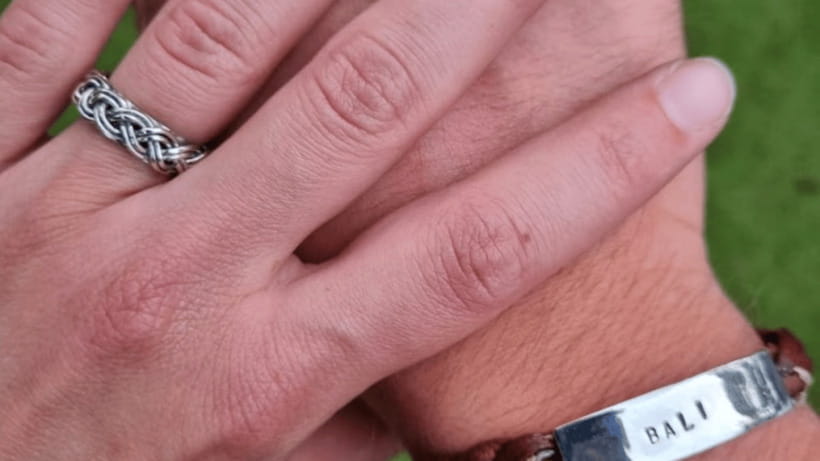
The pricing logic here is refreshingly straightforward: you pay $27 per person, and the class includes 7 grams of silver plus the time and instruction. That matters, because in many souvenir-focused activities, the main cost goes to the experience, while materials are extra. Here, materials are part of the deal.
You also get a coffee break with coffee and a Balinese snack. People mention tea and banana fritters as part of the snack time, which is exactly the kind of small comfort that makes a workshop feel humane. You also get free Wi-Fi, which is a nice touch if you want to upload a photo while you wait for the next step or share your progress with someone back home.
On top of that, you get an English instructor, an English audio guide, and a small group limited to 10. That combination helps keep instruction understandable, not vague, and it reduces the odds you spend the session watching someone else.
For practical travelers, value is not just the dollar amount. Value is also what you leave with. You end with a piece that functions as a souvenir you can wear, and you have a certificate that makes it feel like an actual class, not a quick drop-in craft.
Extra costs that can change your total: more silver and gemstones
Read the pricing rules before you fall in love with a bigger design.
The included silver is capped at 7 grams. If you want to use more than that, there is an extra charge listed at IDR 30,000 per gram. If you want to add a gemstone, there is an additional charge as well, but the amount is not specified in the provided info.
This is worth considering even if you do not plan on gemstones. Some designs naturally use more material depending on thickness, size, and how ambitious your detailing is. If you think you might want a more complex piece, you can plan to keep the design simple within the 7-gram allowance, or budget for the extra silver.
The best strategy is to talk early during the design stage about what will likely fit the included silver. Guides typically can adjust assistance based on what you are trying to make, and that reduces the chance of surprises at the end.
English instruction and audio help: how you avoid confusion
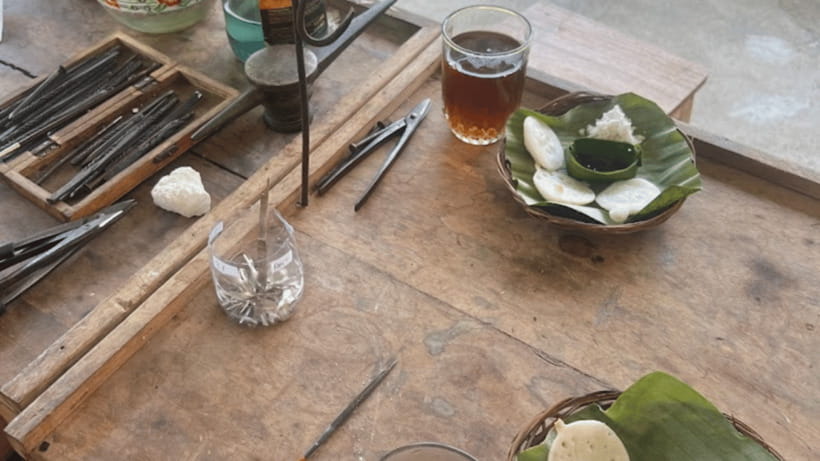
This class runs in English. The instructor is listed as English-speaking, and there is also an English audio guide included. That combination matters because jewelry-making terms can be confusing if you only hear them once.
Small group size helps too. With a maximum of 10 participants, questions do not get lost. Multiple experiences mention instructors being friendly, helpful, and patient, including instances where guidance was a little or a lot depending on what participants needed.
If you prefer learning by doing, this works well. The workshop teaches you by watching, practicing, and then adjusting as you go. If you prefer step-by-step clarity, the small steps and direct support also fit that style.
The Sidemen feel: warm, family-run, and not too formal
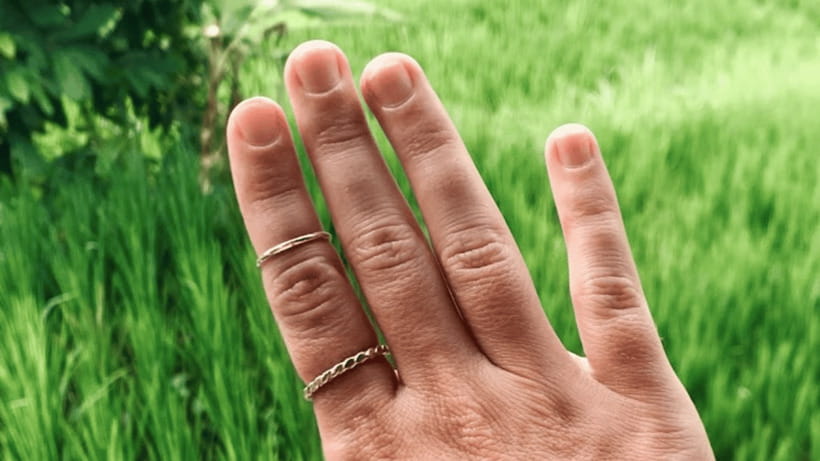
Beyond the technical skills, the tone of the workshop seems to be a big reason for the high satisfaction. Many people describe the people running the workshop as kind, funny, and encouraging. There are also hints that the workshop is family-run, which shows up in the way the session feels welcoming and personal.
In practical terms, this means you are less likely to feel rushed or judged. Silverwork can be fiddly, so a calm, humorous environment helps. Several comments point out a balance of independence and help: instructors still let you feel like you made the piece yourself, instead of taking over completely.
There is also mention of extra kindness outside the workshop in some cases, like helping with onward plans. You should not count on it for scheduling, since it is not guaranteed in the core class info, but it is a good sign that the hosts care about the full experience.
Who this class suits best (and who might want a different Bali activity)
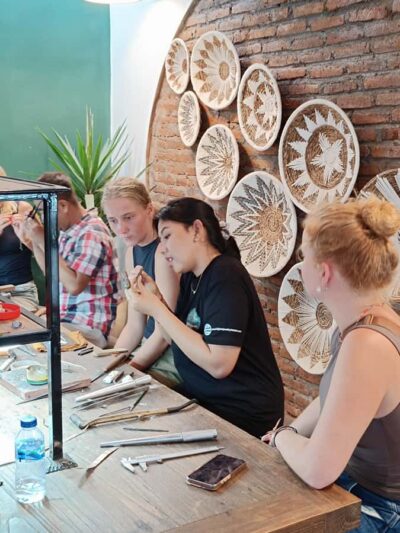
This class is a strong fit if you want a hands-on souvenir. You will enjoy it most if you like the idea of learning a real skill, not just taking photos and leaving. Couples often book it together, and many experiences mention making rings for each other or as a shared memory.
It is also a good pick for first-timers. You do not need prior jewelry experience because the class is designed to teach the process in stages, with help during tricky parts.
Consider alternatives if:
- You cannot handle heat or are very sensitive to warm indoor workspaces.
- You want a purely outdoorsy experience. This is a workshop, so you will spend most of your time indoors at the workbench.
Simple planning tips before you book
Keep these in mind to make your session smoother.
- Pick a time that matches your comfort level. If heat bothers you, aim for an evening slot when available.
- Decide how big you want your piece. Since only 7 grams are included, a minimal or simple design avoids extra silver charges.
- Bring a clear idea for the design session, even if it is just a rough concept. The class gives you choices, but your early input helps.
- Plan your day with a realistic buffer. The session is about 2.5 hours, but times can vary slightly within the 2 to 3 hour range.
If you are staying in or near Sidemen, this is also a convenient style of activity because it does not require a full day out and about. You start and end at the meeting point, then you can keep the rest of your afternoon or evening for exploring.
Should you book the Sidemen Jewelry Silver Class?
Yes, I would book this if you want an actually useful Bali memory. The strongest reasons are the included 7 grams of silver, the English-led instruction, and the fact that the workshop walks you through making and finishing a piece, not just trying techniques for show.
I would hesitate only if heat is a deal-breaker for you, since fire and tools can make the room warm. If you can handle that, the experience is a solid value at $27 and a rare kind of souvenir where you personally control the design choices.
If you want, tell me your travel dates and whether you prefer morning or evening. I can help you pick a practical time slot based on the duration and the heat note.
FAQ
How much does the Sidemen Jewelry Silver Class cost?
The class costs $27 per person.
How long is the class?
It lasts about 2.5 hours, with the activity listed as 2 to 3 hours. Starting times vary by availability.
How much silver is included?
You receive 7 grams of silver included in the class price.
Are there extra charges besides the base price?
Yes. There is an extra charge if you use more than 7 grams of silver, listed as IDR 30,000 per gram. There is also an additional charge for using gemstones. Lunch is not included.
What is included during the class?
Included items are the 7 grams of silver, the 2 to 3 hour duration, free Wi-Fi, and a coffee break with coffee and a Balinese snack.
Is the class taught in English?
Yes. The instructor is listed as English, and an English audio guide is included.
Just added around Bali
- Bali: 3-Day Private Gili Islands Snorkel Tour with Hotel★ 4.2 · 44 reviews
- Bali: 2-Day Sunset and Sunrise Camping at Mt. Batur★ 4.6 · 124 reviews
- Private Full-Day Tour to the Real Bali Swing and Ubud★ 4.5 · 9 reviews
- Ubud: Rice Terrace, Holy Water Temple & Waterfalls Trek Tour★ 4.9 · 115 reviews
- Sanur Village E-bike Tour: Family-Friendly Adventure★ 4.6 · 85 reviews
- Sanur: Horse Riding at the Bali Beach 30 minute ride★ 4.6 · 8 reviews
- Private Sekumpul Waterfall Hiking Tour★ 4.9 · 116 reviews
- Nusa Penida and Nusa Lembongan Island Tour★ 4.7 · 24 reviews
Silver Jewelry Making Classes, compared.
Hands-On Silver Jewelry Making Near Ubud’s Monkey Forest
Read our review →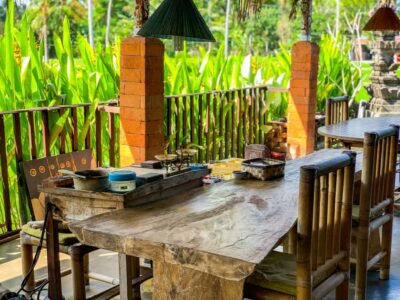
Canggu Jewelry Making Class with Creative Studio Vibes
Read our review →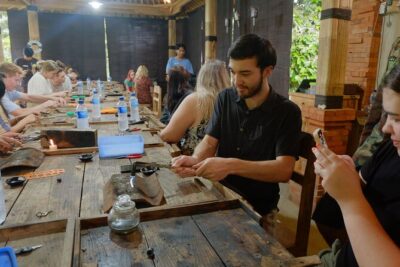
Seminyak Jewelry Making Class with Gold Plating Option
Read our review →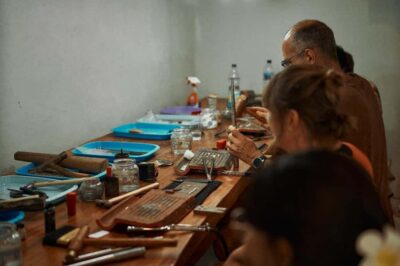
Uluwatu Silver Jewelry Making Workshop with Creation
Read our review →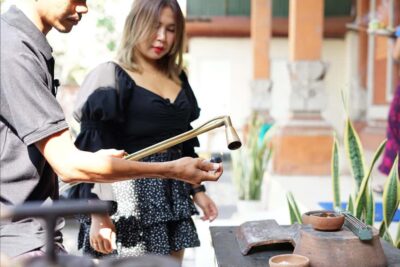
Celuk Bali Silver Class – Make Your Own Silver Jewelry
Read our review →Browse the lists this tour appears in