
REVIEW · INDONESIA
Canggu Surf School Bali
Surfing in Canggu can feel scary.
It becomes a plan you can actually follow, with certified lifeguard-style coaching and a setup that works for both total beginners and returning surfers. I especially like how Deni Black keeps instruction clear, step-by-step, and focused on what your body needs in the moment.
One thing to know up front: you’re at the mercy of wave conditions, so the exact feel of the session can shift when the ocean decides to change.
In This Review
- Key highlights at Canggu Surf School Bali (Deni Black)
- Canggu waves, plus coaching that actually explains what to do
- Meeting at WARUNG AYU on Batu Bolong Beach, and how to time it
- The 2-hour lesson flow: dry surf, then the real water work
- For beginners: 25 minutes on land, then about 1.3 hours in the water
- For more experienced surfers: straight to waves with positioning help
- What you learn, in plain surf terms (and why it sticks)
- Safety, equipment, and the stuff that keeps you surfing longer
- Where the coaching seems to shine: timing, balance, and confidence
- Canggu reality check: weather, waves, and crowd energy
- Price and value: what $23 gives you in Canggu
- What to bring, what to wear, and how to feel ready
- Who should book this Canggu lesson, and who should not
- Photo and video add-on, and capturing the day
- Should you book Canggu Surf School Bali (Deni Black)?
- FAQ
- How long is the surf lesson?
- Where do I meet the surf school?
- What equipment and supplies are included?
- Is the lesson in English?
- Is there a place to change and shower?
- Who is the lesson not suitable for?
Key highlights at Canggu Surf School Bali (Deni Black)
- Small group limit of 10, so you spend more time learning and less time waiting
- 25 minutes of dry surf basics for beginners before you hit the water
- Coaching that targets real surf skills, from lying on the board to paddling and standing
- Safety-first approach, with instructors described as certified lifeguards
- Equipment provided, including soft-top surfboards, rash guards, and leashes
- English and Indonesian coaching, with lessons tailored to your level
Canggu waves, plus coaching that actually explains what to do
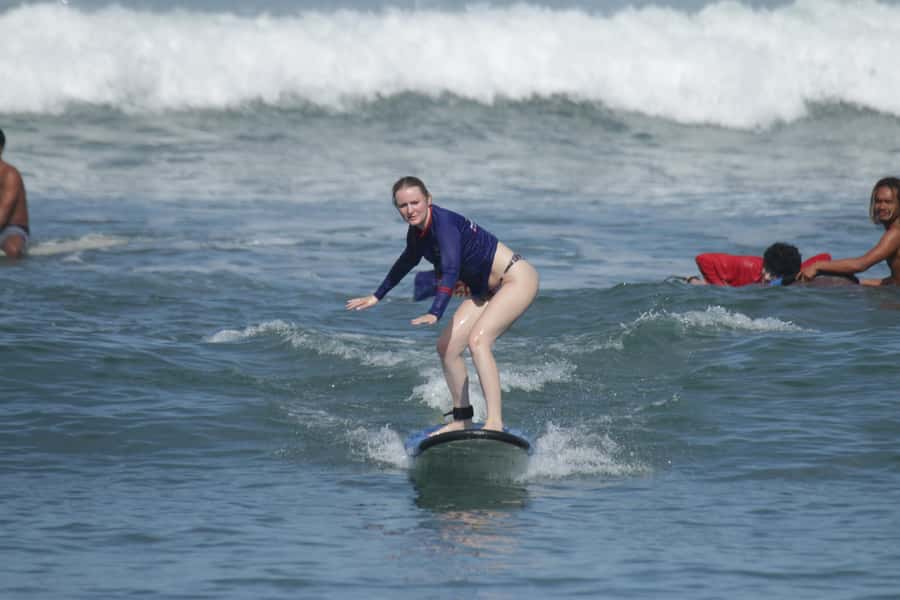
Canggu is one of Bali’s easiest places to try surfing because the vibe is beginner-friendly and the water learning curve is usually gentle enough to make progress fast. The good part here is that the lesson format is built for that reality. You do not just get thrown into the lineup and told to figure it out.
What I like most is the combination of calm teaching and real ocean prep. If you have never stood on a board, you get a short dry-land warmup that teaches you how the board should sit under you and how to use your arms and legs without wasting energy. If you already have some experience, you get more direct help for timing and positioning, instead of repeating beginner drills.
There is also a practical feel to how the coaches guide the session. Multiple descriptions of the teaching style point to patience and humor working together. That matters, because confidence in surf often comes from small wins. You need your coach to spot what is going wrong quickly, then give you a fix you can use right away.
More to fill a day in Indonesia:
- All-Inclusive Ubud Private Tour
★ 5.0 · 14,344 reviews - Bali: Sunrise Mount Batur Guided Hike with Breakfast
★ 4.8 · 9,660 reviews - Bali: Mount Batur Sunrise Guided Hike and Natural Hot Spring
★ 4.8 · 9,284 reviews
Meeting at WARUNG AYU on Batu Bolong Beach, and how to time it
Your meeting point is WARUNG AYU (WR.AYU) at Batu Bolong Beach area in Canggu. The directions are simple: from your hotel, head to Batu Bolong Beach, look for a parking lot near Old Man’s Bar, then walk down to the beach and head left until you find the WARUNG AYU stall.
Here’s the part that actually prevents stress: they say they will be waiting for you 30 minutes before class starts. So plan to arrive with padding. In Bali, traffic and walking pace can vary a lot, and you do not want to show up late with jet-lag brain.
Also, the lesson is 2 hours total, and the way the time is split matters. Beginners get instruction on land first, then spend around 1.3 hours in the water. That means the day will feel active but not exhausting, as long as you pack and change fast.
The 2-hour lesson flow: dry surf, then the real water work
The best way to think about this lesson is as two phases that teach you different things.
For beginners: 25 minutes on land, then about 1.3 hours in the water
You start with a dry surf instruction period of about 25 minutes. During this part, you practice the basics that make or break your first attempts:
- how to lie on the board
- how to paddle in a way that moves you forward
- how to stand up when the timing is right
- basic water behavior so you are not guessing in the moment
This matters because surfing is not just about balance. It is about sequence. If you learn the sequence on sand first, the water phase becomes about repeating it under real waves, not inventing it from scratch.
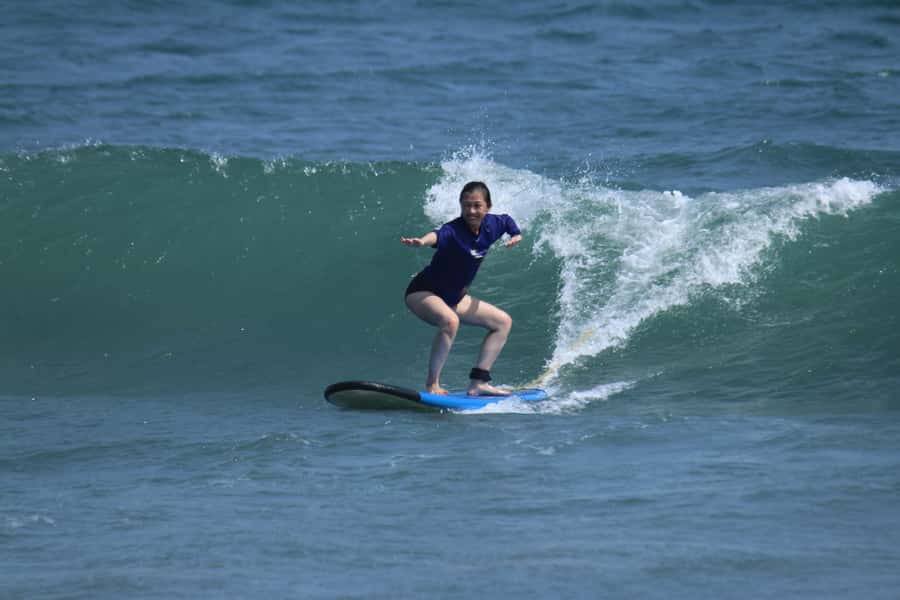
After that, you go into the water for the longer practice stretch. The coaching focus shifts from teaching the movements to helping you execute them. The goal is catching waves you can actually ride, not just getting knocked off over and over.
Another side of Indonesia:
- Best of Ubud Full-Day Tour with Jungle Swing
★ 5.0 · 8,571 reviews - Bali: Full-Day Instagram Highlights Tour
★ 4.8 · 7,817 reviews - Ubud: Monkey Forest, Jungle Swing, Rice Terrace, and Water Temple
★ 5.0 · 7,160 reviews - ️Nusa Penida by Private Boat – Snorkeling 4 spots, Swim with Mantas + Land Tour
★ 5.0 · 6,424 reviews
For more experienced surfers: straight to waves with positioning help
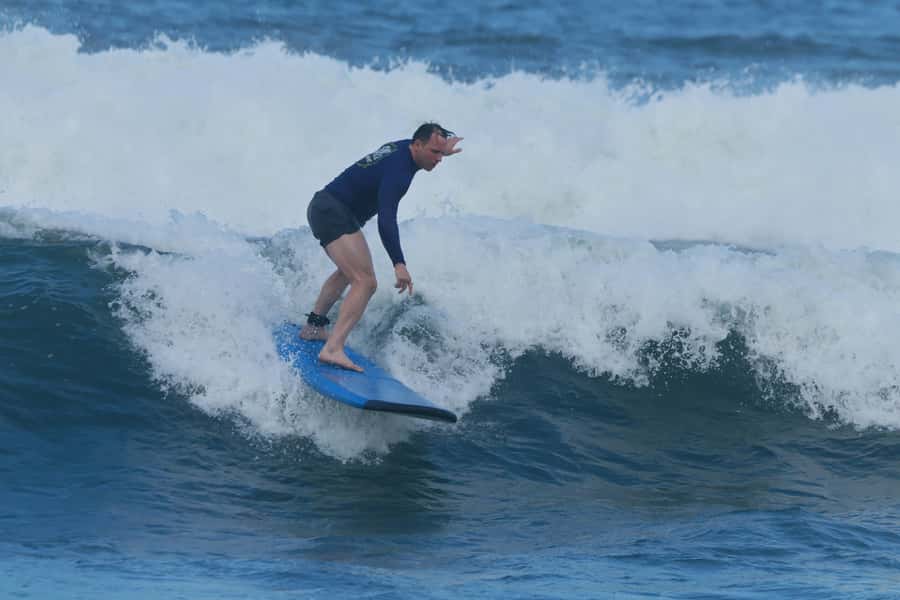
If you already know how to paddle and catch waves, the lesson can be more direct. The plan is to head into the surf sooner, with the coach helping you set position and timing. In other words, you get help that targets the part where most intermediates get stuck: picking the right spot, reading how waves break, and syncing your effort with what the ocean is doing.
If you are somewhere in the middle, the session is described as tailored to your needs. That is valuable, because it prevents the most common surf lesson problem: either you get bored with slow drills or overwhelmed by too much chaos.
What you learn, in plain surf terms (and why it sticks)
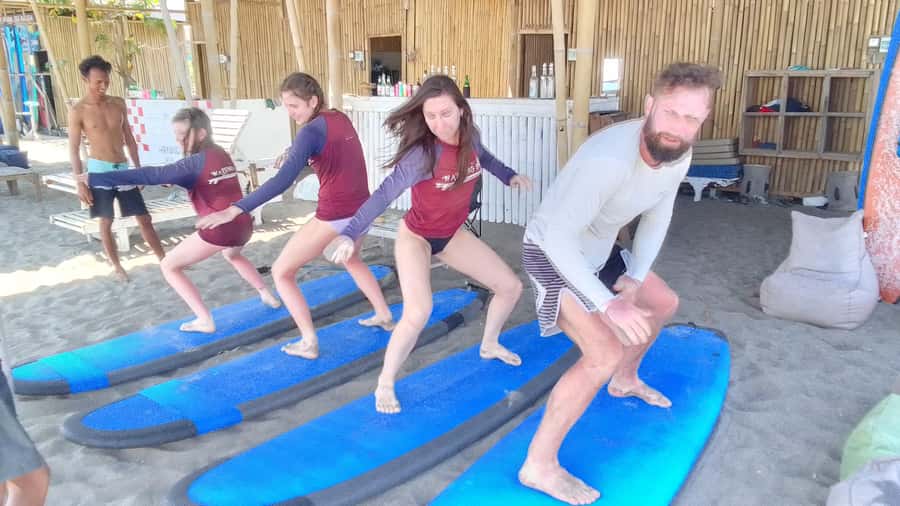
Even if you do not leave with a long, graceful ride, you should leave with skills you can reuse the next time you get on a board. The instruction covers core actions and also the behavior side of surfing, which keeps you and everyone else safer.
You get taught how to:
- lie on the board and settle your body so you do not fight the foam
- paddle effectively, using your arms and timing instead of flailing
- stand up with a step-by-step approach
- behave in the water, which helps you understand how to share space with other surfers
The real payoff is that these basics become muscle memory quickly when your coach is breaking them down in a way you can follow. In the reviews, the coaching approach that gets praised most is instruction that is clear and encouraging, with corrections that feel precise but not harsh.
Also, a few reviews mention the coach assisting physically in practical ways, like helping students catch waves by dragging or paddling them to the right spot. That kind of support can turn a lesson from frustrating to productive, because it reduces the time you spend burning energy without getting a real chance to ride.
Safety, equipment, and the stuff that keeps you surfing longer
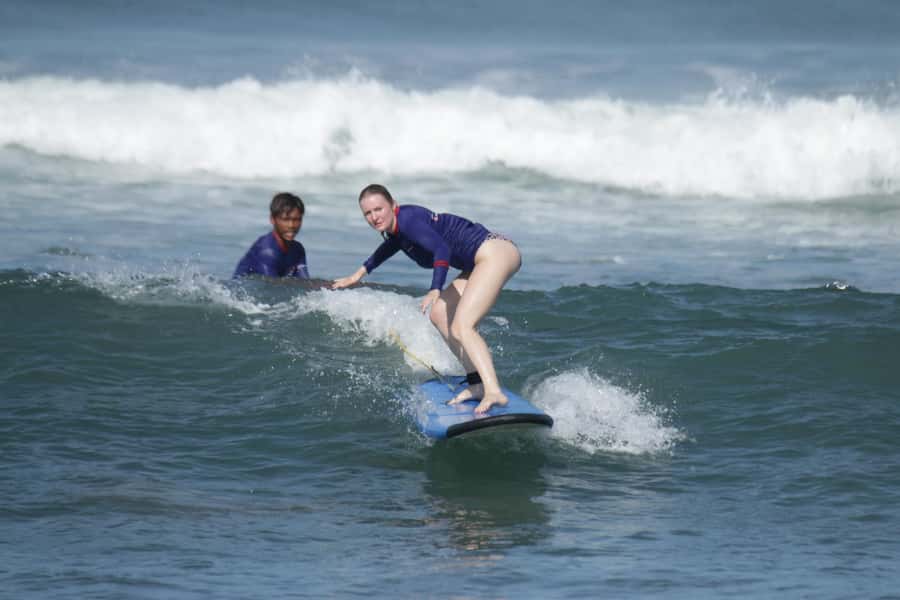
Surf is fun, but it is also a real sport. This school leans into safety details that you should care about even as a beginner.
They say:
- all instructors are certified lifeguards
- you get equipment designed for a safer first experience, including soft-top surfboards
- you also get a rash guard and leash
- safety is treated as the top priority
Soft-top boards and leashes are a big deal. Soft-top boards are more forgiving when you bail, and a leash keeps the board from becoming a free-floating problem in the water. Add rash guards, and you reduce the irritation that can come from both water and board contact.
They also include practical items:
- wax
- sunscreen (listed as included)
- water
- surfboard and rash guard
One section also suggests bringing your own sunscreen. Since sunscreen is both listed as included and also listed as something to bring, I’d treat this as a gentle hint to bring your preferred sunscreen anyway. Surfing time in the sun adds up fast, and you will not enjoy the session if you feel burned.
What is not included is food. Keep that in mind and plan a snack or meal before or after, especially if you tend to get shaky when you are sweaty.
Where the coaching seems to shine: timing, balance, and confidence
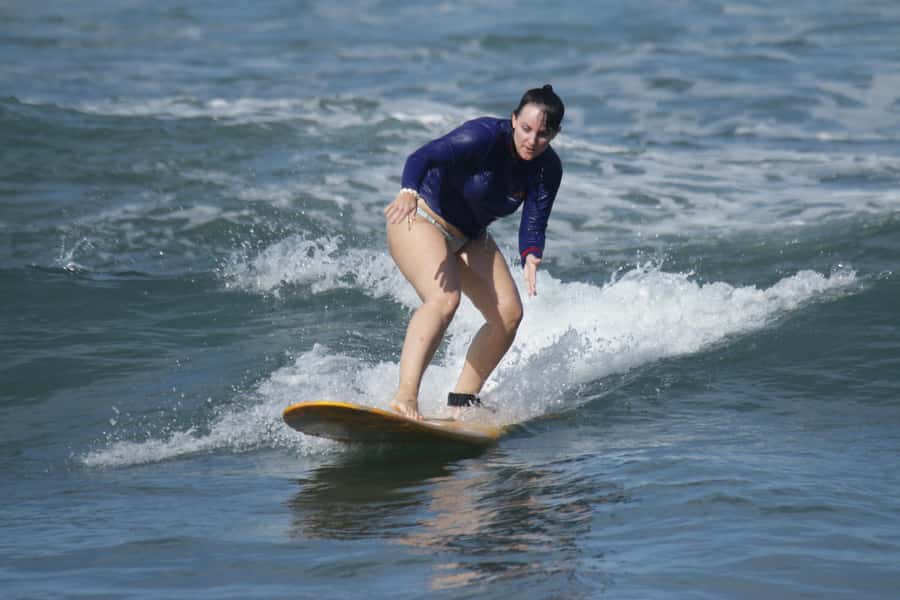
This is the part that shows up again and again in the way people describe their experience. The most praised aspect is that the coaching is patient and encouraging, without being vague.
Deni Black is repeatedly credited as professional and supportive, with clear explanations that make improvements feel fast. A lot of surf lessons teach concepts, but do not help you correct the exact mistake you are making. Here, the feedback seems aimed at what your body is doing:
- where you place yourself on the board
- how to time the moment you try to stand
- how to keep balanced through the wave
Some descriptions also highlight that the coach keeps things relaxed, using humor while still teaching seriously. That combo helps because you will try more attempts when you are not afraid of failing. And in surf, trying is learning.
Another detail that some surfers mention is avoiding the most crowded spots. That is useful for beginners and intermediates alike. Crowds mean more chaos, more waiting, and more situations where you get caught in awkward breaks. If your coach nudges you toward easier-to-learn conditions, your progression accelerates.
Canggu reality check: weather, waves, and crowd energy
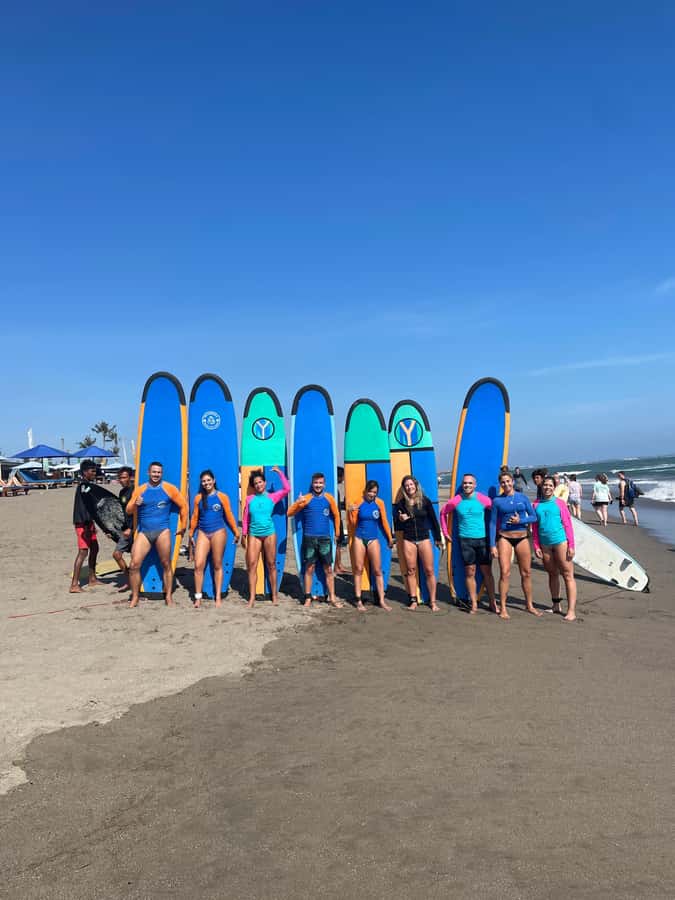
You should expect Canggu to be active. The beaches around Batu Bolong can be busy, with lots of people learning and lots of locals already shredding.
The lesson schedule depends on availability and wave conditions in Canggu. So do not plan your whole day like the surf lesson is guaranteed to run at a perfect minute-by-minute clock. It is a short, structured 2-hour session, but the ocean controls the exact timing.
The practical lesson for you: build a buffer. If you have dinner reservations, place them after the lesson with a little breathing room. And if you are sensitive to heat, drink water, take the included hydration seriously, and shade between attempts.
One review mentioned feeling sick afterward from heat, and the team took care of them. That is a reminder to listen to your body. Surfing is physical, sun adds stress, and you do not need to push through nausea.
Price and value: what $23 gives you in Canggu
At $23 per person for a 2-hour lesson, this is positioned as a value-friendly way to learn. The real question is not the number, it is what you get for it.
You get:
- coaching matched to beginner or more experienced needs
- equipment including surfboard, rash guard, wax, and leash
- sunscreen and water
- a small group format capped at 10 participants
If you compare that to the cost of renting a board alone, plus the time and uncertainty of learning on your own, the value becomes easier to see. Surfing requires feedback. You can have all the right gear and still struggle with paddling, timing, and standing. Paying for coaching is what turns gear into progress.
There is also mention of upgrades in reviews, like private formats and fiberglass boards for an extra 100,000. That is optional, not required. If you are on a budget, stick with the standard group lesson and focus on getting your basics dialed in. If you already surf regularly and you want faster refinement, you can ask about more private or higher-performance board options when available.
What to bring, what to wear, and how to feel ready
For this session, keep your packing simple. They recommend:
- change of clothes
- towel
- sunscreen
They also note there is shower and changing room access on site, which is helpful when you want to rinse off and move on with your day.
Clothing is simple too. Wear something that dries fast and won’t irritate you under the rash guard. If you are unsure, treat the rash guard as your main layer. Bring a hat if you like, but the essential part is being able to get back to comfortable clothes after you leave the beach.
One more practical tip: if you can, show up feeling rested. The dry-land time is short, and you want your brain on for those first corrections. That is where beginners get over the fear and start learning faster.
Who should book this Canggu lesson, and who should not
This is a good fit for:
- complete beginners who want a structured start
- beginners who learn best with step-by-step feedback
- intermediate surfers who want help with position and timing
- groups of friends who want a shared activity with a small group limit
It is not suitable for pregnant women, based on the provided info.
If you have never surfed, you’ll appreciate the dry instruction first. If you already surf, you’ll likely appreciate less repetition and more targeted help getting into the right waves. Either way, the lesson is built to help you catch waves and build confidence, not just stand around on the beach.
Photo and video add-on, and capturing the day
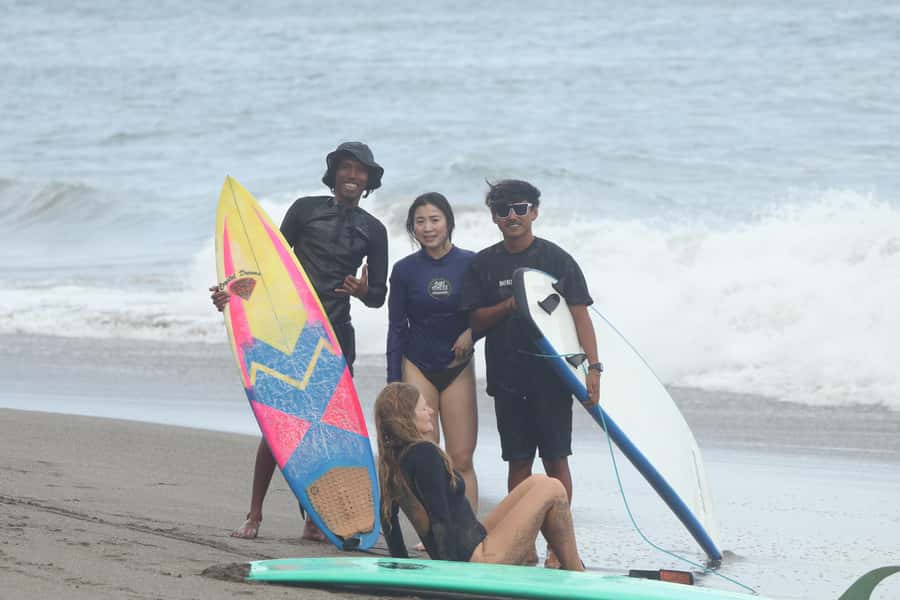
If you want to keep the memories, ask about documentation. They say video or photo can be provided at an additional cost. One review specifically praised the end-session photos as high quality, which tells you this is not just a casual extra.
Plan for it like this: if photos matter to you, be ready to pay the add-on fee. If they do not, you can save the money and focus fully on your first tries.
Should you book Canggu Surf School Bali (Deni Black)?
Book it if you want:
- a 2-hour surf lesson that teaches real fundamentals
- safety-forward coaching with certified lifeguards
- a small group setting, capped at 10 people
- instruction in English and Indonesian
- a coach known for patient, clear feedback and a relaxed tone
Skip it or choose another option if:
- you are pregnant, since it is listed as not suitable
- you need a lesson that never changes due to waves, because schedules depend on conditions
- you want food included, since it is not part of the package
If you are traveling through Bali and you want one activity that gives you a skill you can repeat, this one makes sense. You will leave with basics you can use again, plus the confidence that you can stand up and actually ride, not just fall off.
FAQ
How long is the surf lesson?
The duration is 2 hours.
Where do I meet the surf school?
Go to Batu Bolong Beach and look for a parking lot near Old Man’s Bar. Walk down to the beach, then head left to find the stall called WARUNG AYU (WR.AYU).
What equipment and supplies are included?
Included items are surf instruction, surfboard, rash guard, wax, sunscreen, and water.
Is the lesson in English?
Yes. The instructor teaches in English and Indonesian.
Is there a place to change and shower?
Yes. Shower and changing room access is available on site.
Who is the lesson not suitable for?
The lesson is not suitable for pregnant women.
Just added around Indonesia
- Private Tour: Bali UNESCO World Heritage Sites★ 5.0 · 62 reviews
- Bali ATV Ride with Waterfall Dragon Cave and Lunch by Penidago★ 4.5 · 7 reviews
- Foodie Tour Bali★ 5.0 · 7 reviews
- Mount Batur Jeep Sunrise by 4WD with Breakfast★ 5.0 · 18 reviews
- The Three Temples of Bali Half Day Private Tour★ 4.0 · 5 reviews
- Mount Agung Sunrise Trekking Private Tours★ 5.0 · 11 reviews
- Private Departure Transfer: Hotel to Bali Airport★ 3.5 · 14 reviews
- Monkey Forest, Ubud, Waterfall and Rice Terrace★ 4.5 · 53 reviews