
REVIEW · BROMO & IJEN VOLCANO TOURS
Ijen Volcano Midnight Hike with Blue Fire & Guide (SHARING)
Blue flames mean you start hiking in the dark. This Ijen midnight hike from Banyuwangi mixes crater views, a rare chance at blue fire, and that strange dead forest you see nowhere else.
What I like most is the practical setup. You get gas mask + headlamp for the crater area, plus English-speaking guides and the safety focus that matters when sulfur fumes are real. One caution: blue fire is not guaranteed, and conditions can limit access.
In This Review
- Key highlights worth getting up for
- Banyuwangi pickup to Paltuding Post: the first test is your 12:00 a.m. alarm
- Gear and safety at Paltuding: where comfort meets survival
- Cold before sunrise: what 5°C to 15°C feels like on a mountain
- The climb to the crater: steady uphill, about 3.8 km each way
- Optional dead forest detour: the eerie part you might not expect
- Summit timing: searching for blue fire, then watching the lake wake up
- How the blue fire experience actually works on the ground
- Sulfur workers you pass along the way: strength you can see
- The descent back to basecamp: easier steps, still be careful
- Meals and small comforts: coffee break plus Indonesian breakfast
- Price and value: why $20 can be fair for Ijen, even when it’s not the cheapest
- Who should book, and who should skip this midnight hike
- What to pack, and what not to bring
- Should you book this Ijen midnight hike with blue fire?
- FAQ
- Where is the pickup and how do you get to the volcano?
- How long is the hike to the crater?
- How long does the descent take?
- Is the blue fire guaranteed?
- Do they provide safety gear like a gas mask and headlamp?
- What should I bring for the midnight hike?
- How cold does it get before sunrise?
- Is the health certificate included and required?
- What meals are included?
- Who is this tour not suitable for?
- What is the cancellation policy?
Key highlights worth getting up for
- Blue fire odds, not promises if volcanic conditions allow it
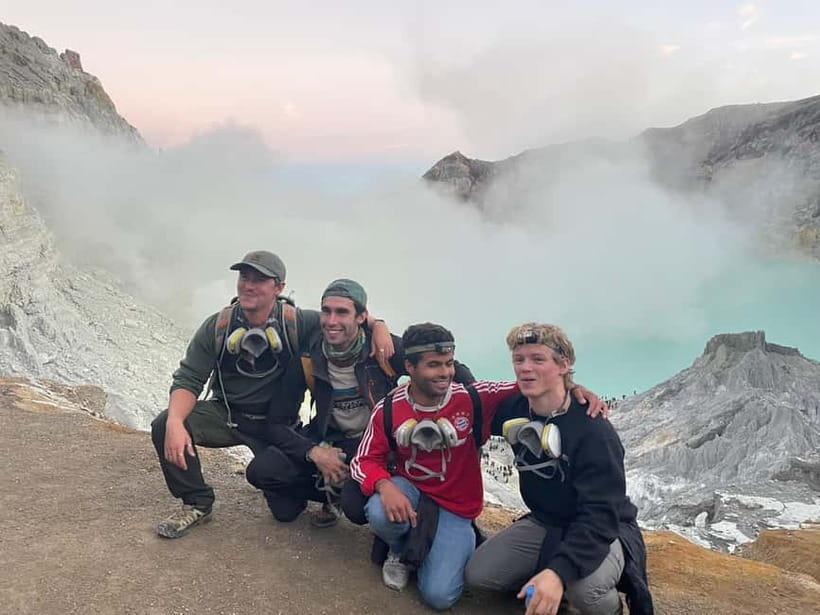
- Turquoise crater lake at sunrise with a dramatic light change
- Dead forest detour shaped by past eruptions, eerie and photogenic
- Built for safety with gas masks, headlamps, and first aid plus oxygen canister available
- Comfortable shuttle from Banyuwangi, then back after the hike
Banyuwangi pickup to Paltuding Post: the first test is your 12:00 a.m. alarm
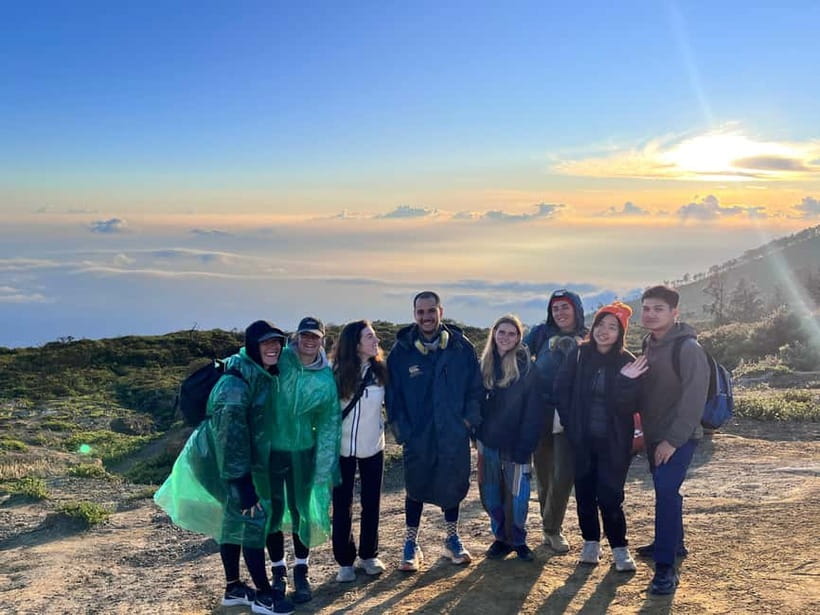
This trip is built around a very early start, because Ijen is best seen before the sun fully rises. You’re picked up from your accommodation in Banyuwangi city, then you ride to Paltuding Post (in the Licin area). The drive is usually about 1 to 1.5 hours, and morning traffic can add a little delay.
This part sounds simple, but it sets the tone for the whole night. You want to show up with warm layers ready, not still rummaging around for gloves at the meeting point. I also like that the whole logistics chain is planned, including the return to Banyuwangi after the hike. When you’re dealing with cold air, steep steps, and low visibility, it helps to not worry about transportation.
Other Bromo and Ijen Volcano tours worth a look in Banyuwangi:
- Banyuwangi/Bali: Ijen Volcano Midnight Blue Fire Guided Tour
★ 4.9 · 854 reviews - Banyuwangi: Mt. Ijen Sunrise Hike with Pickup & Health Check
★ 4.9 · 109 reviews - Banyuwangi : Mt Ijen Hike, Blue Fire & Panoramic Lake Guided
★ 4.9 · 98 reviews
Gear and safety at Paltuding: where comfort meets survival
At Paltuding Basecamp, you’ll meet your local trekking leader, who stays with you through the hike. Before moving, you do a quick essentials check. The tour is clear about what you should bring: warm clothing, gloves, comfortable shoes, and either a flashlight or headlamp.
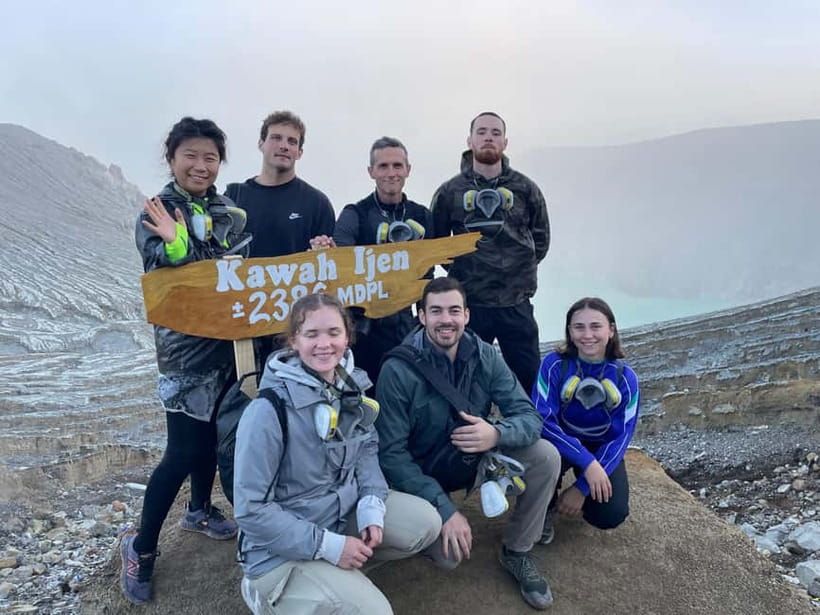
Here’s the part that makes a real difference: you are given a gas mask (mandatory for the crater area) and a headlamp. That’s not “nice to have,” it’s the difference between trudging forward and coping when conditions get harsher near the summit. They also include a first aid kit and a portable oxygen canister available on hand.
Group size also matters. For groups over 7 people, the tour provides at least two guides, so you’re not just another number on a crowded trail. It’s a simple policy, but it shows up as better attention on the steps, pacing, and safety instructions.
Cold before sunrise: what 5°C to 15°C feels like on a mountain
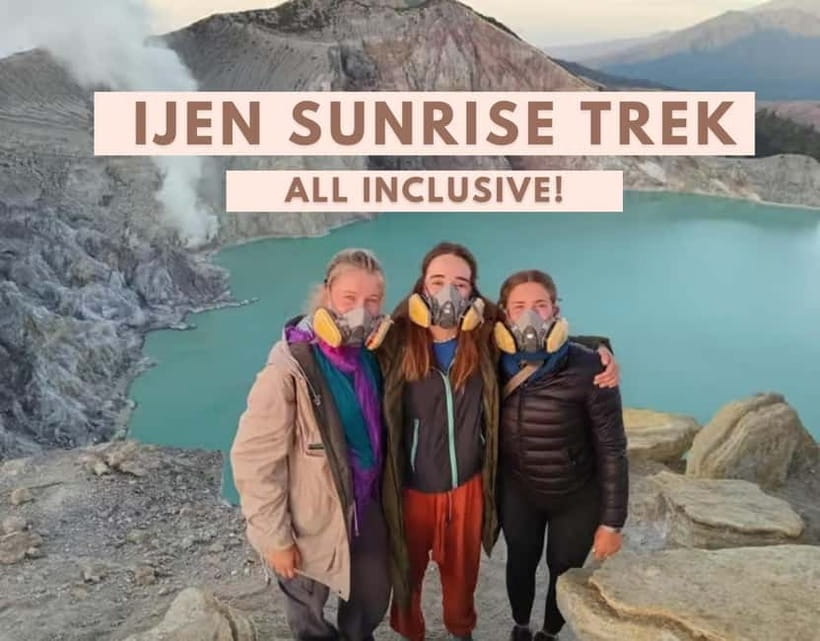
The temperatures before sunrise can be seriously cold, listed as about 5°C to 15°C. That doesn’t sound brutal on paper, but at midnight you’re walking uphill in layers for hours, and you lose body warmth fast when you stop moving.
Plan for “warm now, comfortable later,” not “I’ll just tough it out.” Bring warm outerwear and gloves, and wear proper hiking footwear. The tour also flags that high-heeled shoes are not allowed, and that you shouldn’t show up with luggage or large bags. The goal is simple: keep your hands free, keep your feet stable, and keep your movement quick and safe on the trail.
The climb to the crater: steady uphill, about 3.8 km each way
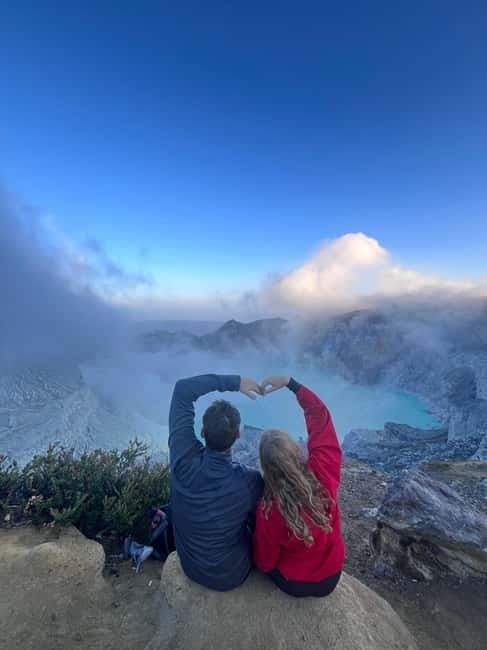
The hike to the crater is about 3.8 km and takes roughly 1.5 to 2 hours uphill. Expect a steady climb along a marked route. This is not described as a technical climb, but it’s still a real hike, and the cold air plus sulfur odor (eventually) makes it more demanding than it looks on a map.
Along the way, you might meet sulfur miners or other guides who can help with directions. Seeing local workers out there is a key part of the experience. It makes the whole volcano feel more alive and human, not just scenic. You’re not only hiking for pictures. You’re stepping into a working landscape where people do hard physical jobs in harsh conditions.
Pace matters. If you start too fast, you’ll pay for it during the last stretch when your breathing and energy get taxed. The guides’ job is to keep everyone moving safely, not just get you to the viewpoint.
A few more Banyuwangi trips to compare
- Banyuwangi: Ijen Crater Bluefire and Sunrise Guided Trek
★ 4.9 · 65 reviews - Ijen Crater Blue Fire Night Hike
★ 5.0 · 49 reviews - Bali or Banyuwangi: Mount Ijen Blue Fire Hiking
★ 4.6 · 7 reviews - From Bali : Mt Ijen Hike, Blue Fire & Panoramic Lake Guided
★ 5.0 · 5 reviews
Optional dead forest detour: the eerie part you might not expect
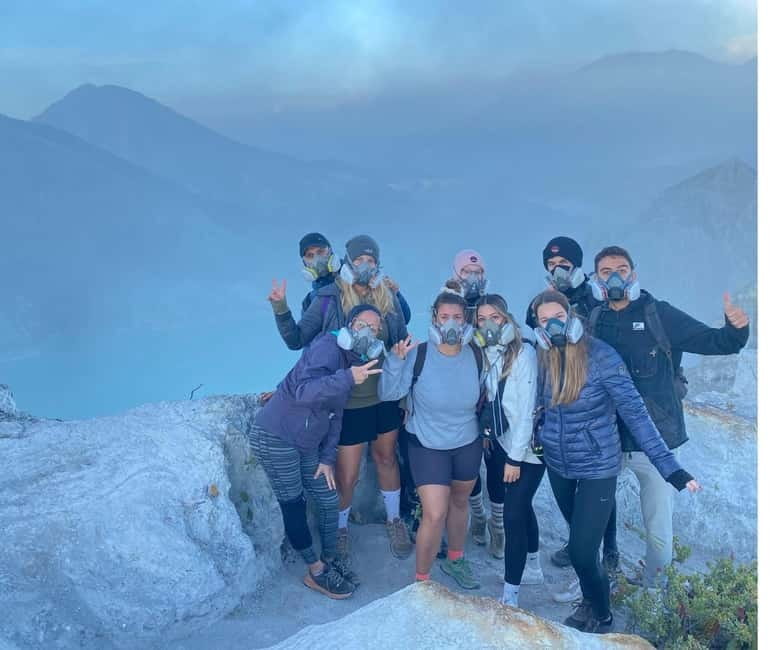
Once you’re on the crater side area and if you’re interested, there can be a short detour to the dead forest. This section is described as shaped by past volcanic eruptions. It’s one of those places that feels quiet and strange, and it’s a nice counterpoint to the more famous “blue fire and sunrise” moments.
This detour is optional, so you’ll be able to choose based on how you’re feeling. If you’re cold, tired, or just want to focus on reaching the best light, you can skip it. If you do go, it adds variety and gives context for what Ijen is doing to the land over time.
Summit timing: searching for blue fire, then watching the lake wake up
If conditions allow, you may get a glimpse of blue fire from a distance. The tour is honest about this: blue fire is not guaranteed, and access depends on volcanic and sulfuric conditions. Sometimes it may not be permitted during higher sulfuric activity. That means your best plan is to treat blue fire like a bonus, not the whole reason you came.
Then comes the part that’s consistently worth the effort: the sunrise viewpoint over the crater lake. You’ll arrive in time to watch colors shift as daylight breaks over the turquoise crater lake and surrounding mountains. This is where the whole night hike starts to feel like it made sense. The air is cold, the ground is rough, and your legs are tired, then the light changes and suddenly it’s “wow” territory.
Photography can be tricky. The guides give directions, and you’ll want to keep moving enough to stay warm while still getting the shot. The headlamp helps you navigate before sunrise, but once it’s light enough, you can switch to focusing on the view.
How the blue fire experience actually works on the ground
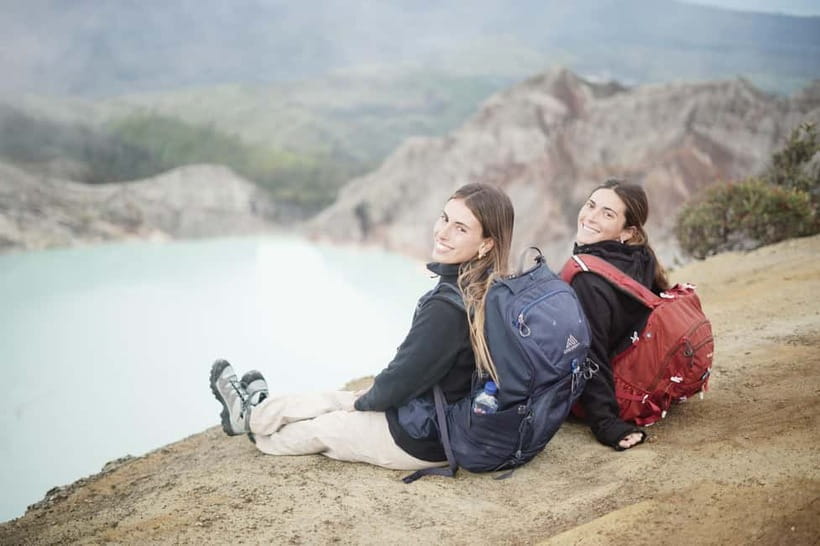
Blue fire at Ijen is described as something you can witness from the summit area, but it also depends on access and conditions. If you do see it, it’s presented as mesmerizing, close to the crater environment where sulfur fumes are strongest. That’s exactly why the gas mask isn’t optional once you get into the crater area.
Even if blue fire isn’t visible, you’re still there for a crater sunrise and the weird geology of Ijen. It can help your mindset to think this way: you’re hiking to be in the right place for multiple possible moments, not banking on a single outcome. When conditions are unfavorable, the guide may adjust what’s allowed, which is why you get the “tour focuses on trekking” framing.
Sulfur workers you pass along the way: strength you can see
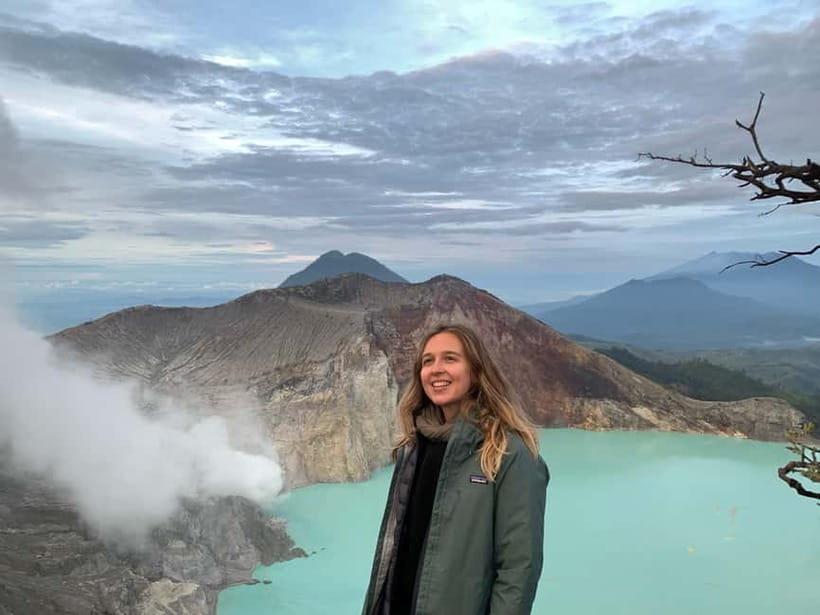
One standout detail is the attention to the local sulfur workers. This isn’t framed as a side show. You might see workers at or near the volcano, and the tour highlights their strength and endurance. For me, that changes how the hike feels. It’s not just scenery. It’s a place where people work in dangerous conditions, and you are observing that reality from the trail.
You may also see other guides or local helpers pointing you in the right direction. When you’re tired and moving in the dark, that small assistance is a big deal. It also helps keep the route safe and reduces confusion when the path gets busy.
The descent back to basecamp: easier steps, still be careful
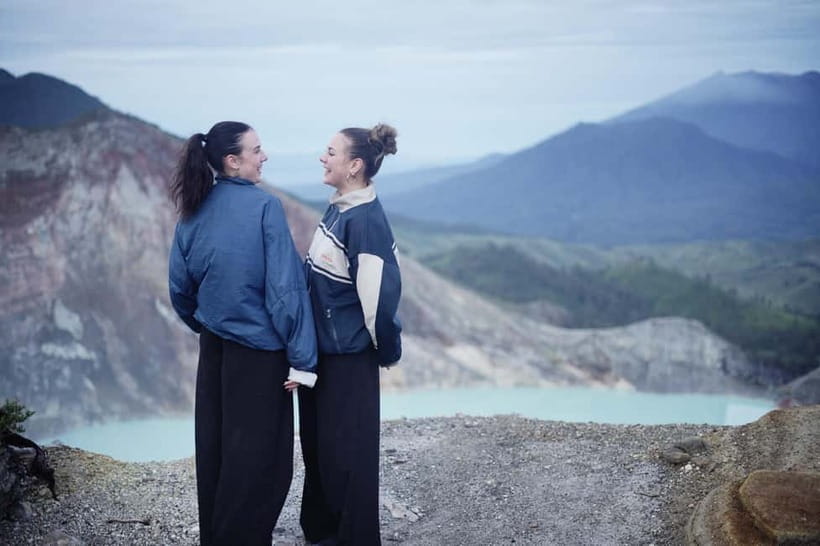
After sunrise and any crater-side moments, you return to Paltuding Post. The descent usually takes 1 to 1.5 hours. The downhill walk is described as easier, and the path is considered safe and easy to follow.
Still, “easier” does not mean “relaxed.” Your legs may feel heavy after hours of climbing, and stone paths can be slippery when you’re cold and trying to move quickly. Go slower than your ego wants. Keep your footing solid, and follow the guide’s instructions, especially in busier sections of the trail.
Meals and small comforts: coffee break plus Indonesian breakfast
This tour includes food at both ends. You get a coffee break before and after the trek, plus snacks and drinks to help you stay energized. After the hike, you also get an Indonesian breakfast.
That matters more than it sounds. Midnight starts drain energy, and the cold makes it worse. A warm drink and something to eat help you reset before the crater part, and again on the way back when you’re ready to thaw out. Even better, the breakfast after the hike gives you a clean finish, not just “get off the mountain and figure out food.”
Price and value: why $20 can be fair for Ijen, even when it’s not the cheapest
The price is $20 per person, and while it’s not described as the cheapest option, it’s positioned as good value for what you receive.
Here’s what you get that raises the value floor:
- Round-trip transport from Banyuwangi to Paltuding Post and back
- Ijen National Park entrance plus Jambu entrance retribution fee
- Gas mask and headlamp for the crater area
- A local trekking guide with a 1 guide per 7 participants style ratio, plus extra guide support for larger groups
- A health certificate required for this hike (mandatory starting in 2024) included in the price
- First aid kit and portable oxygen canister available
- Coffee break before and after, plus Indonesian breakfast after
If you try to piece this together yourself, you’d spend time coordinating transport, paying separate entrance fees, sourcing proper masks and light, and dealing with the health certificate requirement. For many visitors, the “$20 versus hassle” trade-off is exactly what makes this a workable plan.
Who should book, and who should skip this midnight hike
This is a moderate fitness hike with a clear time commitment and cold conditions. It’s not suitable for children under 12, pregnant women, people with heart problems, people with respiratory issues, or anyone with low fitness.
So who is it perfect for? If you can handle an uphill hike of about 3.8 km each way, dress for cold weather, and accept that blue fire is not guaranteed, you’ll be in the sweet spot. It also suits you if you like practical guides and a well-managed group pace more than “free-form adventure.”
What to pack, and what not to bring
Bring:
- Comfortable shoes and ideally proper hiking shoes
- Warm clothing and gloves
- Water
- A flashlight or headlamp (they provide a headlamp, but you can still come prepared)
Not allowed:
- High-heeled shoes
- Pets or baby strollers
- Luggage or large bags
- Smoking in the vehicle
- Alcohol and drugs
- Making noise
It’s worth taking these rules seriously. A cramped group at midnight plus cold gear plus a narrow trail is not the time to be improvising with the wrong footwear or bulky bags.
Should you book this Ijen midnight hike with blue fire?
Yes, if you want the full Ijen experience in one organized push: crater sunrise views, a shot at blue fire, and a guided hike with the right gear. The value is strongest when you appreciate the setup, especially the gas mask, headlamp, guide support, and included health certificate requirement.
I’d hesitate if you are chasing only one outcome, like blue fire at any cost. Conditions matter, and the tour explicitly doesn’t guarantee the blue fire. Also reconsider if the cold, early start, and moderate uphill hike would be a strain for your body or breathing.
If you’re ready for a night hike that feels tough at first and rewarding at sunrise, this is an efficient, well-run way to do Ijen.
FAQ
Where is the pickup and how do you get to the volcano?
You get picked up from your accommodation in Banyuwangi city. Then you drive about 1 to 1.5 hours to Paltuding Post, located in the Licin area. After the hike, you return by car and get dropped back at your accommodation in Banyuwangi.
How long is the hike to the crater?
The hike to the crater is about 3.8 km and takes around 1.5 to 2 hours uphill.
How long does the descent take?
The way down is usually easier and takes about 1 to 1.5 hours.
Is the blue fire guaranteed?
No. Blue fire sightings depend on volcanic conditions and may not be permitted during high sulfuric activity.
Do they provide safety gear like a gas mask and headlamp?
Yes. The tour provides gas masks (mandatory for the crater area) and headlamps.
What should I bring for the midnight hike?
Bring comfortable shoes, warm clothing, water, and a flashlight or headlamp. Gloves and a warm jacket are specifically important for comfort before sunrise.
How cold does it get before sunrise?
Temperatures can be very low before sunrise, listed as about 5°C to 15°C.
Is the health certificate included and required?
Yes. A health certificate is required for the hike (mandatory starting in 2024) and it is included in the price.
What meals are included?
You get a coffee break before and after the trek, plus snacks and drinks. After the hike, you also get an Indonesian breakfast.
Who is this tour not suitable for?
It is not suitable for children under 12, pregnant women, people with heart problems, people with respiratory issues, and people with low level of fitness.
What is the cancellation policy?
You can cancel up to 24 hours in advance for a full refund.
Just added around Banyuwangi
- Start: Malang! Bromo Sunrise and Ijen 2D/1N Share Tour★ 4.6 · 5 reviews
- Start Probolinggo: Mount Bromo Sunrise Shared Guided Tour★ 4.5 · 5 reviews
- Shared Tour Mount Ijen 1D start from Banyuwangi★ 4.5 · 4 reviews
- Mount Ijen Blue Fire Tour Start From Banyuwangi or Ubud Bali★ 4.8 · 4 reviews
- Ijen Crater Blue Fire Night Hike★ 5.0 · 49 reviews
- From Yogyakarta : 3Days Bromo-Ijen Vulcano drop Bali Hotel★ 4.9 · 22 reviews
- From Surabaya/Malang/Bali: Kawah Ijen Blue Fire Guided Tour★ 4.8 · 7 reviews
- From Malang/Surabaya: Mount Bromo and Ijen Crater 2-Day Tour★ 4.9 · 12 reviews
Bromo & Ijen Volcano Tours, compared.
Mount Bromo Sunrise Tour from Surabaya or Malang – 1 Day
Read our review →
1 Day Amazing Bromo Sunrise tour from Malang Surabaya 7 spots
Read our review →
Banyuwangi/Bali: Ijen Volcano Midnight Blue Fire Guided Tour
Read our review →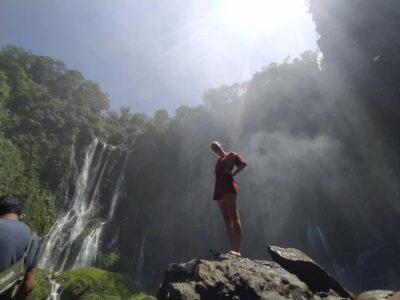
Surabaya or Malang: Tumpak Sewu Bromo & Ijen 3-Day Trip
Read our review →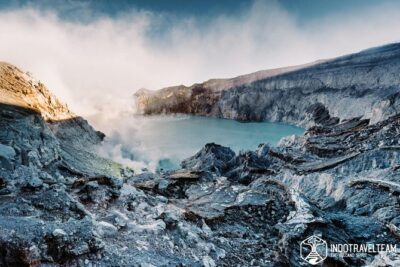
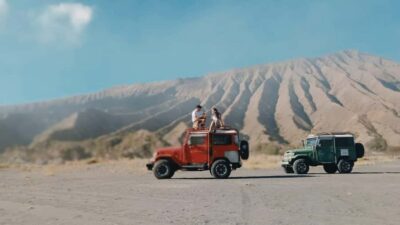
Surabaya or Malang: Mount Bromo Sunrise Share Guided Tour
Read our review →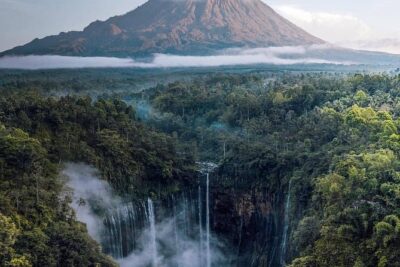
3Days – Tumpaksewu Bromo Ijen Adventure via Malang or Surabaya
Read our review →
From Surabaya / Malang : Mt Bromo Sunrise – Ijen Blue Fire 3D2N
Read our review →Browse the lists this tour appears in