
REVIEW · HIKING & TREKKING
2D1N Senaru Crater Rim Trekking
Crater views start in the forest. This 2D1N trek from Senaru takes you up to Mt. Rinjani’s crater rim with a private guide, then lets you watch the sky change over the Gili Islands and Bali’s Mt. Agung. It’s not just a hike for photos, it’s a whole two-day rhythm of climbing, camping, and then taking the mountain in slowly.
What I love most is the way the camp feels genuinely set up for humans, not survival mode. You sleep with a mattress and pillow, plus a sleeping bag and even a toilet tent, which makes the night on the rim much more comfortable than most “mountain camping” setups. The second big win is the pacing, because you’re not stuck with a big herd, your guide can match your group’s tempo.
One consideration before you book: the trek is still steep and more demanding than many people expect, and the Rinjani national park fee is not included (IDR 250,000 per person per day). If you’re not comfortable with a full day of uphill on rough trail, you’ll want to set your fitness expectations honestly.
In This Review
- Key highlights you’ll feel quickly
- Senaru to Rinjani’s rim, the practical way in
- Day 1: Forest hiking, steeper grassland, rim camp at 2,641m
- The rim night: sunset views and a camp you’ll actually like
- Day 2: Sunrise, relaxed breakfast, then an easier mental load on the way down
- What’s included, and why it’s worth the money
- Guides and porters: the difference between hard and scary
- Weather and trail difficulty: set expectations like a pro
- What to pack (and what you can skip)
- Who this trek is best for, and who might want another plan
- Should you book the Senaru crater rim trek?
- FAQ
- What time does the trek start in Senaru?
- Where does the trek start and end?
- How long is the experience?
- What is included in the camping setup?
- Is the Rinjani national park fee included?
- How much water and food do you get?
- What gear do I need to bring?
Key highlights you’ll feel quickly
- Private guide, private pace: your group climbs and rests on its own rhythm.
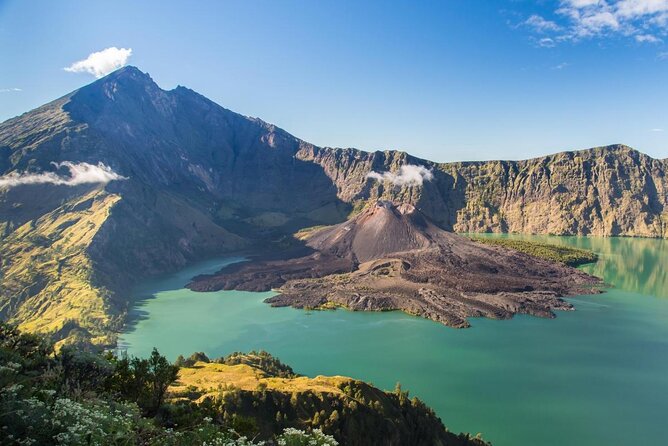
- Rim campsite at about 2,641m: the overnight views are the point, not an extra perk.
- Comfort camping included: mattress, pillow, sleeping bag, and a toilet tent.
- Meal and water support on the trail: includes food and about 3 litre mineral water per person per day.
- Sunset + sunrise timing: you get the night sky glow and the morning light on volcano country.
- English-speaking guiding: plus porter support for cooking gear and camping equipment.
Senaru to Rinjani’s rim, the practical way in
Senaru is a classic starting area for Mt. Rinjani treks because it gives you a route that many visitors can handle in two days. Instead of trying to rush to the summit, this plan focuses on the crater rim from Senaru. That matters, because the highest and hardest routes often need longer days, more elevation gain, and more risk management.
Also, I like that the hike is framed around what you’ll actually do day by day: climb through forest, reach the rim area for a night, then come back down at a sane pace. You’re still going uphill hard, but the structure reduces the “we’re behind schedule” stress that happens on crowded trekking circuits.
Finally, this is a private tour, which usually means less waiting, fewer forced photo stops, and a guide who can adjust if you’re slower in the climbs or need more breaks on steeper segments.
More Hiking Trips in Lombok
- Mount Rinjani Trek 3D-2N To Summit – Lake – Hotspring
★ 4.7 · 111 reviews - Mount Rinjani 2-Day Trek to Senaru Crater Rim
★ 4.8 · 89 reviews - Mount Rinjani Hiking to summit( 2 Days 1 Night )
★ 5.0 · 50 reviews
Day 1: Forest hiking, steeper grassland, rim camp at 2,641m
Your day starts at the Rinjani Trek Centre in Senaru, at about 601m, with a 7:00 am start. You head into dense tropical forest, which gives you real shade early on and a steady climb feel. The air in the forest can also make the first hours feel easier than the open sections later.
You’ll stop at the main waypoints along the route. Expect breaks around Pos 1 and Pos 2, and then lunch at Pos 3 (about 2,000m). That lunch stop is more than food, it’s where you confirm you’re still moving well and you can mentally reset for the steeper part ahead.
After lunch, the trail gets more demanding as you ascend through grassland on a steeper path. This is where you’ll notice leg burn and breathing changes. Several guides named in customer stories, like Mario, Anton, Lim, Benji, and Rudy, get praised for keeping hikers moving without panic, and for explaining what you’re walking through.
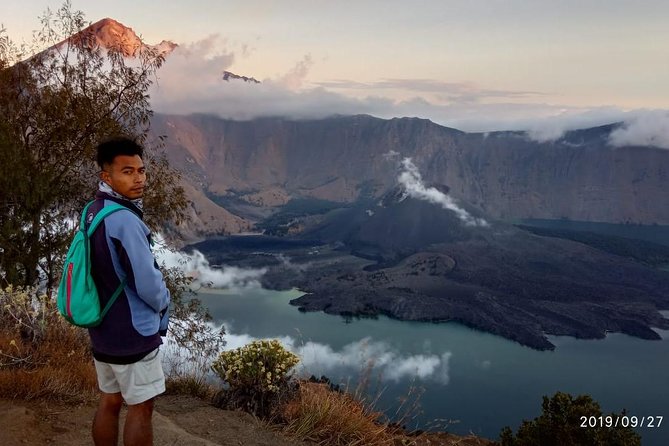
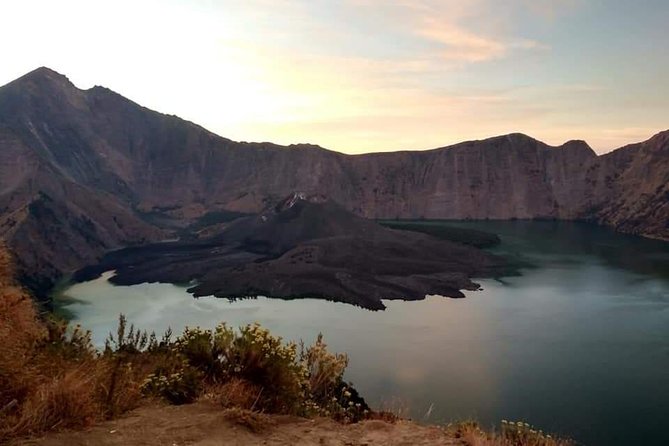
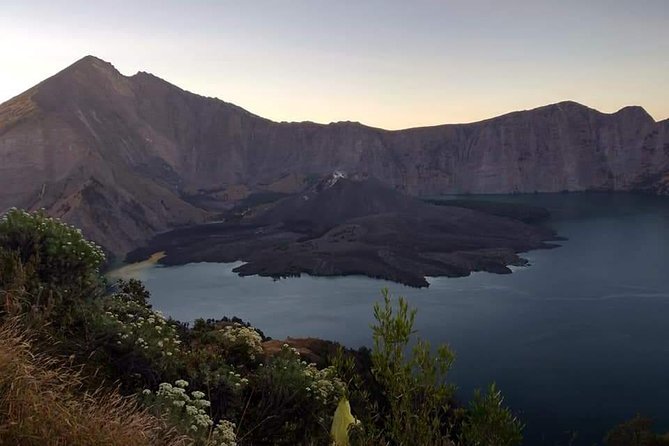
By the time you reach the crater rim (around 2,641m), the reward switches from “getting there” to “taking it in.” From the rim campsite, you’ll have big views including Mt. Agung on Bali, the Gili Islands, Mt. Rinjani’s summit (weather permitting), Segara Anak Lake, and the Gunung Baru volcanic cone. Those are the kinds of views that only work if you camp overnight, not if you do a quick day scramble and leave right after.
The rim night: sunset views and a camp you’ll actually like
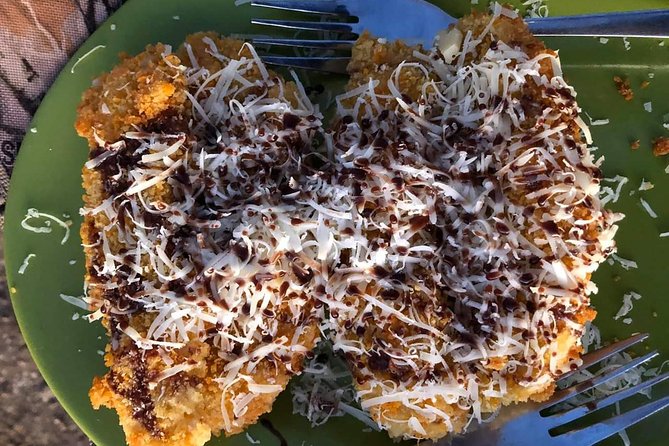
This trek includes a comfortable camp setup, and it changes how you experience the rim. You get tents, sleeping bags, a mattress, and a pillow, plus a toilet tent with paper. That may sound like “small comforts,” but it’s the difference between enjoying the mountain and spending the night counting minutes until sunrise.
On the rim, you’re positioned for sunset. Reviews frequently call out that the views align in a way that feels bigger than expected, including the warm light behind Bali’s Mt. Agung and the islands across the water. If it’s clear, you’ll also see more volcanic detail and sharper silhouettes around the crater area. If clouds roll in, the mountain still has mood, but you may lose some distance views.
One thing I’d take from the way people talk about the camp: the guides and porters run it like a job, but with warmth. Names that come up include Benji and Mario leading groups, and Rudy showing up in multiple positive accounts. The common thread is that porters carry much of the heavy stuff, including cooking gear and camping equipment, so your energy stays for walking.
Day 2: Sunrise, relaxed breakfast, then an easier mental load on the way down
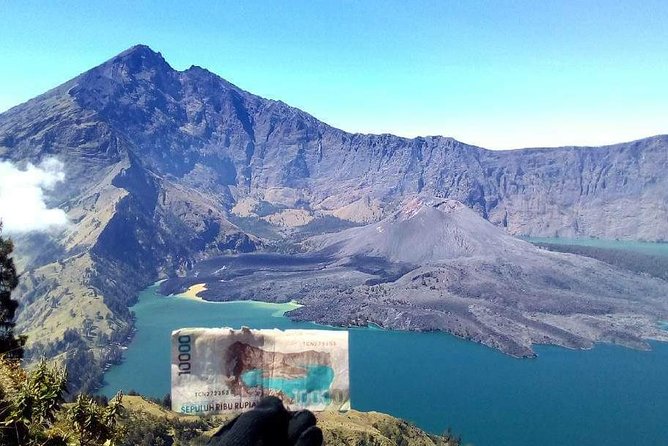
You’ll wake up early for sunrise, then have a more relaxed breakfast before starting the descent. That “slow morning” matters. A common mistake on volcano treks is treating day two like another sprint. Here, you can take the morning light in and then focus on getting down safely.
You’ll continue down the trail back toward the Senaru area, with snack breaks along the route and lunch at Pos 2. The descent route can feel easier than the climb, but it’s still rough underfoot. Expect fatigue in knees and calves, and keep your foot placement careful. Your guide will generally control pacing, especially because this is private, not a high-speed conveyor belt.
You should return to Senaru around 1:00 pm. That means you’re not stuck in all-day travel immediately after hiking. It’s a good option if you want to keep the rest of your Lombok schedule flexible.
A few more Lombok trips to compare
- 2 Days Hike to Summit with full view of Sunrise and Sunset
★ 5.0 · 49 reviews - mount rinjani One day trek
★ 4.6 · 39 reviews - Mount Rinjani: 2D/1N Trekking To Sembalun Or Senaru Views
★ 4.8 · 24 reviews - From Senaru: Mount Rinjani 2-Day Trek to Summit
★ 4.8 · 24 reviews
What’s included, and why it’s worth the money
At $156 per person, this trek is priced like a full service package. What you’re paying for is not just walking up and back. You’re also covering the human logistics that make the rim experience realistic.
Included items and support:
- An experienced English-speaking guide
- Professional porters, carrying cooking gear and camping equipment
- Food and drinking water during the trek, including about 3 litre mineral water per person per day
- Camping gear, including tent, toilet tent, sleeping bags, mattress, and pillow
- Luggage storage available at the trekking office in Lombok (helpful if you need a place for bags before the hike)
What’s not included:
- Rinjani national park permit/fees, IDR 250,000 per person per day
- Accommodation before the trek
- Transportation, meaning pick up before and transfers after are not listed as included
- Trekking essentials you must bring, like trekking shoes, rain jacket, long pants, gloves, and a head lamp
So where’s the value? If you compare to options where you handle everything, the big win is the camp setup and the porter support. A mattress and warm sleeping bag style gear can prevent the “we survived, but we hated it” feeling. And the water plus food reduces the risk of under-fueling on a hard uphill.
Also, the guide quality tends to matter a lot on Rinjani. Many accounts mention guides who stay encouraging and keep groups safe, including Mario, Lim, Anton, Benji, and Rudy. That’s not a marketing line, it’s practical mountain leadership.
Guides and porters: the difference between hard and scary
I’ve noticed something consistent in the stories people tell about this trek: the walking is hard, but it doesn’t have to feel unsafe or chaotic.
Porters get strong credit for speed and care. People also mention that food is surprisingly good for camp trekking, and that teams respond to dietary needs in at least some cases, including vegetarian adjustments. If you have dietary restrictions, you should flag them early when booking so the team can plan.
Guides also play a big role in how you handle the mental side of steep trails. Several names come up repeatedly, including Lim, who gets described as encouraging, and Anton, who keeps a positive attitude even with rain. That kind of leadership matters when the day gets tough and you need someone to keep you moving without forcing an unsafe pace.
One more practical reminder from the mountain reality: the trekking described here stops at the crater rim area, not at the very highest peak. One review specifically warns that reaching the top beyond this point takes longer, around three days. So if your dream is the highest possible summit, you’ll need a longer trek plan.
Weather and trail difficulty: set expectations like a pro
Even with the “easiest option” framing, you’re still climbing more than 6,500 feet (2,000 meters) in a day. That means you should train for sustained uphill and pack for variable weather.
Rain shows up in accounts, and it’s smart to treat this as a mountain trek, not a casual nature walk. Bring that rain jacket, and expect temperatures to feel cooler at elevation. A head lamp is also listed as not included, so plan on lighting for early starts and moving safely around camp.
Fitness-wise, the trip is described as moderate physical fitness. I’d interpret that as: if you can handle a long steep climb with breaks, you’ll likely do fine. If you’re new to hiking or you hate downhill on rocky trail, this will feel tougher than your average day hike.
What to pack (and what you can skip)
The tour lists some key items you should bring:
- Trekking shoes
- Rain jacket
- Long pants
- Gloves
- Head lamp or hand torch
If I were advising a first-time Rinjani trekker, I’d add one more rule of thumb: prioritize comfort over “pretty gear.” You’ll be on your feet for long stretches, and wet or cold hands can make everything harder. You’ll also enjoy the sunset more if you’re not constantly adjusting discomfort.
Also, this is a private setup with camping, so try not to overpack. You’re already carrying your own small items, and the team handles much of the heavier camp equipment.
Who this trek is best for, and who might want another plan
This is best for you if:
- You want the crater rim experience without committing to a multi-day summit push
- You like guided structure and comfort upgrades like mattresses and a toilet tent
- You want private pacing, especially if your group has different walking speeds
It may not be the best fit if:
- You want an easy hike. It’s steep, and a “short” trekking schedule does not mean “simple.”
- Your group expects luxury travel. This is comfortable camping, not a hotel.
- You’re planning for zero planning around permits and transport, because national park fees and transport are not included.
For solo travelers, it can still work smoothly since the trek is run with a guide and porters, and you’re not relying on strangers for your pace.
Should you book the Senaru crater rim trek?
If you want my straight take: yes, book it if your goal is a real volcano rim experience with a night under the stars, and you’re ready for a serious day of climbing. The combination of rim camping, included food and water, and porter-led camp setup is a strong value, especially at this price point.
Think twice if you’re easily discouraged by steep trails or you’re not comfortable budgeting for the national park fee and bringing the trekking gear listed. If you want to reach the highest summit areas beyond the rim, plan a longer itinerary instead.
The people who seem happiest are the ones who treat it like a hike plus camping mission. Climb smart, rest when your guide suggests, and then enjoy the rim views like they are the main event, because they are.
FAQ
What time does the trek start in Senaru?
The activity starts at 7:00 am.
Where does the trek start and end?
It starts at Lombok Volcano Trekking, Jl. Pariwisata, Senaru, and ends back at the meeting point.
How long is the experience?
It’s listed as 2 days (approx.).
What is included in the camping setup?
The package includes tents, a toilet tent and paper, sleeping bags, mattress, and pillow.
Is the Rinjani national park fee included?
No. The permit/tickets for the national park are excluded and cost IDR 250,000 per person per day.
How much water and food do you get?
The trek includes food and drinking water, including 3 litre mineral water per day per person.
What gear do I need to bring?
You should bring trekking shoes, rain jacket, long pants, gloves, and a head lamp/hand torch.
Just added around Lombok
- Mount Rinjani Summit Tour With Guide.★ 4.0 · 8 reviews
- Private Tour: Explore Lombok Culture Village & South Beaches★ 5.0 · 7 reviews
- Pink Beach and Southeast Gili Islands Full Day Private Tour★ 4.5 · 42 reviews
- North Lombok : Hidden Gems Waterfalls and Outentic Villages★ 3.8 · 4 reviews
- mount rinjani One day trek★ 4.6 · 39 reviews
- Mount Rinjani: 2D/1N Trekking To Sembalun Or Senaru Views★ 4.8 · 24 reviews
- Mount Rinjani 2-Day Trek to Senaru Crater Rim★ 4.8 · 89 reviews
- Mount Rinjani: 2D-1N Trekking Summit Sunrise Point Join Tour★ 4.8 · 9 reviews
Hiking & Trekking, compared.
Sunrise Mount Batur Guided Hike with Breakfast
Read our review →
Mount Batur Sunrise Trek With Guide and Breakfast
Read our review →
Mount Batur Sunrise Hike and Natural Hot Spring Option
Read our review →
Mount Batur Sunrise Trekking Private All Inclusive
Read our review →
Mount Batur Sunrise Trekking Private Tour with Breakfast and Hotel Transfer
Read our review →Browse the lists this tour appears in