
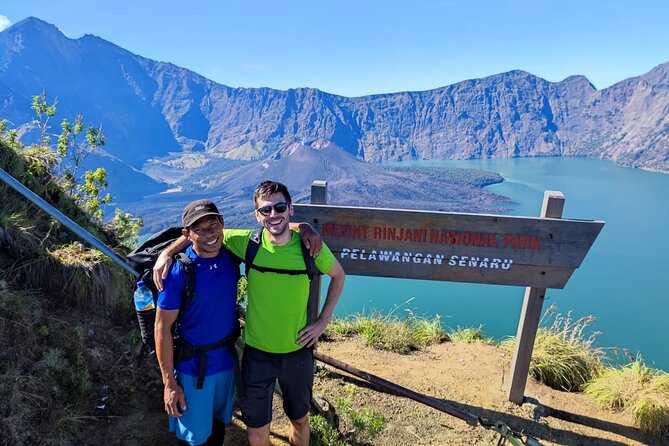
REVIEW · RINJANI TREKKING
3D-2N Explore Mount Rinjani – Summit -Lake and Hotspring
Climbing Mount Rinjani starts before sunrise. This 3D-2N plan is interesting because you sleep safely in Senaru both nights, while the hike hits the summit and then works you back down each day. What makes it especially practical is the logistics are handled for you, so you can focus on pacing, views, and the changing volcanic terrain.
I especially like that camping gear is provided and you hike with a guide plus a porter. You do not need to carry your cooking equipment or water, which matters a lot when you are tired and the climb gets steep. I also like that permits and insurance are covered in the tour price, so you are not juggling paperwork while planning.
One possible drawback to consider is that quality can depend on how the trekking team is arranged. One past group noted disorganization and a guide mismatch, so if you want everything to feel smooth, ask how they plan the guide and group structure before you pay.
In This Review
- Key highlights to know before you go
- Mount Rinjani from Senaru, not chaos
- What your $235 buys (and why it matters)
- Day 1: From Sembalun toward crater rim and Lake Segara Anak
- Day 2: The 2:00 am start and the summit at 6:00
- Day 3: Back down through rainforest to Senaru, with black monkey odds
- Staying “safely” in Senaru: comfort strategy for a hard climb
- Group size and the pace: private feels good, but check the plan
- Price and value for a summit plus crater-and-lake trek
- Practical tips to make the climb feel doable
- Should you book this Mount Rinjani 3D-2N plan?
- FAQ
- How long is the Mount Rinjani 3D-2N Explore tour?
- Where does the tour start?
- Is pickup offered?
- Where will I stay during the trek?
- Is camping gear included?
- Do I need to carry cooking equipment or water?
- Are permits and insurance included?
- What is the summit elevation and when do you reach it?
- What fitness level is needed?
- Is it a private tour and how many people are in the group?
Key highlights to know before you go
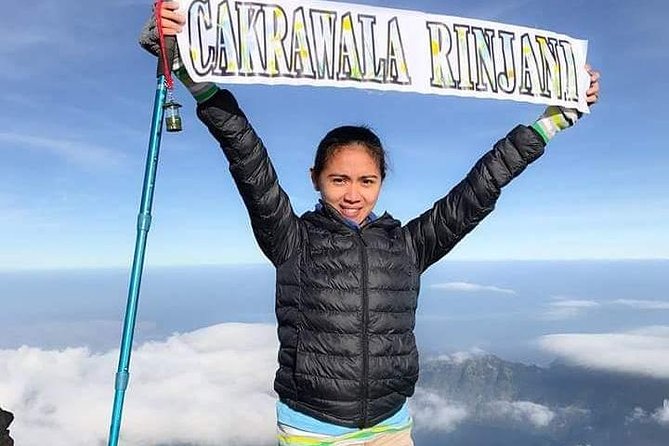
- Two-night Senaru base keeps your sleep setup consistent while you tackle the mountain
- Guide and porter support means less to carry, even on the hard parts
- Permits and insurance included reduces planning stress for a big national-park trek
- Early wake-up for a sunrise summit targets the 6:00 am arrival timeframe
- Lake Segara Anak and crater rim time give you more than just a top-and-down experience
Mount Rinjani from Senaru, not chaos
There is a reason I like this style of Rinjani trek: it gives you a real base in Senaru. You do not keep changing lodging every day, and that helps on a climb where sleep quality and recovery matter. Two nights also means you get time in the crater-area scenery without rushing everything into a single long day.
Another thing that works for me is the clear flow of the trek. You head up through the volcanic zone, you work toward the summit at dawn, and then you come back down through forest. That means your body gets a gradual read on the mountain, rather than one shocky climb with no let-up.
If you are trying to keep it simple, this package leans into simplicity. You get camping equipment, and you hike with a guide and porter. The tour also runs as a private experience with a maximum of 10 people, which usually translates to a more controlled pace than bigger crowds.
Other Rinjani trekking worth a look in Lombok:
- Mount Rinjani 2 Days 1 Night Senaru Crater Rim
★ 5.0 · 131 reviews - Mount Rinjani Trek 3D-2N To Summit – Lake – Hotspring
★ 4.7 · 111 reviews - Rinjani trekking 2D 1N RIM
★ 5.0 · 94 reviews
What your $235 buys (and why it matters)
The price here is $235.00 per person for about 3 days. At first glance, that can feel like a lot until you unpack what usually drives costs on a trek like this: guides, porters, national-park permits, insurance, and camping logistics.
In this plan, you are explicitly covered for permits and insurance. That matters because Mount Rinjani is not a casual hike, and you want the paperwork handled by people who do it regularly. It also means you can spend your energy on the mountain instead of sorting logistics.
You also get help carrying the heavy stuff. The program states you do not need to bring cooking equipment or water. Even if you carry a small personal bottle for comfort, not having to manage the basics of camp and food prep can make a huge difference on summit day when every extra item counts.
Finally, the hike includes a guide plus a porter. That duo changes the feel of the experience. You still do the hard work, but you are not stuck figuring out timing, trail decisions, or camp setup while your legs are burning.
Day 1: From Sembalun toward crater rim and Lake Segara Anak
Your first day starts from the Sembalun side, with the overall trek described as moving from Sembalun to the crater rim area, toward Lake Segara Anak, and then down to Senaru village for night one. This matters because Sembalun is often where people begin to feel how volcanic Rinjani really is, wide slopes underfoot and a big sense of altitude even before summit day.
Expect a long first day. The schedule shows Day 1 running about 7 hours. The goal is not just to walk far, it is to get your body adjusted and to position you for what comes next. When you are headed for a dawn summit, day one usually feels like your warm-up and altitude calibration.
You also get the payoff of the crater-zone scenery. The plan specifically calls out exploring through the Sembalun volcanic crater area and experiencing Lake Segara Anak. That is where the trek shifts from effort to wonder. Even if you are tired, the lake and crater visuals give you a reason to keep pushing.
One practical note: because you end Day 1 back down to Senaru, you are not sleeping at the crater. That can be easier on your recovery, and it fits the overall promise of staying in Senaru both nights.
Day 2: The 2:00 am start and the summit at 6:00
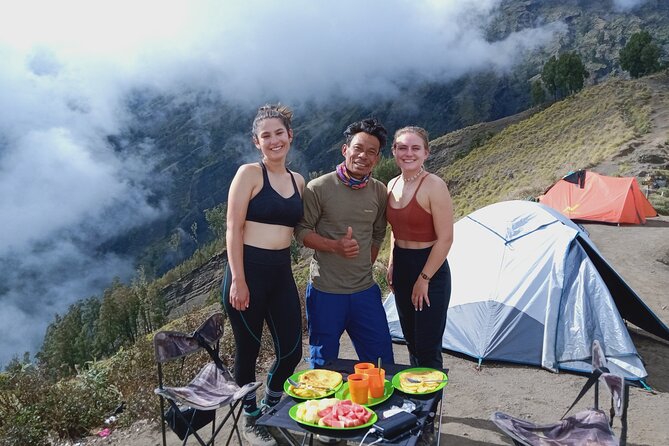
Day 2 is the big one. You wake up around 2:00 am, with a hot drink and a light breakfast, and then you start heading for the summit in darkness. The schedule indicates you can reach the summit around 6:00 am, which lines up with a sunrise moment.
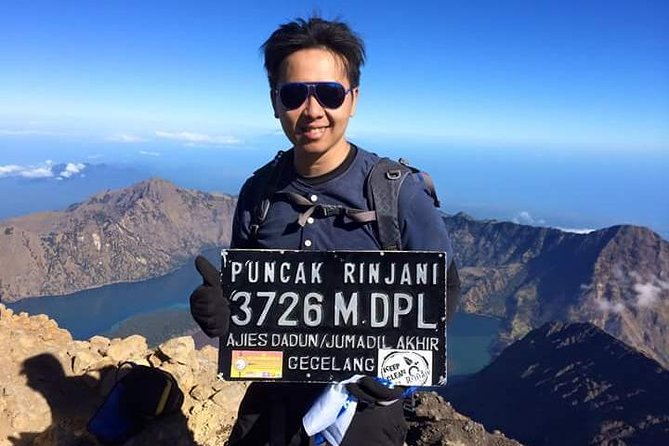
The summit point listed here is 3,726 m. That number is not just trivia. At that altitude, your breathing rhythm matters, and cold at night plus the steep climb can make you underestimate how draining it is. A guide helps you pace and move efficiently, and a porter helps reduce the load you would otherwise carry.
When the light comes, you get the classic Mount Rinjani payoff. The plan explicitly mentions a beautiful sunrise as you arrive at the summit. That means your day is built around a specific timing target, not just random walking until the day feels done.
The schedule for Day 2 is about 9 hours. So even if the summit time sounds short, plan on a long block of effort. I like trips that respect that reality, and this one does, because it clearly starts early and expects most of the day to be on your feet.
Also, because you start before dawn, headlamp planning matters. The tour details do not spell out what you bring or what is provided beyond camping gear, so come ready with your own reliable light and warm layers.
A few more Lombok trips to compare
- Tetebatu Walking Tour – Rice Terraces, Waterfall & Monkey Forest
★ 5.0 · 349 reviews - Gili Island Snorkeling Trip – Gili Trawangan, Gili Meno, & Gili Air, From Lombok
★ 5.0 · 285 reviews - Anggrek Putih Lombok Cooking Class
★ 5.0 · 253 reviews - Lombok: Exclusive Sendang Gile, Tiu Kelep & Selong Hill Tour
★ 4.8 · 225 reviews
Day 3: Back down through rainforest to Senaru, with black monkey odds
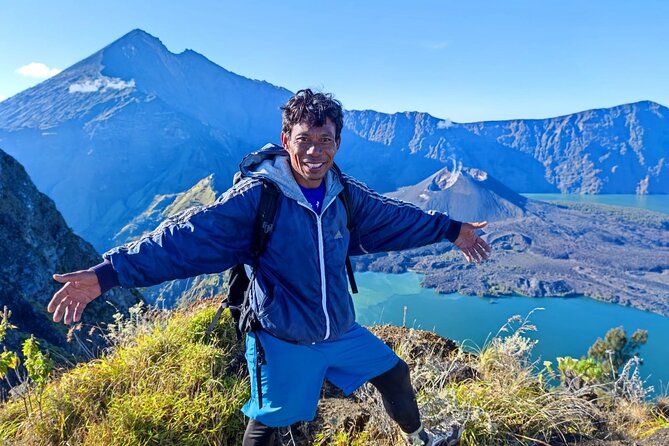
On Day 3, you start after breakfast with another sunrise moment, then you descend to Senaru village through the rainforest. This is the part I find underrated. People often think a summit hike is only about the top, but the descent is where your eyes can finally relax, and where the mountain switches from barren volcanic textures to greener trail sections.
The schedule says Day 3 takes about 6 hours, including a lunch stop. It also includes a specific wildlife possibility: you can be lucky enough to see a rare black monkey. The key word there is lucky, so treat it as a bonus, not a promise.
Because you are walking down, your challenge shifts from altitude to legs. Descents can be tough on knees and shins, so you will want to keep your steps controlled and steady. A guide helps here too, because trail conditions can change quickly on rainforest paths.
If you finish in Senaru, you get a real landing after the big climb. Instead of feeling stranded at a trailhead, you end the activity back at the meeting point, and your body gets a chance to cool down after all that elevation work.
Staying “safely” in Senaru: comfort strategy for a hard climb
The tour promise is pretty clear: stay safely in Senaru on both nights, with all camping equipment provided. That line matters because Mount Rinjani trips can vary a lot in how they handle sleeping arrangements and camp setup.
With camping equipment included, you are not showing up and suddenly realizing you need to solve the basics yourself. That reduces the chance of a bad trip caused by missing items. It also means you can pack lighter and focus on what you personally need for sunrise starts, warmth, and footwear.
Since Day 1 and Day 2 both end back in Senaru, you effectively get two recovery blocks. That is valuable because Rinjani is not a one-day stunt. It takes time for your body to adapt, and two nights can help you bounce back enough for the summit push.
If you are sensitive to cold at night, treat this as a reason to pack and prepare for temperature swings. The tour provides camping equipment, but your personal comfort still depends on what you bring.
Group size and the pace: private feels good, but check the plan
This is described as a private tour with a maximum of 10 travelers. That is a nice sweet spot. Big enough to share the experience, small enough that the pace and attention from your guide and porter team can be more consistent.
Pickup is also listed as offered. That matters in Lombok trips because it can reduce the stress of timing and getting to the right trail start area.
Still, keep your eyes open. One negative note in the feedback history mentioned disorganization and a guide that did not work well for their group. The key lesson I take from that kind of comment is simple: before you go, ask the operator how they structure the trekking team and what you can expect in terms of guide coordination.
A small group can also mean your experience is shaped by how they combine schedules. If you care a lot about smooth communication, confirm that you will have the guide and porter assigned to your group consistently.
Price and value for a summit plus crater-and-lake trek
For many people, the real value question is not the number $235, it is what you are buying that would cost you more if you tried to DIY.
You are paying for:
- a guide and porter plan
- camping equipment
- permits and insurance coverage
- a schedule that targets early summit timing
If you add those up, the cost starts to make sense. Mount Rinjani is not just walking. It is also administration, safety, and specialized support. The tour is priced like a managed mountain operation, not a casual hike.
Also consider timing. The tour is booked on average 33 days in advance. That suggests there is demand for this kind of structured summit experience. If you want a better chance at your preferred dates, start looking early instead of waiting.
Finally, the small group cap and private framing add value if you like a controlled hike. You are more likely to get attention when questions come up and when conditions shift.
Practical tips to make the climb feel doable
The tour notes only say you should have moderate physical fitness level. That does not mean it is easy. It means you should be comfortable with sustained hiking and long early starts, and you should not expect flat terrain.
Here is what I would do to set you up for a smoother summit day:
- Train for long uphill walks and practice steady pacing. Avoid sprinting early.
- Plan for cold and darkness on Day 2. Bring warm layers you can manage while climbing.
- Prepare for a long Day 3 descent. If you have knee sensitivity, protect it with supportive footwear and controlled steps.
- Bring a headlamp even if you are using sunrise timing. Early starts often mean you are outside before full daylight.
Also, because the program says you do not need to carry cooking equipment or water, it is tempting to show up with a tiny mindset about what you still need. Keep a personal buffer: a small snack, basic personal items, and enough water for comfort, if you choose to carry it.
Should you book this Mount Rinjani 3D-2N plan?
Book it if you want:
- A guided summit attempt with early timing toward sunrise
- Two nights in Senaru so you do not scramble for lodging in the crater zone
- Permits and insurance handled in the tour price
- A small private group up to 10 people, plus a guide and porter support setup
Consider a different option or ask more questions if:
- You are very sensitive to smooth coordination and clear communication
- You need certainty about guide experience and group organization, because not every high-season arrangement works perfectly
If your priority is a well-supported Mount Rinjani experience that targets summit and Lake Segara Anak time while keeping you based in Senaru, this is a strong match. Just do one homework step: confirm how the team and guide will be assigned to your specific group so you can avoid the rough edges that occasionally show up on complex trekking schedules.
FAQ
How long is the Mount Rinjani 3D-2N Explore tour?
It runs for 3 days (about 3 days) and includes 2 nights.
Where does the tour start?
The activity starts at the Cakrawala Rinjani Trekking meeting point on Jl. Pariwisata, Senaru, Kec. Bayan, Kabupaten Lombok Utara, Nusa Tenggara Bar. 83354, Indonesia.
Is pickup offered?
Yes, pickup is offered.
Where will I stay during the trek?
You stay safely in Senaru on both nights of the tour.
Is camping gear included?
Yes, all camping equipment is provided.
Do I need to carry cooking equipment or water?
No. The tour states you do not need to carry your cooking equipment or water, and you hike with a guide and porter.
Are permits and insurance included?
Yes. The cost of the tour covers permits and insurance.
What is the summit elevation and when do you reach it?
The summit is listed as 3,726 m, and the schedule indicates you can reach it around 6:00 am for sunrise.
What fitness level is needed?
The tour notes moderate physical fitness level.
Is it a private tour and how many people are in the group?
It is a private tour, with small groups welcome and a maximum of 10 travelers.
Just added around Lombok
- Trekking Rinjani Mountain Summit 2 Days 1 Night – Em Adventure★ 5.0 · 42 reviews
- Trekking Rinjani Volcano To Crater Rim Senaru 2D-1N Private – Syam Trekker★ 5.0 · 45 reviews
- Full-Day Private Trip to South Lombok★ 5.0 · 15 reviews
- Tete Batu Tour (Culture, Rice Terraces and Waterfalls)★ 5.0 · 23 reviews
- MODERATE HIKING: 2D/1N Crater Rim Senaru | Rinjani Samalas Tour★ 5.0 · 8 reviews
- Day Trip Secret Island West Of Lombok★ 4.5 · 7 reviews
- Lombok Tour For Cruise Passangers★ 4.5 · 16 reviews
- Lombok Day Trip : South Beach & Culture★ 5.0 · 18 reviews
Rinjani Trekking, compared.
Mount Rinjani 2 Days 1 Night Senaru Crater Rim
Read our review →
Mount Rinjani Trek 3D-2N To Summit – Lake – Hotspring
Read our review →
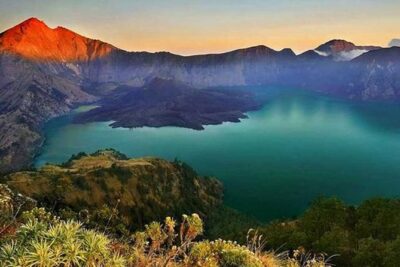
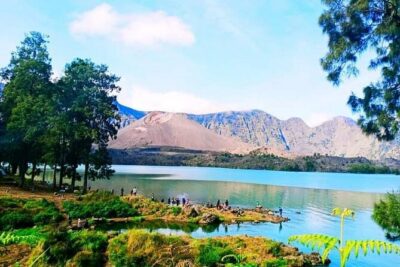
3D/2N Rinjani trekking summit,lake and hot springs.
Read our review →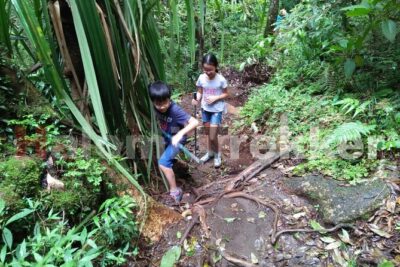
Mt Rinjani Trekking 2 Days 1 Night (Senaru Crater Rim)
Read our review →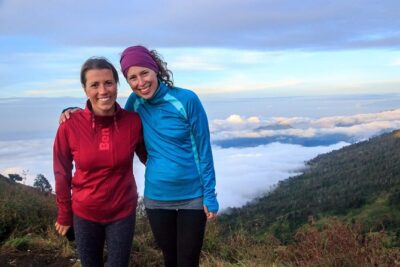
Rinjani Trekking 3 Days 2 Nights (Sembalun – Senaru)
Read our review →Browse the lists this tour appears in