
REVIEW · RINJANI TREKKING
Rinjani Trekking 3D2N Summit
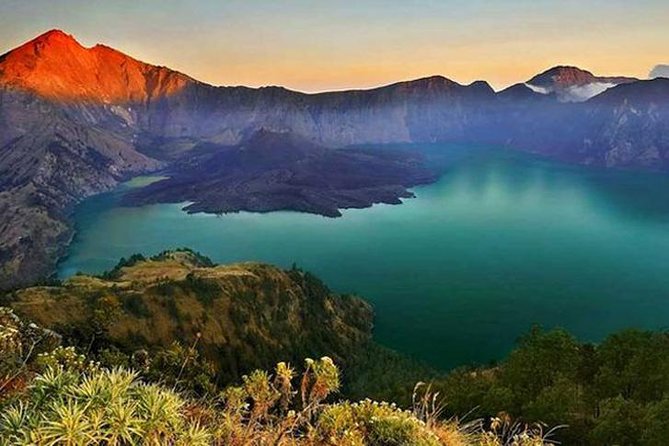
If you like your vacations with altitude and payoff, this one fits. A supported 3D2N Mount Rinjani trek in Lombok takes you up past two crater rims and down again with meals and porters handled. You get a real structure, not a “figure it out yourself” scramble.
I also like the way they build in both big moments and the quiet ones: sunrise and sunset views, plus time around Segara Anak Lake and waterfalls near Senaru. The main drawback is the cold, especially up high, where conditions can get brutal fast, and the trek is truly challenging.
In This Review
- Rinjani 3D2N, the real deal: who this trek suits
- Price and value: what $243.92 gets you
- Pickup in Lombok, then straight to Senaru Village
- Day-by-day trek flow: Sembalun rim, summit push, and the descent
- Sembalun crater rim night: acclimate and reset
- Summit day: timing for sunrise and the Segara Anak payoff
- Camping on the mountain: comfort is simple, plan your expectations
- Waterfalls near Senaru: why they belong on a trek like this
- Food and drinks: basic but enough, plus bring snacks
- Gear checklist: shoes, cold layers, and the jackets you might rent
- Guide and porters: the difference between hard and unsafe
- Group size and pace: maximum 100 and lots of moving days
- Weather and cancellation reality: plan with flexibility
- Should you book this Mount Rinjani trek?
- FAQ
- How long is the Rinjani trekking experience and how many nights are included?
- What does the tour price include?
- Are pickup and drop-off included?
- Do I need to pay the national park entry fee separately?
- What should I bring for the cold at high altitude?
- What happens if the trek is canceled because of poor weather?
- Is the experience refundable if I change my mind?
Rinjani 3D2N, the real deal: who this trek suits
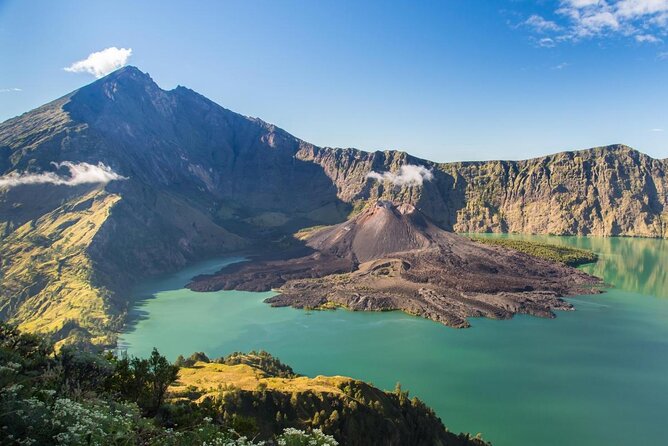
This is best for active travelers who are ready for a hard hike with long, steep sections. The route aims at serious highlights, including the summit and crater rims, plus lakes and waterfalls. If you want a relaxed walk with lots of breaks and soft landings, this is not that.
The good news: you are not doing it alone. You travel with a local guide and porters, and your camping setup and full board meals are included. You still do the walking, but you do not have to manage the logistics, food planning, or carry everything yourself.
The other big truth is weather. This experience requires good weather, and the cancellation terms are strict, so you need to book with a bit of flexibility in your schedule and mindset.
Price and value: what $243.92 gets you
At about $243.92 per person, the value depends on what you compare it to. Here, you are paying for a supported trek with real overhead already handled.
What you get for your money:
- Transfers in and out by air-conditioned vehicle
- A one-night hotel stay in Senaru Village before the climb
- Mount Rinjani National Park entry fee included
- A local guide plus porters
- Camping gears
- Full board meals and drinks during the trek
When you add that up, it is usually cheaper than trying to stitch together guide, permits, transport, and camping support on your own. You also get a group setup, with a maximum group size listed at 100 travelers, which often keeps the experience organized and predictable.
More Hiking Trips in Lombok
- 2D1N Senaru Crater Rim Trekking
★ 5.0 · 178 reviews - Mount Rinjani Trek 3D-2N To Summit – Lake – Hotspring
★ 4.7 · 111 reviews - Rinjani trekking 2D 1N RIM
★ 5.0 · 94 reviews
Pickup in Lombok, then straight to Senaru Village
Your first move is practical: pickup service in Lombok at the places or ports they cover, then you head toward Senaru. You sleep one night in Senaru Village, which matters more than it sounds. That rest night helps you arrive calm, not exhausted from travel, and gives you time to sort gear and heat up mentally for the early climbs.
On day one, you get the right kind of orientation too. Even without heavy instruction, you learn fast what you need to do on summit treks: layers, waterproofing, and the habit of eating on schedule. You can also settle into the rhythm of hiking with a guide and porters, which keeps the rest of the trek from feeling chaotic.
At the end, drop-off depends on the option you choose. Private option can drop you to any location within Lombok. Shared option covers specific areas only, like Mataram, Senggigi, Pemenang area, and the main harbors listed.
Day-by-day trek flow: Sembalun rim, summit push, and the descent
The route is built around changing scenery, not just altitude. You start with a section that gets you moving from Senaru toward the Sembalun side, then push higher to reach both crater rims, and finish around Segara Anak Lake and the return to Senaru.
Here is the rhythm you should expect:
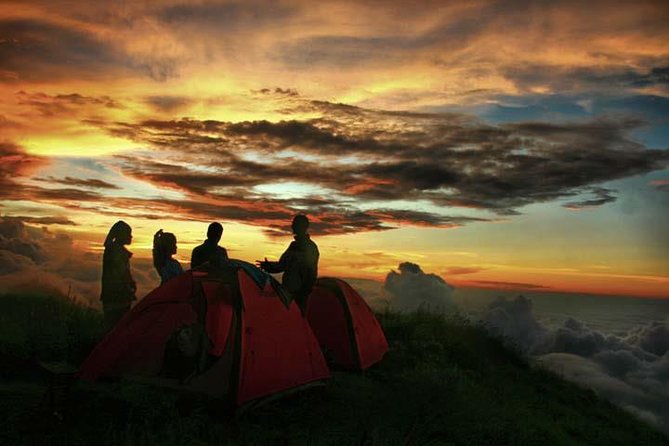
- One night around the Sembalun crater rim at a campsite
- A summit attempt phase, then time near Segara Anak Lake
- Another campsite night closer to the Senaru crater rim
- Final day descent back to Senaru Village
Even if you are fit, treat this like a high-stakes hike. The goal is not just reaching the summit, it is managing effort, timing, and the cold.
Sembalun crater rim night: acclimate and reset
The first big checkpoint is the Sembalun crater rim. Reaching it changes the whole vibe of the trek because you go from climbing in jungle and hills to a high-altitude world where wind and sky matter more.
That first campsite night is a key part of the experience. You are not just “sleeping somewhere,” you are resetting your body so you can handle an early summit push later. Your guide and porters help keep the operation smooth, which means you can focus on staying warm, eating properly, and not wasting energy fussing with gear.
What to remember here: altitude sleep can feel weird. You might get awake more often, or notice cold air more. This is where your layers decide whether the night feels manageable or miserable.
Other Rinjani trekking worth a look in Lombok:
- Mount Rinjani 2 Days 1 Night Senaru Crater Rim
★ 5.0 · 131 reviews - 3D-2N Explore Mount Rinjani – Summit -Lake and Hotspring
★ 5.0 · 112 reviews - Mount Rinjani 2-Day Trek to Senaru Crater Rim
★ 4.8 · 89 reviews - 3D/2N Rinjani trekking summit,lake and hot springs.
★ 5.0 · 85 reviews
Summit day: timing for sunrise and the Segara Anak payoff
The summit day is the heart of the trek. It aims for early timing so you can catch sunrise, and there is also time set aside to enjoy sunset later in the overall experience. Those sky moments are a huge part of why people do this trek, because the views come with the feeling of having earned them.
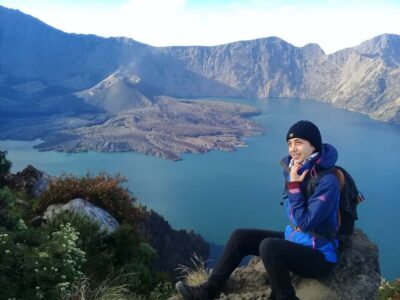
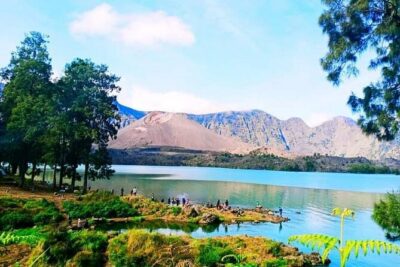
After the summit phase, the trek route continues to Segara Anak Lake. This is where the experience balances out: after big effort, you get scenery that feels more open, and it is easier to breathe emotionally even if your legs still feel it physically.
Practical tip for the summit phase: control your pace early. If you go out too fast, the cold and the steepness will catch up. If you go too slow, you risk running behind timing. Your guide will help manage that balance, especially since you are traveling in a group.
Camping on the mountain: comfort is simple, plan your expectations
Camping gears are included, so you are not hauling the whole setup. That said, mountain camping is still mountain camping. Think practical, warm, and functional rather than lounge mode.
One useful note from how private vs shared setups are described: if you choose the private option, service is described as more deluxe, including things like chairs and a pillow. Shared options are described as more budget style, with simpler comfort.
If you care about sleep comfort, bring small upgrades where you can, like a warm layer you are willing to sleep in. If you are okay with basic camping, you will be fine, and you will spend most of your focus on views and movement, not furniture.
Waterfalls near Senaru: why they belong on a trek like this
The route includes waterfall stops in the Senaru area, including Sindang Gila and Sendang Gile and Tiu Kelep. This gives the trek a change of pace that feels earned after altitude climbing.
Waterfalls also create a different kind of weather. Expect misty air, slippery stones, and the chance that you will get a bit damp even if you start dry. Wear shoes with grip, and pack for wet conditions, not just cold.
Also, waterfalls add value beyond photos. They are a mental reset. After summit efforts, seeing water cascading and hearing the sound of it helps bring the hike back down into a more human rhythm.
Food and drinks: basic but enough, plus bring snacks
Full board meals and drinks are included, which is a major relief on a multi-day trek. You do not need to plan grocery runs or count calories at the wrong time of day.
The meal style is described as simple but tasty. That is exactly what you want on a trek: warm food that keeps you moving, not complicated gourmet expectations. I still recommend bringing extra snacks you like, because summit days and long climbs can make you burn through energy faster than you expect.
Hydration matters too. When you are at altitude, you feel dry even if you are not sweating much. Your included drinks help, but your best strategy is to sip consistently rather than gulp when you remember.
Gear checklist: shoes, cold layers, and the jackets you might rent
The tour specifically calls out gear needs, and they make sense for this route.
You should plan to bring:
- Trekking shoes with good grip (running shoes can work if traction is solid)
- Long pants for cold weather, even down to minus temperature conditions
- A warm jacket or coat (if you do not have one, you can rent one on the spot)
- Small towels (listed as not included)
- Personal medicine (also not included)
Short pants come up for nature sauna use. This is optional, but if you want to use it, pack short pants. Just remember long pants are your default survival layer because the hike gets cold at high altitude.
If you are new to cold climbs, focus on layering rather than one bulky jacket. A hat or warm head layer can make a big difference, even if it is not listed, because the cold at altitude loves to steal body heat through your head and neck.
Guide and porters: the difference between hard and unsafe
This trek stands or falls on the guide and the porters, and that is where the experience gets strong. One guide named Radu is specifically highlighted for taking great care of the group, and porters are repeatedly described as doing an excellent job.
For you, that translates into a more controlled trek. When porters handle the camping gear and you travel with a local guide, you can keep your focus where it belongs: your footing, your pace, and your energy.
I also like that the operation includes the things that often cause stress on treks: park fees, camping equipment, meals, and transfers. That reduces the number of decisions you have to make at the worst possible time, like when the sky turns and you need to move.
Group size and pace: maximum 100 and lots of moving days
With a maximum of 100 travelers, you should expect a group setting, not a private expedition vibe for everyone. The pace is still set by the route and conditions, so you should prepare for walking-heavy days.
The key is to travel with your own internal pace too. Even if the group stretches out, your goal is steady movement. Going too fast early is the quickest way to waste energy before the hardest parts.
If you prefer quiet moments, you will still find them in breaks and viewpoints. But this trek is designed around shared timing for sunrise and sunset, and the summit phase tends to bring everyone back into the same timeline.
Weather and cancellation reality: plan with flexibility
This experience requires good weather. If it is canceled due to poor weather, you are offered a different date or a full refund. That is important because weather is not a minor issue on volcano treks, it is a safety issue.
Also note the policy is non-refundable and cannot be changed for any reason. That means you should only book when your schedule can handle a possible weather shift, and you are sure you are ready for a tough hike.
Should you book this Mount Rinjani trek?
Book it if you want a structured, supported summit experience with major sights packed in: crater rims, Segara Anak Lake, sunrise and sunset, and waterfall stops around Senaru. The included park fee, meals, camping gears, and porters make it good value compared to piecing it together yourself.
Skip it or think twice if any of these are dealbreakers for you: you dislike cold, you are not comfortable with a challenging hike, or you cannot commit financially because the experience is non-refundable. Also be honest about comfort expectations. Camping is functional, and comfort upgrades are described as better with private options.
If you are the type who likes earning views the hard way, this is a memorable trek with just enough structure to keep you safe and moving.
FAQ
How long is the Rinjani trekking experience and how many nights are included?
It runs for about 4 days. The format described is 3D2N on the mountain side, with 1 night in Senaru Village and 2 nights camping on the mountain.
What does the tour price include?
The package includes all transfers in and out, a one-night hotel in Senaru Village, Mount Rinjani National Park fees, a local guide and porters, camping gears, and full board meals and drinks. Air-conditioned vehicle transport is also included.
Are pickup and drop-off included?
Yes. Pickup is offered from places or ports within Lombok. Drop-off depends on your option: private includes drop-off to any location within Lombok, shared covers Mataram, Senggigi, Pemenang area, and several named harbor areas.
Do I need to pay the national park entry fee separately?
No. The Mount Rinjani National Park fee is included.
What should I bring for the cold at high altitude?
You should bring long pants and warm layers, since it can be very cold at high altitude, even reaching minus temperatures. Trekking shoes with good grip are recommended. If you do not have a warm jacket or coat, you can rent one on the spot.
What happens if the trek is canceled because of poor weather?
If poor weather forces cancellation, you are offered a different date or a full refund.
Is the experience refundable if I change my mind?
No. The experience is non-refundable and cannot be changed for any reason.
More Hiking & Trekking in Lombok
- Rinjani Trekking 3 Days 2 Nights (Sembalun – Senaru)
★ 5.0 · 84 reviews - Mount Rinjani Hiking to summit( 2 Days 1 Night )
★ 5.0 · 50 reviews - Mount Rinjani Second Summit Trekking ( 2Days-1Night )
★ 5.0 · 49 reviews - 2 Days Hike to Summit with full view of Sunrise and Sunset
★ 5.0 · 49 reviews
Just added around Lombok
- Trekking Rinjani Mountain Summit 2 Days 1 Night – Em Adventure★ 5.0 · 42 reviews
- Trekking Rinjani Volcano To Crater Rim Senaru 2D-1N Private – Syam Trekker★ 5.0 · 45 reviews
- Full-Day Private Trip to South Lombok★ 5.0 · 15 reviews
- Tete Batu Tour (Culture, Rice Terraces and Waterfalls)★ 5.0 · 23 reviews
- MODERATE HIKING: 2D/1N Crater Rim Senaru | Rinjani Samalas Tour★ 5.0 · 8 reviews
- 3D-2N Explore Mount Rinjani – Summit -Lake and Hotspring★ 5.0 · 112 reviews
- Day Trip Secret Island West Of Lombok★ 4.5 · 7 reviews
- Lombok Tour For Cruise Passangers★ 4.5 · 16 reviews
Rinjani Trekking, compared.
Mount Rinjani 2 Days 1 Night Senaru Crater Rim
Read our review →
3D-2N Explore Mount Rinjani – Summit -Lake and Hotspring
Read our review →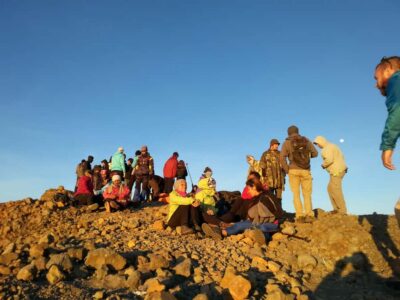
Mount Rinjani Trek 3D-2N To Summit – Lake – Hotspring
Read our review →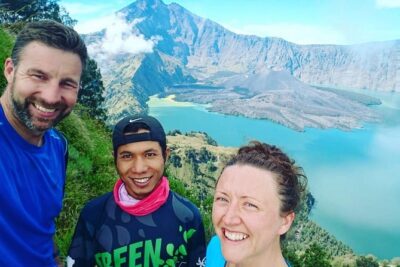
3D/2N Rinjani trekking summit,lake and hot springs.
Read our review →
Mt Rinjani Trekking 2 Days 1 Night (Senaru Crater Rim)
Read our review →
Rinjani Trekking 3 Days 2 Nights (Sembalun – Senaru)
Read our review →Browse the lists this tour appears in