
REVIEW · WORKSHOPS
Canggu Motorbike Lessons
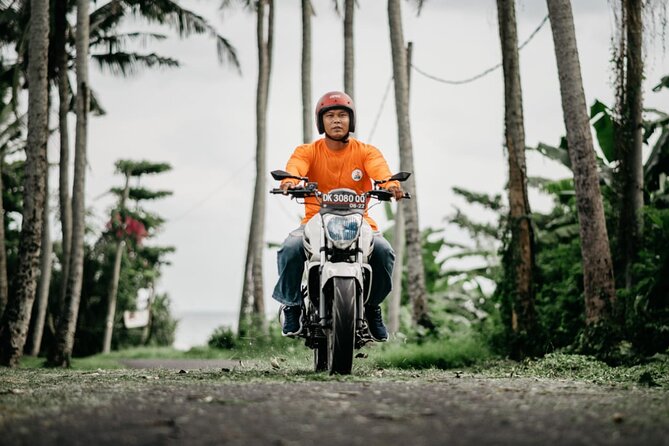
Manual riding starts with calm basics. This 2-hour Canggu Motorbike Lessons course in Seminyak is built for real control, not just a quick spin. You start on a quiet village street with theory, then drill clutch and gears until you feel ready before you go further.
I especially like the step-by-step structure and the way the lesson is paced for confidence. Second, I like that you practice the parts that make Bali riding feel tough, like hill starts and emergency braking, in a guided way rather than hoping it clicks on the first try.
One consideration: it is a manual motorbike lesson, not a scooter lesson, and you are required to have scooter experience first. If you are totally new to two wheels, plan on extra nerves at the start.
In This Review
- Key highlights at a glance
- Canggu Motorbike Lessons: what the 2 hours covers in real terms
- Manual motorbike prerequisites: scooter experience and a valid license
- Theory first: how the motorbike systems make you calmer on Day One
- Clutch, gears, hill starts, and emergency braking basics
- The street test: when you ride farther and how breaks help you learn
- Price and value: what $35 buys you, and what it does not
- Who should book this motorbike lesson, and who should wait
- Should you book Canggu Motorbike Lessons in Canggu?
- FAQ
- How long is the Canggu Motorbike Lessons course?
- Where is the meeting point for the motorbike lessons?
- How much does the lesson cost?
- What is included in the lesson?
- Do I need scooter experience and a license?
- Is transportation included?
- Is this a private activity?
- What is the cancellation policy, and what if weather is poor?
Key highlights at a glance
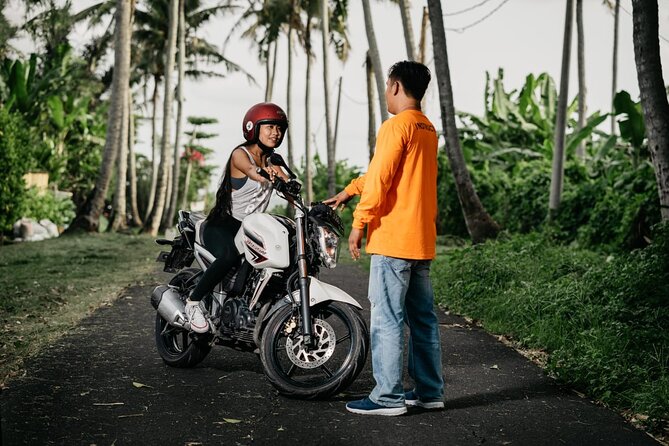
- Manual motorbike, not a scooter: You learn a manual transmission setup, including clutch and gears.
- Clutch, gears, hill starts, emergency braking: The basics you actually need, covered deliberately.
- Street practice only after confidence: You move to street riding after you are ready.
- Helmet plus knee and elbow protectors included: Safety gear is part of the package.
- Private lesson for your group: Only your group participates.
- $35 for about 2 hours: You get real instruction and enough time to build muscle memory.
Canggu Motorbike Lessons: what the 2 hours covers in real terms
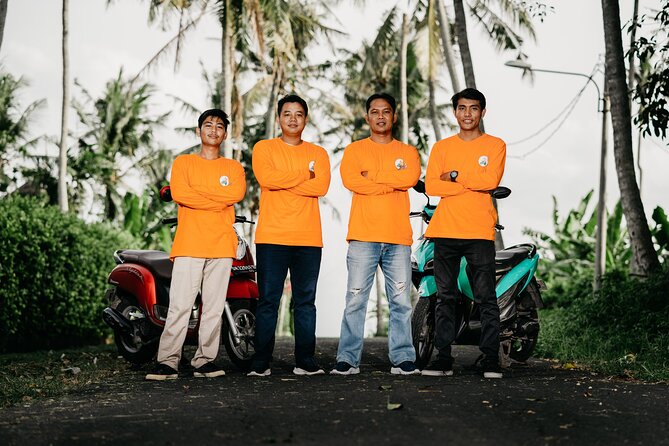
This is a focused lesson, about 2 hours total, starting at 9:00 am. You meet at C.S.L Meeting Point (94GX+FX7, Canggu, Kuta Utara, Badung Regency, Bali 80351, Indonesia) on a quiet village street. From there, the flow is simple and practical: theory, basics drills, then street time once you are confident.
What makes this course work is the order. You first learn how the motorbike works and what each system is supposed to do. Then you build control from the ground up, starting with the clutch and gears. That matters because manual riding is mostly timing. If the timing feels random, you’ll feel tense. If the timing becomes repeatable, your body relaxes and you can concentrate on the road ahead.
The lesson also stays structured even when you are nervous. There is time for breaks if you need them. That sounds basic, but in a motorbike lesson it is the difference between pushing through panic and steadily improving. I also like that the activity ends back at the meeting point, so you do not have to coordinate anything after your training session.
Booking wise, the experience runs as a private activity, and you get a mobile ticket. On average, it is booked about 5 days in advance, so if you want a specific day, I would not wait until the last minute. And since confirmation happens at booking time, you should be able to plan your day with less guesswork.
A few more Seminyak trips to compare
- Bali Full-Day Traditional Village Sightseeing Trip All Inclusive
★ 5.0 · 3,069 reviews - Experts Bali Driver : Best Bali Private Driver for Tour in Bali
★ 5.0 · 1,339 reviews - Bali Hai Sunset Dinner Cruise
★ 5.0 · 1,173 reviews
Manual motorbike prerequisites: scooter experience and a valid license
Here is the key filter for this course. It is a manual motorbike lesson, not a scooter lesson, and it is required that you already have experience riding a scooter. That prerequisite is not just a technical detail, it changes what the instructor expects from you.
If you have scooter experience, you already understand balance and basic throttle control. Even if manual shifting is new, your brain can focus on learning clutch timing and gear changes instead of learning the entire physics of two-wheel riding from scratch. That helps you move faster through the early drills, and you are less likely to feel overwhelmed.
Licensing is also part of the requirement. Travelers should have a valid license. Since the data explicitly calls this out, I would treat it like a non-negotiable. Bring your license, not just the idea of a license.
Finally, plan for moderate physical fitness. You will be managing the motorbike and doing control drills. That does not mean you need to be an athlete, but it does mean you should be comfortable with the physical effort of repeated starts, stops, and handling the bike safely during practice.
Theory first: how the motorbike systems make you calmer on Day One
Your session starts at the meeting point, then moves into the classroom style part: a theory lesson about how the motorbike works. You also cover what each part does, not just random tips. In practical terms, this is how you turn motorbike learning from guessing into understanding.
Then you move into the basics. The clutch is one of the first topics because it controls the power connection between the engine and the wheels. Without clutch understanding, manual riding feels like either jerky acceleration or stalled frustration. The course also includes gears, so you are not just learning how to start, you learn how to shift in a controlled way.
I like that they keep the starting environment calm. The lesson begins on a quiet village street, which gives you room to make mistakes while your instructor watches your technique. That matters because motorbike learning is not only about rules, it is about feedback. You need a teacher who can spot the moment your grip tightens, your timing slips, or your eyes drop to the bike instead of the path.
The course design also suggests a confidence-first approach. You are not expected to jump to road riding immediately. You build the basics until you are comfortable, and you are allowed break time if you need it. That is useful if you are someone who learns better with short resets rather than long continuous practice.
Clutch, gears, hill starts, and emergency braking basics
This is where the lesson turns from theory into real competence. The training includes key skills you will actually want when you ride in Bali, especially if you are trying to avoid the common new-rider panic moments.
The clutch and gears drills are the foundation. You practice using the clutch properly, and you learn how gears work with engine power and speed. Done well, this stops the engine from sounding strained and reduces the jerking that can make you feel shaky.
Then comes hill starts. This is a big deal because hill starts punish mistakes quickly. If you mismanage clutch timing, the bike can roll backward or stall at the worst possible second. Learning hill starts with an instructor in a controlled setting helps you understand how to keep the bike stable while smoothly moving forward.
You also practice emergency breaks. This is not only about braking strength. It is about knowing what to do fast and how to do it with control. In a real situation, your body will react based on what you have practiced. If you have only watched someone else ride, your instinct may be less helpful. Practicing emergency braking during training makes your response more automatic.
And the pace is built around readiness. The structure says you continue only when you are completely confident. That is a surprisingly strong promise for a motorbike lesson. In real life, confidence is what turns skill into safety.
Another side of Indonesia:
- Mount Batur Sunrise Trekking
★ 5.0 · 947 reviews - Mount Batur Sunrise Jeep Adventure
★ 5.0 · 898 reviews - Private Arrival Transfer: Bali Airport to Hotel
★ 4.5 · 739 reviews - Ubud Hot Springs and Waterfall Private Guided Tour
★ 5.0 · 719 reviews
The street test: when you ride farther and how breaks help you learn
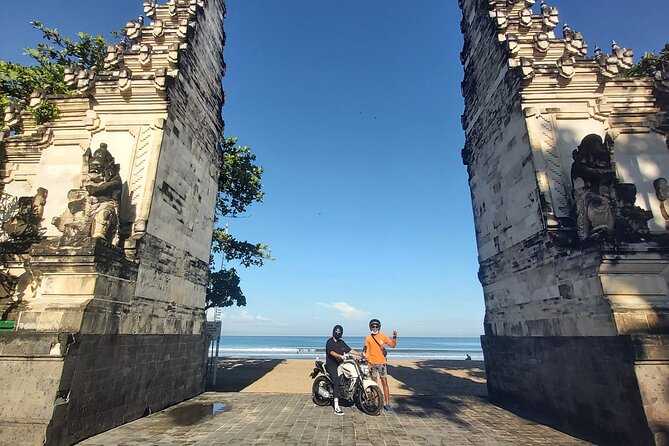
After theory and basics drills, the lesson transitions to street riding. The key rule is that you go onto the street only when you are completely confident. That means you are not thrown into traffic as a confidence experiment.
This is also where an instructor’s teaching style matters a lot. The instructors tied to this experience are often praised for reassurance and for teaching slowly. You’ll see names like Rico, Dino, and Gede connected to feedback that highlights calm instruction and rebuilding confidence. Even if you are already comfortable, that teaching style can keep you from rushing your learning.
There is also flexibility built in. The course allows you to take as much break time as you need. That matters because motorbike learning is mentally taxing. If you keep pushing through fatigue or anxiety, your control usually gets worse, even if you understand the technique.
If you want to get the most out of the street segment, I suggest you use breaks to reset your focus, not just to rest your arms. Take a breath, relax your grip, and then go back to practice with your eyes forward. The lesson setup supports this approach because the instruction is incremental and readiness-based.
At the end, the activity finishes back at the meeting point. That makes planning easier. You are not wondering where you will end up or how to get back if you feel worn out after your training session.
Price and value: what $35 buys you, and what it does not
The price is $35.00 per person for about 2 hours of private instruction. That can be a great value if you want more than a quick demo. The practical reason is time plus feedback. Motorbike skills are not learned by reading. They are learned by doing, then correcting, then doing again. A 2-hour session gives enough time to cover theory, clutch and gear mechanics, hill starts, and emergency braking, and still leave room for street practice.
Your package includes:
- Motorbike and helmet
- Bottled water
- Knee and elbow protectors
That inclusion is a real cost saver. Safety gear can add up fast if you have to rent it elsewhere. Having protectors also encourages you to practice more confidently, because you are not hesitating over what you might hit in a fall during early drills.
What is not included is private transportation. So you will need to handle your own way to the meeting point area. The lesson starts at 9:00 am, so you’ll want to factor in time to arrive calmly rather than rushing.
Overall, I see this as good-value training for people who already have scooter experience but want manual control. If that describes you, $35 for structured instruction plus protective gear is the kind of purchase that can prevent a lot of stress later.
Who should book this motorbike lesson, and who should wait
This course is a smart choice if:
- You have experience riding a scooter already and you want to transition to a manual motorbike.
- You want a structured lesson with theory, then clutch and gears, then hill starts and emergency braking.
- You prefer a calmer pace and you like the idea that street riding happens after you show confidence.
- You want a private setup where only your group participates.
It might not be the best fit if:
- You are brand new to riding and do not meet the scooter experience requirement.
- You do not have a valid license available.
- You are not comfortable with moderate physical effort, since you will be handling the bike through drills.
If you are deciding between learning scooter basics first versus jumping into manual training, consider this course as the step after you already know how to balance and ride. It is designed for control and confidence, not for teaching the entire skill from zero.
Should you book Canggu Motorbike Lessons in Canggu?
Book it if you want a manual-focused lesson that teaches the skills that typically create the most stress for new riders. The combination of theory, clutch and gear drills, hill starts, emergency braking practice, and street time only after confidence is a strong recipe for steady improvement. Add in the included helmet and knee and elbow protectors, and the $35 price starts to look less like a gamble and more like targeted training.
Skip or wait if you do not meet the prerequisites. The manual course requires scooter experience, and it requires a valid license. Also, if you feel nervous at the idea of practicing in general, you should still be okay, because the instruction style tied to this experience is often described as patient and confidence-building. But the prerequisites are still the prerequisites.
If you plan to ride in Bali soon, this kind of lesson can save you from the frustrating middle zone where you feel like you sort of know how but you are not steady yet.
FAQ
How long is the Canggu Motorbike Lessons course?
It lasts about 2 hours (approx.).
Where is the meeting point for the motorbike lessons?
The start is at C.S.L Meeting Point, 94GX+FX7, Canggu, Kuta Utara, Badung Regency, Bali 80351, Indonesia. The activity ends back at the meeting point.
How much does the lesson cost?
The price is $35.00 per person.
What is included in the lesson?
You get the motorbike and helmet, bottled water, and knee and elbow protectors.
Do I need scooter experience and a license?
Yes. The lesson is for a manual motorbike, and it requires experience riding a scooter. Travelers should also have a valid license.
Is transportation included?
No. Private transportation is not included.
Is this a private activity?
Yes. It is private, and only your group participates.
What is the cancellation policy, and what if weather is poor?
You can cancel for a full refund up to 24 hours in advance. If the experience is canceled due to poor weather, you’ll be offered a different date or a full refund.
Just added around Seminyak
- Kuta Seminyak Scooter Lessons★ 5.0 · 40 reviews
- Ubud Private Tour★ 5.0 · 36 reviews
- English and Japanese Speaking Local Bali Driver★ 5.0 · 22 reviews
- Private Full-Day Tour in Bali & FREE WIFI★ 5.0 · 82 reviews
- Best of North Bali: Banyumala Waterfall, Handara Gate and Temple★ 5.0 · 4 reviews
- Wonderful Bali In 3 Days Private Tour★ 5.0 · 56 reviews
- Zero Gravity Flotation Therapy in Canggu Bali by Solace Float★ 5.0 · 36 reviews
- West Nusa Penida Full-Day Private Tour★ 5.0 · 93 reviews
Workshops, compared.
Hands-On Silver Jewelry Making Near Ubud’s Monkey Forest
Read our review →
Legian Beach, Bali: Beginner or Intermediate Surf Lessons
Read our review →
Canggu Jewelry Making Class with Creative Studio Vibes
Read our review →
Browse the lists this tour appears in