

REVIEW · WORKSHOPS
Canggu Scooter Lessons
If Bali traffic makes you want to hide, this helps. Private electric scooter lessons in Canggu turn scooter fear into basic control, with an instructor talking you through each step. I like the private, in-your-ear coaching and the structured progression from theory to real practice. One watch-out: you’ll need a valid license, and the lesson plan depends on your comfort level.
What I really like is how patient the instructors are, including clear guidance from people like Agus and Gede. You don’t get pushed to move fast, and you can take breaks when you need them. The main drawback is simple but important, the total time varies a lot, with many riders needing more than one 2-hour session.
In This Review
- Key things that make this scooter lesson work
- Why Canggu Scooter Lessons Feel Like Training, Not a Thrill Ride
- Price and Timing: What $31.34 Per Person Really Means
- The Lesson Flow: Theory, Balance, Turns, Then a Quiet Street
- Step 1: How the scooter works (the part people skip too often)
- Step 2: Balance and control drills
- Step 3: Quiet village street practice, only when you’re ready
- How Safety Coaching Actually Helps You in Bali Traffic
- Electric Scooter Learning: Why It’s a Good Starter Step
- Who This Lesson Fits Best (and Who Should Plan Differently)
- A Quick Reality Check on How Many Lessons You May Need
- Getting Ready: The Small Prep That Makes the Lesson Smoother
- Related Services: License Help, Manual Lessons, and Bicycle Training
- Instructors: Patience, Clear Steps, and Real Confidence Gains
- What the Meeting Point Means for Your Day
- Weather and Comfort: A Lesson You Want in Good Conditions
- Budget-Friendly Value for Skill You Actually Use
- Should You Book Canggu Scooter Lessons?
- FAQ
- How long is the Canggu electric scooter lesson?
- What is the price?
- Is this a private lesson?
- Where does the lesson start?
- Do I need a valid license?
- What happens during the first part of the lesson?
- When do you ride on a street?
- Can I take breaks during the lesson?
- Does the number of lessons depend on me?
- What if the weather is bad?
- What ticket do I receive?
Key things that make this scooter lesson work
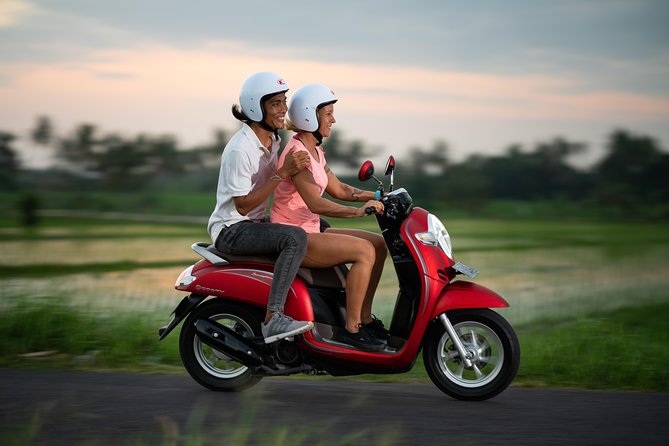
- Private lessons in Canggu mean your pace stays your pace, not a group schedule.
- Theory first, then balance and turning drills, so you understand what you’re doing.
- Quiet village street practice only after confidence, so you build skill before the stressful parts.
- Patient instruction highlighted in the feedback, including lessons led by Agus and Gede.
- Flexible lesson count, with many riders averaging 2 to 3 lessons (around 4 to 6 hours total).
Why Canggu Scooter Lessons Feel Like Training, Not a Thrill Ride
Let’s be honest. Scooter riding in Bali can feel like a video game where the rules appear mid-level. This lesson is designed to slow everything down so you can learn scooter control in the order that makes sense.
You start in a dedicated training area, then gradually move to a quieter street only when you’re ready. That matters because balance mistakes are easier to fix early, before you’re surrounded by traffic, horns, and tight turns.
Also, you get a real instructor focus. It’s not a “watch a video and good luck” setup. Your instructor stays close enough to guide you step-by-step, which helps you correct habits faster.
A few more Ubud trips to compare
- Canggu: Scooter Lesson with Professional Instructor
★ 5.0 · 27 reviews - Bali Scooter Tour With Tour Guide
★ 4.6 · 5 reviews
Price and Timing: What $31.34 Per Person Really Means
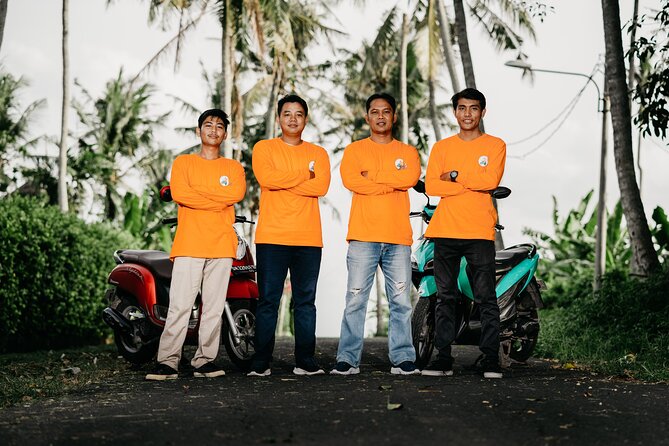
The price is $31.34 per person, and the lesson is listed at about 2 hours. That 2-hour window is a useful starting point, especially if you’re brand new or returning and just need a confidence reset.
Here’s the practical truth: the experience is built around your comfort level, not a fixed script. They’ll check in after your first lesson, then suggest the number of sessions you need. Based on their own guidance, the average rider spends about 4 to 6 hours total, often 2 to 3 lessons.
So when you budget, think in ranges. If you do just one session, you’re closer to $31.34. If you do two or three, expect closer to about $62.68 to $94.02.
The Lesson Flow: Theory, Balance, Turns, Then a Quiet Street
Your scooter lesson has a clear rhythm. It starts at their parking lot in the Canggu area near Jl. Raya Dawas, Tibubeneng, Kec. Kuta Utara, Kabupaten Badung, Bali 80361. The activity ends back at the same meeting point.
Step 1: How the scooter works (the part people skip too often)
First you get theory about how everything works and the scooter functions. This isn’t just trivia. Understanding the basics of how the scooter responds helps you avoid common surprises like the wrong grip pressure, unclear braking feel, or indecision when you need to turn.
Another side of Indonesia:
- All-Inclusive Ubud Private Tour
★ 5.0 · 14,344 reviews - Best of Ubud Full-Day Tour with Jungle Swing
★ 5.0 · 8,571 reviews - Ubud: Monkey Forest, Jungle Swing, Rice Terrace, and Water Temple
★ 5.0 · 7,160 reviews - Ubud: Waterfalls, Water Temple & Rice Terraces Private Tour
★ 5.0 · 5,484 reviews
Step 2: Balance and control drills
Next comes the part that builds the foundation. You’ll learn how to balance the scooter and practice taking turns. This is where patience pays off. The instructors pace it so you can keep repeating until it feels natural.
A big plus is that you can take breaks if you need them. If you’re nervous, forced nonstop practice can make things worse. Short breaks help you reset your attention.
Step 3: Quiet village street practice, only when you’re ready
Only once you’re completely confident do you continue onto a quiet village street. That progression is smart. It lets you practice real riding conditions without jumping straight into the busiest roads.
If you’re expecting to get dropped into traffic right away, adjust your expectations. The goal here is safer skill-building first, comfort next.
How Safety Coaching Actually Helps You in Bali Traffic
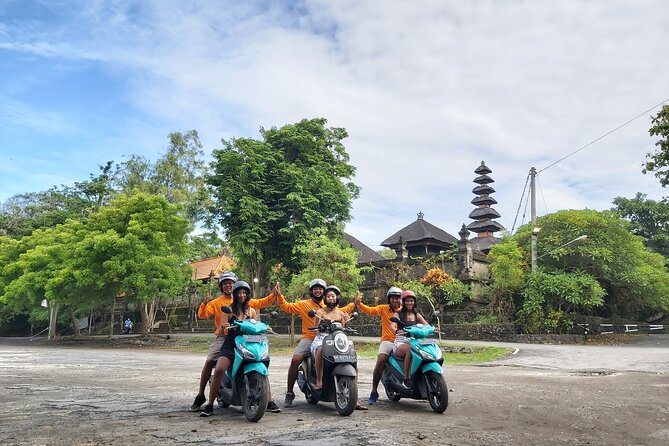
I like training that targets the exact moment you’ll feel stuck. Bali scooter riding is often hardest when you need to coordinate multiple things at once: throttle control, balance, looking ahead, and braking. If you learn those pieces separately, they’re easier to combine later.
The lesson also includes the idea of doing tasks in a way that builds confidence instead of rushing. In the feedback, people highlight feeling safer because they got practice in a safe environment before attempting busier streets.
That translates into a real travel benefit. Even if you don’t ride the scooter perfectly after the first session, you’re more likely to ride more smoothly because you’ve already practiced how the scooter behaves when you turn and adjust speed.
And because your instructor is right there offering guidance, you’re not stuck figuring it out alone with traffic all around you.
Electric Scooter Learning: Why It’s a Good Starter Step
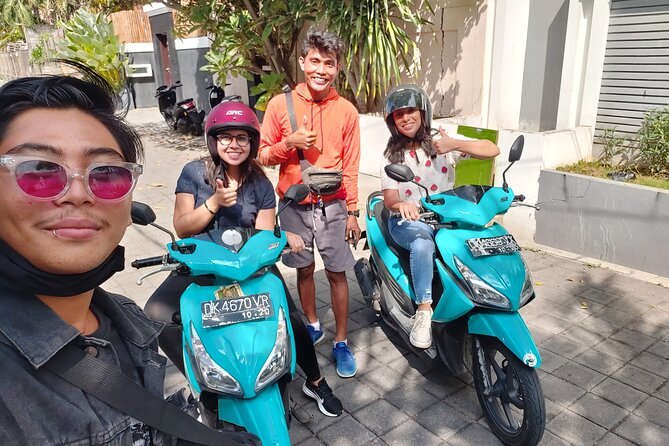
The lessons are for private electric scooter training, which can make the early learning stage a little less intimidating. Electric scooters often feel more predictable for first-timers, especially when you’re learning balance and getting comfortable with control.
Even more important, the lesson is organized around the basics. You’re not trying to conquer everything in one go. You learn what you need for controlled riding first, then add more real-world practice later.
If you’re new to scooters, this “start with control” approach is the difference between learning and surviving.
Who This Lesson Fits Best (and Who Should Plan Differently)
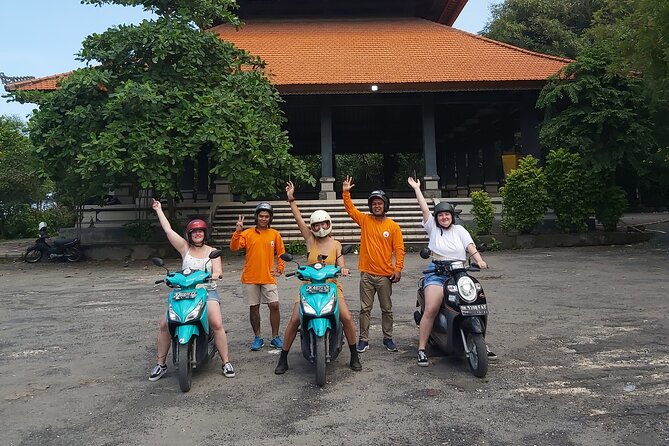
This is great for new arrivals and also for repeat visitors who still don’t feel comfortable. If you’ve already been in Canggu and seen how scooter flow works, you know confidence is the missing piece for a lot of people.
It’s also a private tour/activity, so only your group participates. That matters if you’re traveling with someone who learns at a different pace, or if you want a calmer experience without distractions.
The lesson requires a valid license. That’s not just a technical detail. It affects your ability to legally ride afterward, and it’s a sign the training is aimed at responsible riders.
There’s also a note about physical readiness. You should have a moderate physical fitness level. If you have issues with balance, leg strength, or getting on and off a scooter, you’ll want to consider whether this format fits you.
A Quick Reality Check on How Many Lessons You May Need
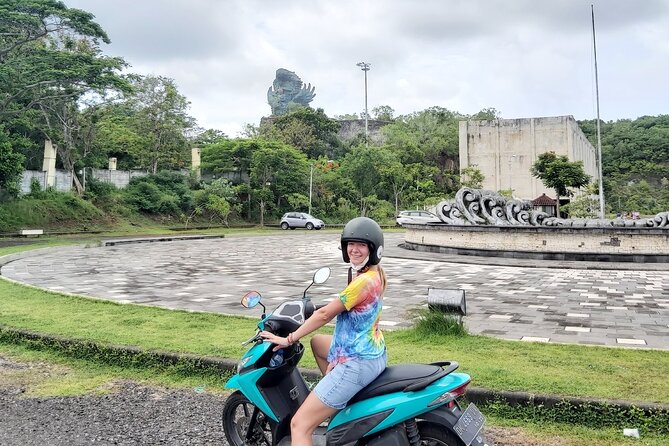
One of the best parts of this experience is that they openly admit it varies. They’ll decide how many sessions you need based on how you feel after the first lesson.
Their average guidance is clear: 4 to 6 hours total, usually 2 to 3 lessons. Some people might do faster. Others need more time to feel relaxed with turns and speed control.
If you’re the type who gets tense with pressure, the flexible pacing is a gift. Feedback highlights that there’s no pressure to learn quickly, and instructors take their time to move you forward once you’re ready.
Getting Ready: The Small Prep That Makes the Lesson Smoother
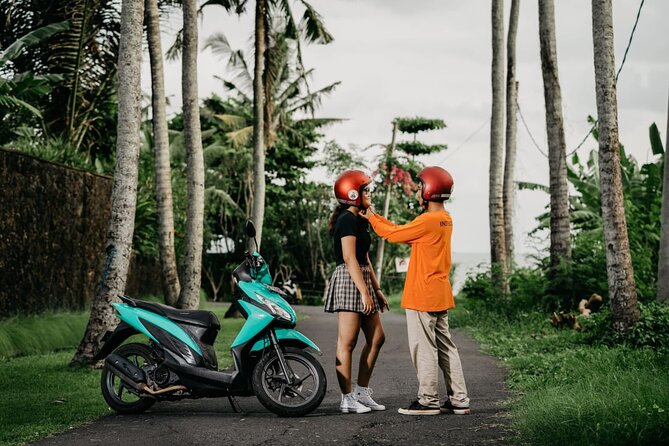
You’ll have the best time if you show up ready to focus for 2 hours. Since the process starts with theory and then quickly moves into balance practice, plan to wear footwear that helps with stability. Avoid sandals if you can.
Also, bring a clear expectation of what you want from the lesson. If your goal is to feel safe on quiet roads first, you’ll get exactly that structure. If your goal is to feel ready for busier roads, you’ll likely want the extra practice that comes from doing more than one lesson.
And remember the scooter lesson is not the place to test your luck with licensing. They specify you should have a valid license.
Related Services: License Help, Manual Lessons, and Bicycle Training
This provider also mentions additional learning options, which can be useful if you’re building a longer-term plan.
They offer service to help you get an Indonesian driving license, plus manual motorbike lessons and bicycle lessons. That last one matters because they state that for learning driving the scooter, you need experience riding a bicycle/bike.
So if you’re completely new to two-wheel balance in general, scooter training alone might be frustrating. In that case, you may want to start with bicycle learning first, then transition into scooter lessons.
If you already have bicycle experience, you’ll still likely benefit from the scooter training, since balance on a bike is different from scooter control. But your learning curve may feel easier.
Instructors: Patience, Clear Steps, and Real Confidence Gains
The overall tone from the feedback is consistent. People praise patient teaching and instructors who explain things in detail, especially for first-timers. Names like Agus and Gede show up in the positive notes, which gives you confidence you’re in capable hands.
You’ll also notice a theme: you get practice and guidance without being rushed. That combination, patient instruction plus structured progression, is what turns nervous beginners into riders who feel steadier on the road.
If you’re worried about being embarrassed for not getting it fast, this approach helps. The lesson is built around learning at your pace, with breaks allowed and a step-by-step upgrade in difficulty.
What the Meeting Point Means for Your Day
The lesson starts at the training location near Tibubeneng by Canggu. You’ll want to arrive a bit early so you’re not trying to settle in while you’re already tense.
Since it ends back at the meeting point, you can plan the rest of your day without complicated transport logistics. The experience is about learning, not traveling far to reach a training site.
Weather and Comfort: A Lesson You Want in Good Conditions
This experience requires good weather. If it’s canceled due to poor weather, you’re offered a different date or a full refund.
For scooter lessons, weather matters because wet roads and strong wind can change how the scooter feels when you’re practicing turns and braking. If your schedule is flexible, picking a day with stable conditions will make practice easier.
Budget-Friendly Value for Skill You Actually Use
At $31.34 for a 2-hour private session, the cost can feel low for what you’re getting: structured training, instructor guidance, and a progression designed to reduce risk.
The value improves if you think long-term. If you plan to rent and ride during your Bali stay, this lesson can save you from the frustration of guessing, wobbling, and trying to build confidence on your own.
And if you’re already spending money on scooter rentals and gas, one or two training sessions can be a smart way to avoid costly mistakes and reduce stress.
Just remember: the real “value equation” depends on whether you do 1 session or the more common 2 to 3 sessions.
Should You Book Canggu Scooter Lessons?
Book it if you want a calm, structured way to learn scooter control in the Canggu area. It’s ideal for first-timers, people who feel nervous about Bali traffic, and anyone who wants an instructor actively coaching them while you practice.
You might skip or rethink it if you don’t have a valid license. The lesson is clearly built with legal readiness in mind, and it’s part of the deal.
Also, if you’re the kind of rider who needs everything instantly and prefers a single crash course, this may feel slow. That’s because the training only moves to the quiet street when you’re confident. For most people, that’s the point, and it’s why the instruction gets strong marks.
If you’re worried about wasting money, plan for the realistic outcome: many riders average 4 to 6 hours total. If you treat it like a skill-building course rather than a quick test, you’ll likely get more confidence out of it.
FAQ
How long is the Canggu electric scooter lesson?
The lesson is listed as about 2 hours. Many riders end up doing 2 to 3 lessons for an average of 4 to 6 hours total, depending on their pace and confidence.
What is the price?
The price is $31.34 per person.
Is this a private lesson?
Yes. It’s a private tour/activity, and only your group participates.
Where does the lesson start?
It starts at the provider’s parking lot. The meeting point address is Jl. Raya Dawas, Tibubeneng, Kec. Kuta Utara, Kabupaten Badung, Bali 80361, Indonesia.
Do I need a valid license?
Yes. Travelers should have a valid license.
What happens during the first part of the lesson?
You start with theory about how the scooter works and its functions, then you move into balance and turning practice.
When do you ride on a street?
You continue onto a quiet village street only when you feel completely confident.
Can I take breaks during the lesson?
Yes. You can take as much break time as you need.
Does the number of lessons depend on me?
Yes. How many lessons you take depends on your pace and confidence after the first lesson. The provider notes the average is about 2 to 3 lessons.
What if the weather is bad?
The experience requires good weather. If it’s canceled due to poor weather, you’ll be offered a different date or a full refund.
What ticket do I receive?
You receive a mobile ticket.
Just added around Ubud
- Sunrise Café and Morning Yoga Class★ 5.0 · 5 reviews
- Quad Bike Bali With Tunnel & Waterfall Tour★ 4.2 · 8 reviews
- Puppy Yoga in Bali, Ubud & Uluwatu★ 4.7 · 93 reviews
- Private Ubud Tour With Professional Photographer with Edit★ 5.0 · 53 reviews
- Ubud : PRIVATE Bike Tour inside Rice Field with meal & pool★ 5.0 · 5 reviews
- Ubud: Organic Farm Harvest, Bali Cooking Class by Pemulan★ 4.8 · 12 reviews
- packages cooking class and romantic dinner in a local home★ 5.0 · 4 reviews
- Parallel Universe Silver & Brass Jewelry Making in Ubud★ 4.7 · 59 reviews
Workshops, compared.
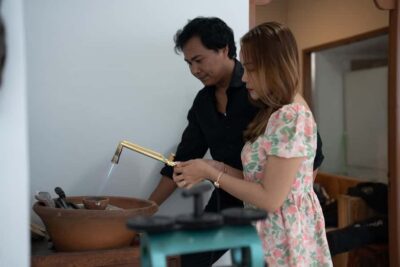
Hands-On Silver Jewelry Making Near Ubud’s Monkey Forest
Read our review →




Legian Beach, Bali: Beginner or Intermediate Surf Lessons
Read our review →
Canggu Jewelry Making Class with Creative Studio Vibes
Read our review →
Browse the lists this tour appears in