
REVIEW · WORKSHOPS
From Ubud: Traditional Bali Coconut Oil Class
Roosters start this class, and your hands learn fast. I like the family-run, home-style feel, and I like that the traditional coconut oil process is explained step by step. One thing to consider: the work takes real time, and it includes farm moments like feeding animals, so it is not the sort of activity you rush through.
You start in a nearby village area first, then you move into the hosts home compound in Taro (north of Ubud), where you get a look at everyday life, gardens, and pets. The pacing stays relaxed, so you get culture alongside the main goal, which is making oil you can actually take home.
You will do it in English with a small group, and pickup is optional if you are staying in the Ubud area. Price is $21 per person for about 90 minutes, which is solid value because it includes drinks, snacks, sarong and towel, and the coconut oil souvenir.
In This Review
- Key things worth knowing before you go
- From Ubud to Taro Village, where the oil class starts with views
- Enter the hosts home: family vibes, garden pets, and real daily life
- Making traditional Bali coconut oil: what the 90 minutes really feel like
- While the oil is processing: herbal tea, coconut-fed animals, and a calmer pace
- What you take home: your coconut oil souvenir, plus how to think about value
- Price, duration, and logistics that actually affect your day
- Who this experience is best for, and who should pass
- Should you book this Bali coconut oil class in Taro?
- FAQ
- Where is the coconut oil class located?
- How long is the class?
- What language is the instructor in?
- Is pickup available from Ubud?
- What is included in the price?
- Can I cancel for a refund?
Key things worth knowing before you go
- Taro Village setting first: You visit rice terrace views and local life before the oil work begins.
- Hands-on traditional method: The process takes longer than an hour, so it feels like real work, not a demo.
- Farmyard intermission: You might see how coconut is used to feed animals, with roosters and pigs in the mix.
- Tea and snacks included: Herbal tea, coffee or tea, water, plus cookies or traditional cake help you wait comfortably.
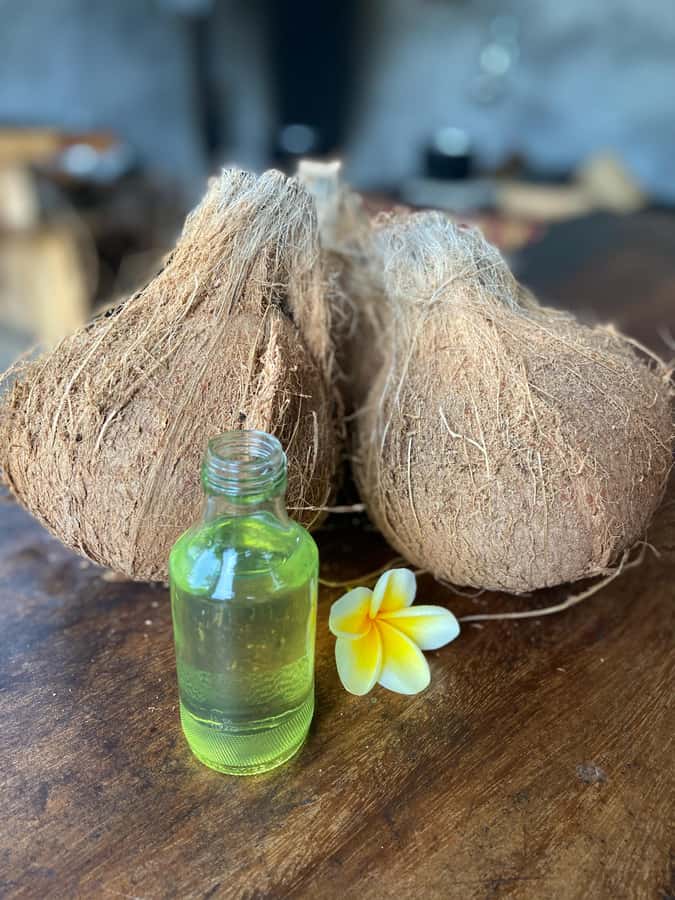
- You take oil home: Your coconut oil comes with you as a souvenir at the end of the class.
- Small group or private-feeling: It is set up for a calm experience, not a crowded factory tour.
From Ubud to Taro Village, where the oil class starts with views
This coconut oil class is based in Delodsema Taro Village, north of Ubud. Getting there matters, because you are not just being dropped off at a workshop. You arrive, then you get a short look at local life and rice terrace scenery before you step into the home where the oil is made.
If you are driving yourself, the meeting point is easy to find on the map called Traditional Bali Coconut Oil, about a two-minute drive south from Meson Elephant Park Taro. If you want the lazy version, pickup is optional from your hotel in the Ubud area.
What I like about starting with the village part is that it frames the whole experience. Coconut oil is not presented as some trendy product. It is shown as a household skill that comes from family knowledge passed down generations, linked to their grandparent teaching story.
If you are the type who gets impatient when an activity is not only about the main craft, plan for a bit of wandering and watching first. It is part of the point, and it makes the oil-making feel grounded in place.
A few more Gianyar trips to compare
- Bali: Blue Lagoon Snorkeling & Waterfall Tour with Lunch
★ 4.7 · 637 reviews - Celuk Bali Silver Class – Make Your Own Silver Jewelry
★ 4.9 · 180 reviews - Bali: Magical Fireflies Tour in Taro Village with Dinner
★ 4.8 · 104 reviews
Enter the hosts home: family vibes, garden pets, and real daily life
After the initial village walk, you head to their home, and this is where the atmosphere changes. The class is family-run, and you get access to the house, garden, and pets, including things like rosters, chickens, and pig in the backyard setup described for the activity.
This is one of the most praised parts in the experience: you do not feel like you are in a showroom. You feel like you are visiting a compound where people live and work. In one case, the hosts welcomed just a couple of people and kept the experience light and easy-going, not rushed.
English instruction is available, so you can actually follow the story as it happens. One instructor name that appears in the experience details is Putu, and she is described as explaining the process clearly while also sharing Balinese culture in the background.
Practical note: bring your curiosity. When you see kitchen-to-farm links like coconut being used for animal feed, your brain clicks into how household production works. It is not only about the oil bottle. It is about the whole system.
Making traditional Bali coconut oil: what the 90 minutes really feel like
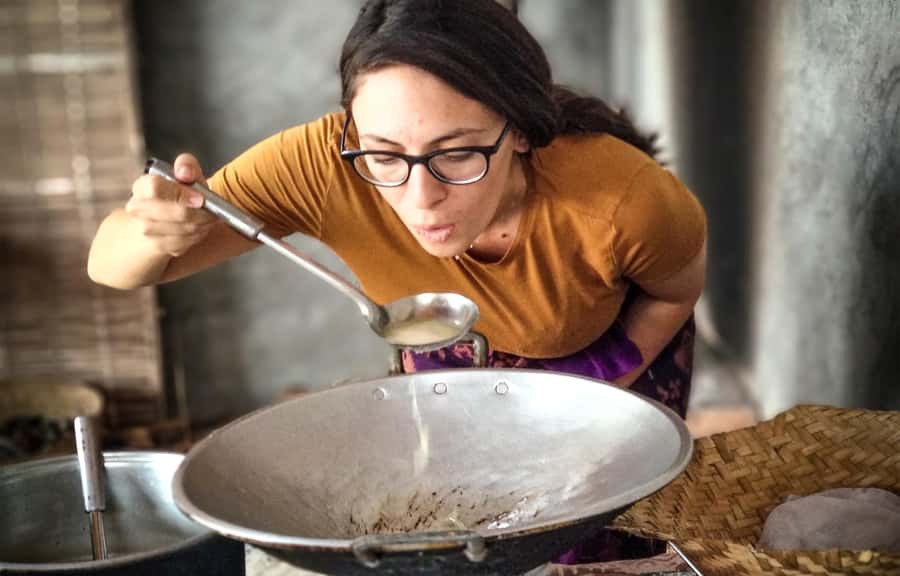
The headline activity is making traditional Bali coconut oil using a home-style method. The time detail that matters is this: while the class is 90 minutes total, the oil itself takes about 1 to 1.5 hours to complete as part of the traditional process. That means you should expect some waiting time during heating, processing, and settling.
Here is what the structure is designed to do for you:
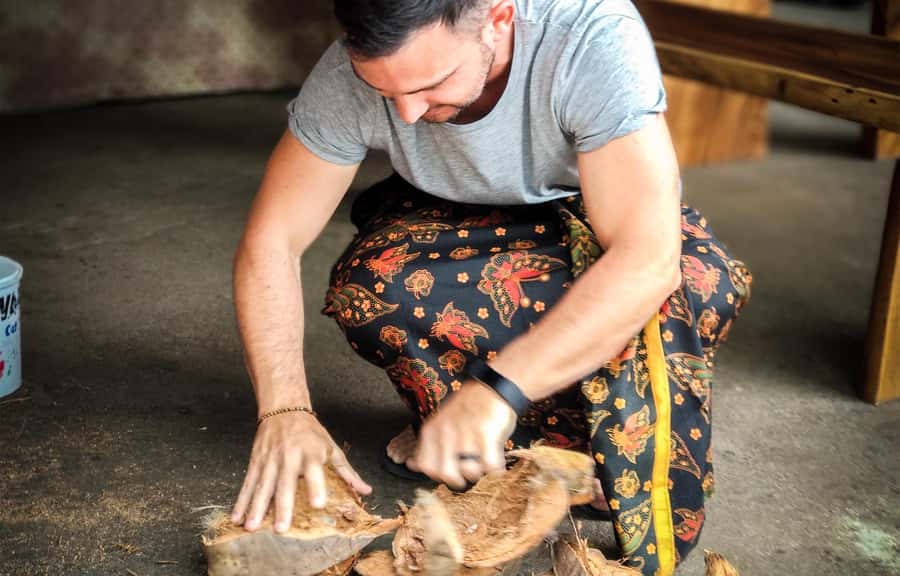
- You start with the coconut preparation and the key steps of the traditional method.
- You are not just watching someone else work. You are learning how the process works, based on their teaching and guidance.
- During the longer portion, you get breaks that keep the experience active and not boring.
Traditional coconut oil is often talked about in natural health circles for its fragrance and for being a highly saturated fat. In practical terms for you as a visitor, the real value is that you learn how the oil’s scent and texture come from the actual process, not from shortcuts.
And because the hosts connect this skill to their family history, you are not getting a factory routine. You are getting a cultural routine. That is why it is more interesting than a generic cooking class where everyone leaves after the dish is done.
If you prefer activities where the main action happens immediately and nonstop, this one might feel slower at first. But if you like learning and seeing how time is used in traditional methods, it fits well.
While the oil is processing: herbal tea, coconut-fed animals, and a calmer pace
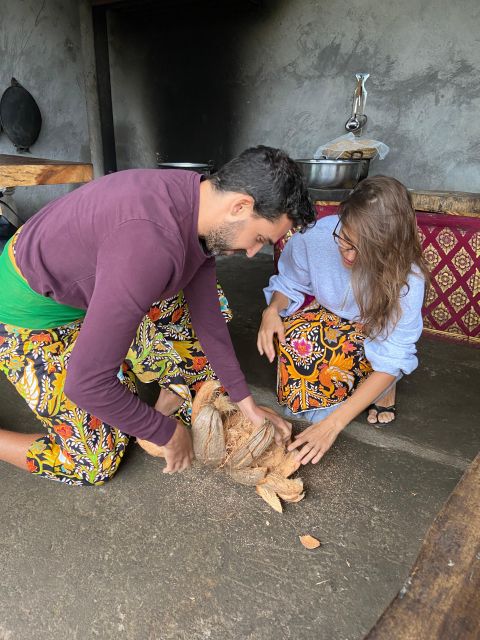
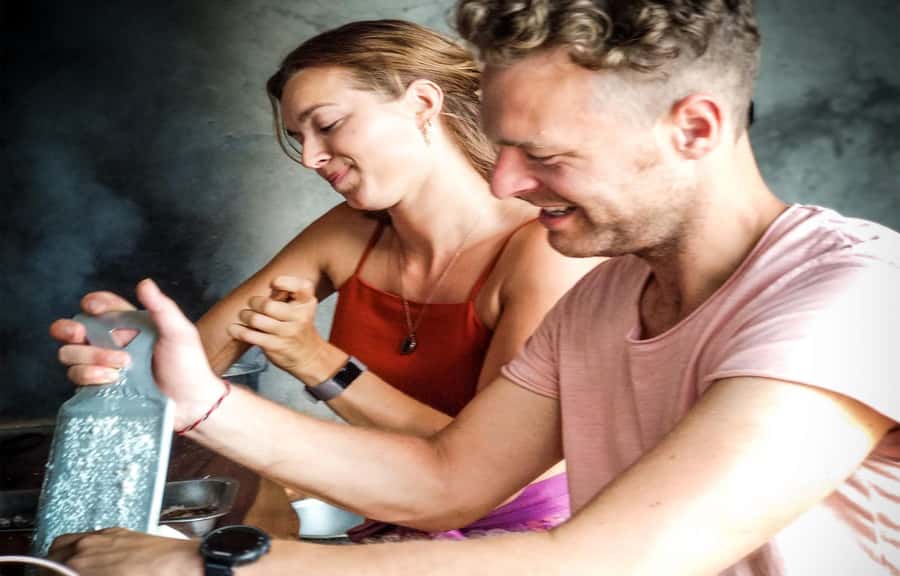
The class keeps you busy while the oil takes its time. One of the specific moments built into the experience is using coconut grated for feeding animals in the backyard, along with time to enjoy a fresh herbal tea together.
This is a small but memorable detail, because it shows you the everyday logic behind what people do with coconut. You see not just the product, but what happens to coconut parts along the way.
You also get included refreshment and snacks:
- Balinese coffee or tea or mineral bottle water
- Traditional cake or cookies
- Herbal tea during the waiting period
You may also get a garden tour during the process, with fruit you can see and sometimes taste. In one instance, people left with small gift fruit items during the garden portion. Since that is not guaranteed in every case, treat it as a nice bonus if it happens.
If you are worried about farmyard sounds or smells, remember this is a real home compound. Roosters and chicken sounds are part of the setting, and that is not pretend. For many people, that is exactly the charm.
Another side of Indonesia:
- Ubud: Horse Riding, Zip-Line Tour & Waterfall Tour
★ 4.8 · 71 reviews - Bali: ubud costumize tour with private driver
★ 5.0 · 43 reviews - Bali: Amed, Jemeluk & Lipah Beach Snorkeling Adventure
★ 4.7 · 29 reviews - Bali/Ubud: Kanto Lampo Waterfall, Monkey Forest & Swing Tour
★ 4.9 · 21 reviews
What you take home: your coconut oil souvenir, plus how to think about value
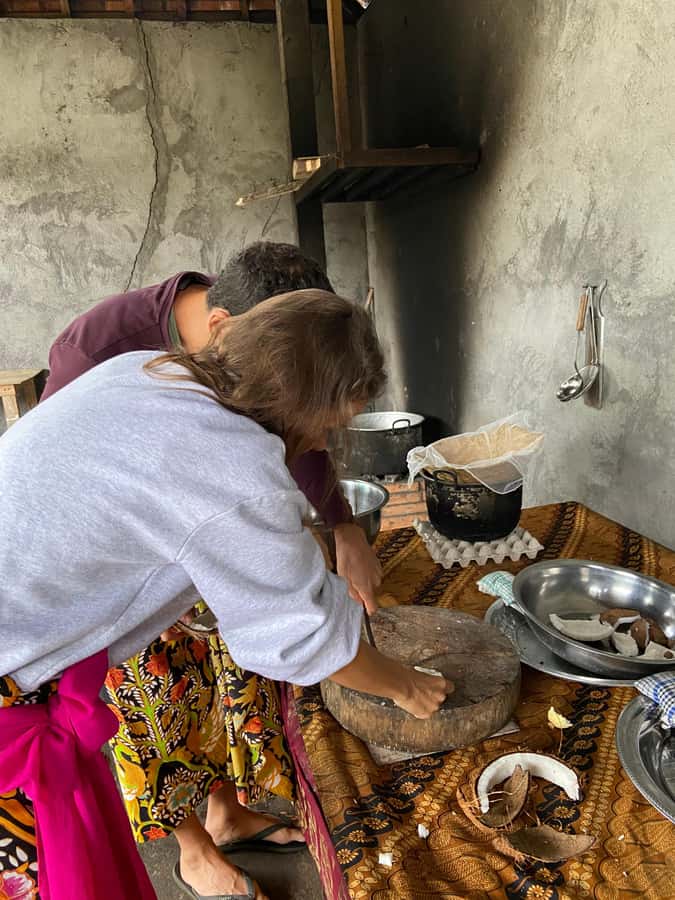
By the end, you bring home the coconut oil you made. That matters more than it sounds. A lot of Bali classes give you a product, but you do not always understand what you contributed. Here, the process is slow enough that you learn enough to recognize what you actually made.
Because your oil is a souvenir, you also get something many travelers appreciate: a practical edible item you can share with friends and family. The hosts even mention bringing coconut oil during travel, which hints at how they view it as a useful everyday product.
Now, let’s talk value. At $21 per person for about 90 minutes, you are paying for:
- A village-and-home setting
- English instruction
- Included drinks and snacks
- Access to the garden and pets experience
- Towels and a sarong
- Your own coconut oil take-home souvenir
For Bali, where you can find lots of single-focus demos, this feels more complete. The price is not just for pressing coconut. It is also for the cultural setting, teaching, and included refreshments.
So if you are choosing between a quick tourist craft and a deeper local household experience, this is priced in a way that makes the “real visit” part count.
Price, duration, and logistics that actually affect your day
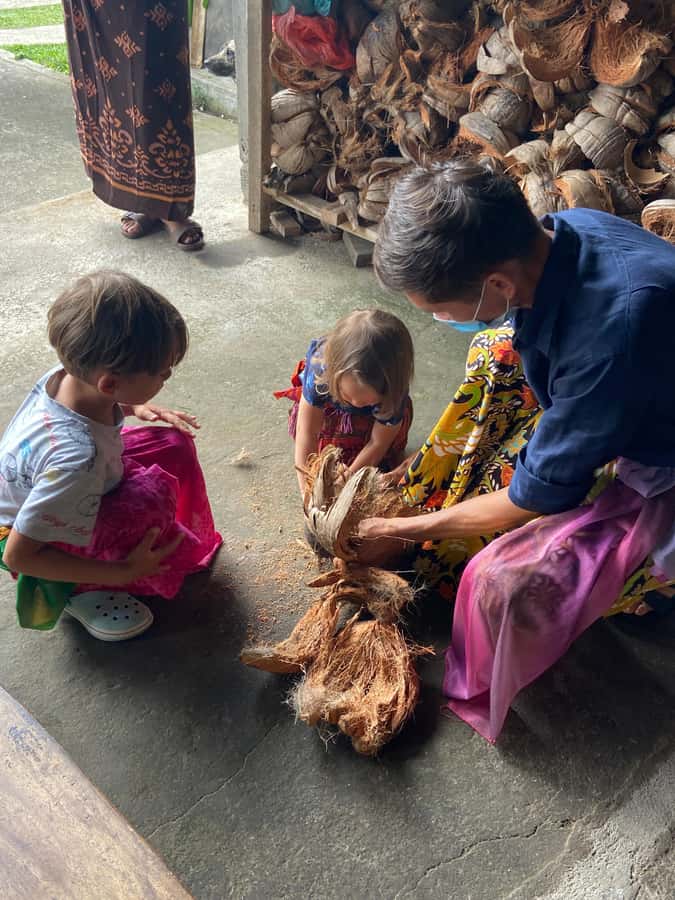
This class runs 90 minutes total. Even though the main steps can take over an hour, the overall schedule keeps things comfortable with tea and snack breaks, plus the garden and village walking portion.
Small group is available, which helps the teaching feel personal. English instruction is included, so you are not stuck trying to guess what is happening while coconut simmers.
Pickup is optional in the Ubud area, which can save time and reduce stress if you do not want to arrange a ride. If you self-drive, the map name makes it straightforward to locate close to Meson Elephant Park Taro.
One consideration that affects planning: because the oil-making includes a longer wait portion, you should arrive without needing to rush off to another activity right after. Give yourself a bit of padding for travel back to Ubud, especially if you are coordinating pickup.
Who this experience is best for, and who should pass
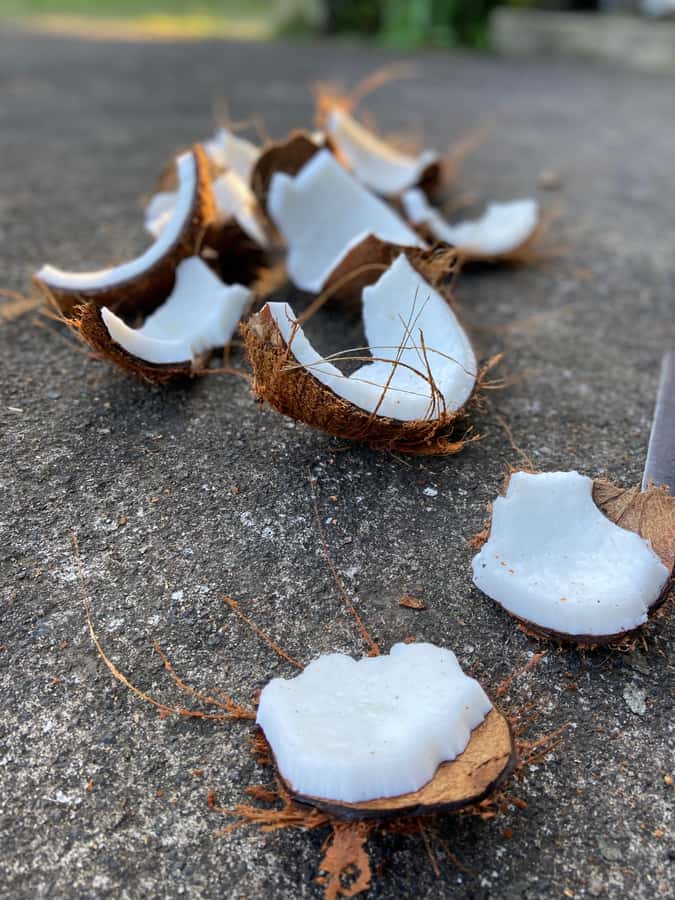
This class is a good fit if you want:
- Culture + craft in one outing
- A family-run home atmosphere, not a production line
- A take-home coconut oil souvenir you made yourself
- A small-group pace that feels friendly
It is also a great choice for couples or solo travelers who want a calmer setting. In at least one example, the experience happened with just one couple, which shows it can feel very personal.
You might skip it if you want something extremely fast-paced, or if farmyard animal moments would make you uncomfortable. The activity includes roosters, chickens, and pig in the backyard setting, plus a coconut feeding moment.
Also, if you are only interested in coconut oil as a health product and not curious about how it is made in a traditional household routine, you might find the cultural parts less useful. But if you like understanding where products come from, this is made for you.
Should you book this Bali coconut oil class in Taro?
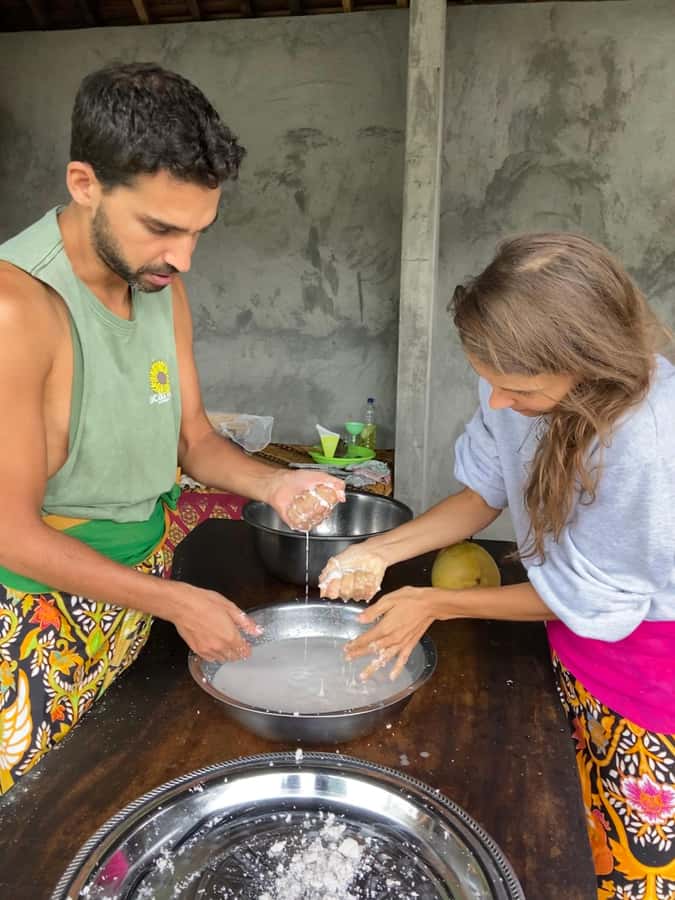
If you are in Ubud and you want one activity that feels like a real home visit, book it. The best reasons are the teaching style and the setting: village scenery first, then a warm compound visit, then real oil-making that takes long enough for you to learn what is happening. Add in included drinks, cookies or cake, sarong and towel, and a take-home souvenir, and the $21 price starts to make sense as good value.
Before you book, consider one simple question: do you enjoy slow, hands-on learning with a bit of farm life thrown in? If yes, this is a smart pick. If you only want quick, clean, indoor entertainment with no animal sounds nearby, you will probably feel happier choosing a different class.
FAQ

Where is the coconut oil class located?
The class takes place in Delodsema Taro Village, north of Ubud. The meeting point is on the map called Traditional Bali Coconut Oil, about 2 minutes’ drive south from Meson Elephant Park Taro.
How long is the class?
The activity lasts about 90 minutes. The traditional coconut oil process takes more than 1 to 1.5 hours to be done.
What language is the instructor in?
The instructor provides the class in English.
Is pickup available from Ubud?
Pickup is optional. The hosts offer pickup from your hotel in the Ubud area.
What is included in the price?
The price includes a Balinese coffee or tea (or mineral bottle water), towels and a sarong, traditional cake or cookies, and coconut oil to take home as a souvenir. You also get to explore the countryside, house and garden area with pets.
Can I cancel for a refund?
Yes. Free cancellation is available up to 24 hours in advance for a full refund.
Just added around Gianyar
- Threads of Tradition Miniature Keliki Painting Workshops★ 5.0 · 11 reviews
- Mount Batur Sunset Trekking And Natural Hot Spring Tour★ 4.9 · 9 reviews
- Bali Jewelery Silver Making class with Own Design★ 5.0 · 5 reviews
- Bali: Amed, Jemeluk & Lipah Beach Snorkeling Adventure★ 4.7 · 29 reviews
- Bali:Traditional Wedding Photoshoot with the Rice Field View★ 5.0 · 5 reviews
- Bali/Ubud: Kanto Lampo Waterfall, Monkey Forest & Swing Tour★ 4.9 · 21 reviews
- Balinese Spiritual Cleansing by Traditional Method★ 5.0 · 9 reviews
- Balinese Purification at holy water temple with Local★ 5.0 · 6 reviews
Workshops, compared.
Hands-On Silver Jewelry Making Near Ubud’s Monkey Forest
Read our review →


Legian Beach, Bali: Beginner or Intermediate Surf Lessons
Read our review →
Canggu Jewelry Making Class with Creative Studio Vibes
Read our review →
Browse the lists this tour appears in