
REVIEW · WALKING TOURS
Jakarta Social and Political Walk
Jakarta politics can feel close up. This Jakarta Social and Political Walk turns monuments into real-world stories, with an unbiased, balanced look at how Indonesia’s society and power systems work. I especially like the street-level explanations and the way the guide handles questions in clear English, and I think Mar’ie is a standout. One thing to consider, the discussion can run broader than a strict stop-by-stop script, so go with curiosity, not a checklist.
I love that this isn’t a lecture in one spot. You get an interactive, documentary-style flow, where ideas connect as you walk, with street exploration that makes politics feel less abstract and more human. The tour focuses on both what shaped the country and what is happening now.
You should also know the setting matters. The walk starts by Jakarta Bookhive inside Lapangan Banteng, and it’s designed for people who want first-hand understanding of Indonesia by seeing how public life and power show up in the city.
In This Review
- Key takeaways
- Starting at Jakarta Bookhive, Lapangan Banteng
- A Documentary-Style Walk, Not Just Sightseeing
- Indonesia’s Social Divide, Made Visible on Foot
- From State Founding to Today’s Politics
- Monuments and Public Space That Teach Power
- Guide Style, English Clarity, and Q&A Momentum
- Pacing, Timing, and What to Bring for 2.5 Hours
- Who This Jakarta Social and Political Walk Is For
- Should You Book This Jakarta Social and Political Walk?
- FAQ
- Where is the meeting point for the Jakarta Social and Political Walk?
- How long is the experience?
- Is the guide available in English?
- What topics does the tour cover?
- Can I cancel and get a full refund?
- Can I reserve now and pay later?
Key takeaways
- Documentary-style storytelling that links history to today as you move through the city
- Unbiased perspective aimed at helping you form your own view, not handing you conclusions
- English guide with strong Q&A especially helpful if you want straight answers on complex topics
- Street-based learning using monuments and political hotspots, not just discussion
- A focus on social inequality, from tech-savvy life to basic needs like electricity
Starting at Jakarta Bookhive, Lapangan Banteng
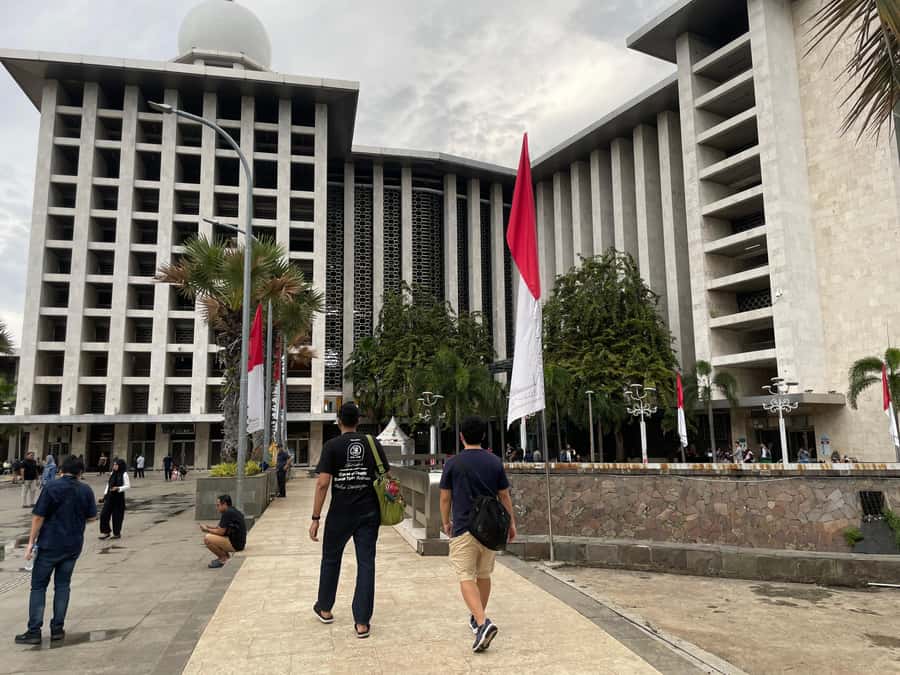
Your meeting point is next to Jakarta Bookhive, inside Lapangan Banteng (coordinates: -6.170995235443115, 106.83494567871094). That area is a useful starting point because it sits in the kind of everyday public space where politics is not only something you read about, it is something you can feel through crowds, routines, and how the city is organized.
From the start, the tour signals a clear goal: connect Indonesia’s big national story to what you can actually see in Jakarta. I like that this makes the experience practical. You are not just learning terms. You are learning how power and society operate in a visible way.
If you prefer tours that are super rigid and predictable, you should keep in mind the pacing is driven by questions and story threads. That can make it feel more alive and less mechanical. It also means you might not get the exact same route structure every time, depending on where the conversation goes.
A few more Jakarta trips to compare
- Jakarta Walking Tour: Explore Jakarta as the Locals do
★ 4.8 · 82 reviews - Yogyakarta: Nighttime Walk and Food Tour
★ 5.0 · 401 reviews - Tetebatu Walking Tour – Rice Terraces, Waterfall & Monkey Forest
★ 5.0 · 349 reviews
A Documentary-Style Walk, Not Just Sightseeing
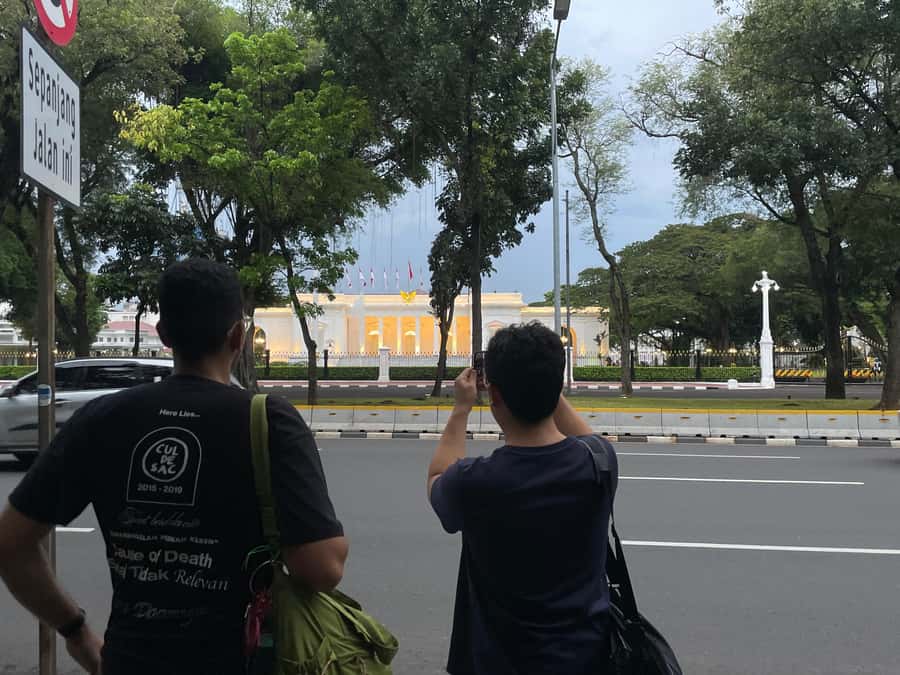
This walk is built with the flow of a documentary. That means it is not only about landmarks and photos. You get an information-heavy experience where each stop works like a scene, then the guide connects it to the broader social and political context of Indonesia.
One of the strongest reasons to choose this tour is the balanced framing. The tour aims to cover Indonesia’s social and political elements from the creation of the state to modern times, while keeping the tone non-biased. For me, that is the difference between hearing a political opinion and learning how different forces shaped outcomes.
You also get that “ask anything” energy. In the reviews, the guide is praised for answering questions clearly and going beyond what you expect. Mar’ie, in particular, is described as having perfect English and strong communication. That matters because politics and history topics can get confusing fast, and the best antidote is a guide who can explain without talking down.
Indonesia’s Social Divide, Made Visible on Foot
Indonesia is huge: more than 250 million people, and half of them are under 30. It is also the most populous Muslim country in the world, with a mix of ethnicities, cultures, and languages. The tour uses that scale to explain why Indonesia is both exciting and challenging.
Then comes the part that makes the walk hit differently. The experience highlights major social inequalities. You get the contrast between modern, tech-savvy cities and other communities that still struggle with basic infrastructure, including access to electricity.
What I like about this approach is that it avoids turning inequality into a vague sympathy story. It is framed as a political and economic outcome, not just a social problem. When you connect it to policy choices, development priorities, and how power is distributed, you start to see why the same country can produce both rapid modernization and persistent gaps.
You can think of the walk as training your eye. As you move, you learn to ask: who benefits, who gets services, and how does the country decide what gets attention. Even if you do not leave with every answer, you leave with a better set of questions.
From State Founding to Today’s Politics
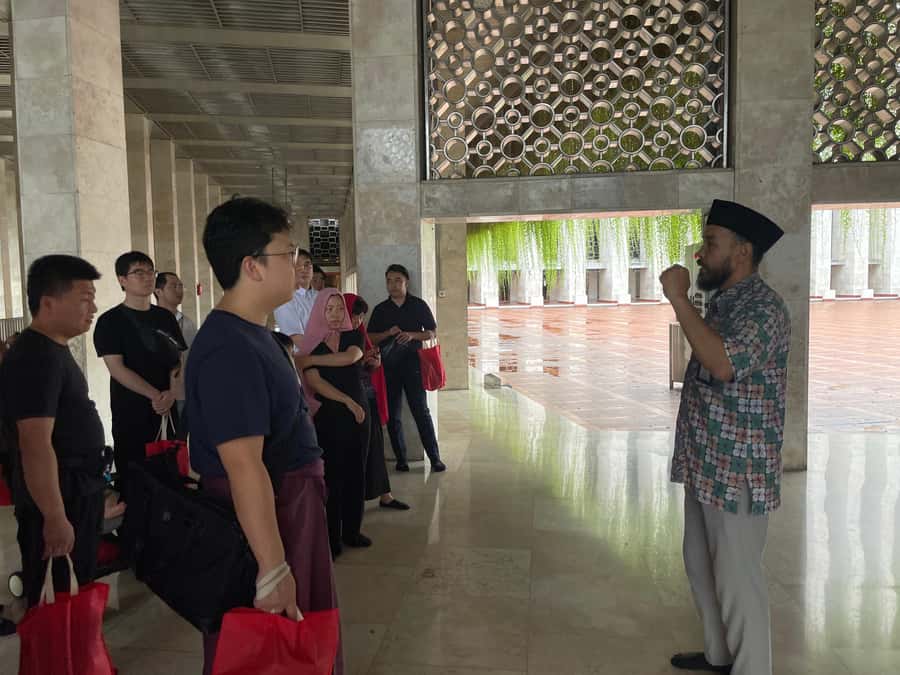
The tour’s political focus spans historical foundations and modern events. That is valuable because Indonesia’s current debates make more sense when you know what came first. The guide covers how the state was created, then tracks what changed as Indonesia moved through different eras.
A big benefit here is time compression. In two and a half hours, you get a guided path through topics that normally take weeks of reading or a full academic course. The documentary-style structure helps keep the story coherent, so you are not stuck with random facts.
You are also getting a “first-hand research” mindset. The walk is aimed at people genuinely interested in politics, who want to deepen understanding by seeing how power shows up in public life. That fits travelers who do not want to just collect sights. They want to connect Jakarta to the broader Indonesian reality.
One review mentioned the guide talked about a range of social commentary and political history. That kind of broad coverage is a feature if you like flexibility. It can be a drawback if you only want one narrow theme. Either way, going in with a curious attitude will pay off.
Another side of Indonesia:
- Jakarta: Volcano, Tea/Rice Fields, Hot Spring, Local Food
★ 4.9 · 515 reviews - Active Volcano, Rice Field, Hot Spring, Fruit market, Tea Plantation with Lunch
★ 5.0 · 513 reviews - Private Full-Day Guided Tour: Explore Jakarta’s Top Highlights
★ 5.0 · 338 reviews - Jakarta Half-Day Guided Tour with a Private Fun Local Host
★ 5.0 · 292 reviews
Monuments and Public Space That Teach Power
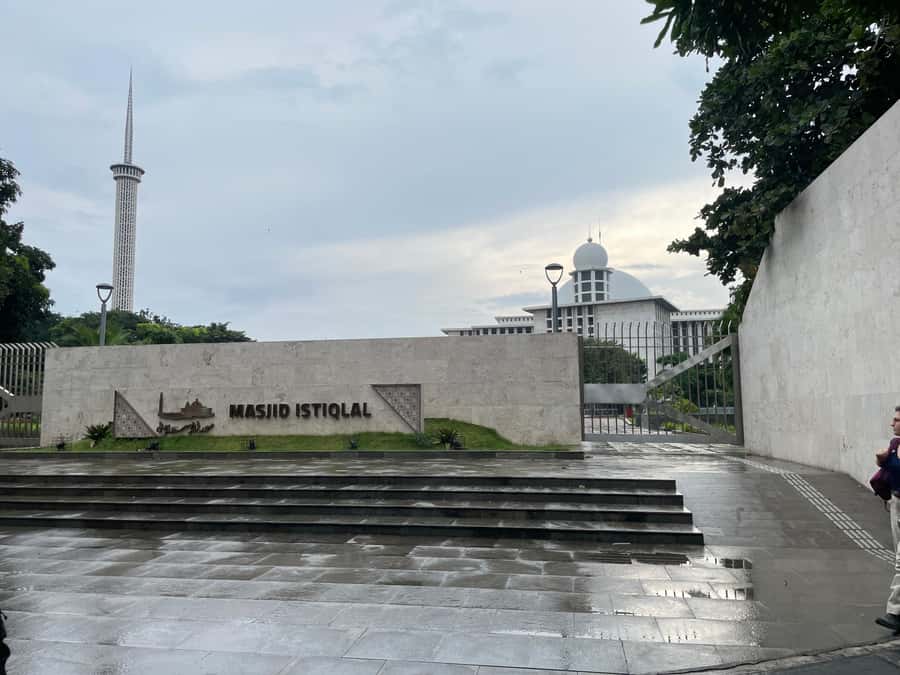
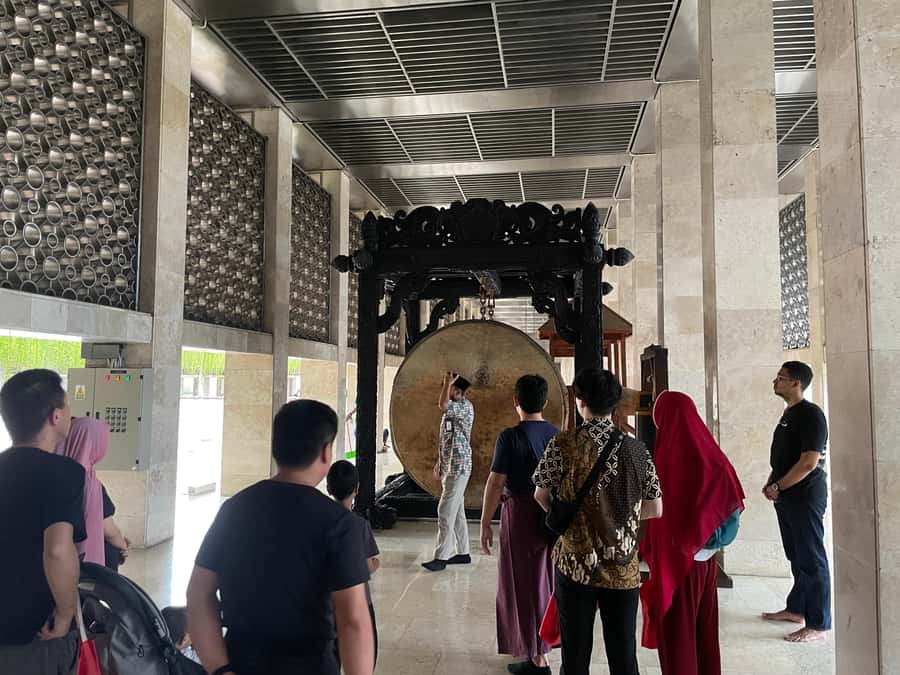
Jakarta is packed with symbols. This walk uses that fact. You will move across different monuments and areas of political significance, and you will be guided on what those places mean in practice.
I appreciate this method because it teaches you how political meaning is built into the environment. Monuments are not only art. They are messages about values, legitimacy, and memory. Public spaces are also political stages, because they shape who gathers, who speaks, and what kinds of behavior become normal.
Even without knowing every specific detail beforehand, you can follow the logic as the guide ties each location back to the larger story. That is why this tour works well for first-time visitors who want context fast. You leave with a framework for reading the city, not just a list of stops.
If you are the kind of person who loves to interpret the “why” behind city design, this will feel satisfying. If you prefer quiet, slow sightseeing, the information-heavy format may feel intense. Still, it is paced as a walking discussion, so you are not stuck sitting through everything.
Guide Style, English Clarity, and Q&A Momentum
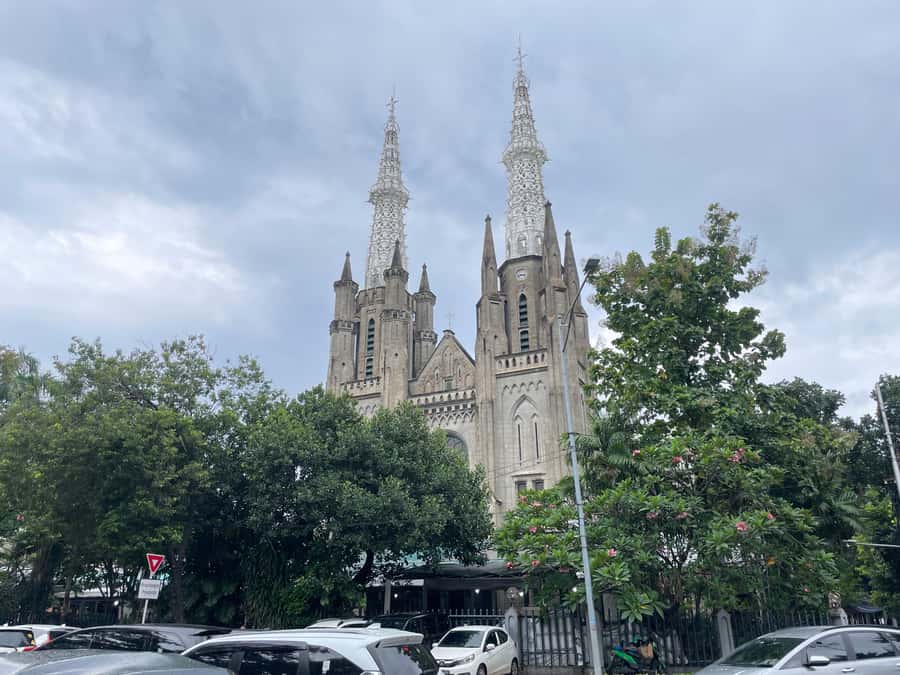
The tour is led in English. Based on the reviews, the guide’s English is a major strength. Several mentions focus on excellent English and strong communication, which is exactly what you want when the topics are political, historical, and sometimes sensitive.
Mar’ie is specifically praised for answering questions, and one review says he went beyond what guests expected. That tells me the experience is interactive in a real way. You are not just listening. You are participating, which helps the guide adjust the story to your interests.
At the same time, one practical consideration comes up. The pacing can feel wide-ranging, and the guide may not stick to a tight plan for every moment. If you need strict structure, you might feel a bit of wandering. My advice: come with a few questions you truly care about, and you will likely steer the conversation toward what you want to learn.
This also makes the tour better for mixed interests. You might come for politics but end up caring about how social inequality connects to policy, or how historical choices shape modern institutions. The guide seems built for that kind of cross-connection.
Pacing, Timing, and What to Bring for 2.5 Hours
The duration is 2.5 hours, so you should expect a fast-moving but not frantic experience. This is ideal for people who want a strong educational hit without giving up half a day. In that time window, you can learn a lot about Indonesia’s social and political landscape, especially if you engage with questions.
Because it is a walking experience, plan for comfort. Wear shoes you trust on city pavement and bring water. Lapangan Banteng is a public area, and even if you do not spend all your time in the open, you will still be moving outdoors.
If you are taking notes, keep them short. The tour works best when you let the story land, then you jot down themes like inequality, state formation, or modern politics. If you try to transcribe every detail, you will miss how the guide links ideas.
Also, since you are learning politics in real time, come ready to think. The point of the tour is not to memorize. It is to understand how Indonesia’s social structure and political decisions connect.
Who This Jakarta Social and Political Walk Is For
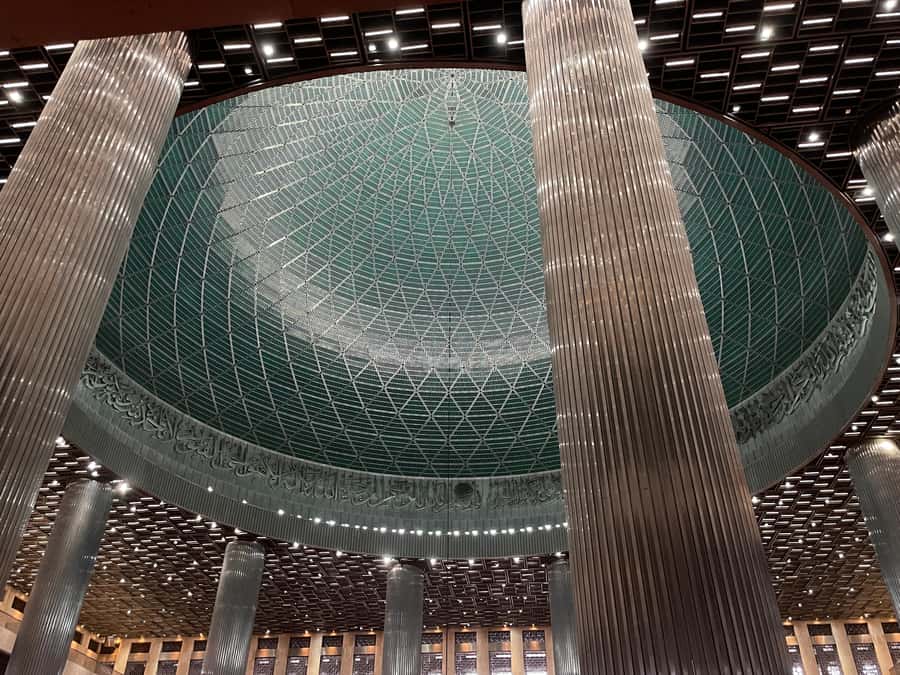
This tour fits best if you want more than sightseeing. It is aimed at people with a genuine interest in politics and anyone eager to understand Indonesia’s situation through first-hand observation.
It is also a good choice if you like context. Many travelers get culture and food in Jakarta, but still feel unsure how the country’s political reality works. This walk fills that gap by explaining social and political elements, from state creation to present-day issues.
You’ll also like it if you value a non-biased approach. The goal is to help you determine your views of Indonesia for yourself. That is a respectful way to handle a topic that is inherently complex and often debated.
If you hate discussion and prefer silent museum-style experiences, this may not be your favorite format. But if you enjoy a guided conversation where the guide can answer your questions, it’s a solid match.
Should You Book This Jakarta Social and Political Walk?
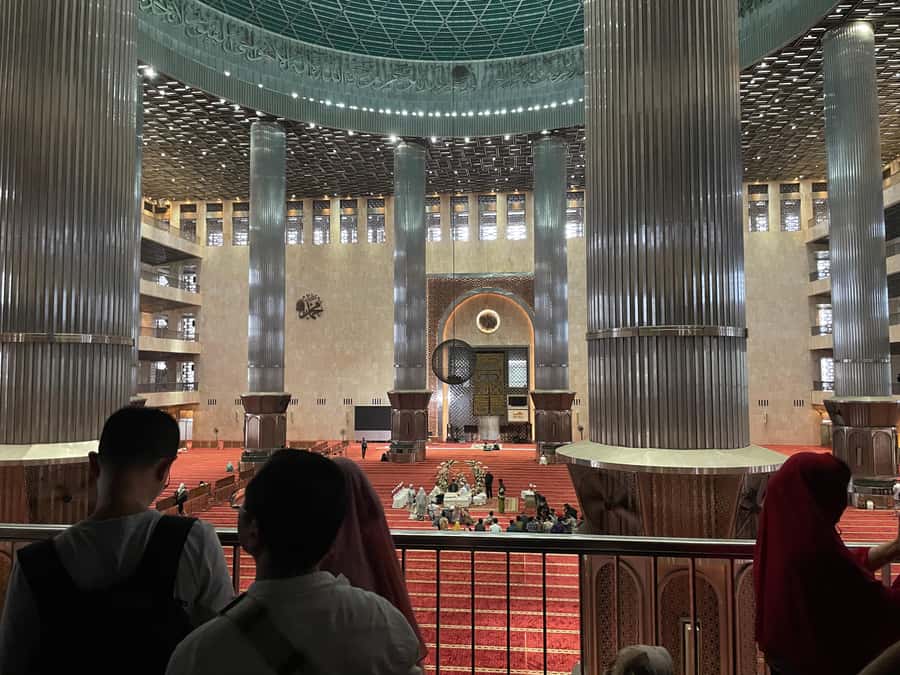
Book it if you want a fast, street-level way to understand how Indonesia’s society and politics connect. I think the standout value is the combination of documentary-style structure and a strong English-speaking guide who can handle questions, including Mar’ie as highlighted in the reviews.
You might skip it if you want a tightly scripted route with predictable timing and a narrow theme. The tour can range across social commentary and political history, which is great for curiosity-based travelers, but less ideal for people who need strict boundaries.
If you are in Jakarta for a short stay, this 2.5-hour walk is a smart use of time. You get context you can carry into the rest of your trip, so other stops in the city make more sense afterward.
FAQ
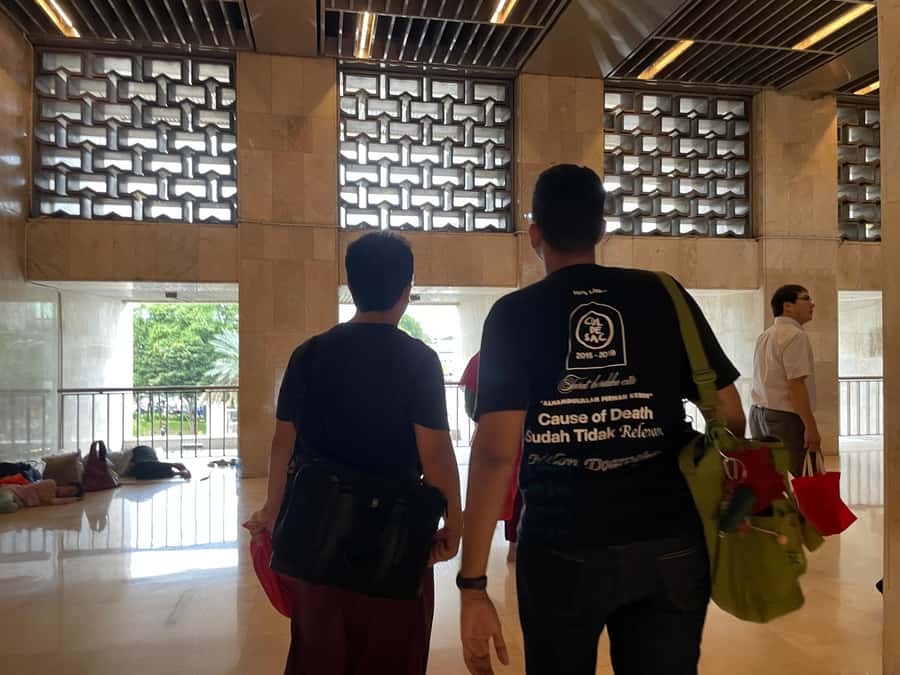
Where is the meeting point for the Jakarta Social and Political Walk?
The meeting will take place next to the Jakarta Bookhive inside Lapangan Banteng.
How long is the experience?
The tour lasts 2.5 hours.
Is the guide available in English?
Yes, the live tour guide speaks English.
What topics does the tour cover?
The walk focuses on Indonesia’s social and political elements, covering both historical context and modern times from a balanced, non-biased point of view.
Can I cancel and get a full refund?
Yes. You can cancel up to 24 hours in advance for a full refund.
Can I reserve now and pay later?
Yes. You can reserve your spot and pay later, keeping your travel plans flexible.
Just added around Jakarta
- Start 10am Bandung Group Tour Volcano, Waterfalls, Hotspring★ 4.9 · 12 reviews
- Jakarta Walking Tour: Explore Jakarta as the Locals do★ 4.8 · 82 reviews
- Jakarta: Volcano or Suspension Bridge,Ricefield & Hot Spring★ 5.0 · 5 reviews
- Jakarta: Volcano, Suspension Bridge, and Hot Spring Tour★ 4.8 · 15 reviews
- Jakarta: Jakarta Culture and Landmarks Full-Day Tour★ 4.8 · 110 reviews
- Jakarta Tour : Beauty Thousand Island of Jakarta★ 3.1 · 9 reviews
- Jakarta to Bogor: Luhur Waterfall and Lake Lido Day Trip★ 5.0 · 4 reviews
- Jakarta: Thousand Island Tour with Canoeing and Snorkeling★ 4.2 · 14 reviews
Walking Tours, compared.
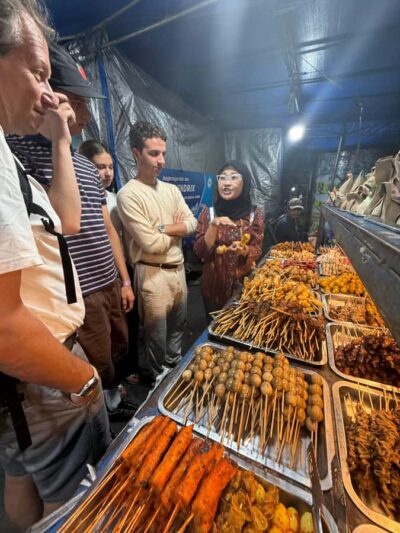

Tetebatu Walking Tour – Rice Terraces, Waterfall & Monkey Forest
Read our review →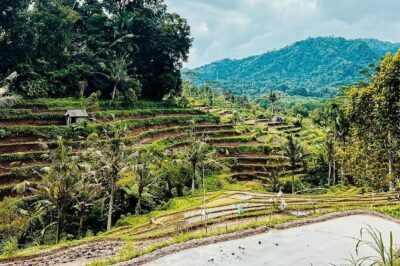
Sidemen Trekking: A Walk from a Different Perspective
Read our review →
Small-Group Walking and Food Tour by Night in Yogyakarta
Read our review →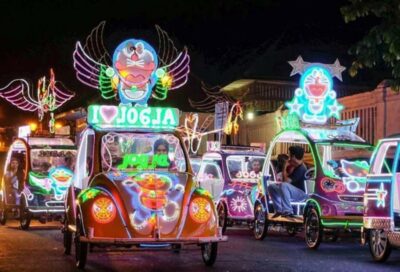

Bali Private Food Walking Tour With Locals: The 10 Tastings
Read our review →
Ubud yoga, rice terrace walk and floating Breakfast tour
Read our review →
Browse the lists this tour appears in