
REVIEW · COOKING CLASSES
Authentic Balinese Cooking Classes
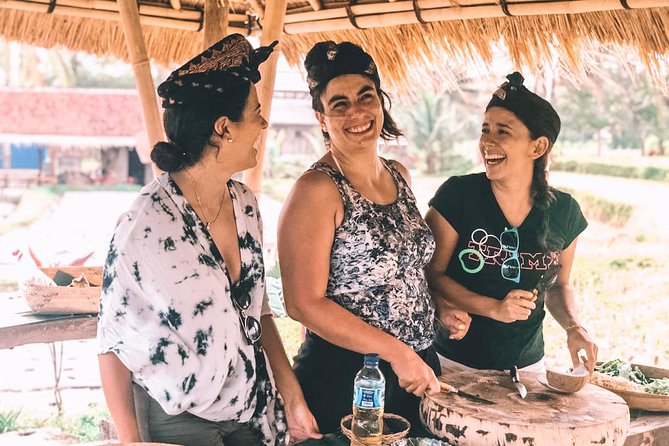
Cooking class in Bali feels like a food festival. This hands-on Balinese class pairs a morning market tour with real cooking, where you shop, haggle a bit, chop, grind, cook, and then eat what you make. I like that you get a small-group setup, so the chef can actually help while you’re working at your own station.
My favorite part is the focus on picking ingredients the Balinese way. You learn what to select and what to reject at the early market, and you get the basic logic behind the flavors before you even start cooking.
One thing to consider is timing. In one case, a pickup ran late and the market portion did not go as smoothly as expected, so if you’re booking an early start, I’d plan around that and confirm your pickup time clearly.
In This Review
- Key points to know before you go
- From Jimbaran pickups to a kitchen in Bakas, Klungkung
- How the day runs in real life (and why start times matter)
- The morning market: bargaining and choosing ingredients that make the dishes work
- Your hands-on kitchen setup: cooking in English, at your own station
- The dishes you make: satay, nasi goreng, and black rice pudding
- Satay, the Balinese way
- Nasi goreng with a local touch
- Black rice pudding, a sweet finish you can actually repeat
- What you learn beyond recipes (the stuff you can use at home)
- Transfers and small group size: the quiet value you’ll feel
- Pricing at around $65: what makes it worth it
- Who should book this Balinese cooking class
- A few practical tips before you go
- Should you book this Balinese cooking class in Jimbaran?
- FAQ
- Where does the Balinese cooking class take place?
- How much does the cooking class cost?
- How long is the cooking class?
- Do I get pickup and drop-off?
- Can I choose my start time?
- Is the class taught in English?
- What dishes will I cook and eat?
- Is there a market tour?
- What is the cancellation policy?
Key points to know before you go
- Market bargaining lesson: You practice how to talk prices while choosing meat, fish, and produce.
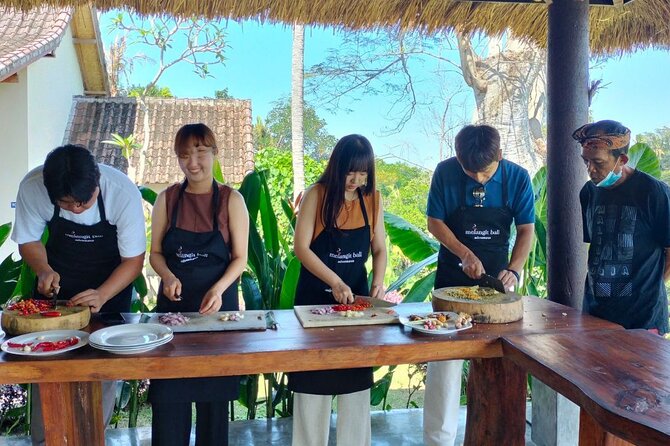
- Hands-on cooking stations: You cook the dishes yourself, with utensils provided.
- English-led class: The cooking is conducted in English, with clear guidance.
- Small group size: Limited to a maximum of 10 participants.
- Transfers cover a lot of Bali: Pickup and drop-off from many areas including Ubud and south Bali.
- Dishes you’ll actually make: Satay, nasi goreng, and black rice pudding are built into the day.
From Jimbaran pickups to a kitchen in Bakas, Klungkung
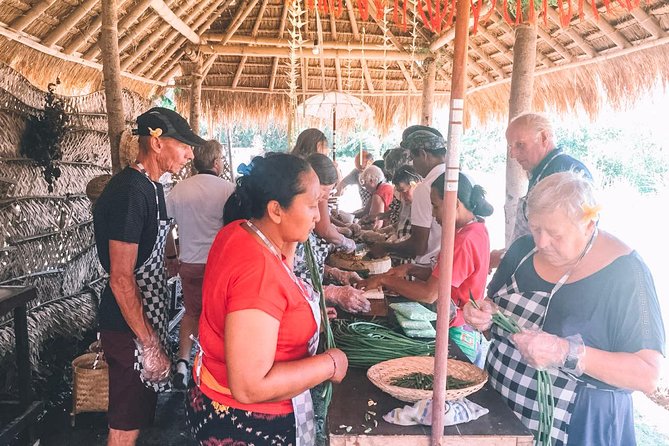
This is one of those Bali experiences that saves you mental energy. Even though the cooking happens in Bakas, in Klungkung Bali, your day is built around convenient round-trip transfers from many common base areas on the island, including Jimbaran, Ubud, Denpasar, Sanur, Seminyak, Legian, Kuta, Nusa Dua, and Benoa Harbor.
That matters because Bali traffic can be unpredictable. When the tour handles the driving and timing for you, you can focus on food and people instead of stressing over route changes, parking, or finding the right turnoff.
More Cooking classes in Jimbaran:
- Ubud: Balinese Cooking Class at an Organic Farm
★ 5.0 · 1,786 reviews - Ubud Cooking Class Bali with Balinese Chef
★ 5.0 · 1,609 reviews - From Ubud: Authentic Cooking Class in a Local Village
★ 4.9 · 1,325 reviews
How the day runs in real life (and why start times matter)
The class runs about 6 hours. You can choose a start time that works for you, with options from morning through afternoon, and you’ll see operating hours listed as 7:00 AM to 3:00 PM across the week.
If you book a morning slot, the day includes a market tour. If you choose a later start, you may miss the market-shopping component, so think about what you want most: the cultural food market experience and bargaining, or a pure cooking-and-eating focus.
The morning market: bargaining and choosing ingredients that make the dishes work
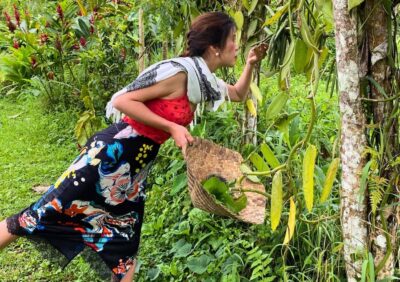
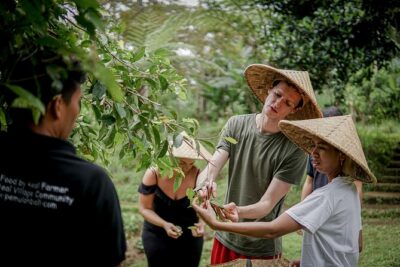
The market stop is where the class becomes more than just a cooking demo. You walk through a local market where stalls open early, and the chef explains Balinese tastes and customs while you learn how ingredients are chosen.
Here’s what I’d pay attention to in the market:
- How you compare ingredients: You’re taught what to select and what to reject, not just what looks right.
- Meat and fish choices: The chef talks through local options and how they fit into Balinese cooking.
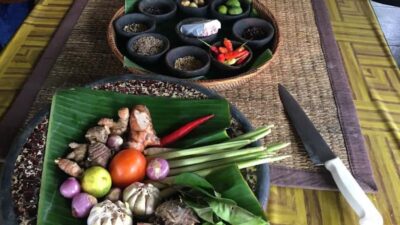
- Produce and spices: You learn to spot key items used in the flavors you’ll cook later.
- Bargaining as a skill: It’s not just a fun activity. You’re learning the rhythm of price talk and the logic behind it.
One caution from experience stories I reviewed is that if the market timing slips, the market visit may not deliver the shopping you expect. If you’re doing a morning start, double-check your pickup time and what the operator considers the start of the market window.
Your hands-on kitchen setup: cooking in English, at your own station
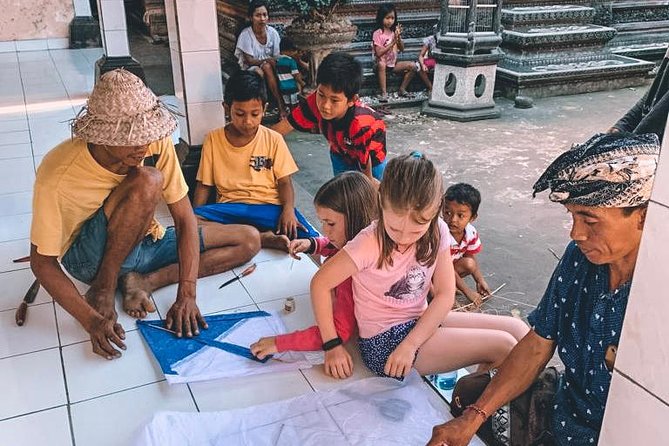
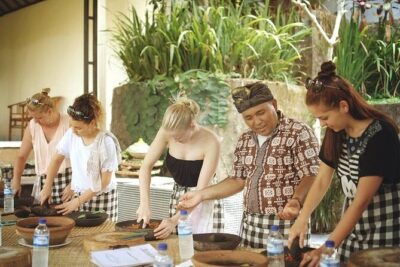
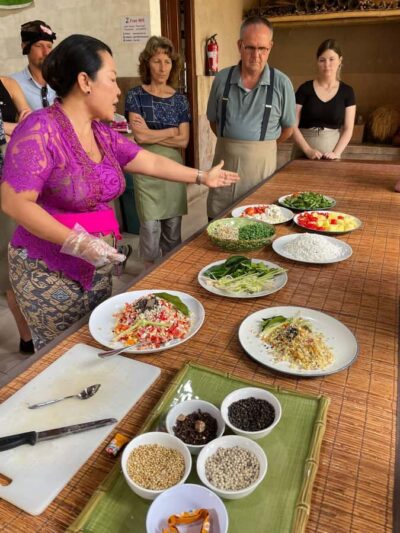
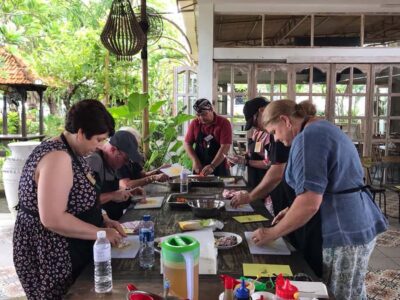
This class is hands-on in the most practical way possible. You’re not watching from the back. You get your own cooking station and utensils, and you prepare and cook the dishes yourself.
It’s also taught in English, which is a big deal in Bali because you want guidance that matches what you’re doing. When you’re chopping and grinding, a clear explanation helps you understand not only steps, but also why those steps matter.
And yes, the setting can add something special to the day. One person noted rainforest views during cooking, and another mentioned rice fields near the location. Even if you’re not a scenery hunter, it helps your brain switch gears from travel mode into calm, focused cooking mode.
A few more Jimbaran trips to compare
- Kecak and Fire Dance Ticket at Uluwatu Temple
★ 4.0 · 222 reviews - Mount Batur Sunrise Trekking and Rice Terrace Adventure
★ 5.0 · 111 reviews - Private Tour: Bali in a Day
★ 5.0 · 95 reviews - Best Of Ubud Tours
★ 5.0 · 75 reviews
The dishes you make: satay, nasi goreng, and black rice pudding
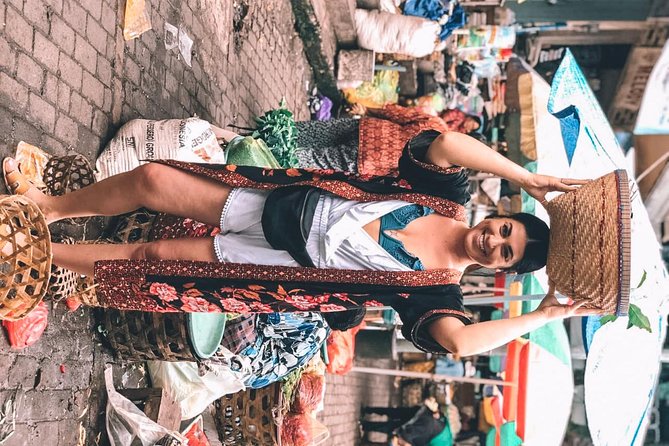
This is where you get a real home-cook payoff. The menu is built around classic Balinese favorites, and you’ll cook dishes like satay, nasi goreng, and black rice pudding.
Satay, the Balinese way
Satay is one of those foods that teaches you how flavor “builds.” Even without changing your whole grocery routine back home, you can replicate the idea of seasoning and balancing the sweet-salty profile that makes satay addictive.
You’ll work through the steps yourself, so you learn what the mixture should look like and how timing affects texture. That’s the difference between eating satay on the street and being able to make it from scratch.
Nasi goreng with a local touch
Nasi goreng is comfort food, but Bali’s version carries its own personality through spice choices and cooking style. When you cook it in class, you’ll understand how ingredients move from pan to plate, how heat changes everything, and how you avoid ending up with soggy rice.
The value here is practical. After the class, you won’t just have a list of ingredients. You’ll know the sequence that keeps rice tasting like fried rice instead of reheated rice.
Black rice pudding, a sweet finish you can actually repeat
Black rice pudding stands out because it’s both regional and different from what most people expect. You get to taste the end result, but you also get to learn how to work with black rice as the star.
This is the dish that often makes friends ask, What did you do? It’s also a great “dessert story” you can share because it isn’t the same old chocolate routine.
What you learn beyond recipes (the stuff you can use at home)
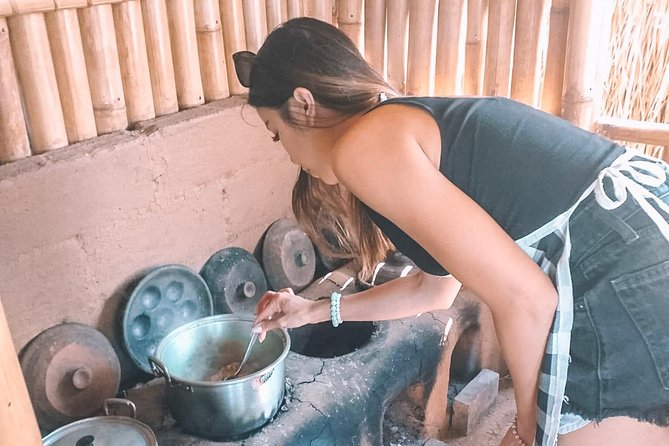
A cooking class is only as good as the skills it gives you. Here, the market component and the hands-on approach work together to teach you decision-making.
You practice:
- Ingredient selection: What to look for, and what to skip.
- Flavor logic: Why certain ingredients are chosen in Balinese cooking.
- Bargaining basics: How to talk prices in a way that’s normal in the local market.
- Cooking rhythm: How to keep each dish moving through prep to cooking without losing focus.
That’s why the day is more valuable than a simple “cook and eat” workshop. You’re leaving with the confidence to shop and cook, not just a recipe booklet.
Transfers and small group size: the quiet value you’ll feel
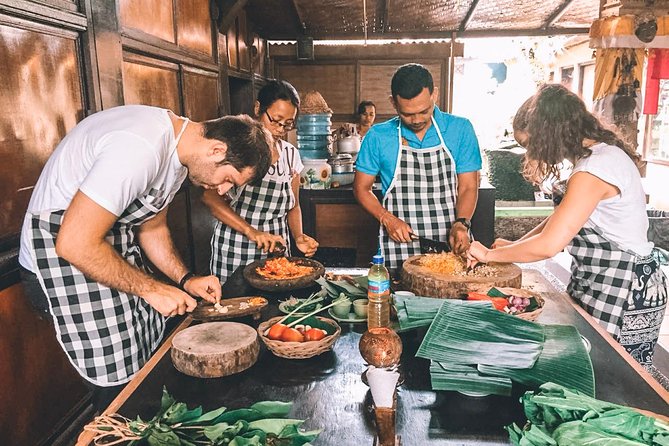
A maximum of 10 participants changes the entire vibe. In a bigger class, the chef is mostly passing instructions over the noise. In a small group, you’re more likely to get help when something goes wrong, like a texture that isn’t right or chopping you rushed too fast.
The transfers also reduce friction. You don’t need to coordinate taxis across multiple stops, and you don’t need to worry about getting back to your hotel after you’ve spent hours cooking and eating. That “easy return” piece matters more than it sounds.
Pricing at around $65: what makes it worth it
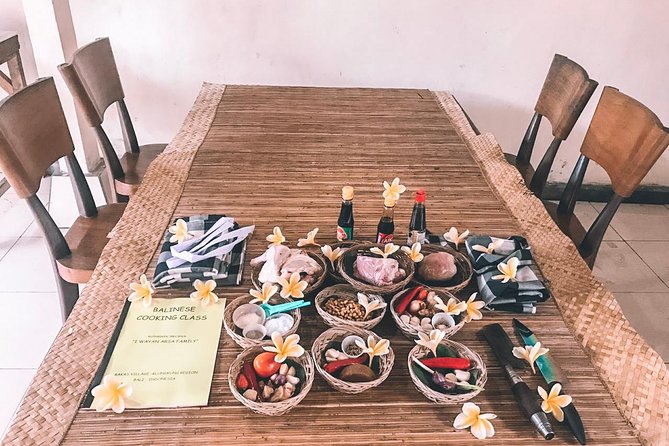
At about $65 for roughly 6 hours, the pricing lands in the range of a good-value food experience, especially because transfers are included from a wide set of Bali locations. If you’ve ever paid for separate transport plus a cooking class elsewhere, you’ll understand why this is a stronger deal than it looks at first glance.
The other value factor is the limit of 10 participants. You’re paying for time, coaching, and hands-on cooking, not just the final plates.
If you’re budget conscious, this is the kind of tour where I’d compare the full package. Don’t just compare the cooking class fee. Consider whether transport is separate, and whether you’re truly cooking at your own station.
Who should book this Balinese cooking class
I’d point this class at travelers who want real skills, not just photos. It’s ideal if you:
- enjoy food markets and want to know how locals choose ingredients,
- like learning by doing, chopping, grinding, and cooking with guidance,
- want a manageable group experience with close attention,
- are staying anywhere in south Bali or Ubud and want easy round-trip transfers.
It’s also a solid fit for couples or solo travelers. If you get paired into a group of 10, you’ll still have enough personal attention to make the day feel guided.
A few practical tips before you go
Here’s how to get the most out of the day and avoid the common snags:
- If you’re doing a morning slot, confirm your pickup time the day before and ask what time the market actually starts.
- Bring a light layer. Cooking days can swing from cool early morning air to warmer cooking conditions.
- Wear something you can move in. You’ll be standing and working at a station.
- Come with an appetite. You cook more than one dish, then eat what you make.
And if you care about the market part, treat it as the main event. The bargaining practice and ingredient selection are the learning payoff that makes the cooking part make sense.
Should you book this Balinese cooking class in Jimbaran?
Yes, I think you should book it if you want a structured, hands-on Balinese food experience that includes ingredient shopping and a small-group teaching style. The combination of market learning, English-led cooking, and making dishes like satay, nasi goreng, and black rice pudding gives you a day you can repeat at home in your own kitchen.
I’d be a little more careful if you’re extremely schedule-driven for an early morning start. Because pickup timing can be affected by real-world factors, you’ll want to confirm pickup expectations and plan for a buffer.
If you’re flexible and you enjoy food culture, this is the kind of Bali activity that turns into a practical souvenir, not just a memory of good meals.
FAQ
Where does the Balinese cooking class take place?
The cooking class is held in Bakas, Klungkung Bali, with transfers that pick you up from many areas in and around south Bali and Ubud.
How much does the cooking class cost?
The price is $65.
How long is the cooking class?
The duration is about 6 hours.
Do I get pickup and drop-off?
Yes. The experience includes hassle-free 2-way transfers from addresses in areas such as Seminyak, Legian, Kuta, Nusa Dua, Jimbaran, Sanur, Ubud, Denpasar, and Benoa Harbor.
Can I choose my start time?
Yes. You pick the start time that works for you, with options from morning through to afternoon.
Is the class taught in English?
Yes. The cooking class is conducted in English.
What dishes will I cook and eat?
The class includes Balinese dishes such as satay, nasi goreng, and black rice pudding.
Is there a market tour?
Yes. For morning bookings, the day includes a trip to a local market where you learn about Balinese tastes, customs, and ingredient selection, including bargaining.
What is the cancellation policy?
Free cancellation is available. You can cancel up to 24 hours in advance for a full refund.
Just added around Jimbaran
- Uluwatu Kecak Tickets A Spectacular Show★ 5.0 · 19 reviews
- Surfnesia Surf Lesson and Guiding★ 5.0 · 46 reviews
- Ubud Customized Private Tour★ 5.0 · 10 reviews
- Bali Private inclusive tour: Best of Ubud in a Day★ 5.0 · 48 reviews
- Ubud Sacred Monkey Forest & Art Village Tour★ 5.0 · 11 reviews
- Half-Day Private Tour to Tanah Lot and Bali Royal Temple★ 5.0 · 7 reviews
- Private Surf Lessons in Padang Padang – Uluwatu – Bali★ 4.0 · 30 reviews
- The Balinesia Lu’au – ‘A Kampung Bali Experience & Dinner Show’★ 5.0 · 4 reviews
Cooking Classes, compared.
Cooking Class with Transfers and Optional Market Visit
Read our review →
PRIVATE Authentic Balinese Cooking Class in Ubud at Putu’s Home
Read our review →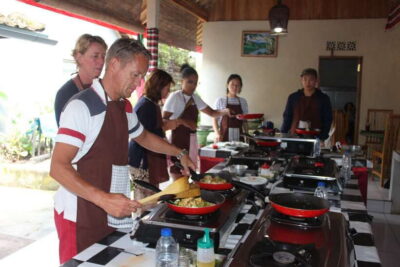
Browse the lists this tour appears in