
REVIEW · COOKING CLASSES
Bali: Private Balinese Cooking Class in a Family Home
Your best Bali meal starts at the market. This private class pairs a local market ingredient hunt with a truly hands-on cooking session in a Balinese family home. I love how much control you get over your own food, then you sit down and eat what you made with the people behind it all.
My other big plus is the culture built into the day, not added on at the end. You get fruit tastings plus Loloh Cem Cem, and the atmosphere feels like daily life in a local village, not a showroom. The main drawback to plan for is the drive time, since the meeting point and the family home can mean a long round trip from some areas.
In This Review
- Key things to know before you go
- A private family-home kitchen is the real Bali story
- Hotel pickup and the part people forget: travel time
- Market shopping in Bali: where your cooking starts
- Welcome drink, chef demonstration, and then you take over
- The menu you will make: standard and vegetarian options
- Standard non-vegetarian menu includes
- Vegetarian menu includes
- Dining together in an informal family setting
- Culture breaks, village life, and what to expect around the home
- Add-ons that can turn a good day into a full memory
- Price and value: what $52 buys you in Bali
- Morning vs afternoon: pick based on your appetite for the day
- Who should book this cooking class, and who should skip it
- Should you book this private Balinese cooking class in Bali?
- FAQ
- How long is the Balinese cooking class?
- What is included in the price?
- Do you get to cook and eat your own food?
- Is there a vegetarian menu?
- What languages are available?
- Are there any rules about food and drinks?
- Is it suitable for children or wheelchair users?
Key things to know before you go
- You pick ingredients at a local market, then cook with what you chose.
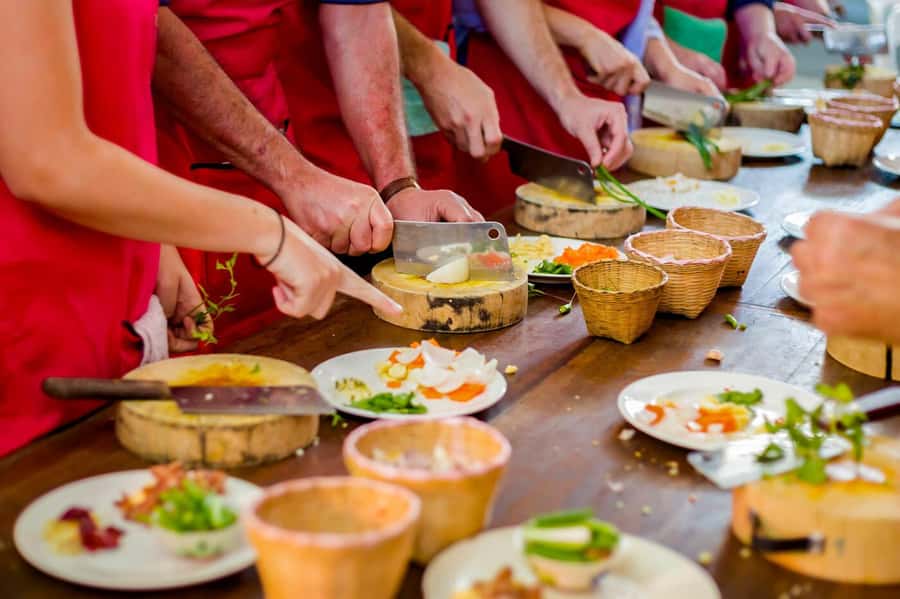
- You cook 5-6 recipes hands-on, with guided help at every step.
- You get breaks for tropical fruit and Loloh Cem Cem (a homemade herbal drink).
- You can take leftovers home, so you do not end the day hungry.
- Private and family-home based, so the experience is intimate and respectful.
A private family-home kitchen is the real Bali story
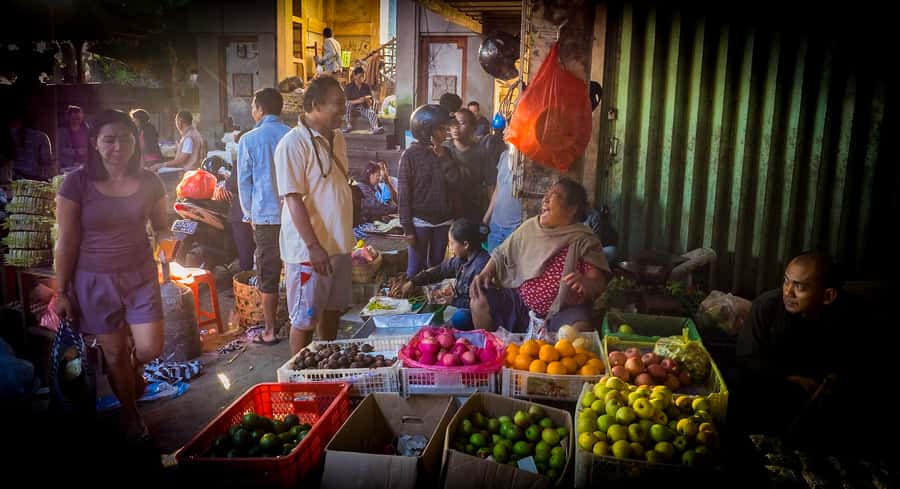
A cooking class in Bali sounds the same on paper, but the setting changes everything. This one happens in a traditional Balinese family home, so the pace is slower, the focus is practical, and you learn in the real spaces where meals are made.
I like that it is private. That means you are not fighting for attention in a crowd, and you can ask simple questions about ingredients, technique, and how Balinese flavor is built. Many guides also bring a strong cultural angle, like Indah and Sana, who are repeatedly praised for walking people through customs and how daily life shapes food.
The other reason it feels different is that you are not just watching. The format starts with an introduction and demonstration, then you move to the stoves and do the work with assistance. That makes the day more memorable, because you leave with skills you can repeat, not just photos of dishes.
More Cooking classes in Bali:
- Ubud: Balinese Cooking Class at an Organic Farm
★ 5.0 · 1,786 reviews - From Ubud: Authentic Cooking Class in a Local Village
★ 4.9 · 1,325 reviews - Seminyak: Balinese Cooking Class & Market Tour
★ 4.9 · 458 reviews
Hotel pickup and the part people forget: travel time
You get hotel pickup and drop-off, which is a huge convenience in Bali. Still, do yourself a favor and treat the total day as something bigger than the class length. One traveler specifically noted a long drive to the cooking location, and that the travel time can end up taking more of your day than expected.
If you are staying in farther tourist zones, plan for a packed itinerary in your transportation schedule. The car experience can also matter, especially for small groups getting transported in a way that feels tight for some passengers.
So my practical advice is simple: schedule this day when you do not need energy for something else immediately afterward. Once you reach the family home, the day usually feels worth the effort, because you are cooking, tasting, and sharing space with local hosts rather than rushing through a checklist.
Market shopping in Bali: where your cooking starts
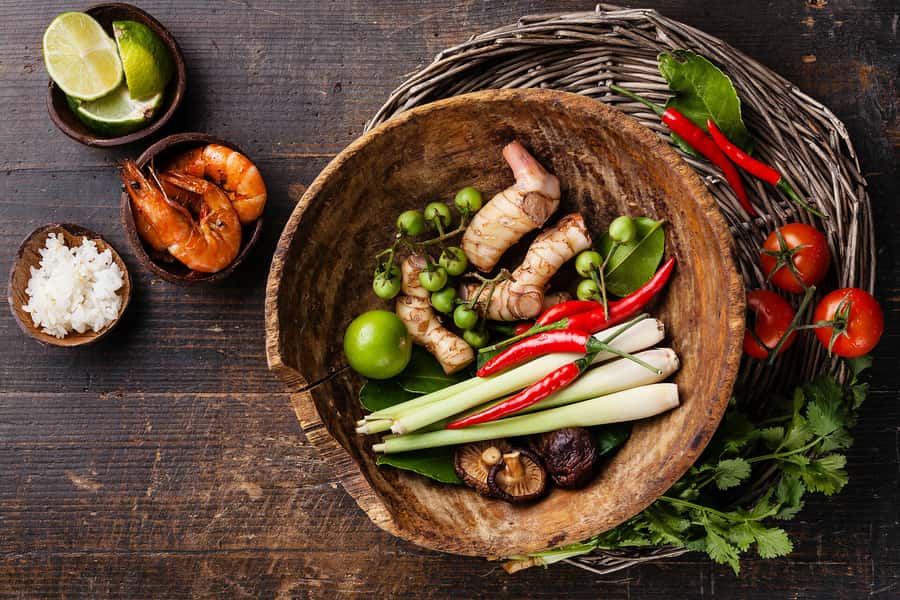
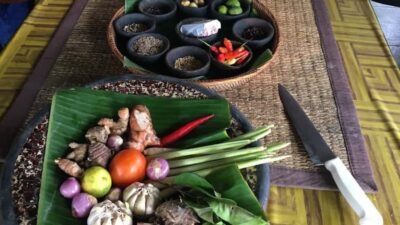
The market visit is one of the best parts of this experience, because it turns cooking into a scavenger hunt with a purpose. You head out with a guide and choose fresh ingredients, which then become your actual basket of flavor for the meal.
That matters more than it sounds. When you select ingredients yourself, you pay attention to quality and you understand what makes certain items work in Balinese cooking. Then, when you see those same ingredients later in recipes, the connection clicks fast.
In real terms, the market stop is also where you learn how locals think about food. Guides like Indah and Sana are praised for explaining what you are seeing, and people consistently mention the cultural storytelling during the ride and the stops along the way.
There is one variable: market availability can change depending on the time of day and local regulations. If a market is smaller on your date or parts are closed due to celebrations, the guide will still shape the route, so keep a flexible mindset. The market visit is included either way, but the exact feeling of it can shift.
Welcome drink, chef demonstration, and then you take over
The class structure is designed to teach without overwhelming you. You arrive at the cooking school or family home area, get a welcome drink, and watch an instructor demonstrate what you will make.
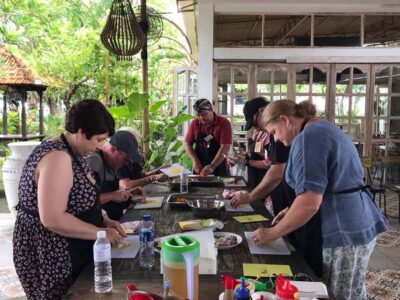
Then you cook. The hands-on part is the point, and you get help and tips while you work through the recipes. The workspace is fully equipped, and the class covers enough dishes to feel like a real meal, not a quick sampler.
I also like that the course is available in morning or afternoon. You do not have to force your whole trip around one schedule, which helps if you already have temple visits or beach time planned.
And yes, there are breaks built in. You get two breaks during the course, and those are for fresh tropical fruit and Loloh Cem Cem. In plain terms, it prevents the day from becoming nonstop chopping and frying, and it also gives you another taste of daily Balinese life.
A few more Bali trips to compare
- Bali: Sunrise Mount Batur Guided Hike with Breakfast
★ 4.8 · 9,660 reviews - Bali: Mount Batur Sunrise Guided Hike and Natural Hot Spring
★ 4.8 · 9,284 reviews - Bali: Full-Day Instagram Highlights Tour
★ 4.8 · 7,817 reviews - Bali/Nusa Penida: East & West Highlights Full-Day Tour
★ 4.7 · 6,263 reviews
The menu you will make: standard and vegetarian options
You pick your menu before the class: standard non-vegetarian or vegetarian. The class then leads you through 5-6 recipes, with the goal of getting you comfortable with Balinese flavors and techniques you can recreate later.
Here are the dishes listed for each option.
Standard non-vegetarian menu includes
- Basic Yellow Sauce and Peanut Sauce with Vegetable
- Sate Lilit Bawi (charcoal grilled pork sticks)
- Pepes Ikan (fish cooked in banana leaves with herbs and spices)
- Chicken Kare (Balinese fried chicken)
- Lawar Bali (mixture of vegetables, coconut, meat, herbs and spices)
- Mie Goreng (fried noodle)
- Kolak Pisang (braised banana saba in palm sugar gravy)
Vegetarian menu includes
- Basic Yellow Sauce and Peanut Sauce with Vegetable
- Balinese Vegetables Soup (Balinese green curry)
- Pepes Tempeh (tempeh cooked in banana leaves with herbs and spices)
- Tempeh Manis (stir-fried tempeh with sweet soy sauce)
- Gado Gado (vegetable salad with peanut dressing)
- Kolak Pisang (braised banana saba in palm sugar gravy)
A practical note: some dishes may include spices, peanuts, soy, or animal products. You will want to inform the team about dietary restrictions or allergies in advance. Also, people with food allergies are listed as not suitable for this activity, so if allergies apply, do not assume the class can safely adjust.
If you love variety, this menu is a smart mix. You get sauces, mains, sides, and a dessert, so the learning does not stay stuck in one flavor profile. And because you cook everything, you understand how the components work together on a plate.
Dining together in an informal family setting
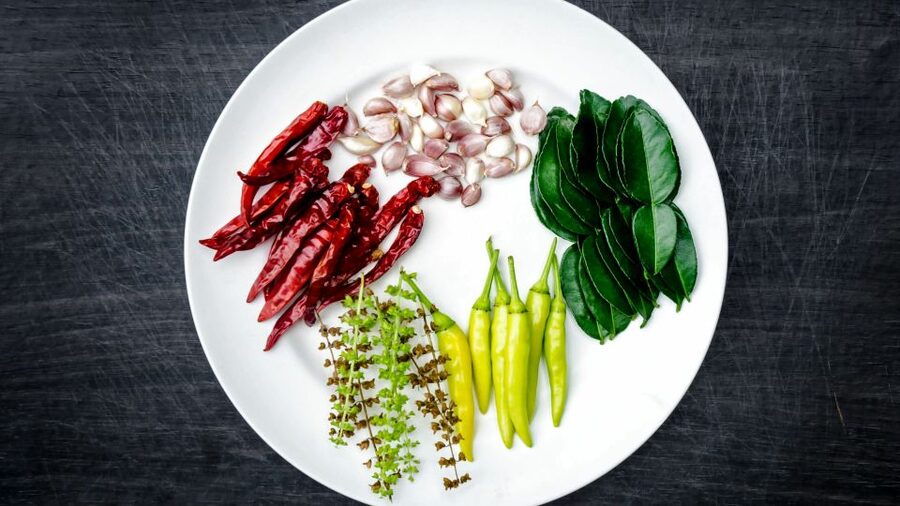
After you cook, you move to the dining area and eat what you prepared. This is not a formal restaurant service where you get fed and move on. It is more relaxed, and it lets you slow down enough to appreciate what you made.
I especially like this part because it closes the loop. You are tasting with the context of what you did at the stove, which helps you notice textures and flavor changes that you might otherwise miss.
Some people also mention that they ate together with the driver or shared the meal with the family. That is not guaranteed for every visit, but the overall vibe described in many experiences is warm and welcoming, with hosts treating the class like a visit rather than a transaction.
If you get the chance, ask quick, respectful questions during the meal. It is one of the easiest ways to turn the day into cultural learning, especially with guides who explain the meaning behind ingredients and traditions.
Culture breaks, village life, and what to expect around the home
This experience is not only about recipes. It includes Balinese culture and traditions in a local village setting, and it is hosted in a family home where you are expected to respect local customs.
What that looks like in practice is a calm rhythm. You are moving between spots, sampling fruit and Loloh Cem Cem, watching demonstrations, and learning in a way that fits the household schedule rather than a tour-bus script.
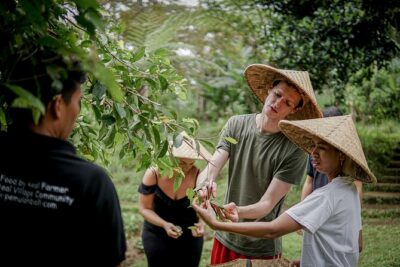
Some guides also build extra cultural context into the day, including explanations of Balinese traditions and differences between Hindu groups on the island. People also mention bonus glimpses like rice fields and cattle or chickens when the route includes time with the family and their property.
I would treat those extra visuals as a bonus, not the core promise. The core promise is the market, the cooking, and the family-home meal. If you get more, great, but the value comes from the kitchen and table.
Add-ons that can turn a good day into a full memory
This class has optional add-ons, and you can customize the day depending on what you want most beyond cooking. Some add-ons are only available for certain tour options, so check what is offered for your specific booking choice.
Popular add-ons listed include:
- Coffee tasting, including luwak coffee tasting
- Traditional massage, either one hour or two hours
- A female guide or a guide who speaks German, Japanese, or Korean
- Jungle Swing + coffee
If you are a coffee person, the luwak tasting is a high-impact add-on because it adds a very Bali-specific food culture thread to the day. If you want recovery after the market and cooking, massage is a practical choice. And if language comfort matters, adding a matching language guide can make the learning feel easier, especially if the household members use limited English.
One more practical tip: Polaroids are available as an add-on, with 10 photographs. That is a fun souvenir option if you like physical keepsakes from experiences like this.
Price and value: what $52 buys you in Bali
At about $52 per person for a 6-hour experience, the value depends on what you compare it to. This is private, includes hotel pickup and drop-off, covers ingredients, and you cook 5-6 dishes with a guide. That is a lot of “included work” for the price.
The value gets even better when you factor in what is usually not included elsewhere. You get two fruit and herbal drink breaks during the day, you can eat what you cook, and you can take leftover dishes home. That means you often leave with dinner plus extra food for later.
Private classes also reduce friction. You can ask for help more easily, and you do not spend time waiting for someone else to figure out a technique. People who have done many Bali activities often rate this day as a highlight specifically because it feels intimate and hands-on.
The only clear value warning is logistics. If you are far from the cooking location, the drive time can eat into the day. Still, most people who complete the full experience describe the food and hospitality as worth that extra time.
Morning vs afternoon: pick based on your appetite for the day
You can choose a morning or afternoon session. The main difference you should think about is how you want your energy to go.
Morning tours can feel ideal if you like starting fresh and getting your market shopping out of the way early. Afternoon tours can work well if you want a slower start and then a satisfying meal-making experience later.
Either way, you should expect the same core flow: market ingredients, welcome drink and demonstration, hands-on cooking of 5-6 recipes, breaks for fruit and Loloh Cem Cem, then a shared meal. The route and timing can also be shaped by the market and local regulations, so do not expect every day to follow the exact same minute-by-minute plan.
Who should book this cooking class, and who should skip it
This is a great fit if you:
- Want a private, hands-on Balinese cooking class rather than a group demo
- Like market experiences where you pick ingredients yourself
- Eat everything on the menu without major allergy constraints
- Want cultural context in a local home setting
It may not be the best fit if:
- You have food allergies, since the activity lists people with allergies as not suitable
- You need wheelchair access, since wheelchair users are not suitable
- You are traveling with children under 10, since the class lists children under 10 as not suitable
And if English learning support matters a lot, note that some household members may not speak English. Many experiences still work smoothly with the guide translating and teaching, but if you fear missing the learning part due to language gaps, consider adding language support through the add-ons.
Should you book this private Balinese cooking class in Bali?
I think you should book this if you want the kind of day that mixes practical cooking with real local hospitality. The biggest reason is the hands-on format in a family home, plus the built-in market shopping that makes the meal feel personal. You also leave with take-home food, which quietly makes it a better deal than many shorter cooking experiences.
If you are on a tight schedule or staying far from the countryside, build extra buffer time for the drive. It is the one factor that can shift your day from relaxed to “busy day in the car.”
One more smart move: if peanuts, soy, or animal products are an issue for you, plan early and tell the team. The experience is designed around those ingredients in the listed menus, so you want the safest fit before you go.
If your goal is a memorable Bali day that teaches you something you can cook again, this private class is a strong choice.
FAQ
How long is the Balinese cooking class?
The activity is listed as 6 hours total, with morning or afternoon starting times depending on availability.
What is included in the price?
Hotel pickup and drop-off, a private cooking class, ingredients, apron and utensils, and cooking 5 to 6 dishes are included. The day also includes breaks to sample tropical fruit and Loloh Cem Cem.
Do you get to cook and eat your own food?
Yes. The class is hands-on, you cook at the stoves, then you eat the dishes you prepared in an informal dining setting. You can also take the rest of your dishes home after the class.
Is there a vegetarian menu?
Yes. You can choose a vegetarian menu option before the class. The dishes listed for vegetarian include Balinese vegetables soup, Pepes Tempeh, Tempeh Manis, Gado Gado, and Kolak Pisang, among others.
What languages are available?
The instructor is listed as English. Add-ons may include a female guide or guides who speak German, Japanese, or Korean.
Are there any rules about food and drinks?
Alcohol and drugs are not allowed. Some dishes may contain spices, peanuts, soy, or animal products, so you should inform the team about dietary restrictions or allergies in advance.
Is it suitable for children or wheelchair users?
Children under 10 must be accompanied by an adult throughout the activity, and children under 10 are listed as not suitable. Wheelchair users are also listed as not suitable, and people with food allergies are listed as not suitable.
Just added around Bali
- Bali: 3-Day Private Gili Islands Snorkel Tour with Hotel★ 4.2 · 44 reviews
- Bali: 2-Day Sunset and Sunrise Camping at Mt. Batur★ 4.6 · 124 reviews
- Private Full-Day Tour to the Real Bali Swing and Ubud★ 4.5 · 9 reviews
- Ubud: Rice Terrace, Holy Water Temple & Waterfalls Trek Tour★ 4.9 · 115 reviews
- Sanur Village E-bike Tour: Family-Friendly Adventure★ 4.6 · 85 reviews
- Sanur: Horse Riding at the Bali Beach 30 minute ride★ 4.6 · 8 reviews
- Private Sekumpul Waterfall Hiking Tour★ 4.9 · 116 reviews
- Nusa Penida and Nusa Lembongan Island Tour★ 4.7 · 24 reviews
Cooking Classes, compared.
Cooking Class with Transfers and Optional Market Visit
Read our review →
PRIVATE Authentic Balinese Cooking Class in Ubud at Putu’s Home
Read our review →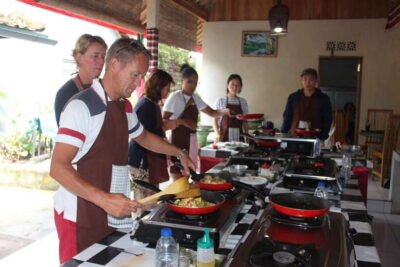
Browse the lists this tour appears in