
REVIEW · SHOPPING TOURS
Balinese Ubud cooking school (9 Dish Cooking and Market Tour)
Ubud gets busy, but this half-day food adventure keeps it real. I love that you cook nine Balinese classics with a chef who explains as you go, and you also get a morning market tour that teaches you what matters before the first chop. One thing to consider: if you are staying outside Ubud, transport can add friction and cost.
I also like how the team keeps things social and practical, with hosts and instructors such as Tata and chefs like Yogi leading the process, plus staff support so you are actually doing the cooking. You are not just watching, and the food lands on your plate as a full meal.
My main caution is timing and sound: the kitchen can feel like a working family space, so if you want every word, plan to sit where you can hear your station well. Also, the day is worth it most when you commit to the whole flow, market to lunch, rather than rushing in and out.
In This Review
- Key points before you go
- Why this Ubud class feels like real Balinese food
- Morning route: the market tour, fruit tasting, and rice-field learning
- Inside the Subak cooking kitchen: how you actually learn
- A note on hands-on time
- What you cook: nine Balinese dishes (and what each teaches you)
- The value of learning Base Gede and Sambal Matah
- Vegetarian option: the same menu idea, plant-forward swaps
- The food part: tasting first, then a lunch or dinner buffet
- Cultural add-ons: rice fields, local house visit, and offerings
- Price and logistics: what $58 really covers in Ubud
- Who this is best for (and who should think twice)
- Should you book the 9 Dish Cooking and Market Tour in Ubud?
- FAQ
- How many dishes will I cook?
- Is pickup included?
- Is the market visit included?
- What meals are included?
- Do they offer a vegetarian menu?
- Do I get recipes to take home?
Key points before you go
- Nine-dish cooking class focused on Balinese staples, not a sampler of two or three recipes
- Morning option includes a traditional market plus fruit and ingredient tasting with a local guide
- Rice paddies visit in the morning, where you learn about rice varieties and harvest timing
- Regular or vegetarian menus, so your cooking plan stays complete either way
- Small group, up to 14 people, which helps with hands-on stations and less waiting
- Take-home recipe copies, so you can recreate at home after the flavors fade
Why this Ubud class feels like real Balinese food
A lot of cooking classes in Bali give you a quick show and a small taste. This one feels different because it treats food like a whole system, from ingredients you buy to techniques you learn, then finally the meal you eat. You are working through a full set of dishes, which means you go home with skills you can actually use.
The price also makes sense for what you get. At $58 for about 5 hours, you are not only cooking, you are also doing the market and rice-field parts (on the morning program), then eating a full lunch or dinner buffet made from your work. In plain terms: you pay for a food day, not a demo.
Finally, I like the emphasis on using ingredients and kitchen tools you may not have at home. That matters, because Balinese cooking often depends on specific pastes, spice blends, and flavors that are hard to guess if you only rely on Western grocery-store equivalents.
More Market Tours in Ubud
- Ubud: Cooking Class with Transfers and Optional Market Visit
★ 4.9 · 824 reviews - Ubud: Balinese Cooking Class and Market Tour
★ 4.8 · 531 reviews - Balinese Cooking class with traditional morning market visit
★ 5.0 · 161 reviews
Morning route: the market tour, fruit tasting, and rice-field learning
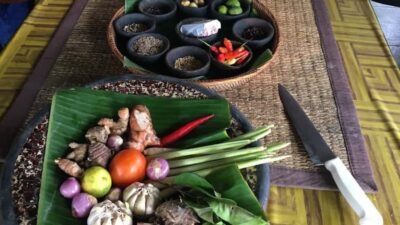
If you choose the morning version, the tour starts with a traditional local market guided by your host. This is not just a walk through stalls. You get guided context on how people buy and sell everyday ingredients like vegetables, spices, fruit, and sweets, and you taste items you may never have seen before.
One practical upside of doing the market first: you stop cooking as a mystery. When you later see ingredients like fresh aromatics, coconut-based elements, and spice components, you understand why they matter and what to look for.
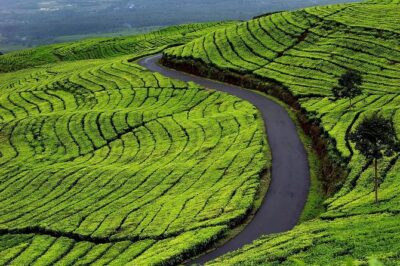
From there, you head toward the rice paddies. This stop is built for learning, not just photos. You get explanations about the types of rice in Bali and harvest timing, and you also have the chance to see how the landscape shapes the food culture. On clear days, you may catch big-view scenery in the background, but the real point is connecting rice to everyday cooking.
You will also spend time with a Balinese local host, who shares how food ties to daily life and beliefs. In a few accounts, the guide mentions temple offering details during the day, which helps you see the ingredients as part of a living culture, not an isolated cooking style.
Inside the Subak cooking kitchen: how you actually learn
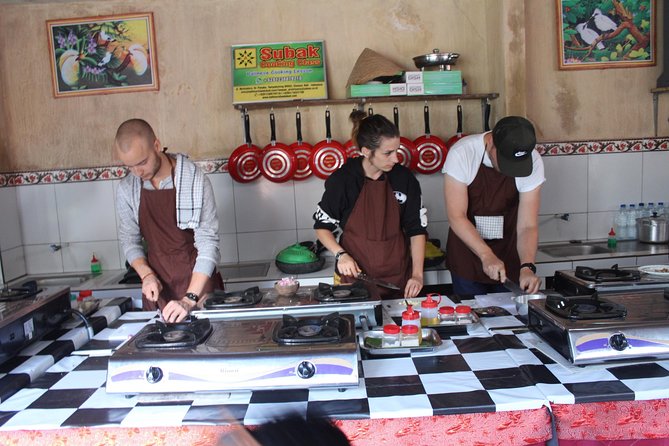
The cooking portion is centered on a Subak cooking class setup in Ubud, run like a well-practiced workshop. You are taught step by step by a Balinese chef, and the process is structured so you can move from one dish to the next without getting lost.
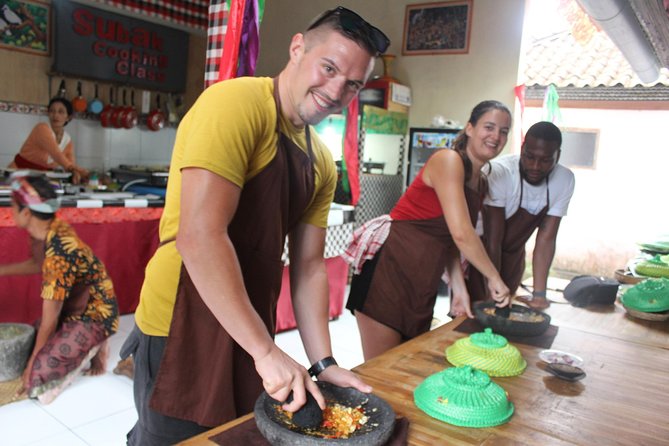
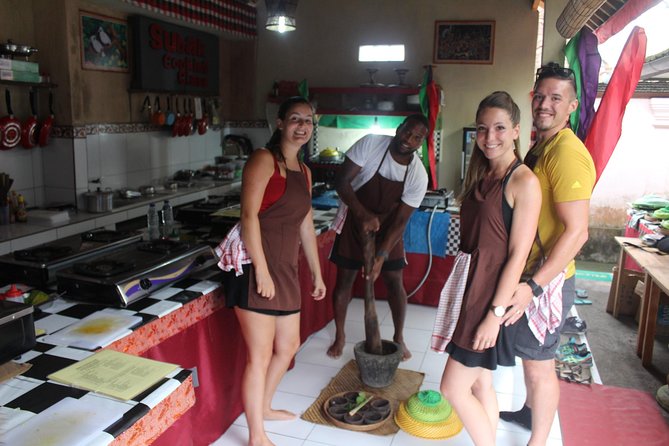
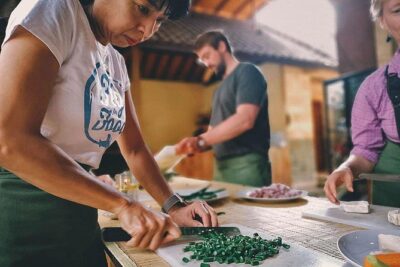
Most of your day happens at kitchen stations with ingredients and equipment provided. That is a big deal if you are traveling and do not want to worry about sourcing specialty items. It also means you can focus on technique: chopping, mixing, shaping skewers, grinding or preparing spice paste components, wrapping and steaming, and finishing sauces.
A common theme from past experiences is how much the instructors and staff keep things moving, often with humor and warmth. Chefs and guides such as Yogi, Gus, and Putu have been named in different sessions, and what they share is consistent: clear steps, practical tips, and encouragement while you work.
A note on hands-on time
The best-case scenario is you cook at your own station alongside your partner. You are guided, so you do not need prior experience. Still, one caution: if you prefer maximum hands-on freedom at every step, keep your expectations flexible. Some negative feedback mentions that parts may be prepped in advance, and that the kitchen can get loud enough to make it harder to hear your instructor at times. My advice is simple: sit where you can see and ask questions early, before the session gets fast.
More Shopping Tours in Ubud
- Ubud Traditional Night Market Food Tour-All Inclusive
★ 4.4 · 95 reviews - Bali Food Tour: Savor Street Food and Night Market Adventures
★ 5.0 · 46 reviews - Jambangan bali cooking class with morning market tour
★ 5.0 · 35 reviews - Bali – Ubud Night Market Food Tour
★ 3.8 · 14 reviews
What you cook: nine Balinese dishes (and what each teaches you)
Your goal is at least nine recipes, and the menu is designed to give you a spread of textures and flavors. You start with a soup, build coconut-forward dishes, learn spice paste foundations, and finish with a sweet that feels totally Balinese.
Here is the regular menu you will cook (and then eat at the end):
- Soup Sayur Bali (Balinese vegetable soup)
- Ayam santan Bumbu Bali (fried chicken with coconut milk flavor)
- Tempe Manis (sweet fried tempe)
- Sate Lilit Bali (Balinese chicken satay, made in the Balinese style)
- Pepes Ayam (grilled and steamed chicken in banana leaf)
- Lawar Bali (mix vegetable with Balinese spices)
- Sambal Matah (raw spice mixture with coconut oil)
- Base Gede (basic spices paste)
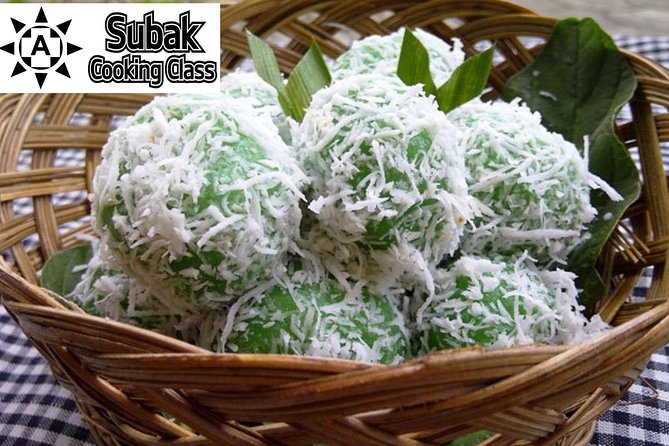
- Klepon Cake (boiled sticky dough rounds with palm sugar)
You will also get white rice with the main courses, so you can balance spicy and savory flavors the way you would in a real meal.
The value of learning Base Gede and Sambal Matah
If you want the most “cook-at-home” payoff, focus on the foundation recipes: Base Gede and Sambal Matah. Base Gede gives you a core Balinese spice paste idea you can reuse, while Sambal Matah teaches the flavor logic of raw spice brightness paired with coconut oil richness. Those two are what often make people feel like they can recreate the cuisine after one class.
Vegetarian option: the same menu idea, plant-forward swaps
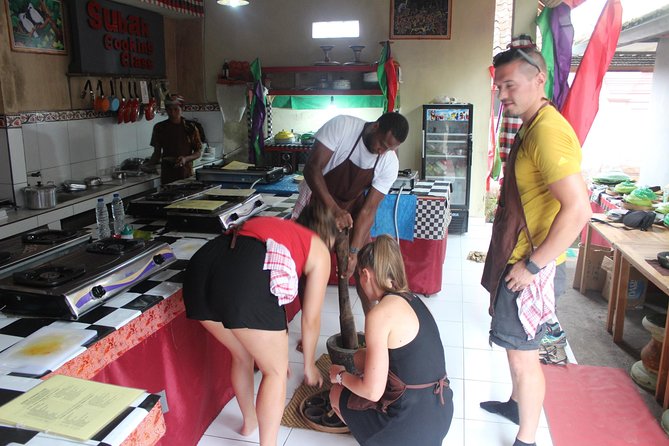
If you pick the vegetarian option, your dish list stays just as full. You will not be stuck with a bland side menu.
The vegetarian lineup includes:
- Soup Sayur Bali
- Tofu Bumbu Bali (fried tofu with Balinese basic sauce)
- Tempe Manis
- Sate Tempeh (Balinese soybean cake skewers with peanut sauce)
- Pepes Tofu (soybean curd grilled or steamed in banana leaf)
- Lawar Bali
- Sambal Matah
- Base Gede
- Klepon Cake
The big practical advantage here is that you still learn the same flavor base and cooking methods, just with plant-based ingredients. If you cook at home, that is the difference between a memorable class and a “nice experience” that you cannot repeat.
The food part: tasting first, then a lunch or dinner buffet
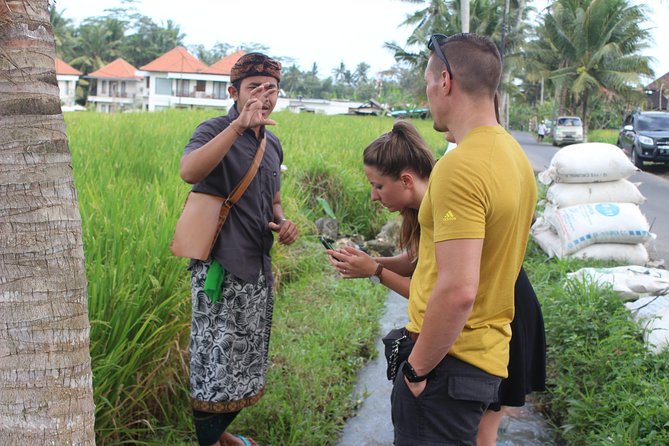
Your day does not wait until the end to let you taste. You get food tasting during the process, and your final meal is a lunch or dinner buffet that includes what you cooked.
This is where the experience pays off for food lovers. You can adjust spice preferences because you have already tasted parts of the flavor profile earlier. You also learn what the dishes should feel like together, not as separate lessons.
One more practical perk: the food portion is generous enough that people often take leftovers back. You may leave feeling very full, so plan your evening accordingly.
Cultural add-ons: rice fields, local house visit, and offerings
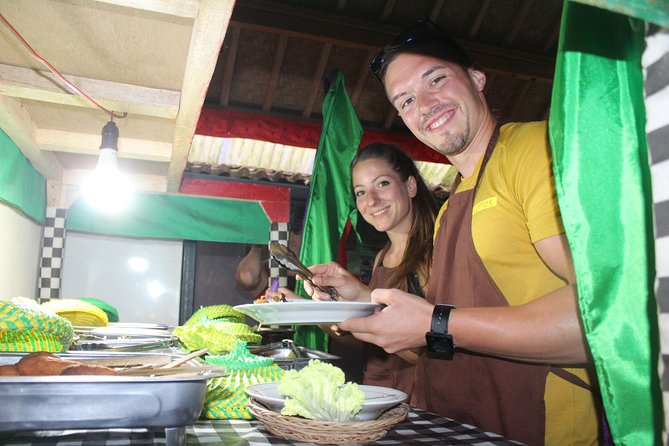
This tour blends cooking with context. Besides the market and rice paddies, you also have time for a visit to a local Balinese house as part of the day’s experience.
If you are booking around different schedules, pay attention to the time-of-day differences:
- In the morning, the market visit and rice paddies visit are the featured cultural stops.
- In the afternoon, the program may include making Balinese offerings instead.
This matters because Balinese food culture is linked to daily rituals. Even if you only care about cooking, seeing that connection makes the flavors feel more purposeful.
Price and logistics: what $58 really covers in Ubud
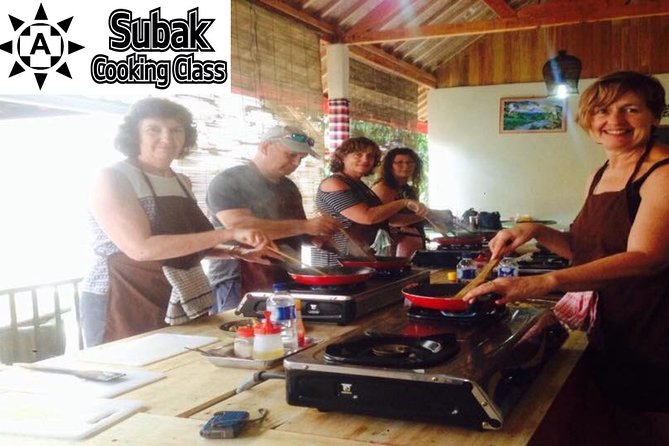
For $58, you are getting a lot in one package. Included items typically cover:
- Pick up and drop off within the Ubud area
- Mineral water
- Use of kitchen equipment
- Copies of recipes to take away
- Food tasting
- Lunch or dinner buffet with what you cooked
- Balinese local guide or host
- Market visit (morning class)
- Rice paddies visit (morning option)
- Local guide/escort support
The main cost caveat is simple: if you stay outside Ubud, pickup is not guaranteed without additional charges. You are also asked to bring cash for extra transport if needed. Alcohol is also not included, so if you plan to drink, budget separately.
One more logistics detail that helps: the tour runs with a maximum of 14 travelers. That group size supports better station access and a smoother experience, especially when you are cooking multiple dishes.
If you want this to go smoothly, choose a hotel in central Ubud or be ready for the extra travel time that can happen when pickup stretches further out.
Who this is best for (and who should think twice)
This is ideal if you:
- Want a hands-on Balinese cooking class with real technique, not just plating
- Like food travel that starts at the source, meaning a market tour and ingredient tasting
- Need clear steps and a full menu you can recreate, including Base Gede and a sweet like Klepon
- Want either regular or vegetarian cooking with the same “full class” feel
It is less ideal if you:
- Have limited time in Ubud and cannot commit to the full market-to-cooking-to-meal flow
- Are sensitive to loud kitchens or prefer quiet, classroom-style instruction
- Are staying far outside Ubud and would rather avoid extra pickup complexity
Should you book the 9 Dish Cooking and Market Tour in Ubud?
Book it if you want the most complete Balinese cooking day you can reasonably fit into a short trip. Nine dishes is not a marketing trick here, it is the structure that gives you variety, teachable foundations, and enough cooking to actually learn. Add the morning market and rice paddies, and you get food plus context.
If you are on the fence, do one quick check before you go:
- Pick the morning class if you care about ingredient shopping and rice-field learning.
- Choose vegetarian or regular based on what you want to cook end-to-end.
- Bring a camera and plan to eat what you make, because the final buffet is part of the point.
FAQ
How many dishes will I cook?
You will cook at least nine Balinese recipes during the class, and they are included in the regular or vegetarian menus.
Is pickup included?
Pickup and drop off are included for the Ubud area only. If you stay outside Ubud, additional charges may apply and you may need to pay extra transport.
Is the market visit included?
Yes, the market visit is included for the morning class. The info also notes that the traditional market visit is for the morning option only.
What meals are included?
You get food tasting during the day and a lunch or dinner buffet made from what you cooked, plus mineral water. Your main courses are served with white rice.
Do they offer a vegetarian menu?
Yes. You can choose either regular or vegetarian, and the vegetarian menu includes tofu, tempeh, and tofu versions of banana leaf dishes and satay.
Do I get recipes to take home?
Yes. The price includes copy recipes to take away, so you have what you need to cook after you return.
More Markets in Ubud
- Balinese cooking class/Go shopping at the market, cook, eat
★ 5.0 · 12 reviews - Bali: Safari Zoo and Ubud Palace and Market Day Tour
★ 4.7 · 6 reviews - Bali: Ubud Monkey Forest, Coffee Plantation, and Market Tour
★ 5.0 · 5 reviews - Active Volcano, Rice Field, Hot Spring, Fruit market, Tea Plantation with Lunch
★ 5.0 · 513 reviews
Just added around Ubud
- Sunrise Café and Morning Yoga Class★ 5.0 · 5 reviews
- Quad Bike Bali With Tunnel & Waterfall Tour★ 4.2 · 8 reviews
- Puppy Yoga in Bali, Ubud & Uluwatu★ 4.7 · 93 reviews
- Private Ubud Tour With Professional Photographer with Edit★ 5.0 · 53 reviews
- Ubud : PRIVATE Bike Tour inside Rice Field with meal & pool★ 5.0 · 5 reviews
- Ubud: Organic Farm Harvest, Bali Cooking Class by Pemulan★ 4.8 · 12 reviews
- Outskirts of Ubud, Gianyar: Pottery Class★ 5.0 · 9 reviews
- packages cooking class and romantic dinner in a local home★ 5.0 · 4 reviews
Shopping Tours, compared.
Cooking Class with Transfers and Optional Market Visit
Read our review →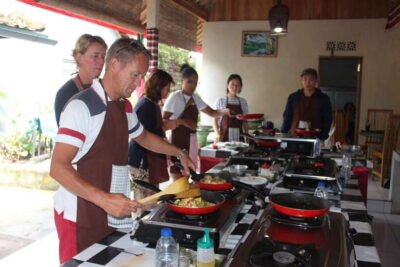
Active Volcano, Rice Field, Hot Spring, Fruit market, Tea Plantation with Lunch
Read our review →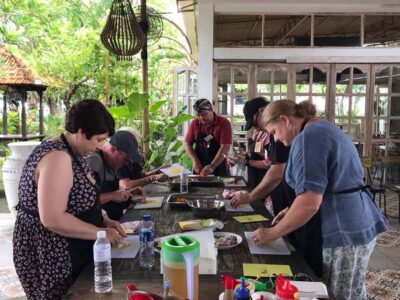
Balinese Cooking class with traditional morning market visit
Read our review →
Ubud Traditional Night Market Food Tour-All Inclusive
Read our review →
Ubud Experience ; Swing, Waterfalls, Art Market, Rice Terrace
Read our review →
Bali Food Tour: Savor Street Food and Night Market Adventures
Read our review →Browse the lists this tour appears in