
REVIEW · COOKING CLASSES
Balinese Cooking class with traditional morning market visit
Spices first, then a real cooking lesson in Ubud. This Balinese morning market plus cooking class pairs ingredient shopping with a chef-led workshop in the village area around Ubud, so you learn why flavors work, not just what to do. You’ll pick produce and spices, learn Balinese offering basics, cook multiple dishes, and sit down to eat what you make.
I especially love the max 8-person group size, which keeps the class interactive and not like a conveyor belt. I also love that the experience includes making canang offerings before the cooking starts, so the food context clicks fast.
One thing to consider is the timing. You’re starting early for the traditional market, and the full experience runs about 6 hours, so plan your day around it.
In This Review
- Key highlights that make this class worth your time
- A Ubud morning market you actually understand
- Picking ingredients with a local chef in mind
- Laplapan welcome and learning canang offerings
- The cooking workshop: hands-on, organized, and small
- What you cook in this 6-hour Balinese cooking class
- The sit-down meal: eat while it’s at its best
- Taking skills home, not just souvenirs
- Price and value: is $35 per person fair?
- Who should book this Ubud market and cooking class
- Tips to make your experience smoother
- Should you book this Balinese cooking class with a Ubud market visit?
- FAQ
- How long is the Balinese cooking class with the market visit?
- Is hotel pickup included?
- How large is the group?
- What do you do during the traditional morning market visit?
- Do you learn how to make Balinese offerings like canang?
- What’s included in the price, and do you eat the food you cook?
- What is the cancellation policy?
Key highlights that make this class worth your time
- Hotel pickup with air-conditioned transport, which helps a lot in Bali heat and traffic.
- Traditional morning market shopping, where you can smell, taste, and choose ingredients with guidance.
- Canang offerings training (and other offering equipment), not just cooking recipes.
- Small group format (up to 8 travelers), so you get real hands-on help.
- A sit-down meal of what you cook, so you can taste results while everything is still fresh.
- Local-chef hosting, with named instructors in reviews like Wayan, Dewa, Putu, and Puthu.
A Ubud morning market you actually understand
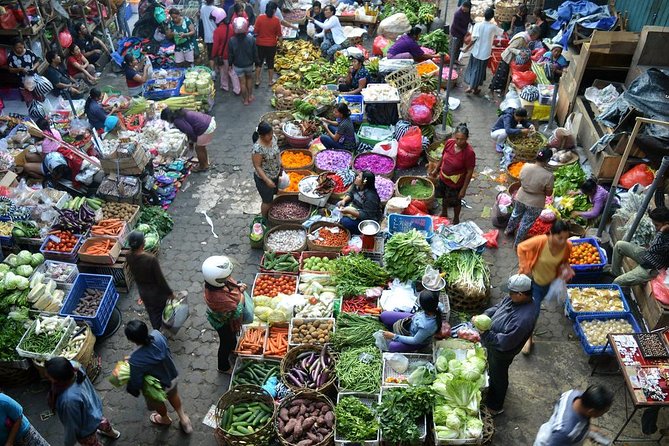
The day starts with pickup from your hotel area, then a drive into Ubud for a traditional fresh food market. This is not a quick drive-by photo stop. You’re there to make choices, and the market becomes your classroom.
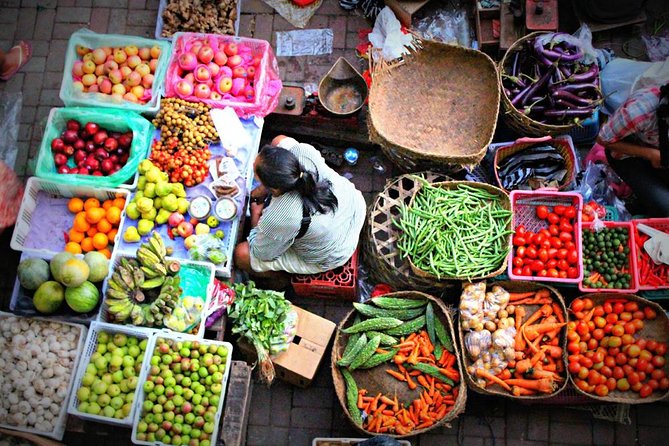
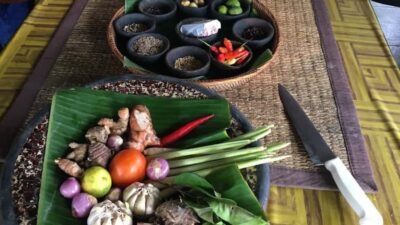
What I like about this part is how practical it is. You’ll see the spices, herbs, vegetables, fruits, and other ingredients laid out in the way locals shop, then you can ask what each item is for. Multiple reviews highlight that you’re encouraged to try small tastes, so you’re not just learning names. You get your bearings fast, and the cooking later stops being mysterious.
Expect sensory overload in the best way. Think sweet fruit smells, earthy spice aromas, and all those familiar and unfamiliar plants that look like they belong in a garden. If you’re someone who likes to cook at home, this market visit is where the lesson becomes transferable.
Possible drawback: markets can be a bit chaotic, and early hours mean you’ll want to be ready to walk and stand. Bring water and wear something comfortable you don’t mind getting a little dusty.
More Cooking Classes in Ubud
- Ubud Cooking Class Bali with Balinese Chef
★ 5.0 · 1,609 reviews - Ubud: Cooking Class with Transfers and Optional Market Visit
★ 4.9 · 824 reviews - PRIVATE Authentic Balinese Cooking Class in Ubud at Putu’s Home
★ 5.0 · 644 reviews
Picking ingredients with a local chef in mind
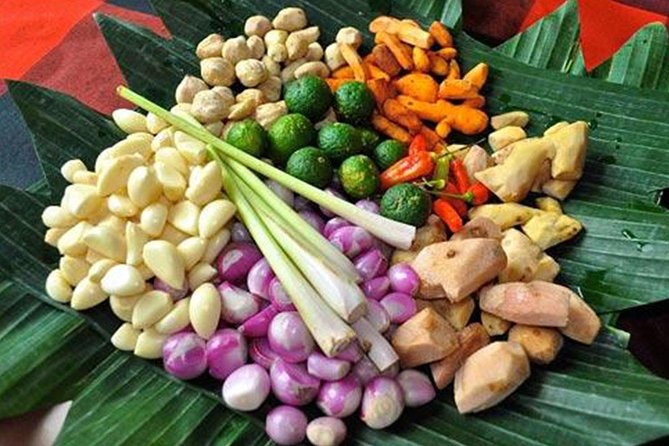
After the initial market wander, the core value is ingredient selection. You’ll choose what goes into your dishes for the workshop. This matters because Balinese cooking uses herbs and aromatics in ways that feel different from many Western kitchens. Once you’ve picked the ingredients yourself, the flavors make more sense when you smell them again in the prep bowls.
Reviews also mention tasting items and getting guidance on what’s local versus what feels imported. That’s useful if you’re trying to avoid leaving Bali thinking every ingredient came from the same place. It’s also just fun. You get to sample the sweet side of the market too, including local treats paired with coffee later in the day.
Tip for you: if you have a favorite dish you want to learn, say it early when you’re choosing ingredients. Even if the menu is structured, the class approach tends to be flexible, and reviews mention dietary considerations like vegetarian options.
Laplapan welcome and learning canang offerings
Once the market part is done, you head to a traditional village area called Laplapan. This is where the tour shifts from ingredients to cultural practice. You arrive and get a warm welcome from local hosts.
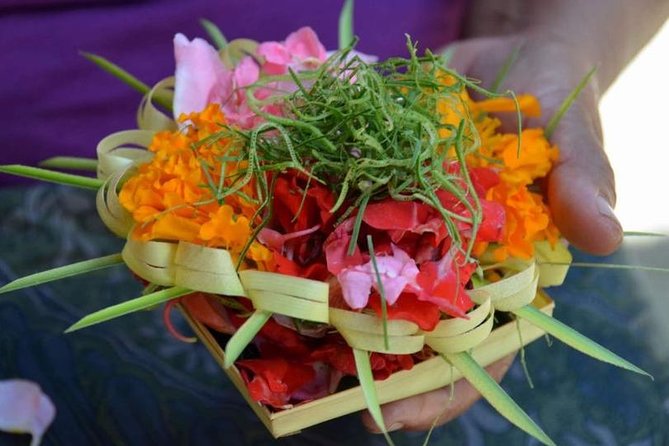
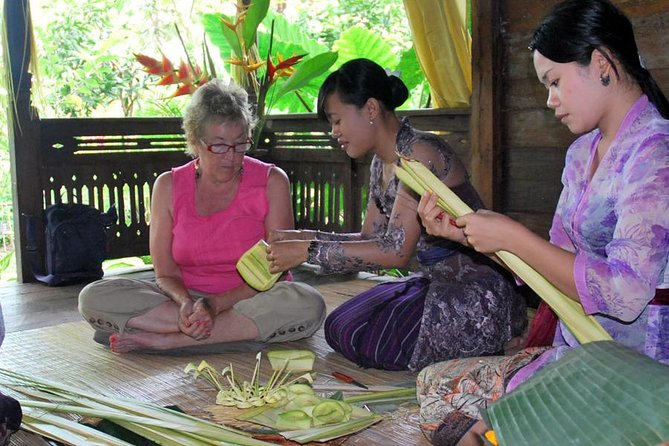
Before cooking begins, you learn how to make Balinese offerings, especially canang. You’ll work through the process of creating canang and other offering equipment. Reviews call this out as a major learning moment because it explains the meaning behind the food ritual, not just the mechanics.
I like this timing because it frames the meal. In Bali, cooking and offerings are tied together. When you understand that context, the class feels less like a generic cooking tour and more like a snapshot of everyday Balinese life.
Why it’s valuable: even if you never recreate offerings at home, you’ll cook with more respect for the cultural logic behind the flavors and rituals. Plus, it’s hands-on. You’re not watching someone else build the basket while you stand there.
The cooking workshop: hands-on, organized, and small
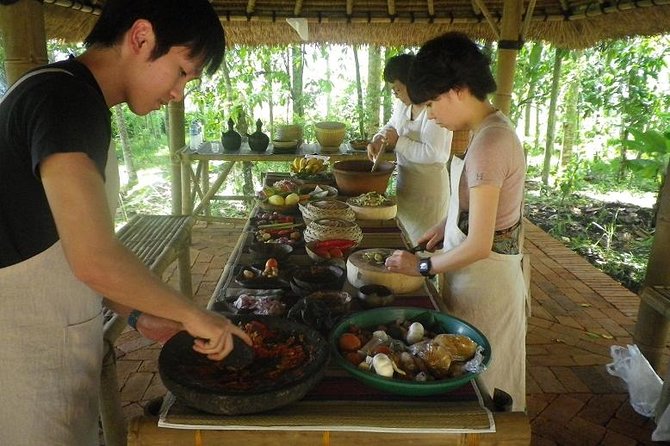
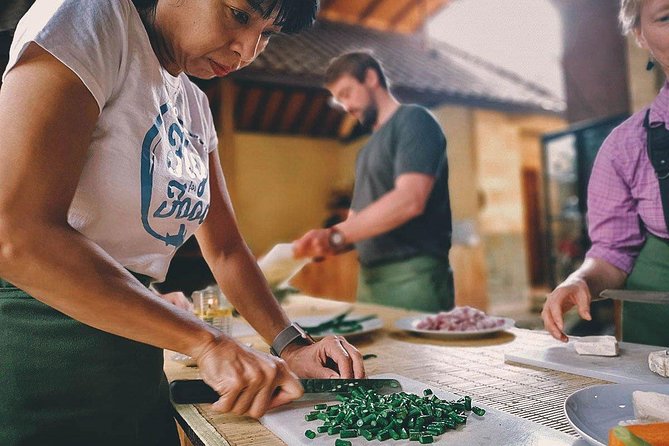
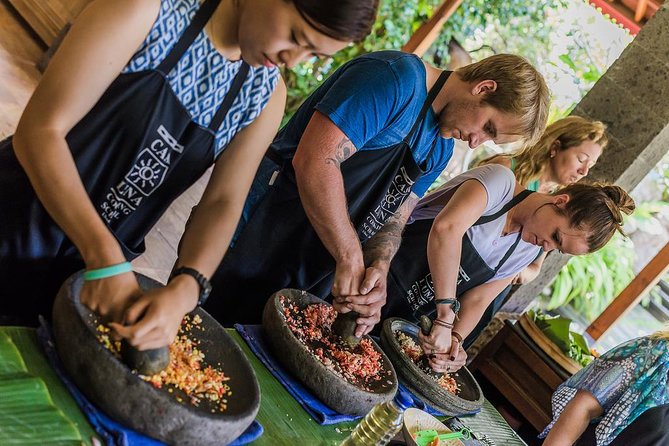
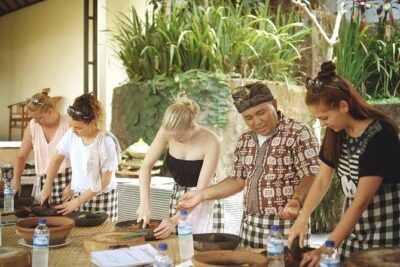
After the offering lesson, you move into the cooking class in a beautiful, nature-oriented setting around Ubud. The overview calls it jungle surroundings, and that fits with the feeling from the reviews: open-air views, calm space, and a setup designed for actually cooking.
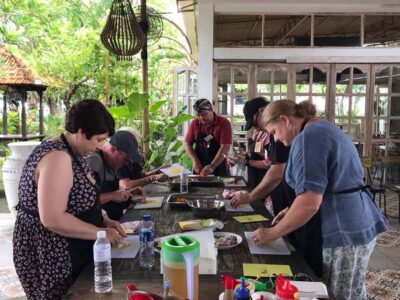
The group size stays under control, with a maximum of 8 travelers. In practice, that means you don’t spend your whole time waiting for your turn. Reviews repeatedly mention patient teaching and the feeling of personal attention.
Your chef instructor may be Wayan or Dewa, and other guides named in reviews include Putu and Puthu. Whoever you get, the teaching style is consistent: clear steps, lots of questions welcomed, and guidance that keeps you moving without rushing. One solo traveler specifically mentioned not feeling left out, which is what you want in a small group class.
You’ll also get a welcome drink and snack before the cooking starts. It sounds like a small detail, but it helps if you’re arriving hungry from an early market visit.
More Market Tours in Ubud
- Balinese Ubud cooking school (9 Dish Cooking and Market Tour)
★ 5.0 · 540 reviews - Ubud: Balinese Cooking Class and Market Tour
★ 4.8 · 531 reviews - Ubud Traditional Night Market Food Tour-All Inclusive
★ 4.4 · 95 reviews - Bali Food Tour: Savor Street Food and Night Market Adventures
★ 5.0 · 46 reviews
What you cook in this 6-hour Balinese cooking class
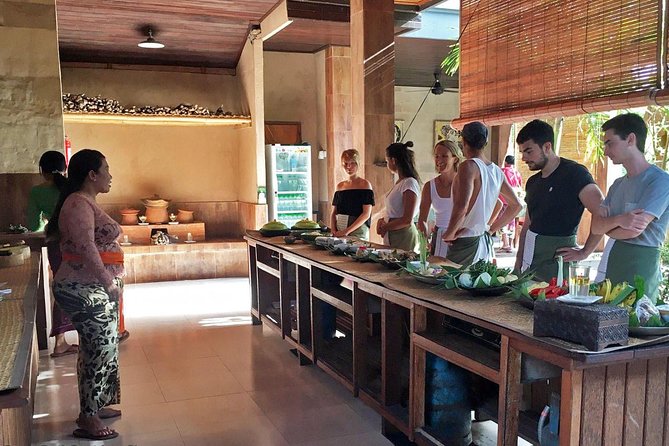
The exact dish list can vary by class flow, but the structure is similar: starters, main courses, and an authentic dessert. Reviews mention multiple dishes, with one person highlighting nine dishes in the course of the morning.
Here’s what you should take away from the cooking portion, regardless of the final menu:
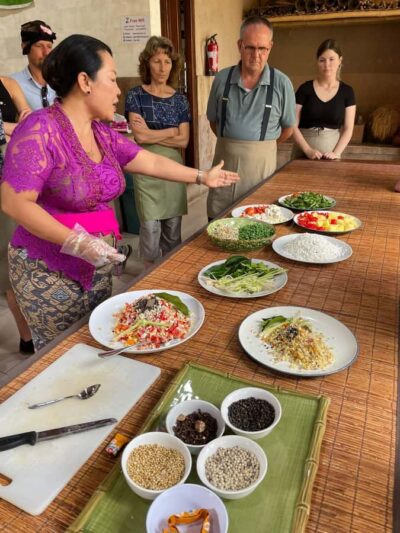
- You learn to prep Balinese style, meaning more time with aromatics and spice mixtures than you might expect.
- You get guidance on how to balance flavors, not only how to follow steps.
- You work on your own portions so you can actually repeat techniques later.
A practical benefit: some reviews mention that certain things are pre-prepped to keep the class moving efficiently. That’s not a negative. It means you spend your energy on learning the key steps, not chopping everything from scratch for hours.
Another recurring theme is how well the class moves from one dish to the next without feeling chaotic. Reviews call the organization excellent and efficient, which is what makes a 6-hour experience feel like value rather than a rushed blur.
The sit-down meal: eat while it’s at its best
Once cooking wraps up, you sit down and eat the meal you made. This is a big part of the satisfaction. You’re not waiting until the end of the day to find out if the food turned out well. You taste your work immediately.
Reviews describe the meal as delicious and also visually impressive, not just functional. That matters in Bali, where presentation and ritual are part of the overall experience.
For you, this part helps you learn faster. When you can taste what you just cooked, you can connect flavor, texture, and spice balance to the actions you took. Then, later, when you recreate it at home, your memory has more hooks than just ingredients and instructions.
Taking skills home, not just souvenirs
This class is designed to help you cook after you leave Bali. Reviews mention that people receive recipes, sometimes described as a recipe book, so you can recreate dishes at home.
I like that practical angle. If you’re booking a cooking class, the real win is not only having a good meal that day. It’s being able to bring back a few reliable dishes and basic technique patterns.
Even if you don’t plan to cook Balinese food weekly, you can use what you learn as a flavor toolkit: how Balinese kitchens build aroma, how offerings and cooking relate, and how ingredient selection changes results.
Price and value: is $35 per person fair?
At $35 per person, this class looks like strong value if your priority is real technique and a meal that you helped create.
Here’s why it’s reasonably priced based on what’s included:
- You get air-conditioned transport plus pickup, which alone can cost more than you expect in Bali.
- You pay for cooking class fees, taxes, and the kitchen setup.
- You get the market ingredient selection experience, which is often the difference between a cooking class and a cooking performance.
- You eat the dishes at the end, so it’s a full morning or late start to your day, not just a quick activity.
Also, the group limit of 8 travelers makes the teaching feel more personal than many budget classes. If you’ve ever done a large group cooking tour and felt like you were more on the sidelines than in the kitchen, you’ll appreciate the small number here.
If you’re traveling solo, the price still works, and reviews mention solo visitors meeting other people and feeling included. If you’re a couple or small group, check group discount options, which the tour description lists.
Who should book this Ubud market and cooking class
You’ll likely love this if you:
- Want a hands-on Balinese cooking class instead of a show-and-tell session
- Enjoy markets and want to learn by choosing ingredients
- Care about cultural context, especially Balinese offerings like canang
- Prefer small group learning (max 8)
You might not love it as much if you:
- Want a very slow pace with zero early morning activity, because the market starts early
- Prefer only frying or only one cooking style, since you’ll cover a range from starters to dessert
- Have very complex dietary needs that require specialized ingredient substitutions. The class mentions vegetarian options in reviews, so it can be flexible, but you should communicate needs clearly when booking.
Tips to make your experience smoother
- Wear comfortable shoes. The market involves standing and walking.
- Bring a light layer. Morning weather can be cooler than midday, and cooking spaces can change in temperature.
- Be ready to taste. Small samples are part of how you learn.
- Ask questions early. The best time is when the ingredients are still in front of you at the market.
- Don’t rush the offering lesson. Even if you’re not into rituals, the canang work helps you understand the food culture behind the meal.
- After the meal, take your recipe info seriously. Save the instructions and ingredient list right away, while the flavors are fresh in your head.
Should you book this Balinese cooking class with a Ubud market visit?
Yes, if you want an experience that combines culture, food, and actual cooking skills in a small group. The standout strengths are the traditional market shopping, the chance to learn canang offerings, and the hands-on chef guidance that keeps the class personal, not chaotic.
Book it if you’re the type who likes to go home with techniques you can repeat, and you value learning why Balinese flavors work. Skip it only if you strongly dislike early starts or you expect a strictly private, fully custom menu. For most foodie travelers in Ubud, this hits a very practical sweet spot: market in the morning, cooking in a peaceful setting, and a sit-down meal you can be proud of.
FAQ
How long is the Balinese cooking class with the market visit?
The experience runs for about 6 hours (approx.).
Is hotel pickup included?
Pickup is offered, and the tour includes air-conditioned transport from your hotel to the market and workshop.
How large is the group?
The tour has a maximum of 8 travelers.
What do you do during the traditional morning market visit?
You visit a local fresh food market to choose ingredients for your cooking class. You can select vegetables, herbs, meat, and spices, and you also get to experience daily local life in Bali.
Do you learn how to make Balinese offerings like canang?
Yes. Before the cooking class begins, the package includes making canang and other offering equipment.
What’s included in the price, and do you eat the food you cook?
Included are cooking equipment, air-conditioned vehicle transport, cooking class fees, and taxes. You also sit down to a meal to eat what you prepare.
What is the cancellation policy?
Free cancellation is available. You can cancel up to 24 hours in advance for a full refund. If you cancel less than 24 hours before the start time, the amount paid is not refunded.
More Markets in Ubud
- Bali: Ubud Monkey Forest, Coffee Plantation, and Market Tour
★ 5.0 · 5 reviews - Active Volcano, Rice Field, Hot Spring, Fruit market, Tea Plantation with Lunch
★ 5.0 · 513 reviews - Seminyak: Balinese Cooking Class & Market Tour
★ 4.9 · 458 reviews - Ubud Experience ; Swing, Waterfalls, Art Market, Rice Terrace
★ 5.0 · 56 reviews
More Shopping Tours in Ubud
- Jambangan bali cooking class with morning market tour
★ 5.0 · 35 reviews - Bali – Ubud Night Market Food Tour
★ 3.8 · 14 reviews - Balinese cooking class/Go shopping at the market, cook, eat
★ 5.0 · 12 reviews - Bali: Safari Zoo and Ubud Palace and Market Day Tour
★ 4.7 · 6 reviews
Just added around Ubud
- Sunrise Café and Morning Yoga Class★ 5.0 · 5 reviews
- Quad Bike Bali With Tunnel & Waterfall Tour★ 4.2 · 8 reviews
- Puppy Yoga in Bali, Ubud & Uluwatu★ 4.7 · 93 reviews
- Private Ubud Tour With Professional Photographer with Edit★ 5.0 · 53 reviews
- Ubud : PRIVATE Bike Tour inside Rice Field with meal & pool★ 5.0 · 5 reviews
- Ubud: Organic Farm Harvest, Bali Cooking Class by Pemulan★ 4.8 · 12 reviews
- Outskirts of Ubud, Gianyar: Pottery Class★ 5.0 · 9 reviews
- packages cooking class and romantic dinner in a local home★ 5.0 · 4 reviews
Cooking Classes, compared.
Cooking Class with Transfers and Optional Market Visit
Read our review →
PRIVATE Authentic Balinese Cooking Class in Ubud at Putu’s Home
Read our review →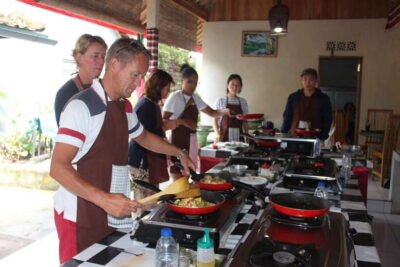
Browse the lists this tour appears in