
REVIEW · BOROBUDUR & PRAMBANAN TOURS
Borobudur: Village Tour with Pottery and Tofu Making
Clay dust, culture, and hands-on craftwork, far from the crowds. This Borobudur village tour turns the usual temple outing into a look at everyday life near Borobudur, with workshops that let you actually make something. You’ll visit Gerabah Klipoh pottery village, then continue to handmade batik practice in the Borobudur area, guided by local people who live close to the temple.
What I like most is that it is not just watching. You get hands-on with clay craft and then traditional batik, so your time feels active instead of passive. The second big plus is the local-industry feel, with stops that connect to what the surrounding villages produce, including artisan foods like tofu and snack items you can sample along the way.
One consideration: meals and some workshop admissions are not included, so you may want to budget a little extra for food and any fees that apply at the second stop. Also, this is a short 2 to 3 hour circuit, so you will move at a comfortable pace, but it is not a long, slow cultural day.
In This Review
- Key points you’ll care about
- Borobudur villages: the side trip that makes the area make sense
- Gerabah Klipoh pottery village: how clay craft actually works
- Tingal Wanurejo batik practice: pattern work with local technique
- Food breaks that feel like part of the craft, not an afterthought
- How the 2 to 3 hour loop runs in real life
- Price and value: is $79 a fair deal?
- Who this Borobudur village tour is best for
- Should you book this pottery and tofu village experience?
- FAQ
- How long is the Borobudur village tour?
- What does the tour include?
- Are meals included?
- Do I need to pay for entrance fees during the tour?
- Where do I meet the guide?
- What is the cancellation policy?
Key points you’ll care about
- Hands-on pottery time at Gerabah Klipoh, with the pottery admission ticket included
- Batik practice in the Tingal Wanurejo area, with the batik admission ticket not included
- Local guide perspective from residents who live near Borobudur and share village context
- Artisan food samples that go beyond souvenirs, including tofu and local snack ideas
- Short, efficient route built for a 2 to 3 hour experience, with bottled water included
- Private group setup for your group, with a meeting point that is easy to find
Borobudur villages: the side trip that makes the area make sense
Most people come to Borobudur for the monument. This tour keeps the focus on what’s around it, where craft traditions turn daily life into something you can see, touch, and even practice. The key idea is simple: if you only visit the temple, you miss the village skills that help shape the region’s identity.
You’ll get local context directly from guides who live near the temple area. That matters because they can point out how the villages work, how the crafts are taught, and what daily routines look like when your livelihood comes from making things. Instead of just collecting photos, you leave with a better sense of the place.
I also like that the experience is built like a practical mini-workshop loop. You do one craft activity, then another, within a tight time window. That makes it a good fit when you want local culture but you do not want to lose half a day to logistics.
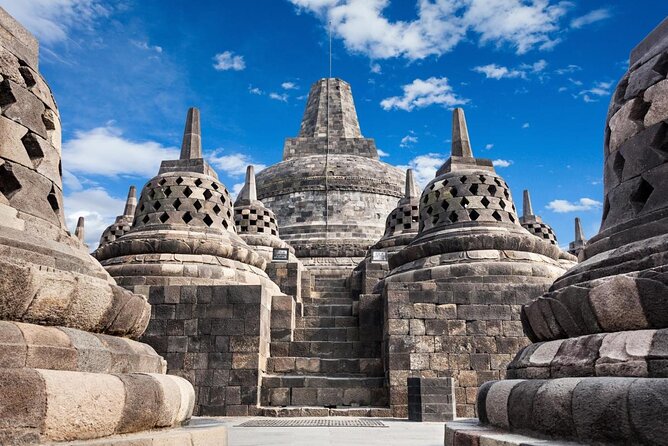
You will likely get to view Borobudur Temple at some point during the route. Think of it as a glimpse, not a full temple visit, which keeps this tour focused on villages and hands-on learning.
More Craft Workshops in Yogyakarta
- Yogyakarta: 2-hour Batik Making Course with Souvenir
★ 4.9 · 304 reviews - Batik Master Class with Full Process
★ 5.0 · 103 reviews - Yogyakarta: Batik Painting Workshop
★ 4.9 · 72 reviews
Gerabah Klipoh pottery village: how clay craft actually works
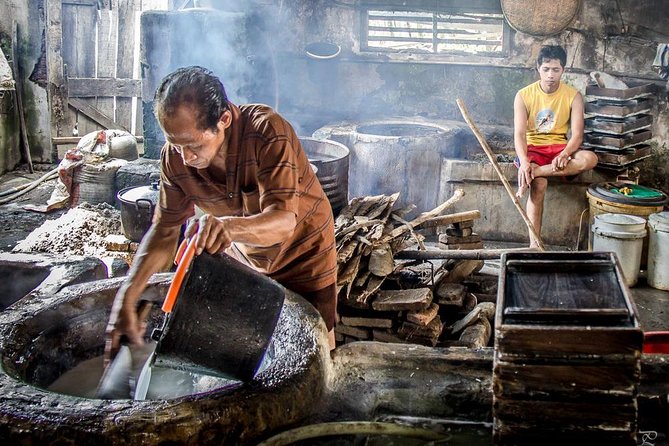
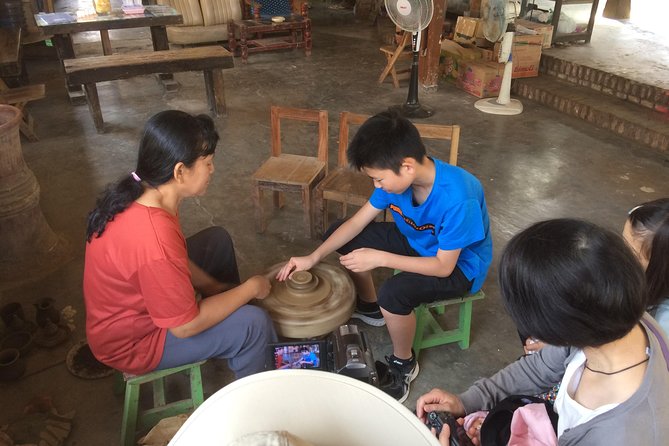
Your first stop is Gerabah Klipoh, and it is where the tour earns its name. You spend about 40 minutes in a pottery village where you can learn, practice, and create a clay handicraft.
The biggest value here is the time pressure in a good way. Forty minutes is long enough to feel like you are participating, not just getting a quick demo. You can watch how artisans handle the material, then try doing the steps yourself. That moment, when your hands start to understand what the guide is showing, is the payoff.
What you should expect in practical terms:
- A guided visit focused on pottery techniques and how clay transforms into usable forms.
- A hands-on component where you actively make something from the process you’re taught.
- Admission is included for this pottery stop, which makes budgeting easier than tours where every workshop costs extra.
Because you’ll be working with clay, wear something you are comfortable getting dusty. Even if the guide is careful, clay work usually comes with mess or at least residue on sleeves and cuffs. Bring a small towel or wet wipes if you tend to dislike feeling gritty afterward.
Also, remember that the goal is learning and making, not perfection. If your first attempt looks imperfect, that is normal. The value is in understanding the technique, even if your final piece is a little lopsided.
Tingal Wanurejo batik practice: pattern work with local technique
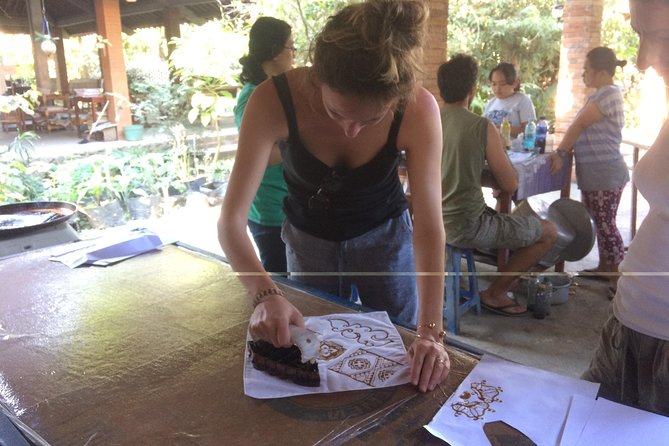
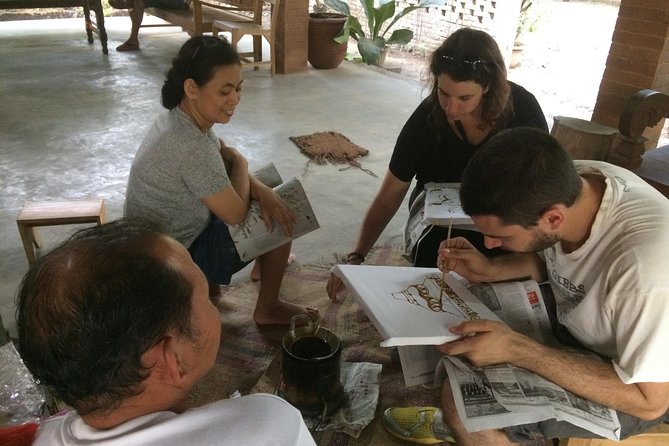
After pottery, the tour continues to Tingal Wanurejo in the Borobudur area (Magelang, Central Java). This stop runs about 30 minutes and centers on handmade batik.
Here’s the key detail for planning: the batik admission ticket is not included. So if you are comparing prices to other craft tours, treat the listed cost as a base that covers pottery and guidance, while batik may add a separate workshop fee on the day.
What makes batik interesting is that it is both art and craft. Even in a short session, you’re not just looking at finished cloth. You get to learn and practice, which helps you understand how patterns are created and how the craft is maintained from generation to generation.
During the batik portion, you may also see how the village environment supports these industries. People do not treat batik as a one-off hobby. It’s tied to the local economy, and that shows in how the teaching is done, with practical steps and patient explanations.
If you are sensitive to odors from workshop materials, note that batik settings sometimes involve dyeing or related substances. The tour duration is short, so any smell is usually manageable, but it’s still smart to be aware.
Food breaks that feel like part of the craft, not an afterthought
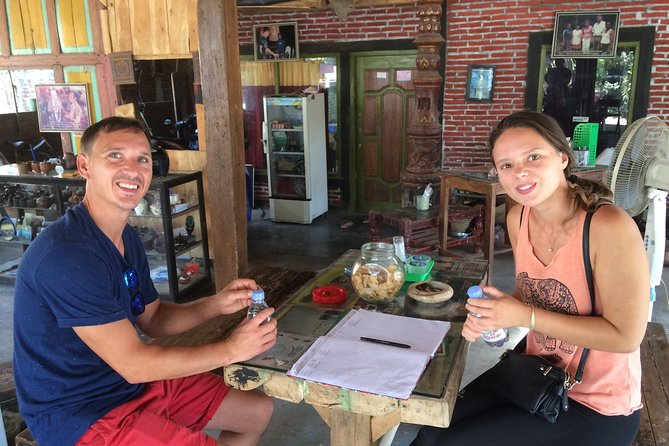
A good culture tour should include food, but it should not turn into a boring restaurant stop. This one fits better than average because the food theme connects to village production.
From the local-industry focus around Borobudur, you can expect sampling of artisan items, including tofu and local snack ideas such as rice snacks. You may also get chances to sample items like coffee during the village circuit, depending on how the guide schedules tastings across the workshops.
Why this matters for you:
- Food is often the easiest way to understand a craft region. You see ingredients, taste local flavors, and connect what you learn to real consumption.
- Sampling can be more memorable than buying packaged souvenirs. A small taste tells you what locals actually enjoy.
You do get complimentary bottled water, which is useful in Central Java’s warm conditions and also keeps the tour moving. Meals are not included, so if you need a full meal, plan for it before or after.
Compare these Borobudur and Prambanan tours in Yogyakarta:
- Yogyakarta: Borobudur sunrise(guarantee climb up)& Prambanan
★ 4.9 · 1,545 reviews - Yogyakarta: Borobudur ClimbUp (sunrise option) & Prambanan
★ 4.9 · 1,260 reviews - Yogyakarta: Borobudur Climb-up and Prambanan Guide Tour
★ 4.9 · 1,031 reviews - Borobudur Sunrise from setumbu Hill , Merapi Volcano & Prambanan Full Day Tour
★ 5.0 · 1,030 reviews
How the 2 to 3 hour loop runs in real life

This tour is designed for a 2 to 3 hour window, so it moves briskly but not chaotically. You start and finish at the same place, and the activity ends back at the meeting point.
Meeting point:
Jl. Balaputradewa No.55, Dusun XVI, Borobudur, Kec. Borobudur, Kabupaten Magelang, Jawa Tengah 56553, Indonesia
It’s also described as near public transportation, which helps if you are staying around the Borobudur area and want to keep things simple. And because it’s listed as private, you will be traveling with your group only, not mixing into a giant crowd.
A typical flow looks like this:
- First, pottery village time with a clear craft focus.
- Then, batik practice as the second creative stop.
- Along the way, you get guidance and a local framing of what the surrounding villages do, plus bottled water and occasional sampling.
Because the route is short, you should treat it like a focused taste of village life. It is not going to replace a temple morning, and it is not going to replace a full-day market crawl. What it does well is give you hands-on craft experience without draining your whole day.
Price and value: is $79 a fair deal?
At $79, this tour sits in the midrange for short craft experiences. The value comes from what’s included and what’s not.
Included:
- Bottled water
Plus, the pottery stop includes the admission ticket (listed as included for Gerabah Klipoh).
Not included:
- Meals
- Any additional entrance fees
- The batik stop admission ticket is not included
So is it worth it? If you like hands-on learning and you want a genuine look at what villages around Borobudur produce, yes. The biggest value lever is the fact that pottery admission is included at the first stop, which reduces the number of surprises.
Where you might feel the price more if you are budgeting tightly: batik fees and meal costs could add up. If you plan to snack lightly and keep meals outside the tour, you can control the total cost. If you expect a full meal inside the experience, you will need to pay extra.
Also, group discounts can help if you are booking with friends or family. If you have multiple people, ask about what the discount applies to when you book.
Who this Borobudur village tour is best for
This tour fits best if you want more than a quick temple photo. It’s especially good for:
- People who enjoy craft workshops and want a hands-on souvenir that is made through instruction
- Travelers who like a local-guide angle, especially from residents living near Borobudur
- Short on time but still craving village culture beyond the monument
- Anyone interested in how different local industries connect, such as pottery, batik, and artisan food like tofu
It is also listed as suitable for most travelers, with participation described as broadly open. The duration is short, so it is a reasonable option if you do not want a long day.
If you are the type who wants to see one major monument for hours with lots of downtime, you may find the craft focus less satisfying. In that case, consider pairing this tour with a more temple-centered day.
Should you book this pottery and tofu village experience?
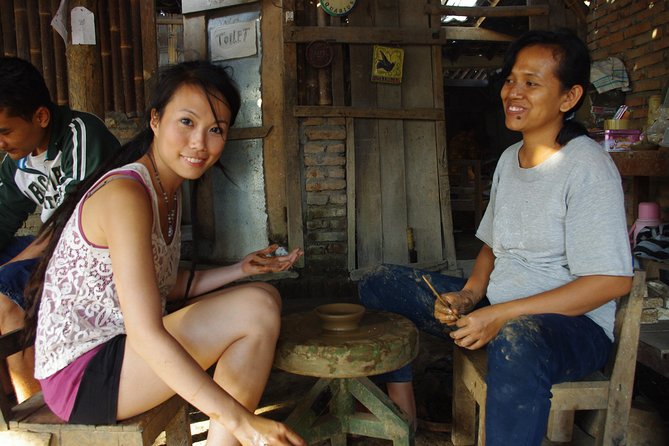
I think you should book this tour if you want Borobudur beyond the monument and you care about getting your hands into the craft work. The combination of pottery time plus batik practice, guided by local residents, is exactly the kind of experience that turns a regional visit into something personal.
Skip it, or at least reconsider, if you only want high-level sightseeing with minimal interaction. This one is built around workshops and local industry, and you’ll get the most out of it if you enjoy learning through doing.
If you book, wear practical clothes for craft work, plan for a meal outside the tour, and mentally treat the batik stop as the part that may add extra costs. Do that, and you’ll walk away with more than a photo, you’ll have a better feel for how village life supports Borobudur’s cultural ecosystem.
FAQ
How long is the Borobudur village tour?
It runs about 2 to 3 hours.
What does the tour include?
You get bottled water. The pottery village stop includes an admission ticket, while other costs may apply at additional stops.
Are meals included?
No, meals are not included.
Do I need to pay for entrance fees during the tour?
Some entrance fees are not included. The batik stop lists an admission ticket as not included.
Where do I meet the guide?
The tour starts at Jl. Balaputradewa No.55, Dusun XVI, Borobudur, Kec. Borobudur, Kabupaten Magelang, Jawa Tengah 56553, Indonesia, and it ends back at the same meeting point.
What is the cancellation policy?
You can cancel for a full refund up to 24 hours before the experience’s start time. If you cancel later than that, the amount you paid is not refunded.
Just added around Yogyakarta
- Borobudur Private Tour From Semarang Port★ 4.5 · 12 reviews
- Jeep Parang Menoreh Adventure Borobudur★ 5.0 · 5 reviews
- Guarantee Borobudur Temple Structure & Prambanan Temple.★ 5.0 · 5 reviews
- Taman sari water castle, sultan palace & local food tasting★ 4.7 · 11 reviews
- Sunset at Prambanan & Ramayana Ballet (Ticket Guaranteed)★ 4.5 · 10 reviews
- Sunrise Setumbu, Borobudur structure climbing and Prambanan★ 4.7 · 4 reviews
- Sultan Palace, Water Castle & Prambanan Temple Guided Tour★ 4.6 · 4 reviews
- Yogyakarta: Jurang Tembelan, Pine Forest, and Timang Beach★ 4.5 · 20 reviews
Borobudur & Prambanan Tours, compared.

Borobudur sunrise(guarantee climb up)& Prambanan
Read our review →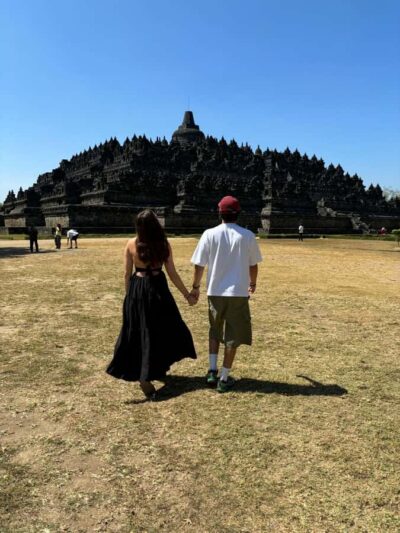
Borobudur ClimbUp (sunrise option) & Prambanan
Read our review →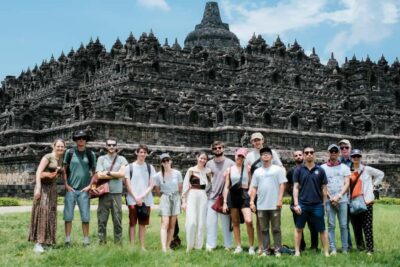
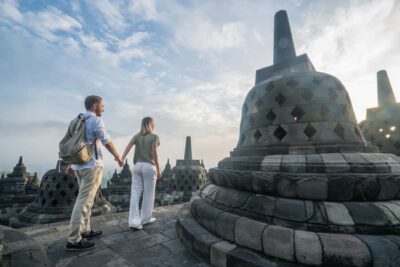
Borobudur Sunrise, Merapi Volcano & Prambanan Full Day Tour
Read our review →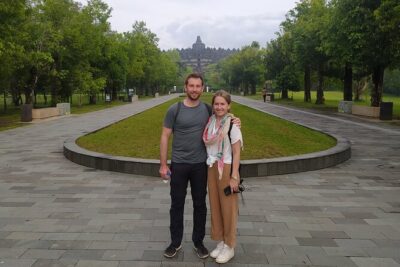
Borobudur Temple Climb To The Top & Prambanan Temple – 1 day tour
Read our review →
Borobudur Sunrise (Climb-up Assured) & Prambanan
Read our review →
Borobudur Top Access & Prambanan Temple Private Tour
Read our review →Browse the lists this tour appears in