
REVIEW · BATIK & CRAFT WORKSHOPS
Yogyakarta: 2-hour Batik Making Course with Souvenir
Batik is one of Java’s most satisfying crafts. This 2 to 5 hour batik making course at Batik Seno Gallery gives you hands-on practice with wax, dye, and pattern thinking, then lets you take the finished piece home. It’s small-group, indoor, and paced to help you actually finish something you’re proud of.
I really like the patient, hands-on guidance. People mention instructors staying close, correcting wax application, and coaching you when you want to adjust designs or colors, even on a short session. I also like that the workshop builds in calm time for the work to set, with drinks and snacks while you wait for wax or dye to dry.
One drawback to plan for: you are working with wax and dye, so wear clothes you don’t mind staining, and expect to spend more time if you choose a longer option or your piece needs extra fixes.
In This Review
- Key Highlights I’d Prioritize
- The Batik Magic Trick You’ll Actually Understand
- Arriving at Batik Seno Gallery and Choosing Your Design
- Wax Drawing With a Guru, Where Your Lines Matter
- Painting With Dye, Picking Colors, and Staying Patient
- The Waiting Phase That Makes the Finished Piece Look Right
- Wax Removal and Acid Washing, The Moment Colors Reveal
- What You Take Home, Plus a Bonus Shop Stop
- Course Lengths: Picking 2 Hours vs 5 Hours vs the Full Layering Feel
- Price, Value, and What $8 Buys You Here
- Who This Workshop Suits Best (And Who Might Want Another Plan)
- Small-Group Atmosphere: Why It Feels Different From a Typical Tour
- Should You Book This Batik Making Course?
- FAQ
- Where is the meeting point for the batik course?
- How long is the experience?
- What language is instruction provided in?
- Is this class suitable if I have no experience?
- Do I need to bring anything?
- Is the activity indoors?
- Will my clothes get stained?
- How big is the group?
- Can I cancel and get a refund?
Key Highlights I’d Prioritize
- Small group size (up to 10), so you get real attention at the wax stage
- English instruction, with help that stays patient even if you make mistakes
- Choose a design from pre-drawn options or create your own look step by step
- You’ll see the full process, including drying time and the moment colors reveal themselves
- Take home your batik masterpiece, plus the shop makes it easy to pick an extra souvenir
- Great value for the time, especially for a rainy-day cultural activity
The Batik Magic Trick You’ll Actually Understand
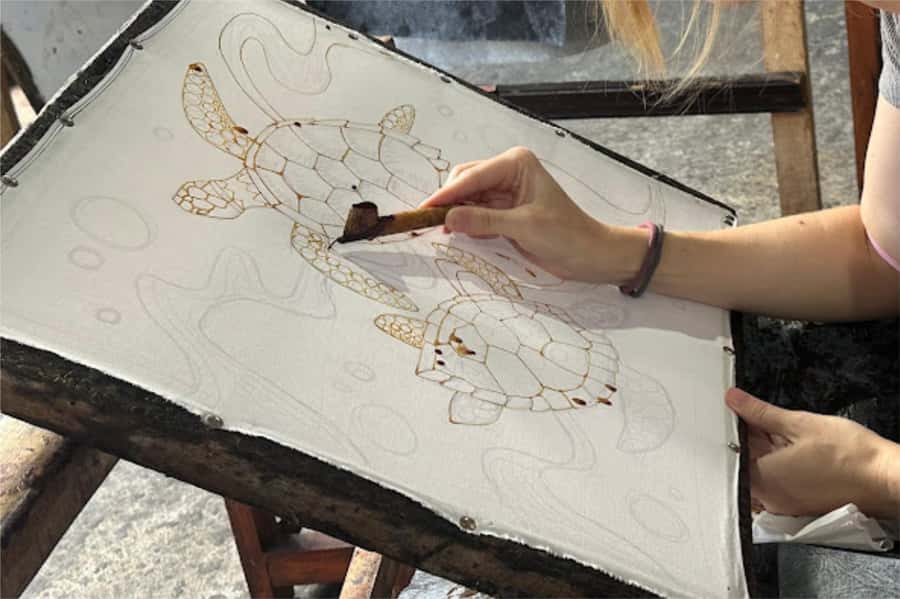
Batik is not just a craft, it’s a process. You draw with melted wax to block dye, then color the fabric, and later remove the wax so the “protected” parts show through.
What makes this course work for beginners is that the instructors focus on the practical order of operations: wax first, then coloring, then removal and finishing steps. Reviews repeatedly mention that people came in with no experience and still walked out with a clean-looking souvenir, which tells me the teaching method is structured, not vague.
More Craft Workshops in Yogyakarta
- Batik Master Class with Full Process
★ 5.0 · 103 reviews - Yogyakarta: Batik Painting Workshop
★ 4.9 · 72 reviews - Yogyakarta: Batik Making Class with Expert
★ 4.7 · 45 reviews
Arriving at Batik Seno Gallery and Choosing Your Design
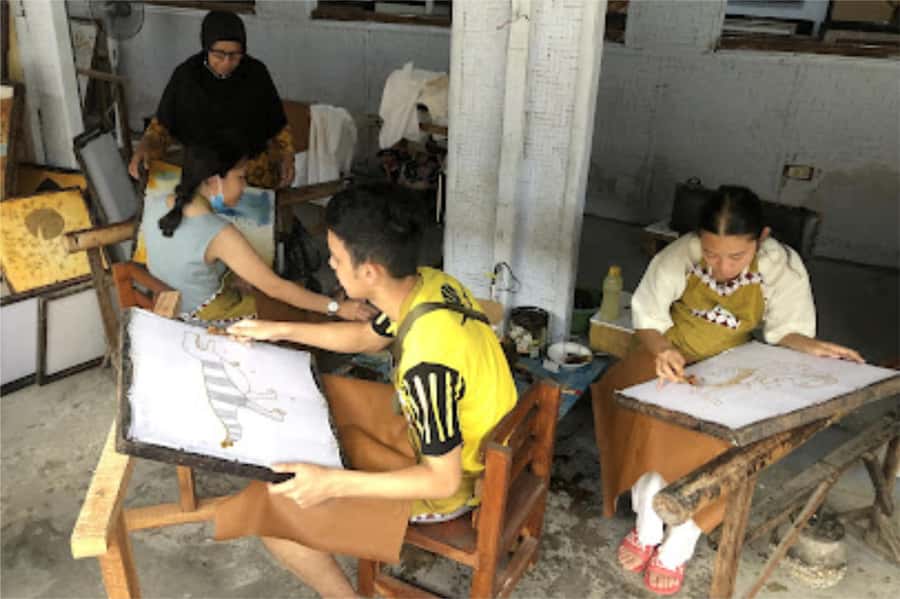
You meet at Batik Seno Gallery, JL. Mantrijeron, MJ. III/801, Kec. Mantrijeron, Kota Yogyakarta. Once inside, you’re in a workshop setting attached to a gallery and shop, so it feels like a working family business rather than a show-and-sell stop.
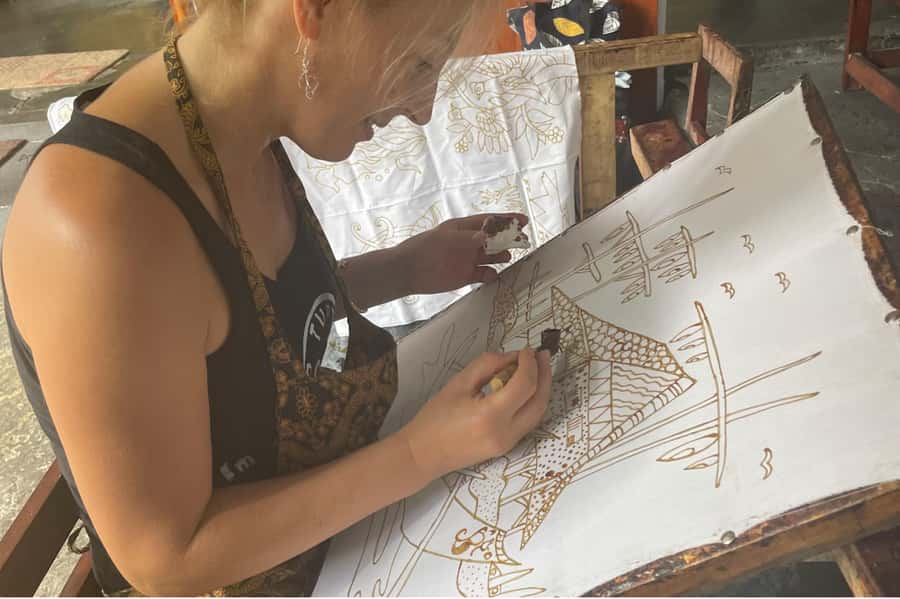
Then comes one of the most important parts for your final result: picking what you’re going to make. Many people choose from pre-drawn patterns or stencil-style options, which is great if you’re short on time or you want something that will look like batik without overthinking it. If you want more creativity, you can also draw your own design, and some participants described designing their own image before painting on color.
You’ll also hear about pattern ideas and what certain motifs traditionally represent. Even if you just catch the gist, it adds meaning to the work because you’re not just filling space, you’re building a design with intent.
Wax Drawing With a Guru, Where Your Lines Matter
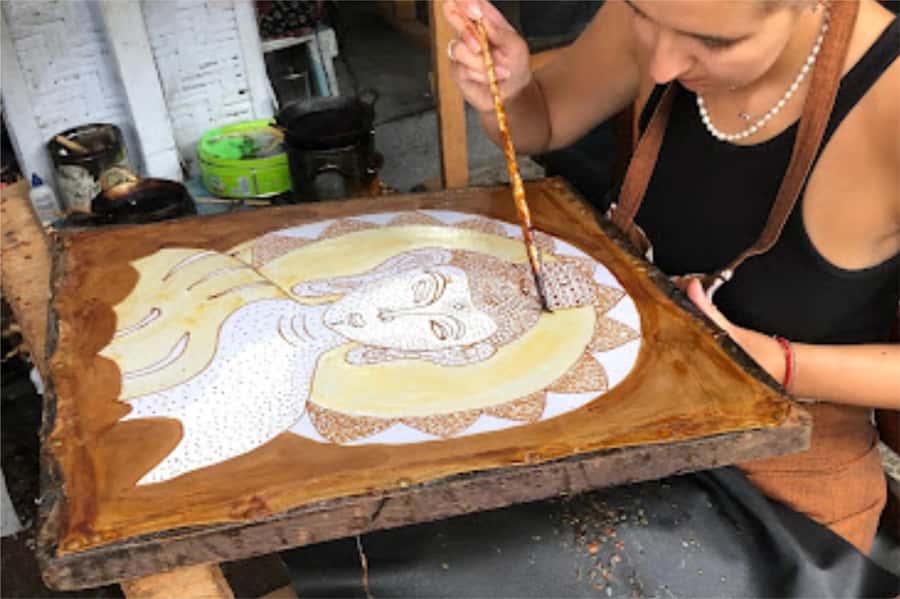
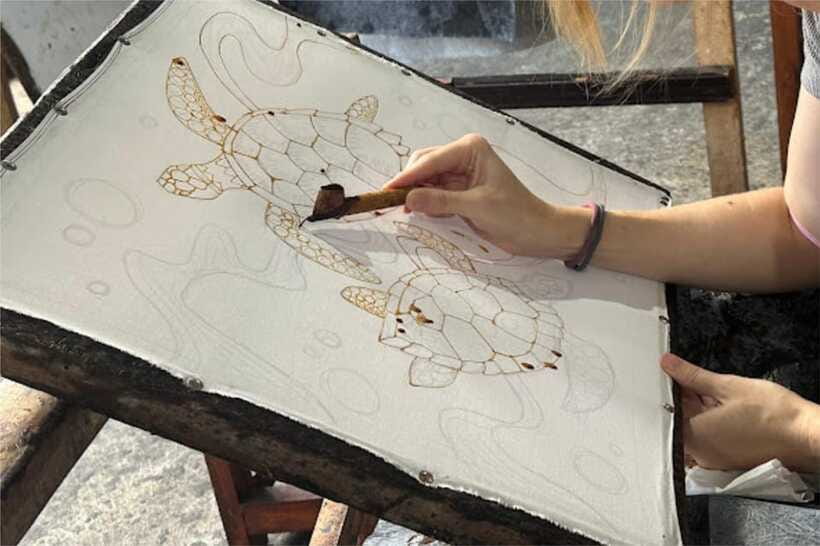
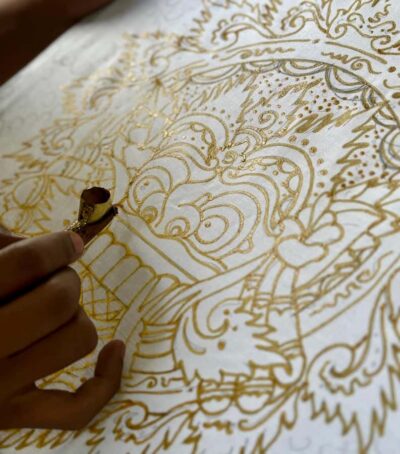
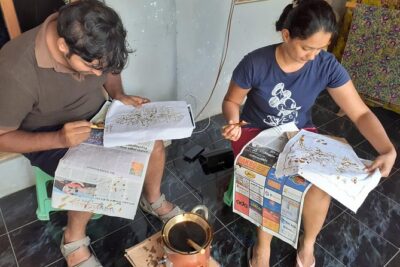
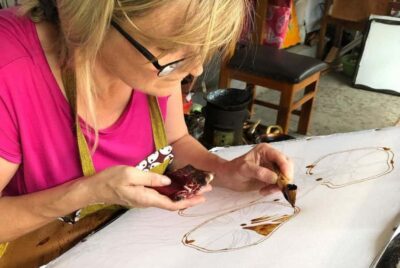
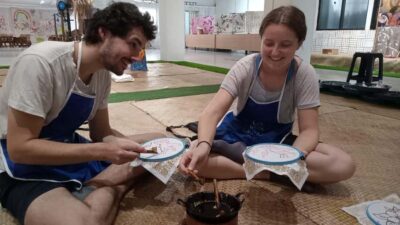
The “ink pen” in batik is melted wax. You’ll use a tool to draw lines and shapes onto the fabric, and then dye will respect those waxed areas.
This is the part that scares people before they start, mainly because it’s so easy to smear or mess up. The good news: multiple reviews mention instructors who step in when wax placement or technique needs fixing, not just telling you to try again and hope for the best. Some people even described saving a mistake, which is a big confidence boost when you’re working with something delicate.
Small-group size matters here. When you’re limited to 10 participants, it’s easier for the batik guru to watch your hand movements and help you correct issues quickly.
Names that show up in participant feedback include teachers like Dayu and Kisa, so you may see those names attached to the lead instruction depending on the day and schedule. Either way, the pattern is consistent: friendly, patient coaching while you work.
Practical tip: keep your pace steady. Batik rewards careful movement more than speed, and most of the help is about helping your lines stay crisp enough for the dye to create clear contrast.
Painting With Dye, Picking Colors, and Staying Patient
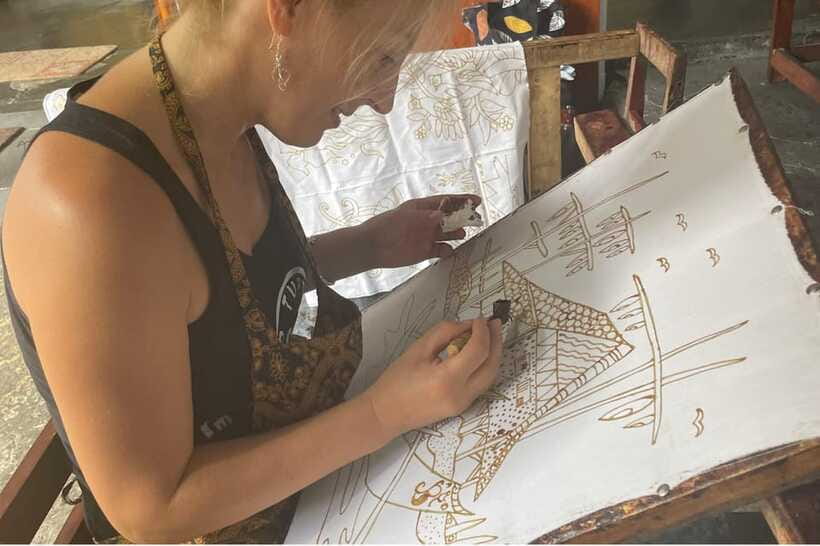
Once the wax drawing is in place, you move to coloring. You’re painting dye onto the fabric, and the wax acts like a barrier, leaving your wax lines and shapes untouched where dye should not reach.
Reviews highlight two helpful points here. First, instructors help you choose colors based on the type of batik you’re making. Second, they encourage small design tweaks, so you don’t feel trapped by your first idea. People described being recommended a color approach for the batik style they created, and they felt confident their final piece would turn out the way they imagined.
Also, don’t treat this like a one-and-done painting class. You’re working in stages, and that means you’ll spend some time waiting while layers set. Reviews mention waiting with snacks and drinks, which makes the pacing feel relaxing rather than rushed.
If you want the best final look, think of coloring as controlled building, not a color blast. The instructors will guide you on where to place dye and how to avoid over-saturating areas.
Another side of Indonesia:
- Yogyakarta: Borobudur sunrise(guarantee climb up)& Prambanan
★ 4.9 · 1,545 reviews - Yogyakarta: Borobudur ClimbUp (sunrise option) & Prambanan
★ 4.9 · 1,260 reviews - Yogyakarta: Borobudur Climb-up and Prambanan Guide Tour
★ 4.9 · 1,031 reviews - Borobudur Sunrise from setumbu Hill , Merapi Volcano & Prambanan Full Day Tour
★ 5.0 · 1,030 reviews
The Waiting Phase That Makes the Finished Piece Look Right
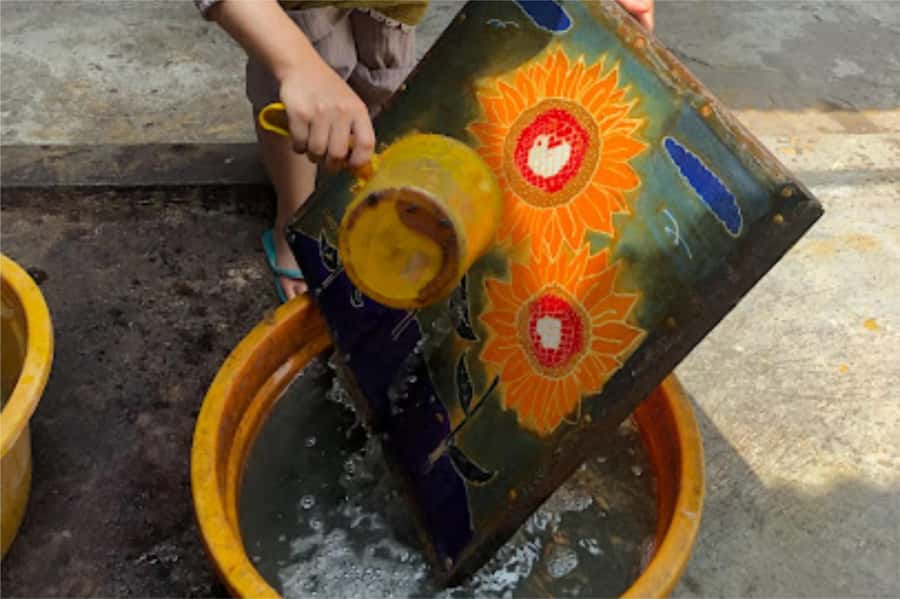
After dyeing, you need drying time. This waiting part is built into the experience, and it’s one reason the workshop feels calm.
In many reviews, people describe the vibe as peaceful and creative, with staff staying around during the waiting and drying so you can ask questions. Some participants noted that they weren’t kicked out quickly after their 2-hour session, which matters because waiting is real time, not a filler.
If you’re the kind of person who hates pauses, try to see this as the “real batik” moment. The colors develop as the fabric rests, and that’s when you can understand the craft is more about process control than artistic talent.
Wax Removal and Acid Washing, The Moment Colors Reveal
Batik is famous for the reveal. After coloring, wax needs to be removed and the fabric goes through finishing steps so the colors set properly.
One review specifically mentioned wax removal and acid washing as part of the process. That matches the typical rhythm of batik finishing, and it explains why your work is not something you can fully judge while it’s still wet or while wax is still on the surface.
Here’s what you should keep in mind as you plan your expectations: during this phase, you are relying on the workshop’s process for consistency. You’ll do the drawing and coloring, but the staff’s technique for removal and finishing steps is what helps your batik look sharp and stay wearable.
Even if you chose a shorter course, your final take-home piece comes from this finishing workflow, not just a quick dye pass.
What You Take Home, Plus a Bonus Shop Stop
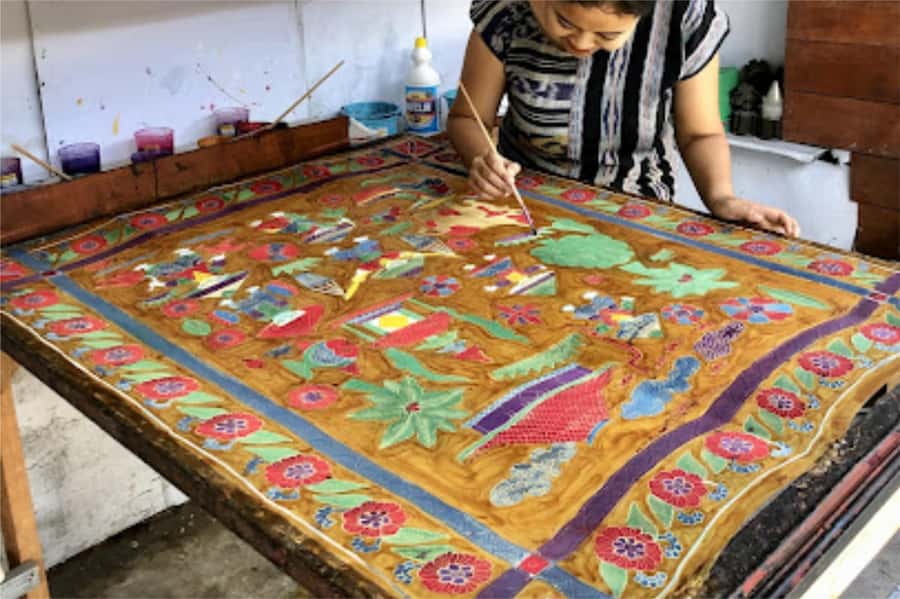
Your main souvenir is your own finished batik piece. That’s stated directly as included, and it’s echoed in reviews where participants talk about bringing their artwork home and feeling proud because they made it themselves.
The workshop also has an attached shop. Many reviews mention being able to look around and, in some cases, select an extra souvenir at the end, like small wearable or accessory items. So if you’re thinking, I want a batik memory beyond the workshop piece, you’ll likely find options.
Practical carry-home advice: treat it like a finished art textile, not a casual craft. Keep it packed cleanly, avoid crushing it flat under heavy bags, and follow any care notes they provide when you collect your final work.
Course Lengths: Picking 2 Hours vs 5 Hours vs the Full Layering Feel
The activity you book here is listed as 2 to 5 hours, and the workshop offers different lesson options ranging from shorter to longer processes. In reviews, people often say they loved the shorter course, but still wished they had more time to understand layering more thoroughly.
So here’s how I’d decide:
- Choose the 2 hour option if you want a fast cultural hit, a basic introduction to wax and dye, and a finished souvenir without committing to half a day.
- Choose 2 to 3 hours if you want enough time to feel the steps, make a design, and enjoy the workshop pace without feeling behind.
- If you’re choosing 5 hours, consider it as your “do it carefully” option. Reviews mention longer sessions can make a difference when the process takes longer due to detail, mistakes that need fixing, or the size of the fabric.
- If you see a full process option available on-site, that’s for people who specifically want more time for the actual layering and deeper technique, since shorter sessions may limit how far you go.
One more real-life factor: if you’re drawn to detailed linework or complex color plans, your piece may take extra time, even with help.
Price, Value, and What $8 Buys You Here
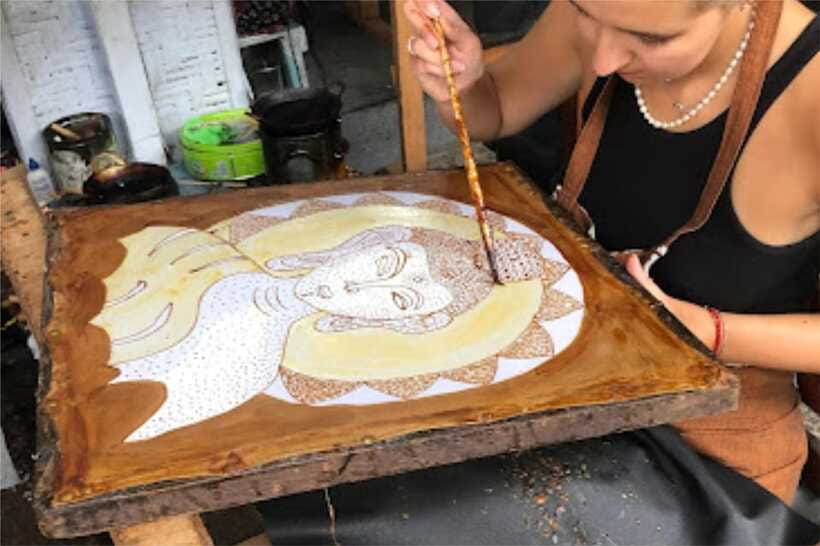
The price is listed as $8 per person. For that level, the value isn’t just the discount. It’s what’s included: all materials, guidance from a batik guru, drinks, and a take-home finished piece.
In practice, that’s an unusually good setup because you aren’t just paying for instruction, you’re paying for access to the tools, wax application method, dye workflow, finishing steps, and a workspace that makes the process manageable. Many participants describe it as excellent value and recommend it because you end up with a souvenir that feels real and made by your own hands.
If you’re visiting Yogyakarta and want one “do it yourself” activity that doubles as a meaningful craft story, this price point makes it easy to justify. It’s also a smart choice for a rest day since the whole thing is indoors.
Who This Workshop Suits Best (And Who Might Want Another Plan)
This workshop is a strong fit if you want a low-stress creative project with close guidance. Reviews include comments from people who were nervous about making art, and they still felt supported and left with a result they liked. That points to teaching that works for first-timers, not just people with artistic background.
It also fits families. One review mentioned kids enjoying it, and another talked about doing it with a partner who was initially reluctant but still had a great time. That suggests the activity can work for mixed skill groups because the staff supports technique and offers pre-drawn design paths.
Who might consider another option: if you absolutely hate working with wax and staining dye tools can create mess, you may feel anxious. The solution is simple, wear the right clothes and plan to slow down. You might still enjoy it, but you should know it’s hands-on.
Small-Group Atmosphere: Why It Feels Different From a Typical Tour
A lot of cultural workshops feel crowded or rushed. This one is built around a small group, and that shows in the atmosphere reviews describe as calm and peaceful.
You’re seated shoulder to shoulder with professional artists, working in the same shared space. That matters because you can see how skilled batik makers move, and you can ask questions while the process is still happening.
Also, because it’s indoors and scheduled in blocks, it’s easy to fit into a day without scrambling for weather. If you’re in Yogyakarta and the streets are noisy and hot, this indoor workshop can feel like a helpful pause.
Should You Book This Batik Making Course?
If you want a hands-on Yogyakarta activity that’s beginner-friendly, includes materials and drinks, and ends with a finished batik souvenir you made yourself, I’d say yes. The combination of small-group guidance and a structured process is the big reason to book, especially if you’re short on time but still want something authentic and satisfying.
Book this sooner rather than later if:
- you like creative projects you can actually complete in a half-day window
- you want an indoor option that does not depend on weather
- you want to take home a personal souvenir rather than a mass-produced item
If you’re unsure, here’s my practical rule: choose the longer session you can comfortably manage. Reviews repeatedly suggest that the longer you stay, the more you understand the layered process. Even the short course can be fun, but extra time is what turns fun into real technique appreciation.
FAQ
Where is the meeting point for the batik course?
You meet at Batik Seno Gallery, JL. Mantrijeron, MJ. III/801, Kec. Mantrijeron, Kota Yogyakarta.
How long is the experience?
The duration is listed as 2 to 5 hours, depending on the lesson option and availability.
What language is instruction provided in?
Instruction is provided in English.
Is this class suitable if I have no experience?
Yes. No experience is needed to take part.
Do I need to bring anything?
All materials are provided, and drinks are included.
Is the activity indoors?
Yes, the activity is indoors.
Will my clothes get stained?
Yes, you should wear clothes you don’t mind getting stained.
How big is the group?
It’s a small group limited to 10 participants.
Can I cancel and get a refund?
Free cancellation is available up to 24 hours in advance for a full refund.
Just added around Yogyakarta
- Sunset at Prambanan & Ramayana Ballet (Ticket Guaranteed)★ 4.5 · 10 reviews
- Sunrise Setumbu, Borobudur structure climbing and Prambanan★ 4.7 · 4 reviews
- Sultan Palace, Water Castle & Prambanan Temple Guided Tour★ 4.6 · 4 reviews
- Yogyakarta: Jurang Tembelan, Pine Forest, and Timang Beach★ 4.5 · 20 reviews
- Prambanan Sunset (and Ramayana Ballet Option) Tour★ 3.3 · 8 reviews
- Yogyakarta: Prambanan Temple Morning Tour and Palace Tour★ 5.0 · 4 reviews
- Yogyakarta: Ramayana Show with Transfer, Entry Fee & Dinner★ 4.6 · 20 reviews
- Prambanan Temple Afternoon Tour★ 4.9 · 48 reviews
Batik & Craft Workshops, compared.

Exclusive Tetebatu: Waterfall, Rice Fields, Monkey & Weaving
Read our review →Browse the lists this tour appears in