
REVIEW · BATIK & CRAFT WORKSHOPS
Yogyakarta: Batik Making Class with Expert
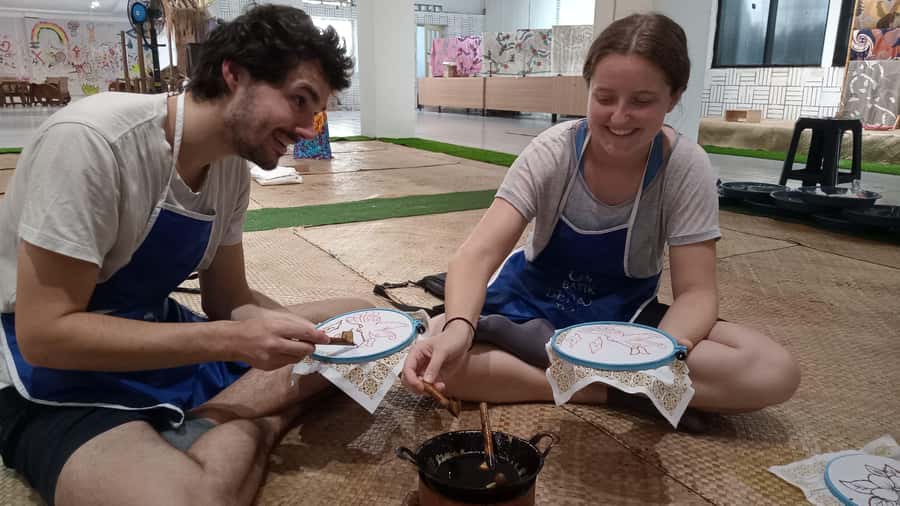
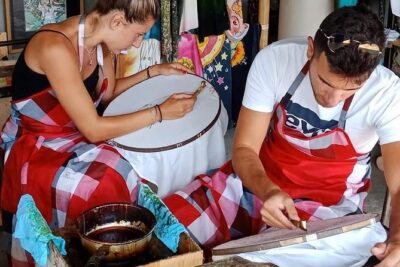
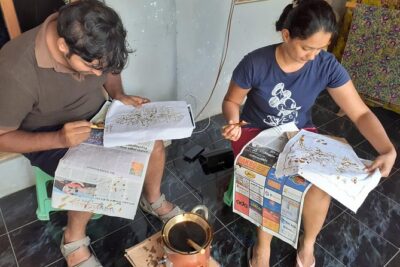
Wax lines, then your own design. That is the fun of this hands-on batik class in Yogyakarta, where you sketch, apply hot wax, and color with an English-speaking instructor. You are not just watching either, you work step by step alongside experienced batik practitioners, including guides like Ridwan and Prakash.
I especially like how the class gives you a real workflow, pencil drawing first, then wax application with the canting, then the color stages. I also like that your final piece is yours to take home, and you even get a batik museum visit as part of the package.
One thing to keep in mind: batik is picky about small details. If you do not get enough wax coverage, or if you miss the timing of later steps like the background and the boiling stage, your design can take longer to fix than it should.
In This Review
- Key highlights to know before you go
- Batik in Yogyakarta, where craft meets real instruction
- The full batik process: sketch to canting wax to color
- The wax removal and the part many first-timers forget
- Your museum visit, and what to actually look for
- Time and pacing: a 2 hour workshop with real stages
- What you get: cloth size, tools, teacher, and take-home value
- English instruction that helps you stay confident
- Where it happens and how to get there from central Yogyakarta
- Price and value: why $36 feels fair for real craft
- Who should book this batik class, and who might not love it
- Tips to make your batik session smoother
- Should you book this batik making class in Yogyakarta?
- FAQ
- How long is the batik making class in Yogyakarta?
- What is included in the class price?
- Do I get to take my batik home?
- Is the instructor fluent in English?
- Is hotel pick up available?
- Is this experience wheelchair accessible?
Key highlights to know before you go
- You design first, drawing your own batik pattern on the cloth with a pencil
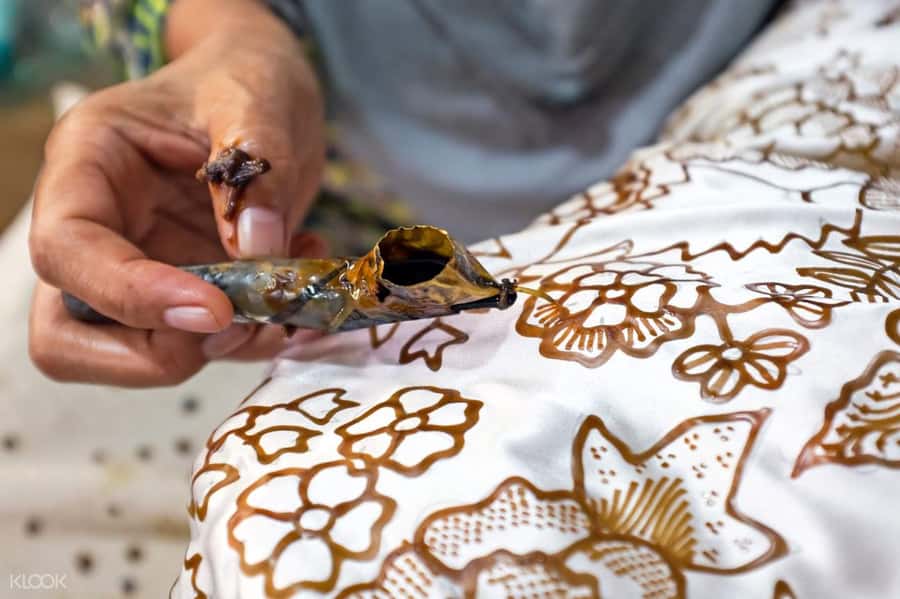
- You use the canting, applying heated wax with a small stove and tool
- Wax-resist magic happens as you move from wax lines to coloring, then the wax removal step
- A batik museum visit adds context so your pattern choices make more sense
- Guides Ridwan and Prakash show clear, kind step-by-step help for beginners
- A take-home result: the finished 25×25 cm cotton cloth is yours
Batik in Yogyakarta, where craft meets real instruction
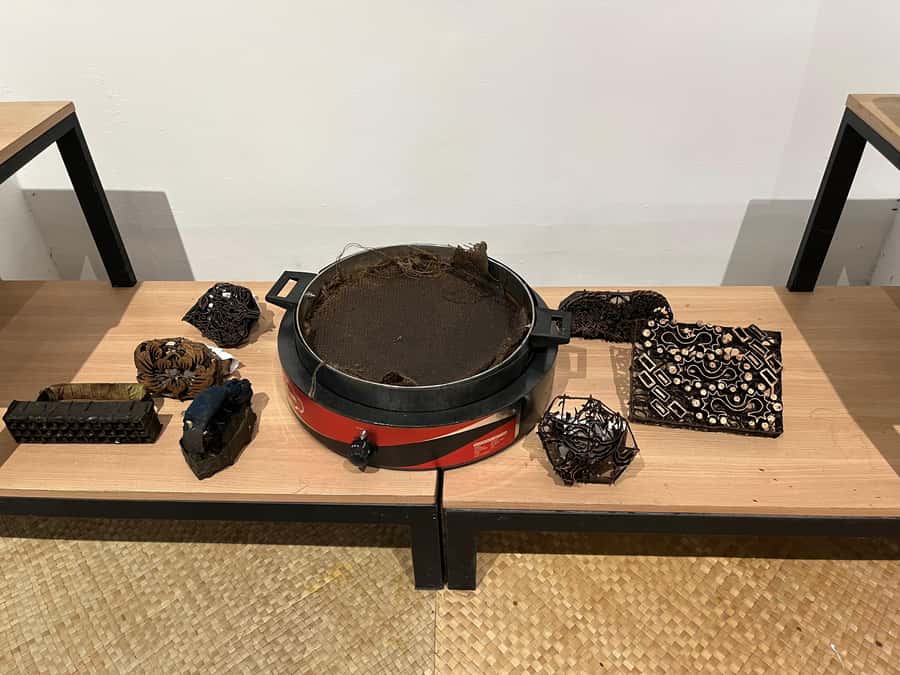
Yogyakarta is one of the best places in Indonesia to learn batik, because the craft is not stuck behind glass. In this class, you get guided instruction that starts at the basics, then moves into the real mechanics of making wax-resist fabric.
You will spend the main time in a batik shop setting, which matters more than it sounds. It is easier to ask questions when you are surrounded by the tools and materials, instead of being far away in a generic classroom.
More Craft Workshops in Yogyakarta
- Yogyakarta: 2-hour Batik Making Course with Souvenir
★ 4.9 · 304 reviews - Batik Master Class with Full Process
★ 5.0 · 103 reviews - Yogyakarta: Batik Painting Workshop
★ 4.9 · 72 reviews
The full batik process: sketch to canting wax to color
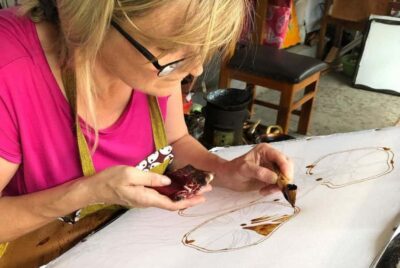
The heart of the experience is the manual drawing technique. You begin by creating your own design on the cloth with a pencil, so you are not dependent on a preset template. This is a big deal for beginners, because it gives you confidence early, even before any wax hits the fabric.
Next comes the wax stage. You heat the wax on a small stove, then apply it to the cloth using a tool called a canting. The wax is the barrier that later keeps your lines and shapes intact, so it is worth going slowly and paying attention to coverage.
Then you move into coloring. The workshop teaches how to color over your wax lines so the design shows up clearly. You end up with that classic look where wax-protected areas stay lighter, and colored areas take on the dye.
The wax removal and the part many first-timers forget
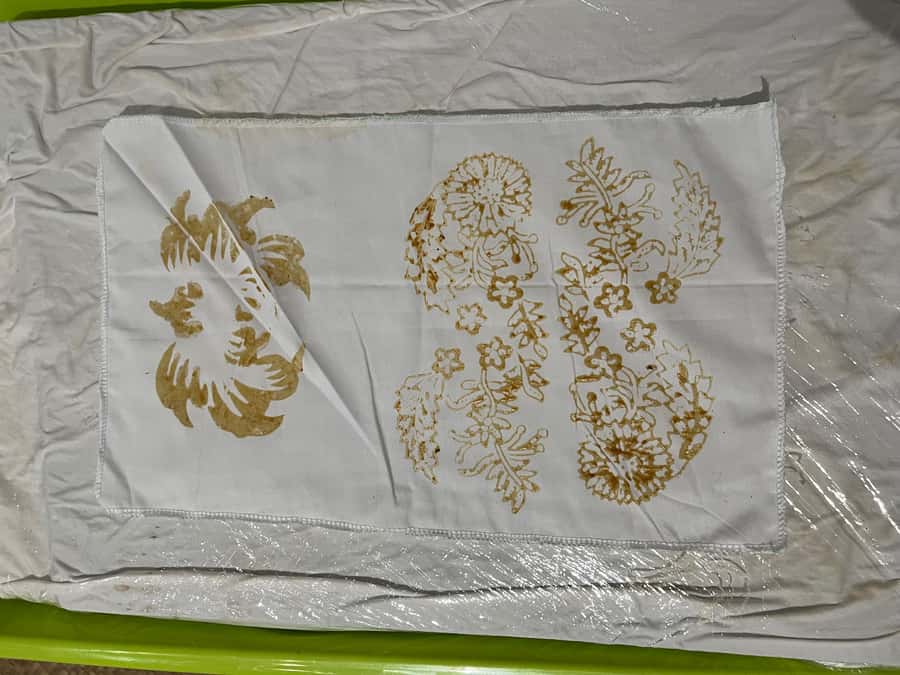
A key step is boiling, where the wax disappears and your white lines appear where the wax protected the cloth. One participant specifically noted that they were not told ahead of time that the wax would vanish during boiling, leaving the design’s light areas visible afterward.
This is the moment where it clicks for a lot of people. Your pattern stops being just lines you drew and becomes an actual finished batik effect.
Also, do not be surprised if you are guided to add a background tone at the end. A first-timer found that their cloth needed extra background painting to look balanced. If you are new, I suggest asking early, before you start coloring, what final touches your instructor expects for your design.
Your museum visit, and what to actually look for
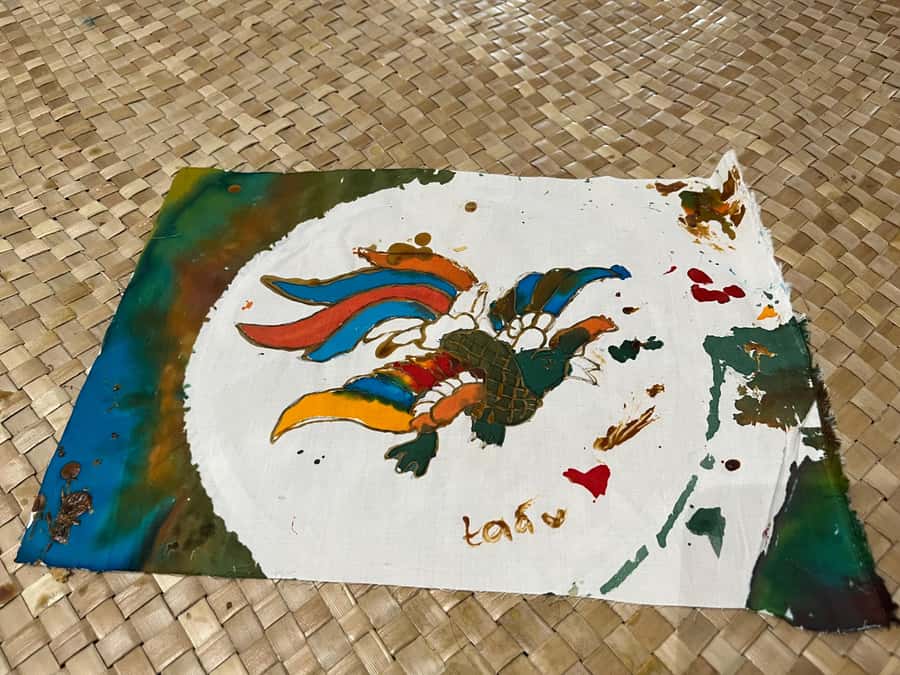
This experience includes a batik museum visit, which is not just a time filler. It helps you understand why certain patterns and styles are treated as meaningful, and it gives you ideas for your own design choices before the workshop finishes.
When you are in a museum setting, focus on two things: how patterns repeat, and how batik designs use contrast. Even if you do not know the names of every motif, you start to notice how artisans think about balance and detail.
Then, when you return to your cloth, you will find your pencil sketch makes more sense. You are not only copying a look, you are making decisions based on what you just saw.
Another side of Indonesia:
- Yogyakarta: Borobudur sunrise(guarantee climb up)& Prambanan
★ 4.9 · 1,545 reviews - Yogyakarta: Borobudur ClimbUp (sunrise option) & Prambanan
★ 4.9 · 1,260 reviews - Yogyakarta: Borobudur Climb-up and Prambanan Guide Tour
★ 4.9 · 1,031 reviews - Borobudur Sunrise from setumbu Hill , Merapi Volcano & Prambanan Full Day Tour
★ 5.0 · 1,030 reviews
Time and pacing: a 2 hour workshop with real stages
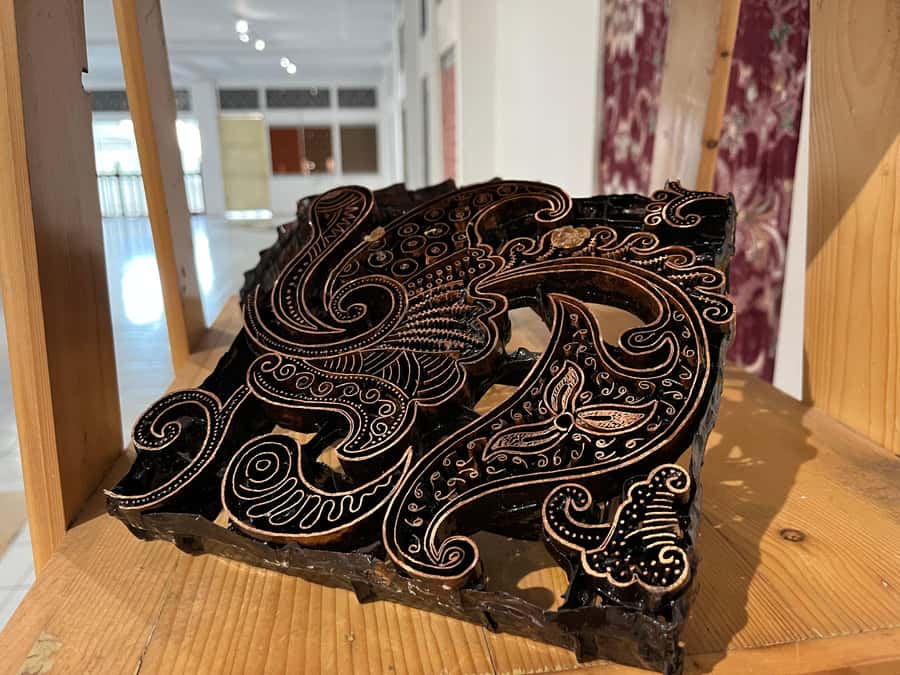
The class is listed as about 2 hours, and you may see small variations depending on the package you choose. Either way, you should expect a structured flow, because batik is a sequence craft, not a one-step activity.
The best part for many beginners is that the instruction is step by step. People reported not feeling rushed, even when they took time with each part of the process.
Still, there is a practical consideration. Batik can take longer when you are careful, especially in the wax application stage. If you want lots of fine detail, plan to slow down, because small mistakes or incomplete wax coverage can force you to redo part of the work.
What you get: cloth size, tools, teacher, and take-home value
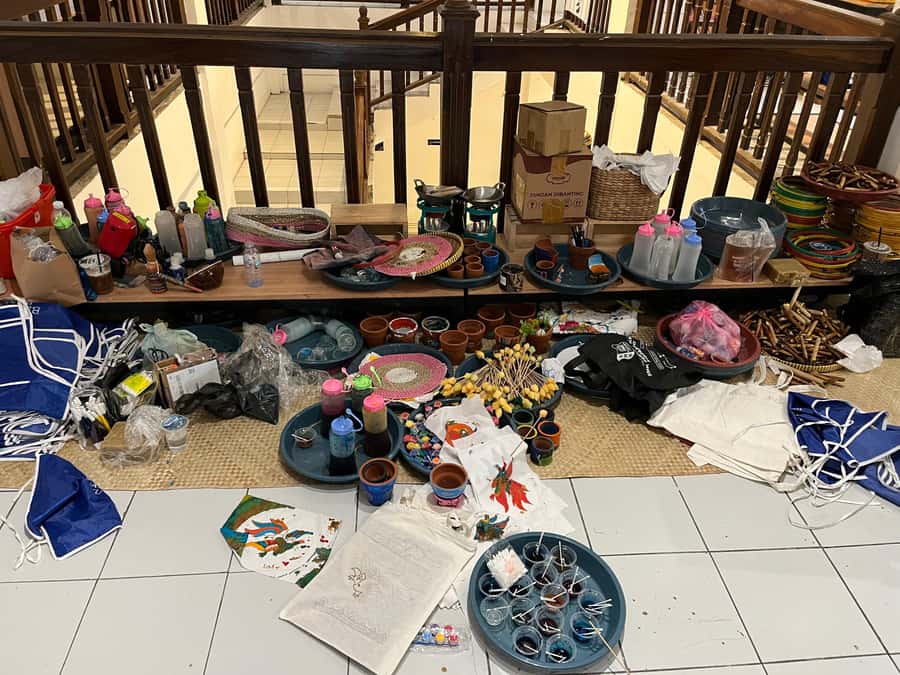
You get a specific canvas to work with: 25×25 cm cotton cloth (for the included workshop package). That size is big enough to feel satisfying, yet small enough to fit into a short class without turning it into a multi-day project.
Tools and materials are provided, so you are not showing up wondering what a canting looks like or where to find supplies. You also get a batik introduction and an experienced batik teacher, so the learning is more than just trial and error.
Most importantly, the finished result belongs to you. That is what makes this class feel worth it, because you leave with something you made, not a souvenir that is just stamped onto a printed product.
English instruction that helps you stay confident
The instructor is listed as English speaking. That matters because batik technique is full of small terms and small actions, like how to hold the canting, how wax behaves, and what to do next when you move into dye.
In reviews, people praised guides like Ridwan and Prakash for being charismatic, kind, and very helpful through the dying process from start to finish. When the teaching is clear, it reduces the stress of being in a craft space where you do not want to mess up.
If you are a true beginner, this kind of guidance is the difference between a fun activity and a frustrating one.
Where it happens and how to get there from central Yogyakarta
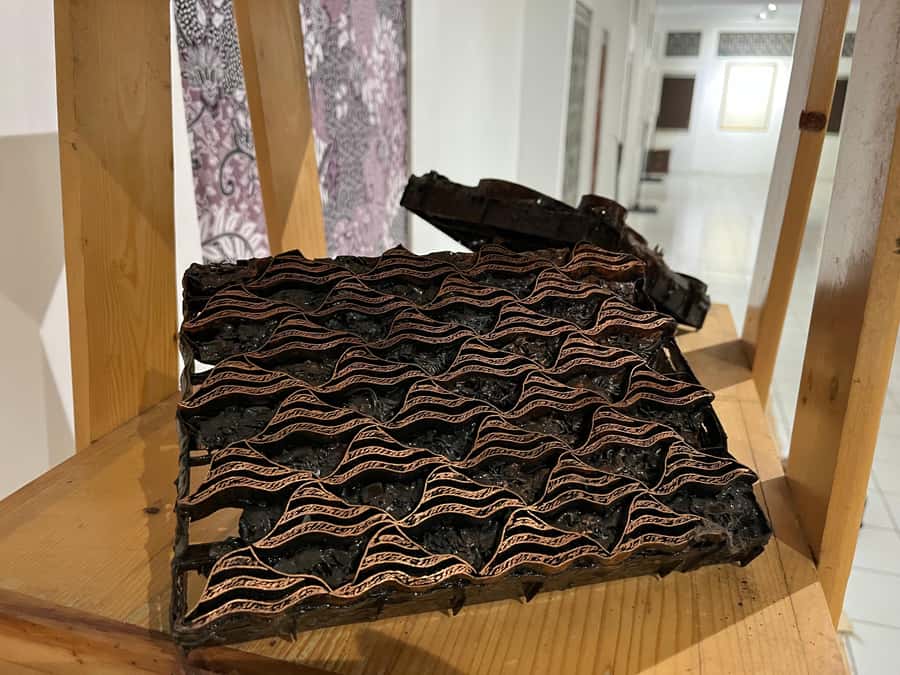
The meeting point is near the city center of Yogyakarta. If you like flexibility, you can go by yourself via taxi.
There is also hotel pick up and drop off, but it costs extra: IDR 200k within the Yogyakarta area. If you are staying central, going by taxi can be simpler, but pickup is nice if you are juggling heat, time, or luggage.
One more practical note: you will be told the batik painting venue one day before the activity. Make sure you check your email or WhatsApp so you show up at the correct place.
Price and value: why $36 feels fair for real craft
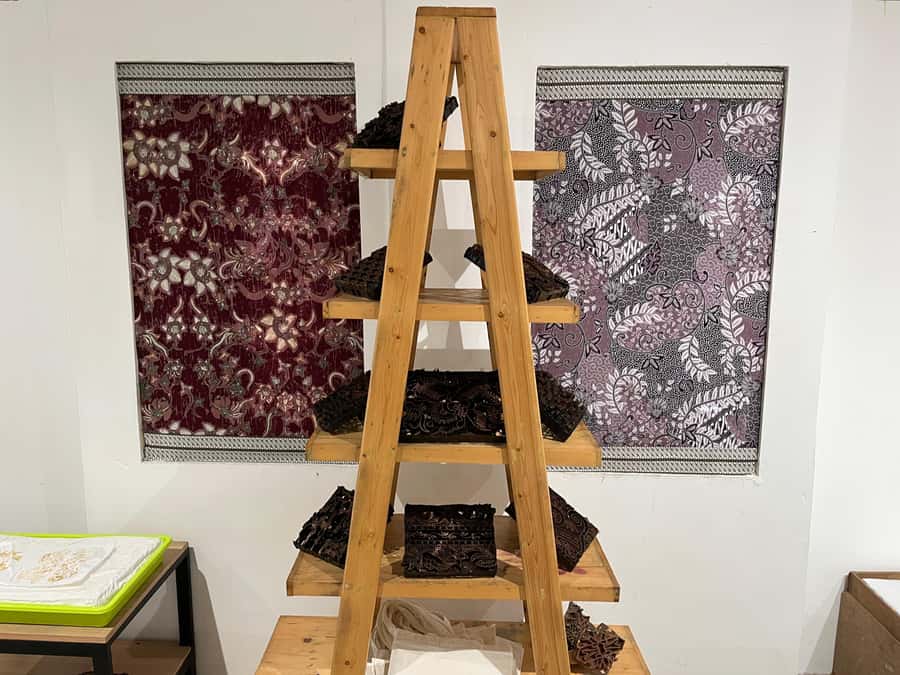
At $36 per person, this is not a bargain class, but it is also not overpriced for what you get. You are paying for instruction by experienced practitioners, guided technique practice, tools and materials, plus a batik museum visit, and a finished cotton piece you keep.
A lot of short workshops have you copy a pattern with minimal guidance. Here, the design part matters, you draw your own motif first, then you learn the wax-resist process rather than just watching someone else do it.
If you price it against a typical museum ticket plus an art workshop elsewhere, the value starts to make sense. You are combining cultural context with a hands-on craft outcome.
Who should book this batik class, and who might not love it
You should book if you want a creative, practical cultural activity in Yogyakarta. It suits beginners, especially if you like doing something with your hands and you value step-by-step teaching.
It is also a good fit if you want a gift you can genuinely explain. A hand-made batik cloth carries a story, not just a design.
You might hesitate if you prefer ultra-fast activities or if you feel uncomfortable asking questions in the moment. Batik rewards attention. If you want maximum detail, be ready to slow down slightly during wax work.
Tips to make your batik session smoother
Bring snacks and water. It is a small detail, but it keeps you comfortable while you focus on technique.
Ask your instructor what your cloth needs at the end. Based on real first-time experiences, some steps like background painting and understanding what happens during boiling can affect how your final result looks.
When you apply wax, go for consistent coverage. Incomplete wax can create weak lines that do not hold up as well through the dye stages.
Should you book this batik making class in Yogyakarta?
Yes, you should book if you want an authentic batik experience with real instruction and a take-home result. The strongest reason is the combination of a guided sketch-to-wax-to-color process, plus the museum visit that gives your pattern choices meaning.
The main reason to hesitate is timing and technique sensitivity. If you hate careful work or you cannot focus for a couple of hours, the process may feel technical. But if you are willing to slow down and ask questions when needed, this class is the kind of Yogyakarta activity that leaves you with both a skill and a finished cloth.
FAQ
How long is the batik making class in Yogyakarta?
The duration is about 2 hours. Depending on the package you take, it can run a bit longer.
What is included in the class price?
It includes a batik introduction, a batik museum visit, a batik painting workshop, tools and materials, and an experienced batik teacher.
Do I get to take my batik home?
Yes. The results of the batik class belong to you, and you keep the finished cotton piece from the workshop.
Is the instructor fluent in English?
The class instructor is listed as English speaking.
Is hotel pick up available?
Hotel pick up and drop off are available for an additional charge of IDR 200k within the Yogyakarta area. Otherwise, you can go by yourself using a taxi.
Is this experience wheelchair accessible?
Yes, it is listed as wheelchair accessible.
Just added around Yogyakarta
- Sunset at Prambanan & Ramayana Ballet (Ticket Guaranteed)★ 4.5 · 10 reviews
- Sunrise Setumbu, Borobudur structure climbing and Prambanan★ 4.7 · 4 reviews
- Sultan Palace, Water Castle & Prambanan Temple Guided Tour★ 4.6 · 4 reviews
- Yogyakarta: Jurang Tembelan, Pine Forest, and Timang Beach★ 4.5 · 20 reviews
- Prambanan Sunset (and Ramayana Ballet Option) Tour★ 3.3 · 8 reviews
- Yogyakarta: Prambanan Temple Morning Tour and Palace Tour★ 5.0 · 4 reviews
- Yogyakarta: Ramayana Show with Transfer, Entry Fee & Dinner★ 4.6 · 20 reviews
- Prambanan Temple Afternoon Tour★ 4.9 · 48 reviews
Batik & Craft Workshops, compared.
Exclusive Tetebatu: Waterfall, Rice Fields, Monkey & Weaving
Read our review →Browse the lists this tour appears in