
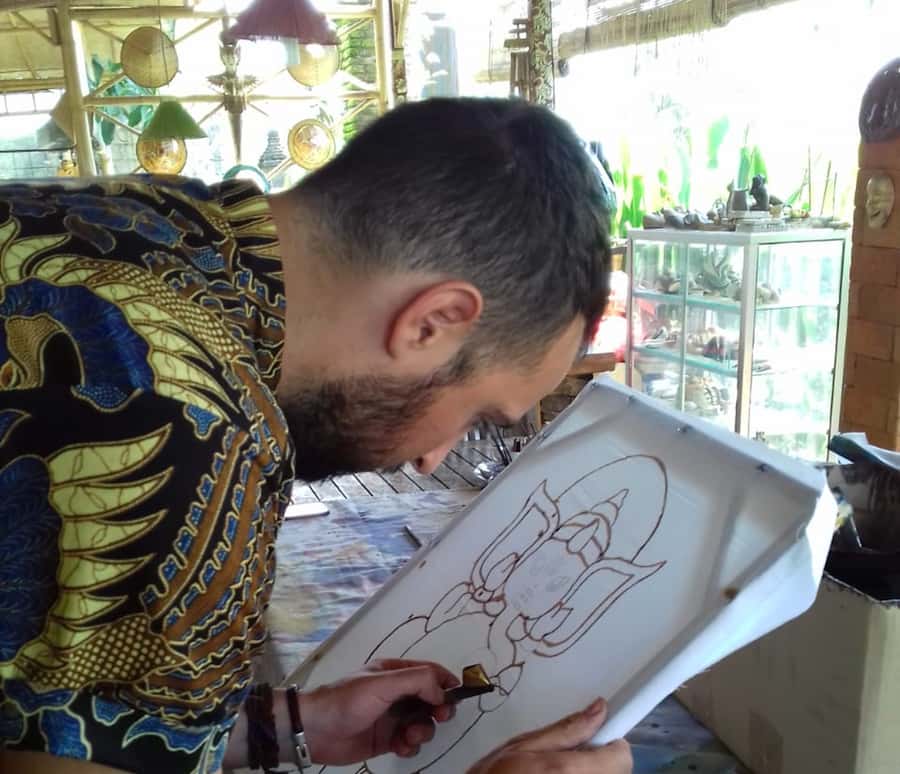
REVIEW · BATIK & CRAFT WORKSHOPS
Ubud: 3-Hour Batik Making Class
Hot wax, quiet focus, and your own batik art. This Ubud batik making class turns a traditional dyeing technique into an easy, hands-on afternoon where you actually make the pattern. Two things I really like: the small group feel, and the way the teacher guides you step by step with room to create your own design.
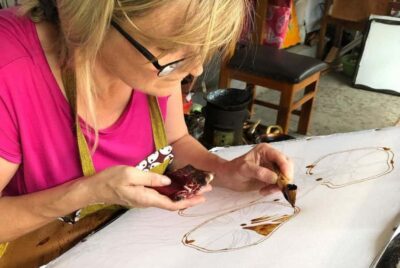
You start with hot wax on a stenciled fabric, then you add color like a real batik process, not a rushed craft demo. The materials and tools are provided, so you can spend your attention on the craft, not figuring out supplies. One drawback to consider: the technique needs patience, so if you hate waiting for steps like drying, you may feel a little slow.
In This Review
- Key Things I’d Prioritize Here
- Batik in Ubud: What You’re Really Doing in This 3-Hour Class
- What You’ll Take Home (And Why It Matters)
- Inside the Process: Stencil, Wax, Color, Repeat
- 1) Start with a stenciled design and fabric prep
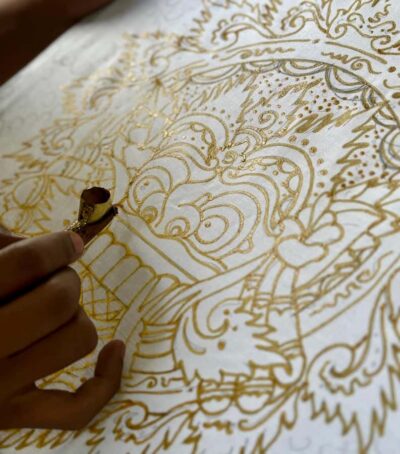
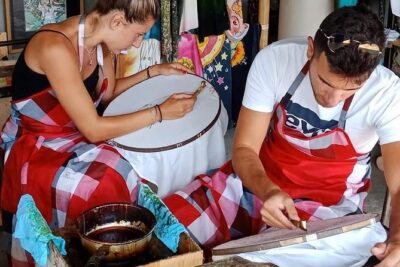
- 2) Apply hot wax carefully
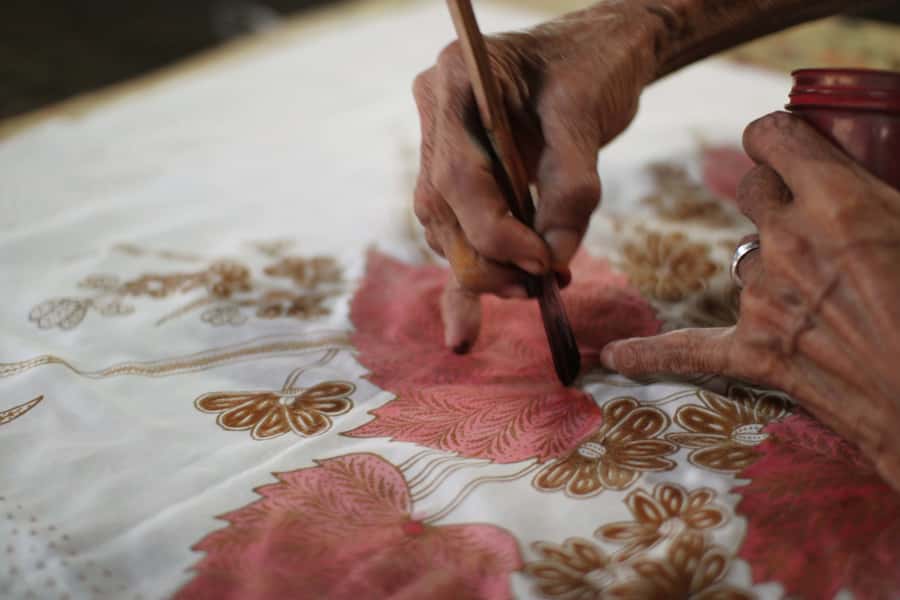
- 3) Add organic dye to bring the pattern to life
- 4) Work at the pace needed for drying and finishing
- Teachers, Guidance Style, and the Pattern Meaning You Actually Remember
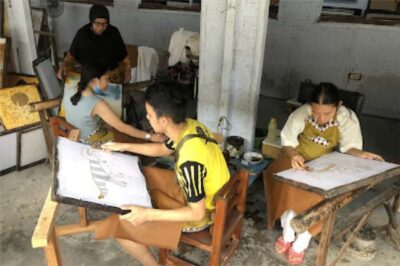
- The Studio Feel: Calm, Local, and Surprisingly Fun
- Snacks, Coffee, and Why Small Comforts Change Everything
- Price and Value: Is $23 a Good Deal for Batik?
- Getting to WS Art Studio Without Losing Your Afternoon
- Tips That Help You Get Cleaner Lines and Better Results
- Bring a design idea, even a rough one
- Don’t fight perfection. Aim for steady lines
- Know that the process can take longer than the clock
- Wear like you’re doing a real hands-on craft
- Who Should Book This Ubud Batik Class (And Who Might Skip It)
- Should You Book WS Art Studio’s Batik Class?
- FAQ
- How long is the batik making class?
- Where is the meeting point in Ubud?
- How much does the class cost?
- What’s included in the price?
- What language is the instruction in?
- Is alcohol included?
- How big is the group?
- Is the studio wheelchair accessible?
- Do I need to have art experience?
- What should I plan for transportation?
Key Things I’d Prioritize Here
- Hot wax + dye work in 3 hours, with guidance for each step
- Small group limit of 8, so you get real help instead of crowd management
- A calm, family-run studio setting, away from the main road noise
- Organic dyes and traditional wax technique, not just coloring on cloth
- Mindful pace and patient teaching, with instructors like Wah Agung and Ayu noted for kindness
Batik in Ubud: What You’re Really Doing in This 3-Hour Class
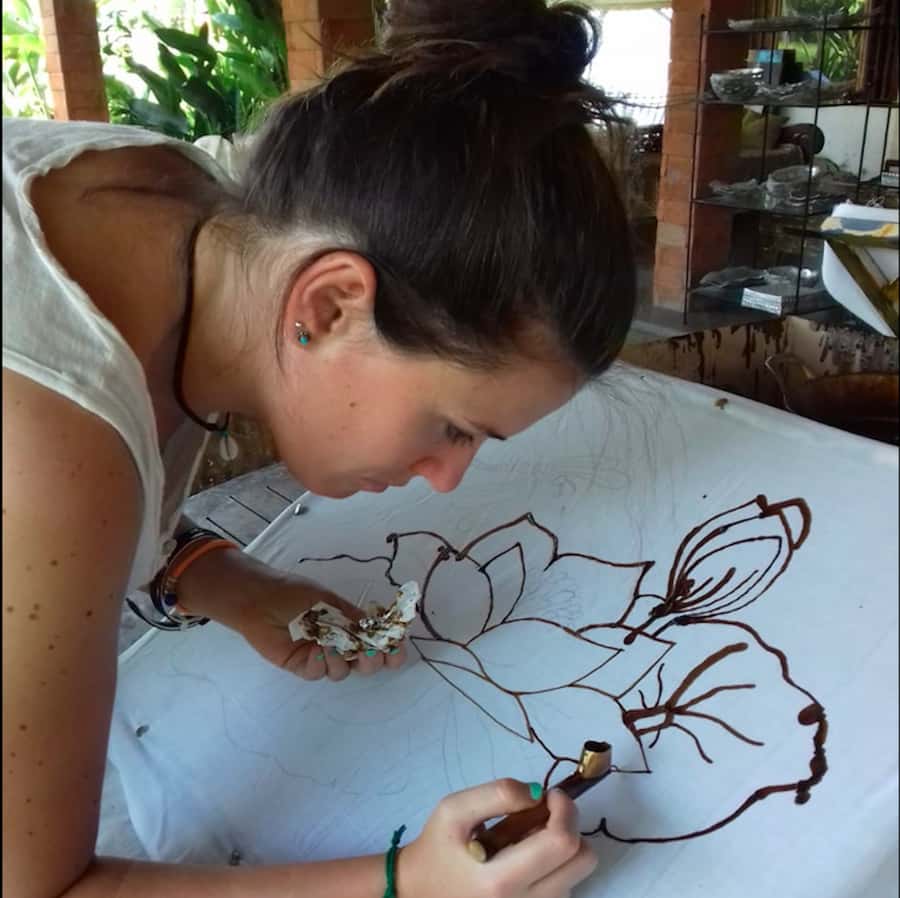
Batik sounds like one of those Bali activities you either love instantly or you skip. This version works because it keeps the craft practical. You are not just tracing a souvenir. You’re using the core batik logic: wax blocks the dye, and the order of steps creates the design.
In plain terms, you will build your pattern with hot wax, then you apply color over the cloth. The waxed areas resist the dye, so when the process is finished, the pattern reads as crisp shapes and lines rather than random brush marks. I like that the class also explains the why behind common motifs, not just the how.
More Craft workshops in Bali:
- Yogyakarta: 2-hour Batik Making Course with Souvenir
★ 4.9 · 304 reviews - 3 Hours Batik Making Classes in Ubud
★ 5.0 · 203 reviews - Crafting Heritage Batik Painting Workshops
★ 5.0 · 164 reviews
What You’ll Take Home (And Why It Matters)
Your final product is a finished batik work you can take home. That matters because batik is one of those crafts where the value is in the result, not the photo. The studio issues a class certificate too, which is a nice little extra for people who like proof of craft credits (and for framing).
This is also the kind of souvenir that lasts. A “colored-in” postcard doesn’t compete with cloth art that took real technique. Even if your design is simple, you still get the authentic batik look, because the wax and dye do the heavy lifting.
Inside the Process: Stencil, Wax, Color, Repeat
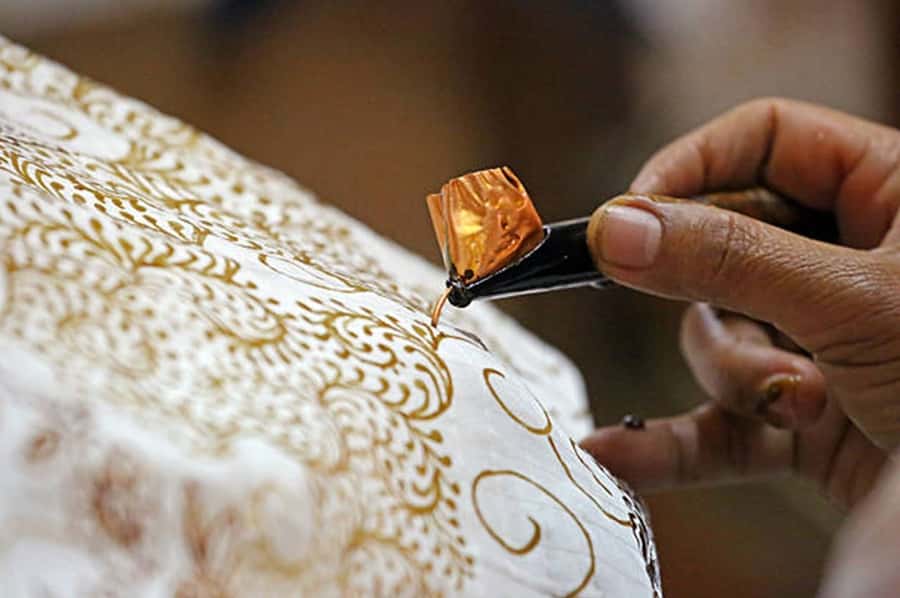
Here’s the flow you should expect, with what it means for your experience.
1) Start with a stenciled design and fabric prep
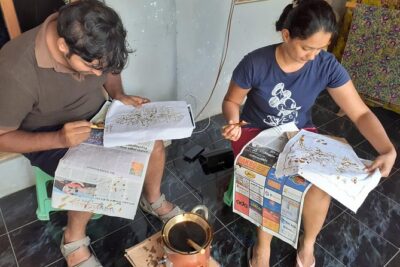
The class begins with applying hot wax to a fabric canvas with a stenciled design. For beginners, templates are a big help. Many people prefer tracing rather than freehand, at least at first, because batik lines need to be consistent to look clean.
If you want to add your own style, you can. Some classes include templates you can trace, and support if you’d rather draw something else. Either way, you’ll have a clear starting plan.
A few more Bali trips to compare
- Bali: Sunrise Mount Batur Guided Hike with Breakfast
★ 4.8 · 9,660 reviews - Bali: Mount Batur Sunrise Guided Hike and Natural Hot Spring
★ 4.8 · 9,284 reviews - Bali: Full-Day Instagram Highlights Tour
★ 4.8 · 7,817 reviews - Bali/Nusa Penida: East & West Highlights Full-Day Tour
★ 4.7 · 6,263 reviews
2) Apply hot wax carefully
This is the signature step. Hot wax is piped onto the fabric where you want the pattern to stay lighter. If the wax is applied too thinly, you can get color bleed, which is frustrating when you were trying to keep lines crisp. The good news is the teachers focus on getting you through it without stress.
This is where the calm vibe matters. People like how the instructor stays patient, explains each step, and does not bully you into rushing. In a craft with heat and precise lines, that kind of pace is not just nice. It’s useful.
3) Add organic dye to bring the pattern to life
Once the wax is on, you apply colors to the patterned fabric. The class uses organic dyes, and you work with vibrant color options within the time limits of a 3-hour session.
If you’re worried about color planning, don’t overthink it. You’re learning a method. The goal is a piece you feel good about, not a museum-level reproduction.
4) Work at the pace needed for drying and finishing
The class is listed as 3 hours, but the real process can run longer if everyone needs time to finish comfortably. Several people noted that the teacher did not pressure them to move on faster than they were ready.
If you do well with slow craft tasks, you’ll love this. If you like constant movement and nonstop sightseeing, treat this as your “creative reset” time in Ubud.
Teachers, Guidance Style, and the Pattern Meaning You Actually Remember
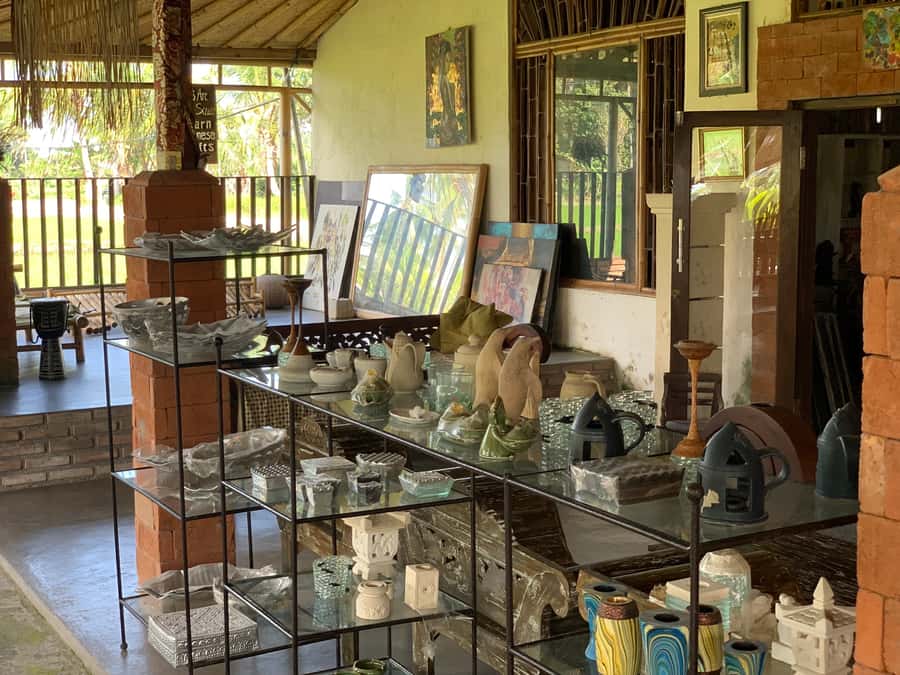
The most repeated compliment is about the instruction style: patient, gentle, and encouraging. You’ll often get a demonstration at each step, then space to work on your own piece.
Names that come up include Wah Agung, Ayu, and Wa. People mention teachers being funny in a light way, but also focused on helping you get a result you’re happy with. That mix matters, especially if you worry you are not “an arts person.”
You will also learn a bit of the philosophy behind common batik patterns. This is not just trivia. Motifs and symbols have cultural meanings, and understanding that helps you choose a design with more intention. Even if your final pattern is not perfect, you’ll feel the craft connects to a bigger tradition.
The Studio Feel: Calm, Local, and Surprisingly Fun
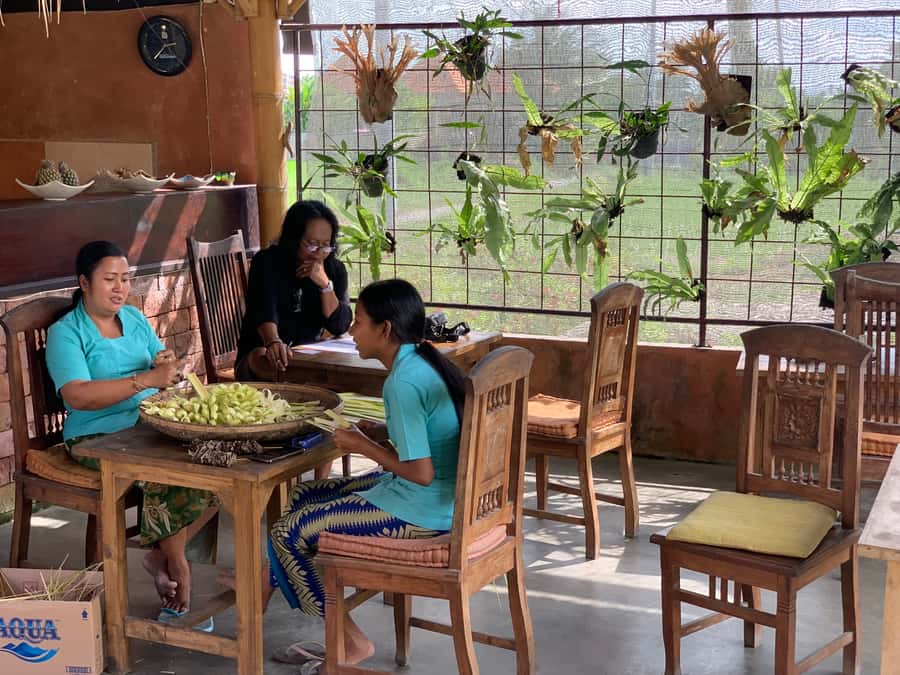
WS Art Studio is described as a nice, calm place, and it helps you concentrate. The location is tucked away off the main road, which is a blessing if your Ubud days already include traffic and crowds.
One extra detail that makes the experience memorable: there are animals around. People mention cats and dogs at the studio, including a cat named Echa and dogs referred to as Pull and Bear. It’s not a zoo visit. It’s just a lived-in studio vibe that turns waiting for steps into something pleasant.
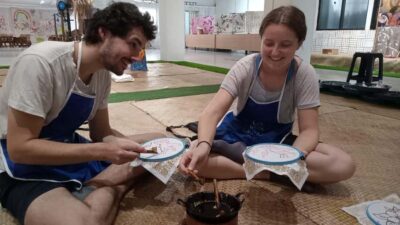
Also, the class is small, limited to 8 participants. That changes everything. You don’t get ignored while others get help. You can ask questions, get a quick fix, and return to your own cloth.
Snacks, Coffee, and Why Small Comforts Change Everything
This class includes snacks, coffee, tea, and water. The snack menu is Balinese fried pineapple and fried banana with palm sugar. It’s the kind of food that makes sense during a craft session, sweet, warm, and not heavy.
Alcohol is not included, though it may be available to purchase. If you’re the type who wants to drink while creating, you should know that the plan is built around a clear-headed, calm craft experience.
Also, you get a break where you can reset between steps. When your brain is learning a heat-and-wax technique, small pauses help you focus better.
Price and Value: Is $23 a Good Deal for Batik?
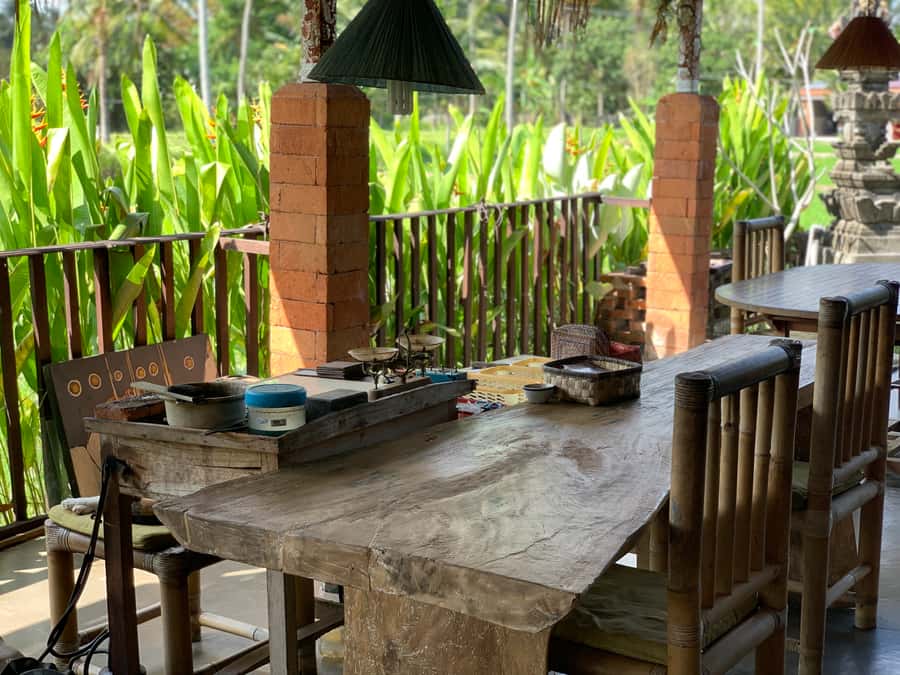
At $23 per person for a 3-hour class, this is strong value in Ubud. The key is what’s included, not just the price tag. You get all tools and materials, snack food, coffee or tea, water, instruction in English, and a class certificate.
What you’re paying for is time with guidance plus a real process. Batik takes steps that can’t be faked. If you’ve done craft experiences where the “instruction” is basically a talk and a blank canvas, you’ll notice the difference here. The wax work is hands-on, and teachers are there to support you through the tricky parts.
If you want a Bali souvenir that feels personal and learned, this is a good use of a half-day. For many people, it’s also cheaper than buying a finished batik piece you might not fully understand.
Getting to WS Art Studio Without Losing Your Afternoon
Your meeting point is WS ART STUDIO on Jl. Raya Silungan, Lodtunduh, Ubud. Plan your transport like you would for a local workshop, not like a big-ticket museum with constant ride options.
One practical note: there is no pickup option mentioned with this experience, so you should budget for transport if you don’t have your own driver. Some people also said the area is not super Uber-friendly, and that it’s about a 30-minute drive south of Ubud depending on traffic.
If you’re staying in central Ubud, leave early enough to avoid arriving flustered. This is a class where your best work comes when you’re relaxed.
Tips That Help You Get Cleaner Lines and Better Results
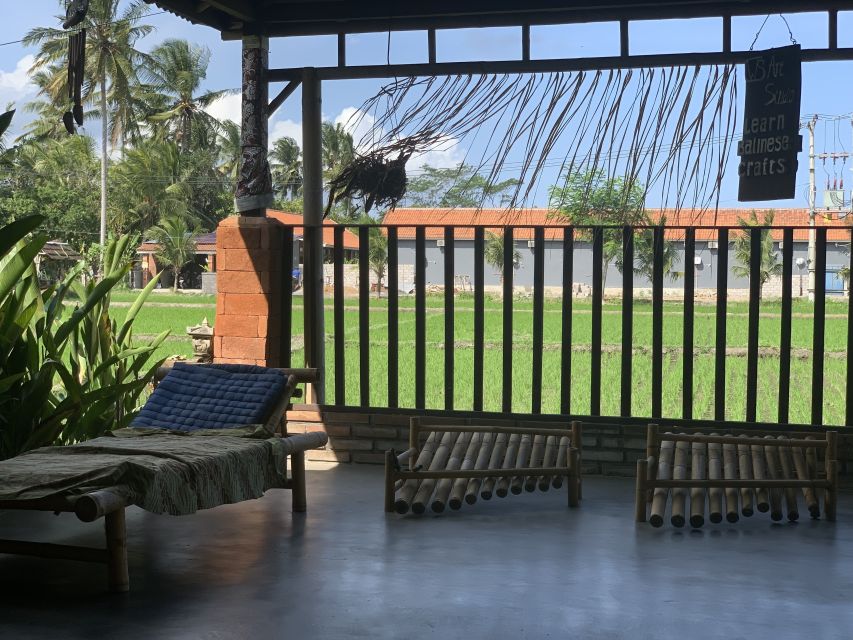
Batik is forgiving in the emotional sense, but it rewards a few practical habits. Here are tips based on common moments people described needing help with.
Bring a design idea, even a rough one
If you show up with no plan, it becomes harder to decide where to place wax. Many people recommend having at least a rough idea, then adapting it once the teacher shows how your wax lines behave.
You can use templates, trace, or ask for drawing support if you want to add your own style.
Don’t fight perfection. Aim for steady lines
If you get stressed about making it perfect, wax can punish that stress. Some people noted that bumps on the table made freehand lines harder, so if you’re drawing without templates, ask for a stable working setup if needed.
Also, keep wax application consistent. If you notice wax behaving differently than you expected, slow down and adjust your pace. The teacher should be able to guide you.
Know that the process can take longer than the clock
The class is 3 hours, but the craft steps can run longer when the teacher makes sure everyone is satisfied. If you have dinner plans with a tight reservation time, plan for a bit of buffer.
Wear like you’re doing a real hands-on craft
This is a wax and dye workshop. Dress for getting a little messy and comfortably warm. The materials are provided, but your clothing still needs to handle the work style.
Who Should Book This Ubud Batik Class (And Who Might Skip It)
Book it if you want a creative activity that is genuinely hands-on. This class fits couples, solo travelers, and families. People also mentioned it works for both adults and children, with encouragement and step-by-step pacing.
It’s especially good if you like:
- learning a traditional technique with real steps
- working in a calm setting with patient guidance
- taking home a meaningful textile piece
You might skip it if you strongly dislike careful, heat-based craftwork. The wax step takes focus, and waiting for dye and drying can feel slow compared to sightseeing.
Should You Book WS Art Studio’s Batik Class?
If you’re in Ubud and you want one activity that feels local, creative, and low-stress, I’d book it. The small group size, the included materials, and the patient instruction style are the deciding factors. At $23, you’re not buying a generic craft. You’re learning a technique and leaving with a take-home batik panel that actually looks like batik.
Do it when you have a little mental room. Show up with a rough design idea, give yourself time for drying, and let the teacher help. If you do that, you’ll come away with more than a souvenir. You’ll come away knowing how the pattern is made, why wax matters, and how to get your own look in the process.
FAQ
How long is the batik making class?
The class duration is 3 hours. Some people noted the process may take a bit longer depending on how the steps go.
Where is the meeting point in Ubud?
The meeting point is WS ART STUDIO, Jl. Raya Silungan, Lodtunduh, Ubud.
How much does the class cost?
The price is $23 per person.
What’s included in the price?
All tools and materials are included, along with snacks (Balinese fried pineapple and fried banana with palm sugar), coffee, tea, and water. You also receive a class certificate.
What language is the instruction in?
The instructor teaches in English.
Is alcohol included?
Alcoholic beverages are not included, though they may be available to purchase.
How big is the group?
It is a small group limited to 8 participants.
Is the studio wheelchair accessible?
The experience is listed as wheelchair accessible.
Do I need to have art experience?
No. People mention it is beginner-friendly, with demonstrations and support. You can use templates or choose to draw your own design.
What should I plan for transportation?
There is a specific meeting point, and no pickup option is listed. You should plan transport to WS Art Studio, especially if you are not using a private driver.
Just added around Bali
- Bali: 3-Day Private Gili Islands Snorkel Tour with Hotel★ 4.2 · 44 reviews
- Bali: 2-Day Sunset and Sunrise Camping at Mt. Batur★ 4.6 · 124 reviews
- Private Full-Day Tour to the Real Bali Swing and Ubud★ 4.5 · 9 reviews
- Ubud: Rice Terrace, Holy Water Temple & Waterfalls Trek Tour★ 4.9 · 115 reviews
- Sanur Village E-bike Tour: Family-Friendly Adventure★ 4.6 · 85 reviews
- Sanur: Horse Riding at the Bali Beach 30 minute ride★ 4.6 · 8 reviews
- Private Sekumpul Waterfall Hiking Tour★ 4.9 · 116 reviews
- Nusa Penida and Nusa Lembongan Island Tour★ 4.7 · 24 reviews
Batik & Craft Workshops, compared.

Exclusive Tetebatu: Waterfall, Rice Fields, Monkey & Weaving
Read our review →Browse the lists this tour appears in