
REVIEW · BATIK & CRAFT WORKSHOPS
3 Hours Batik Making Classes in Ubud
Wax, dye, and calm focus in Ubud. At Five Arts Studio in Keliki, you learn batik wax-resist painting with real tools, real guidance, and a finished piece you can wear or hang.
I especially like the step-by-step coaching. English instruction from local artists like Dika and Ajus (and often others) keeps beginners moving without getting lost, even when the wax part feels tricky at first.
One thing to plan for: the studio sits up a flight of stairs. If you have walking or balance issues, go with a taxi and be ready for the climb.
In This Review
- Key takeaways before you go
- Finding Five Arts Studio in Keliki, and what the setting feels like
- The 3-hour batik flow, from tracing lines to dyeing
- 1) Pick your design template
- 2) Trace onto the cotton cloth
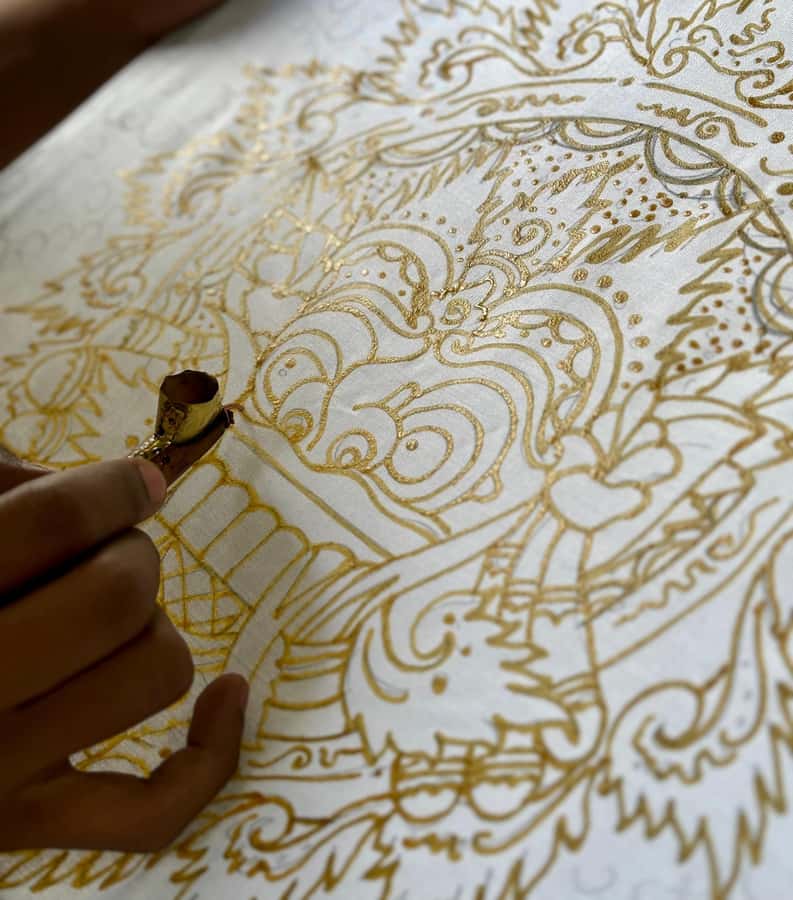
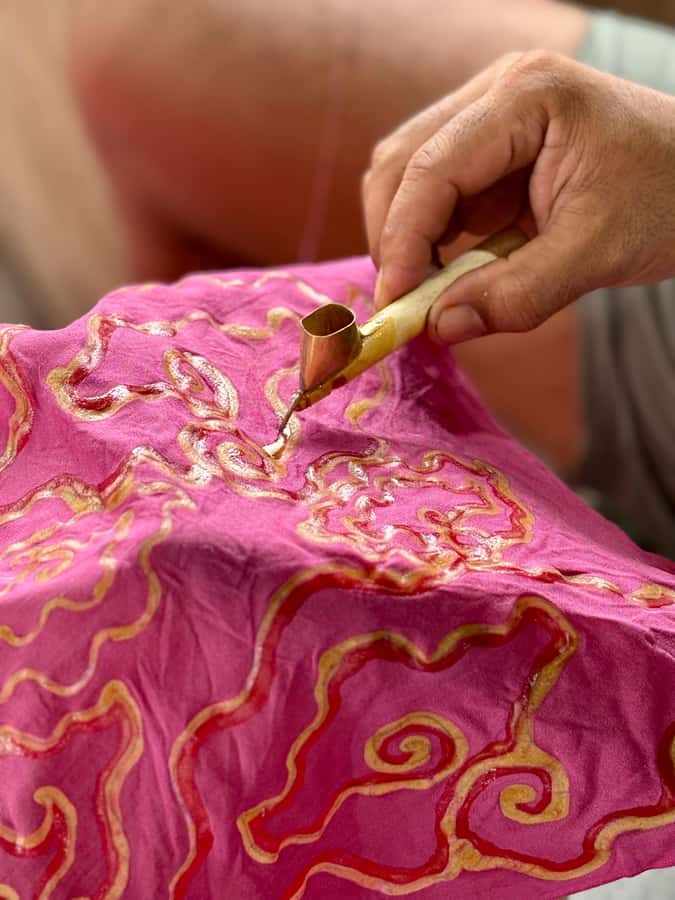
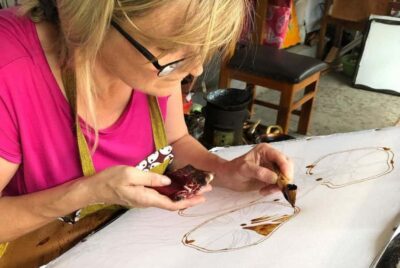
- 3) Apply hot wax with traditional tools
- 4) Paint with dyes over the wax
- 5) Drying or cooking step, then final attention to detail
- 6) Take your batik home
- What you actually learn, beyond making something pretty
- Why the wax-resist method matters
- How design support reduces the beginner stress
- Local, hands-on culture in a manageable time
- The people factor: instructors make or break a hands-on class
- Value and price: does $26 make sense for 3 hours?
- What to bring, and small practical tips that prevent problems
- Who this batik class is best for
- Should you book this batik class in Ubud?
- FAQ
- How long is the batik class?
- How much does it cost?
- What is included in the price?
- Do I need any prior experience?
- Is the class suitable for children?
- Where is the meeting point?
- What language is the instructor?
- What should I bring?
- Can I cancel for a refund?
Key takeaways before you go
- English-speaking instructors guide the whole process, including design help and coloring tips
- Wax-resist technique is the star, with hands-on time and patient support
- Open-air, rural studio feel with a relaxed pace, snacks, and a courtyard workspace
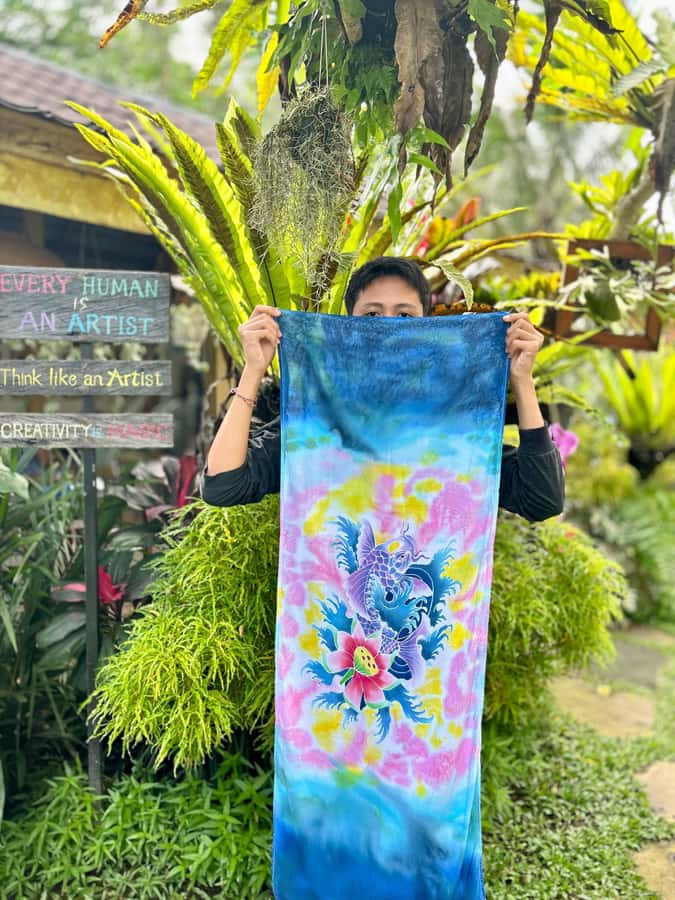
- Take-home results: you leave with your batik cloth, often sarong-sized
- Template-based design means you do not need to draw from scratch
- Plan a little extra time if you want your lines and colors extra polished
Finding Five Arts Studio in Keliki, and what the setting feels like
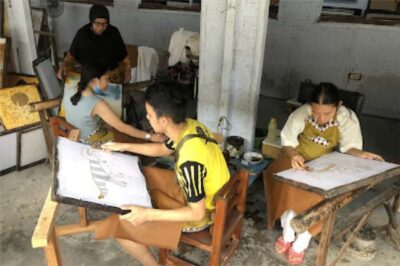
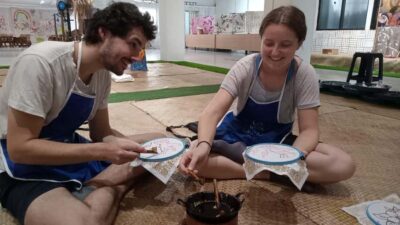
This class happens in Keliki, outside the main Ubud bustle. The studio is called Five Arts Studio. When you arrive, go upstairs when you see the front of the house. The workshop is about 50 meters back in the yard, so do not panic if it looks like you are still near a home at first.
What I like about this setup is that it feels practical, not staged. You are not herded through a factory-like production line. Instead, you work in a creative courtyard style space where you can actually hear yourself think, with a pace that feels friendly and unhurried.
Expect a welcome before you start. Included in your experience are a welcome drink (mineral water, tea, or coffee) plus Balinese snacks or cake. That small start matters, because batik is partly concentration. A sugary snack and something warm in your hand helps you settle in.
More Craft workshops in Ubud:
- Crafting Heritage Batik Painting Workshops
★ 5.0 · 164 reviews - Outskirts of Ubud, Gianyar: Pottery Class
★ 5.0 · 9 reviews - Yogyakarta: 2-hour Batik Making Course with Souvenir
★ 4.9 · 304 reviews
The 3-hour batik flow, from tracing lines to dyeing
The class is scheduled for 3 hours total, and that time is used in a thoughtful way. You do not just watch someone make a batik. You make one, step by step, with a guide hovering close enough to help when you need it.
Here is how the session typically plays out:
1) Pick your design template
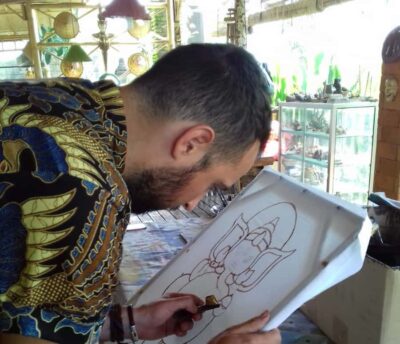
You start with line drawings. People say there are templates to choose from, so you do not need to create a design from scratch. Many participants feel calmer once they realize they are tracing a prepared pattern, not inventing batik motifs on the spot.
If you worry about drawing, this is a big win. The instructor support helps you get your layout right before wax ever touches your cloth. Some classes even encourage experimenting, like overlaying two template ideas into one look.
2) Trace onto the cotton cloth
Next, you trace your chosen design onto the cotton cloth you receive. This is where the class becomes truly hands-on. You are looking at your pattern, placing it where you want the composition, and preparing it for wax-resist work.
I like this part because it turns batik into a personal project quickly. Within minutes, you are no longer just learning. You are making decisions.
A few more Ubud trips to compare
- All-Inclusive Ubud Private Tour
★ 5.0 · 14,344 reviews - Best of Ubud Full-Day Tour with Jungle Swing
★ 5.0 · 8,571 reviews - Ubud: Monkey Forest, Jungle Swing, Rice Terrace, and Water Temple
★ 5.0 · 7,160 reviews - Ubud: Waterfalls, Water Temple & Rice Terraces Private Tour
★ 5.0 · 5,484 reviews
3) Apply hot wax with traditional tools
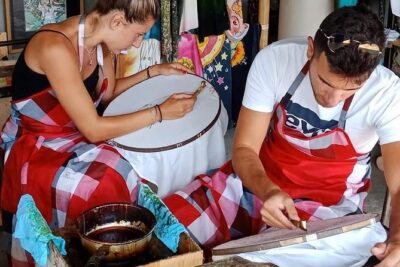
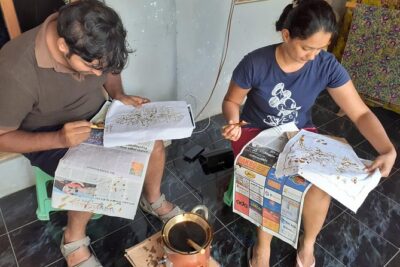
Then comes the wax. You will learn how to apply wax using the batik tools. The reviews consistently mention that the wax work can be tricky, but also oddly soothing once you get the hang of it. The technique is the whole point of batik because wax resists the dye.
The instructors help a lot here, including practical guidance on line thickness and where wax coverage needs to be stronger. If your first few lines look uneven, that is normal. The team corrects without making you feel silly.
4) Paint with dyes over the wax
After the wax pattern is set, you use color dyes over the cloth. This is where your design starts to appear as the wax blocks the dye and creates your pattern boundaries.
You are not stuck with only one color plan. Participants mention getting help with color choices, and that guidance can prevent the common beginner mistake of using colors that fight instead of blend.
5) Drying or cooking step, then final attention to detail
Batik is not always instant finish-and-go. Several participants mention that there is time spent drying or a short processing step where the piece is prepared so the design locks in. People often report something like 10 to 20 minutes for drying and preparation.
You may also be given extra time if you are running a bit behind or if you want to tidy up details. Some people specifically mention being allowed to stay a little longer to finish properly.
6) Take your batik home
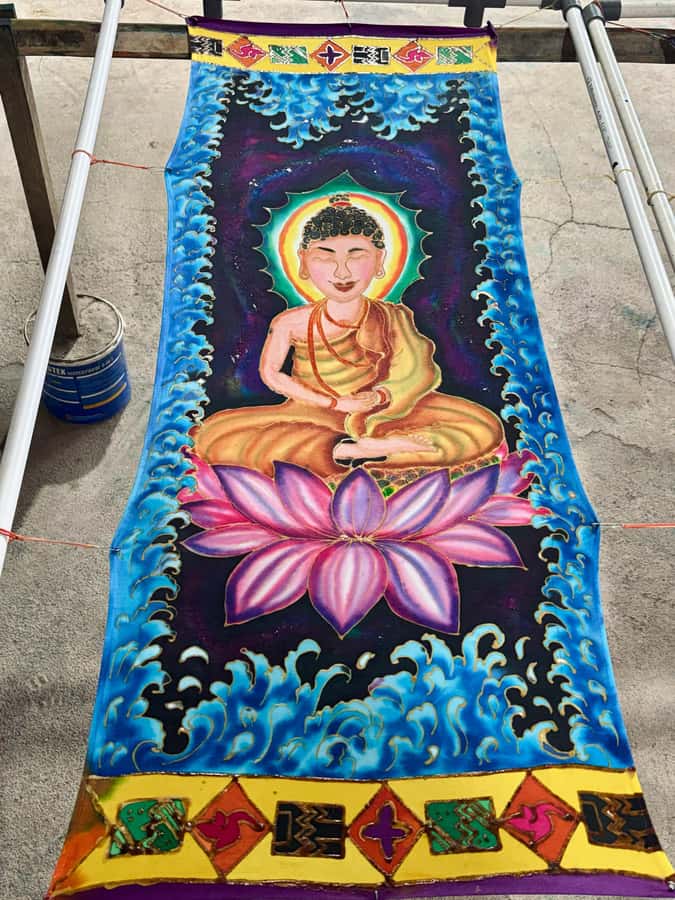
You finish by leaving with your personalized batik creation. Since you start with a cotton cloth, many people end up with a wearable piece like a sarong, while others plan to hang it as wall art.
One nice touch: if you have an early departure, the staff may help you with timing so your piece is ready. (Just ask directly if this is your situation.)
What you actually learn, beyond making something pretty

Batik can sound like a simple craft until you feel the logic of the process. The value of this class is that you learn why it works.
Why the wax-resist method matters
The wax is not decoration. It is the boundary system. Where wax is applied, dye cannot penetrate. That means your line quality, your coverage, and your patience all directly shape the final result.
Even people who made mistakes still love the process. That is important. The instructor support helps you make progress even if your first wax attempt is not museum-level. You are learning a technique, not passing a test.
How design support reduces the beginner stress
One of the most praised parts is the design help. You get guidance on tracing and on improving line work where needed. Several people mention that instructors encouraged them to be creative while still helping make sure the pattern reads well.
If you worry that you will choose a template that is too hard, you can relax. The studio setup is built for first-timers.
Local, hands-on culture in a manageable time
This is Indonesian culture you can hold. Batik is not just about patterns. It is about method and care. With three hours, you get enough time to practice the key steps without feeling like your whole day disappeared.
The people factor: instructors make or break a hands-on class
In a batik workshop, the tools matter, but the teacher matters more.
At Five Arts Studio, the instruction is consistently described as calm, patient, and very practical. Names that show up often include Dika and Ajus. Other instructors mentioned include Tiari, Komang, Agung, Kadak, and Gusti.
What you should take from that, as a decision-maker, is this: the team seems used to beginners. They explain what to do at each stage, and they stick around when you need extra help rather than leaving you to figure things out alone.
Another detail I like is the way the studio balances hands-on time with assistance. People describe being able to do a lot of the art work themselves while instructors correct and advise where needed. That makes the finished batik feel earned, not handed to you.
Value and price: does $26 make sense for 3 hours?
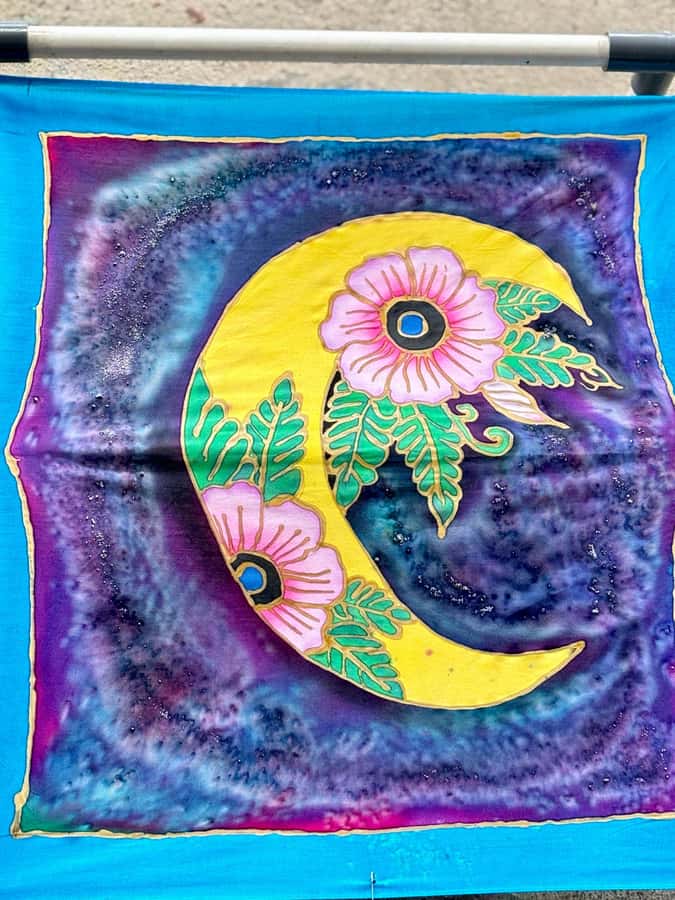
At $26 per person for a 3-hour workshop, this is positioned as solid value, mainly because the class includes much more than instruction.
Included items:
- Balinese snacks or cake
- Welcome drink (mineral water, tea, or coffee)
- Cotton cloth
- All tools and materials
- Instructor guidance
That matters because batik supplies can add up fast if you were to try it on your own. Also, the time is structured. You are guided through wax handling, dye painting, and the finishing steps, so you are not wasting your paid time wandering or waiting for help.
Where you might spend extra:
- Transportation is not included, though hotel pick up and drop off can be arranged for an additional charge
- You are also advised to bring cash, plus a credit card in case you want to purchase extra items
If you want a meaningful souvenir that is handmade with technique, $26 feels fair for Ubud. If you want a quick photo stop only, this might be longer than you expect.
What to bring, and small practical tips that prevent problems
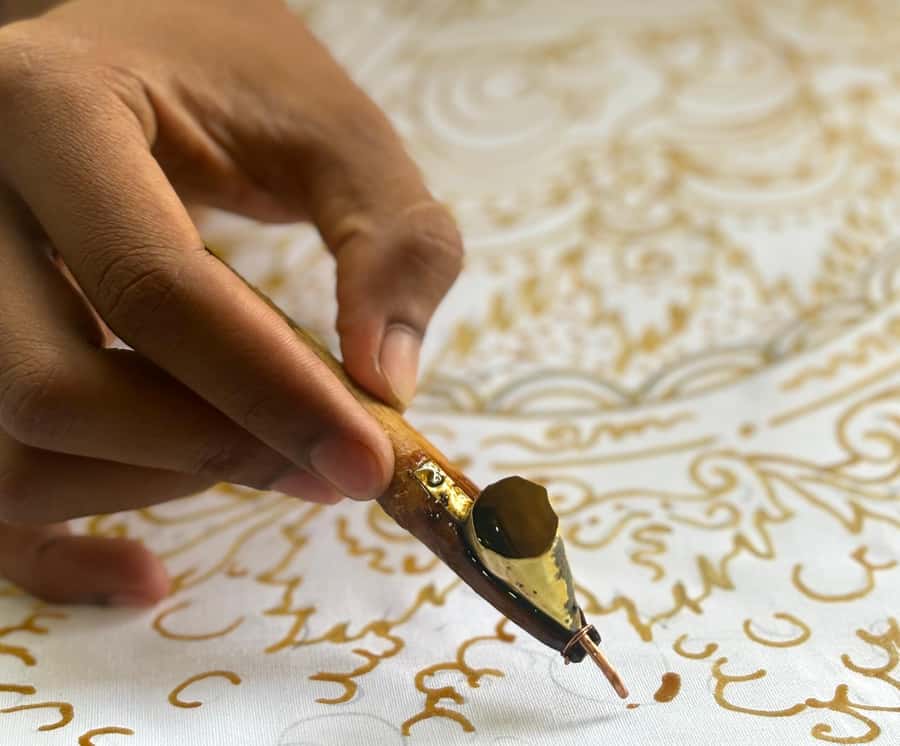
The basics are straightforward, and the studio lists what to bring for a reason.
Bring:
- Camera
- Credit card
- Comfortable clothes
- Cash
Here is how to use that list smartly:
- Wear clothes you do not mind staining a bit. Dyes and wax work can get messy.
- Plan to take photos during the process, especially before dyeing starts so you capture your wax pattern.
- If you intend to buy additional batik pieces or tools, having cash helps.
Also, be ready for the stairs at arrival. One review notes the climb is high. If mobility is an issue, you will want to plan your entry carefully.
Who this batik class is best for
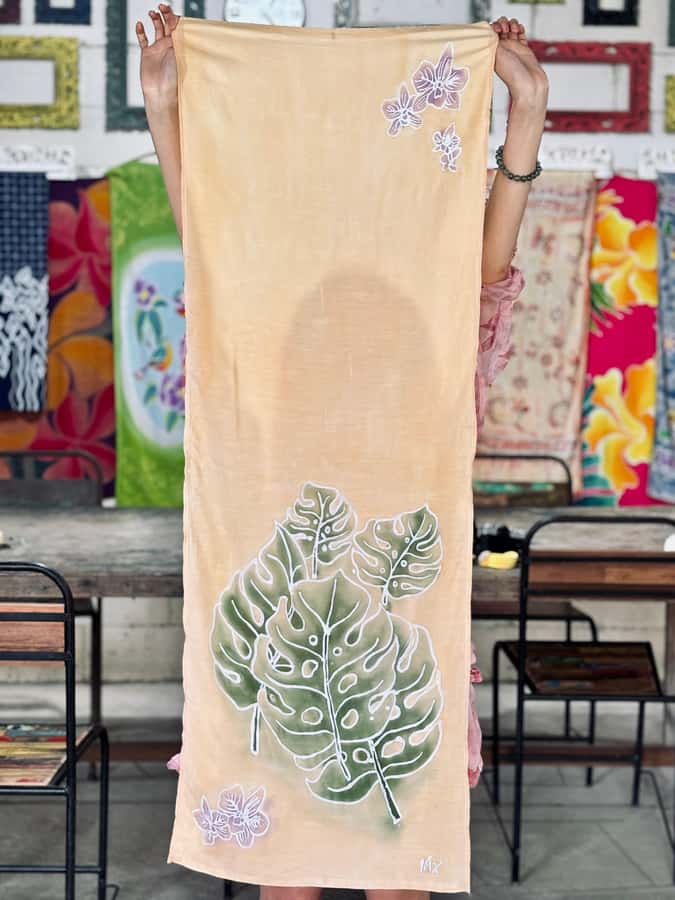
This is a great match if you want a hands-on cultural activity that still feels relaxing.
You will likely enjoy it if:
- You are a beginner and want clear help
- You like making art with your hands
- You want a take-home souvenir with technique and meaning
- You prefer quieter, more rural settings over busy city stops
It may be less ideal if:
- You cannot manage stairs
- You need a totally hands-off experience with no chance of getting a little messy
- You are hoping for a very short activity, since 3 hours is the point
Age note: it is not suitable for children under 5 years.
Should you book this batik class in Ubud?
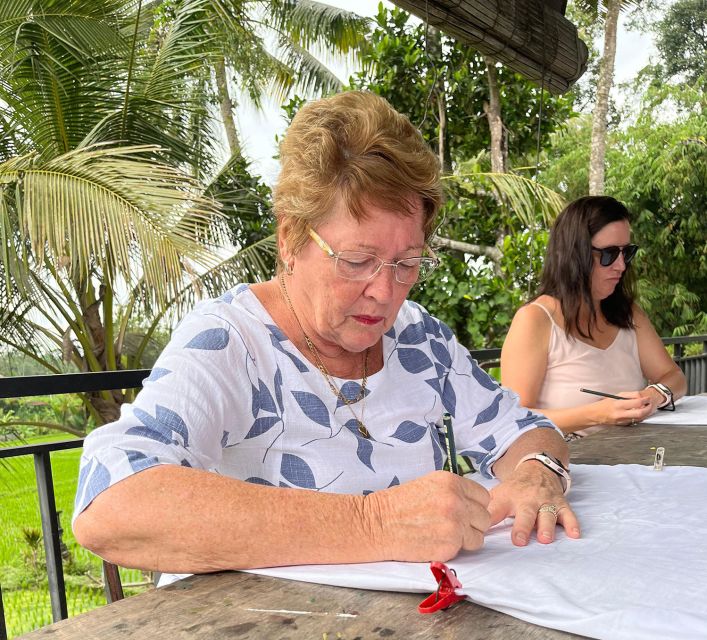
If you want one Ubud afternoon that feels creative and culturally real, this is an easy yes.
Book it if you like step-by-step instruction, want to learn the wax-resist method, and care about bringing home something you personally made. The studio’s biggest strengths are beginner-friendly guidance and the calm, patient way they help you improve your design and coloring as you go.
Skip or reconsider if stairs are a deal-breaker for your body, or if you are looking for a quick, low-effort “just watch” experience.
If you go, do one thing that pays off: pick a template you find visually interesting, then commit to the process rather than chasing perfection. The wax lines you make today turn into the look you will enjoy carrying home tomorrow.
FAQ

How long is the batik class?
The class is 3 hours.
How much does it cost?
It is $26 per person.
What is included in the price?
You get a welcome drink, Balinese snacks or cake, cotton cloth, all tools and materials, and instructor guidance.
Do I need any prior experience?
No prior experience is needed.
Is the class suitable for children?
It is not suitable for children under 5 years.
Where is the meeting point?
Go upstairs when you arrive in front of the house. The studio is about 50 meters back in the yard.
What language is the instructor?
Instruction is in English.
What should I bring?
Bring a camera, credit card, cash, and comfortable clothes.
Can I cancel for a refund?
Yes. You can cancel up to 24 hours in advance for a full refund.
Just added around Ubud
- Sunrise Café and Morning Yoga Class★ 5.0 · 5 reviews
- Quad Bike Bali With Tunnel & Waterfall Tour★ 4.2 · 8 reviews
- Puppy Yoga in Bali, Ubud & Uluwatu★ 4.7 · 93 reviews
- Private Ubud Tour With Professional Photographer with Edit★ 5.0 · 53 reviews
- Ubud : PRIVATE Bike Tour inside Rice Field with meal & pool★ 5.0 · 5 reviews
- Ubud: Organic Farm Harvest, Bali Cooking Class by Pemulan★ 4.8 · 12 reviews
- Outskirts of Ubud, Gianyar: Pottery Class★ 5.0 · 9 reviews
- packages cooking class and romantic dinner in a local home★ 5.0 · 4 reviews
Batik & Craft Workshops, compared.

Exclusive Tetebatu: Waterfall, Rice Fields, Monkey & Weaving
Read our review →Browse the lists this tour appears in