
REVIEW · BATIK & CRAFT WORKSHOPS
Outskirts of Ubud, Gianyar: Pottery Class
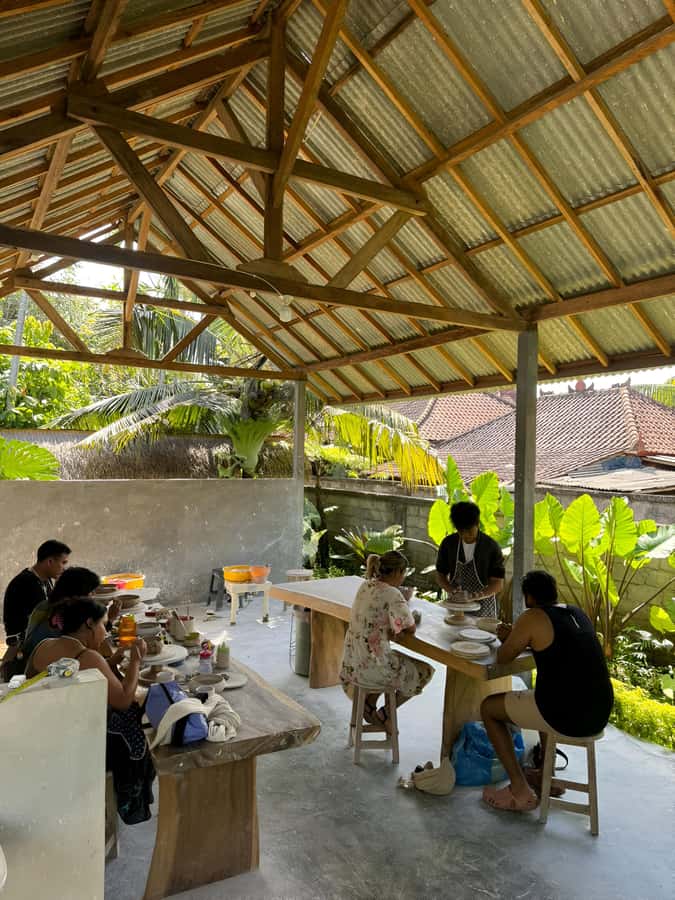
Clay work feels oddly calming. In a 3 hour Bali pottery class near Ubud, I like the shift from handbuilding to the wheel and the chance to paint your own piece. The teaching quality really matters here, and I’ve seen how instructors like Wigus and Putra keep things relaxed, even if you arrive late. One drawback to plan for: the studio can be a little tricky to locate at first, often tucked in a backyard setting.
This course is designed so you’re not just watching clay spin. You get guided practice on shaping, you try wheel throwing with hands on help, then you can add your own painted finish. It’s also a private group setup, so you get attention without feeling rushed or lost in a big class.
Before you go, do yourself a favor and plan timing for finishing. You’ll want to arrange your schedule so your pieces have time to dry and get final steps like firing and glazing handled.
In This Review
- Key things to know before you go
- Three hours on the clock, but plenty to learn
- Handbuilding: where clay teaches you the basics
- Wheel technique: learning control, not just spinning
- Painting your piece: turning technique into your style
- Price and value: what $40 really includes
- The setting around Ubud: calm, green, and a bit off the main path
- Teaching style: patient guidance with real attention
- What your day might look like, step by step
- Timing tips: when to book so you don’t rush the finish
- What to bring (and what you can skip)
- Who this pottery class suits best
- Should you book Tana Ampo Pottery near Ubud?
Key things to know before you go
- Handbuilding first, then wheel time: You start with tactile clay work, then move to the spinning wheel.
- You can choose what to make: The class is flexible enough that you’re not stuck with one template.
- Wheel work is beginner friendly: You get guidance for shaping common forms like cups, bowls, and vases.
- Optional painting after shaping: Your design can carry through to the final look.
- Your price covers clay, firing, and glaze: You’re not paying extra for basic finishing steps.
- Private group feel: You can ask questions in English or Indonesian without competing for attention.
Three hours on the clock, but plenty to learn
This is a short class in the best way. Three hours sounds tight, but it works because the course is split into clear segments: handbuilding, then the pottery wheel, then a chance to add paint. Instead of treating it like a casual demo, the structure pushes you to learn skills you can actually feel in your hands.
You’ll work with about 2 kg of clay, divided between the handbuilding part and the wheel part. That matters because you get real repetition. In pottery, one trial is barely enough to understand how clay behaves, but having separate sessions gives you a chance to compare techniques and see what changes when your hands are shaping versus when the wheel is spinning.
The class also includes the practical stuff that keeps your hands from drying out and your day from stalling. Tools and the wheel are provided, plus water is included during the session. And your pieces go through the finishing workflow, including firing and a glaze layer.
More Craft workshops in Ubud:
- 3 Hours Batik Making Classes in Ubud
★ 5.0 · 203 reviews - Crafting Heritage Batik Painting Workshops
★ 5.0 · 164 reviews - Yogyakarta: 2-hour Batik Making Course with Souvenir
★ 4.9 · 304 reviews
Handbuilding: where clay teaches you the basics
The handbuilding segment is where you learn the feel of the material. Clay is not just a sticky blob. It has friction, moisture, and a texture that responds to how you press, pull, pinch, or smooth.
In this part, you’re building shapes in a way that’s often easier to start with. You can create more intricate forms than you might expect, because you’re not fighting the wheel’s momentum. You’re also watching how thickness and smoothing affect the final outcome. That makes handbuilding a smart first step, especially if you’re new to pottery.
Another big benefit is mindset. Handbuilding helps you slow down. You stop trying to make something perfect and start learning what your clay wants. If you’ve ever started a craft and felt instantly behind, this section tends to feel like a reset.
Wheel technique: learning control, not just spinning
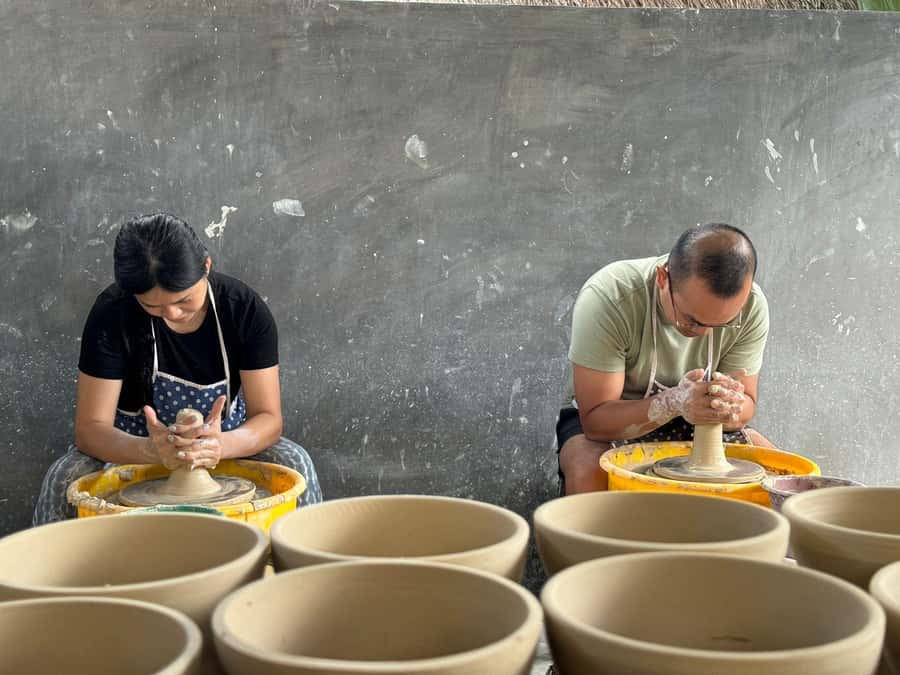
Then comes the part most people imagine when they think of pottery: the wheel. It looks hard on paper, but the class is set up so you don’t need to already know what you’re doing.
On the wheel, you’ll practice correct setup and basic form building. The goal here is to help you shape something stable and usable, not just make a lopsided bowl and call it done. You’ll commonly work on forms like cups, bowls, and vases, though you may find the instructor steers you toward what’s realistic with your experience level and time.
What I like about the wheel portion is that it teaches precision through guidance. You don’t just get tossed into a spinning setup. The instructor helps you adjust your hands and pressure. That’s how wheel throwing goes from intimidating to doable.
Also, the wheel part makes handbuilding make more sense. When you switch techniques, you can feel how clay responds differently. Handbuilding trains your shaping sense. Wheel work trains your centered control.
Painting your piece: turning technique into your style
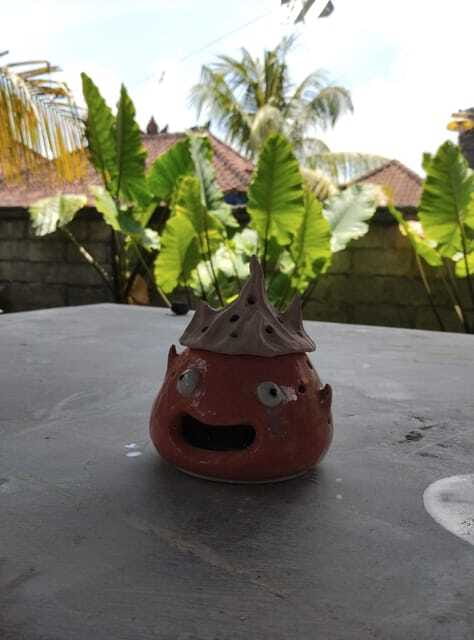
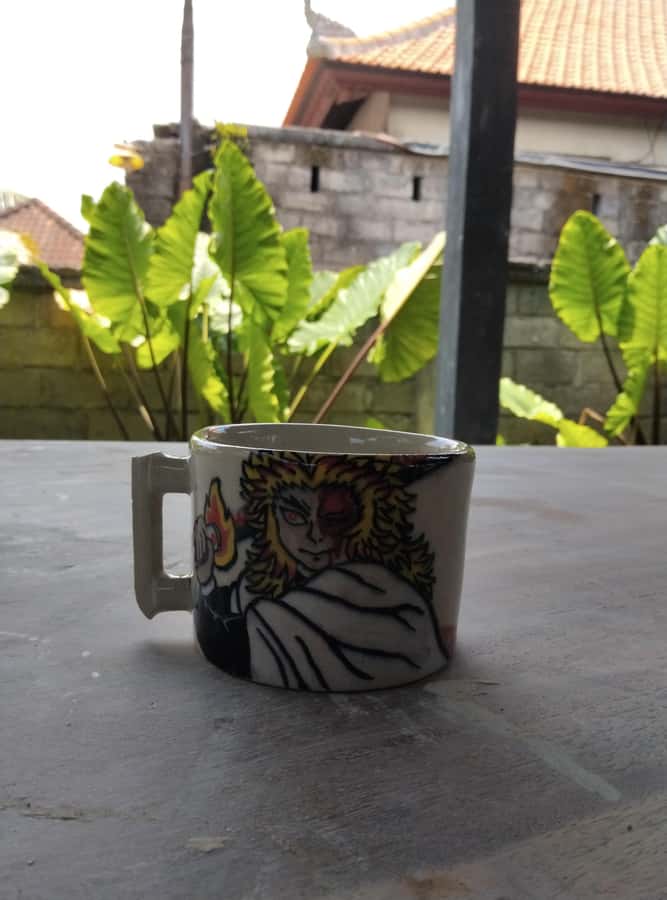
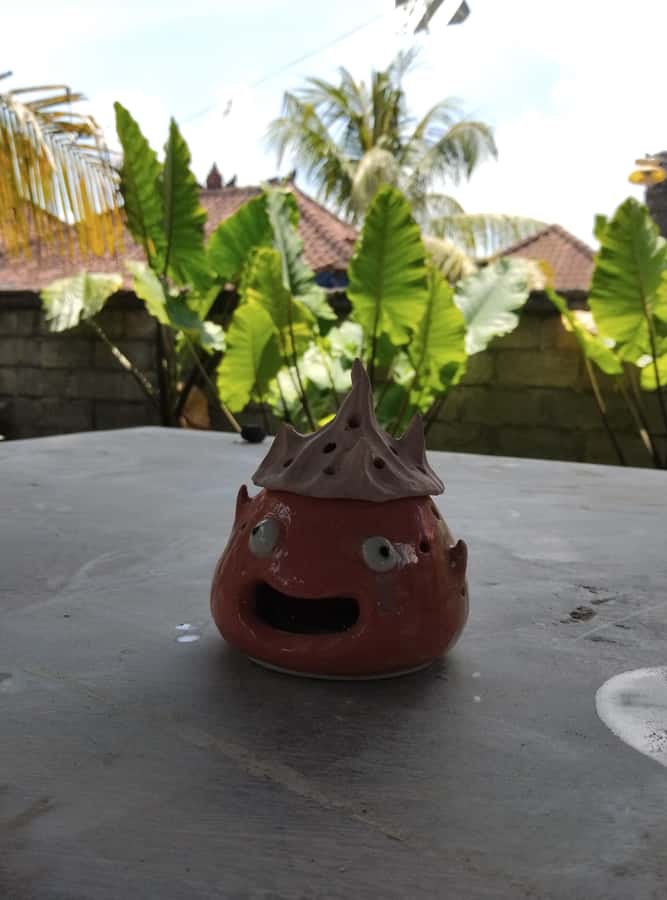
After shaping, you’ll have the option to paint. This is the part where you stop thinking like a beginner and start thinking like a designer.
Painting matters because it helps you personalize the piece even if your form isn’t identical to a showroom sample. You might choose a simple pattern, a color wash, or something more intentional. The class structure makes it feel like your work, not just a course product.
The studio also handles the finishing steps for you, including firing and adding a glaze layer. That’s important because paint without proper finishing can look dull or inconsistent. Glazing is what brings out the final look.
One practical tip: give your design time to be dry enough before any final handling by the studio staff. In a three hour class, you might not do every single drying step yourself, so follow the instructor’s cue for when the painting phase is complete.
A few more Ubud trips to compare
- All-Inclusive Ubud Private Tour
★ 5.0 · 14,344 reviews - Best of Ubud Full-Day Tour with Jungle Swing
★ 5.0 · 8,571 reviews - Ubud: Monkey Forest, Jungle Swing, Rice Terrace, and Water Temple
★ 5.0 · 7,160 reviews - Ubud: Waterfalls, Water Temple & Rice Terraces Private Tour
★ 5.0 · 5,484 reviews
Price and value: what $40 really includes
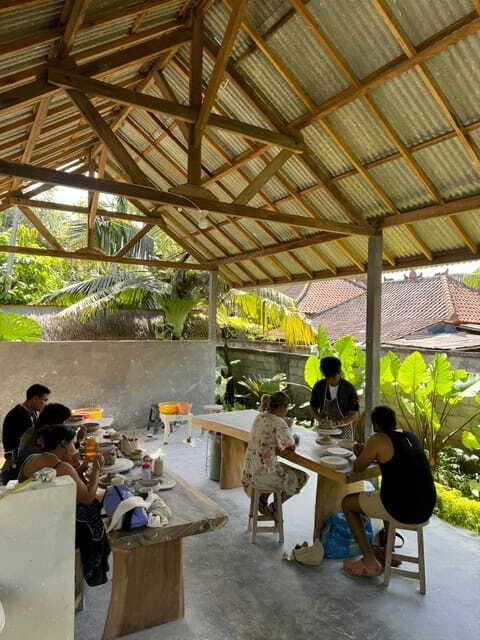
At around $40 per person for a 3 hour class, this is the kind of activity that feels fair because many of the hidden pottery costs are covered.
Here’s what’s included:
- 2 kg of clay, split between handbuilding and wheel time
- Tools and pottery wheel
- Water during the class session
- Firing for your pieces
- Glaze layer for finishing
What’s not included:
- A water bottle and cups
The value part isn’t only the ingredients. It’s the combination of techniques plus finishing. A lot of craft workshops either focus on one method or don’t handle firing and glaze. Here, you’re paying for the full workflow so you end the day with a piece that’s meant to last, not just an air-dry sculpture.
If you’re comparing classes, use this checklist: does the price include clay, wheel time, firing, and glaze? If the answer is no, you usually pay later. This one has those core steps built in.
The setting around Ubud: calm, green, and a bit off the main path
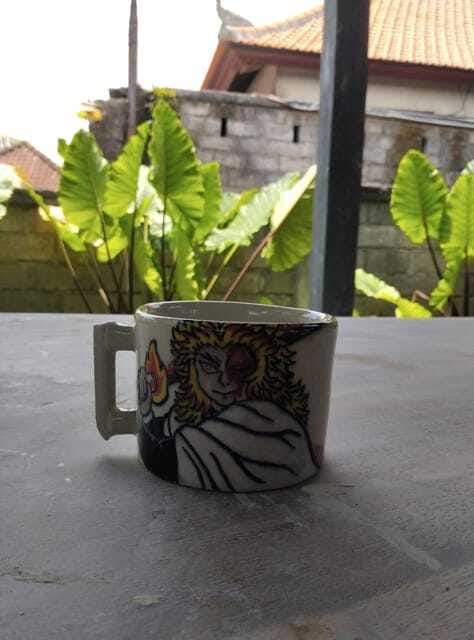
This pottery studio is on the outskirts of Ubud in the Gianyar area, and the setting tends to feel peaceful, with greenery around the workspace. That’s not just a nice backdrop. A relaxed environment helps during a hands-on craft where you need patience.
There’s one logistics note you should take seriously. The studio can be hard to find because it may be located in a backyard or behind a house. If you want the day to stay smooth, connect with the organizers ahead of time. In at least one experience, the team arranged a pickup from the street when contacted early enough.
If you’re driving on your own or using a taxi, build in buffer time. You’re not trying to arrive exactly at the minute. You’re giving yourself a small cushion for a turn that seems confusing on the way in.
Teaching style: patient guidance with real attention
The biggest praise in this class is how the instruction feels. People mention patient, practical help, and that shows in the way the course is structured for beginners.
Two instructor names come up: Wigus and Putra. One person liked how Wigus explained what you needed and let students choose what to make. Another appreciated how Putra stayed kind and flexible when the group arrived late due to taxi trouble, allowing them to start without turning it into a stressful scramble.
In a pottery class, your stress level affects your results. When an instructor stays calm, you also stay calm. That matters on the wheel, where small adjustments make a big difference.
And because it’s a private group, you’re not performing for a crowd or competing for attention. You get chances to ask questions in English or Indonesian, depending on what feels easiest for you.
What your day might look like, step by step
You’ll likely see the class break down like this, in order:
- Handbuilding segment: You start with shaping clay using hand techniques. This teaches texture, feel, and basic forming skills.
- Wheel segment: You shift to wheel throwing. You practice correct technique for forms like cups, bowls, or vases, with guidance to help you avoid common beginner problems.
- Optional painting: You paint your pieces to match your design ideas.
- Studio finishing: After class time ends, the studio fires the pieces and applies glaze so you can collect a finished work later.
The key point is that time is used for learning, not just for waiting. Handbuilding gives you confidence. Wheel time gives you a new skill. Painting gives you ownership of the final look.
Timing tips: when to book so you don’t rush the finish
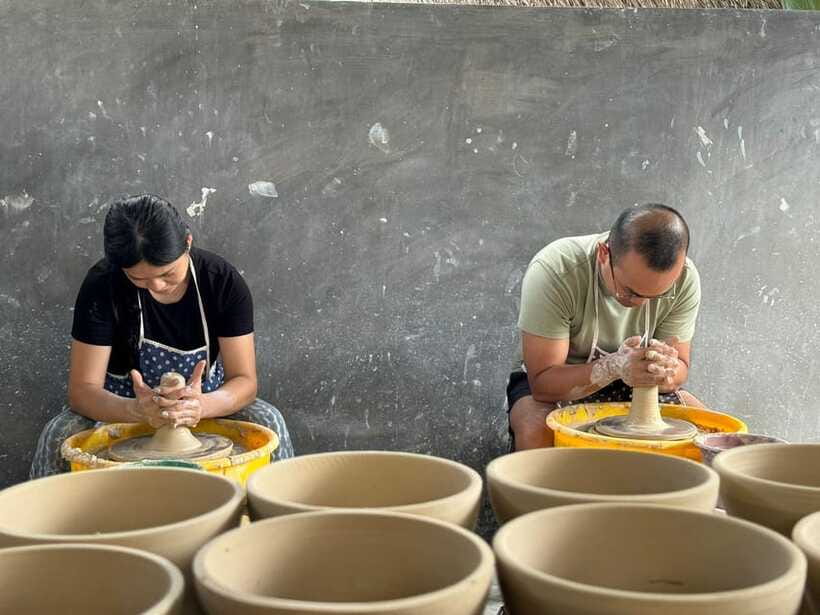
A pottery class in Bali is not just about the hours you’re working. Your final pieces need drying and studio time for firing and glazing.
If you have a tight travel schedule, plan for drying time at the studio. One piece of advice that’s worth repeating: book early enough, at least several days before you leave, so your pieces can dry and get the finishing steps handled without you stressing about pickup timing.
Also, show up with the right energy. This is not a sit-and-watch experience. You’ll be hands on for the whole session, so wear clothing that can get clay dust or paint. You might not get messy like a full workshop paint day, but pottery leaves a mark.
What to bring (and what you can skip)
You only have one clear must bring item in the info provided: a reusable water bottle.
Since water is included during the class session, you won’t be stuck thirsty. Still, having your own bottle is smart for longer travel days around Ubud.
Beyond that, think about comfort:
- Comfortable clothes you don’t mind getting a little clay on
- Shoes that handle studio floors safely
- A mind set that says you are here to learn, not to produce a perfect replica on the first try
Who this pottery class suits best
This workshop is a good fit if you want a creative activity that’s relaxing but still teaches real skills. It also works well if you’re traveling as a family group that includes teens, since one experience included a 15 year old who enjoyed it a lot.
It’s also well suited for beginners because the teaching focuses on step-by-step guidance, especially during the wheel portion. If you’ve done pottery once before, you might still enjoy it because you get to compare how your clay choices work between handbuilding and the wheel.
Age notes are important:
- Children under 5 are not suitable.
- Children under 10 should be accompanied by an adult.
Should you book Tana Ampo Pottery near Ubud?
I’d book it if you want something more meaningful than a quick souvenir shopping stop. You get two different pottery approaches in one class, plus a design element through optional painting, and the studio handles firing and glaze so the end result is properly finished.
I’d hesitate only if you hate logistics and hate asking for help finding places. The studio may be tucked away, so you’ll want to arrange clear directions ahead of time. If you give yourself buffer time and contact the organizers early, it becomes a smooth day.
If you’re coming to Ubud with a little space in your schedule, this is a solid value. For about $40, you’re not just trying one technique. You’re learning hand skills, wheel control, and creative finishing, all in a single calm afternoon.
Just added around Ubud
- Sunrise Café and Morning Yoga Class★ 5.0 · 5 reviews
- Quad Bike Bali With Tunnel & Waterfall Tour★ 4.2 · 8 reviews
- Puppy Yoga in Bali, Ubud & Uluwatu★ 4.7 · 93 reviews
- Private Ubud Tour With Professional Photographer with Edit★ 5.0 · 53 reviews
- Ubud : PRIVATE Bike Tour inside Rice Field with meal & pool★ 5.0 · 5 reviews
- Ubud: Organic Farm Harvest, Bali Cooking Class by Pemulan★ 4.8 · 12 reviews
- packages cooking class and romantic dinner in a local home★ 5.0 · 4 reviews
- Parallel Universe Silver & Brass Jewelry Making in Ubud★ 4.7 · 59 reviews
Batik & Craft Workshops, compared.

Exclusive Tetebatu: Waterfall, Rice Fields, Monkey & Weaving
Read our review →Browse the lists this tour appears in