
REVIEW · BATIK & CRAFT WORKSHOPS
Crafting Heritage Batik Painting Workshops
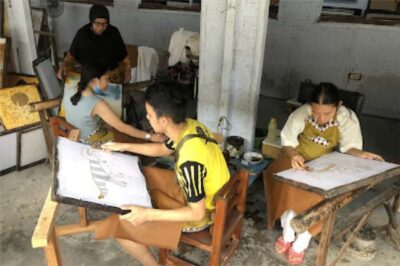
Batik gets under your skin in a good way. In a mellow studio outside Ubud, you learn hot-wax batik step by step, then leave with a piece you made yourself. You can work more on your own, or get close help from the tutor during the process.
What I really like is the relaxed pace and the patient guidance. You are not pressured into being an artist, and you still end up with a souvenir that feels personal, not mass-produced. Also, the studio is in a family compound setting, so it feels like craft life rather than a factory tour.
One thing to consider: batik takes focus. If you rush, or you are expecting something totally effortless, you may feel frustrated when the wax and dye do their own thing.
In This Review
- Key highlights you will care about
- Batik in a quiet studio near Ubud: what you’re making
- Five Arts Studio in Keliki: your starting point
- The core batik process: sketch, hot wax, dye, reveal
- Working independently or getting close tutor help
- The studio experience: calm, local, and more than a classroom
- Price and materials: why $29 feels like real value
- What the 3-hour timeline feels like (and how to prepare)
- Who should book this Ubud batik workshop
- Book it or skip it: my practical verdict
- FAQ
- What is the duration of the batik painting workshop?
- Where does the class take place?
- How much does it cost?
- What is included in the price?
- Is lunch included?
- Is alcohol included?
- How big are the classes?
- Is the workshop suitable for beginners?
- What is the cancellation policy?
Key highlights you will care about
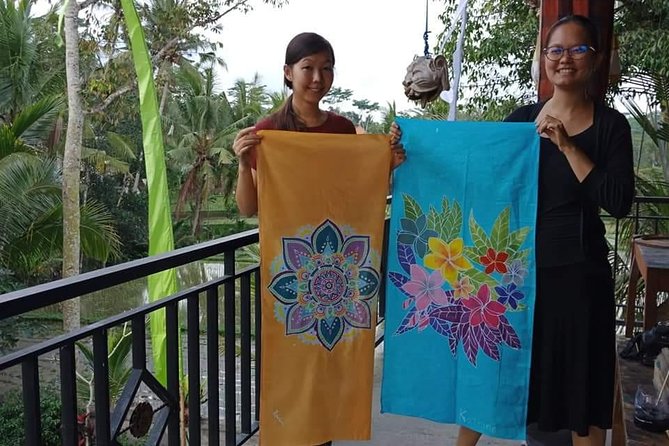
- Hot wax + selective dye so you see the pattern form as the wax resists color
- Pick your motif or bring your own idea, with stencil options suggested by the team
- Small, practical class setup (up to 30 people) designed for hands-on learning
- Family-compound studio energy, where the work feels local and lived-in
- Real take-home value for $29, because materials and drinks are included
Batik in a quiet studio near Ubud: what you’re making
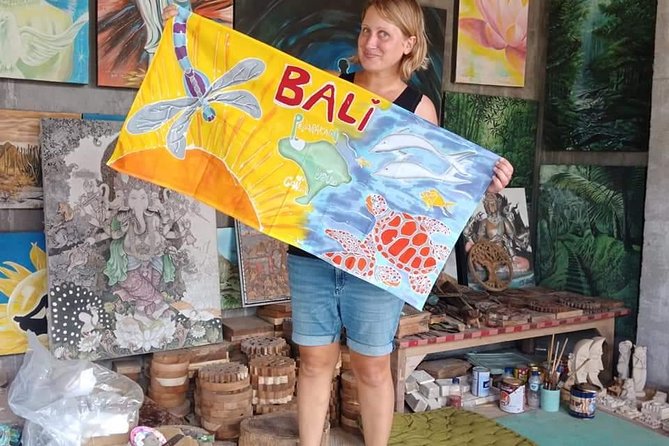
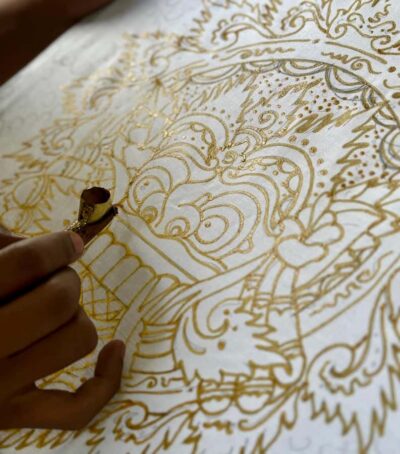
This is a hands-on batik painting workshop in the Keliki area near Ubud, based at Five Arts Studio. Batik is hand-painted fabric art, made by drawing a design in hot wax, then dyeing the cloth so only the un-waxed areas take color. When you wash the wax out, the places that were protected by wax keep their original color, and the design you made becomes the pattern.
If you are the type who likes doing something with your hands, this class is very satisfying. You spend your time sketching, waxing, and dyeing, not just watching. If you are brand-new, the upside is that the process is structured enough to help you get to a finished result, even if your first attempts look chaotic.
Most people also love that it is not about copying a perfect model. You can follow the stencil options, but you still get room to make choices. That is why so many people leave with a piece they actually want to hang or wear, rather than a souvenir that feels like a chore.
More Craft workshops in Ubud:
- 3 Hours Batik Making Classes in Ubud
★ 5.0 · 203 reviews - Outskirts of Ubud, Gianyar: Pottery Class
★ 5.0 · 9 reviews - Yogyakarta: 2-hour Batik Making Course with Souvenir
★ 4.9 · 304 reviews
Five Arts Studio in Keliki: your starting point
Your class starts and ends back at Five Arts Studio in Keliki, Tegallalang (Jl. Raya Keliki, Keliki, Kec. Tegallalang, Kabupaten Gianyar, Bali 80561, Indonesia). The workshop runs about 3 hours in a casual studio space in a family home compound.
A big practical plus is that the day feels easy logistically. You are not bounced across multiple stops, and you do not have to carve out half a day of travel just to make art. Also, it is a mobile ticket setup, and you receive confirmation at booking, which keeps things simple when you are already planning around temple times and rice-field photos.
The studio note includes “near public transportation,” which matters if you are moving around Bali without a private driver. And since the workshop size is capped at 30 people, you should expect a less chaotic classroom vibe than the big-ticket group activities.
The core batik process: sketch, hot wax, dye, reveal
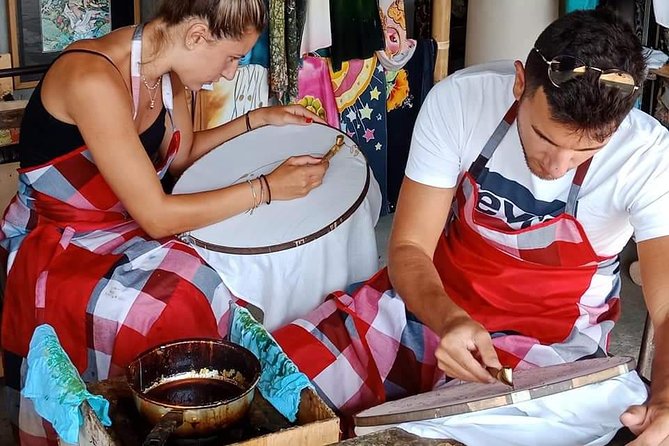
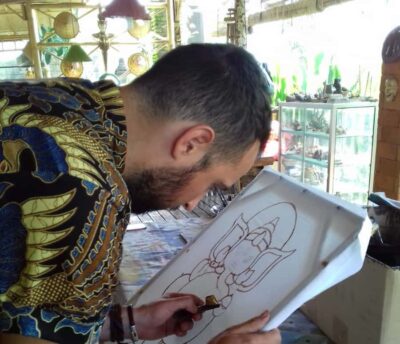
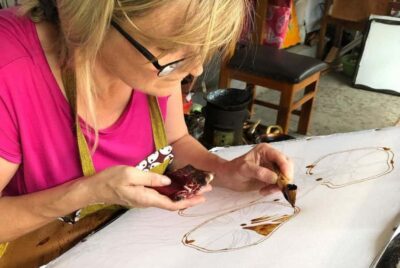
The workshop teaches the traditional flow: sketch a design, apply hot wax to outline your pattern, then dye the fabric so color only goes into selected areas. The magic moment is when the wax is removed, because the design shows up with that crisp, contrast-heavy look batik is famous for.
In a class like this, the key skill is not artistic talent. It is understanding how the wax acts like a mask. Once you learn that wax blocks dye, your creative decisions make sense. You begin thinking in layers: what should stay light, what should turn darker, and where your pattern will breathe.
You will likely be guided through decisions like stencil intensity and detail. One review mentions stencil choices with different levels of intensity and detail, and that these stencils are hand drawn by the people running the studio. That means you get options, not just one template.
One more thing that surprises beginners: wax work can be fiddly. If your first wax lines are a little off, that is normal. The better you get at slowing down and accepting imperfections, the happier you will be with the results. A common theme in the feedback is that when people relax and allow happy accidents, the final piece feels even more like their own.
Working independently or getting close tutor help
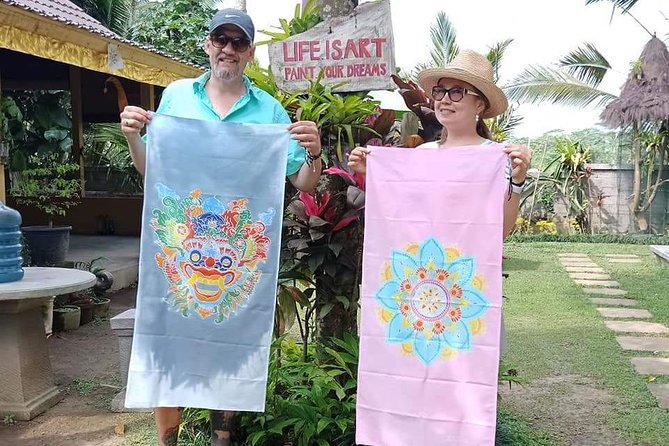
A standout feature here is the flexibility. You can do a lot of the process on your own, or you can work more closely with the tutor. That matters because batik is one of those activities where the difference between a “so-so” and a “wow, I made that” result is often small hands-on coaching.
In past sessions, instructors including Dika and Agong are mentioned for being helpful and patient. That fits the workshop’s vibe: clear step-by-step direction, plus room for you to try, mess up, and adjust. One parent also mentions Agong helping a 6-year-old through the process, which points to the fact that the team can scale support for different skill levels and ages.
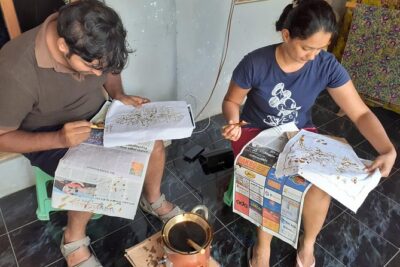
If you are traveling solo, this kind of setup is ideal. You can stay focused without feeling like you are being herded, and you still have a real person to ask when you hit a sticking point. If you are traveling with friends or family, the studio can feel like a shared making space, not a strict teacher-only demonstration.
Just know this is not a “sit and sip” craft. You are actively doing the work, and you will want to be comfortable standing or leaning for stretches of time. The experience notes a “strong physical fitness level,” so if you have mobility constraints, it is worth confirming with the provider before you go.
A few more Ubud trips to compare
- Bali: Tanah Lot UNESCO World Heritage Sites Full-Day Tour
★ 4.7 · 1,947 reviews - Bali: Private UNESCO World Heritage Sites Tour
★ 4.9 · 193 reviews - Jakarta Heritage of Old Batavia Private City Tour (Historical)
★ 5.0 · 143 reviews - Private Borobudur Heritage Tour – Merapi Jeep & Prambanan Temple
★ 5.0 · 36 reviews
The studio experience: calm, local, and more than a classroom
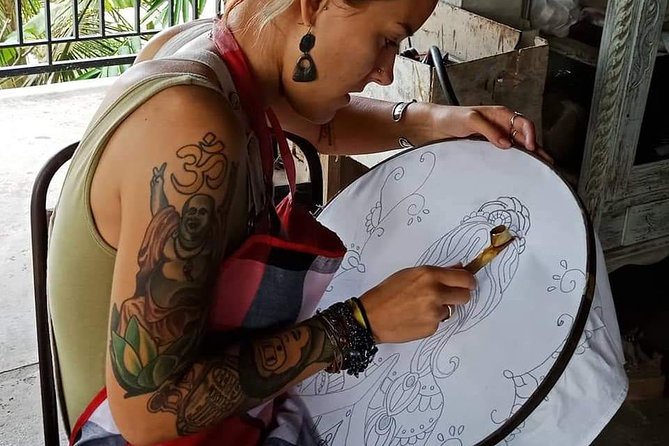
People consistently talk about the atmosphere as peaceful and calming. That makes sense, because batik requires a steady hand and a slow brain. You cannot rush wax timing, and you cannot force the dye to behave faster. The result is a class that feels like a break, even though you are creating something.
Another thing you will likely appreciate is that this is run in a family compound environment. Reviews mention an artist-run studio feel where craft work happens around you. You may even notice other locals or families sharing the space. That is one reason batik can feel more authentic than a typical tourist workshop, where everything is staged and identical across groups.
The team also includes snacks, coffee and tea, and mineral water, which helps you settle in without needing to track down refreshments. One nice detail: arriving early can mean a tour-like studio walk-through and a drink while you wait for class to begin. If you can, give yourself a few minutes cushion so you do not feel rushed walking in.
Price and materials: why $29 feels like real value
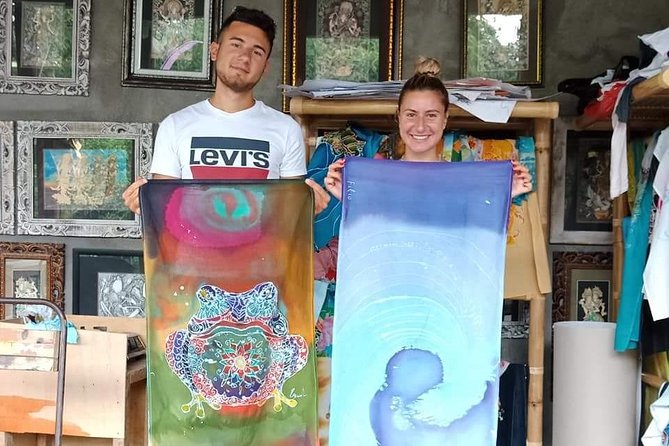
At $29 per person, this is priced like a practical activity, not a fancy art retreat. For that price, you get the materials to make your own original batik, plus snacks, coffee and/or tea, and mineral water.
That “materials included” part is huge. Many workshops charge a low base price and then add supply fees on top. Here, the cost is straightforward: you pay for the guided process and the ability to take home an art piece you made. If you value travel souvenirs that actually mean something, this can beat the usual options because it is tied to a skill you practiced.
What is not included is lunch. The option is to order local food if you want to extend your time around the studio. Alcohol is also available for purchase, but it is not part of the included package. Plan to keep food simple and close by, because your class is only about three hours.
What the 3-hour timeline feels like (and how to prepare)
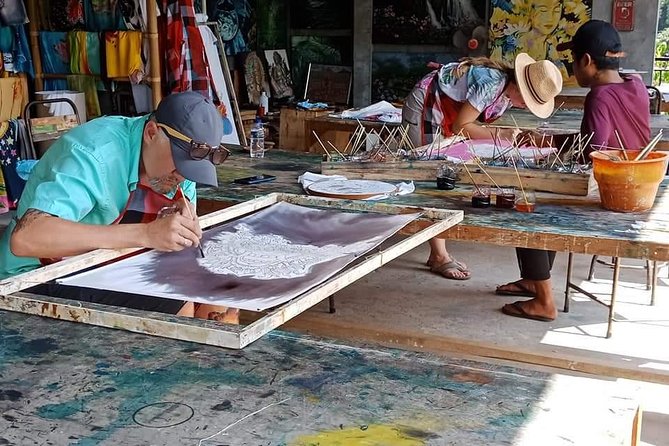
The workshop is about 3 hours total. Since the core steps are sketching, waxing, dyeing, and washing off the wax to reveal the design, the schedule is built around making progress in a satisfying order.
A practical way to prepare is to come with at least a loose idea of what you want your design to communicate. You do not need a perfect plan. Stencils and suggestions are available, and some people choose motifs provided by the studio team. But if you have a favorite theme from Bali, like patterns you have seen on temples or textiles, you can use that as a starting point.
Wear something comfortable. You are working with dye and wax, so you will want clothes that you do not mind getting a bit messy. Even if the studio is careful, batik is a tactile activity, and little spills happen.
Also, bring a patient mindset. One of the best pieces of advice from the feedback is that it is harder than you think, but fun when you stop chasing perfection. If you drop wax where it does not belong, ask for help. The instructors tend to reassure you, then guide you to a workable path forward.
Who should book this Ubud batik workshop
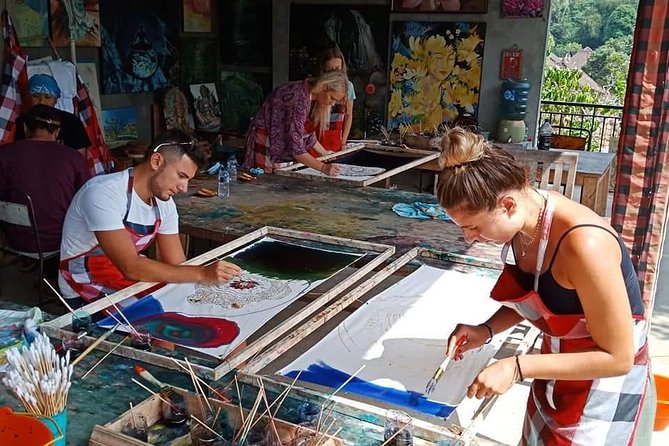
This is a strong fit if you want a creative Bali activity that is:
- Hands-on but not intimidating, even if you are a beginner
- Calm and structured, rather than fast-paced sightseeing
- A memorable souvenir, because you take home what you made
It also suits families. One of the standout notes is that a 6-year-old was able to participate with guidance. If you have kids who like arts and crafts, this could be a good match as long as you are comfortable with a few hours of focused making.
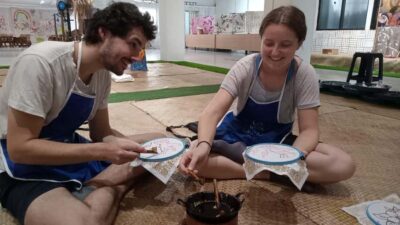
Couples and friends also like it because it is shared creativity. You can compare motifs and dye choices as you work, and you end up with two separate pieces that still feel tied to the same day.
If you are the kind of traveler who hates anything “touristy,” you may appreciate the family-compound, working-studio feel. The class is designed to teach you the method and the meaning, not just sell you a product.
Book it or skip it: my practical verdict
Book this if you want a real craft experience with clear teaching, included materials, and a finished batik souvenir. For $29, you are paying for guidance plus supplies, plus snacks and drinks, all in a mellow studio setting near Ubud. The near-universal feedback about patience and fun is a good sign that the team is set up to help you succeed.
Skip it if you only want light entertainment and zero mess risk, because batik is hands-on and requires patience while wax and dye do their job. Also, if the “strong physical fitness level” note worries you, confirm what the activity requires for comfort and participation.
If you are even mildly curious about how batik works, this is the kind of afternoon you will remember for years, because you made the artifact, not just bought it.
FAQ
What is the duration of the batik painting workshop?
The workshop lasts about 3 hours.
Where does the class take place?
The experience starts and ends at Five Arts Studio, Jl. Raya Keliki, Keliki, Kec. Tegallalang, Kabupaten Gianyar, Bali 80561, Indonesia.
How much does it cost?
The price is $29.00 per person.
What is included in the price?
Included are snacks, coffee and/or tea, and mineral water, plus the materials needed to make your own original batik.
Is lunch included?
No. Lunch is available to order local food.
Is alcohol included?
No. Alcohol is available to purchase.
How big are the classes?
The experience has a maximum of 30 travelers.
Is the workshop suitable for beginners?
Yes. The experience is described as beginner-friendly, and you can work independently or with the tutor’s guidance.
What is the cancellation policy?
Free cancellation is available up to 24 hours in advance for a full refund. If you cancel less than 24 hours before the start time, the amount paid is not refunded.
Just added around Ubud
- Sunrise Café and Morning Yoga Class★ 5.0 · 5 reviews
- Quad Bike Bali With Tunnel & Waterfall Tour★ 4.2 · 8 reviews
- Puppy Yoga in Bali, Ubud & Uluwatu★ 4.7 · 93 reviews
- Private Ubud Tour With Professional Photographer with Edit★ 5.0 · 53 reviews
- Ubud : PRIVATE Bike Tour inside Rice Field with meal & pool★ 5.0 · 5 reviews
- Ubud: Organic Farm Harvest, Bali Cooking Class by Pemulan★ 4.8 · 12 reviews
- Outskirts of Ubud, Gianyar: Pottery Class★ 5.0 · 9 reviews
- packages cooking class and romantic dinner in a local home★ 5.0 · 4 reviews
Batik & Craft Workshops, compared.
Exclusive Tetebatu: Waterfall, Rice Fields, Monkey & Weaving
Read our review →Browse the lists this tour appears in