
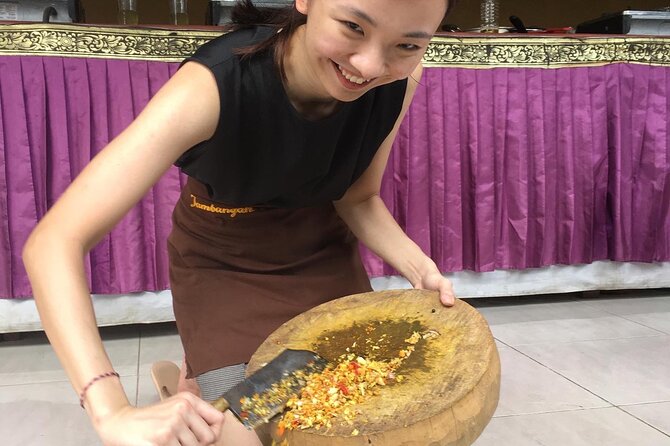
REVIEW · COOKING CLASSES
Jambangan Bali Cooking Class
Cooking in a real Balinese home is rare. I really like the early market stop where you choose herbs, spices, and even the cut of meat and vegetables, and I also love the open-kitchen setup where Balinese chefs guide you through the food and the culture at the same time. One thing to keep in mind: if you book the dinner-time option, the market may be closed depending on timing, and the plan can shift to something else like a plantation coffee and tea tasting.
This is a 5-hour hands-on class in Ubud, starting at Warung JB Jambangan Bali in Tegallalang and ending back at the meeting point. Lunch is included (alcohol is not), the class runs in English, and the group size is capped at 15, which makes it easier to ask questions and cook at your own pace.
In This Review
- Key things to know before you cook
- Market to meal, the way Balinese food is meant to start
- Inside the open kitchen at a Balinese family home
- Lunch or dinner class: what changes in real life
- What you’ll actually cook, and why it feels different from a restaurant meal
- Balinese daily offerings, coconut oil, and rindik music
- Price and value for a 5-hour Ubud class
- Logistics that matter, and how to plan your day
- Who I think should book this class
- Should you book Jambangan Bali Cooking Class?
- FAQ
- Where does the cooking class start?
- How long is the Jambangan Bali Cooking Class?
- Is lunch included, and is alcohol included?
- Can I choose between a lunch or dinner class?
- Is the class taught in English?
- What is the cancellation policy and what happens if weather is bad?
Key things to know before you cook

- Market picking first (Tegallalang area): You choose fresh herbs, spices, meat, and vegetables before the cooking even starts.
- English-led by Balinese chefs: The class is conducted in English by chefs who talk through Balinese food and culture.
- Open-kitchen cooking at a family home: You cook the dishes yourself, then eat together in the garden.
- Cultural extras beyond the stove: You can experience coconut oil processing and learn how to make a simple Balinese offering, plus see the household daily offering.
- Rindik music moment: You get to try playing rindik, the bamboo-based Balinese music.
- Dinner timing can change: If you take an evening class, the market may not be an option, so expect a possible alternative plan.
Market to meal, the way Balinese food is meant to start
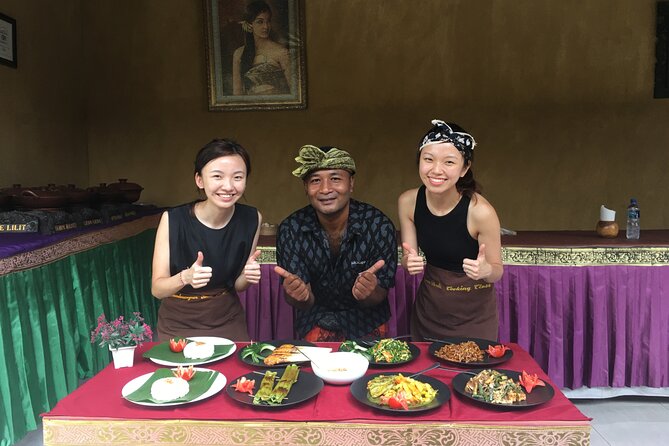
In Ubud, cooking classes can turn into a quick performance, where you chop a few things and then watch someone else finish. This one keeps the order more true to how a meal starts at home.
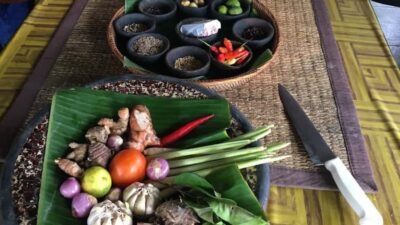
You begin early at the traditional market, and instead of being handed a list, you actually select your ingredients. That means you get hands-on experience with the flavors Balinese cooks build around, like fresh herbs and spices that feel very different from what you’d grab from a supermarket back home. You also get to choose the cut of meat (if you eat meat) and vegetables. That one detail matters because it helps you understand what changes when you swap ingredients, not just how to follow a recipe.
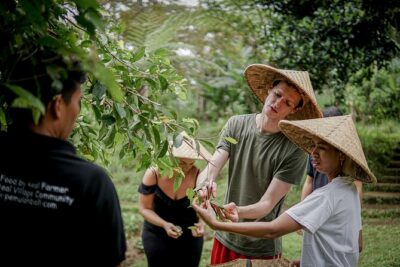
Then the program connects food to the landscape and daily rhythm of the region by showing you rice-farming activities. It’s a small addition, but it gives context for why ingredients taste the way they do in Bali. You’re not only cooking a dish, you’re learning where the basics come from.
Practical tip: wear something comfortable and quick-drying. Markets and outdoor stops can get warm, and you’ll be moving around before you get seated to cook.
More Cooking Classes in Ubud
- Ubud Cooking Class Bali with Balinese Chef
★ 5.0 · 1,609 reviews - Ubud: Cooking Class with Transfers and Optional Market Visit
★ 4.9 · 824 reviews - PRIVATE Authentic Balinese Cooking Class in Ubud at Putu’s Home
★ 5.0 · 644 reviews
Inside the open kitchen at a Balinese family home
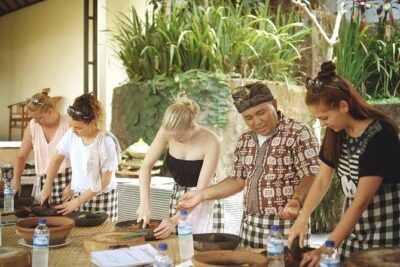
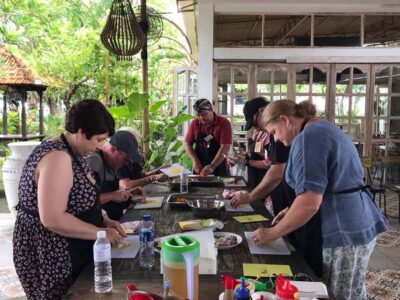
After the market, you head into a Balinese house with a “home” feel, not a staged studio. The class happens in an open kitchen, which is a big deal for two reasons.
First, you can see what’s happening. Open layouts reduce that awkward feeling of trying to guess what your instructor is doing off to the side. Second, it makes the experience more social. You’re cooking alongside a family setting, which is why people consistently talk about it as special and welcoming, not just educational.
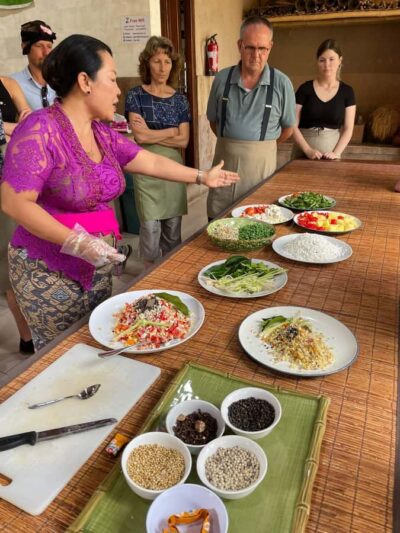
The chefs walk you through Balinese cuisine and culture as you cook. Since the class is fully conducted in English, you’re not left translating in your head. If you’ve ever wanted to learn the why behind a sauce or spice blend, this format gives you more chances to ask questions and adjust as you go.
This part is also where you’ll notice the class is designed for real participation. You make the recipes yourself, and then you eat what you cooked in the garden. That garden meal is not just a reward at the end, it’s the moment you can actually compare what you made to what Balinese food should taste like.
Lunch or dinner class: what changes in real life
You can choose either a lunch or dinner class, and that choice affects the flow of the day.
In a morning or lunch-style schedule, the market stop is a core highlight. Early starts help you pick ingredients while everything is fresh and available. One person specifically called out booking the morning class to make time for the market, then pairing it with rice paddy viewing before arriving at the home for cooking.
If you book the dinner-time option, consider that the market may already be closed. In one case, the evening plan couldn’t include the market, so the group went to a small plantation instead and did a coffee and tea tasting, including Luwak. That doesn’t mean every dinner class changes the same way, but it is a realistic consideration if you care about the market ingredient hunt as your main goal.
My advice: if your priority is ingredient selection in the market, lean toward the lunch-time option. If you want a later, lower-stress start and you’re flexible about where the day pivots, the dinner class can still be worth it.
What you’ll actually cook, and why it feels different from a restaurant meal
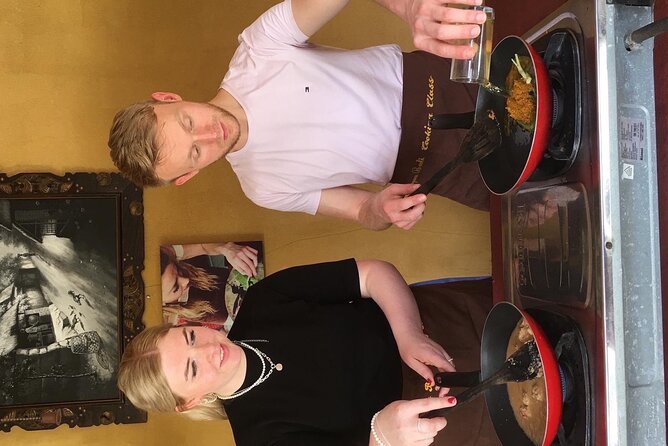
The best cooking classes teach you how to reproduce flavor, not just how to plate it. This one is structured so you prepare the dishes and then eat them, which makes it easier to remember what you did and why it worked.
The class includes lunch, and you cook the recipes yourself. Some people reported cooking around eight dishes, so don’t expect a one-dish workshop. You’re likely to leave with a mental map of how Balinese cooking builds complexity through spice, aromatics, and balance.
You may also get recipe information to take home. At least one class participant mentioned receiving a copy of the recipes, which is practical if you want to recreate what you cooked later without guessing.
A small but important detail: alcohol is not included. If you enjoy pairing food with a drink, plan to buy it separately.
What this means for your expectations: you’ll probably leave with more than hunger satisfied. You’ll leave with a clearer sense of which ingredients are essential and which ones are flexible.
Another side of Indonesia:
- All-Inclusive Ubud Private Tour
★ 5.0 · 14,344 reviews - Best of Ubud Full-Day Tour with Jungle Swing
★ 5.0 · 8,571 reviews - Ubud: Monkey Forest, Jungle Swing, Rice Terrace, and Water Temple
★ 5.0 · 7,160 reviews - Ubud: Waterfalls, Water Temple & Rice Terraces Private Tour
★ 5.0 · 5,484 reviews
Balinese daily offerings, coconut oil, and rindik music
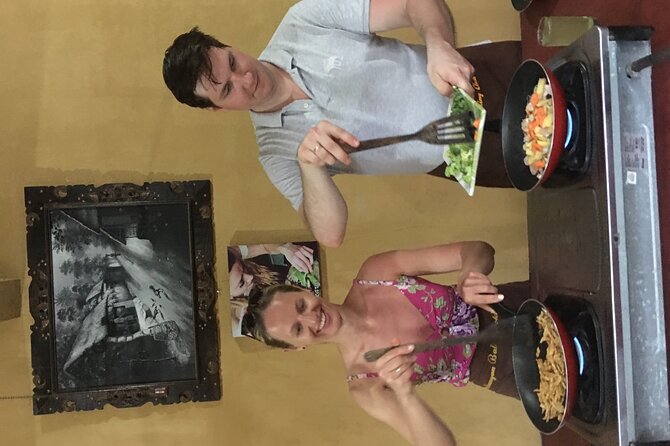
The cooking part is the headline, but the extra cultural activities are what make this class feel like you spent time with a family, not just in a workshop.
You’ll get to experience coconut oil processing. Even if you’ve cooked with coconut products before, processing it locally gives you a different understanding of the ingredient. It’s one of those experiences that makes you appreciate the “work” behind flavors that are easy to take for granted.
You’ll also learn how to make a simple offering and witness the household daily offering. For many visitors, Bali can feel like you’re constantly around ceremonies, but this helps you understand it as part of everyday household life, not just a photo opportunity. You’re not just watching, you’re participating in a basic version of the practice.
Then there’s rindik music, made from bamboo. One of the most memorable things about that is how hands-on it is. Instead of just hearing about music, you get a chance to play. It’s short, but it adds a playful, human touch to the day.
If you’re the type who wants a cooking class with culture that actually connects to daily life, these elements are a big reason this experience gets top marks.
Price and value for a 5-hour Ubud class
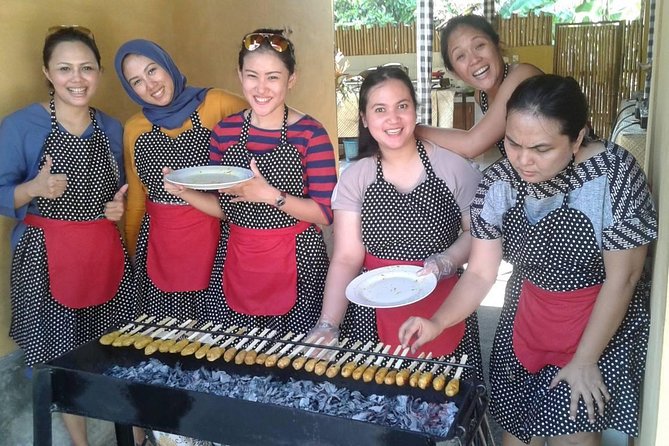
At $34 for about five hours, this is one of the more cost-friendly ways to do a serious Balinese cooking experience.
Here’s what you’re paying for, and why it’s good value:
- A market ingredient selection, not just cooking
- Cooking led by English-speaking Balinese chefs
- A full meal included (lunch is included)
- Cultural activities beyond the kitchen (offerings, coconut oil processing, rindik music)
- A small group limit of up to 15 people
Also, it’s a class where you cook and eat what you make. That’s the difference between a ticket that ends with a buffet, and a ticket that teaches you something repeatable.
The class has an impressive reputation too, with a 5-star average and 99% recommended based on available ratings and reviews. For me, that kind of consistency is a good sign that the experience is delivered the way it’s advertised.
Logistics that matter, and how to plan your day
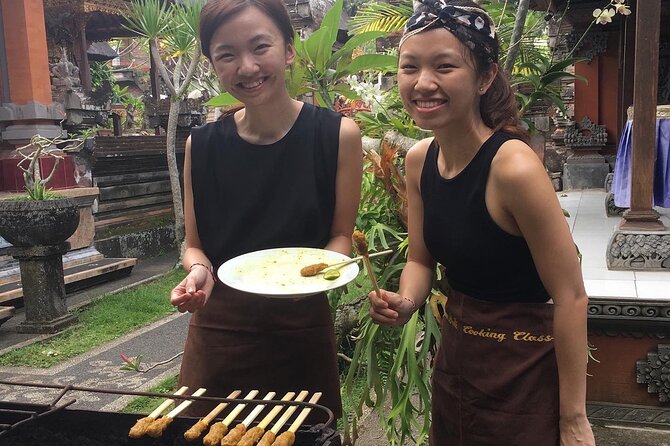
The meeting point is Warung JB Jambangan Bali on Jln kelabang moding no 713, in Tegallalang, Ubud area. The activity ends back at the meeting point.
You’ll get a mobile ticket, and the operator notes the site is near public transportation. Confirmation is received at the time of booking, and the group size is kept to a maximum of 15 people.
One more planning note: the experience requires good weather. If poor weather forces a cancellation, you should expect a different date or a full refund.
This is also a good option if you want a family-friendly activity. One review highlighted it as great for anyone who loves food, and the format supports a range of ages because it’s interactive rather than sit-and-watch.
Who I think should book this class
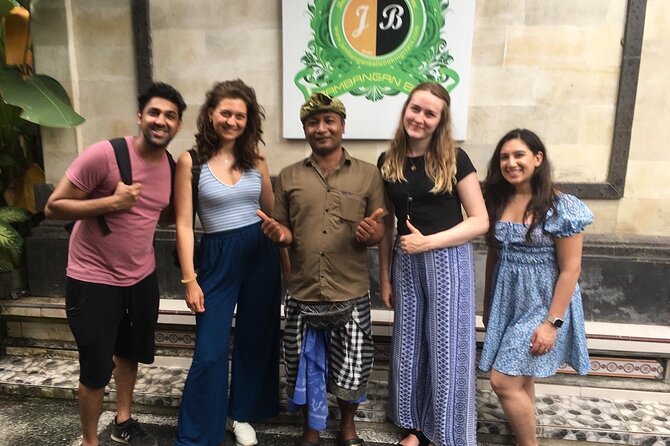
You’ll likely love it if you:
- Want a Ubud cooking class that includes a market ingredient hunt
- Enjoy cultural add-ons that connect to daily life, like offerings and coconut oil
- Prefer learning from an English-speaking chef while you cook
- Want a small-group experience where you can ask questions
You might reconsider if:
- You care deeply about the market stop and only want the dinner-time option, since evening timing can make market visits tricky
- You’re only interested in eating and not in hands-on cooking
- You want an alcohol-inclusive package, since alcohol isn’t included
Should you book Jambangan Bali Cooking Class?
If you’re choosing one Balinese food experience in Ubud, this is a strong pick because it treats cooking as more than a meal. You get the market, you cook in an open kitchen, and you leave with cultural context through offerings, coconut oil processing, and rindik music. At $34 for about five hours, with lunch included and a small group limit, the value looks solid.
My call: book the lunch or morning option unless the dinner slot fits your schedule perfectly and you’re okay with the possibility of a market change. If you want authentic food plus genuine hands-on learning, this class is exactly the kind of activity that makes Ubud feel personal.
FAQ
Where does the cooking class start?
The class starts at Warung JB Jambangan Bali, Jln kelabang moding no 713, Kelabang Moding No.713, Tegallalang, Kecamatan Ubud, Kabupaten Gianyar, Bali 80571, Indonesia.
How long is the Jambangan Bali Cooking Class?
The duration is approximately 5 hours.
Is lunch included, and is alcohol included?
Lunch is included. Alcohol is not included.
Can I choose between a lunch or dinner class?
Yes, you can choose between a lunch or dinner class.
Is the class taught in English?
Yes, all classes are conducted in English by Balinese chefs.
What is the cancellation policy and what happens if weather is bad?
You can cancel up to 24 hours in advance for a full refund. The experience requires good weather, and if it’s canceled due to poor weather, you will be offered a different date or a full refund.
Just added around Ubud
- Sunrise Café and Morning Yoga Class★ 5.0 · 5 reviews
- Quad Bike Bali With Tunnel & Waterfall Tour★ 4.2 · 8 reviews
- Puppy Yoga in Bali, Ubud & Uluwatu★ 4.7 · 93 reviews
- Private Ubud Tour With Professional Photographer with Edit★ 5.0 · 53 reviews
- Ubud : PRIVATE Bike Tour inside Rice Field with meal & pool★ 5.0 · 5 reviews
- Ubud: Organic Farm Harvest, Bali Cooking Class by Pemulan★ 4.8 · 12 reviews
- Outskirts of Ubud, Gianyar: Pottery Class★ 5.0 · 9 reviews
- packages cooking class and romantic dinner in a local home★ 5.0 · 4 reviews
Cooking Classes, compared.
Cooking Class with Transfers and Optional Market Visit
Read our review →
PRIVATE Authentic Balinese Cooking Class in Ubud at Putu’s Home
Read our review →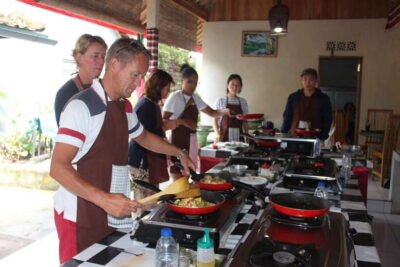
Browse the lists this tour appears in