
REVIEW · RINJANI TREKKING
Mount Rinjani Trekking 2D/1N Summit Sunrise & Sunset Views
Rinjani is tough, but the views feel earned. This 2-day, 1-night trek takes you up the Sembalun Route to a sunrise summit, then down with that crater-rim scenery hanging in your memory. You’ll also camp right by the crater rim area with sights tied to Segara Anak Lake, so your stops are built around big moments, not just movement.
What I like most is the support. You get an experienced English-speaking guide plus professional porters, and in the wild, I’ve seen names like Jack, Nun, Ajis, and Wahdi connected to this kind of trip, which tells me the operation leans on real people, not just a shuffle of logistics. Second, the comfort package is practical: tent setup at camp, sleeping bag and mat, toilet tent, and multiple meals with water, tea, and coffee keep the day from turning into pure self-sufficiency.
One thing to consider: this is a challenging hike. You wake early, you hit a rocky accent with loose gravel around 5:00am, and cold temperatures are part of the deal near the summit, plus weather can affect whether the summit push is possible.
In This Review
- Key highlights worth your attention
- Sembalun Route for a tight 2-day plan
- Day 1: Drive to Sembalun, hike to the crater rim, camp and soak in the evening
- The 2:00am wake-up and the rocky accent to the summit
- Descent and the two different “day-2 endings”
- What you get included: guides, porters, meals, water, and camping gear
- Food, coffee, and the little comforts that keep you moving
- Fitness, vertigo, and cold reality checks
- Gear checklist that matches this exact trek
- Price and value: what $200 per person buys on Rinjani
- Should you book this Mount Rinjani 2D/1N summit sunrise trek?
Key highlights worth your attention
- Sunrise timing that actually works: wake at 2:00am, summit just before sunrise, spend 20 to 30 minutes on top
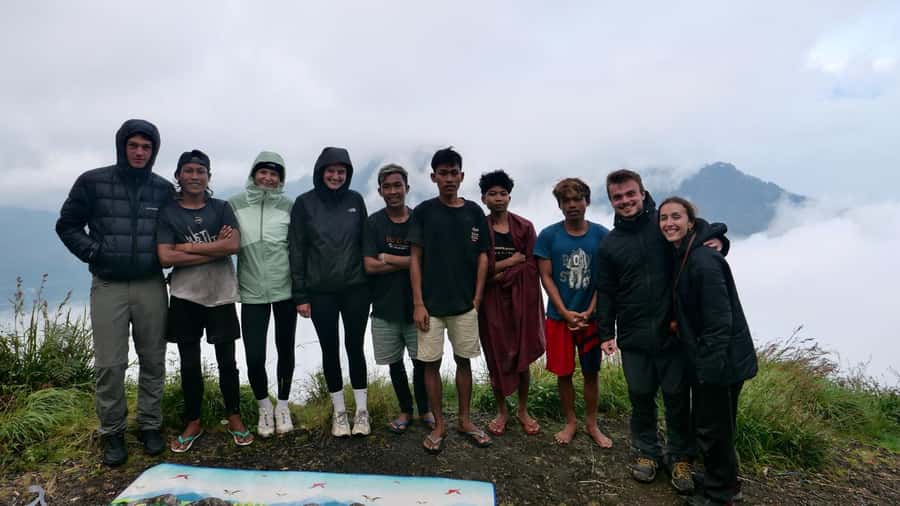
- Crater rim camping with real views: camp is set up for you by porters, then you enjoy the evening scenery from the rim
- Segara Anak Lake focus: the route is designed so the scenery around the crater and lake is central to your experience
- Water and hot drinks included: 3 liters mineral water per person per day, plus tea and coffee from the team
- Toughest section is identifiable: the steep, loose-rock stretch hits around 5:00am, so you can mentally prepare
Sembalun Route for a tight 2-day plan
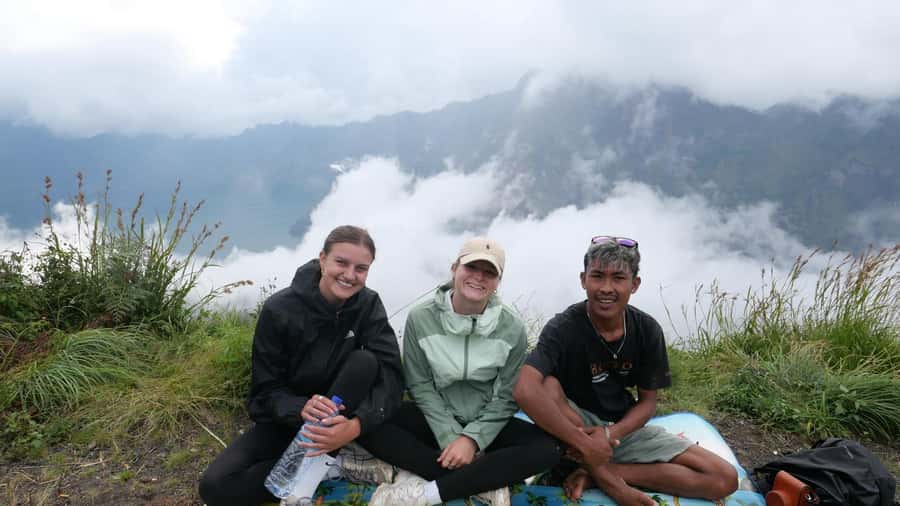
A 2D/1N Mount Rinjani trek is not the time to be casual. You’re compressing a lot of vertical effort into a short window, so the route choice matters. The Sembalun Route is built for this sunrise-and-return rhythm: you start from Sembalun, climb through the long day, camp at the crater rim, then go for the summit at night.
What makes this plan feel efficient is that your day 1 is about position, not a quick hit-and-run. You hike all day, arrive late afternoon at the crater rim, and then you’re already where you need to be for the 2:00am start. That reduces the amount of night travel and keeps the summit push focused. If you’re the kind of traveler who likes your itinerary to feel purposeful instead of rushed, this pacing is a good fit.
I also appreciate that this isn’t sold as easy. The trip is clearly framed as strenuous, and the details you’re given, like the loose gravel section and the cold near the summit, help you plan gear and energy. That honesty matters on a mountain where conditions can change.
Other Rinjani trekking worth a look in Indonesia:
- Mount Rinjani 2 Days 1 Night Senaru Crater Rim
★ 5.0 · 131 reviews - Mount Rinjani Trek 3D-2N To Summit – Lake – Hotspring
★ 4.7 · 111 reviews - Mount Rinjani 2-Day Trek to Senaru Crater Rim
★ 4.8 · 89 reviews
Day 1: Drive to Sembalun, hike to the crater rim, camp and soak in the evening
Day 1 begins with breakfast and coffee or tea, then about an hour drive to Sembalun. The hike then runs long, with lunch in the middle of the trek. That matters because you’ll get tired, and you need a planned fuel stop rather than hoping snacks will carry you. If you like structure, this day has it.
By late afternoon, you reach the crater rim. The big value here is that your porters are setting up camp when you arrive. Instead of spending your best daylight energy doing everything yourself, you get to switch gears. You’ll eat dinner, and then you sleep at the crater rim with your tent already handled for you.
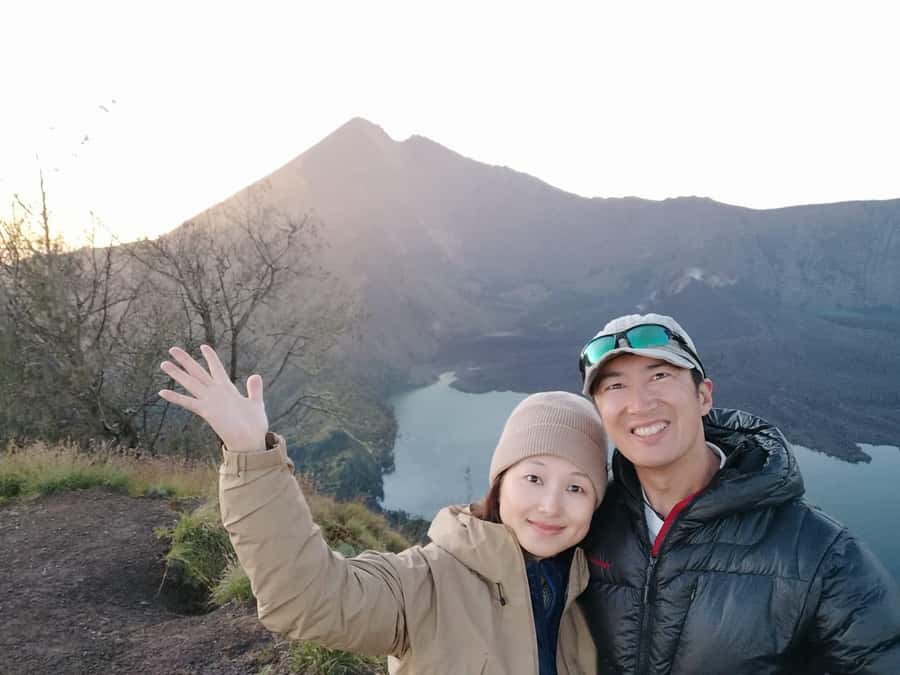
Evening at the crater rim is not just a photo moment. It’s when your body starts to notice what kind of day it had. You get time to breathe, recover a bit, and look out over the crater area, including views associated with Segara Anak Lake. And yes, this kind of rim vantage is part of why Rinjani stays on people’s travel wishlists for the long term.
One practical note: the crater rim can mean cold air and fast temperature drops. The trip info explicitly tells you to bring warm clothing, and I strongly agree. If you only pack light layers, you’ll feel it when you stop moving.
The 2:00am wake-up and the rocky accent to the summit
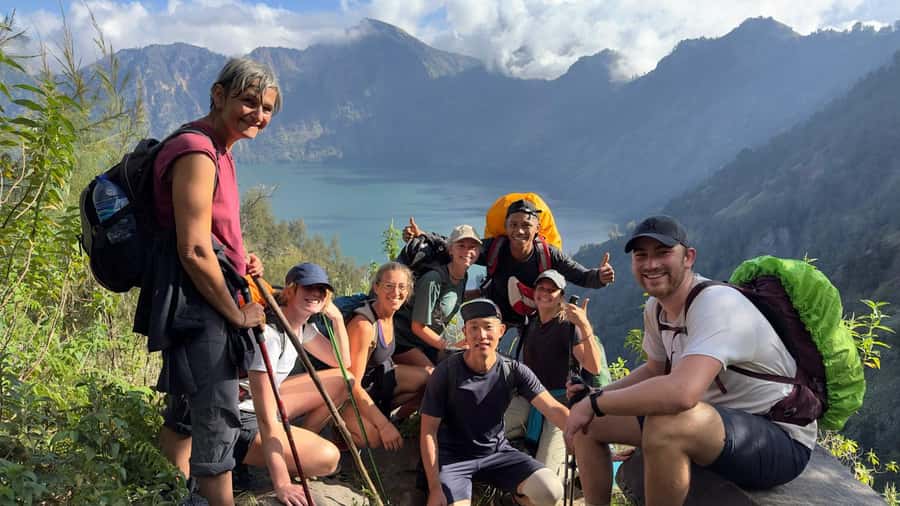
Day 2 is where the itinerary becomes real. You wake at 2:00am for quick breakfast, then you start hiking around 2:30am. The goal is to reach the summit just before sunrise, and the route gets tough in a specific window.
Around 5:00am, you hit the hardest part: a rocky accent with loose, gravel-like rocks. The footing is strenuous, but the guidance says you are not in danger of falling off the mountain. Still, loose rocks can be tiring and mentally annoying because your steps have to be careful. This is the section where proper footwear and a calm pace beat bravado.
Then you reach the summit just before sunrise. You spend about 20 to 30 minutes at the top, which is a sweet spot. Long enough for sunrise and a few viewpoints, not so long that you freeze or burn yourself out. After that, you come back down to the crater rim for a big breakfast.
If you’re deciding what kind of hiker you are, this day is a clear test:
- Can you handle early starts?
- Are you comfortable moving on loose rock?
- Can you keep a steady pace when your motivation is mostly the promise of sunrise?
If that sounds like your style, you’ll probably feel proud at the end of the summit hour.
Descent and the two different “day-2 endings”
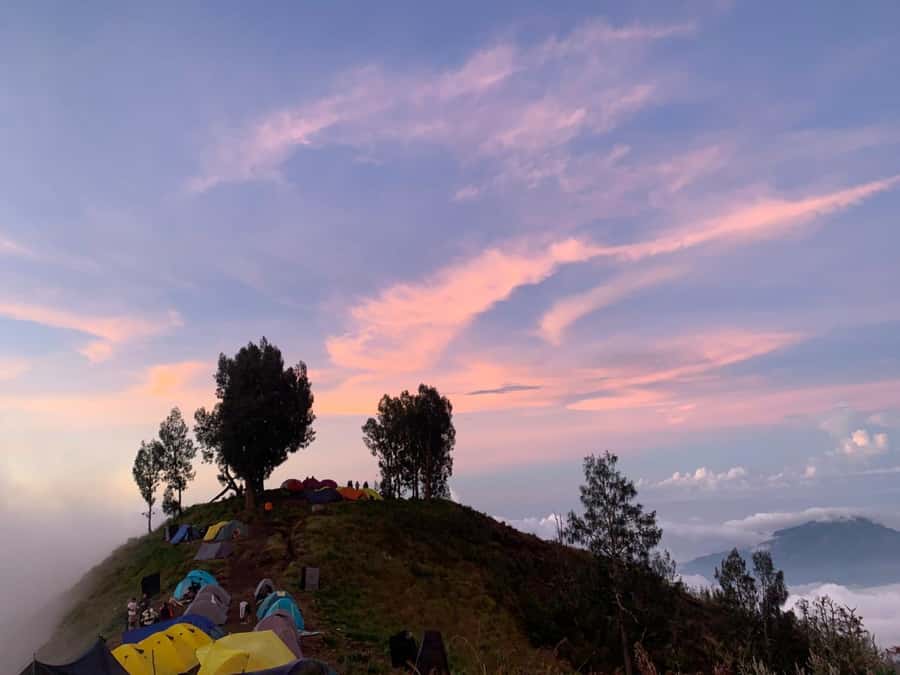
After the crater rim breakfast, you start descending. What happens next depends on where you’re traveling from and which side your logistics follow.
If the plan connects you back via Sembalun, the descent is described as mildly steep. That’s the more forgiving scenario, because your legs may already be hammered, and “mildly steep” is still steep, just less punishing.
If your return is aligned with Senaru, most of the day goes through thick rainforest. That changes the feel of your descent a lot. The pace can slow, footing can get slick, and the air can feel heavy. Rainforest travel can be wonderful if you like humidity and shade, but you should be ready for it.
Either way, once you reach the bottom, you’re driven back to the port or airport. If you’re continuing with other adventures, you may also be taken back to a homestay in Senaru.
This two-path detail is more important than it sounds. The same summit experience can end in very different physical days. If you’re planning other activities the next day, you’ll want to know which direction you’re taking down.
A few more Indonesia trips to compare
- Bali: Sunrise Mount Batur Guided Hike with Breakfast
★ 4.8 · 9,660 reviews - Bali: Mount Batur Sunrise Guided Hike and Natural Hot Spring
★ 4.8 · 9,284 reviews - Bali: Mount Batur Sunrise Trek With Guide and Breakfast
★ 4.8 · 3,461 reviews - Mount Batur Sunrise Hike and Natural Hot Spring Option
★ 5.0 · 1,927 reviews
What you get included: guides, porters, meals, water, and camping gear
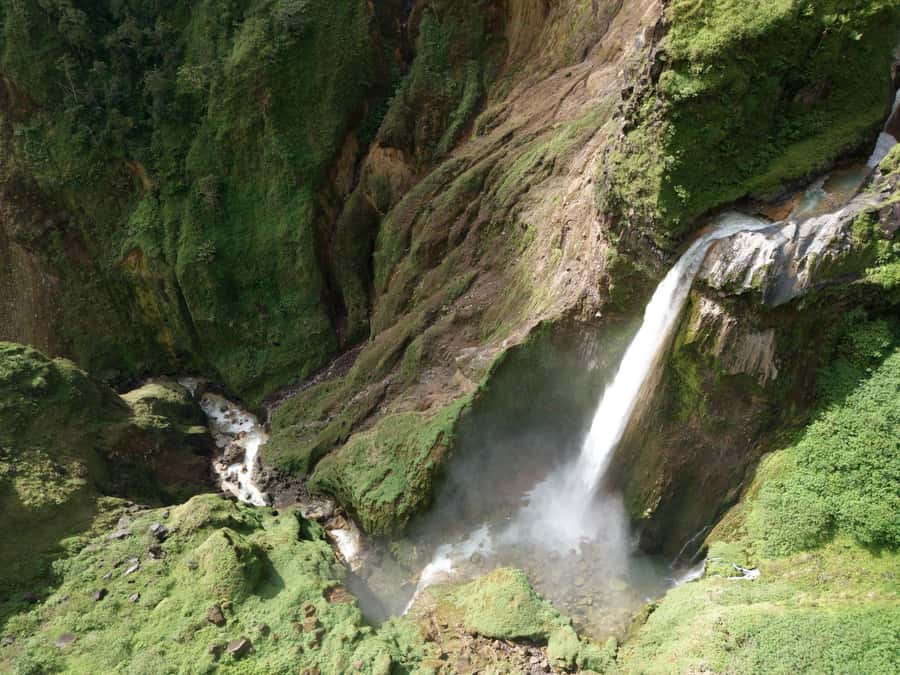
For $200 per person on a two-day mountain trek, the biggest question is always value: what is actually taken off your shoulders?
Here’s what’s included that matters most:
- Guide and porters, including an experienced English-speaking guide and professional porters who carry cooking utensils and camping equipment
- 3 liters of mineral water per person per day (this is a huge deal on an active volcano hike)
- 3 meals a day, plus tea and coffee
- fruit like pineapple and banana
- tent, sleeping bags, sleeping mat, and toilet tent with toilet paper
- transportation after the trek to Bangsal harbor or Mataram
- pickup around Senaru and transport to the starting point
- storage in an office for the backpack you don’t need on the hike
The practical takeaway is that you’re not expected to self-cater camp life at altitude. You can pack a day-focused kit instead of lugging cooking gear and sleeping setup. That reduces fatigue and keeps your time on the mountain focused.
You still need to bring personal items. Warm clothes, hat, sunscreen, rain gear, and snacks for yourself are your responsibility. The included water helps, but snacks are personal, and you’ll want what you actually like.
Also, bring the right footwear. Trekking shoes are not included. On loose, gravel rock around 5:00am, shoes you trust are part of safety and comfort.
Food, coffee, and the little comforts that keep you moving
This trek is strenuous, so small comforts matter. The info here is specific: tea and coffee are included, and the team provides water. In the review-style anecdotes tied to this experience, people praise the constant supply and the way porters keep you cared for.
I’d treat that as a signal of what the mountain day will feel like. When hot drinks show up at the right time, you stop freezing, even briefly. When water is handled consistently, you spend less energy rationing and guessing.
One detail I’d pay attention to: some people felt the breakfast portions could be bigger. That doesn’t mean breakfast is bad, but it’s a hint that you may want extra snacks in your personal stash. You might get enough food, but you might still want a little more for your appetite after a summit night start.
Fitness, vertigo, and cold reality checks
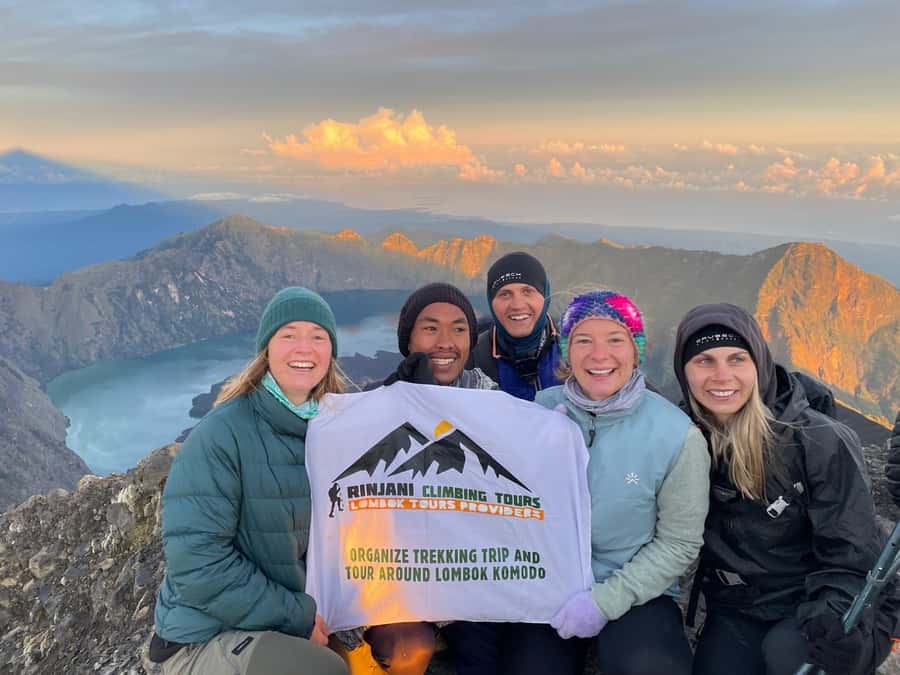
The trek is not for everyone, and the “not suitable” list is direct: people with heart problems, people with vertigo, and people with low level of fitness should not do this.
Even if you’re fit, the description of the summit push is a reality check. You’ll be hiking at night, dealing with loose gravel on the steep accent, and preparing for cold temperatures at the summit. If the idea of darkness, early mornings, and careful footing stresses you out, you’re probably not going to enjoy the process.
On the other hand, if you train for long hikes and you’re okay with a high-effort day, this can feel doable. One of the key things the route does well is making the hardest section time-bound. You know it peaks around 5:00am. That means you can mentally plan for the roughest stretch instead of wondering when it will hit.
Weather is another factor. The guidance states that weather conditions can affect the itinerary. And when weather shifts, the summit may be closed. That’s not a failure. It’s mountain decision-making. Keep your plan flexible in your head even if you booked with summit hopes.
Gear checklist that matches this exact trek
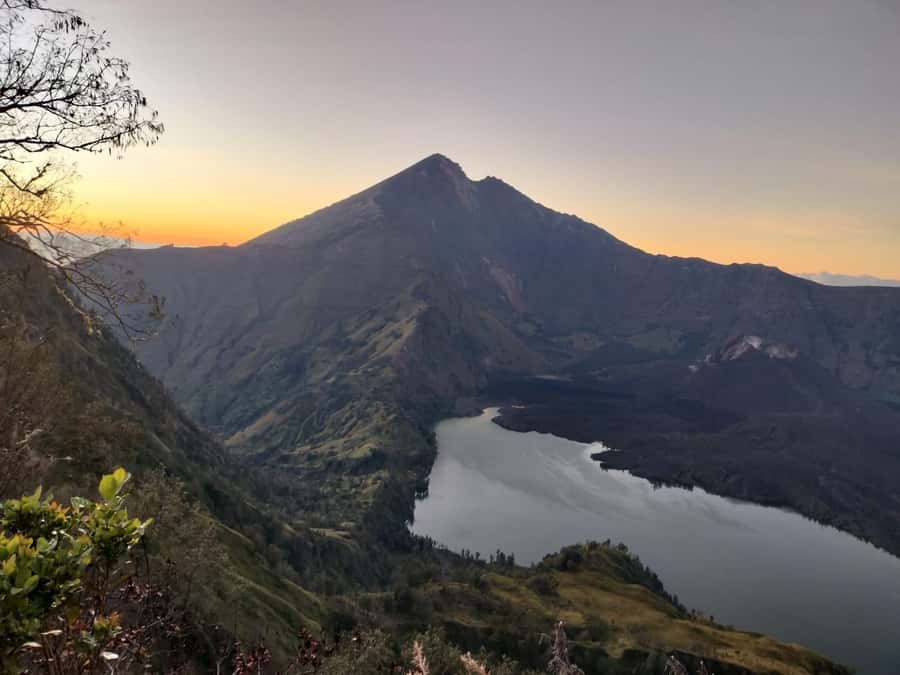
You’ll get the best experience if your kit matches the reality of the climb. Here’s what the tour data says to bring, and why each item matters on this timeline:
- Warm clothing: you start pre-dawn and you camp at the crater rim
- Hat: helps with sun later, but also keeps warmth in during cooler hours
- Camera: sunrise timing is part of the payoff
- Snacks: personal energy needs can run higher than expected
- Hiking shoes: not included, and you need solid traction on loose rock
- Sunscreen: altitude and morning light can surprise you
- Water: although 3 liters mineral water per day is included, carry personal water habits if you’re used to it
- Rain gear: crater rim and rainforest descent can get wet
Also, a flashlight or headlamp is smart for 2:00am starts. Even if you get guided, you still need to see where you put your feet on rocky ground.
Small backpack or daypack: not included, but it’s possible to rent. In practice, you want something you can carry comfortably while your porters handle the heavier camp setup.
Price and value: what $200 per person buys on Rinjani
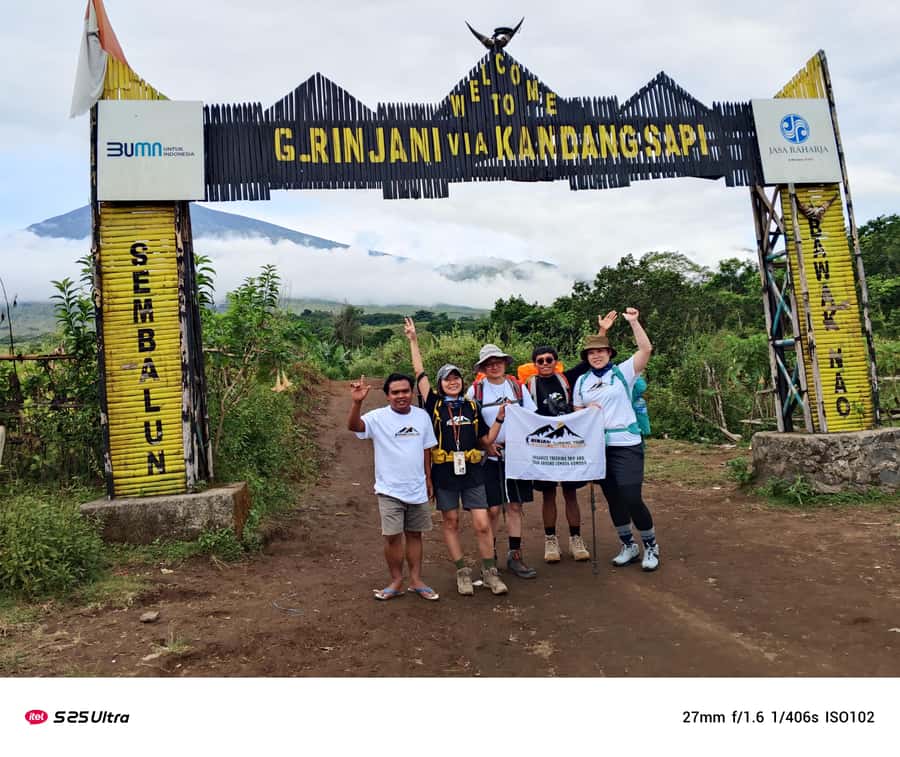
At $200 per person for 2 days, this is not a cheap day trip. But it also isn’t just a hiking ticket. Your money is buying:
- an experienced guide and professional porters
- camping gear support, including a tent plus sleeping items
- meals for 3 parts of each day and drinks like tea and coffee
- substantial water support (3 liters mineral water per person per day)
- pickup near Senaru, transport to the starting point, and a return drive to Bangsal harbor or Mataram
If you tried to recreate that on your own, you’d spend heavily on logistics and you’d lose time managing camp comfort. On Rinjani, time on the mountain is the commodity. This kind of package is value if you want to focus on the climb, not on coordinating gear and meals.
Your personal costs are mostly the items that affect your comfort and safety: trekking shoes, warm clothing, daypack, and extra snacks or tips.
Should you book this Mount Rinjani 2D/1N summit sunrise trek?
Book it if you want sunrise on a serious volcano route and you’re ready for a night start plus an early rocky climb. I think this is a strong option when you appreciate clear structure, like a 2:00am wake-up schedule and crater rim camping that sets you up for the summit window.
Skip it if you know loose footing makes you anxious, you’re dealing with health limitations listed as unsuitable, or you’re not comfortable with cold temperatures and strenuous exertion. Also skip it if you want a relaxed pace, because this trek is built around effort.
If you do book, here are the two decisions that make the biggest difference:
- Prioritize proper hiking shoes and warm layers. This trek punishes cold and loose-rock mistakes.
- Pack extra personal snacks for the summit morning. Included meals are good, but your appetite may run higher.
If you want a volcano challenge that mixes mountain grit with crater rim and summit sunrise payoff, this 2-day plan is exactly the kind of trip that delivers meaningful memories without pretending it’s easy.
More Evening Experiences in Indonesia
- Uluwatu Sunset, Kecak Dance, and Dinner Jimbaran Beach
★ 5.0 · 3,681 reviews - Bali Sunset: Uluwatu Temple, Kecak Dance and Jimbaran Bay
★ 4.7 · 2,397 reviews - Bali Hai Sunset Dinner Cruise
★ 5.0 · 1,173 reviews - Bali: Tanah Lot Temple Half Day Sunset Tour
★ 4.4 · 702 reviews
Just added around Indonesia
- Bali: 3-Day Private Gili Islands Snorkel Tour with Hotel★ 4.2 · 44 reviews
- Tanah Lot-Nung Nung Waterfall-Jatiluwih and Bedugul★ 4.7 · 16 reviews
- SURAKARTA (SOLO CITY) : CUSTOMIZED TOURS WITH CAR DRIVER★ 4.8 · 6 reviews
- Surf Lessons in Uluwatu for All Levels★ 4.9 · 15 reviews
- Surf Canggu: Lessons for Beginners & Pros in Bali★ 5.0 · 5 reviews
- SURFA BALI curated surf lesson + trip to spots (Beg. & Int.)★ 4.3 · 6 reviews
- From Malang/Surabaya: Mount Bromo Sunrise Ultimate (Shared)★ 4.3 · 51 reviews
- Surabaya: Tumpak Sewu Waterfall, Bromo and Ijen Shared Tour★ 4.4 · 14 reviews
Rinjani Trekking, compared.
Mount Rinjani 2 Days 1 Night Senaru Crater Rim
Read our review →
Mount Rinjani Trek 3D-2N To Summit – Lake – Hotspring
Read our review →
Mt Rinjani Trekking 2 Days 1 Night (Senaru Crater Rim)
Read our review →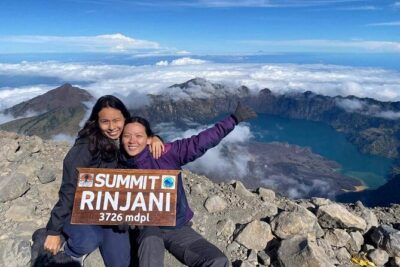
Rinjani Trekking Three Days Two Night Summit Lake
Read our review →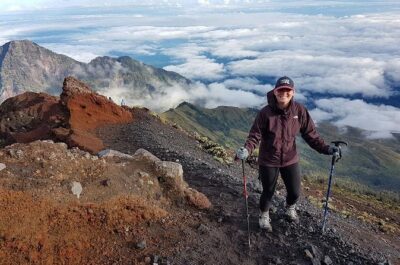
Mount Rinjani Hiking to summit( 2 Days 1 Night )
Read our review →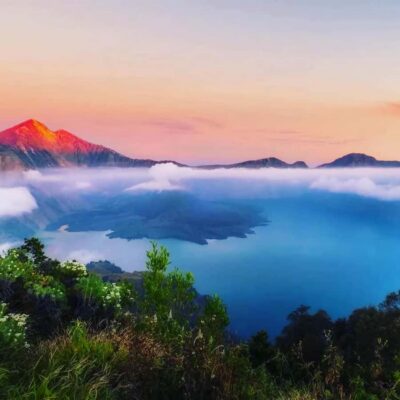
Browse the lists this tour appears in