
REVIEW · COOKING CLASSES
Munduk Balinese Cooking Class lunch/Dinner at a Local Home
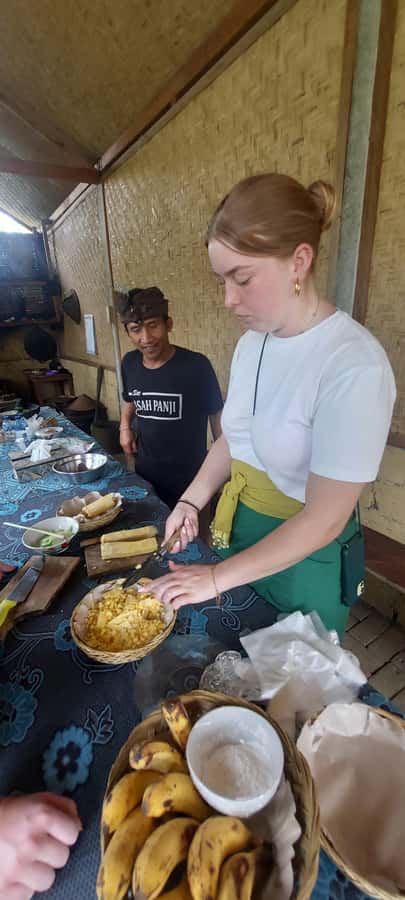
Munduk feels like a different Bali when you eat at home. You step into a welcoming local family setting, cook with fresh ingredients, and learn why Balinese food tastes the way it does. The hands-on part is practical, but the real hook is the local-home atmosphere that makes the meal feel personal.
I especially love how the class teaches flavor basics you can use later, not just a list of dishes. You also get a satisfying centerpiece in Nasi Campur, plus sides that show how Balinese meals are built.
One thing to consider is that spice control is adjusted for international palates, but you should still expect authentic seasoning. Also, this activity is not suitable if you deal with altitude sickness.
In This Review
- Key things to know before you go
- Why this Munduk home-kitchen format is the real prize
- The meal you will make: Nasi Campur and a whole plate of favorites
- Base Genep: the one lesson that makes the rest click
- Cooking with Kadek, team support, and a home rhythm
- Sate Lilit to Bergedel: what each dish teaches you
- Sate Lilit: herbs, coconut, and the art of the blend
- Bergedel: comfort food with a savory core
- Balinese vegetable stir-fry: fast, aromatic, and seasonal
- Jukut jepang: light soup that feels restorative
- Base Genep: the glue for the whole menu
- Lunch or dinner with your hosts: why sharing the meal matters
- Dietary needs, spice level, and allergy-friendly planning
- Getting there in Munduk: timing and what to pack
- Is it worth $18? The value math that makes sense
- Who should book this cooking class, and who should skip it
- Should you book this Munduk Balinese Cooking Class at a Local Home?
- FAQ
- How long does the Munduk Balinese cooking class last?
- Where does the class meet?
- Is pickup from my hotel included?
- What will I eat and cook during the class?
- Can the class accommodate vegetarian, vegan, or allergies?
- Does the cooking use MSG?
- What should I bring?
- What language is the host speaking?
- Is this suitable for altitude sickness?
Key things to know before you go
- Local family setting in Munduk: you cook and eat in a real home, not a studio.
- Nasi Campur as the meal framework: multiple small dishes, one plate, big variety.
- Base Genep focus: you learn the spice paste that powers many Balinese flavors.
- No MSG cooking: flavors come from fresh ingredients, not shortcuts.
- Dietary flexibility: vegetarian, vegan, and allergy-friendly options are available on request.
- Bring insect repellent: Munduk is outdoors and you will spend time outside.
Why this Munduk home-kitchen format is the real prize
A cooking class can be fun anywhere, but Bali feels different when it happens in someone’s everyday life. Here, you are guided through recipes while surrounded by the rhythms of a local family home. It is the kind of experience where you stop thinking of food as a show and start thinking of it as a craft.
I like that it is not only about what you eat, it is also about how you understand the ingredients. You are taught using fresh local market items, and that matters because Balinese cooking leans on aroma, texture, and balance. You also walk away with a clearer mental model for building a plate, not just memorizing steps.
The price is also worth a closer look. At about $18 per person for a 2 to 3 hour lunch or dinner, you are paying for ingredients, guidance, equipment, and a family meal. In many Bali food experiences, you pay just to eat. This one includes you cooking, which makes the value feel more honest.
More Cooking classes in Lovina:
- Quad ride, waterfalls & aunthentic cooking class in munduk
★ 4.9 · 53 reviews - Ubud: Balinese Cooking Class at an Organic Farm
★ 5.0 · 1,786 reviews - Ubud Cooking Class Bali with Balinese Chef
★ 5.0 · 1,609 reviews
The meal you will make: Nasi Campur and a whole plate of favorites
The class centers on Nasi Campur, a Balinese signature meal built around one rice base plus several small dishes. Think of it as a way to taste the logic of the cuisine: sweet, savory, crunchy, herbal, and spicy, all working together. You end up with variety on one plate instead of one single dish.
Depending on the menu for your session, you will likely cook a mix of these staples:
- Sate Lilit: minced fish or chicken mixed with fresh herbs and grated coconut, wrapped around bamboo sticks, then grilled.
- Bergedel: golden-fried potato patties with a soft, savory interior.
- Balinese vegetable stir-fry: seasonal vegetables cooked with aromatic spices.
- Jukut jepang: Balinese soup made with chayote (jepang) plus local herbs and spices.
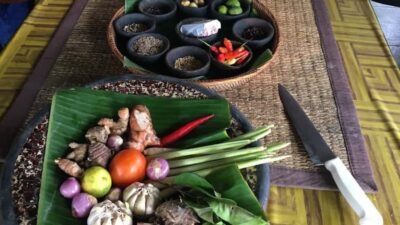
- Base Genep (spice paste): turmeric, ginger, galangal, shallots, garlic, lemongrass, and chili, blended into the flavor engine of many dishes.
I love that the menu is not random. It covers grilling, frying, sautéing, soups, and the paste that connects it all. If you are the kind of person who wants to cook at home and not just eat once, this range helps you learn the fundamentals.
Base Genep: the one lesson that makes the rest click
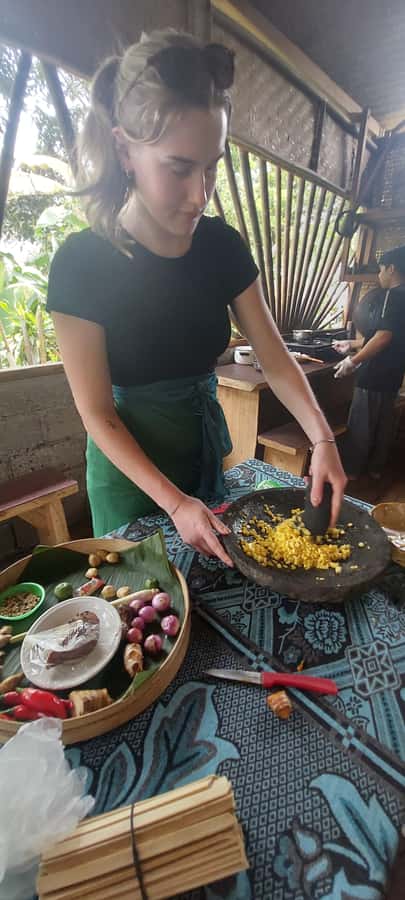
If you remember one thing from a Balinese cooking class, make it this: Base Genep is where the magic starts. You are taught how to prepare the spice paste using fresh ingredients such as turmeric, ginger, galangal, shallots, garlic, lemongrass, and chili. That set of aromatics is the backbone of a lot of Balinese flavor.
What makes this valuable for you is that it is transferable. Even if you never make the exact same dishes again, learning how these aromatics combine teaches you what to look for when you cook other Southeast Asian food. The paste is also a good reminder that Balinese cuisine is not only heat. It is fragrance plus depth.
Also note the approach to seasoning. The class adjusts dishes for international palates, keeping flavors bold without making everything overwhelmingly spicy. And they emphasize using no MSG, so you taste the ingredients as ingredients, not as a processed flavor boost.
Cooking with Kadek, team support, and a home rhythm
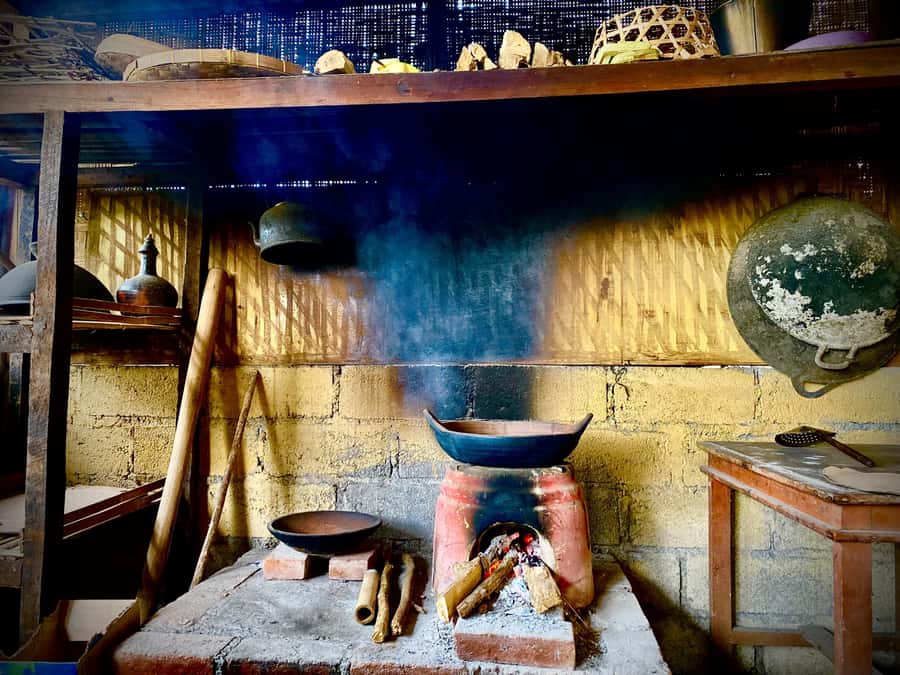
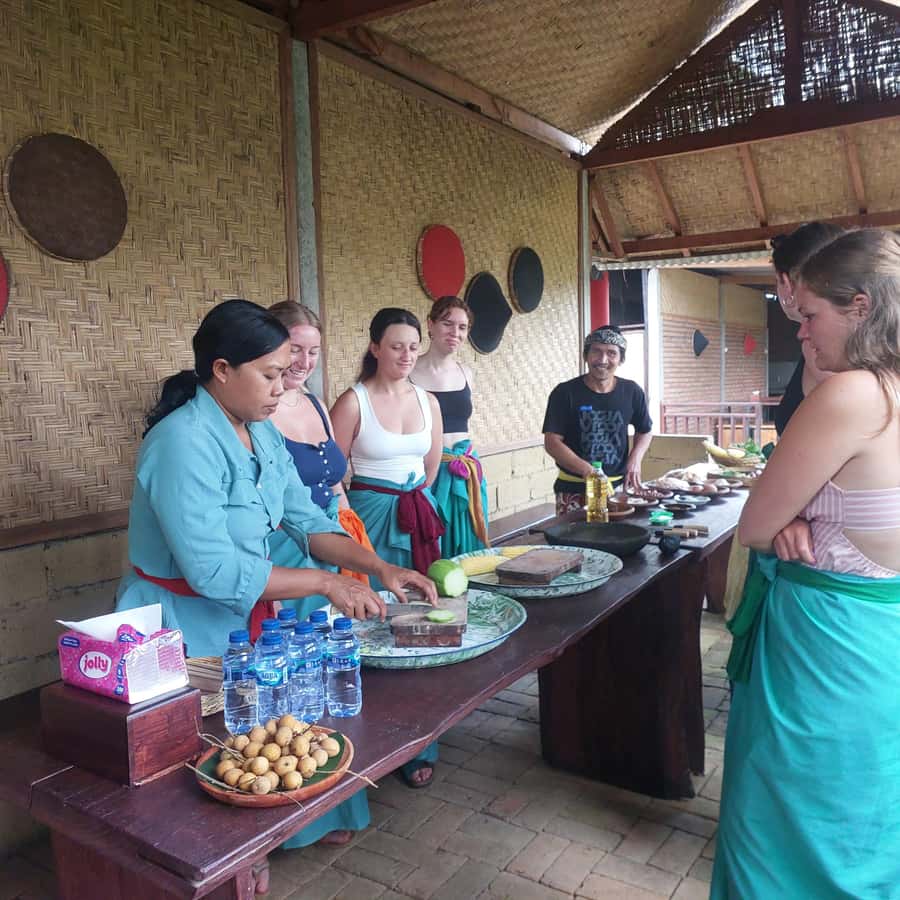
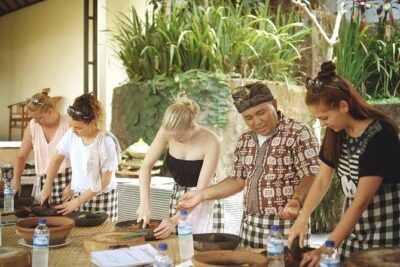
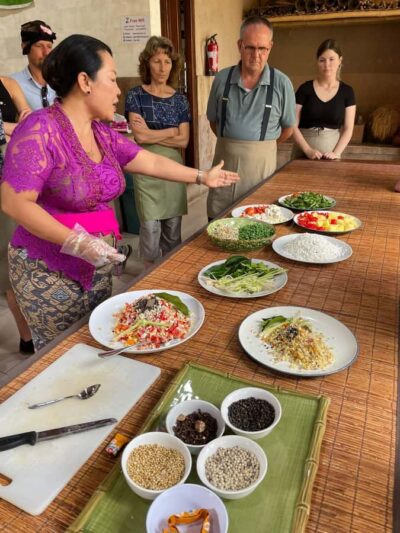
The tone here is friendly and unhurried. One guide leads the hands-on cooking session, and the team helps you through the steps in a way that works even if your English is limited. People often mention being well guided and feeling welcomed, including families with kids.
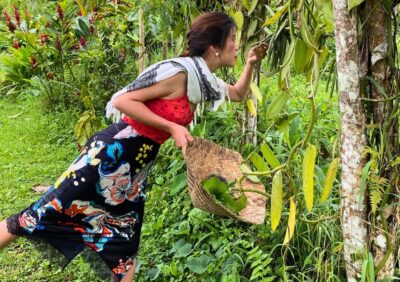
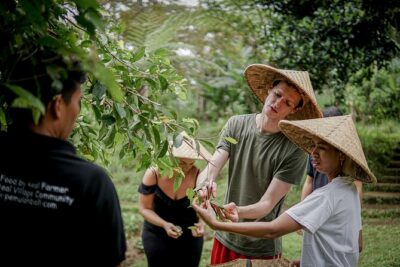
In at least some sessions, you may also get time before cooking to see the property, such as a garden or small farm setup. One helpful detail from past experiences is that the host instructor, Kadek, may explain what gets grown and share simple context about everyday life. That sort of conversation turns waiting time into part of the cultural experience, not downtime.
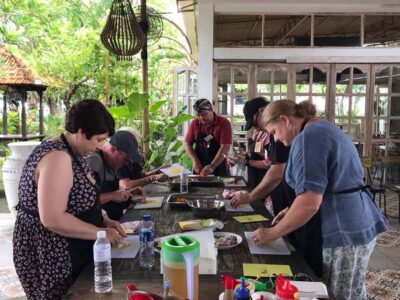
You should expect to do real work, not just chop once for a photo. You cook multiple dishes, and the class pace is built around doing things yourself: mixing, shaping, frying or grilling, and tasting as you go.
A few more Lovina trips to compare
- Uluwatu Sunset, Kecak Dance, and Dinner Jimbaran Beach
★ 5.0 · 3,681 reviews - Bali Hai Sunset Dinner Cruise
★ 5.0 · 1,173 reviews - Mount Batur Sunrise Trekking (Private Tour and Breakfast at Restaurant)
★ 5.0 · 598 reviews - Uluwatu Sunset Tour: Kecak and Fire Dance with Jimbaran Dinner
★ 4.5 · 597 reviews
Sate Lilit to Bergedel: what each dish teaches you
Cooking classes are easier when each dish has a job. Here is what each one is really teaching you, beyond how it tastes.
Sate Lilit: herbs, coconut, and the art of the blend
Sate Lilit starts with minced fish or chicken mixed with fresh herbs and grated coconut. You shape the mixture around bamboo sticks and grill until it turns savory and fragrant. This teaches you how Balinese flavor balances aromatic herbs with richness from coconut.
For you, the takeaway is technique plus judgment. You learn how the mixture should hold together and how the herbs should stay present, not disappear into the meat.
Bergedel: comfort food with a savory core
Bergedel are fried potato patties that come out golden on the outside with a tender, savory interior. This dish is a great reminder that Balinese cooking includes cozy comfort, not only “spicy street food.” The frying step also helps you understand texture, since cooking too hot or too long changes everything.
If you want a dish you can reproduce at home, fried patties like this are often the most forgiving when you have the right heat.
Balinese vegetable stir-fry: fast, aromatic, and seasonal
The vegetable stir-fry is cooked with aromatic spices, and the vegetables are seasonal. You get practice with timing and seasoning, and you taste how Balinese spices work even when meat is not the focus.
This is a smart option for you if you are trying to eat lighter, or if you want a side that brings a lot of flavor without being heavy.
Jukut jepang: light soup that feels restorative
Jukut jepang is a light soup made with chayote (jepang) and local herbs plus spices. It is not a heavy finish, so it helps balance fried or grilled items on the table. For you, it also adds variety since soup technique is part of the lesson range.
Base Genep: the glue for the whole menu
The spice paste is the connective tissue. Many dishes in Balinese cooking rely on that aromatic paste as a foundation, so you are learning a shared flavor language across multiple recipes.
Lunch or dinner with your hosts: why sharing the meal matters
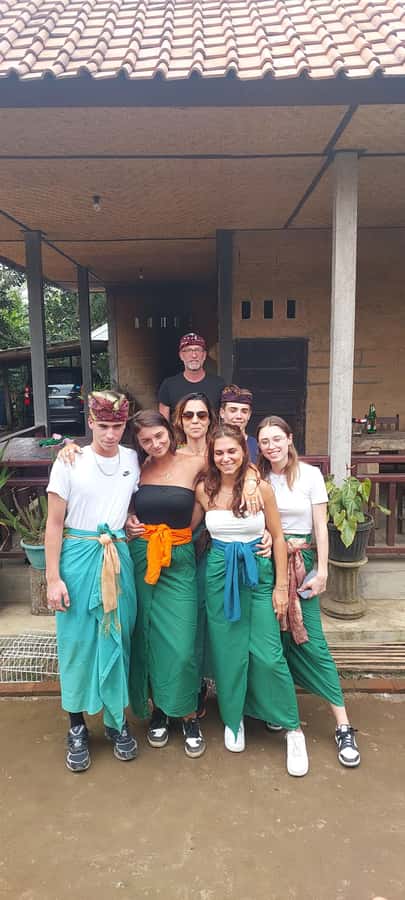
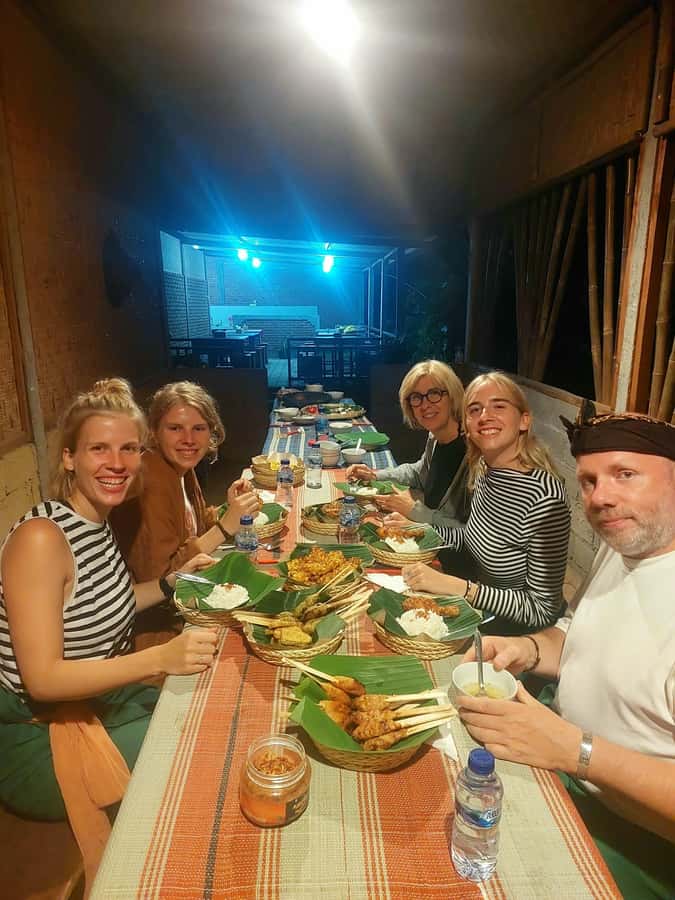
After cooking, you sit down together to enjoy what you made with your hosts and fellow participants. The format matters because it turns the class into a shared event, not a drop-off lesson. In a local home setting, the meal feels like part of a real day, with warmth and normal conversation.
One detail I think you will appreciate is the relaxed pace. People often describe the atmosphere as warm and easygoing, and that makes the cooking less stressful. If you have ever worried about cooking classes where everyone watches quietly, this one feels more like you are being taught.
You also get drinking water included, which sounds basic but helps keep things comfortable during active cooking time.
Dietary needs, spice level, and allergy-friendly planning
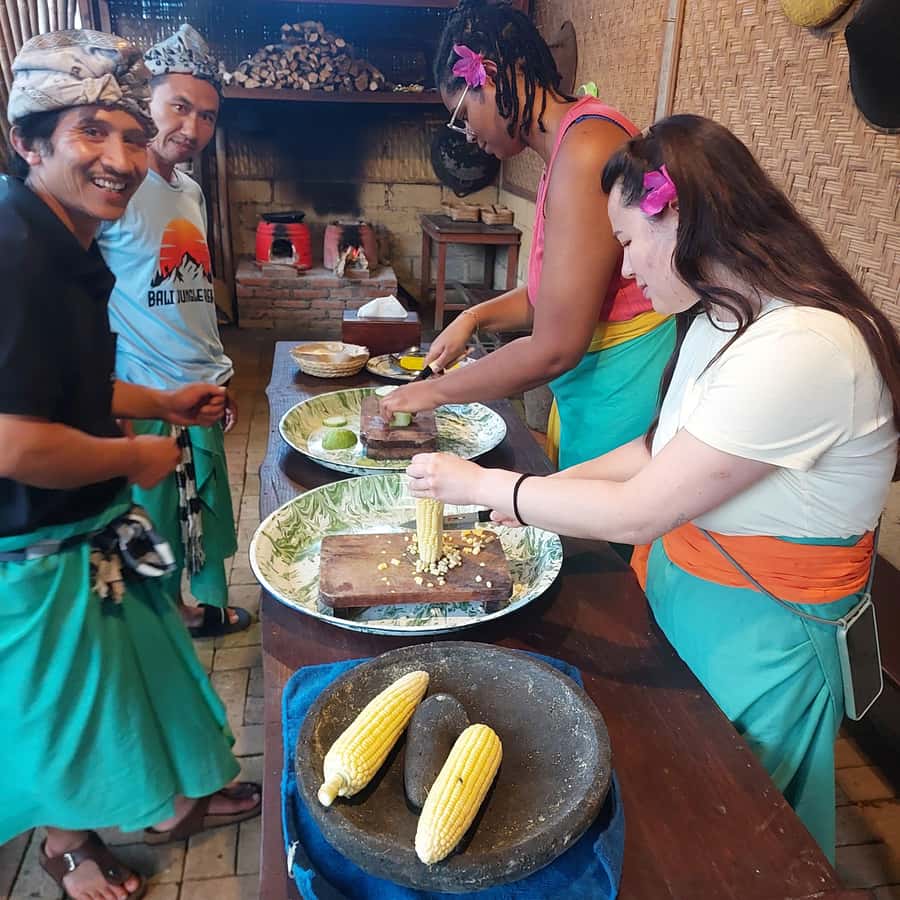
Bali food can be tricky if you have dietary limits, but this class is built to handle adjustments. The menu is available for vegetarian and vegan options, and it also supports allergy-friendly requirements on request. Alternatives are mentioned for guests who cannot consume meat, wheat or flour, peanuts, or eggs.
That is the part you should take seriously. For allergy or restriction scenarios, you will want to communicate clearly before the class so substitutions match your needs. The good news is the class is set up to work with those requirements rather than forcing you to eat around the edges.
On spice: the recipes are adjusted for international palates. That usually means you get the Balinese flavor profile without an overly punishing heat level. Still, if you are very heat sensitive, tell them up front and ask what to expect.
Getting there in Munduk: timing and what to pack
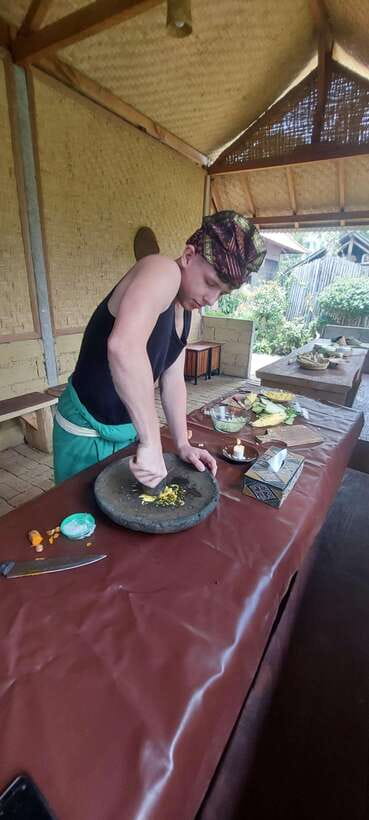
Munduk is a different pace than beach Bali, which makes this class feel like a change of rhythm. The session runs 2 to 3 hours, and the meeting point can vary depending on your booking option.
If you choose hotel pickup, a team member will pick you up and message you to confirm your hotel address details. This is practical, especially if you are staying in a rural area or if your hotel entrance is hard to find.
What to bring is simple and actually useful:
- Sun hat
- Camera
- Comfortable clothes
- Insect repellent
I also suggest wearing clothes you do not mind getting a little messy. You are cooking, after all, and Munduk’s humidity can make sweat and spice residue part of the story.
One important note: the experience is not suitable for people with altitude sickness. If that applies to you, it is better to choose a different low-altitude activity.
Is it worth $18? The value math that makes sense
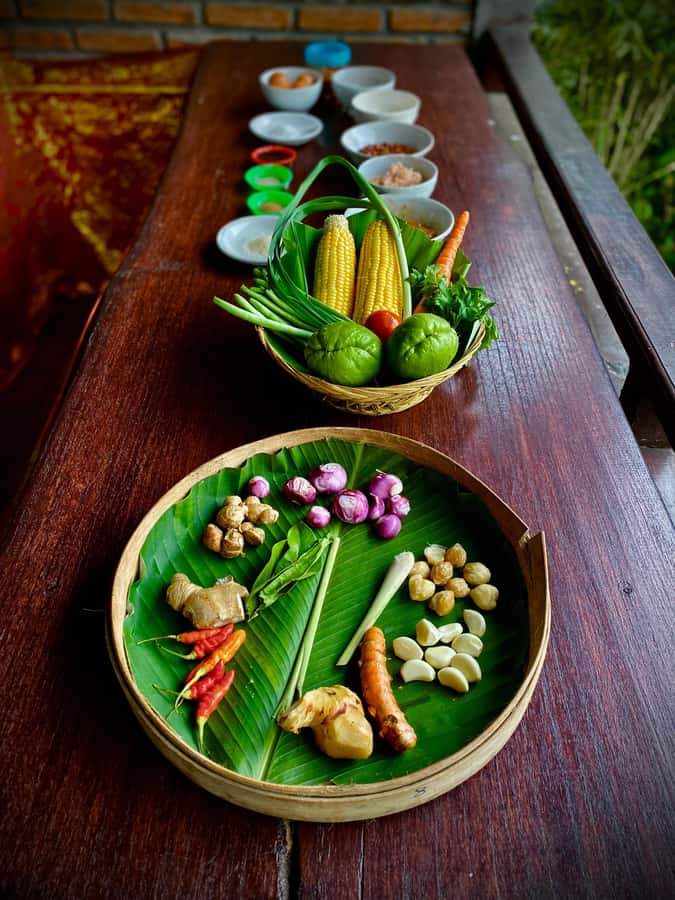
At $18 per person, you are paying for a full meal plus the learning part. The class includes ingredients and cooking equipment, and you get either lunch or dinner served after you cook. Drinking water is included too.
That is where the value comes from. If you were just paying for dinner in many tourist areas, $18 might be a solid price. But here, your ticket is paying for guided instruction, multiple dishes, and the chance to eat in a local home setting. You are essentially buying the ingredients and the lesson, then enjoying it as a communal meal.
Also, the “no MSG” point matters for people who are sensitive to flavor additives. You taste what they mean to taste, and that makes the meal feel cleaner and more grounded.
Finally, the emotional value is real. Many people highlight the kindness of the hosts and the feeling of being welcomed. That does not show up on a receipt, but it changes how the whole afternoon or evening feels.
Who should book this cooking class, and who should skip it
This experience is a great fit if you want Bali beyond beaches and temples. If you like food, cooking, culture, and a home-style setting, you will probably find it both fun and genuinely useful.
It is also a good match for families. Past experiences note that kids enjoyed it, and the guidance tends to be patient and friendly. If your group includes non-cooks, this is still a strong choice because you do not need to be a chef to participate.
You should skip it or change plans if you have altitude sickness concerns, since it is not suitable for that. And if you have very specific allergy requirements, message ahead so substitutions are confirmed.
Should you book this Munduk Balinese Cooking Class at a Local Home?
Book it if you want a meal that feels like a lesson and a cultural visit at the same time. The home setting, the Base Genep focus, and the fact that you cook a multi-dish plate like Nasi Campur make it more than a simple tasting session.
I would also book it if you care about ingredient quality. Fresh local items, no MSG cooking, and spice adjustments for international palates are exactly what you hope for in Bali cooking.
If you want a super-fast, purely sightseeing style event, this might feel too food-focused. But if you enjoy hands-on travel, it is one of the most practical ways to take a piece of Bali with you.
FAQ
How long does the Munduk Balinese cooking class last?
The experience runs about 2 to 3 hours.
Where does the class meet?
The meeting point may vary depending on the option you book.
Is pickup from my hotel included?
Hotel pickup is optional. If you select it, the team will pick you up and message to confirm your hotel address.
What will I eat and cook during the class?
You cook traditional Balinese dishes such as Nasi Campur components, Sate Lilit, Bergedel, Balinese vegetable stir-fry, Balinese soup (jukut jepang), and Base Genep (spice paste). A specific menu can vary by session.
Can the class accommodate vegetarian, vegan, or allergies?
Yes. Vegetarian and vegan menus are available on request. The class also offers allergy-friendly options, including alternatives for guests who cannot consume meat, wheat or flour, peanuts, or eggs.
Does the cooking use MSG?
The class states that the cooking uses no MSG.
What should I bring?
Bring a sun hat, camera, comfortable clothes, and insect repellent.
What language is the host speaking?
The host or greeter speaks English. An optional audio guide is also available in English.
Is this suitable for altitude sickness?
No, it is not suitable for people with altitude sickness.
Just added around Lovina
- Quad ride, waterfalls & aunthentic cooking class in munduk★ 4.9 · 53 reviews
- Sekumpul & Banyumala Waterfalls – Private North Bali Tour★ 5.0 · 6 reviews
- North Bali: Explore Munduk Waterfall Trekking Experience★ 4.9 · 12 reviews
- North Bali: Banyumala Waterfall and Ulun Danu Beratan Temple★ 4.7 · 33 reviews
- Munduk : Jungle Trekking,Canoeing,waterfall &authentic lunch★ 5.0 · 10 reviews
- North Bali:Sunrise Dolphin Watching&CookingClass experience★ 5.0 · 6 reviews
- Munduk: Banyu Wana and Sekumpul Waterfall Trekking Tour★ 4.8 · 80 reviews
- Munduk Jungle Trek to Banyumala & Pucak Manik – Private★ 5.0 · 29 reviews
Cooking Classes, compared.
Cooking Class with Transfers and Optional Market Visit
Read our review →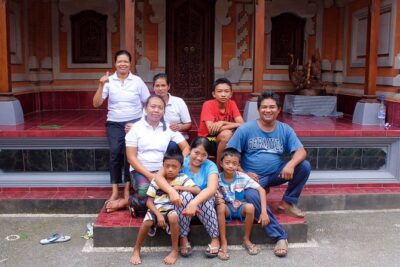
PRIVATE Authentic Balinese Cooking Class in Ubud at Putu’s Home
Read our review →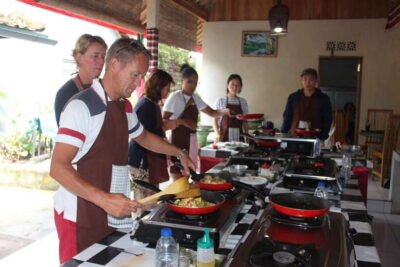
Browse the lists this tour appears in