
REVIEW · RINJANI TREKKING
Rinjani Trekking Three Days Two Night Summit Lake
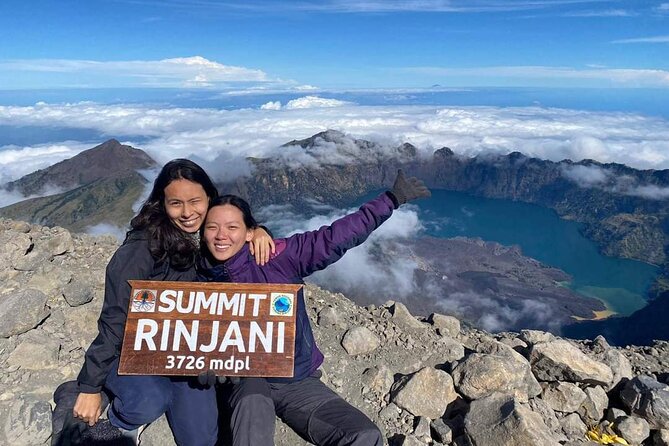
Rinjani sunrise hits hard. This three-day, two-night climb from Bangsal turns cool rainforest steps, base camp breaks, and crater-lake moments into one nonstop adventure. I especially loved the sunrise at 3,726 meters and the way you get Segara Anak views from rim to the crater. The big drawback is the sheer effort. This is a tough volcano hike, and it really rewards experience.
I like that the plan keeps you moving early, so you spend daylight on trail and save the big payoff for morning light. I also like the small-group feel, with a maximum of 10 people, which helps keep the pace from turning into a traffic jam. If you hate steep climbs or you are carrying injuries, take that seriously.
One more consideration: this trek depends on good weather. Cloud cover or poor conditions can affect the summit and sunrise plans, so keep your schedule flexible and plan for rain gear and cold early starts.
In This Review
- Key Things to Know Before You Go
- Rinjani Trek in Three Days: Why This One Works
- Price and Logistics From the Gili Islands to Bangsal
- Day 1: Rainforest Footsteps to Base Camp III
- Day 2: Rim Views, Crater Descent, and Segara Anak
- Day 3: Summit Sunrise at 3,726 Meters, Then Back Down
- What You Carry and How to Train for This Hike
- Guides, Group Size, and the Pace (A Small Group Helps)
- The Value of Included Park Access (and What You Still Need)
- Should You Book This Rinjani 3-Day, 2-Night Trek?
- FAQ
- Where does the trek start?
- What time does the experience start?
- How long is the trek?
- Is this tour suitable for beginners?
- How many people are in a group?
- Is pickup offered?
- What do you do on day two?
- What do you do on day three?
- How far in advance should I book?
- What is the cancellation policy?
- What happens if weather is bad?
Key Things to Know Before You Go
- Sunrise goal at 3,726 meters on the summit day, with a very early start
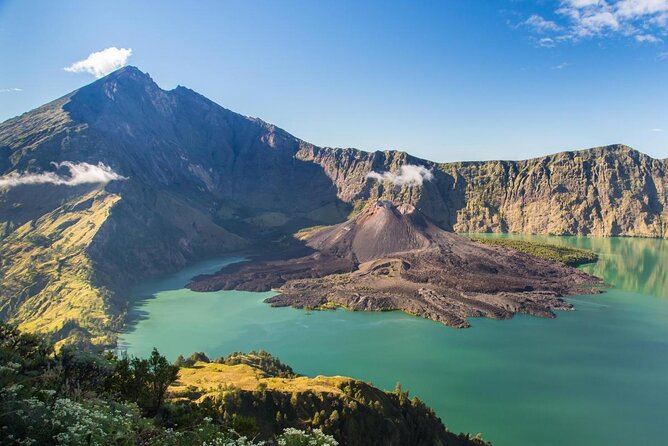
- Rim views plus a crater descent toward Segara Anak on day two
- Small group size up to 10 travelers, which usually means a smoother trek
- Rainforest and farmer-field walking early in the mornings, before the climb really bites
- Weather matters, because volcano treks live and die by visibility and trail conditions
Rinjani Trek in Three Days: Why This One Works
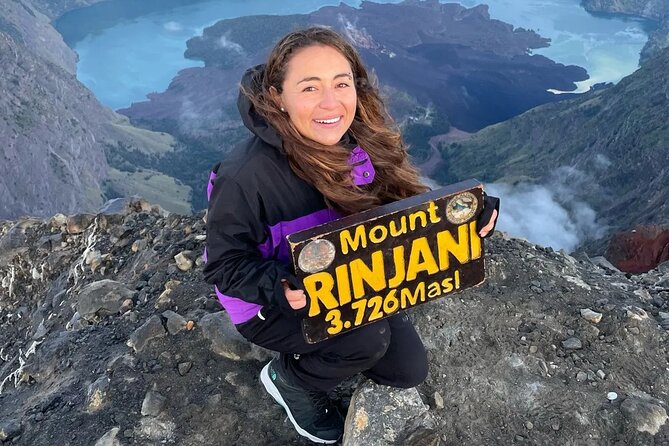
You come to Mount Rinjani for the big, cinematic stuff. Sunrise from high elevation. Volcanic ridges. Crater lake water. But what makes this specific 3-day, 2-night setup work is the rhythm.
Day one starts relatively gentler, with walking through tropical rainforest and local farmer fields in the cool morning hours. You get your legs moving before you’re fully in the hard part. Then day two pivots into the crater zone, with a descent toward Segara Anak. Day three is the payoff, the summit push aimed at sunrise at 3,726 meters, followed by a return downhill.
The “adventure” here is not just a marketing word. It’s the combination of elevation changes and the long, steep ups and downs. If you’ve done real trekking before, you’ll understand why people call it brutal. If you haven’t, you may still enjoy it, but only if you can keep a steady pace and tolerate discomfort for hours.
More Evening Tours in Gili Islands
- Gili Trawangan: Gili Islands Sunset Boat Tour and Snorkeling
★ 4.7 · 480 reviews - 4-in-1 • Gili Islands Snorkel & Sunset Half-day Catamaran Cruise
★ 5.0 · 68 reviews - Gili Hai 3 Islands BBQ Sunset Cruise
★ 5.0 · 31 reviews
Price and Logistics From the Gili Islands to Bangsal
At $519.54 per person, this is not a budget add-on. You’re paying for three things you can’t easily DIY: experienced local guiding, the effort and planning around a volcano itinerary, and park access handling for the days you hike.
The logistics are also part of the cost. The meeting and redemption point is Bangsal (Pemenang), Lombok Utara. The experience is marketed with the Gili Islands as the practical starting area, and the operator offers pickup, which usually helps if you are staying on the Gilis and do not want to figure out transfers while also prepping for an early departure.
Timing also matters. The start time is 7:00 am, so you’re signing up for an early morning every day, especially if you want sunrise moments. A month of lead time is common, too, since it’s typically booked about 28 days in advance. If you’re traveling during peak season, booking earlier is a safer move.
Day 1: Rainforest Footsteps to Base Camp III
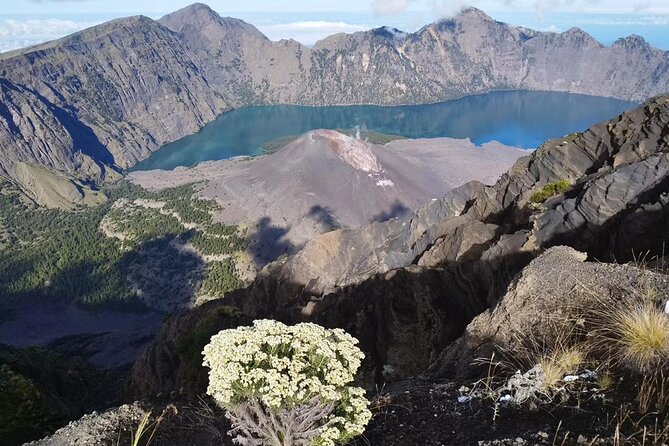
Day one is about getting into the Rinjani mindset. You leave the meeting area and begin the climb, passing local farmer fields and then moving through tropical rainforest during the cool morning hours. This matters more than it sounds. When the air is cooler, your pace feels more controllable, and your body adapts to the effort before altitude becomes the main enemy.
Around midday, you reach Base Camp III for lunch at about 12:00 pm. That midday stop is a good chance to catch your breath, drink water, and adjust your clothing before the day warms up or the next stretch feels steeper.
The trail is also where wildlife can show up. One of the bits I would keep in mind here is the chance to spot wild monkeys along the route when you’re in the forest sections. It’s not something you should count on, but it adds character to what could otherwise be “just hiking.”
What to watch for on day one: pace control. Day one can trick you into going too fast because the scenery feels motivating. Don’t. You want to preserve energy for the crater day and the summit push. If your legs feel cooked early, it’s a sign to slow down now.
Day 2: Rim Views, Crater Descent, and Segara Anak
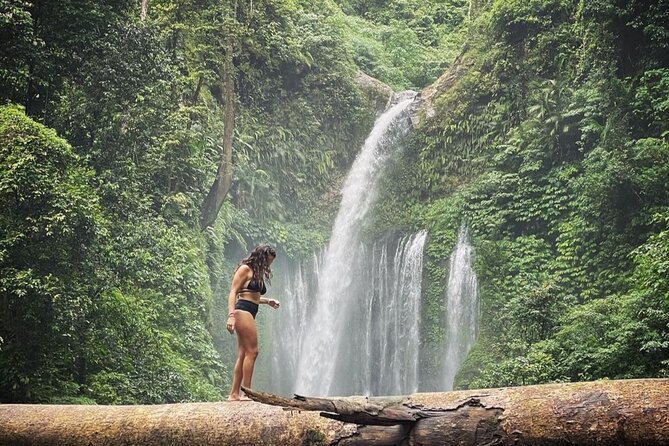
Day two is the heart of the volcanic scenery. The day starts with an option to wake early and catch sunrise if conditions allow. Then you have breakfast and enjoy lake views from the rim.
That rim segment is important because it sets the context. It’s where you understand what the crater actually means in real terms: it’s not just a hole in the ground. It’s a structured environment with dramatic drops and a big visual payoff when the weather is clear.
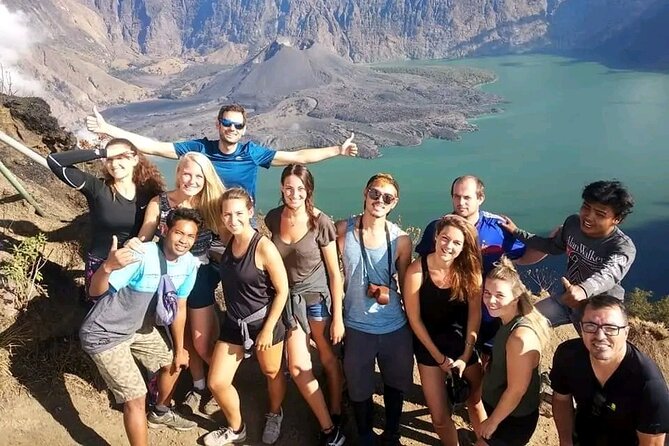
After that, you take a descent that’s described as about two hours into the crater. Once you reach the crater area, you get your time around Segara Anak (the crater lake). This is the day where you go from “high views” to “close-up volcanic terrain,” with hours spent feeling gravity in your knees, both ways.
Two practical notes for day two:
- The descent is often harder than it looks. You go down into the crater, and you’ll pay for it on the way out later.
- Visibility is key for the rim views. If fog rolls in, crater day still happens, but the view quality can change.
Day two is listed as about 8 hours, with park access included. For value, this is where it pays off to have a guide who knows the timing and the route rhythms. The crater area is not where you want to improvise.
Other Rinjani trekking worth a look in Gili Islands:
- Mount Rinjani Summit tour
★ 5.0 · 6 reviews - Mount Rinjani 2 Days 1 Night Senaru Crater Rim
★ 5.0 · 131 reviews - Mount Rinjani Trek 3D-2N To Summit – Lake – Hotspring
★ 4.7 · 111 reviews - Mount Rinjani 2-Day Trek to Senaru Crater Rim
★ 4.8 · 89 reviews
Day 3: Summit Sunrise at 3,726 Meters, Then Back Down
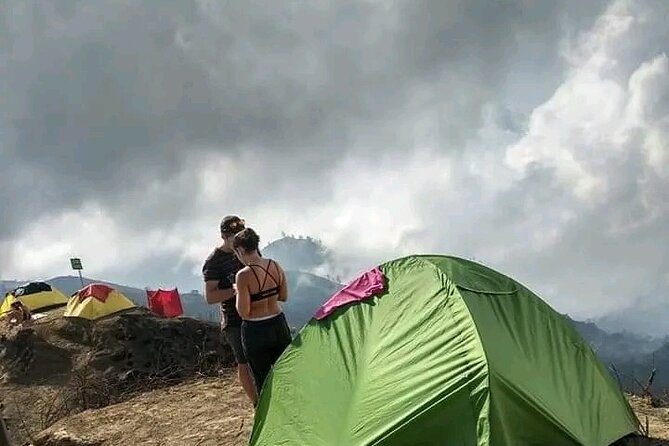
Day three is the reason many people sign up. You start the summit climb, described as about three hours up, aiming to catch sunrise at 3,726 meters. That’s high altitude sunrise country, where the air can feel sharp and the time feels short because you’re climbing while everyone else is still asleep.
The summit portion is where the views win big. After the sunrise and summit viewing, you descend back down to the camp for a late morning descent period starting around 10:00 am (based on the schedule language provided). The exact feel of the day depends heavily on your pace and trail conditions, but expect a long return to lower elevations and the kind of tired that settles into your thighs, not just your mind.
This is also the day that most clearly matches the strongest warning you’ll hear: this hike can be brutal. One of the clearest points from real-world expectations is that while the top and ridge scenery is spectacular, the up-and-down effort is the hard part. If you don’t have trekking experience, you’ll still be okay if you can keep steady, but you must be honest about your limits.
At the same time, this summit strategy has real logic. It front-loads the most memorable moment, sunrise, into the time of day when conditions are often best. Then you use the day to finish the descent rather than risk a late-day summit attempt.
Day three is listed as about 10 hours, with park access noted as free for that day.
What You Carry and How to Train for This Hike
Nothing in this tour description tells you what gear is included or not included. So I’ll focus on what you should plan around, because this kind of trek punishes sloppy preparation.
Train for steep, steady effort. Practically, do stairs, hills, and longer walks. If you can, practice going up and down stairs with a backpack, even for short intervals. Your goal is leg comfort and rhythm, not speed.
Pack for cold mornings and changing weather. Sunrise climbs and crater areas can feel chilly. Even if daytime is comfortable, your body can cool fast before the sun lifts. Bring layers you can add or remove quickly.
Hydration and small nutrition stops matter. With a day that can run close to 10 hours, you want a plan for water and quick calories so you do not end up making up energy with willpower only.
And one more thing: shoes. For steep descents, your foot support and traction are everything. If you’re between footwear choices, pick comfort and grip over style. Your future self will send you a thank-you text.
Guides, Group Size, and the Pace (A Small Group Helps)
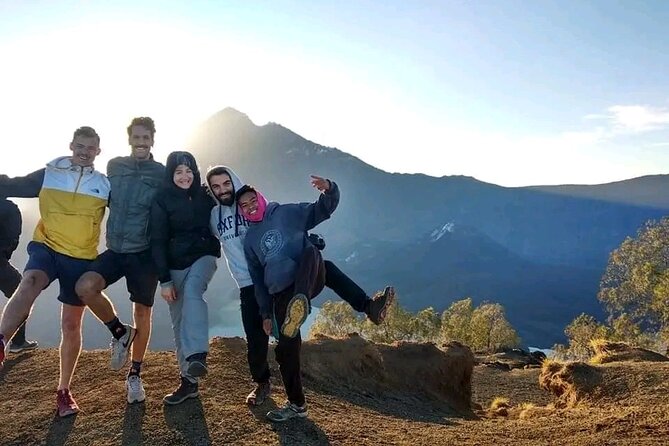
This trek caps at 10 travelers, which is a meaningful detail. On steep mountains, small groups help with two problems: you spend less time waiting, and you get less spread-out on narrow sections.
A tour guide also matters because the schedule is built around morning goals. You leave early, you aim for sunrise, and you manage transitions between rainforest, rim viewpoints, crater descents, and summit climbs. That takes more than just knowing the trail. It takes pacing decisions and route timing.
One of the positives I’d take seriously from the field is that the team can be flexible when someone has physical issues. There was an example where a guest was able to switch to a 2-day option due to complaints, without major fuss. That doesn’t mean you should treat plans casually, but it does suggest the operator is used to real human bodies, not just checklists.
If you want the best experience, choose a pace that lets you finish day three strong. Sunrise at 3,726 meters is the goal, but reaching the top safely is the real win.
The Value of Included Park Access (and What You Still Need)
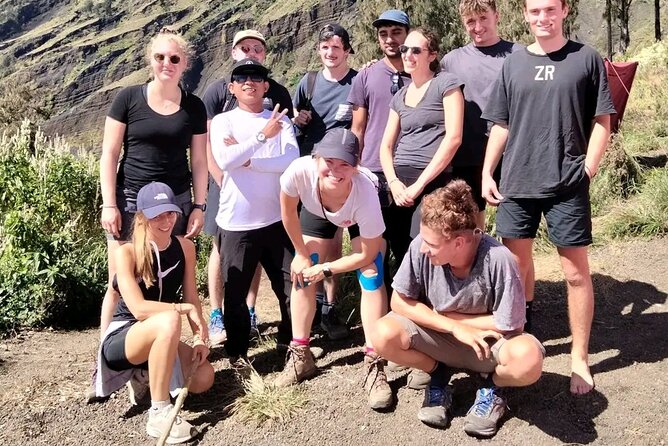
The tour info indicates admission ticket handling for the park on day two, and day three is noted as free for admission. In plain terms, you are not expected to show up hunting for park paperwork mid-trek. That’s a real value item, even if you never think about it until you do.
Included access also reduces friction around timing. When your route and permits are managed, your guide can focus on your pacing and safety instead of admin tasks.
What you should still plan for is the practical reality of trekking days:
- You’ll be on the mountain most of the time.
- You’ll need water and snacks.
- You’ll feel the altitude and the descents in your legs.
So yes, included access helps the budget. But the main cost you’re paying is physical. Spend smart to keep that cost from becoming misery.
Should You Book This Rinjani 3-Day, 2-Night Trek?
If you’re an active traveler with moderate fitness and you can handle steep hiking, this is a memorable way to see Rinjani without turning it into a complicated project. I especially recommend it if you want the full package: rainforest starts, crater lake views, and summit sunrise at 3,726 meters.
Skip it, or at least think twice, if you are new to trekking or you have knee or recovery issues. The trail is the point, and the climbs and descents are not gentle. One clear warning from the tone around this hike is that it can be brutal, even though the views are worth it.
If you do book, give yourself the best odds:
- Pick a weather-friendly travel window.
- Go in with a steady pace mindset, not a sprint mindset.
- Don’t wait until the last day to realize you’re unprepared.
Overall, this trek is a serious hike with a serious payoff. If you respect the effort, you’ll come away with sunrise memories that feel like they belong to a different planet.
FAQ
Where does the trek start?
The ticket redemption point is Bangsal, 83352, Pemenang Bar., Kec. Pemenang, Kabupaten Lombok Utara, Nusa Tenggara Bar., Indonesia.
What time does the experience start?
The start time is 7:00 am.
How long is the trek?
It runs for about 3 days.
Is this tour suitable for beginners?
The activity says moderate physical fitness is required. The hike involves a summit climb and significant ascents and descents, so it is best suited to people comfortable with strenuous trekking.
How many people are in a group?
The tour has a maximum of 10 travelers.
Is pickup offered?
Yes, pickup is offered.
What do you do on day two?
You can watch sunrise if you arrive early, have breakfast, view Segara Anak from the rim, then descend into the crater for time at the lake. Day two is listed as about 8 hours with admission ticket included.
What do you do on day three?
You climb about 3 hours to reach the summit for sunrise at 3,726 meters, then you go back down to the camp area. Day three is listed as about 10 hours, and admission is shown as free.
How far in advance should I book?
On average, it’s booked about 28 days in advance.
What is the cancellation policy?
You can cancel for a full refund up to 24 hours in advance of the experience start time. If you cancel less than 24 hours before, the amount is not refunded.
What happens if weather is bad?
This experience requires good weather. If it is canceled due to poor weather, you’ll be offered a different date or a full refund.
More Evening Experiences in Gili Islands
- Gili SUNSET Snorkeling Tour With GOPRO Documentation
★ 4.1 · 11 reviews - Gili Trawangan: Sunrise & Sunset Beach Yoga on Gili Island
★ 4.9 · 9 reviews - Gili Trawangan: Beach Massage with Sunset and Cocktail
★ 4.0 · 9 reviews - Gili island sunset & snorkeling tour gopro included
★ 4.4 · 8 reviews
More Hiking & Trekking in Gili Islands
- Bali: Sunrise Mount Batur Guided Hike with Breakfast
★ 4.8 · 9,660 reviews - Bali: Mount Batur Sunrise Guided Hike and Natural Hot Spring
★ 4.8 · 9,284 reviews - Bali: Mount Batur Sunrise Trek With Guide and Breakfast
★ 4.8 · 3,461 reviews - Mount Batur Sunrise Hike and Natural Hot Spring Option
★ 5.0 · 1,927 reviews
Just added around Gili Islands
- Bali: 3-Day Private Gili Islands Snorkel Tour with Hotel★ 4.2 · 44 reviews
- Snorkeling around 3 island & turtle sanctuary★ 3.9 · 10 reviews
- Snorkelling Gili Trawangan, Gili Air & Gili Meno from Lombok★ 4.8 · 13 reviews
- Rent Gopro 10 for all day★ 4.8 · 5 reviews
- Day Trip Gili Nanggu,Kedis&Sudak With Pick Up★ 3.7 · 4 reviews
- Private Snorkeling Gili Islands Full Day Tour★ 5.0 · 15 reviews
- Private Snorkeling GIli Asahan, Goleng, Gili Layar & Gede★ 5.0 · 5 reviews
- Pink Beach and Southeast Gili Islands Full Day Private Tour★ 4.5 · 42 reviews
Rinjani Trekking, compared.
Mount Rinjani 2 Days 1 Night Senaru Crater Rim
Read our review →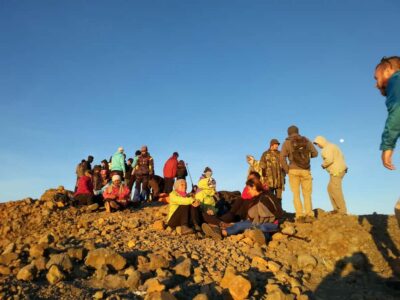
Mount Rinjani Trek 3D-2N To Summit – Lake – Hotspring
Read our review →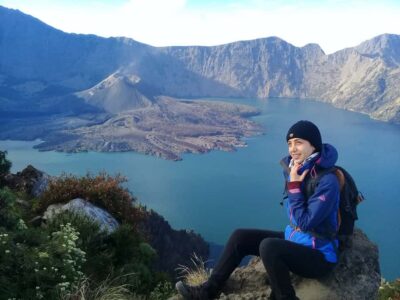
Mt Rinjani Trekking 2 Days 1 Night (Senaru Crater Rim)
Read our review →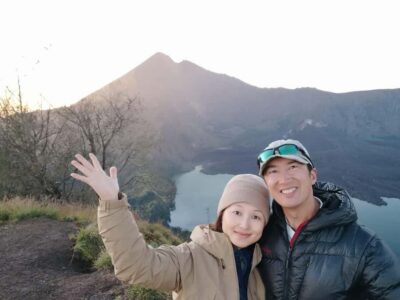
Mount Rinjani Trekking 2D/1N Summit Sunrise & Sunset Views
Read our review →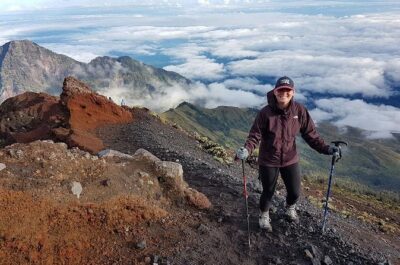
Mount Rinjani Hiking to summit( 2 Days 1 Night )
Read our review →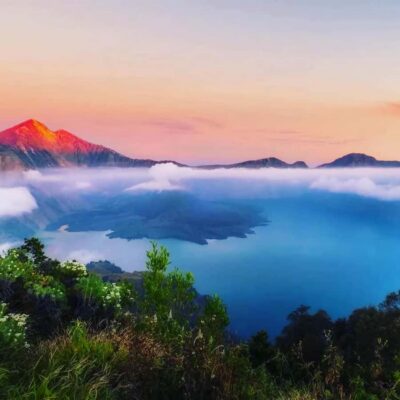
Browse the lists this tour appears in