
REVIEW · COOKING CLASSES
Ubud: Authentic Traditional Balinese Village Cooking Class
A morning in a real Balinese village beats another cooking show. What makes this one special is Delodsema Village life paired with an open-air kitchen class where you cook with fresh ingredients and eat what you make. I like that the day starts with a tour of spices and herbs and ends with a full meal you can actually recreate later.
My second favorite part is the hands-on pace, from making spice paste to grilling and seasoning dishes, with hosts who guide you step-by-step in English. The main drawback to plan for is logistics, since transport from central Ubud or Tegallalang is not included unless you pick the pickup option.
In This Review
- Key Things You Will Notice Right Away
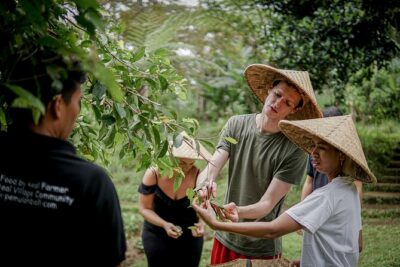
- First Stop: Organic Farm Time and Spice-Spotting
- Exploring Delodsema Village Like a Local, Not a Sightseeing Stop
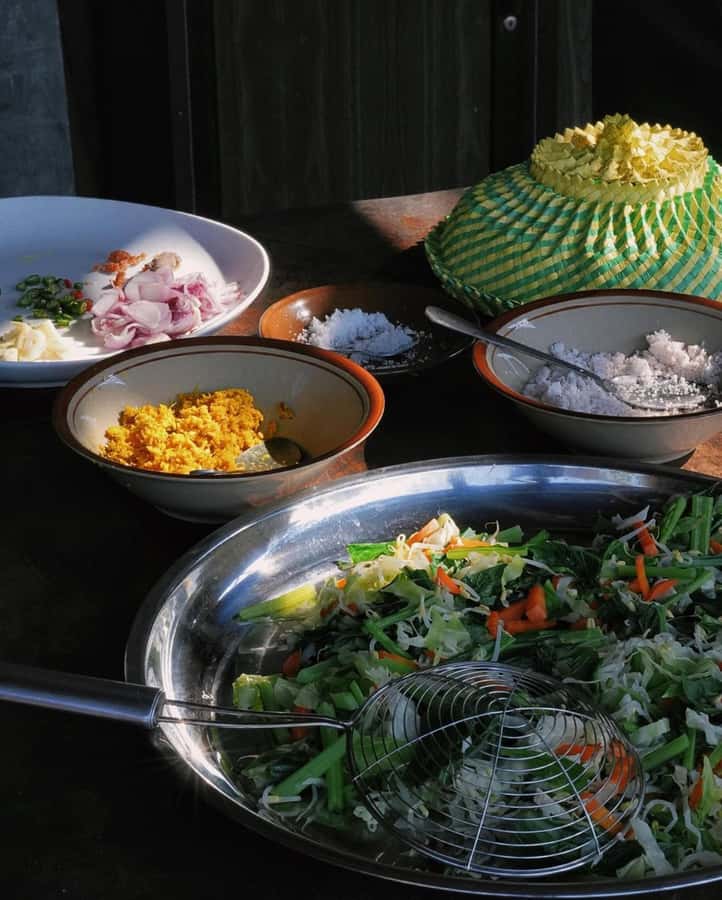
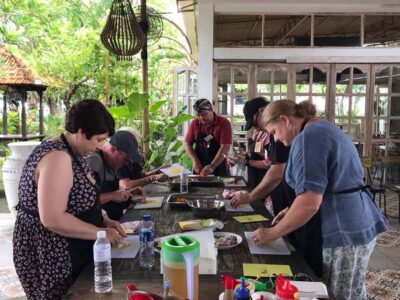
- The Open-Air Kitchen: Hands-On Cooking That Moves at a Human Pace
- What You Eat and How You Eat It: Lunch on the Ground
- The Temple and Village Walk: Seeing Belief as Daily Life
- Taro Rice Terrace Stop: Irrigation Lessons With a Working View
- Price and Value: What $30 Buys in Real Teaching Time
- Who This Experience Fits Best (And Who Might Want Something Different)
- Logistics That Matter: Pickup, Meeting Point, and Timing
- Safety and Comfort: What You Can Expect
- Should You Book This Delodsema Cooking Class in Ubud?
- FAQ
- How long is the cooking class?
- Is it a private cooking class?
- What language is the instruction?
- What is included in the $30 price?
- Is transportation included?
- Where do I meet the group?
- What should I expect for the meal?
- Do you offer cancellation if my plans change?
Key Things You Will Notice Right Away
- Delodsema Village scale: a small village with around 60 families, so it feels local rather than staged.
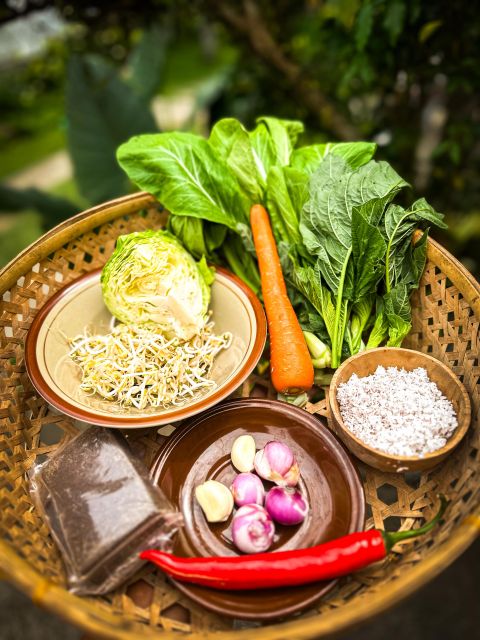
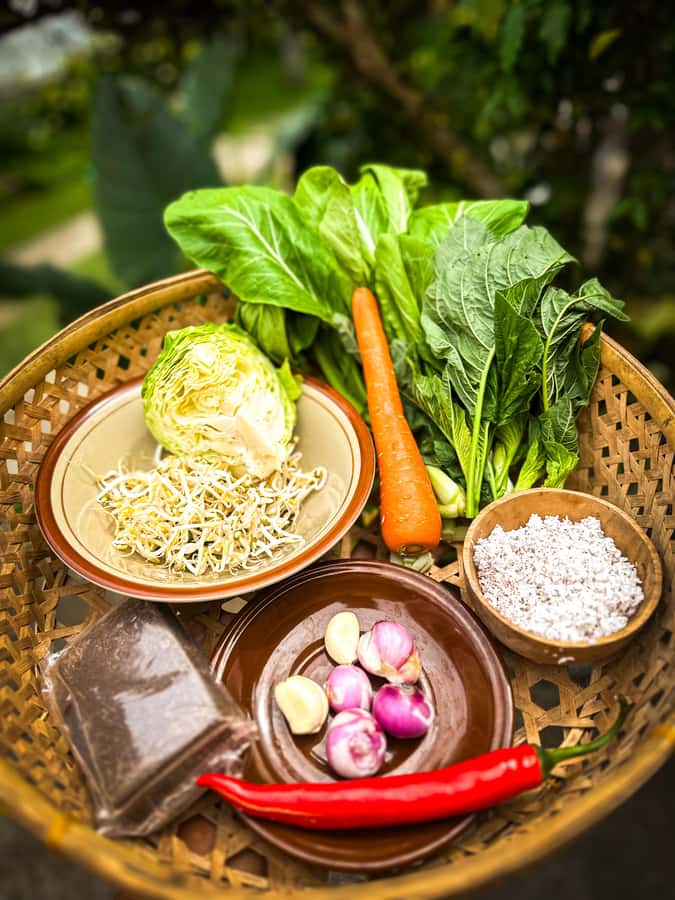
- Garden-to-table ingredients: you’ll use fresh produce grown on the hosts’ land.
- Hands-on cooking, not just watching: you’ll chop, mix, and cook through the meal process.
- Lunch served the Balinese way: dishes are placed on the ground, with guidance on how to eat locally.
- Rice terrace learning in Taro: you’ll learn about local irrigation and may join simple rice work.
- Private group format: it is a private cooking class, so questions are easier and the pace feels calmer.
First Stop: Organic Farm Time and Spice-Spotting
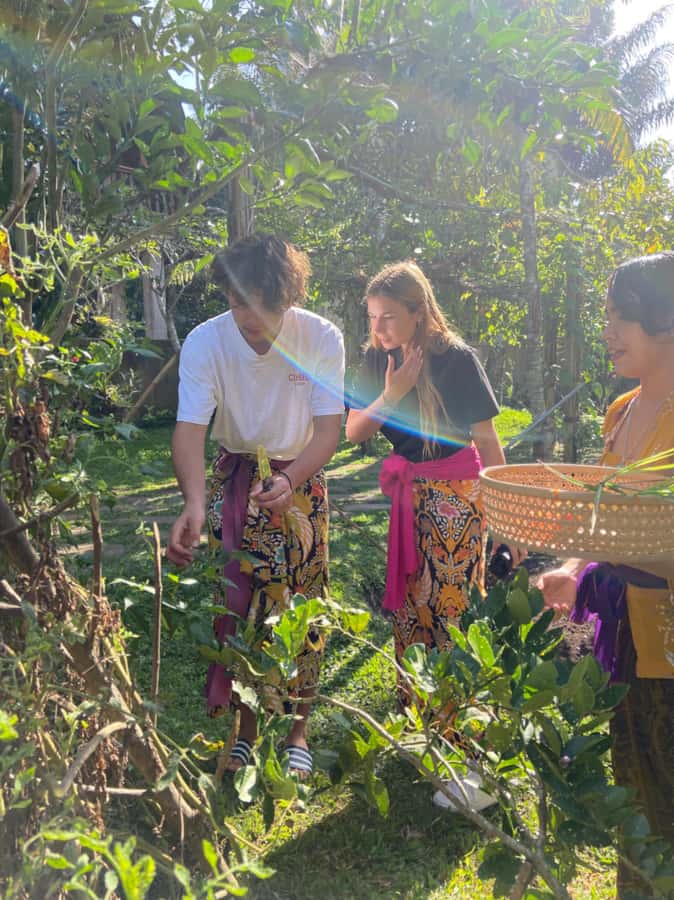
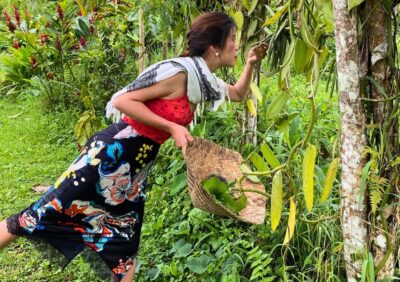
Your day starts with the people who live this way every day, not a warehouse kitchen. Before you light a stove, you’ll head to an organic farm area where you meet the key players in Balinese flavor: spices, traditional herbs, and the plants you’ll later cook with.
I like the order of events. Seeing the ingredients first makes the cooking lesson feel practical, not mysterious. You’ll also get an early look at how connected village food is to growing it, and that connection shows up in the final taste.
Keep your expectations realistic. The class isn’t trying to turn you into a professional chef in two hours. It’s trying to teach you enough technique and flavor logic to help you cook Balinese food at home later.
More Cooking classes in Indonesia:
- Ubud: Balinese Cooking Class at an Organic Farm
★ 5.0 · 1,786 reviews - Ubud Cooking Class Bali with Balinese Chef
★ 5.0 · 1,609 reviews - From Ubud: Authentic Cooking Class in a Local Village
★ 4.9 · 1,325 reviews
Exploring Delodsema Village Like a Local, Not a Sightseeing Stop
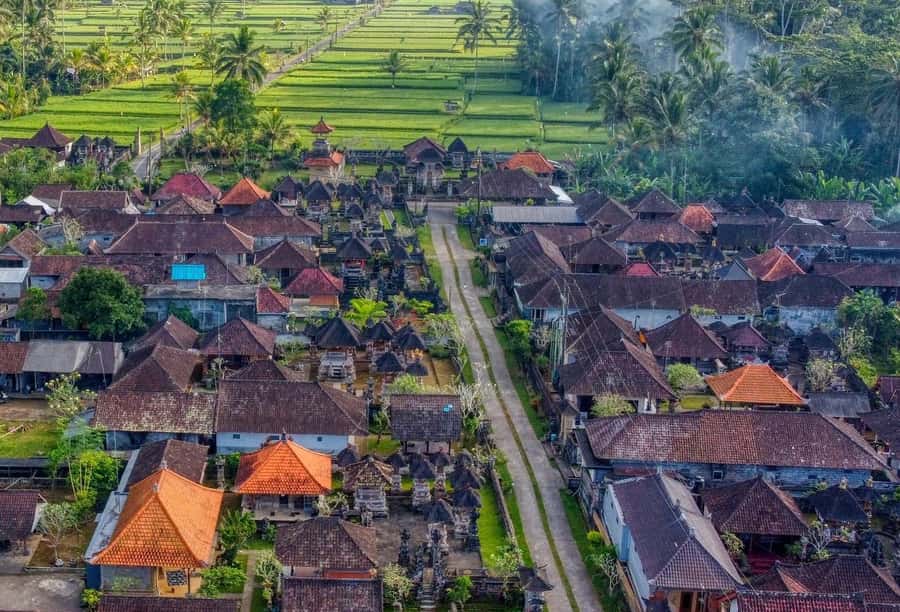
Delodsema is described as a well-organized traditional village in Bali, with a small community size of about 60 families. That small scale matters, because you’re not just passing through a crowd. You’ll walk through village life with family hosts who actually live here.
A welcome drink kicks things off after you arrive in the village area. It sets a relaxed tone. Then you’ll start preparing your Balinese meal with ingredients in your hands, so you’re participating from the start.
One practical point: meeting this type of community experience usually goes best when you slow down. Wear comfortable clothes, keep your voice normal, and follow the hosts’ lead during any cultural moments.
The Open-Air Kitchen: Hands-On Cooking That Moves at a Human Pace
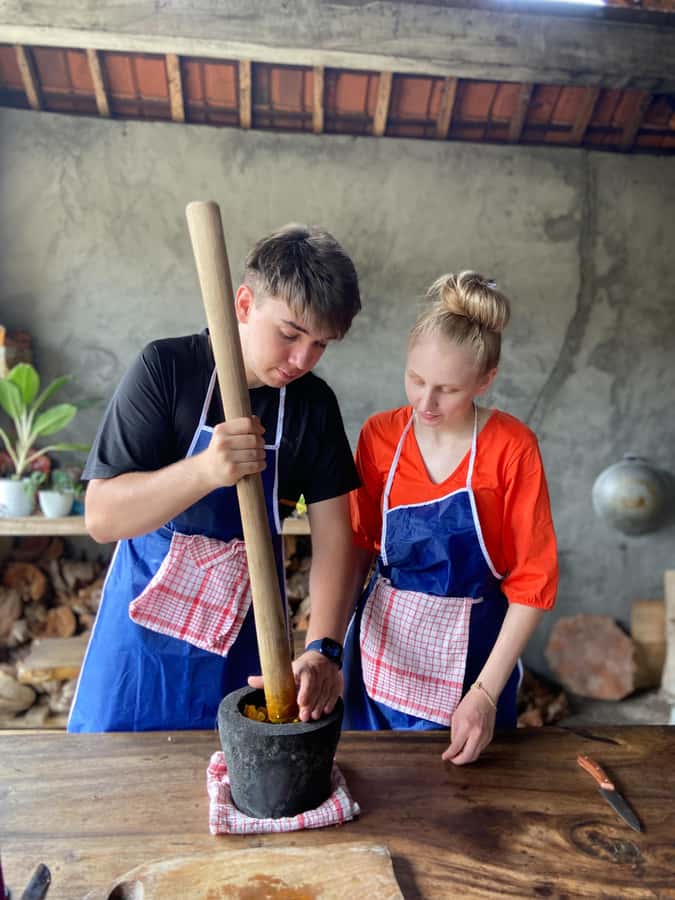
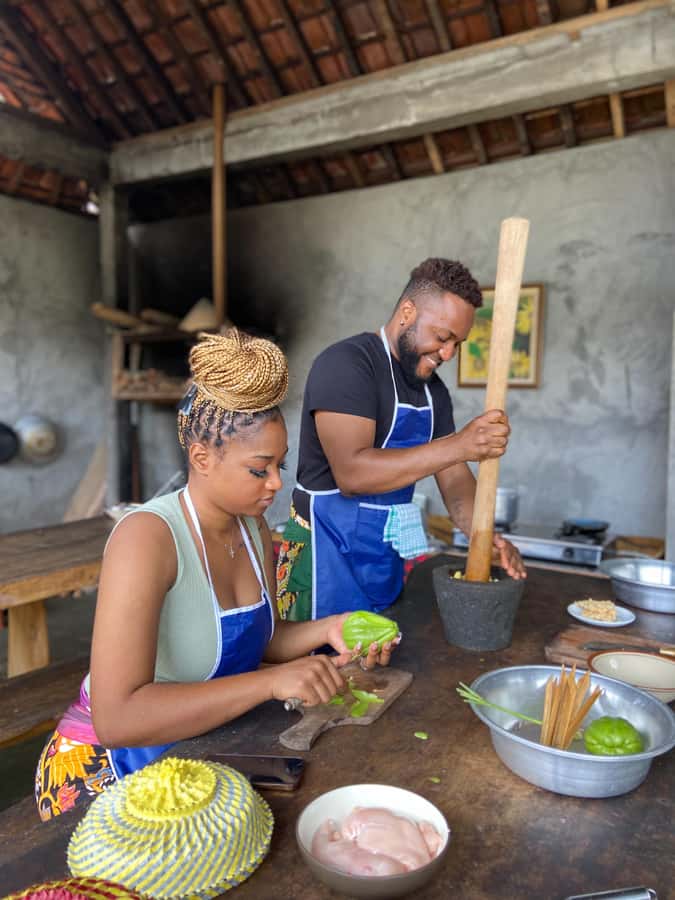
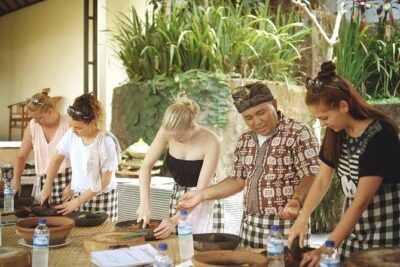
This is the heart of the experience. You’ll cook in an open-air kitchen setup, with the equipment and ingredients taken care of for you. You do the work, guided by an English-speaking instructor and hosts who teach each step clearly.
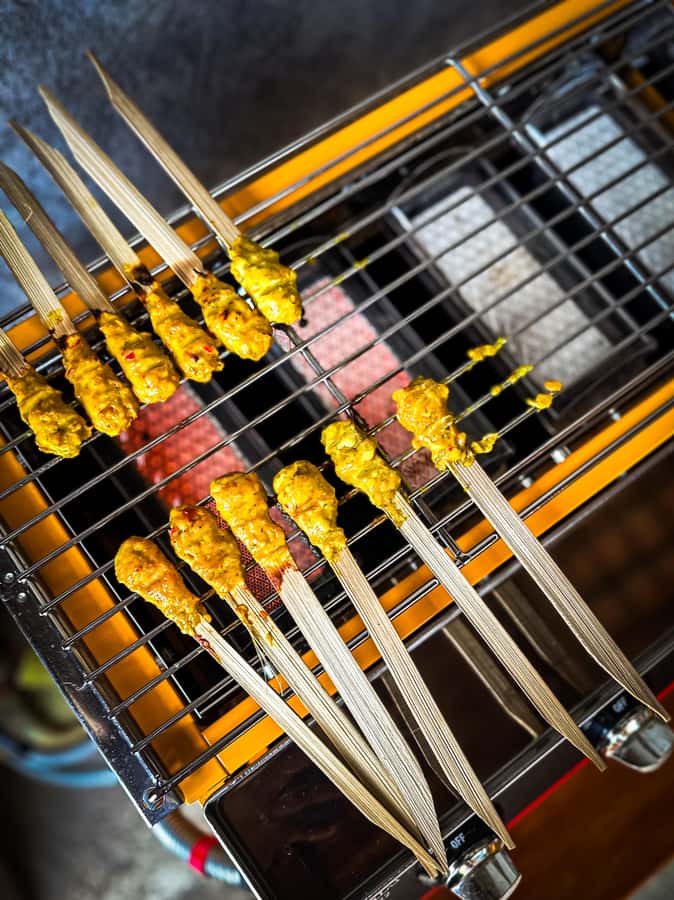
What you’re likely to make includes classic Balinese components, with one focus being spice paste. In example classes, that can include making a curry paste from scratch. You may also prepare items like chicken satay, depending on the menu and your group preferences.
If you have dietary needs, this is one of the better spots to bring them up early. In at least one class example, the hosts offered a tofu substitute for vegetarian guests in place of chicken satay, which shows they plan around the menu rather than forcing you to sit it out.
The best part is the teaching style. Hosts demonstrate, then help you do the same actions. You’re not just watching someone else do everything while you hold a plate.
What You Eat and How You Eat It: Lunch on the Ground
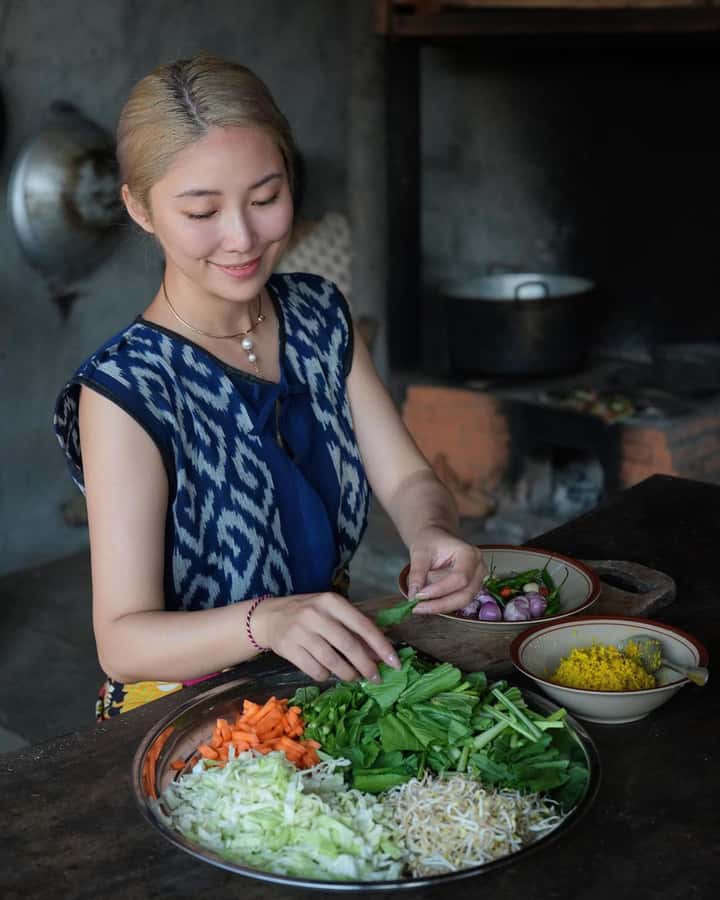
Lunch is set up in a Balinese style meal format, with dishes placed on the ground. You’re also guided on how to eat like locals, which matters more than it sounds.
I like this part because it changes the experience from cooking as a hobby to cooking as a culture. You’re tasting the food in the way people here usually serve it, not just eating it quickly and moving on.
In practical terms, it also encourages a slower pace. When the setup makes you pause, you get more flavor time, and you pay attention to what works together, like spiced components next to simpler elements.
You’ll also get Balinese tea and coffee. It’s a small detail, but it finishes the meal in a very “family day” way.
Another side of Indonesia:
- All-Inclusive Ubud Private Tour
★ 5.0 · 14,344 reviews - Bali: Sunrise Mount Batur Guided Hike with Breakfast
★ 4.8 · 9,660 reviews - Bali: Mount Batur Sunrise Guided Hike and Natural Hot Spring
★ 4.8 · 9,284 reviews - Best of Ubud Full-Day Tour with Jungle Swing
★ 5.0 · 8,571 reviews
The Temple and Village Walk: Seeing Belief as Daily Life
You’ll visit a temple area during your village time. The point here isn’t to turn it into a lecture. It’s more about seeing how religious and community life overlaps with everyday food culture.
Some classes also include a chance to observe or join a simple offering moment. That said, these steps are still guided, so follow what your hosts do and listen closely to their instructions.
If you’re used to tours that just point and move, this will feel different. It’s more like you’re being invited into the rhythms of a living place. Keep your camera ready, but don’t treat every moment like a photo op.
Taro Rice Terrace Stop: Irrigation Lessons With a Working View
After village time, you continue to a rice terrace area in Taro village. This is where the day starts connecting food to water systems.
You’ll learn about the local irrigation water system. If timing allows, you might also join local rice work such as harvesting rice or planting new rice. In other words, it’s not only theory. You get a view of how people keep the land producing.
This stop is valuable because it explains why rice farming in Bali is more than scenery. Water management, schedule, and care all shape what ends up on your plate.
For you, the key is to approach it as a learning walk, not a hike. The goal is to understand the system and the work, then carry that understanding back to the food you cooked earlier.
Price and Value: What $30 Buys in Real Teaching Time
At about $30 per person, this class can be a very good value because you’re not paying only for food. You’re paying for a structured, guided cooking session in a private group format.
You get:
- a private cooking class
- cooking equipment
- all ingredients
- lunch
- Balinese tea and coffee
- a cooking lesson
- recipes as a PDF
That last item, the recipe PDF, is quietly important. Many cooking classes teach you in the moment, then you forget what you made once you’re back in your hotel. Having written steps and ingredient lists helps you reproduce the flavors later.
The private group format is another value driver. Even if two hours sounds short, private pacing usually means more hands-on time and fewer awkward waits while you figure out what to do next.
Who This Experience Fits Best (And Who Might Want Something Different)
I’d point this class toward travelers who want real village cooking, not just a demo. If you enjoy markets, spices, and learning how dishes connect to land and routine, you’ll likely love this.
It also suits couples and small groups who want a calmer pace than big group tours. Since it’s private, your questions about ingredients and technique get answered in the flow, not at the end.
If you want a cooking class that feels like a professional culinary workshop, you might find this more cultural than technical. It teaches practical methods, but it’s also designed around village life, temple time, and rice terrace learning.
Logistics That Matter: Pickup, Meeting Point, and Timing
Transportation is the one planning variable. Pickup is optional, and it can include hotel pickup in the Ubud area plus a visit to a traditional market. If you don’t choose pickup, transport is not included from central Ubud or Tegallalang.
The meeting point is also specific. After you arrive at Delodsema Traditional Village, you’ll look for the Bali Cococnut Oill sign.
A simple strategy: plan to arrive early enough to find the sign without stress. If you’re going from Tegallalang or central Ubud without pickup, build in extra travel time.
The duration is about 2 hours to 150 minutes, so it’s a half-block of your day. That makes it easier to pair with other Ubud-area activities, like temple visits or rice terrace time.
Safety and Comfort: What You Can Expect
Safety and healthy practices are listed as the priority. That’s a good sign for an outdoor, food-focused experience.
Because you’re cooking in an outdoor setting and spending time in village areas and rice terraces, you’ll want to dress for real-world conditions. Wear clothing that is comfortable for walking and cooking, and bring shoes you don’t mind getting a little dirty, since lunch is served on the ground and village surfaces can be uneven.
Should You Book This Delodsema Cooking Class in Ubud?
If your goal is authentic Balinese cooking with genuine village life, this is a strong choice. You get hands-on meal prep, ingredients tied to a family garden, and a meal format that teaches you how Balinese people actually eat.
I’d say book it if you like food that has a story behind it. The spice lesson, village walk, and rice terrace irrigation stop all support the same idea: in Bali, cooking starts long before the pan heats up.
I would hesitate if you need a purely urban, high-comfort experience with simple logistics. If you are sensitive to outdoor conditions or you don’t want to manage a specific meeting point, choose the pickup option so the day stays smooth.
FAQ
How long is the cooking class?
The experience runs about 2 hours to 150 minutes, depending on the starting time and flow of the day.
Is it a private cooking class?
Yes, it is a private group experience.
What language is the instruction?
The instructor and class guidance are in English.
What is included in the $30 price?
The class includes the private cooking lesson, cooking equipment, Balinese tea and coffee, all ingredients, lunch, and recipes as a PDF.
Is transportation included?
Transportation is not included from Ubud Central or the Tegallalang area unless you select the pickup option.
Where do I meet the group?
After you arrive at Delodsema Traditional Village, look for the Bali Cococnut Oill sign.
What should I expect for the meal?
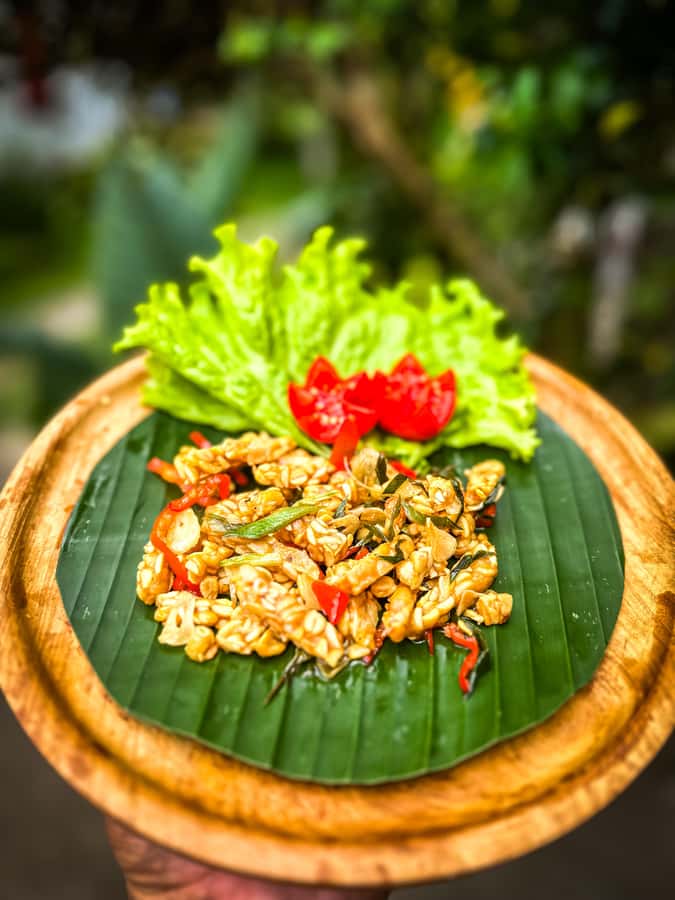
You’ll cook Balinese dishes as a local family meal and sample a variety of the dishes. Lunch is served with dishes placed on the ground, and you’ll be taught how to eat like local.
Do you offer cancellation if my plans change?
Yes, free cancellation is available up to 24 hours in advance for a full refund.
Just added around Indonesia
- Private Tour: Bali UNESCO World Heritage Sites★ 5.0 · 62 reviews
- Bali ATV Ride with Waterfall Dragon Cave and Lunch by Penidago★ 4.5 · 7 reviews
- Foodie Tour Bali★ 5.0 · 7 reviews
- Mount Batur Jeep Sunrise by 4WD with Breakfast★ 5.0 · 18 reviews
- The Three Temples of Bali Half Day Private Tour★ 4.0 · 5 reviews
- Private Departure Transfer: Hotel to Bali Airport★ 3.5 · 14 reviews
- Mount Agung Sunrise Trekking Private Tours★ 5.0 · 11 reviews
- Pure Bali Village Experience, Cooking & Jamu Class+VIP Transfer★ 5.0 · 16 reviews
Cooking Classes, compared.
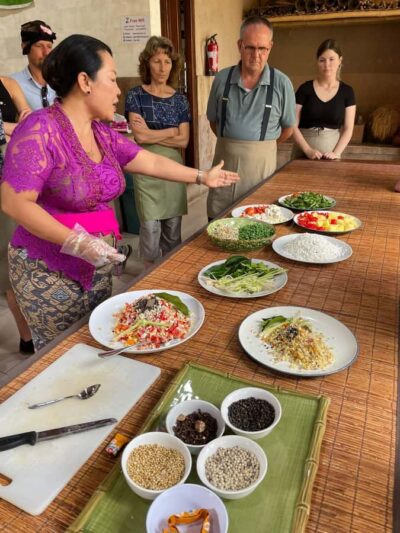
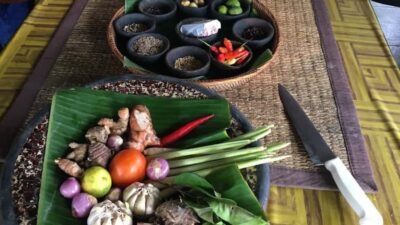
Cooking Class with Transfers and Optional Market Visit
Read our review →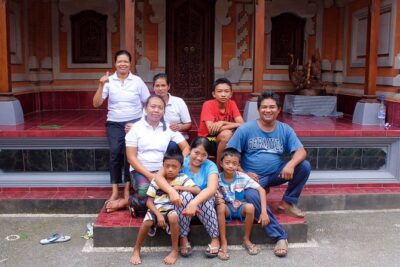
PRIVATE Authentic Balinese Cooking Class in Ubud at Putu’s Home
Read our review →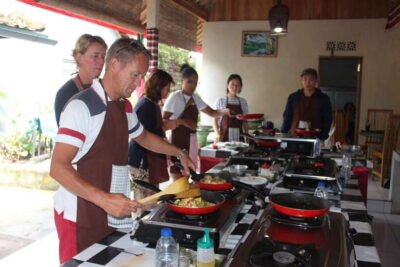
Browse the lists this tour appears in