
REVIEW · RINJANI TREKKING
3 days 2 night trekking Rinjani to Summit and lake
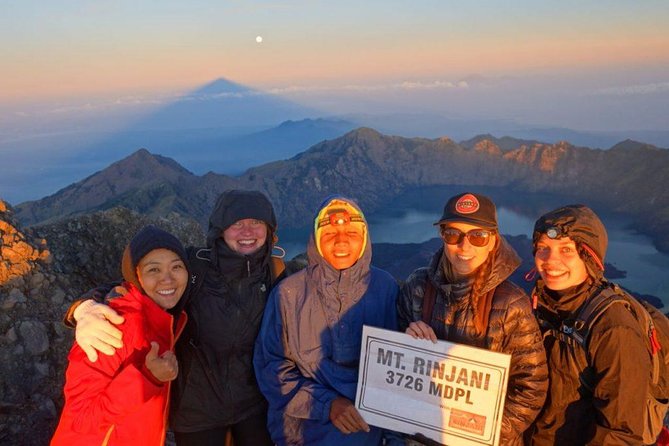
Mount Rinjani’s 3-day summit trek stands out because you get two sunrise moments (one from the summit area and one near the crater rim), plus the payoff is a crater-lake and hot spring day after the big climb. I really like how the itinerary is built around steady progress points (Pos 1, Pos 2, Pos 3) and planned camp nights on the crater rims. One drawback to plan for, though, is the physical demand, especially the early-hours summit push starting around 2:30 am.
The human side is strong too. With an English-speaking local guide and a porter team carrying your food and trekking equipment, you spend more energy on the trail and less on hauling your whole life. It’s also a small-group style trek, with a maximum of 6 people, so you’re not lost in a crowd. If you want to feel confident navigating steep, dark stretches, you’ll still need to be ready and bring the right mindset (and gear), not just motivation. Guides like Fahri and helpers like Ipan are repeatedly called out for organization and real care.
In This Review
- Key highlights you’ll feel on this trek
- Summit sunrise and crater rims: the payoff is planned, not random
- Getting from Senaru to Sembalun: Day 1 is all about rhythm
- 2:30 am summit night: guides and porters make the difference
- Summit to lake and hot spring: the reward day after the grind
- Day 3 to Senaru gate: quick sunrise, longer downhill, finish by 1 pm
- What you pay for: value, inclusions, and the add-ons that surprise people
- Small groups, strong guiding: why the names matter
- Gear and fitness: the two things you can’t fake
- Weather and changing conditions: how to think about risk
- Should you book this Rinjani 3D/2N summit and lake trek?
Key highlights you’ll feel on this trek
- Summit sunrise timing: a 2:30 am start to reach sunrise without rushing at the last minute.
- Camps on the crater rims: sleep in dramatic high spots, then wake again for another sunrise on Day 3.
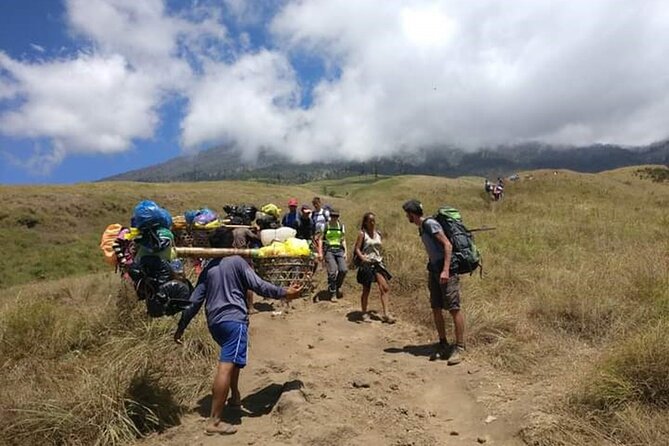
- Porters handle the heavy stuff: they carry food and trekking equipment, while you focus on your pace.
- English-speaking local guidance: you get clear instructions on route and trekking procedure from the start.
- Food, water, and camping kit included: tents, sleeping bag, mattress, and a toilet tent are part of the package.
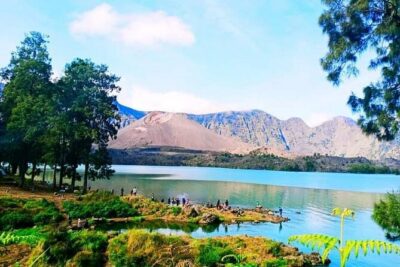
- Lake and hot spring on the descent: after the summit effort, you get a slower, scenic reward day.
Summit sunrise and crater rims: the payoff is planned, not random
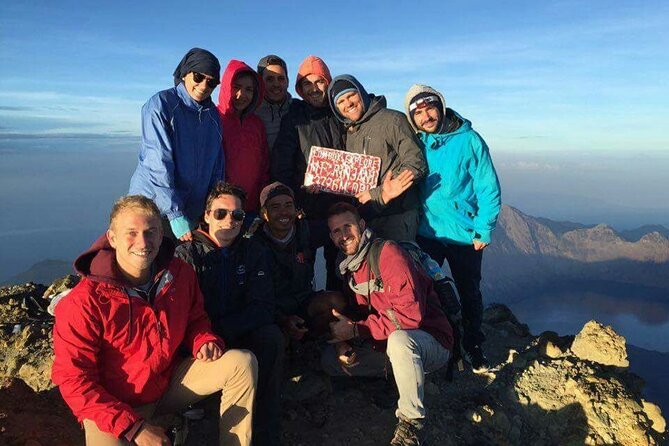
This trek is designed around one thing: you work hard in the dark, then earn views that feel bigger than your photos. The big moment is the summit sunrise experience. You start at about 2:30 am, walk for roughly 3 hours, and aim for sunrise from the summit area. That schedule matters. It means you are not just climbing until it looks good, you’re climbing toward a specific light show.
Then the itinerary keeps the magic going. On Day 2, after the summit and the descent, you get time around the lake and hot spring area, and after that you return to another camp site at a crater rim. On Day 3, you wake at 6:00 am for another sunrise and then finish your descent to Senaru gate by around 1:00 pm.
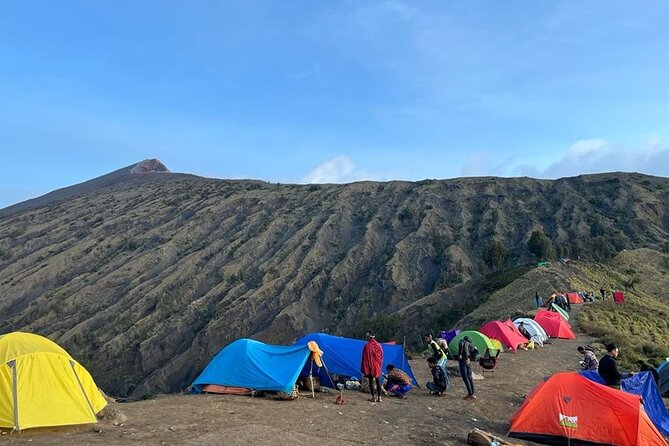
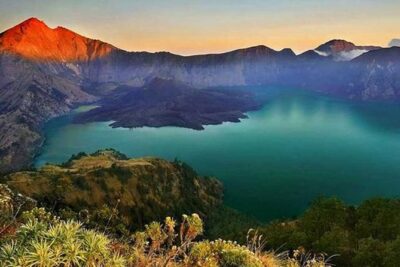
Sleeping on the Sembalun crater rim your first night and the Senaru crater rim your second night changes how the mountain feels. You’re not just passing through. You’re pausing at high altitude volcanic edges, with the trail’s drama built into your sleep and your mornings.
For me, the best part of this structure is that it reduces guesswork. You know when you’re climbing, when you’re resting, when you’re eating, and when you’re heading for sunrise. That makes a tough trek feel manageable, even if it’s still hard.
More Evening Tours in Lombok
- Mount Rinjani 2 Days 1 Night Senaru Crater Rim
★ 5.0 · 131 reviews - Lombok : Sharing Whale Shark Tour 2 Day 1 Night Sumbawa
★ 3.9 · 53 reviews - Mount Rinjani Hiking to summit( 2 Days 1 Night )
★ 5.0 · 50 reviews
Getting from Senaru to Sembalun: Day 1 is all about rhythm
Day 1 starts with a meet-up in Senaru village. You’ll connect with the team either at their office or your accommodation in Senaru, then you get a trekking briefing about how the process works. This is a small detail that matters. On long treks, the first hour sets the tone. You want clear expectations and a calm start.
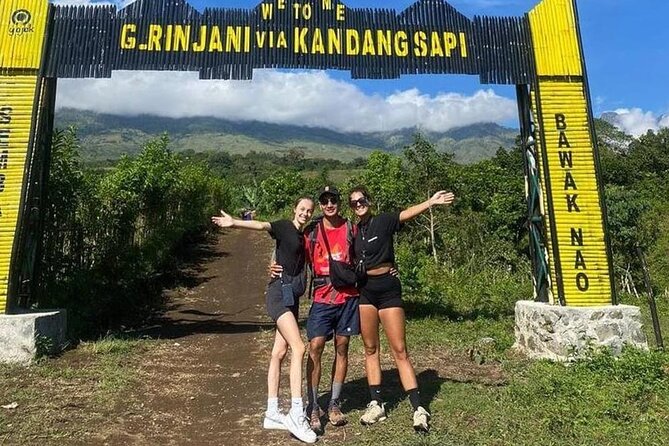
After that, you drive about 45 minutes to Sembalun village, then register at the Rinjani office and get transported again to the Sembalun gate. This sequence is practical. It keeps the formalities out of the middle of your climbing day, so you start walking ready.
Once you begin, the pace is laid out in manageable chunks. You’ll walk to Pos 1 in about 2 hours, take a short 15-minute break, then continue to Pos 2 in roughly 45 minutes. Lunch is at Pos 2, which is smart because it gives you fuel before the last push toward camp.
From Pos 2 you move to Pos 3 in about 1 hour, then you rest at Pos 3 before continuing to the Sembalun crater rim camp site for the first night. That camp location is the turning point of Day 1. The trek goes from “walking through the jungle edges” to “you’re living at the rim of a volcano.” Even if you’re tired, that change keeps you alert.
Practical tip: Day 1 is also where you should start watching your pace. If you spend too much energy too early, the summit night will feel twice as intense later. Build consistency from the first steps.
2:30 am summit night: guides and porters make the difference
Day 2 starts in the dark, with a summit push for sunrise. You begin walking up to the summit around 2:30 am, and it’s about 3 hours to reach the sunrise zone. Expect night walking to feel different from daylight hiking. Your headlamp is not just for comfort, it becomes part of how you stay oriented, pace yourself, and avoid trips when your brain wants to slow down.
This is where the guide and porter team can really change your experience. The included guide is English-speaking, and the porter crew handles your food and trekking equipment. That means your job is simpler than it would be on a self-led hike. You can focus on footwork and breathing instead of carrying extra weight.
What I like about the way this trek is run is that it’s structured for safety during the hardest part. The trail moves you from checkpoint to checkpoint, then down to a recovery phase. After sunrise, you walk down for about 2 hours, which is an important design choice. After a summit effort, your body needs a controlled descent before you add more walking blocks.
In real life, the mountain can throw weather at you. One trek run in April included storm conditions, and the team support still got people to the right plan. That kind of operational readiness matters because you don’t want to be the one improvising decisions while cold and tired.
Also, bring an attitude check. Even with support, the summit climb is demanding. If your fitness is not strong, this is the moment you’ll feel it.
Summit to lake and hot spring: the reward day after the grind
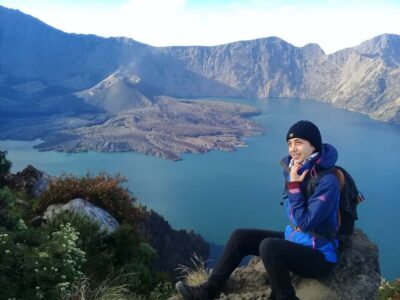
After the summit, the day turns from peak effort to recovery and scenery. You walk down about 2 hours, then the route continues to the lake and hot spring area. This is not just a detour for photos. It’s a change of pace that helps your legs and gives you a different type of volcanic experience than the summit view.
Then you walk up again to your second camp at the Senaru crater rim. That matters for two reasons.
First, it prevents the day from feeling like a random ride back. You still earn your camp position.
Second, it keeps your energy focused. You’re not walking in circles, you’re moving with a reason: descend to the reward zone, then reposition for the next morning.
When I think about value, I like that the trek doesn’t end right after the hardest part. Some treks feel like a one-act play. This one is more like two acts: summit sunrise, then a crater lake and hot spring interlude, then a second sunrise and descent.
More Hiking Trips in Lombok
- 2D1N Senaru Crater Rim Trekking
★ 5.0 · 178 reviews - Mount Rinjani Trek 3D-2N To Summit – Lake – Hotspring
★ 4.7 · 111 reviews - Rinjani trekking 2D 1N RIM
★ 5.0 · 94 reviews - Mount Rinjani 2-Day Trek to Senaru Crater Rim
★ 4.8 · 89 reviews
Day 3 to Senaru gate: quick sunrise, longer downhill, finish by 1 pm
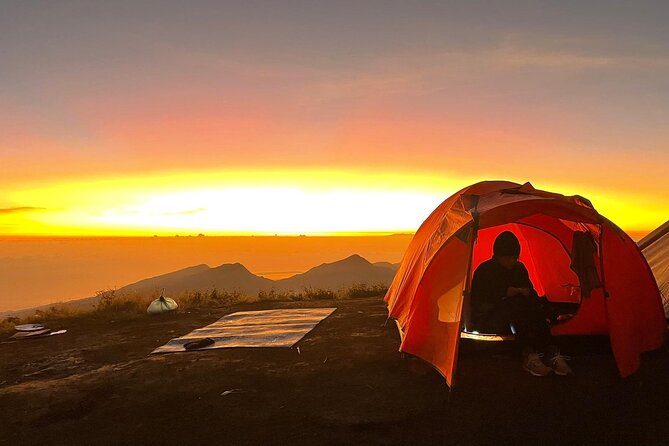
On Day 3, you wake up at 6:00 am for sunrise. This is the second dawn moment of the whole trip. You’re not just dragging through mornings at high altitude. You’re using those early hours to get a planned view, then moving on.
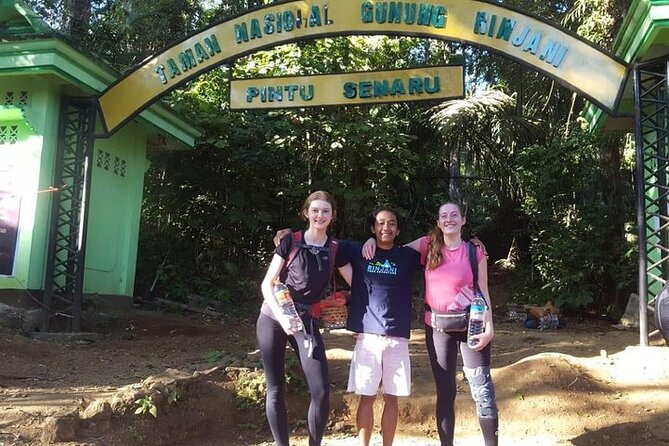
After that, the descent to Senaru gate takes about 5 hours, and the timeline includes lunch time on the way. The activity typically ends around 1:00 pm on normal timing, and your service finishes back at the meeting point area.
For planning your wider Lombok itinerary, that 1 pm finish matters. You can usually organize a relaxed afternoon once you’re down, instead of spending the whole day traveling. Also, finishing by midday helps with recovery. You’re not arriving late at night, swollen and exhausted, and then trying to navigate logistics in the dark.
What you pay for: value, inclusions, and the add-ons that surprise people
The trek price is $245 per person for 3 days and about 2 nights. It’s booked on average 43 days in advance, and you receive a mobile ticket.
Here’s what is included:
- an English-speaking local guide
- porters who carry your food and trekking equipment
- food and water during the trek
- fruit and soft drinks
- camping setup: tent, sleeping bag, mattress
- toilet tent
This package structure is worth paying attention to. On Rinjani, the hard part is not only distance, it’s the logistics of high effort plus weight plus sleep setup. Including the tent and sleeping bag means you don’t have to rent or bring all of that yourself. Porters taking your equipment load also changes how much you suffer on the ascent and descent.
What is not included:
- transport to Senaru on arrival day: IDR 500,000 per person
- accommodation before trekking: IDR 250,000 per person
- the Mt Rinjani entrance fee: IDR 600,000 per person
So the real budgeting picture is: the $245 covers the guiding and trek service plus food and camping basics, while you still need to budget local transport, pre-trek accommodation (if you use it), and the park entrance fee.
If you’re comparing options, don’t just compare the sticker price. Compare what you’d otherwise have to pay for: porter labor, meals, and camping equipment.
Small groups, strong guiding: why the names matter
This trek runs with a maximum of 6 travelers. That small size is a big deal. It makes briefing clearer, adjustments easier, and it reduces the chaos factor on a steep mountain route.
In the feedback you can see a pattern: the guide makes the climb feel organized. People specifically mention Fahri for excellent and flexible service from start to finish, and Ipan (also written as Irpan or Ivan in different entries) for attentiveness, care, and strong support during hard parts. You can also see Adi mentioned for a good experience, plus a porter team described as both capable and genuinely helpful.
One theme that comes through is the quality of the camp food. Porters aren’t only carrying loads. They cook, and people call the food delicious, sometimes better than expected comfort-food style meals after a big day.
If you want a trek where you feel taken care of in practical ways, the guide and porter team are the reason to book this format, not just the mountain itself.
Gear and fitness: the two things you can’t fake
The operator states that you should have strong physical fitness. That’s not marketing language. It’s the key requirement for making the summit push feel survivable instead of terrifying.
There’s also a trail reality to acknowledge. Night hiking can be mentally tricky. One person noted getting off the trail in the dark and relying on headlamp light, which is a good reminder that your navigation confidence matters even when you have a team. The safest plan is simple: stay close, follow instructions, don’t let fatigue or darkness tempt you into wandering.
What to bring based on real trek experience guidance:
- a headlamp (you’ll use it)
- trekking poles are strongly recommended as a must for some hikers
Beyond that, you’ll want to pack for early mornings and long days, but the exact clothing list isn’t provided. So keep it general: dress for cold and wet potential, and bring layers you can manage during dawn starts.
Weather and changing conditions: how to think about risk
This experience requires good weather. If conditions are poor, your trek may be canceled and you’ll be offered a different date or a full refund.
That’s the official safety approach. But there’s also the human factor. One April trek experience included a storm, and the team still managed the experience. The point for you is this: don’t treat weather like a yes or no box. It’s a living variable on a volcano.
My practical advice is to book with flexibility in your schedule and mentally prepare for rain or mist if the forecast is uncertain. The higher you go, the more the mountain will decide the mood.
Should you book this Rinjani 3D/2N summit and lake trek?
I think you should book this trek if you want:
- a planned sunrise itinerary with a summit night start
- a small-group experience (max 6) where the guide can manage pace and support
- included camping setup and meals, plus porters carrying your equipment
- the full arc: summit, then lake and hot spring time, then a final crater-rim sunrise and descent
You might want to skip it or rethink your timing if:
- you do not have strong fitness for a 2:30 am summit climb
- you’re not comfortable with dark hiking and long downhill days
- you don’t want to handle the add-on costs for entrance fee and local transport to Senaru
If all that fits, this is a smart way to do Rinjani. You’re paying for more than views. You’re paying for a working system: guides, porter support, camp gear, and a route built around the moments you came for.
More Hiking & Trekking in Lombok
- Mount Rinjani Second Summit Trekking ( 2Days-1Night )
★ 5.0 · 49 reviews - 2 Days Hike to Summit with full view of Sunrise and Sunset
★ 5.0 · 49 reviews - Hiking Rinjani 3 days 2 nights summit – Lake
★ 5.0 · 48 reviews - Trekking Rinjani Volcano To Crater Rim Senaru 2D-1N Private – Syam Trekker
★ 5.0 · 45 reviews
Other Rinjani Trekking in Lombok
- 3D-2N Explore Mount Rinjani – Summit -Lake and Hotspring
★ 5.0 · 112 reviews - 3D/2N Rinjani trekking summit,lake and hot springs.
★ 5.0 · 85 reviews - Rinjani Trekking 3D2N Summit
★ 4.5 · 85 reviews - Rinjani Trekking 3 Days 2 Nights (Sembalun – Senaru)
★ 5.0 · 84 reviews
Just added around Lombok
- Trekking Rinjani Mountain Summit 2 Days 1 Night – Em Adventure★ 5.0 · 42 reviews
- Trekking Rinjani Volcano To Crater Rim Senaru 2D-1N Private – Syam Trekker★ 5.0 · 45 reviews
- Full-Day Private Trip to South Lombok★ 5.0 · 15 reviews
- Tete Batu Tour (Culture, Rice Terraces and Waterfalls)★ 5.0 · 23 reviews
- MODERATE HIKING: 2D/1N Crater Rim Senaru | Rinjani Samalas Tour★ 5.0 · 8 reviews
- 3D-2N Explore Mount Rinjani – Summit -Lake and Hotspring★ 5.0 · 112 reviews
- Lombok Tour For Cruise Passangers★ 4.5 · 16 reviews
- Day Trip Secret Island West Of Lombok★ 4.5 · 7 reviews
Rinjani Trekking, compared.
Mount Rinjani 2 Days 1 Night Senaru Crater Rim
Read our review →
3D-2N Explore Mount Rinjani – Summit -Lake and Hotspring
Read our review →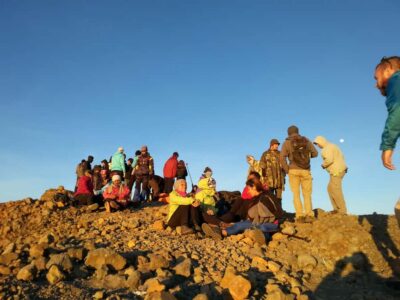
Mount Rinjani Trek 3D-2N To Summit – Lake – Hotspring
Read our review →
3D/2N Rinjani trekking summit,lake and hot springs.
Read our review →
Mt Rinjani Trekking 2 Days 1 Night (Senaru Crater Rim)
Read our review →Browse the lists this tour appears in