
REVIEW · COOKING CLASSES
From Garden to Table: Indonesian Cooking Class in Yogyakarta
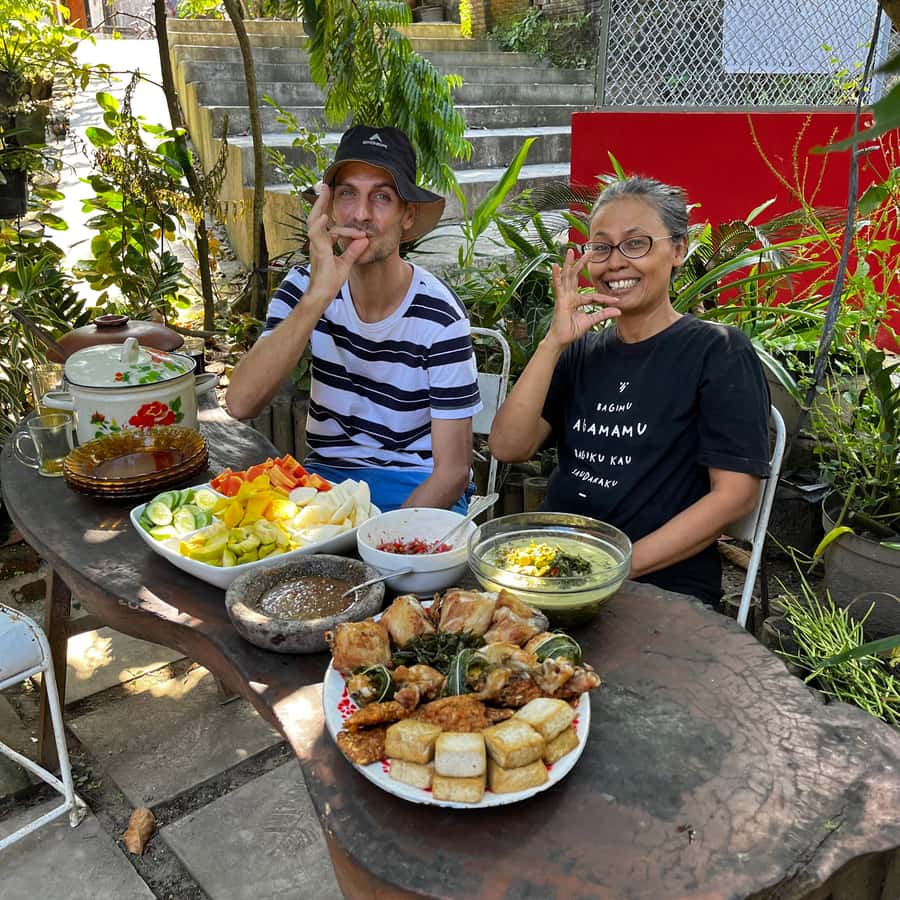
A garden kitchen in Yogyakarta, with cats watching and herbs under your fingers. This hands-on Indonesian cooking class runs with Endah and her family, starting with a garden harvest and moving straight into cooking Javanese favorites you’ll plate and eat. I especially liked the family-style vibe and how much of the work is actually yours, not a show where you stand around.
The main thing to consider is comfort. The class is not air-conditioned, so plan for warm, humid conditions and bring a personal fan if you run hot.
In This Review
- Key Highlights You Should Know Before You Go
- A Garden Kitchen in Yogyakarta That Feels Personal
- Welcome Drink First, Then Straight Into Cooking Work
- The Menu: Six Dishes You’ll Cook and Eat
- Garden Harvest: Herbs, Rhizomes, and That Extra Sense of Smell
- How the Class Runs: Prep, Sambals, and Spice You Can Control
- Cooking Together, Family Style: Why That Matters More Than the Recipe
- Lunch on Your Plate: Eat What You Made
- Receipts for Your Cooking: Recipes Sent After the Class
- Price and Value: What $46 Buys in Yogyakarta
- Who This Class Fits Best (and Who Might Want to Skip)
- Practical Tips to Make Your Afternoon Easier
- Should You Book This Garden to Table Class?
- FAQ
- How long is the Indonesian cooking class in Yogyakarta?
- How much does it cost per person?
- What dishes are included in the class meal?
- What drinks are included?
- What language is the instruction?
- Is the class private and wheelchair accessible?
- Do I get recipes after the class?
- What are the age limits for this activity?
Key Highlights You Should Know Before You Go
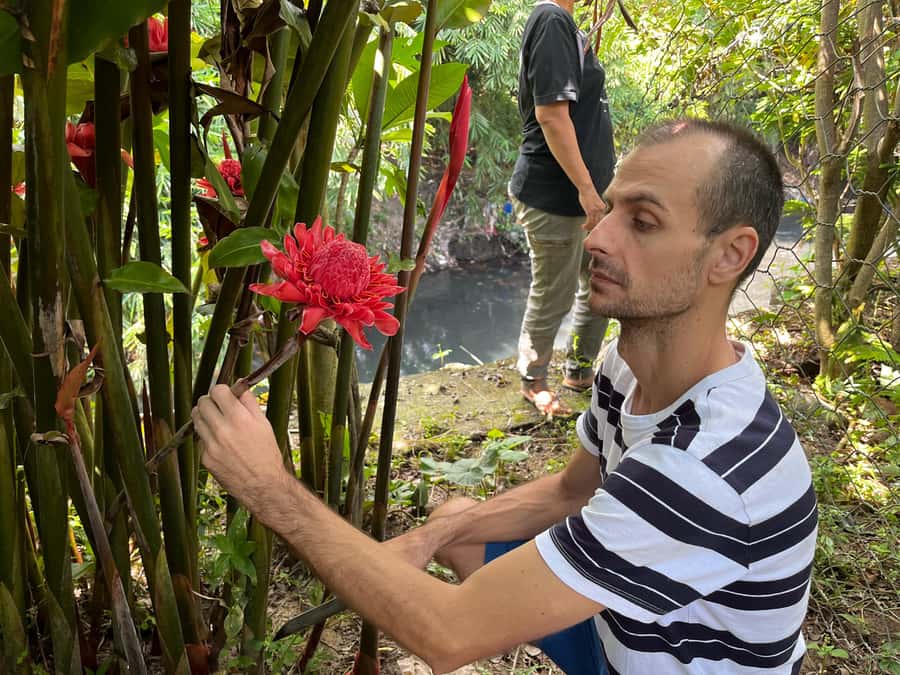
- Garden harvest first: pick native herbs and flowers, then use what you just collected
- Real hands-on cooking: you help with prep and cooking, not just tasting and watching
- A meal you make yourself: lunch is included, and it’s centered on the dishes you prepare
- English instruction and small private groups: it can be just your group, with options customized to your choices
- Welcome drinks to match your taste: tamarind turmeric, tamarind sugar, or lemongrass tea
- Cute cats and calm surroundings: serene, homey setting while you cook
A Garden Kitchen in Yogyakarta That Feels Personal
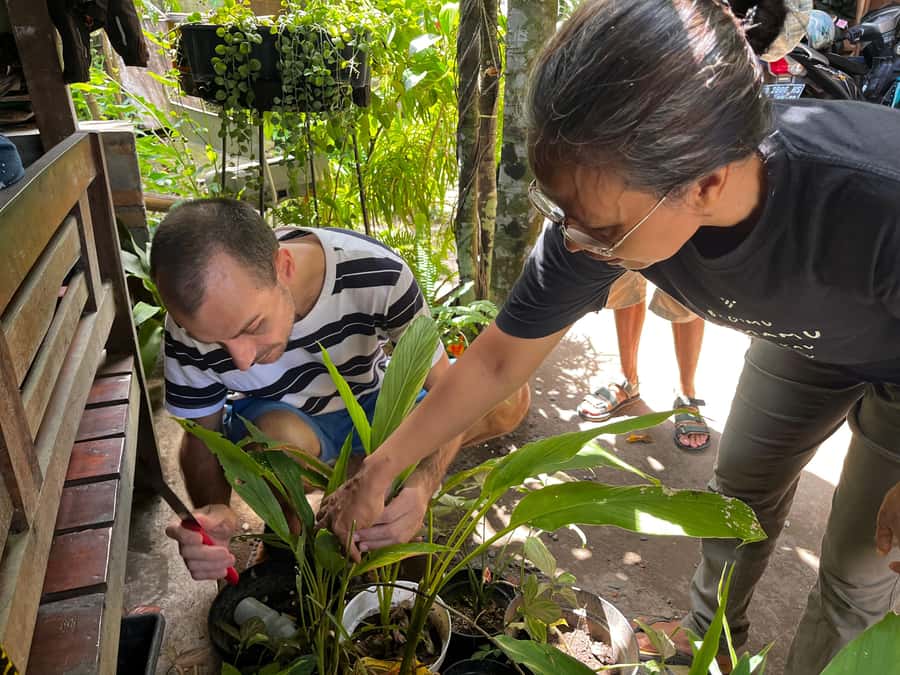
In Yogyakarta, food is a big part of daily life, but this class makes it personal fast. You start outdoors, with Endah guiding you through the ingredients you’ll use. Then you move indoors and cook like you’re helping a host prepare a meal for people they care about.
I like that the pace is relaxed but purposeful. You get time to touch, smell, and handle fresh ingredients, including rhizomes and spices, before heat and knives take over. The garden part matters because it changes how you experience the food, you’re not just learning recipes, you’re learning where the flavors come from.
And yes, the setting has that calm, lived-in feeling. One of the recurring details is the presence of cute cats wandering around while you cook. It sounds silly, but it helps: it makes the whole afternoon feel more like a family hangout than a packaged tourist activity.
More Cooking classes in Yogyakarta:
- Ubud: Balinese Cooking Class at an Organic Farm
★ 5.0 · 1,786 reviews - Ubud Cooking Class Bali with Balinese Chef
★ 5.0 · 1,609 reviews - From Ubud: Authentic Cooking Class in a Local Village
★ 4.9 · 1,325 reviews
Welcome Drink First, Then Straight Into Cooking Work
Before you start chopping, you get a welcome drink. You can choose tamarind turmeric, tamarind sugar, or lemongrass tea, which is a nice way to ease in without waiting. Depending on your menu and timing, you may also find extra small touches like home-brewed coffee and fruit from the garden, which adds to that whole family-hosted feel.
After that, you get oriented and you pick (or confirm) the dishes you’ll make. Endah sends you the full menu range after booking so you can choose ahead of time. The class then builds around your choices, and for many people the customization is a highlight, especially in a private group.
This is not a “sit down and watch” lesson. From the moment cooking starts, you’re involved in prep and hands-on tasks. If you like learning by doing, you’ll feel right at home.
The Menu: Six Dishes You’ll Cook and Eat
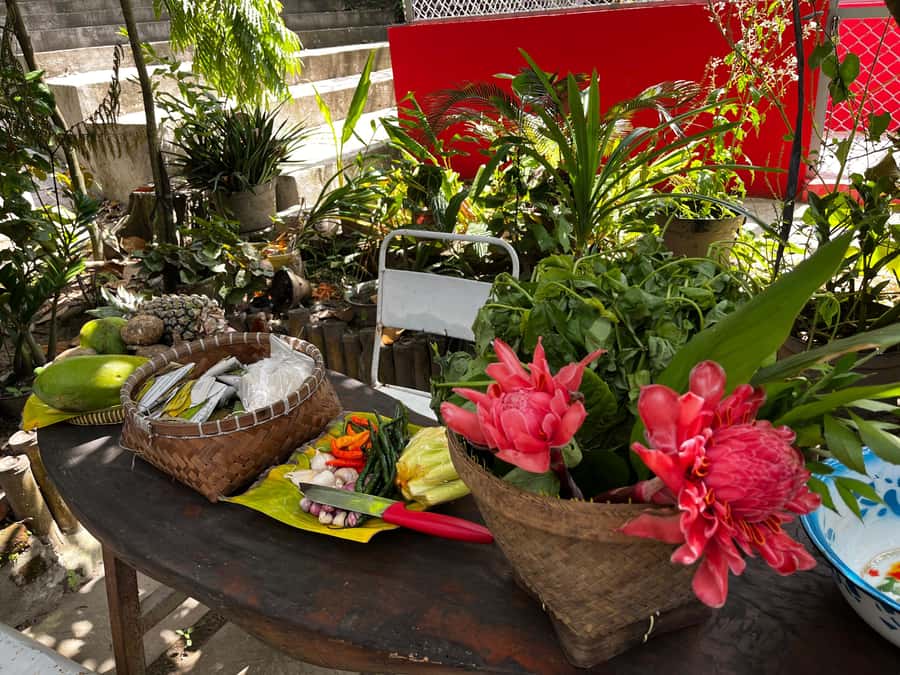
The class is built around cooking a set of local dishes, and lunch is included, based on what you prepare. The menu you’ll cook includes six items, typically:
- Vegetable rujak mixed with peanut sauce
- Fried chicken with curry leaves
- Fried and/or boiled tofu
- Tempeh
- Balinese lemongrass chili sauce
- Local fruit rujak
That mix hits a lot of the bases of Indonesian flavor. You get crunchy and saucy textures from rujak, savory depth from curry leaves, plant-forward proteins in tofu and tempeh, and heat and aroma from lemongrass chili sauce. It also means you learn more than one cooking approach in a single afternoon.
One more useful tip: menu options can vary. Some people mention dishes like rawon, a beef black soup, as part of what they had access to when choosing. So when you review your menu range, pick dishes you genuinely want to eat, because you’ll likely end up cooking all or most of what you choose.
Garden Harvest: Herbs, Rhizomes, and That Extra Sense of Smell
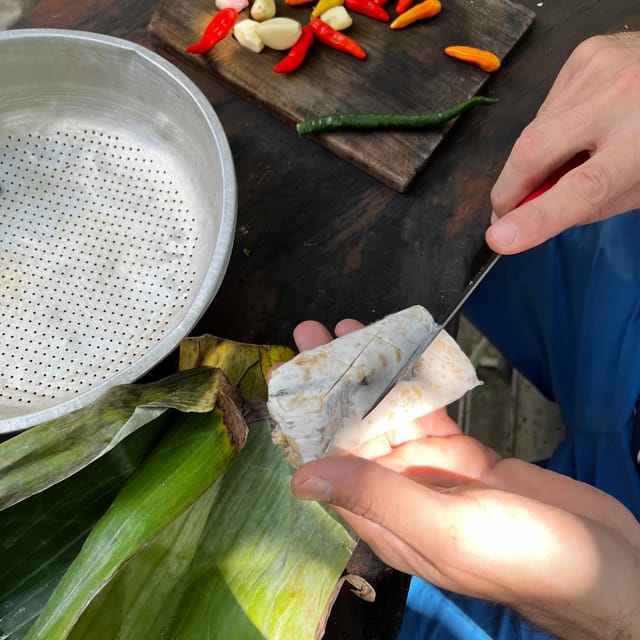
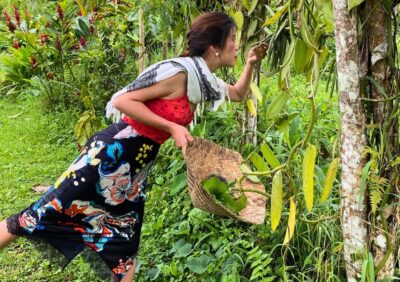
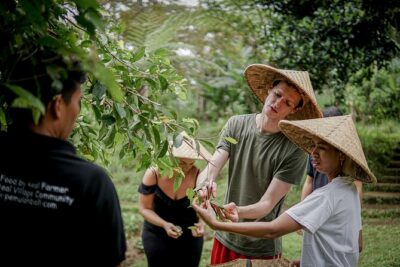
The signature start is the garden harvest. You go into the garden with Endah and pick native herbs and fresh ingredients that become the foundation for your meal. You’re not just walking around for photos. You’re actively selecting, touching, smelling, and processing ingredients.
This part is valuable because it trains your nose and your instincts. You start recognizing ingredient families by scent before you ever see them in a dish. When you later cook with spices and rhizomes, it feels like you’re building something you understand, not following steps you don’t get.
And the environment keeps it light. The garden is described as serene, and the cats make it feel playful rather than strict. You can treat the harvest like a guided ingredient safari, then shift gears into cooking with confidence.
A few more Yogyakarta trips to compare
- Yogyakarta: Borobudur sunrise(guarantee climb up)& Prambanan
★ 4.9 · 1,545 reviews - Yogyakarta: Borobudur ClimbUp (sunrise option) & Prambanan
★ 4.9 · 1,260 reviews - Yogyakarta: Borobudur Climb-up and Prambanan Guide Tour
★ 4.9 · 1,031 reviews - Borobudur Sunrise from setumbu Hill , Merapi Volcano & Prambanan Full Day Tour
★ 5.0 · 1,030 reviews
How the Class Runs: Prep, Sambals, and Spice You Can Control
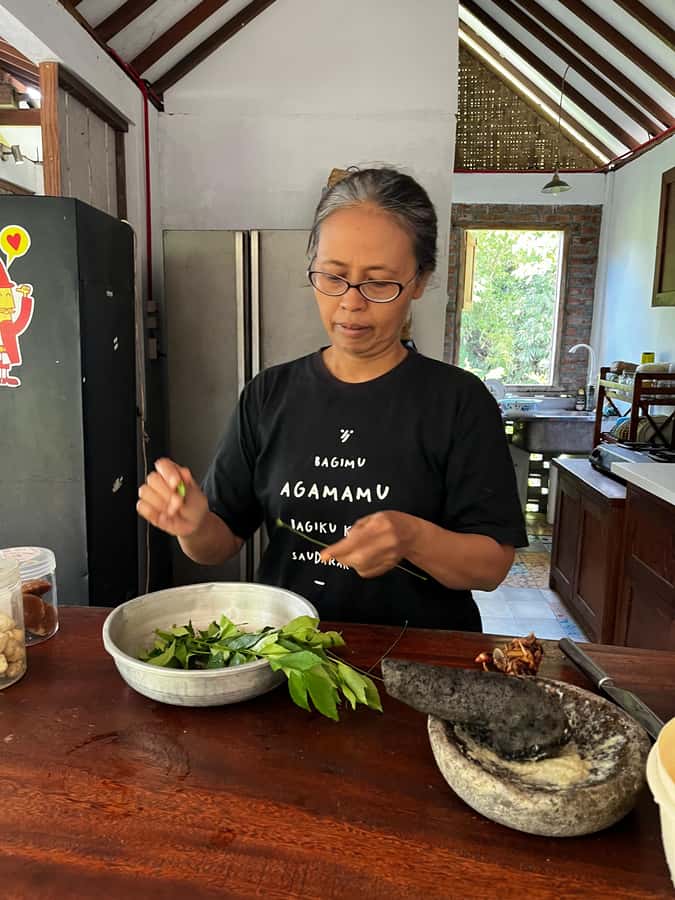
Once you’re back from the garden, the cooking becomes active. You’ll work on prep and cooking steps for your chosen dishes. Many people say they spent significant time working on sambal components, plus cooking elements like kroepoek (crackers) and other dish parts.
Here’s what I find practical about this style: sambal and sauces are where Indonesian cooking often feels intimidating. You can’t just learn a one-note “spicy” recipe. You need to learn what makes chili taste different from chili, and how balance works with sweet, sour, salt, and aroma. Endah is careful about spice levels, and the class can adjust to your comfort.
One detail I’d take seriously is heat. The class is not air-conditioned, so you’ll want to dress for warmth. Wear breathable clothes and plan to drink your welcome beverage and any drinks offered with lunch. If you have one, a personal fan can make a real difference.
Cooking Together, Family Style: Why That Matters More Than the Recipe
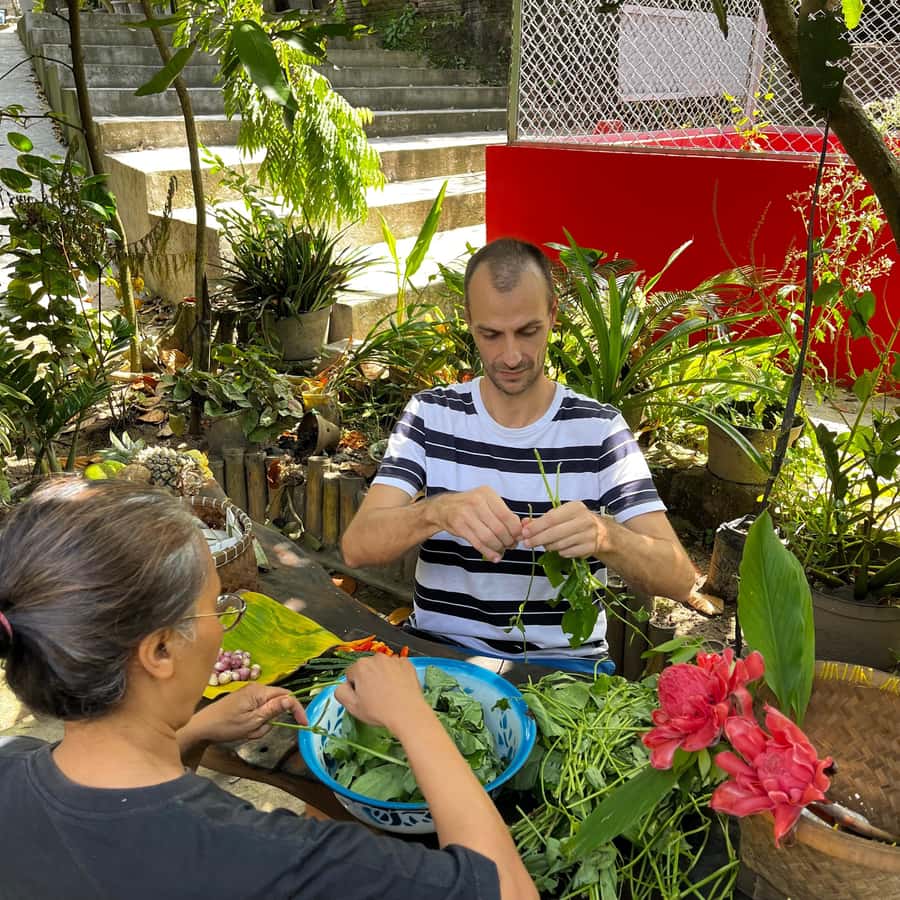
This class stands out for the human side of learning. Endah’s teaching style is often described as warm, and you may even meet members of her family. That family vibe shows up in how you’re treated, and it also changes how you learn.
I like classes where the teacher treats your questions as normal. If you ask why something works, you’re not brushed off. You’re guided through ingredients and methods in a way that feels like someone is teaching you a skill, not just checking off a syllabus.
You might also notice small moments of fun, like music and casual sing-alongs. The point is not entertainment for its own sake. It keeps the energy easy, and it helps you stay relaxed while learning new techniques like frying, boiling, and making sauces.
Lunch on Your Plate: Eat What You Made
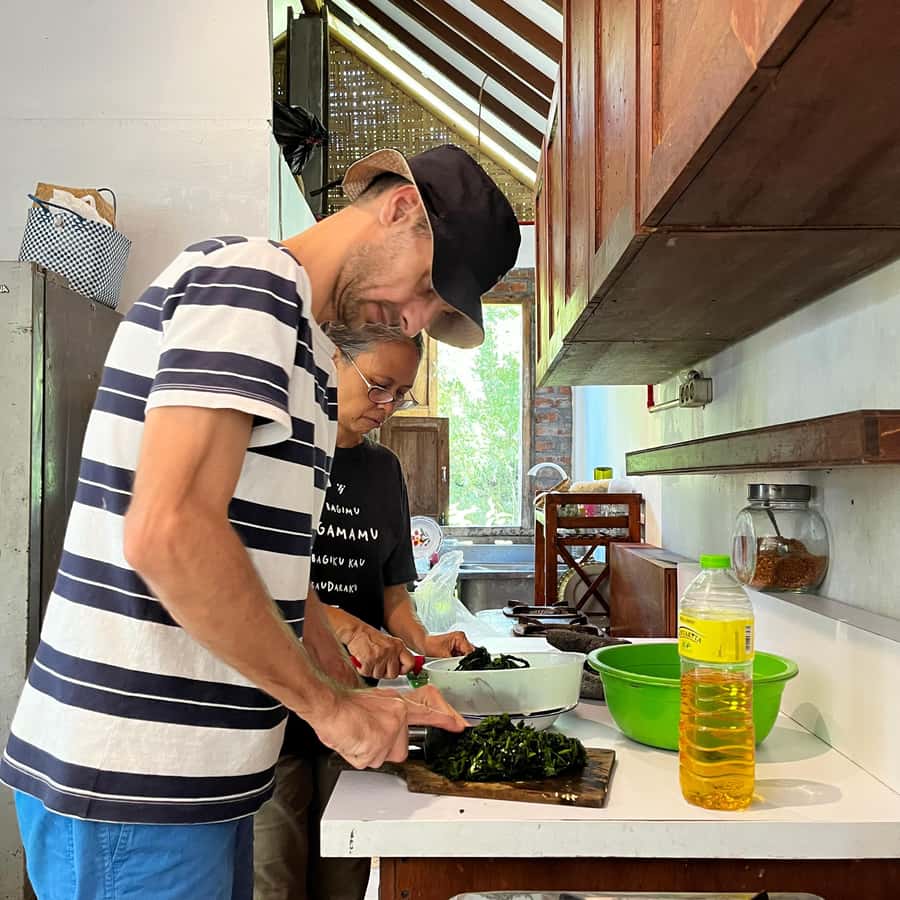
You don’t just cook and then go hungry. Lunch is included, and it centers on the dishes you prepared. This is a big deal for value, because you get a full meal experience from your work, not just a few bites.
People also note that the meal is plentiful. In other words, you won’t finish feeling like you snacked through the experience. If you pick rujak and sauce-heavy options, you’ll likely get a satisfying mix of flavors, sweet and sour fruit, peanut richness, and chili heat.
Another practical bonus: tasting your own cooking teaches you what to adjust next time. When you return home, you’re not only remembering steps, you’re remembering results. That makes recipe follow-up easier.
Receipts for Your Cooking: Recipes Sent After the Class
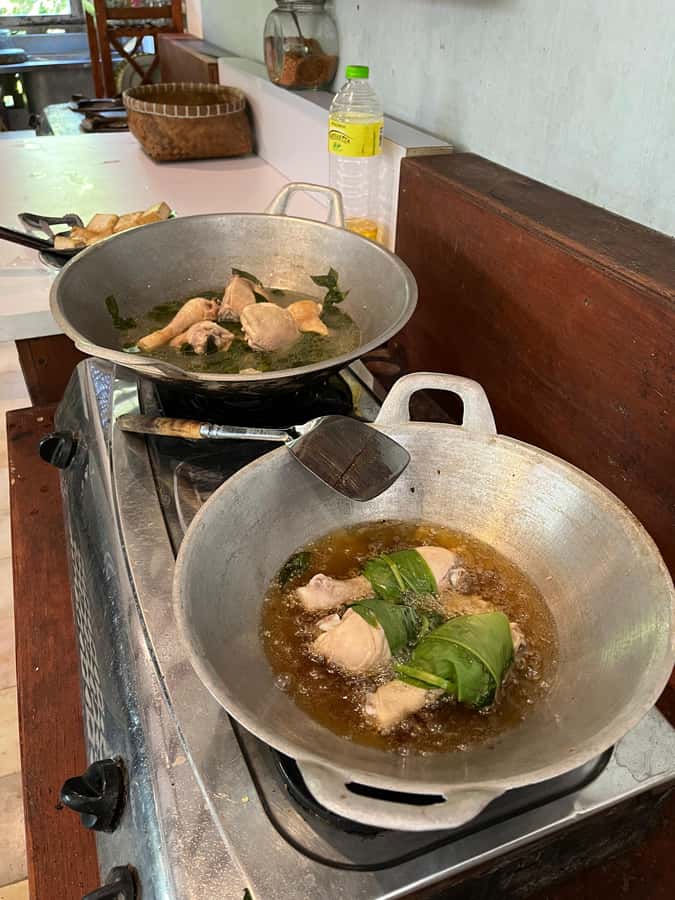
One of the best takeaways is that you receive the recipes afterward. People say Endah sends all recipes so you can try them at home. That matters because cooking knowledge sticks better when you can recreate it, not just store it as memories.
Use the recipes like a checklist, but also like a guide to taste. Indonesian cooking is heavily about balance. The recipes help you repeat the structure, and your own taste can guide final adjustments.
If you’re worried you’ll forget what you learned, don’t. Recipes plus a full meal at the end gives you a solid reference point. You’re leaving with both instruction and proof that it works.
Price and Value: What $46 Buys in Yogyakarta
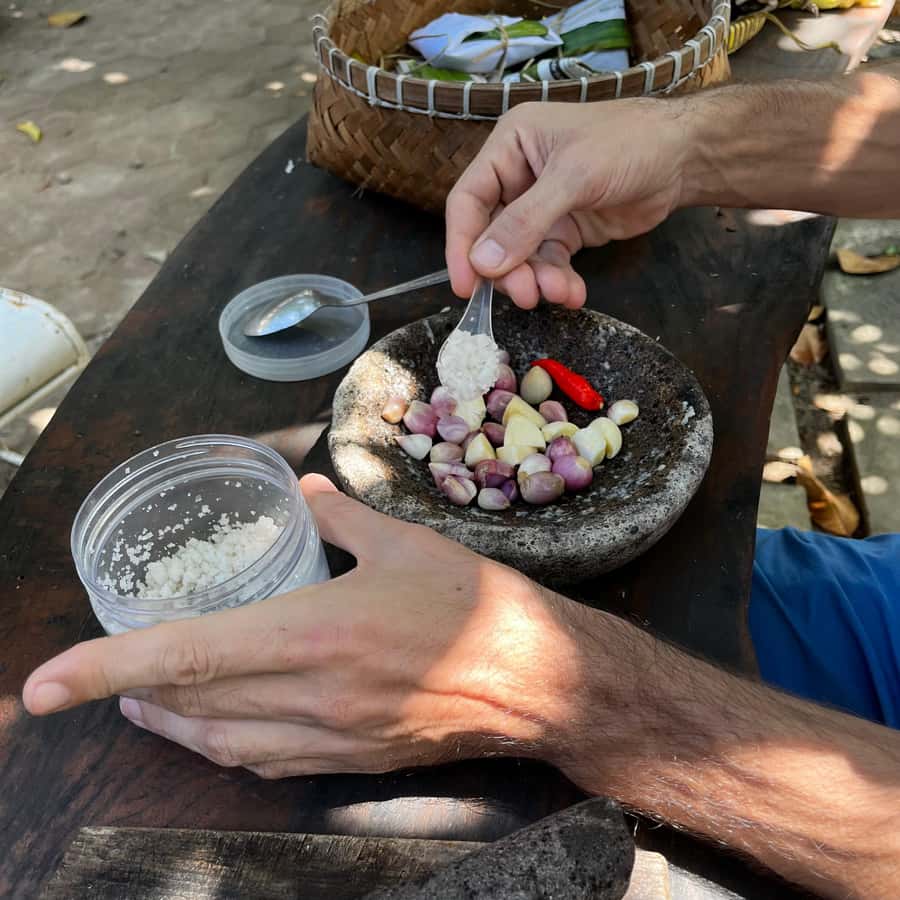
At $46 per person for a 5-hour class with lunch and drinks, this feels like a fair deal, especially for a private group format. You’re paying for more than cooking instruction. You’re paying for ingredient selection (from the garden), the teacher’s time, and all equipment and ingredients used during the lesson.
What makes the math feel better is that you eat what you cook, and you get recipes afterward. That turns the class into a full experience, not just a short lesson.
Also, the private-group setup often means you get attention and pacing that’s hard to match in bigger classes. If you’re someone who learns best by asking questions, that’s part of the value, even if it’s not written on the menu.
One small note: tips are not included. If you’re happy with the class, plan to tip based on your local standards.
Who This Class Fits Best (and Who Might Want to Skip)
This works best for adults and older kids who enjoy hands-on food work. It’s led in English, and the class is described as private, so you can get a more personal experience than you would in a larger group.
It is not suitable for children under 5 years, and it’s also not suitable for people over 70 years. Even though it is listed as wheelchair accessible, you should still think about how much standing and movement you can comfortably handle while walking through the garden and working in a home-style kitchen.
If you love food learning, Indonesian flavors, or farm-to-table style experiences, you’ll enjoy the garden-start format. And if you get excited by spices and sauces, this class gives you plenty to work with, including chili sauce and peanut-based rujak.
Practical Tips to Make Your Afternoon Easier
These are the practical things I’d do to show up ready:
- Wear breathable clothes and plan for warm conditions since it is not air-conditioned.
- Bring a personal fan if you tend to get overheated.
- Expect hands-on work, including prep and cooking steps, so keep jewelry and loose sleeves to a minimum.
- If you have spice preferences, speak up early so the class can adjust.
- Save your appetite for lunch, because it’s included and it’s substantial.
The class is English-led, wheelchair accessible, and private group, so you can plan around it without trying to decode a complicated setup. You’ll also have a clear path to what you’ll make since the menu range is sent after booking and you choose ahead of time.
Should You Book This Garden to Table Class?
Yes, you should book it if you want a Yogyakarta cooking class with real ingredient context. The garden harvest changes the whole experience. You’re not only learning how to cook, you’re learning what fresh herbs and spices contribute to the final bite.
Also, you’ll probably like it if you prefer practical cooking. You get involved, you make multiple dishes, and you eat the results. The family vibe and the relaxed tone make it feel welcoming, even if you’re trying Indonesian cooking for the first time.
Skip it if you dislike warm indoor settings or you’re looking for a fully air-conditioned, sit-and-watch style class. And if you fall into the listed age limits, you’ll need to pick another activity that fits your needs better.
FAQ
How long is the Indonesian cooking class in Yogyakarta?
The class lasts 5 hours.
How much does it cost per person?
It costs $46 per person.
What dishes are included in the class meal?
You prepare 6 local dishes, including vegetable rujak with peanut sauce, fried chicken with curry leaves, fried/boiled tofu, tempeh, Balinese lemongrass chili sauce, and local fruit rujak.
What drinks are included?
You get a welcome drink to choose from tamarind turmeric, tamarind sugar, or lemongrass tea, plus a drink with lunch.
What language is the instruction?
The instructor speaks English.
Is the class private and wheelchair accessible?
It is a private group and it is wheelchair accessible.
Do I get recipes after the class?
Yes. You receive the recipes after the class so you can try the dishes at home.
What are the age limits for this activity?
It is not suitable for children under 5 years and not suitable for people over 70 years.
Just added around Yogyakarta
- Guarantee Borobudur Temple Structure & Prambanan Temple.★ 5.0 · 5 reviews
- Taman sari water castle, sultan palace & local food tasting★ 4.7 · 11 reviews
- Sunset at Prambanan & Ramayana Ballet (Ticket Guaranteed)★ 4.5 · 10 reviews
- Sunrise Setumbu, Borobudur structure climbing and Prambanan★ 4.7 · 4 reviews
- Sultan Palace, Water Castle & Prambanan Temple Guided Tour★ 4.6 · 4 reviews
- Yogyakarta: Jurang Tembelan, Pine Forest, and Timang Beach★ 4.5 · 20 reviews
- Prambanan Sunset (and Ramayana Ballet Option) Tour★ 3.3 · 8 reviews
- Yogyakarta: Prambanan Temple Morning Tour and Palace Tour★ 5.0 · 4 reviews
Cooking Classes, compared.
Cooking Class with Transfers and Optional Market Visit
Read our review →
PRIVATE Authentic Balinese Cooking Class in Ubud at Putu’s Home
Read our review →
Browse the lists this tour appears in