
REVIEW · RINJANI TREKKING
Mt Rinjani Trekking 2 Days 1 Night Summit
Mt Rinjani in 48 hours is no joke. This private 2D1N summit trek pairs a sunrise summit goal with crater rim camping, so you get that real high-mountain feeling without stretching it into a 4 or 5 day trip. Add a guide who leads the hike and also helps with photos, and your group comes away with more than just tired legs.
There is one real consideration: this is a physical summit itinerary, and you should plan on cold, dark hours and long days. The package does not include key items like headlamps and proper trekking shoes, so bring the basics and follow the packing advice closely.
In This Review
- Key Takeaways Before You Go
- Your 48-Hour Mt Rinjani Summit Plan, and What You Pay For
- Day 1 Briefing Plus Sindang Gile and Tiu Kelep: A Perfect Arrival-Day Reset
- Day 2: Trek From Sembalun to the Crater Rim Campsite
- Day 3: Sunrise Summit Push, Then Walk Down to the Village
- What’s Included: Meals, Water, Camping, and Photo Support That Actually Helps
- Gear Checklist: What You Must Bring for a Comfortable Summit Night
- How the Gili Transfer Works After You Finish the Summit
- Price vs Value: When $280 Is a Good Deal
- Who This Mt Rinjani 2D1N Summit Trek Is Best For
- Should You Book HaLoMi Trekker for the 2D1N Summit?
- FAQ
- What time does the Mt Rinjani trek start?
- Is pickup and drop-off included?
- Does the price include meals and water during the trek?
- Is camping included?
- Do I need to bring trekking shoes and a jacket?
- Is this tour private?
- What bonus transfers are included?
- Are vegetarian meals available?
- Is the trek refundable if I cancel?
Key Takeaways Before You Go
- Private group hiking with a full guide and photo support, not just a handoff in a crowd
- Crater rim camping on a tight schedule, built around two hike days plus a summit day
- Waterfall time on arrival day, with Sindang Gile and Tiu Kelep as a mood reset
- Meals, snacks, and bottled water included during the trek, so you can focus on moving
- Bonus boat transfer to Gili Island after the climb, which saves you extra planning days
Your 48-Hour Mt Rinjani Summit Plan, and What You Pay For
This experience is built for people who want the Mt Rinjani summit challenge in a short window. It is listed as a 2 days 1 night summit hike, with the overall trip running about 3 days when you include the pickup and the extra add-ons. You meet at 8:00 am for the start of the day, then you’re gradually steered into the rhythm of the mountain.
The price is $280 per person, which is not pocket-change, but it is also not just “a guide walks with you.” Your cost supports a lot of on-the-ground basics: national park fees, local taxes, bottled water, and meals during the trek. It also includes an overnight component (plus camping equipment support) and professional photo support. For me, that matters because summit treks are expensive in hidden ways once you start buying or arranging logistics piece by piece.
You should also know what you are buying in plain terms: you are signing up for a tough hike that you do not control much. The timing is designed for sunrise and daylight walking, and weather can affect how the team handles the plan. Most groups mention feeling well cared for, but if you are the type who hates uncertainty, this is still a mountain, not a theme park.
Other Rinjani trekking worth a look in Tetebatu:
- Mt Rinjani Trekking 2 Days 1 Night (Senaru Crater Rim)
★ 5.0 · 85 reviews - Mt Rinjani Trekking 4 Days and 3 Nights
★ 5.0 · 57 reviews - Mount Rinjani 2 Days 1 Night Senaru Crater Rim
★ 5.0 · 131 reviews
Day 1 Briefing Plus Sindang Gile and Tiu Kelep: A Perfect Arrival-Day Reset
Your first day starts with a briefing, then you move into the waterfall portion: Sindang Gile and Tiu Kelep. This is smart. Instead of jumping straight into steep hiking mode from the first minute, you get a physical warm-up that also gives you something beautiful and local to focus on.
Why I like this for value: waterfall visits often get tacked on as an afterthought. Here, it is part of your arrival-day structure, so you arrive on Lombok territory and then see a slice of what makes the island special beyond the mountain itself. It also helps break up travel energy. If you are coming from a different island (many people do), this kind of active reset usually lands better than a full travel-to-trek switch.
Possible drawback: you are still on Lombok time on day 1, which can feel like “more steps” before the big climb. If you are easy to fatigue, treat day 1 like a warm-up, not a personal fitness test.
Day 2: Trek From Sembalun to the Crater Rim Campsite
Day 2 is where the trek becomes the trek. You start walking from Sembalun toward the campsite on the crater rim. This is the leg that shapes the whole experience. You’re not only climbing, you are building altitude familiarity, testing your pace, and settling into the day’s rhythm.
Most people do not realize how much the crater rim changes your night. Once you’re up there, the mountain feels more exposed, the air can feel sharper, and your focus shifts from “am I enjoying this?” to “can I handle the next hours safely and comfortably?” That is why the emphasis on guide support matters here. In multiple write-ups, specific guides and porters are praised for keeping hikers moving well and supported through the climb.
One detail I find useful from the experiences shared: porters handle more than you might expect. People report that they only needed to carry personal items while tents, food, and much of the setup work were carried by the team. That setup can make a huge difference on day 2, because your energy is better spent learning your pace instead of hauling extra weight.
What you should watch: the day can feel heat- and humidity-heavy depending on conditions. Even if you are fit, plan for the reality that this is an island volcano climb, not a crisp alpine stroll.
Day 3: Sunrise Summit Push, Then Walk Down to the Village
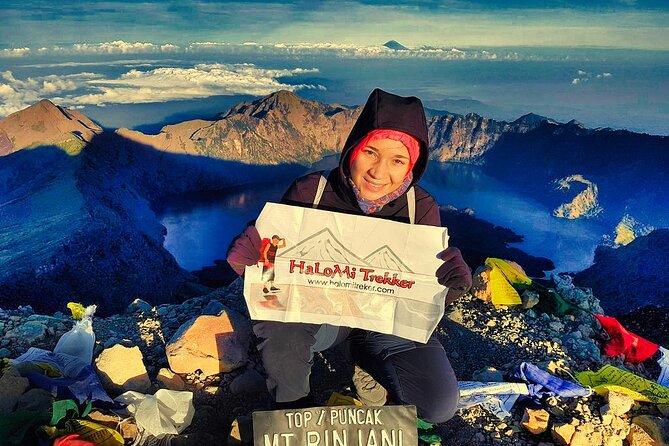
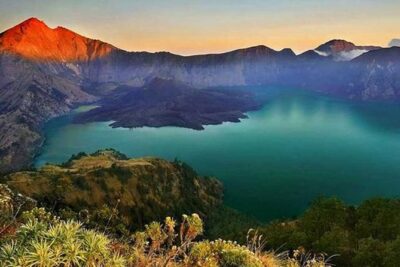
Day 3 is the big one. You hike up to the summit, and then you walk down to the village. Several accounts highlight reaching the summit at sunrise, which is exactly what you want from a short-format trek. Sunrise on Rinjani is not just a photo moment. It’s a psychological marker. You get the payoff right when you’re already running on grit.
After the summit, the walk down is long. Even if you’re thrilled at the top, the descent can feel like a different kind of challenge. Your legs do the work, but your mind also has to stay steady. This is where a good guide earns trust, because they keep you moving in a safe, realistic way.
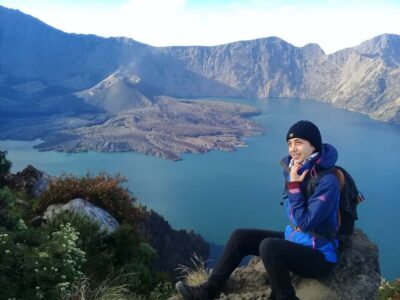
If you enjoy specific view rewards, there is a recurring theme in reports about crater rim views and the sense of scale from above. People describe unforgettable panorama moments that make the aches feel worth it. I also like that this itinerary brings you back down to a village environment, not a “back to the same starting point with the same sunset mood.” It gives you closure.
One more practical reality: you will likely deal with colder air than you expect at some point, especially as you move through early hours. There is at least one unhappy experience mentioned in the set of feedback, involving a partner who got hypothermic about an hour from the summit and an emergency decision issue. I cannot verify how that situation played out, but it is a reminder that mountain weather can change quickly and you should communicate discomfort fast. If you feel chilled or unwell, tell your guide immediately, not after you tough it out.
A few more Tetebatu trips to compare
- Trekking To Pergasingan Hill
★ 5.0 · 5 reviews - Bali: Sunrise Mount Batur Guided Hike with Breakfast
★ 4.8 · 9,660 reviews - Bali: Mount Batur Sunrise Guided Hike and Natural Hot Spring
★ 4.8 · 9,284 reviews - Bali: Mount Batur Sunrise Trek With Guide and Breakfast
★ 4.8 · 3,461 reviews
What’s Included: Meals, Water, Camping, and Photo Support That Actually Helps
Here is where this package feels thoughtfully priced. During the trek, you get breakfast, lunch, and dinner, plus coffee and/or tea and snacks. You also get beverages and bottled water. That matters because on a summit itinerary, even a small gap in hydration or food can become a big problem.
The inclusion list also covers a lot of the “paperwork” costs that often surprise people later: national park fees, environmental management charges (reef tax), and local taxes. You are also getting transport by private vehicle, plus hotel/port pickup and drop-off on the mainland.
And then there’s the part that many people underestimate: the professional photographer guide. You are not just relying on each other to catch the group at sunrise. People specifically praise guides for keeping things fun, taking care of hikers, and capturing moments along the way.
A few guide names pop up repeatedly in feedback. For example, some hikes were led by Mr Sinjan with Uki, others mention Wir, Mul, Adi, Eddie, Andy, and Hendri. I like seeing a pattern here because it suggests continuity in the guiding team. One tip that comes through strongly: if you do book, ask about the packing guidance and follow it. A reviewer specifically said to ask for Hendri and follow their packing list.
Group size is also worth noting. This is private, meaning only your group participates. Reviews describe groups as small, sometimes feeling like you were hiking with just one guide and several porters.
Gear Checklist: What You Must Bring for a Comfortable Summit Night
The tour lists several key items as not included, so plan for that before you land in Lombok. The essentials to bring yourself are:
- Head lamp/hand torch
- Small backpack/daily pack
- Trekking shoes
- Trekking jacket
- Long pants/trousers
Also, alcohol is not included, though you can purchase it. Tips for guide and porters are also not included.
If you want practical advice based on the mountain reality and the kind of support described here, I’d pack for two problems: night cold and summit-hour darkness. Even if daytime feels warm, early morning on a volcano crater rim can surprise you. A headlamp is not optional if you want to walk with less stress. And good shoes are not a fashion choice. Footing on a volcanic trail is what keeps your descent safe.
If you have a small day pack, keep it simple: water you might need for the road, a warm layer, rain protection if you have it, and anything personal like medication.
How the Gili Transfer Works After You Finish the Summit
A big plus is the bonus: you get a free boat transfer to Gili Island after the trek. That is ideal if you’re doing the classic Lombok plus Gili plan. Instead of figuring out how to reach the port while your legs are still negotiating with gravity, the trek package handles the jump after.
This is where the itinerary’s structure helps. Pickup and drop-off are offered across mainland Lombok, and the trek is followed by the Gili transfer after you descend. Several experiences describe the handoff happening smoothly, including being dropped at the port area for the boat connection.
Practical tip: keep your next-day mindset flexible. After a summit, you will not be in “tight schedule” mode. The boat transfer is a win because it reduces planning stress when you are tired.
Price vs Value: When $280 Is a Good Deal
For $280, you are getting a lot of “summit trek overhead” baked in. That includes:
- Trek meals and snacks
- Bottled water and beverages
- National park fees and local charges
- Overnight accommodation and camping support
- Guide and porters, plus photographer support
- Private vehicle transport with pickup and drop-off
Where the cost might feel less worth it is if you already planned everything yourself perfectly and you personally prefer to travel with a lighter support footprint. But the real appeal here is that you do not need to source multiple vendors. You pay once, and the team coordinates the moving parts.
Also, you save time. A two-day summit trek with crater rim camping is not something you want to DIY on day-one ignorance. You want structure, and this package is designed for that.
Who This Mt Rinjani 2D1N Summit Trek Is Best For
This is best for hikers who want a real summit attempt and are ready for the effort. The itinerary notes that most travelers can participate, but the climb still demands good physical condition. Reviews also point out that the final climb is hard. Translation: if you’re only comfortable with short hikes and flat walking, this will feel like you signed up for someone else’s training plan.
It also fits well for:
- People who want a short-format summit experience
- Couples and small groups who want private guiding
- Hikers who value food, water, and having someone handle setup and pacing
- Travelers who want to finish and then continue directly to Gili Island
If you hate early mornings, long days, or you get anxious when conditions change, consider a longer trek instead. With a short itinerary, there is less margin for slow travel.
Should You Book HaLoMi Trekker for the 2D1N Summit?
Based on the pattern of feedback and the way the package is built, I’d book this if you match the physical style of the itinerary and you like having a team handle the big logistics. The strongest pro themes are clear: people repeatedly praise the guides and porters for taking care of them, the food and water support during the trek, and the overall organization that covers pickup, hiking, camping, and the transfer onward to Gili.
I’d be cautious if you are very sensitive to uncertainty or you know you have trouble with cold, exhaustion, or medical issues on hikes. In that case, pack extra layers, tell your guide early if you’re not feeling right, and do not wait. The single negative experience in the feedback set is a reminder that mountains demand your active participation too.
If you want a tight, well-supported Mt Rinjani summit shot, this is one of the more complete ways to do it.
FAQ
What time does the Mt Rinjani trek start?
The meeting point start time is 8:00 am.
Is pickup and drop-off included?
Yes. The experience includes hotel or port pickup and drop-off, plus transport by private vehicle. It also offers pickup and drop anywhere on mainland Lombok that works for you.
Does the price include meals and water during the trek?
Yes. Breakfast, lunch, and dinner during the trek are included, along with snacks, coffee and/or tea, bottled water, and beverages.
Is camping included?
Yes. The trek includes overnight accommodation and camping during the 2 days 1 night format.
Do I need to bring trekking shoes and a jacket?
Yes. Trekking shoes and a trekking jacket are not included, and you should also bring long pants or trousers and a head lamp or hand torch.
Is this tour private?
Yes. It is a private tour, and only your group will participate.
What bonus transfers are included?
There is a free bonus boat transfer to Gili Island after the trek.
Are vegetarian meals available?
Yes. A vegetarian option is available if you advise at the time of booking.
Is the trek refundable if I cancel?
No. The experience is non-refundable and cannot be changed for any reason.
More Evening Experiences in Tetebatu
- Uluwatu Sunset, Kecak Dance, and Dinner Jimbaran Beach
★ 5.0 · 3,681 reviews - Bali Sunset: Uluwatu Temple, Kecak Dance and Jimbaran Bay
★ 4.7 · 2,397 reviews - Bali Hai Sunset Dinner Cruise
★ 5.0 · 1,173 reviews - Bali: Tanah Lot Temple Half Day Sunset Tour
★ 4.4 · 702 reviews
Just added around Tetebatu
- Trekking To Pergasingan Hill★ 5.0 · 5 reviews
- Tetebatu : Waterfall, Rice Fields & Monkey Forest Full day★ 4.9 · 14 reviews
- Tetebatu : Walk on Rice Terrace, Waterfall and Black Mongky★ 5.0 · 7 reviews
- Lombok: Tetebatu Walk, Waterfall, Monkey Forest & Cooking★ 5.0 · 7 reviews
- Tetebatu: Waterfalls, Spices, Rice Terrace, Monkey forest★ 4.9 · 55 reviews
- Mt Rinjani Trekking 2 Days 1 Night (Senaru Crater Rim)★ 5.0 · 85 reviews
- Mt Rinjani Trekking 4 Days and 3 Nights★ 5.0 · 57 reviews
- Tetebatu: Rice Fields, Waterfall, & Monkey Forest Day Tour★ 4.9 · 170 reviews
Rinjani Trekking, compared.
Mount Rinjani 2 Days 1 Night Senaru Crater Rim
Read our review →
3D-2N Explore Mount Rinjani – Summit -Lake and Hotspring
Read our review →
Mount Rinjani Trek 3D-2N To Summit – Lake – Hotspring
Read our review →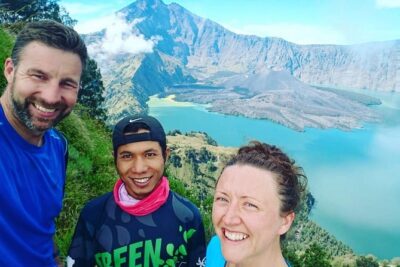
3D/2N Rinjani trekking summit,lake and hot springs.
Read our review →
Mt Rinjani Trekking 2 Days 1 Night (Senaru Crater Rim)
Read our review →Browse the lists this tour appears in